Hell Target - Cult Manga Review

The Japanese Bubble Economy of the 1980s was a heady time, and the direct-to-video boom—known as Original Video Animation or OVA—represented the Wild West of creativity. Tucked away in the shadows of giants like Akira or Bubblegum Crisis lay a whole world of lesser-known but nonetheless worthwhile works that deserved more than to be forgotten. Some demand a retrospective reappraisal, and Hell Target is one of those titles that deserves a second look. Directed by Motosuke Takahashi and produced with a modest but focused budget by Nakamura Production, Hell Target does not try to reinvent the wheel. Instead, it leans into the dark, claustrophobic tropes of the era to deliver a tight, atmospheric experience.

The story follows a rugged crew of space explorers sent to the planet Inferno to investigate the disappearance of a previous research vessel. What they find is a desolate, nightmare world where the environment itself feels hostile. As they delve deeper into the mystery of the missing ship, they realize they are not just dealing with mechanical failure or a harsh climate; they are being hunted. As the plot unfolds, the film shifts into a ruthless survival horror. The crew is systematically picked off one by one, but the threat is two-fold. On one hand, you have aggressive, terrifying lifeforms native to the planet that seem evolved specifically to dismantle human beings. On the other, there is a compelling layer of tension introduced through another entity with ill intent. As the film progresses, you are not just watching a monster movie but the psychological breakdown of the crew. There is a strange scene when the remaining two characters have relations while the monster is on the loose, which is admittedly jarring, but the tone otherwise remains consistently bleak.

One of the most striking aspects of Hell Target is its vision of the near future. In an age where modern sci-fi often trends toward the sleek, polished aesthetic of films like Wall-E, Hell Target is a refreshing throwback to the industrial and utilitarian. The technology here is heavily inspired by the used future look of Ridley Scott’s Alien. You can expect CRT monitors flickering with green text, heavy hydraulic doors that hiss and groan, and bulky space suits in grease-stained corridors. Everything feels lived-in, heavy, and most importantly, prone to breaking down when you need it most. This clunky tech heightens the tension, as there are no magical holographic shields here, just thin layers of vibrating metal between the crew and the void.

To be fair, the animation is functional rather than extraordinary. You will not find the fluid, high-frame-rate wizardry of a big-budget feature film here. However, where the film lacks in technical flash, it excels in world-building. The atmosphere of Inferno is oppressive, and the lore behind the mission feels grounded. The creators managed to build a sense of dread that punches far above the film's weight class. I had a genuinely enjoyable time with Hell Target. It is a gritty, unpretentious slice of 80s horror that understands its influences perfectly. It remains a bit of a hidden gem in the anime community, but it absolutely deserves more recognition from fans of lo-fi sci-fi.

LINK- Pure Invention: How Japan's Pop Culture Conquered the World- Book Review (and Personal Reflections)

LINK- The Rise of Retro Gaming During Covid

LINK: Japan: My Journey to the East

LINK- Blood, Sweat and Pixels- Book Review

LINK- Utopia for Realists- Book Review

LINK- On And On And Colston ( Or, How We Kinda Sort of Learned to Talk About the Legacy of Colonialism and the British Empire)

LINK- ‘Natives: Race and Class in the Ruins of Empire’ LINK: Elden Ring- Videogames As Art

Portrait of God - Cult Short Film Review

This film came up in my Incredibly Strange Films Facebook group I follow so I thought it give it a watch as, at just over eight minutes, it asks for a minimal time commitment. What it delivers is a thought-provoking narrative that reminds me a little of Darren Aranofsky's Pi.

The film quickly establishes a mysterious and reverent tone with an ominous Bible quote layered over eerie choral singing. The story itself follows a young academic woman who is working on a voiceover for her dissertation. Her subject is a painting titled 'Portrait of God', which she can only perceive as a black canvas. As her narrative unfolds, however, she undergoes a profound spiritual awakening, culminating in a confrontation with something truly divine and beyond human comprehension.

Written, directed, and edited by Dylan Clark, the film is an impressive work of concise storytelling. Sydney Brumfield, as the solo performer, delivers a solid and compelling performance. The staging is intentionally simple, effectively centering the viewer's focus on the message: that the human mind may be incapable of comprehending true divinity and beauty without being completely overwhelmed by it.

Overall, I felt 'Portrait of God' was a well-crafted and engaging piece of filmmaking that makes excellent use of its short runtime to deliver a thought-provoking message. 

LINK: Folk Horror in Videogames

LINK: Japan: My Journey to the East

LINK: Summer, Fireworks, and My Body

LINK: A Nightmare on Elm Street Boxset - Cult Movie Review

LINK: The Power of Stories and How They Are Manipulated

LINK: The Message by Ta-Nahisi Coates - Book Review (and Some Thoughts)

LINK: The Anxious Generation: Book Review (and Some Thoughts)

LINK: Utopia for Realists- Book Review

LINK: Toxic: Women, Fame and the Noughties- Book Review (and Some Thoughts)

Dark City- Cult Movie Review

As the Autumnal nights start to roll in, I thought I'd get into the spirit by watching some suitably moody and dark films. One of the movies I decided to watch was one I vaguely remember from about 25 years ago called Dark City. I remember it being a noirish sci-fi with a cool premise but couldn't remember exactly what it was, only that The Crystal Maze's Richard O'Brien played a scary fedora and trench coat wearing bad guy in it.

Snuggled into my blankie, I watched the movie with my wife. She noped out after 10 minutes when the opening monologue explained the scenario of alien beings having taken over the art deco nourish world.
The first scene features an unconscious man, John Murdoch played by a typically solid Rufus Sewell, in a bathtub waking up to find a slain woman. He has no recollection who he is or how he has ended up in this squalid room with a dead body.

Suddenly, he receives an anonymous phone call telling him to escape as some people are coming to get him. What follows is an incredibly well-done cat and mouse tale as John is trying to find out the truth, the police are chasing him for a series of murders and the alien entities want to catch him for their own nefarious purposes. All this seems to link to a place called Shell Beach, a place everyone knows but no one seems to recall how to get there.

I thorough enjoyed the film as it is a pretty starry cast who are all pretty uniformly excellent; Kiefer Sutherland plays Dr Schreber very well, a creepy psychologist with an ulterior motive who had betrayed humanity to work for the aliens. Richard O'Brien plays an alien in a trench-coated human guise very well-unrelenting in his pursuit for his prey.  However, Jennifer Connelly, who plays the wife of John Murdock, is a bit of a cypher though as she does not contribute much and the love story seems very artificial and tacked on. This is disappointing as Connelly is brilliant in everything she stars in and she seems underutilised.

The set design is immacute, all neo noir goth that reminds me of Tim Burton's Batman or Batman: The Animated Series and the hard-boiled film noirs of the 30s and 40s. The streets are rain slicked, the cars classic, it is constantly nighttime with fog and vented steam in the air that creates startling silhouettes and shadows.

The special effeacts are pretty effective as buildings change size and shape depending on the whims of the aliens - Paprika or Inception style. I watched the film over two nights as on the first night I was so tired and in a fugue state  so, when the buildings start to move, I wasn't sure of it was in the film or I was dreaming.

The film is a semi-forgotton genre masterpiece and deserves much more recognition that it got upon release. It's a shame that there wasn't a longer lasting legacy for this film as I think it should be considered a classic.

LINK- How to be Perfect: The Correct Answer to Every Moral Question by Mike Schur- Book Review

LINK- The Good Place and Philosophy- Book Review

LINK- Utopia for Realists- Book Review

LINK- On And On And Colston ( Or, How We Kinda Sort of Learned to Talk About the Legacy of Colonialism and the British Empire)

LINK: Lost in a Good Game- Book Review

LINK: Blood, Sweat and Pixels- Book Review

LINK- The Anxious Generation: Book Review (and Some Thoughts)

LINK- Utopia for Realists- Book Review

LINK- ‘Natives: Race and Class in the Ruins of Empire’ LINK: Elden Ring- Videogames As Art
LINK- Toxic: Women, Fame and the Noughties- Book Review (and Some Thoughts)

LINK- Pure Invention: How Japan's Pop Culture Conquered the World- Book Review (and Personal Reflections)

Krysař (The Pied Piper of Hamelin) - Cult Film Review

Whilst scrolling through the feed of a Facebook group I follow, Incredibly Strange Films, I heard of a stop motion animated film based on the story of The Pied Piper. I knew of the story of course, and had seen a haunting interpretation of the film in The Sweet Hereafter, which starred a young Sara Polly, that used the motiff as its main through-line. I've spoken before about how Channel 4 and BBC 2 used to show world animation during the daytime, stuff I'd get to see when I was ill at home. I remember unearthly jerky character movement which weirded me out at the time but with time I've come to appreciate the stop-motion art form. So, suitably intrigued by the premise of this short film, I thought I'd jump in and give this a view... but was it worth it

Well, I have to say Jiří Barta's 1986 stop-motion film Krysař (known in English as The Pied Piper of Hamelin) is an animated masterpiece which  distinguishes itself with its unsettling atmosphere and profound reinterpretation of the classic folk tale.

From the first frame, the film establishes a somber tone. The town of Hamelin is portrayed as a decadent place, inhabited by grotesque and selfish characters whose lives are dominated by greed and gluttony. The rats infesting the city seem a natural extension of the moral decay of its inhabitants. When the Piper is called to help resolve the issue he does so but is betrayed by the petty people. As a consequence, he exacts a terrible revenge.

Throughout the 50 minute runtime, the stop-motion animation is exceptional; every movement is deliberate and expressive, and the use of materials like wood and fabric gives the characters and environment a tangible, almost tactile texture that enhances the sense of disturbing realism. The German Expressionism, in the style of The Cabinet of Dr. Caligari, portrays the sharp higgledy piggledy houses as threatening, looking giants for the rats.

The character design is also particularly striking. The faces of Hamelin's inhabitants are exaggerated, almost Cubist, caricatures of avarice and ugliness, while the Piper is an enigmatic and almost spectral figure, with a pale prophetic face and empty eyes that hint at a nature beyond human. His flute is not just an instrument, but an almost organic object that seems to come alive when played, emitting sounds that are both seductive and hypnotic. The stop-motion animation truly excels at portraying the horde of rats; their sharp teeth and twitchy tails create an amazing visual, and the manic fury of their wave-like attacks on the people strongly evokes the feel of A Plague Tale: Requiem.

The narrative has little verbal dialogue, opting instead for a powerful combination of images, music and sound effects. Michael Kocáb's soundtrack is fundamental in building the atmosphere, with minimalist and dissonant pieces that accentuate the tension and mystery. The absence of words forces the viewer to fully immerse themselves in the film's visual language, interpreting emotions and motivations through gestures and expressions.What truly elevates Krysař is its treatment of underlying themes.

The film is not limited to telling the story of a rat-infested town; it is a scathing critique of societal corruption, irresponsibility, and complacency. The Piper's arrival is not just a solution but a judgment, and his revenge is a logical consequence of the villagers' lack of empathy and pettiness. The chilling final sequence, with the town's people blindly following the Piper to their watery fate, leaves a lasting impression about judgement.

Overall, Krysař is a gem of animation, an artistic work that transcends the format to offer a dark and fascinating meditation on human morality. Barta's critique of Western decadence from his communist Czechoslovakia home is pointed in its criticism of greed and decadence and, with the excess of the billionaires and rich, who would disagree?

The films visual style, wordless narrative, and profound thematic resonance make it an essential piece for lovers of more experimental and provocative animated cinema. It is a film that lingers in the memory, inviting reflection long after the credits have rolled.

LINK: Japan: My Journey to the East

LINK- Battle Angel Alita: And So It Ends

LINK- The Moomins 80's Soundtrack Vinyl Review

LINK- Inspector Gadget Retro Soundtrack Review

LINK- Ulysses 31 Retro Soundtrack Review

LINK- The Mysterious Cities of Gold Retro Soundtrack Review

LINK- Sonic Mania Video Game Vinyl Soundtrack

LINK- Thomas Was Alone Video Game Vinyl Soundtrack Review

LINK- Akira Soundtrack Vinyl Review

Possibly in Michigan - Cult Film Review

I'd heard of this short film mentioned on a Facebook Group I'm a part of, Incredibly Strange Films, but I was not prepared, dear reader, for what I watched.

I've seen many musicals like The Umbrellas of Cherborg, Oliver, Hello Dolly and Bugsy Malone but this film defies simple categorisation, being a avant-garde feminist piece that defies simple categorisation. 

Cecelia Condit's 1983 short film, Possibly in Michigan, is a truly singular and unsettling cinematic experience about two women who, during a seemingly mundane shopping trip for perfume, become the targets of a predatory man in a chilling mannequin mask. What follows is a surreal, unsettling chase through the mall environment. 

It's all very weird and mesmeric - intentionally so. It reminding me of a fever dream of shows I might have watched or possibly imagined watching at home on Channel 4 in the daytime whilst sick and in a fugue state in the 80s. What Condit successfully does is tap into the primal sense of feminine vulnerability and resistance, reframing the common trope of the female victim or final girl from horror films. The film’s strange structure and tone may be confusing but in its way it is a potent feminist commentary on gendered violence and agency.

The film’s aesthetic choices are deliberately grating, contributing greatly to its overall sense of unease. The lo-fi, synthesized score is highly distinctive, employing sounds reminiscent of an old Casio keyboard, lending a jarring, almost juvenile soundtrack to the unfolding horror. The farty two keys are also comedic when contrasted with what the film is talking about - Violence against women and cannibalism. Similarly, the earnestly naive sung dialogue, delivered by Karen Skladany and Condit, possesses a raw, unpolished quality that purposely avoids traditional vocal refinement. This intentional amateurism, combined with the over-saturated video effects in the chase sequences, creates a stylized, dreamlike atmosphere that is both chilling and compelling.

So, overall I'd give Possibly in Michigan a hard recommend. It is a weird but effective horror that has a unique soundtrack and abrasive visual style that is undeniably effective and unforgettable. It is an intriguing piece of avant-garde horror which has a hypnotic and experimental quality, guaranteeing it cult classic status. 

LINK: Japan: My Journey to the East

LINK- Battle Angel Alita: And So It Ends

LINK- Fire Tripper: Cult Manga Review

LINK- Akira Soundtrack Vinyl Review

LINK- Manga Exhibition at the British Museum

LINK- The Transportive Nature of Objects (And the Power of Mini Consoles)

LINK- My One True Gaming Constant in Life- Nintendo

LINK- The Mysterious Cities of Gold Retro Soundtrack Review

The Juniper Tree - Cult Film Review

I stumbled across The Juniper Tree while scrolling through the BFI Player, and the blurb immediately hooked me: a Grimm Brothers retelling, shot in black and white and starring a 21-year-old Björk? Sign me up! This is the Björk before the world knew her as a Sugarcube, the Debut era pixie, the infamous swan dress egg laying savant, or the emotional wreckage of the abuse lead in Dancer in the Dark. Seeing her here is like watching a proto-icon in the wild; she has the raw feel of ethereal whimsy and wonder which feels totally unforced, like she just wandered onto the set from a different dimension. So, how is the film?

Well, the story is a slow-burn meditation on survival and the supernatural. After their mother is burned for witchcraft, two sisters—Margit (Björk) and the older, more calculating Katla (Bryndis Petra Bragadóttir)—flee across the rugged Icelandic landscape. Katla uses a bit of "magic" to charm a grieving widower, Jóhann (Valdimar Örn Flygenring), into taking them in. While Katla tries to secure their place in the home, Margit forms a gentle, fragile bond with Jóhann's young son, Jónas, all while being haunted by spectral visions of her mother.

Visually, the film is arresting, even if the film is a bit of an endurance test story wise. The stark black and white cinematography strips Iceland of its "Land of Fire and Ice" postcard vibes and replaces them with something primordial and punishing. It gives the glacial acting style an evergreen, timeless feel - like you’re watching a folk memory rather than a 1990 movie. This film wouldn't feel out of place in some fever dream you might have had in the 80s after watching one too many of those eerie Eastern European stop-motion animations that used to show on Channel 4 when you were ill and at home recovering but looking for something on daytime tv.

To be totally honest, I feel like I "experienced" this film more than I "enjoyed" it: it’s heavy, somber, and the pacing is as slow as a retreating ice sheet but the visuals and the soundtrack are breathtakingly beautiful, creating a vibe that’s both claustrophobic and vast. If you want to see where Björk’s cinematic DNA began, it’s all right here in this strangely beautiful film.

The Banality of Evil in Papers Please and the Pain of "Random" Security Checks (Essay 2 of 3 in the Series)

I recently put together a trilogy of essays exploring systemic cruelty and complicity—so, all light and airy stuff, then. But, this being a pop-culture blog, I tackled the subject through a few different mediums—weaving together comic books, video games, and academic theory alongside lived experience. It was a slightly different direction for the site, but I wanted to try something new.

By bringing together all three pieces, I hoped to construct a unified thesis on how modern systemic cruelty operates across every scale of society. My first essay was on Supergirl: Woman of Tomorrow and examined macro-level community complicity through Hannah Arendt's concept of the "banality of evil". Below is my second essay on systemic cruelty. Enjoy!


As a Muslim man, travelling through international airports alongside my white wife and biracial children, border control has long ceased to be a simple administrative formality. Instead, it has evolved into a dark, running family joke.

Whenever we join the airport queues, my family instinctively knows the drill; without fail, I am the one pulled aside for "random selection"—enduring the extra bag searches, the chemical swab tests, and the thorough wand-down while my family waits patiently on the other side of the barrier. This happened once again this Summer when I travelled up from Devon to Scotland. Now, I am not suggesting these security protocols are entirely without merit, but they occur with a rather comic, exhausting regularity.

This personal ritual always brings to mind Lucas Pope’s 2013 indie masterpiece, Papers, Please. The game traps you behind a grey, suffocating stamp desk in the fictional authoritarian state of Arstotzka, tasking you with an agonisingly tense job: inspect passports, visas, and entry permits against a constantly moving target of fickle bureaucratic rules. Beyond your booth, an endless line snakes off-screen, populated by travellers armed with forged names, mismatched genders, impossible dates, and altered photos.

Because your earnings depend entirely on how many people you process, the system explicitly favours speed over accuracy. One slip-up triggers the sharp, mechanical print of an official citation; make enough mistakes, and your meagre pay is docked—leaving you unable to feed your family, heat your home, or buy vital medicine. In Arstotzka, bureaucratic error carries a immediate human cost.

For most players, Papers, Please serves as a sobering exercise in systemic empathy and moral compromise. For me, it strikes a far more intimate chord. Pope captures with terrifying precision how border control functions as security theatre—a performance designed to manage public anxiety by projecting absolute control. The moment a foreigner steps up to the booth, they are transformed into a convenient scapegoat for societal and economic crises that existed long before they arrived.

This anxiety is constantly stoked by the state newspaper, ironically named ‘The Truth’. Far from an objective paper of record, it operates as pure propaganda, manufacturing public consent for increasingly hostile, xenophobic policies. By weaponising fear of the "other", the regime keeps an open flame beneath society, steadily raising the temperature until institutional prejudice boils over into full-blown authoritarianism.

At any border, real or pixelated, the most powerful document in the room is the passport belonging to whichever nation sits on the other side of that invisible boundary. Yet, even with the right paperwork in hand, systemic suspicion alters how that document is read depending entirely on who is holding it.

What makes Papers, Please so unsettling is its quiet role reversal. In real life, I am the person standing under the scrutiny of the official light; in Arstotzka, Pope forces me behind the glass, making me wield the heavy red DENIED stamp, weigh human desperation against my own family's survival, and act as the administrative cog. It demonstrates with terrifying precision how easily ordinary people become complicit in institutional cruelty just to protect their own domestic peace : Political theorist Hannah Arendt called this the "banality of evil".

 Rejoining my wife and kids on the other side of the security barrier after yet another "random" inspection—adjusting my jacket while the queue shuffles endlessly past—Pope’s bleak satire feels less like a pixelated dystopia and far more like the world we have quietly learned to accept.

LINK: Japan: My Journey to the East

LINK: Please Save My Earth - Cult Manga Review

LINK: Thomas Was Alone Video Game Vinyl Soundtrack Review

LINK: Akira Soundtrack Vinyl Review

LINK: The Power of Stories and How They Are Manipulated

LINK: The Message by Ta-Nahisi Coates - Book Review (and Some Thoughts)

LINK: The Anxious Generation: Book Review (and Some Thoughts)

LINK: Utopia for Realists- Book Review

LINK: Toxic: Women, Fame and the Noughties- Book Review (and Some Thoughts)

The Innkeepers - Cult Horror Review

I came across Ti West's The Innkeepers by chance when I saw the cover in a film magazine whilst I was flicking through not WHSmiths; I can never remember what it’s called now and it’ll always be Smiths to me anyways. Suitably intrigued I managed to finagle a copy and sat down one cold, wet Autumnal evening to watch it. So, was my time well spent or was it an evening wasted?

Set in modern day (circa 2010s America, so an age away from the fresh hellscape we currently have over there) the film follows two slacker employees, Claire (Sara Paxton) and Luke (Pat Healy), who are determined to document the legendary paranormal activities of the Yankee Pedlar Inn during its final weekend of operation before it closes forever. However, in this refreshing take on the haunted house genre, what follows over the next hour and a half is a slow-burn supernatural tale that prioritizes atmosphere and character over jump scares and special effects.

The film's greatest strength lies in its masterful use of mood and setting. I’m going use that hoary old saying and say that the old hotel itself becomes a character—a maze of empty hallways, echoing stairwells, and dimly lit rooms that feels both charmingly old-fashioned and deeply unsettling. West takes his time, allowing the audience to soak in the pervasive silence and subtle sounds of the aging building. The scares, when they do arrive, are earned. They are often quiet, brief, and all the more effective for it, playing on psychological dread rather than cheap shocks. This style is a testament to West's control as a director, as he confidently builds a sense of unease that gradually tightens its grip.

Paxton and Healy deliver wonderfully naturalistic performances that anchor the film as their casual, witty banter feels authentic, providing a welcome human element that makes their budding ghost-hunting a believable pastime. Paxton, in particular, shines as Claire, portraying a character who is both quirky yet deeply vulnerable. Her transformation from a wide-eyed amateur investigator to a terrified victim is the emotional core of the film, and it's her relatable fear that ultimately makes the climax so chilling. The addition of Kelly McGillis as a former actress-turned-psychic adds an intriguing, if slightly strange, layer to the story.

Watching The Innkeepers, the atmosphere created by the low, constant drone in the sound design was effective. It wasn't just background noise; it felt like the hotel was breathing, a low hum of anxiety that got under my skin and made me feel like something was always wrong, even when the screen was still and quiet. It was the perfect complement to the way the camera moved. I noticed the Steadicam footage was often at these strange, skew-whiff Dutch angles, tilting the whole picture and making the hallways and rooms feel warped and unsettling; it made me feel the same claustrophobia and unease that the main character, Clare, was experiencing. It was a really effective way to put me directly into her anxious, disoriented state of mind, making the whole film an exercise in creeping psychological horror.

Overall, The Innkeepers is a film for a specific kind of horror fan: one who prefers the quiet terror of a classic ghost story over the flashy spectacle of modern horror. It's a character study first and a haunted house story second, and its deliberate pacing and atmospheric tension rewards patient viewers with a truly unnerving experience. So while it may not appeal to those seeking torture porn, flashy violence or jump-scares, it will reward lovers of old-school horror. This film is an intriguing little gem and pretty enjoyable and so I recommend it!

LINK: Summer, Fireworks, and My Body

LINK: A Nightmare on Elm Street Boxset - Cult Movie Review

LINK: The Power of Stories and How They Are Manipulated

LINK: The Message by Ta-Nahisi Coates - Book Review (and Some Thoughts)

LINK: The Anxious Generation: Book Review (and Some Thoughts)

LINK: Utopia for Realists- Book Review

LINK: Toxic: Women, Fame and the Noughties- Book Review (and Some Thoughts)

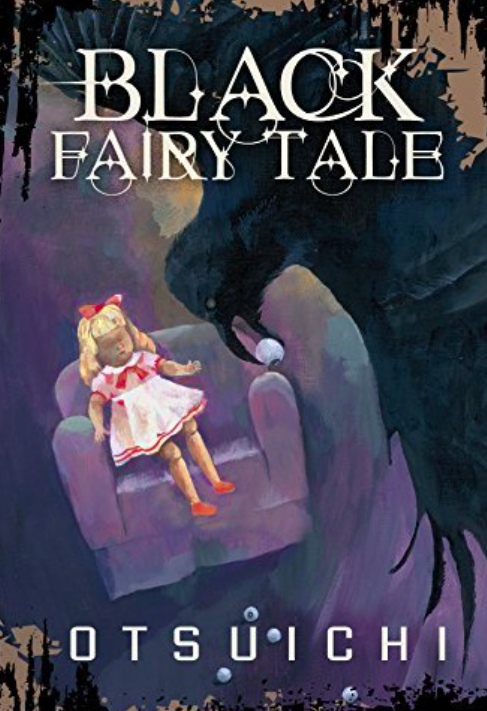
Black Fairy Tale by Otsuichi - Book Review

Otsuichi is a celebrated Japanese writer who perfectly blends dark and unsettling themes with a style that appeals to both young adults and seasoned readers. After thoroughly enjoying his earlier work, Summer, Fireworks, and My Corpse, I dove into Black Fairy Tales with high expectations, but was it any good?

The book weaves together several seemingly unrelated tales into a single, cohesive narrative. It begins with a dark, fable-like story about a loyal crow who collects eyes for a blind girl. The story then transitions to Nami, a high school student who loses her memory and an eye in a bizarre accident. After receiving a transplant, she starts experiencing eerie visions from the perspective of her donor.

Black Fairy Tale by Otsuichi

As Nami delves into the mystery behind her new eye, the story introduces us to Miki, a character with a disturbing past and a chilling scientific fascination with torture. These two narratives converge in a thrilling and suspenseful climax. Ultimately, Nami's quest for the truth leads her on a dangerous path, culminating in a tense, cat-and-mouse chase with a truly sinister villain.

Otsuichi is a master of blending the bizarre with the believable. In Black Fairy Tales, he crafts a murder mystery with fantastical elements like talking crows, living corpses, and a strange, inverse phantom eye syndrome where a donor's eye offers glimpses of their lived experience. The way he weaves these disparate elements together—from a dismembered "found family" to the unsettling, everyday realism of his characters—is what makes his work so unique.

While the prose itself is functional and not particularly ornate, there are occasional moments of beauty such as;

The past flows on. You die and fade away. Like streets and railroads vanish from a town, so too do people become no more. And the world becomes a little different.

Wonderful stuff indeed when it does pop up but it's clear that the story is king here. The plot's continuous momentum and shifting perspectives had me absolutely gripped from beginning to end. If you're looking for a genre-bending tale that is both strange and compelling, you'll want to add Black Fairy Tales to your reading list. It's a dark, unsettling, and thoroughly unique experience. Righto - I'm off to disinfect my body with swarfega as this story was icky in the best possible way.

The Banality of Evil in Supergirl: Woman of Tomorrow (Essay 1 of 3 in the Series)

Comic books are often dismissed as simple power fantasies, but the medium has a long, potent history of holding a mirror up to the darker corners of human nature. I've written a few articles over the years on this topic, but I recently got around to reading the DC Compact edition of Supergirl: Woman of Tomorrow. In issue #3 (by writer Tom King and artist Bilquis Evely), a brightly coloured sci-fi adventure pivots into a devastating exploration of Hannah Arendt's concept of the "banality of evil". The issue demonstrates just how effectively comics can tackle horrific real-world subject matter in a sensitive and thought-provoking way.

The Atrocity at Maypole

When Kara Zor-El (Supergirl) and her companion Ruthye track the fugitive killer Krem to the planet Corunn, they arrive in Maypole—an idyllic, polite town that looks like a calm, 1950s-style American suburb populated by blue-skinned aliens ("the Blues"). However, beneath the manicured lawns lies a grotesque secret: when space-faring mercenaries known as the Brigands threatened their world, the Blues made a chilling bargain. Rather than fighting or risking their own lives, they paid the Brigands specifically to murder and wipe out the planet's purple-skinned minority ("the Purples") in a segregated enclave known as "Purple Town". Krem, an imprisoned outsider at the time, actively assisted in the slaughter before being released and sheltered by the townspeople.

Standing before the mass graves outside Purple Town, Supergirl is forced to confront a soul-crushing truth: even with god-like power, she cannot simply punch her way out of systemic cosmic evil, nor can she cure the quiet complicity of an entire society that chose genocide for their own comfort.

Allegory, History, and Geopolitics

Because of the issue's heavy themes, I did some research online to see if King was drawing direct parallels to modern geopolitics, specifically comparing the plight of Purple Town to the Israeli-Palestinian conflict in Gaza. As it turns out, Supergirl: Woman of Tomorrow #3 was published in August 2021—well before the escalations in Gaza that began in October 2023—and King has never stated that the story was intended as a direct allegory for that specific conflict. While conflict in the region has been ongoing since the 1948 Nakba, the issue draws just as heavily on much older, universal history—from European colonialism to global instances of state-sanctioned ethnic cleansing.

I think this tendency for audiences to apply this modern geopolitical lens has been further fuelled by James Gunn’s 2025 Superman film. Although I still haven't actually seen the film myself yet, it was practically impossible to miss the endless chatter and debate across social media regarding its fictional conflict between Boravia and Jarhanpur, which many viewers interpreted as an explicit real-world proxy.

The Universal Canvas

Instead, King channels universal historical patterns—drawing on his own past real-world experiences to explore displacement, segregation, and ethnic cleansing. The chapter resonates precisely because it avoids being a one-to-one cipher for any single event.

By cleverly abstracting human cruelty onto an alien canvas, the comic strips away our political tribalism and forces us to confront a terrifying reality: evil rarely arrives looking like a cackling monster. Far more often, it presents itself as a polite neighbour, a tidy street, and an entire community looking the other way while their comfort is bought with blood.

It's something I mentioned in my review of Patlabor 2: The Movie, as a protagonist in that anime masterpiece opines:

"We export the realities of war and import the fruits of its labour. We call it a peace, but it's a fraudulent peace—until the front lines come home eventually."

'The Banality of Evil' trilogy of Essays

I’ve recently put together a trilogy of essays exploring systemic cruelty and complicity—so, all light and airy stuff, then. But, this being a pop-culture blog, I’ve tackled the subject through a few different mediums—weaving together comic books, video games, and academic theory alongside lived experience. It’s a slightly different direction for the site, but let's give it a go, eh?

By bringing together all three pieces, I hope to construct a unified thesis on how modern systemic cruelty operates across every scale of society:

My essay on Supergirl: Woman of Tomorrow examines macro-level community complicity through Hannah Arendt's concept of the "banality of evil".

My Papers, Please essay explores micro-level bureaucratic survival, administrative paranoia, and the personal reality of border control.

My Tacoma essay dives into the cold, corporate ledger math of late-stage capitalism, AI automation, and disposable human labour.

I wrote these essays over the summer holidays as I let my mind drift and wander across the myriad complications of the world and I found that this was the best way to work through what I was thinking and feeling. I hope they work! 

LINK: The Evolving Fears of a Horror Gamer

LINK: The Power of Stories and How They Are Manipulated

LINK: The Message by Ta-Nahisi Coates - Book Review (and Some Thoughts)

LINK: The Anxious Generation: Book Review (and Some Thoughts)

LINK: Utopia for Realists- Book Review

LINK: Toxic: Women, Fame and the Noughties- Book Review (and Some Thoughts)

LINK: Pure Invention: How Japan's Pop Culture Conquered the World- Book Review (and Personal Reflections)

LINK: Japan: My Journey to the East

Laurin - Cult Film Review

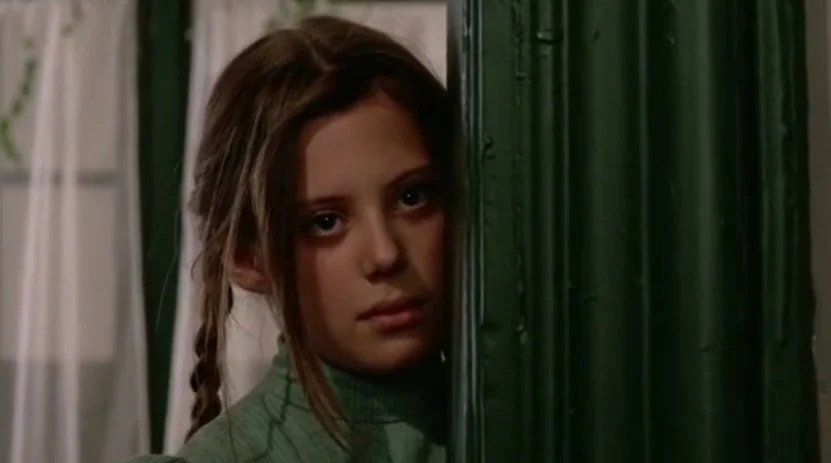
Sometimes the best cinematic discoveries happen off the beaten path and from unexpected sources. I recently stumbled across a mention of a film called Laurin on the Facebook group 'Incredibly Strange Films' and decided to dive in. What I found was a stunningly unique piece of Gothic German cinema that deserves far more recognition.

Directed by Robert Sigl in 1989, Laurin is set in a moody, turn-of-the-century German port town. The story centers on young Laurin (played with beguiling innocence by Dóra Szinetár), a girl living in a state of arrested development following the mysterious death of her pregnant mother. She’s immediately burdened with terrifying, precognitive nightmares that seem to link her mother’s tragedy to a series of escalating child disappearances in the village.

The narrative kicks off when a handsome new schoolteacher, Mr. Van Rees, arrives. Laurin is instantly drawn to him, but her amateur detective work soon pulls her into a dark mystery involving the teacher, the local priest and her bullied friend, Stefan. The film becomes Laurin's intense, personal mission to navigate the unsettling truths and repressed secrets of the adults around her, forcing her through a turbulent and often frightening journey into adolescence.

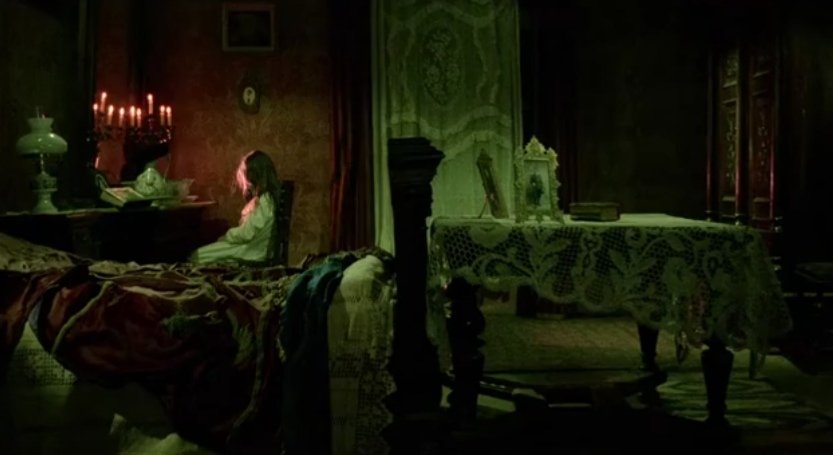
Watching this atmospheric, unsettling film, I quickly felt that Laurin completely resisted simple genre classification; it had horror elements but also dealt with the realm of the surreal, and frankly, I was here for it. Parts of it reminded me of The Company of Wolves, the growing adolescence of a young woman; Paper House, the trauma of abuse and childhood; Moondial, the sense of gothic dread and Suspiria, with its use of claret and greens that pervaded giallo films of old. In my book, this could only be a wonderful thing!

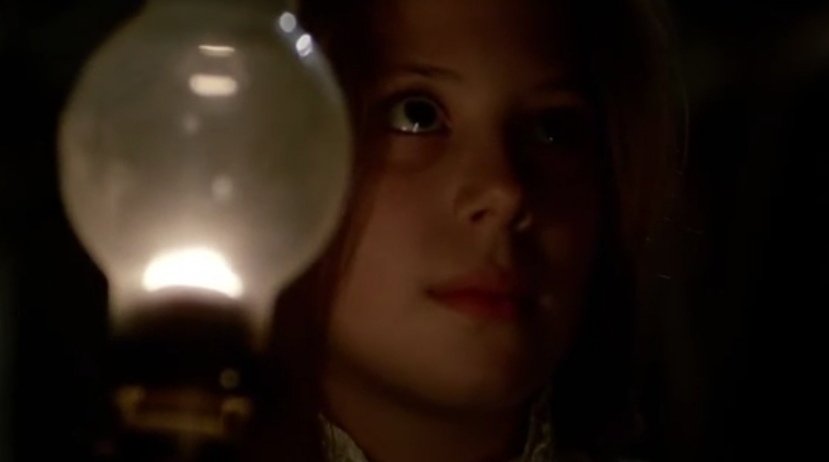
The film is beautifully filmed, using stunning natural landscapes and scenery to establish an immediate tone that is at once idyllic and profoundly fragile. These expansive exterior shots are contrasted brilliantly with interiors defined by carefully chosen lighting. The light here isn’t just illumination—it's a critical tool for generating mood. This strategic use of pervasive gloom and dramatic shadows contributes heavily to the ominous and eerie feeling that permeates every frame, sustaining an inescapable sense of mystery that the viewer is never quite allowed to escape. The set design shows real artistry, and Sigl makes expert use of bold color and visual imagery, transforming the very setting into a central participant in the psychological drama.

This highly stylized world is populated by characters whose eccentricities underscore the central themes of childhood trauma and repressed sexuality. Laurin, sleeping in a crib, is the perfect symbol of willfully stunted development. The ensemble only amplifies this disquiet, including the local Priest and his son, both clearly grappling with profound issues relating to childhood and sexuality.

Further depth is added by peripheral figures—the innocent bullied schoolboy, the dope smoking granny - who collectively frame the narrative not as a straightforward story, but as a descent into a community's deep-seated and often bizarre psychological unrest.

Overall, Laurin is a work that values atmosphere over exposition. It invites the viewer to navigate a dream logic where the boundary between reality and hallucination is irrelevant. For those drawn to cinematic puzzles and films where the environment is as disturbed as the characters within it, this movie is a unique, beguiling and truly unforgettable experience. So, if you’re a fan of unsettling visuals and deep mystery, go track this one down as its definitely worth your time.

LINK- Pure Invention: How Japan's Pop Culture Conquered the World- Book Review (and Personal Reflections)

LINK- The Rise of Retro Gaming During Covid

LINK- Japan: My Journey to the East

LINK- Blood, Sweat and Pixels- Book Review

LINK- Utopia for Realists- Book Review

LINK- On And On And Colston ( Or, How We Kinda Sort of Learned to Talk About the Legacy of Colonialism and the British Empire)

LINK- ‘Natives: Race and Class in the Ruins of Empire’ LINK: Elden Ring- Videogames As Art

Casting the Runes - Cult TV Review

If you have 50 minutes to spare and have an appetite for the uncanny, ITV’s 1979 adaptation of M.R. James’ Casting the Runes is a masterclass in atmospheric minimalism. While many supernatural thrillers rely on loud jump scares, this production favors a quiet, creeping dread that feels uncomfortably grounded; in many ways, it shares a lot of DNA with the classic Ghost Stories for Christmas series.

At the heart of the film is the excellent Iain Cuthbertson, who delivers a chilling performance as a Crowley-esque occultist who, after being slighted by a television producer, delivers a death sentence via a runic slip of paper. What follows is a frantic race against time; Prudence (played with convincing urgency by the wonderful Jan Francis) has only one month to live before the shadows finally close in.

The production’s pared-back aesthetic is its greatest strength. This economy of design creates a claustrophobic mood that many big-budget features struggle to replicate. By embedding the supernatural within the mundane world of 1970s television offices, the dark magic feels less like fantasy and more like a malignant, hidden layer of reality. Cuthbertson doesn’t require capes or pyrotechnics to be terrifying; his menace is rooted in cold, intellectual arrogance. This juxtaposition of the ordinary and the ancient makes the stakes feel surprisingly high.

The finale elevates the story from a simple ghost hunt to a profound moral conundrum. As the protagonist attempts to "return to sender" the deadly runes, the viewer is left with a haunting question: Is survival worth the price of another's soul?

Overall, Casting the Runes is a taut, unsettling, and intelligent piece of television. It proves that the most frightening things are often things that are much more mundane than the spooky creatures that go bump in the night.

LINK- Kolchak: The Night Stalker- Cult TV Series Review

LINK- Children of the Stones: Cult TV Series Review

LINK- The Stone Tapes: Cult TV Review

LINK- How to be Perfect: The Correct Answer to Every Moral Question by Mike Schur- Book Review

LINK- The Good Place and Philosophy- Book Review

LINK- On And On And Colston ( Or, How We Kinda Sort of Learned to Talk About the Legacy of Colonialism and the British Empire)

Lemora: A Child's Tale of the Supernatural - Cult Film Review

I recently stumbled upon Lemora: A Child's Tale of the Supernatural after seeing it mentioned in the Facebook group Incredibly Strange Films. Knowing absolutely nothing about it going in, I thought I'd give it a whirl as it sounded suitably intriguing from the blurb.

The film kicks off with a shocking opening: a mob-style hit where a couple is gunned down in their bed. This violence stains the life of Lila Lee, the young daughter of the hitman, who is protected by the church after being judged for the sins of her father. However, her devotion as a daughter is tested when she receives a mysterious letter from a woman named Lemora, warning of her runaway father's imminent death in a place called Astaroth. Like the dutiful child she is, Lila leaves, with the Reverend of her church chasing after her. Upon arriving in Astaroth, Lila discovers she is the target of a chilling Vampire Queen. The central question becomes: will this seemingly angelic young girl be swayed to the dark side?

Writer-Director Richard Blackburn, working with a limited budget, crafted a remarkably effective supernatural tale from a script he co-wrote with Robert Fern. The film is an intriguing, albeit disturbing, exploration of power dynamics, the male and female gaze and predation seen through the unsettling veil of vampirism in 1920s America. In terms of cinematography, the juxtaposition between the light, bright church sections at the beginning to the crepuscular twilight as Lila Lee makes her escape from the vampire hordes is effective, belying the small budget this film no-doubt had.

The portrayal of the protagonist, Lila Lee, is where the film courts its greatest controversy. She is presented as the quintessential picture of innocence—blonde hair, blue eyed, freckles, pigtails and period appropriate 1920s dress—and explicitly stated to be 13 years old. Thankfully, the role was played by the then 18-year-old actress Cheryl Rainbeaux Smith. This detail is crucial because the narrative is riddled with moments of salacious looks from nearly every character she encounters. While the film has fascinating ideas about various types of predators, both male and female, one has to question the deliberate choice to frame Lila Lee as a 13-year-old. The atmosphere creates is undeniably uncomfortable, but it is reasonable to conclude this was intentional in its attempt to critique how power imbalance creates abuse and vulnerability, especially of the young and powerless. It makes the ending more powerful and understandable.

With current events and high-profile individuals being held accountable (or at least making the news) for various misdeeds, the film feels surprisingly prescient. It holds a dark mirror up to the reality of corruption, where those in positions of power—be they older men or women, religious figures, or supernatural royalty—abuse their influence and resources to carry out their awful deeds. The film argues that this type of predatory behavior is persistent, a concept I think most viewers can sadly see plenty of examples of with the current state of world affairs in light of the fallout from Epstein and Maxwell.

The acting is fine but is pretty hammy in places but again, I think this was intentional to create a surreal, unnerving mood. Smith is solid throughout and plays the innocent Lila Lee well whilst Leslie Gilb plays Vampire Queen Lemora with contained lust and predatory hunger with suitable gravitas. Special mention must go to the bus driver though who hams it up bigger than Ms. Piggy eating a pack of Frazzles, but in a great way. He definitely got the memo and knew the assignment! 

Lemora is not an easy watch, but it's a worthwhile one for fans of cult cinema who appreciate an unsettling atmosphere and complex, if sometimes uncomfortable, themes. It succeeds as a unique vampire film that is less about blood-sucking and more about the slow, corrupting influence of power on innocence. It gets a nod from me but with a trigger warning.

LINK: Japan: My Journey to the East

LINK: Please Save My Earth - Cult Manga Review

LINK: Thomas Was Alone Video Game Vinyl Soundtrack Review

LINK: Akira Soundtrack Vinyl Review

LINK: The Power of Stories and How They Are Manipulated

LINK: The Message by Ta-Nahisi Coates - Book Review (and Some Thoughts)

LINK: The Anxious Generation: Book Review (and Some Thoughts)

LINK: Utopia for Realists- Book Review

LINK: Toxic: Women, Fame and the Noughties- Book Review (and Some Thoughts)

Dead End : Liminal Spaces and Cosmic Uncertainty

There is a distinct, quiet horror in realizing that the world doesn’t operate by the rules we’ve assigned to it. For centuries, humanity comforted itself with Euclidean geometry and Newtonian physics—predictable, mathematical frameworks where parallel lines never meet, distances are fixed and a room's interior accurately reflects its exterior. We like things that make sense.

However, lately our collective cultural anxiety has found a strange new playground where these natural laws are entirely subverted. If you’ve spent any time online recently, you’ve likely encountered, or heard of, the YouTube series and record breaking movie The Backrooms or indie gaming hits and movies like Exit 8 and Vivarium or TV shows like Severence and Pluribus . These forms of media are not just cheap jump-scares, rather they are modern manifestations of an ancient architectural vertigo updated for the digital age. They trap us in endless, looping, non-Euclidean corridors where the familiar becomes deeply uncanny.

​The Glitch in the Architecture

​Why have these impossible, shifting spaces captivated our imagination right now? I do not think that this is a random trend but a reflection of how modern science has subtly altered our psychological baseline.

​As concepts like multiverses - alternate worlds much like out own - string theory -which posits hidden, curled-up dimensions far beyond our perception -and dark matter - the invisible scaffolding holding the universe together - have trickled into popular consciousness, they’ve disrupted our sense of reality. They remind us daily that what we perceive as "solid ground" is actually a fragile illusion.

​This scientific uncertainty feeds directly into deeply ingrained human worries about our place in the cosmos. When the rigid rules of Euclidean space melt away, they take our existential certainties with them. We are left looking into the endless, fluorescent-lit expanse of a digital maze, wondering if we completely alone in an uncaring universe with no architect, no god, and no grand design. 

​Liminality in the Wild

​To understand the emotional weight of these theoretical spaces, we have to look at the concept of the liminal space - that eerie, transitional threshold between the "before" and the "after." While internet horror manufactures this vibe, real life occasionally serves it up unprompted.

​I experienced this architectural vertigo firsthand during the pandemic. I can recall walking through Heathrow Airport, usually a bustling international hub, and finding it transformed into a desolate void. It felt less like a transit gateway and more like an abandoned shopping center on a rainy Tuesday afternoon (or Vicarage Fields in Barking on any given day). With duty-free shops shuttered and a solitary coffee vendor serving lean fare, the familiar, comforting structure of global travel became uncannily hollowed out. Even the social distancing markers on the floor served as a rigid, strange reminder that the normal geometry of human interaction had been entirely upended.

​But the true, almost supernatural "Backrooms" flavor of my experience emerged in a sequence of unsettling mishaps upon landing in England. Whilst following my wife in her car, I was separated on an A-road because a delivery van blocked my sight. This caused me to accidentally follow the wrong silver Kia. Shortly after, my phone battery died just as my car sputtered to a halt in the car park of a closed roadside diner. I was stuck without a phone charger or working vehicle.

​That sequence was the epitome of a liminal trap. It was that exact moment where the reliable physics of modern life—GPS, combustion engines, predictable motorway exits—glitched out, leaving me untethered in an unfamiliar landscape where the usual rules of navigation no longer applied.

​The Literary Labyrinth

​This subversion of space and natural law has a rich literary pedigree. It directly channels Mark Z. Danielewski’s House of Leaves, a masterpiece exploring the breakdown of Newtonian laws where a house's interior is inexplicably larger than its outside dimensions. Like the shifting walls in Danielewski's labyrinth, Exit 8 forces us to scrutinize every minor anomaly in a mundane subway station just to find an escape. It turns the everyday environment hostile by refusing to let it remain static.

​When the physical layout of our world becomes non-linear, our choices begin to warp as well. A split-second decision at a roundabout to follow a mistaken vehicle echoes Jorge Luis Borges’ classic short story, The Garden of Forking Paths. Borges envisioned time and destiny not as a straight line, but as an infinite, dizzying web of divergent possibilities and parallel timelines determined by the decisions we make. Every turn opens a completely different universe.

​Yet, even within these terrifyingly vast networks of possibility, we are never truly isolated. As David Mitchell explored in Cloud Atlas, there is a profound interconnectedness binding us across eras. Our actions, no matter how small or seemingly lost in the void, ripple out through time and space, fundamentally reshaping the future.

​Walking Forward in Hope

​Ultimately, our fascination with The Backrooms, Exit 8 and liminal anomalies is a way of processing cosmic dread. It is a safe sandbox in which to confront the fear that the universe might be indifferent and non-linear. ​Yet, as the journey home to the verdant hills of Devon reflects, the antidote to this architectural vertigo isn't to stop moving.

​Humanity thrives on forward momentum, on the sense that we are improving: becoming better, smarter, deeper, and more understanding as a species. We must look forward and walk the path of hope, trusting that it sustains us when the darkness comes... as it inevitably will.

​Whether we are navigating a non-Euclidean digital maze, an empty lockdown airport, or a confusing detour on an English road, we have no choice but to keep walking forward. ​Ideally, at least two meters apart.

LINK: Pure Invention: How Japan's Pop Culture Conquered the World- Book Review (and Personal Reflections)

LINK: The Rise of Retro Gaming During Covid

LINK: Japan: My Journey to the East

LINK- Blood, Sweat and Pixels- Book Review

LINK: Utopia for Realists- Book Review

LINK: On And On And Colston ( Or, How We Kinda Sort of Learned to Talk About the Legacy of Colonialism and the British Empire)

LINK: ‘Natives: Race and Class in the Ruins of Empire’

LINK: Elden Ring- Videogames As Art

The 13 Scariest Episodes of The Real Ghostbusters

The Real Ghostbusters was a genuine phenomenon in the 1980s. With seven seasons spanning 140 episodes, it generated enough merchandise to fill a containment unit. But while many remember it as a fun, action-packed extension of the hit film, those of us who grew up with it know the chilling truth: it was frequently pure nightmare fuel. In its early years, the show didn't shy away from atmospheric horror, Lovecraftian entities, and psychological stakes that felt far too high for a cartoon airing while kids were eating their tea. Based on fan consensus and a deep dive into the vault, here are the 13 most frightening installments that traumatized a generation.


1. The Boogieman Cometh (Season 1)

Widely considered the gold standard for scares, this episode introduced the Boogieman, a spindly, goat-faced monstrosity with a terrifying, rasping voice. He feeds on children’s fear and resides in the very closets we were all terrified to open. Watching this now, the courage of the kids finding the Ghostbusters in their pajamas is impressive. The parents' reaction of politely asking the team to leave their children's bedroom is a hilariously understated moment. Egon’s personal history with the entity and the non-Euclidean dimension the Boogieman inhabits make this a cerebral, bone-chilling classic.


2. The Grundel (Season 3)

Perhaps the most disturbing entry on this list, this episode features a creature that doesn't just haunt children, it corrupts them. The slow, parasitic transformation of a young boy into a Grundel-like monster added a layer of body horror that remains unsettling today. The way the Grundel travels as a shadow against skyscrapers is a brilliant nod to Nosferatu, and the focus on brotherly love provides a necessary, heart-wrenching emotional anchor.


3. The Thing in Mrs. Faversham’s Attic (Season 2)

This is a masterclass in gothic atmosphere. It focuses on a demonic entity that has spent 70 years growing mad and malicious in a locked attic. It’s a pure ghost story, stripped of gadgets and jokes for much of its runtime. Peter taking the case for free because Mrs. Faversham reminds him of his mother adds a rare, wholesome layer to his usually cynical character.


4. Mr. Sandman, Dream Me a Dream (Season 1)

Forget the catchy song; this Sandman is a blubbery, albino nightmare. He plunges the entire world into a deep sleep, causing everyone's darkest fears to manifest in reality. The surrealism of the Stay Puft Marshmallow Man appearing in a dreamscape is iconic, but the tension peaks as the crew is picked off one by one. Seeing Winston as the last man standing was a great subversion of 80s horror tropes.


5. The Boogieman is Back (Season 3)

A direct sequel that raises the stakes by making the conflict personal. It features the creature returning to specifically target a traumatized Egon Spengler. It is powerful to see the logical Ghostbuster grappling with what is essentially child-friendly PTSD. The escalation, moving from a bedroom closet to a haunted theme park, is fantastic, and having the Junior Ghostbusters save the adults is a rewarding payoff.


6. Mrs. Roger’s Neighborhood (Season 1)

A classic bait-and-switch horror. A demon lord named Wat masquerades as a sweet, fragile old lady to infiltrate the firehouse. The visual of the grandmotherly facade peeling away to reveal a monstrous entity is a core memory for many fans. The possession of Peter Venkman remains one of the more intense sequences of the first season.


7. Ragnarok and Roll (Season 2)

This episode leans heavily into cosmic horror. It tells the story of a man attempting to trigger the literal apocalypse out of heartbreak. The animation in the first two minutes is stunningly bleak. Interestingly, the villain’s motivation, destroying the world because he can't handle rejection, feels incredibly ahead of its time and serves as a cautionary tale about toxic masculinity.


8. The Man Who Never Reached Home (Season 2)

Playing on the Dark Rider urban legend, this is a chilling, cyclical story about a man cursed to travel forever in a supernatural loop. Starting in 1887 and colliding with the Ghostbusters in 1987, the sense of displacement and being lost in time creates a lingering feeling of dread that stays with you long after the credits roll.


9. Doctor, Doctor (Season 2)

After a chemical plant explosion, the Ghostbusters begin to mutate into slimy, grotesque versions of themselves. This is a rare dip into Cronenbergian body horror. While it’s handled with the show’s signature humor, like the giant eyeball growing out of Ray’s stomach, the underlying concept of losing control over your own biology is genuinely freaky.


10. The Collect Call of Cathulhu (Season 2)

A cheeky, high-stakes love letter to H.P. Lovecraft. After the Necronomicon is stolen from the Miskatonic Museum, the team faces off against a doomsday cult and ancient, world-ending deities. The scale of the threat is massive, and the baroque animation style used for the cult's rituals makes this one of the most visually distinct episodes of the series.


11. When Halloween Was Forever (Season 2)

This episode introduces Samhain, the Pumpkin King, who seeks to create an Eternal Night. There is a real visual flair here as the world begins to warp under Samhain's influence. It perfectly captures the Halloween aesthetic, making the stakes feel truly global and ancient.


12. No One Comes to Lupusville (Season 2)

A secluded village, heavy mist, and a war between vampires and werewolves make this episode hit every classic horror beat. The plot of two rival supernatural gangs fighting for territory while the Ghostbusters are caught in the middle is brilliant. The atmosphere is thick with isolation, capturing the folk horror vibe perfectly.


13. The Halloween Door (A Special)

Produced as a prime-time special, this benefited from a higher budget and a grander sense of dread. The story of a group trying to abolish Halloween only to accidentally unleash chaos is a great commentary on zealotry. Plus, it features a famous line about Donald Trump wanting to buy the afterlife, a joke that has aged in very interesting ways. The musical number explaining the origins of Samhain is the icing on the cake.

While The Real Ghostbusters set the bar, the 1997 follow-up, Extreme Ghostbusters, pushed the horror even further into a 90s aesthetic. With higher levels of gore and body horror, episodes like Deadlines, featuring the Hellraiser-esque Vathek, and Darkness at Noon proved that the franchise always respected its audience enough to actually try and scare them. 

The Real Ghostbusters remains a landmark of animated horror because it understood that kids want to be scared, provided they have the right heroes to help them through it.

Crow Country - Videogames As Art
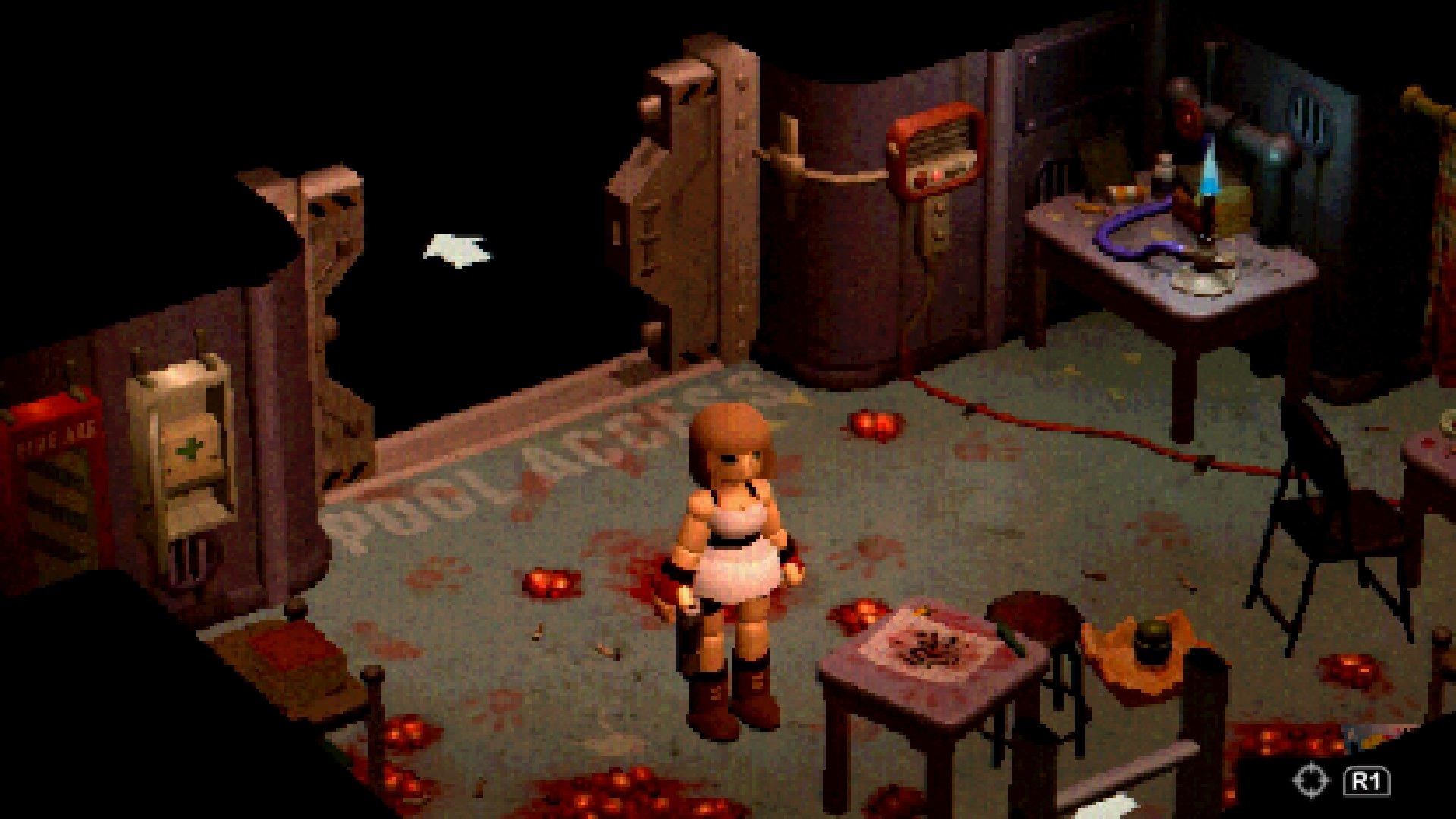
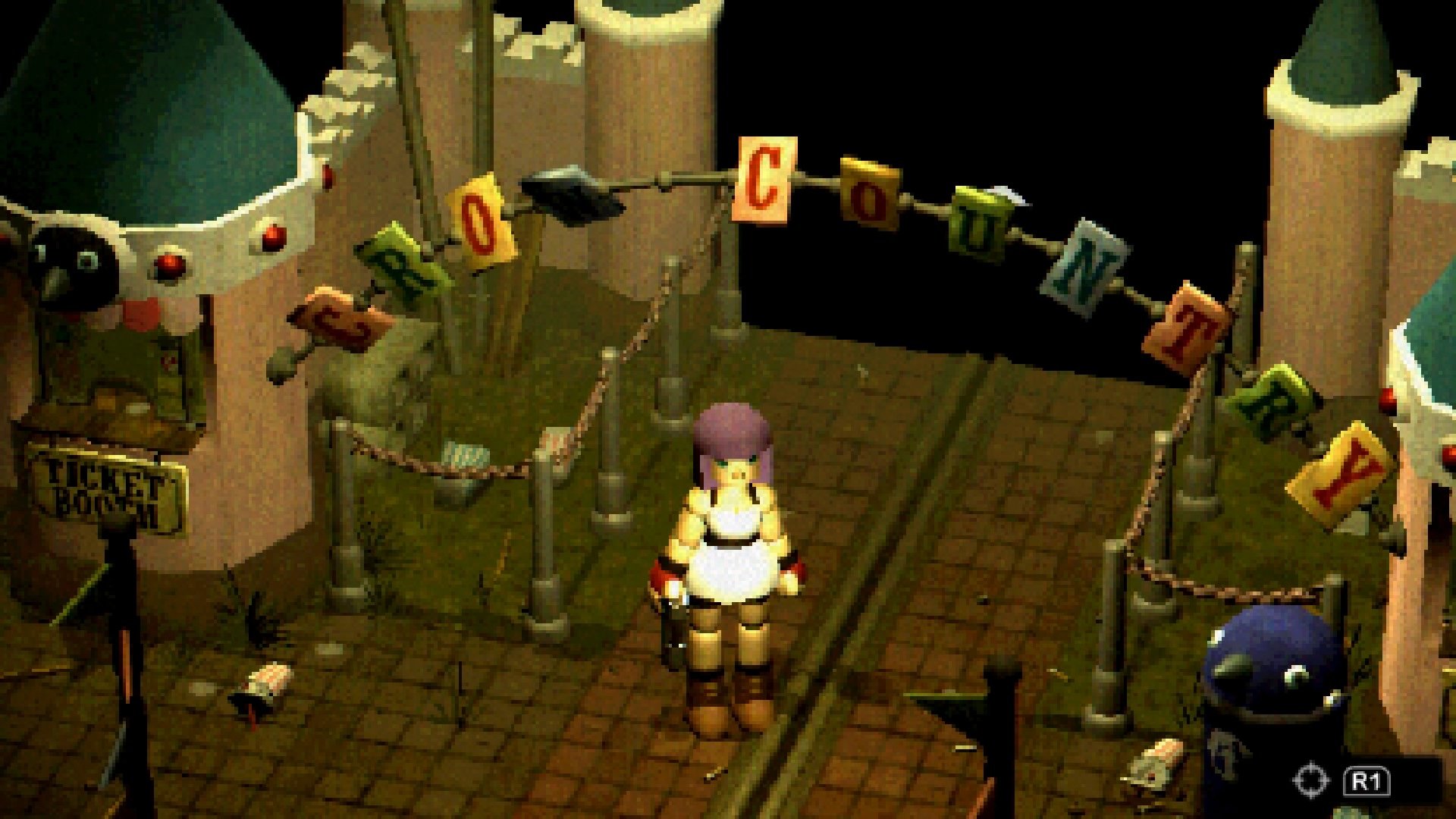
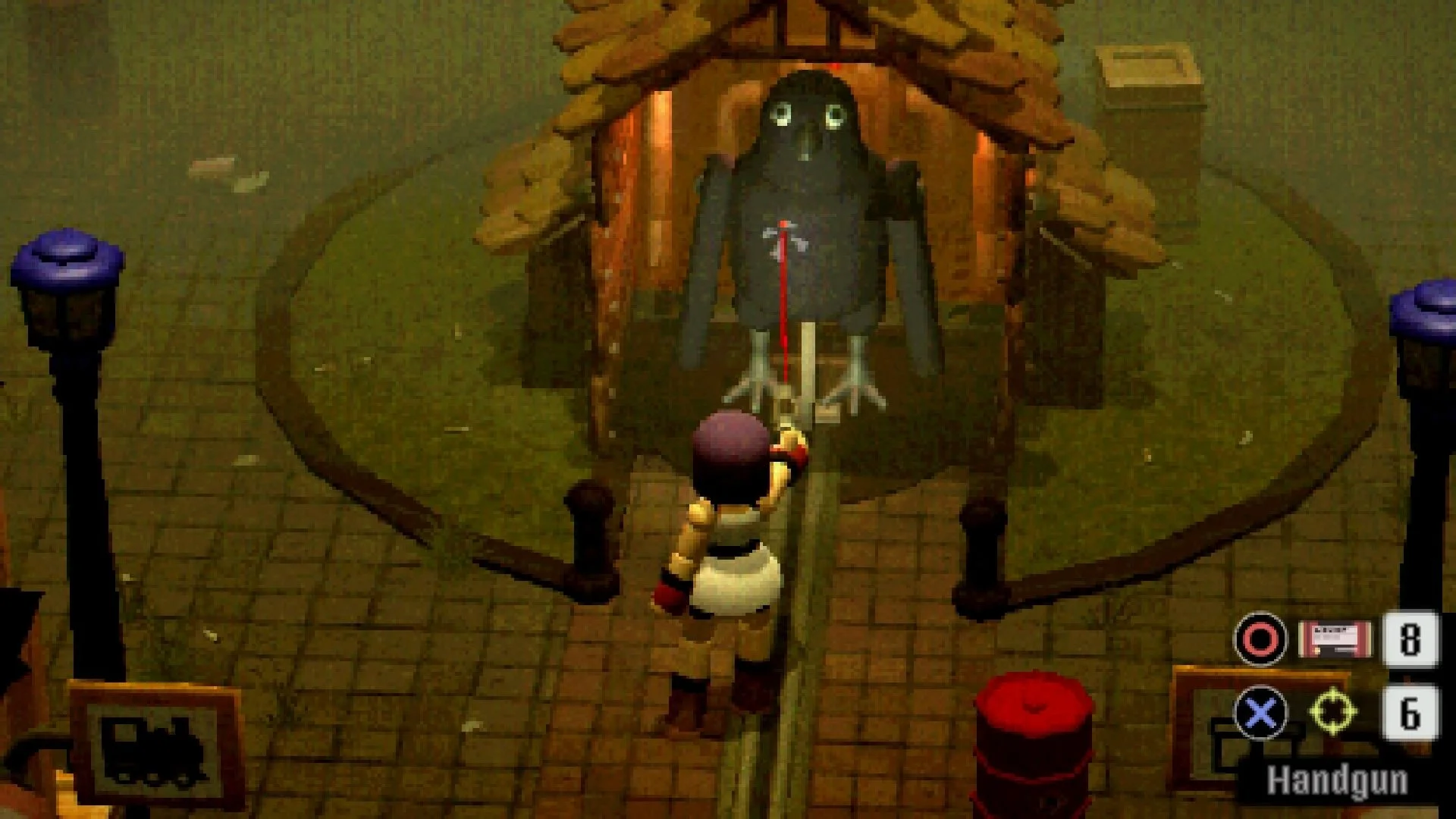
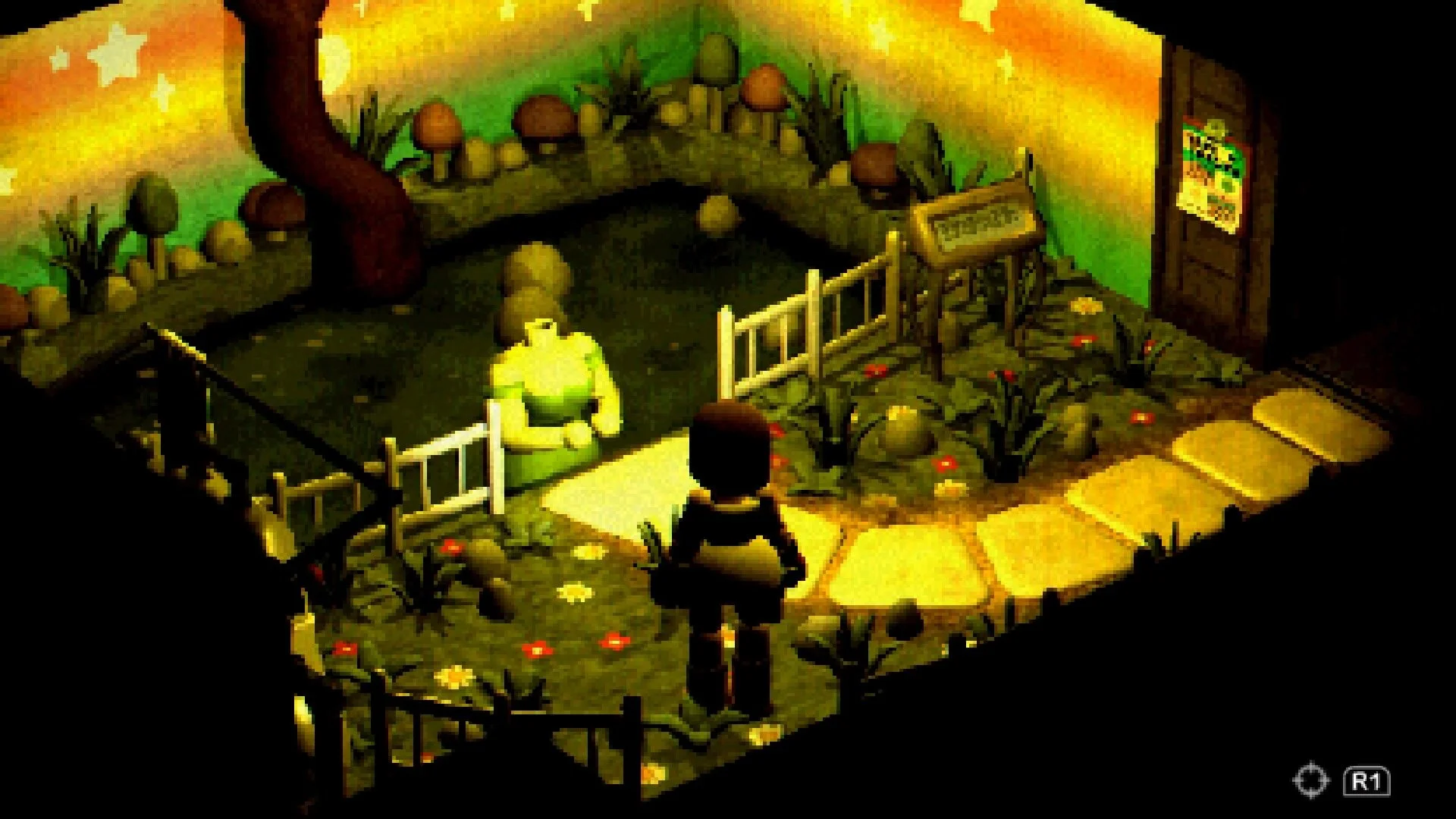
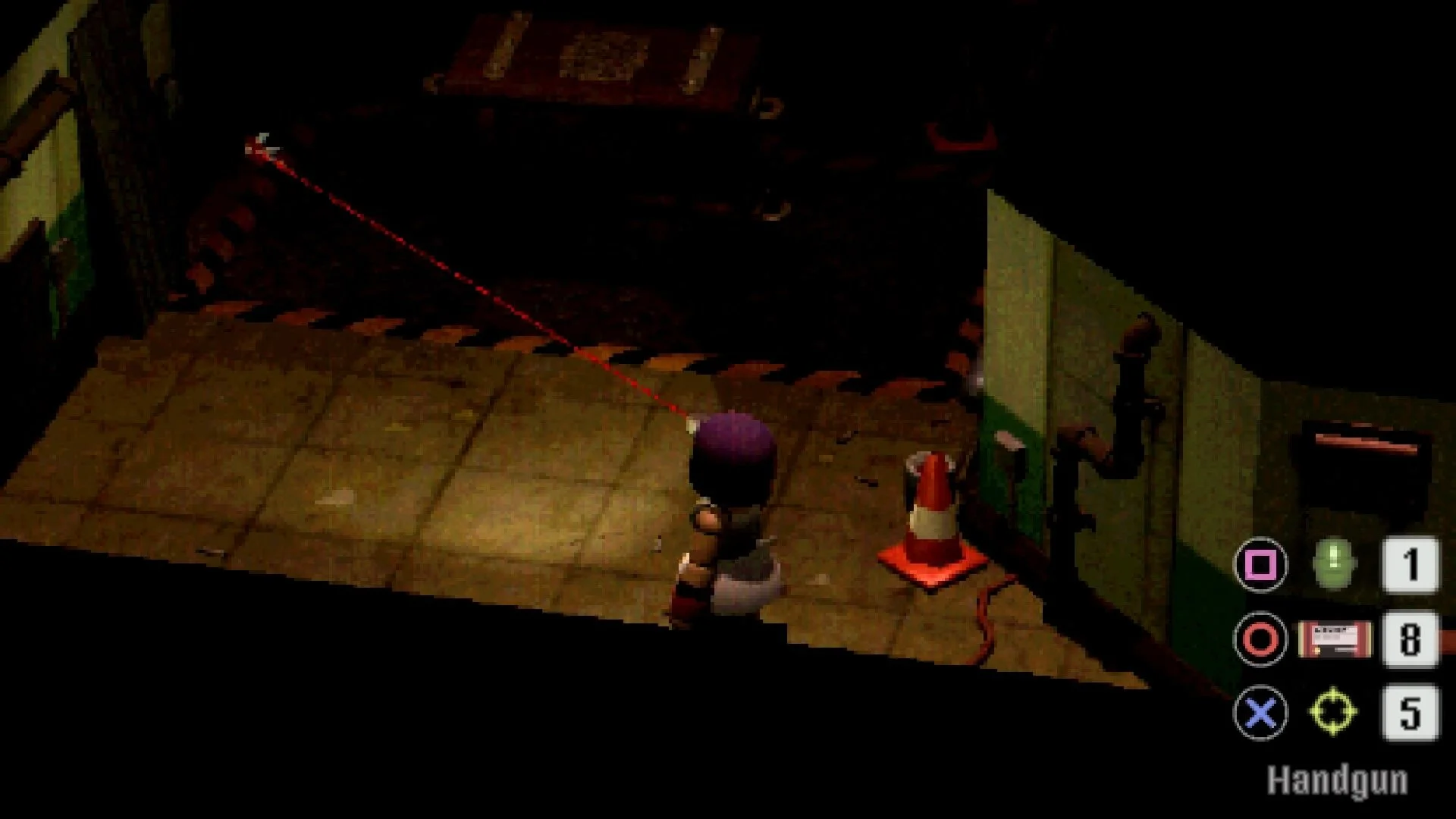
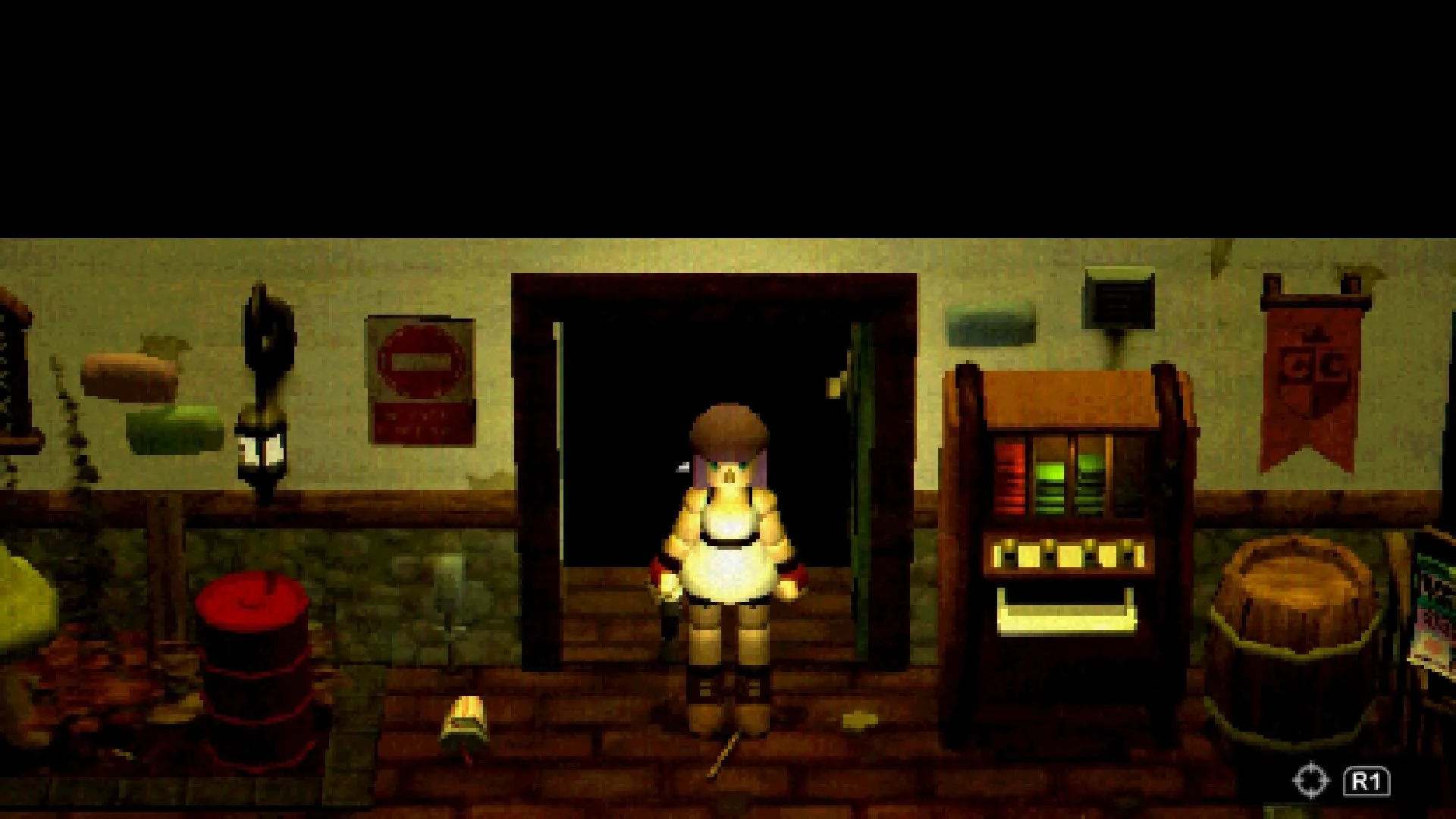
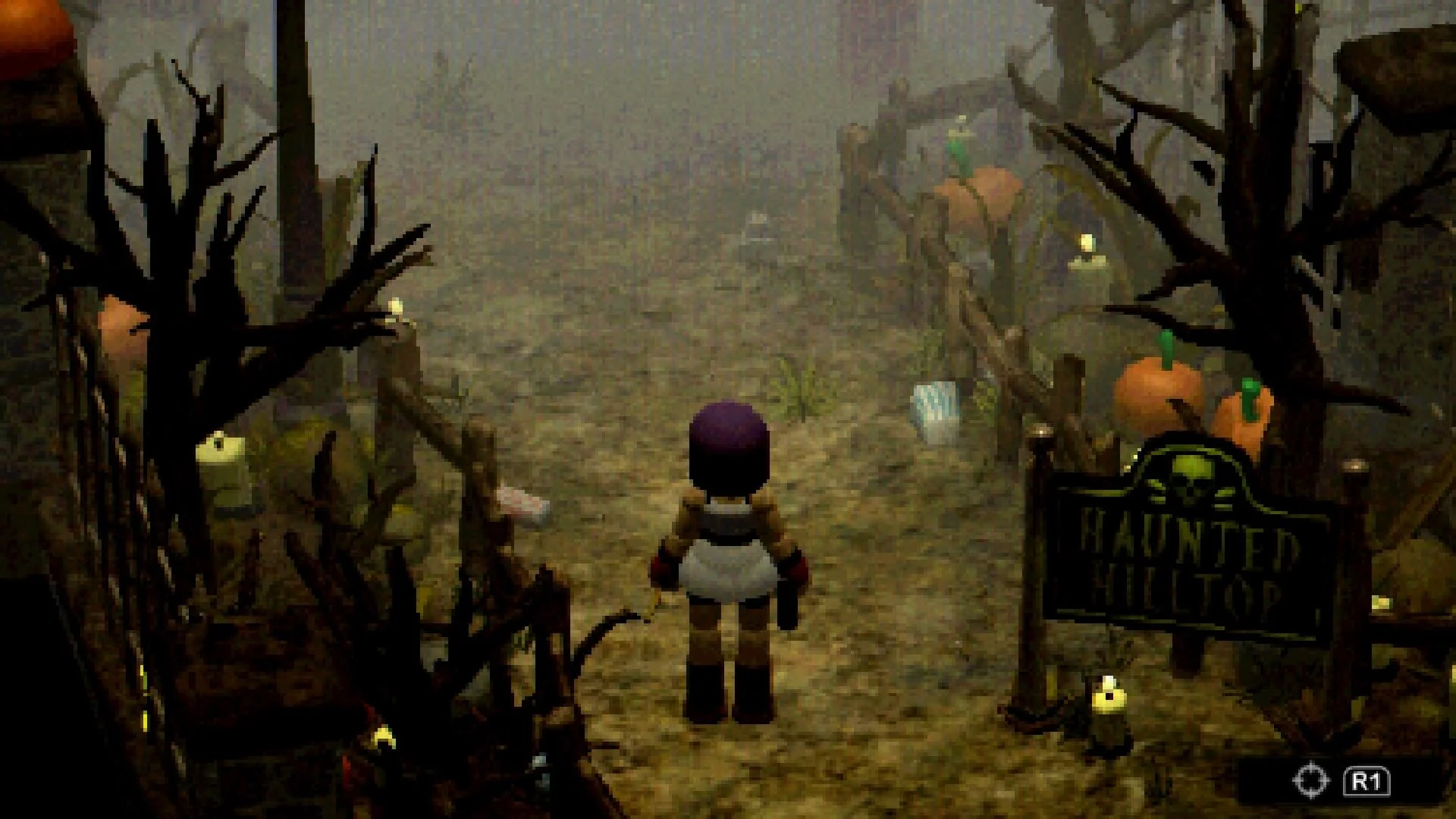
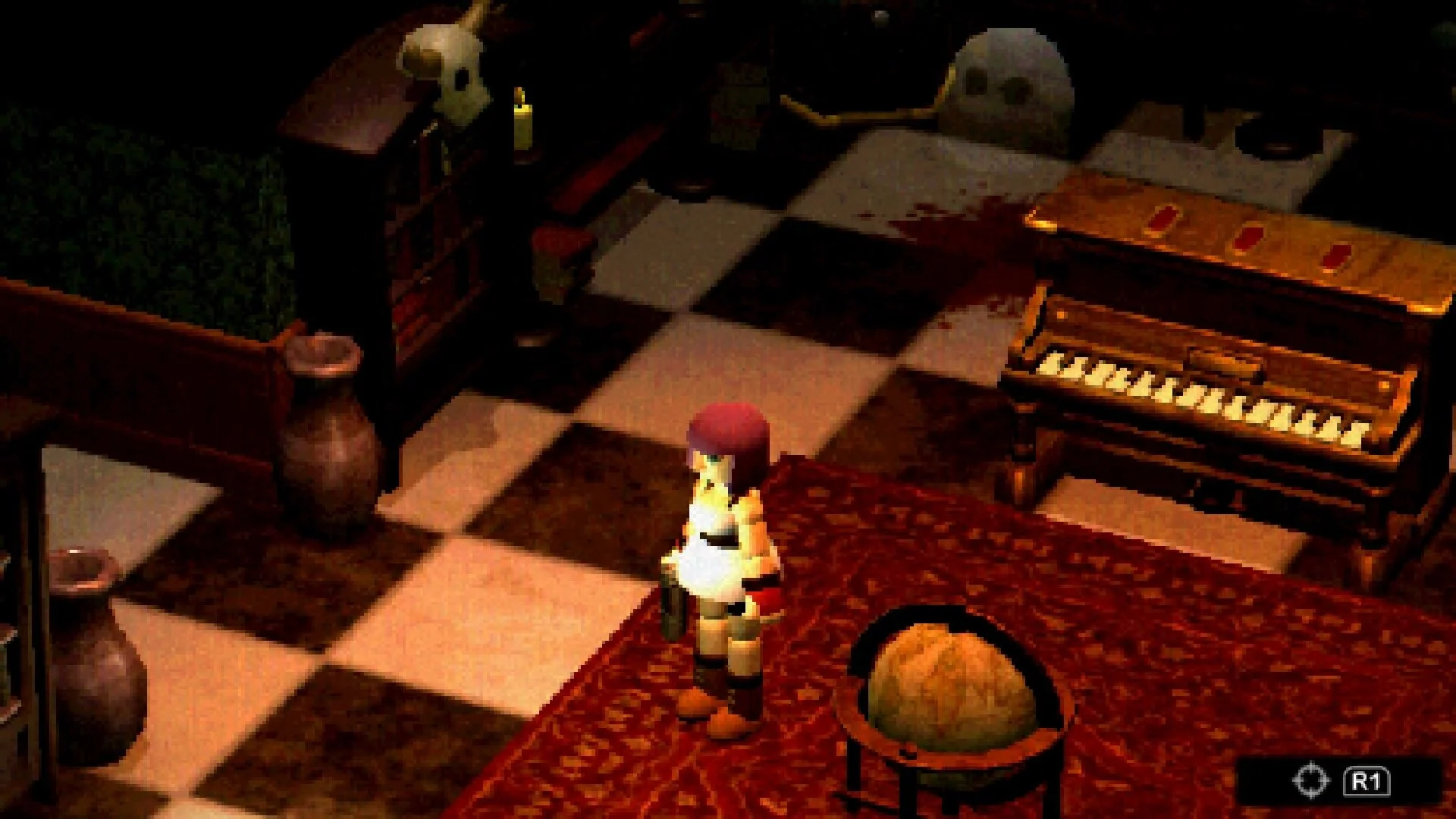
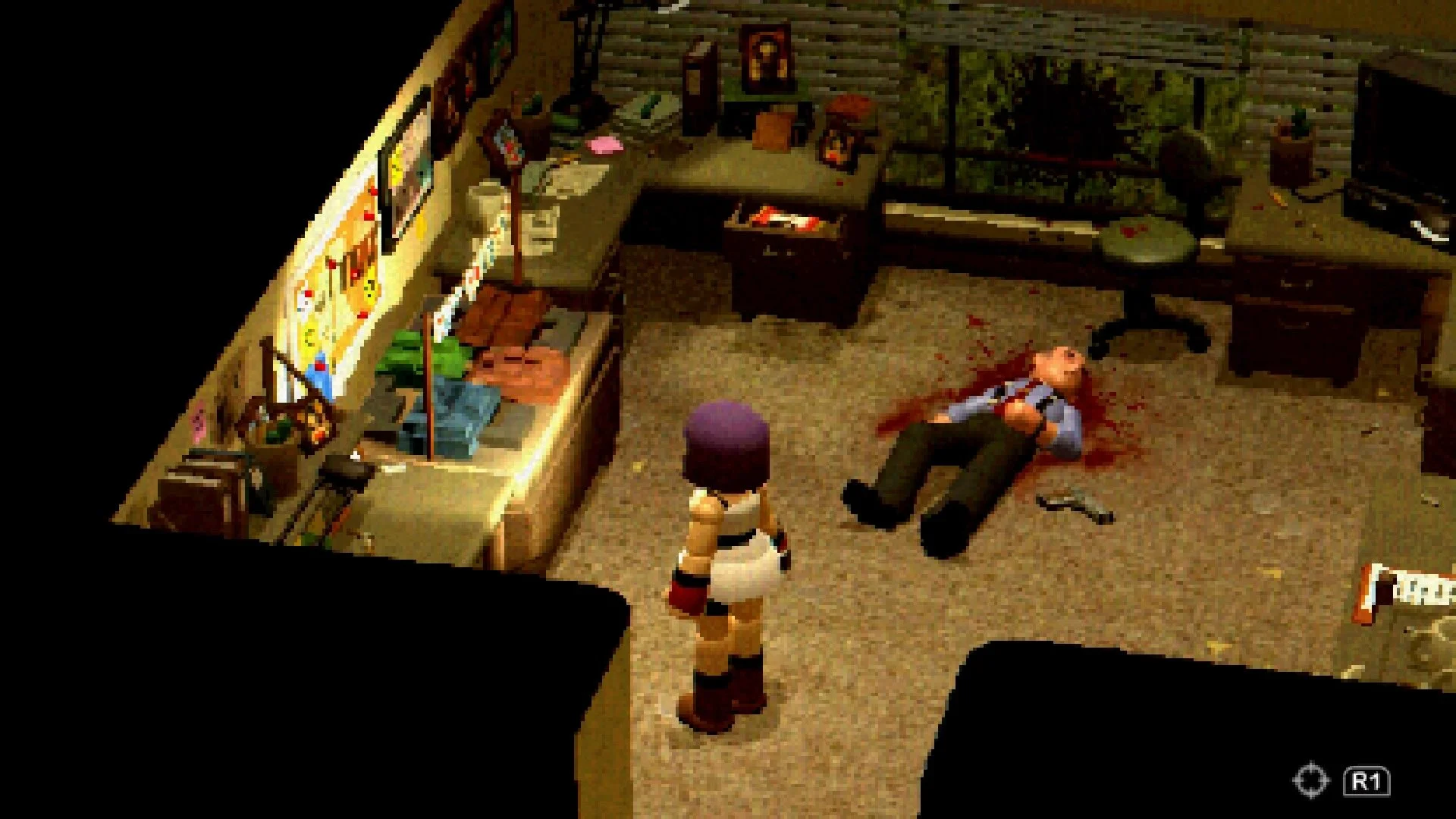
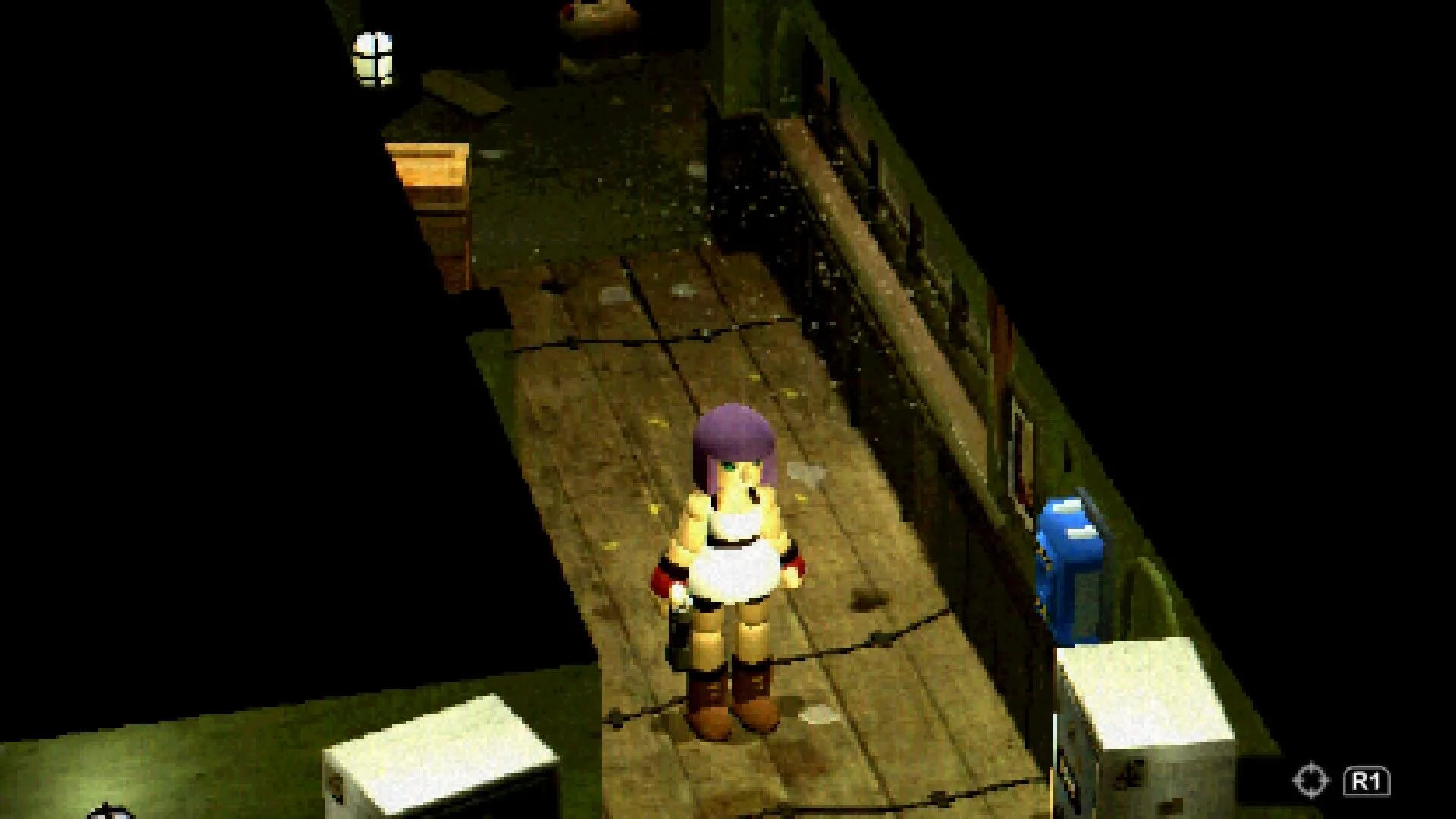
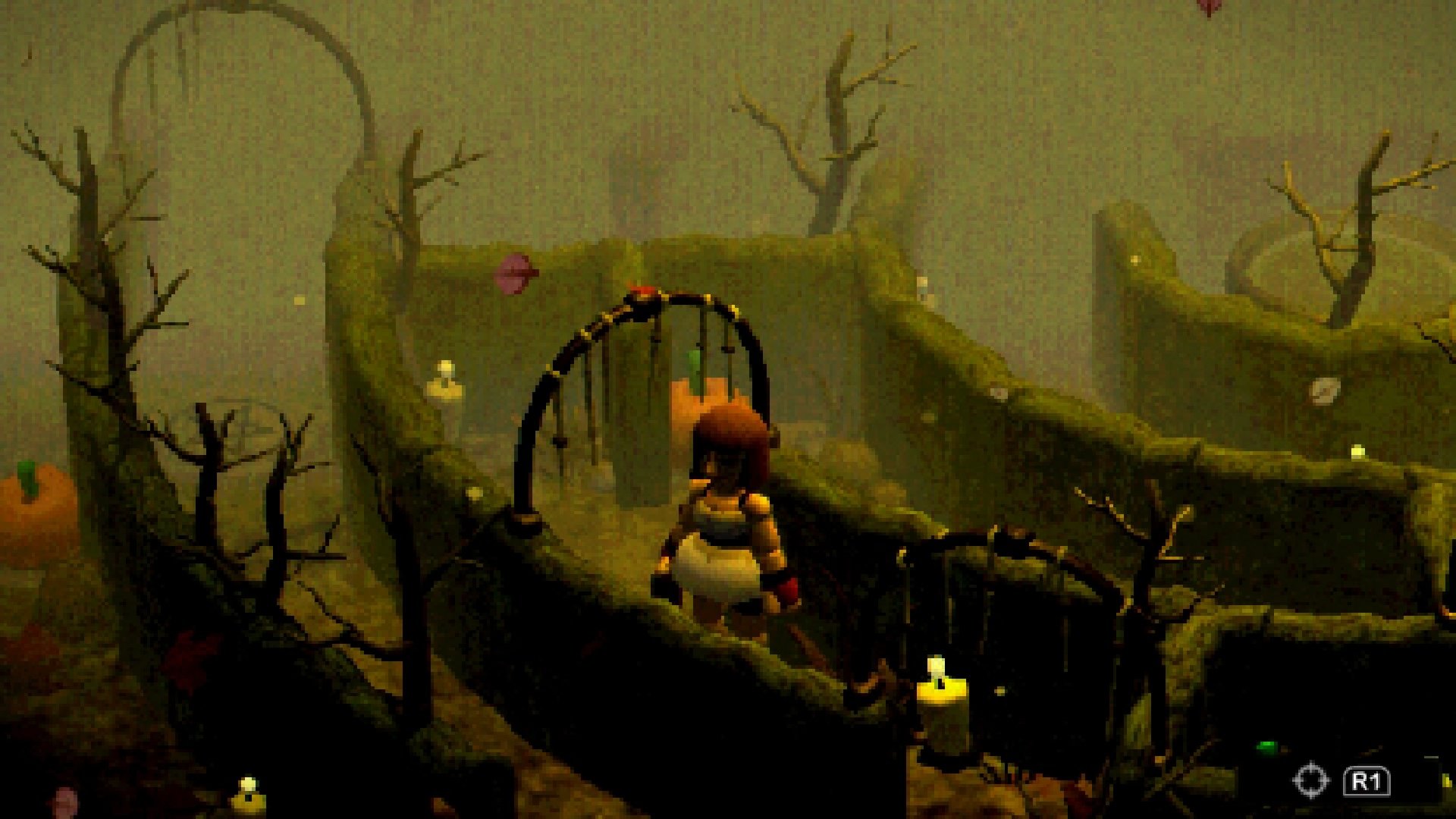
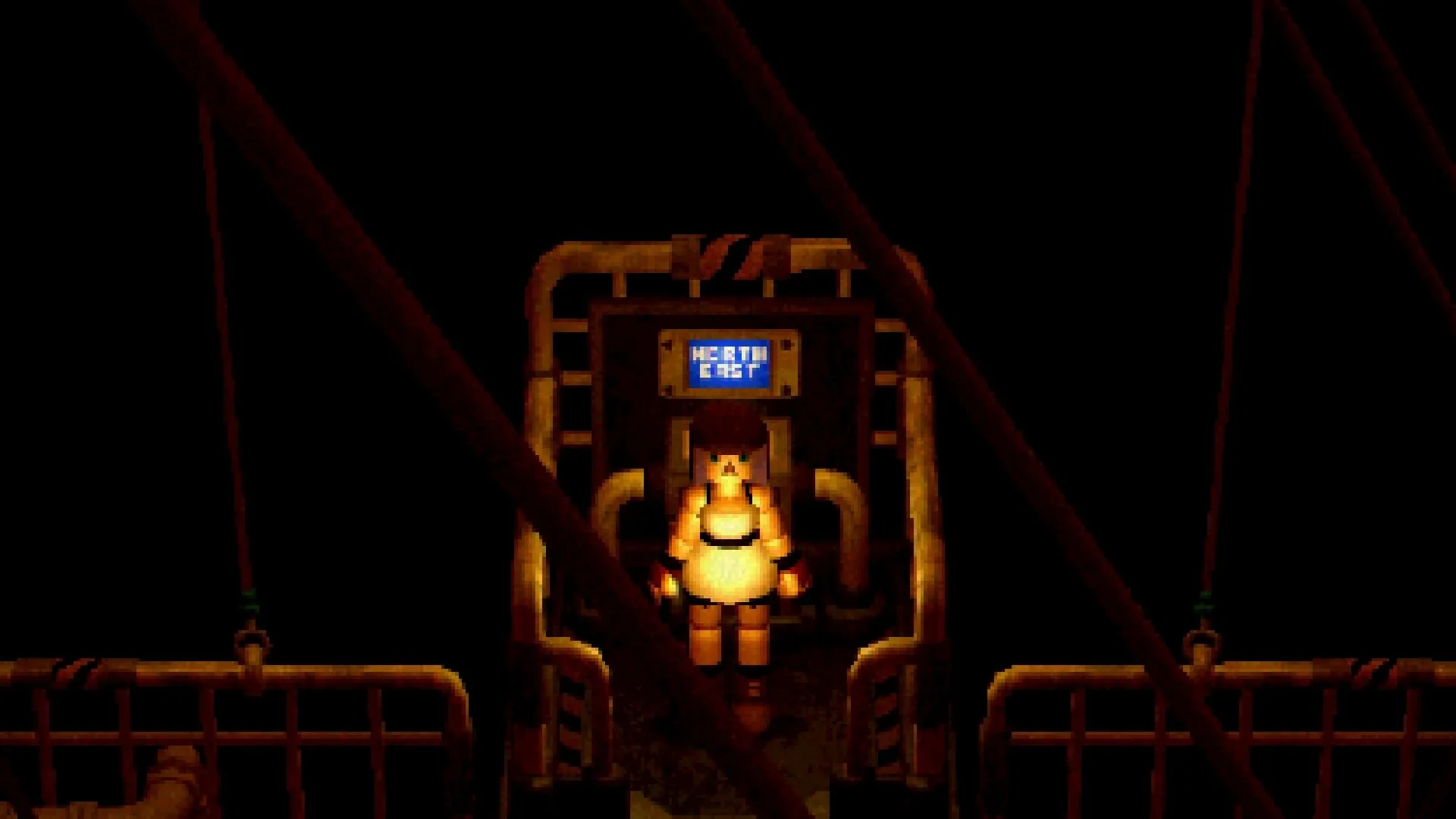
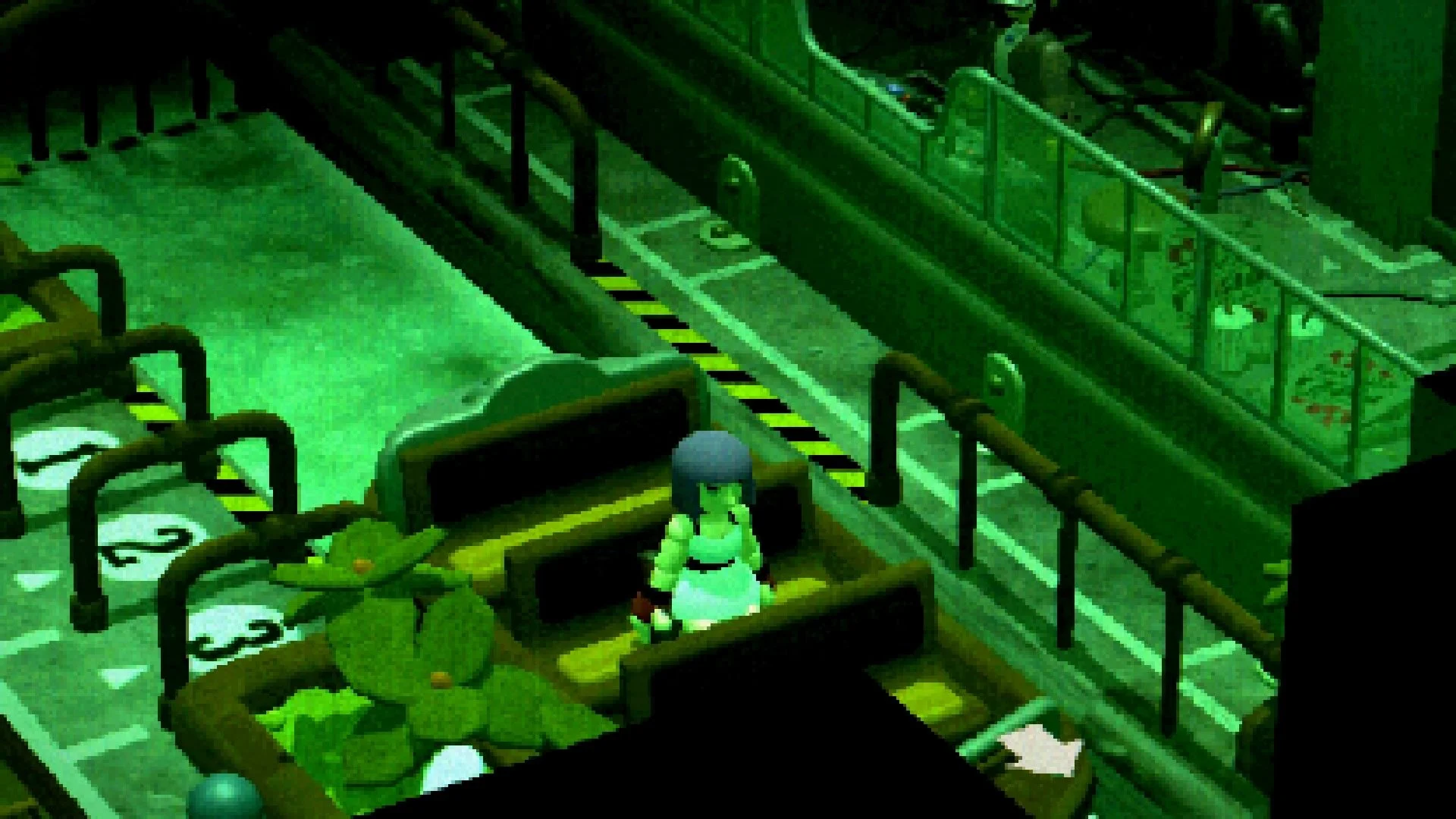
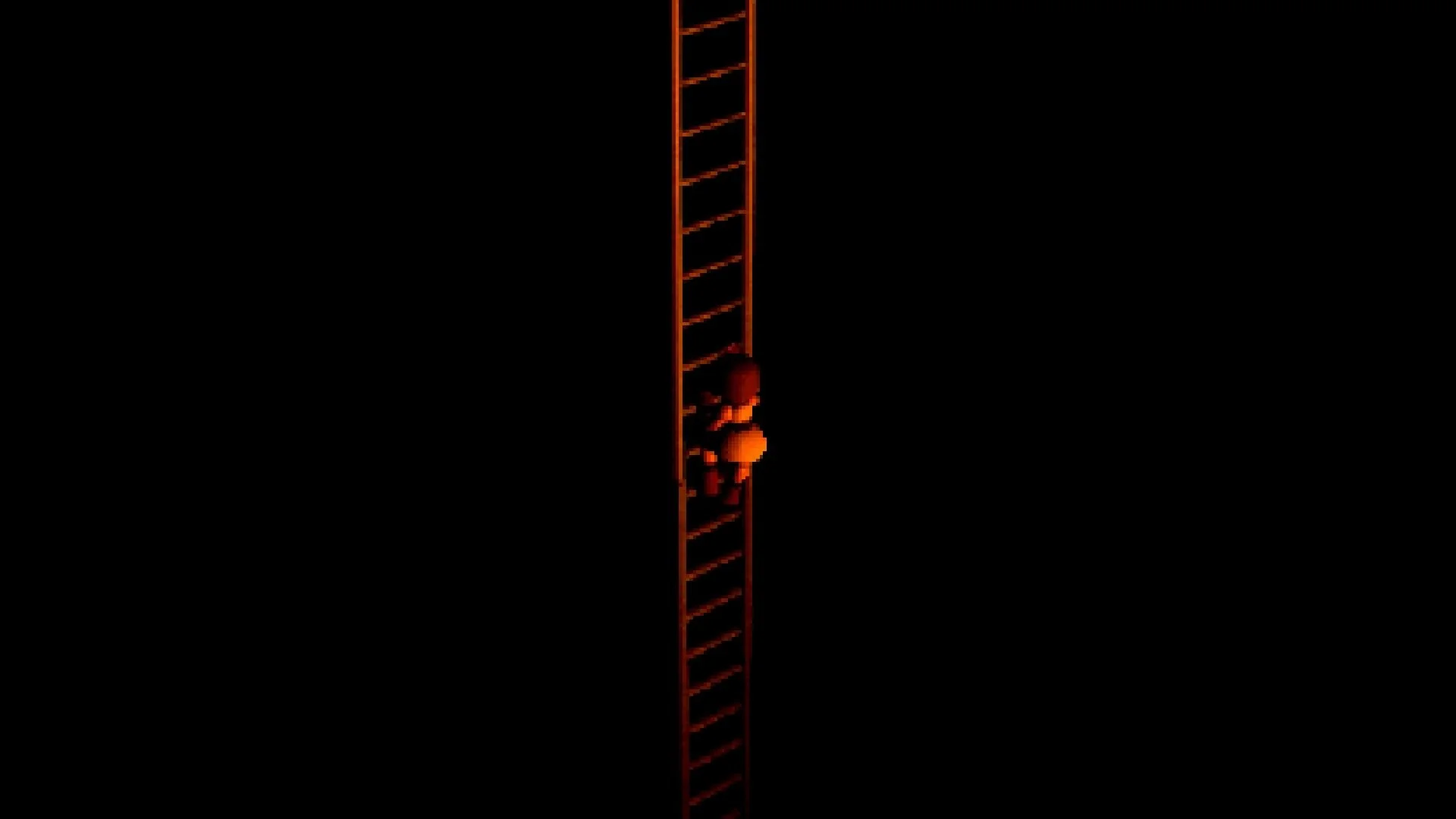
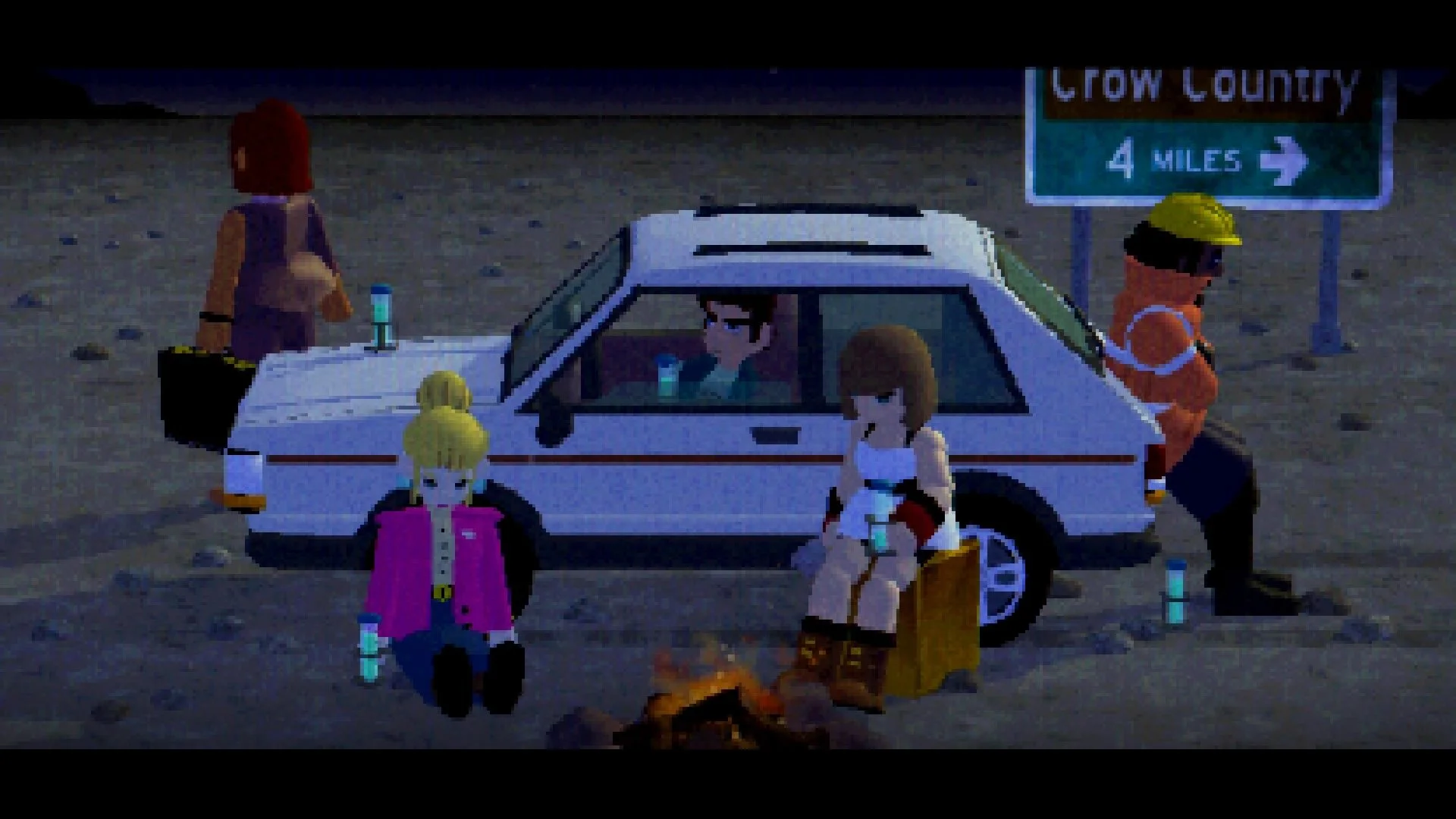
I recently played and completed Crow Country a lo-fi horror game with atmospheric design which bypassed modern hyper-realism to embrace the chunky, wobbling charm of the 32-bit era. By authentically replicating that signature PS1 jitter where surfaces warp as you move - and utilizing chibi-esque character proportions reminiscent of Final Fantasy VII, the game taps into a powerful sense of uncanny nostalgia. These technical limitations, paired with soft lighting and fixed-ish camera angles, allow the player’s imagination to fill in the gruesome details of the abandoned theme park, proving that a strong, low-poly art direction can be far more evocative than 4K textures. Here are screenshots of my playthrough!

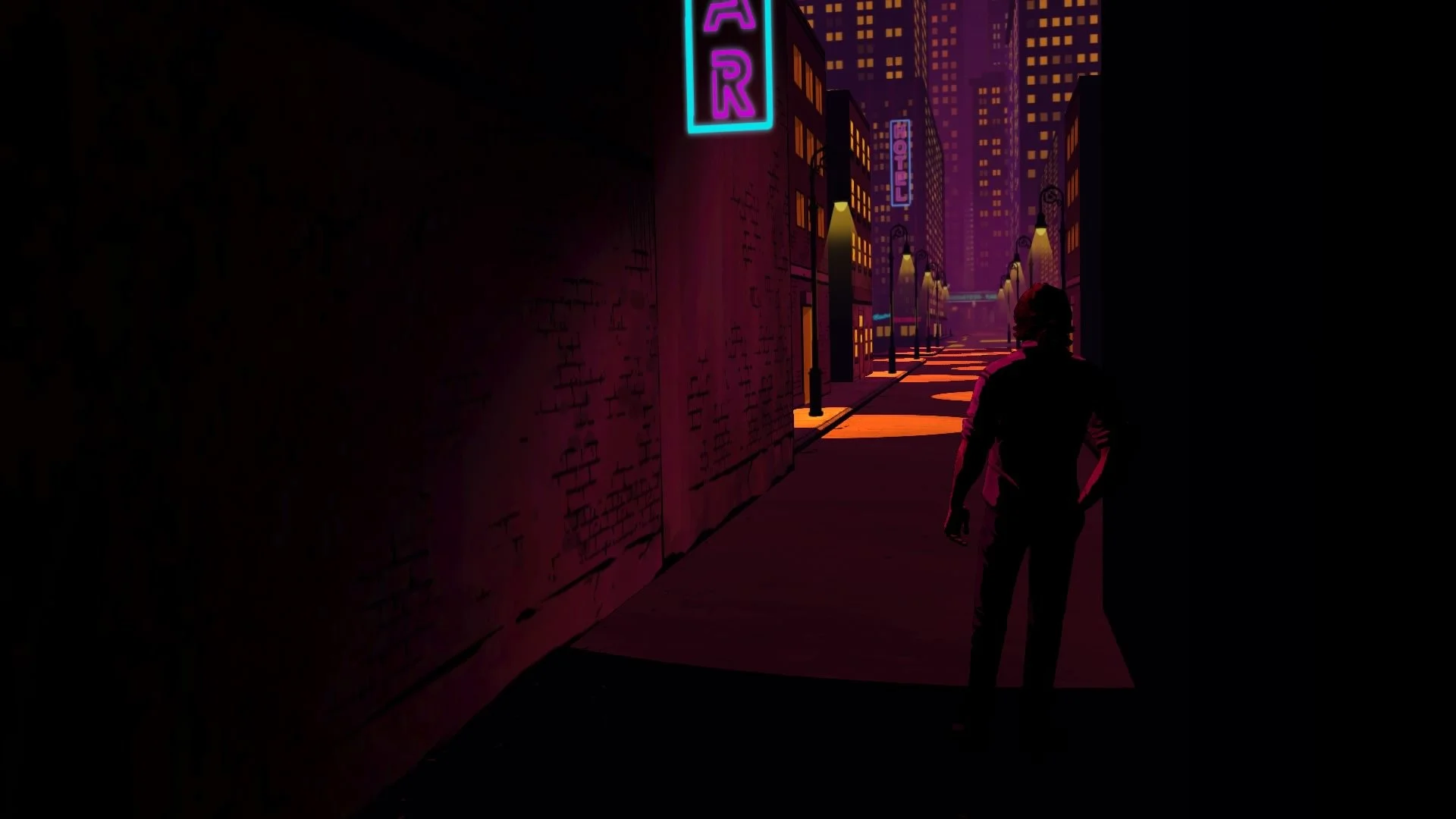
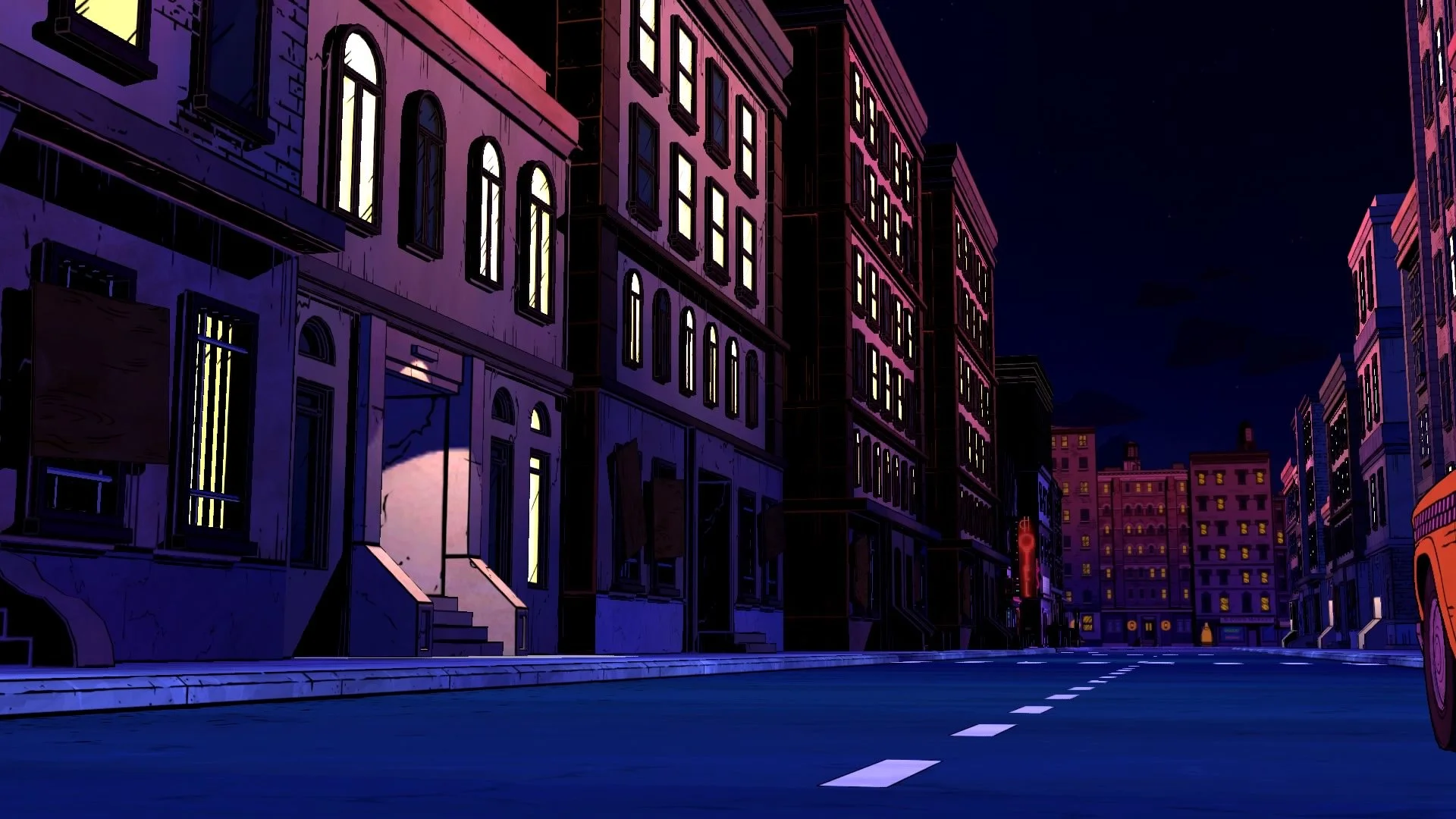
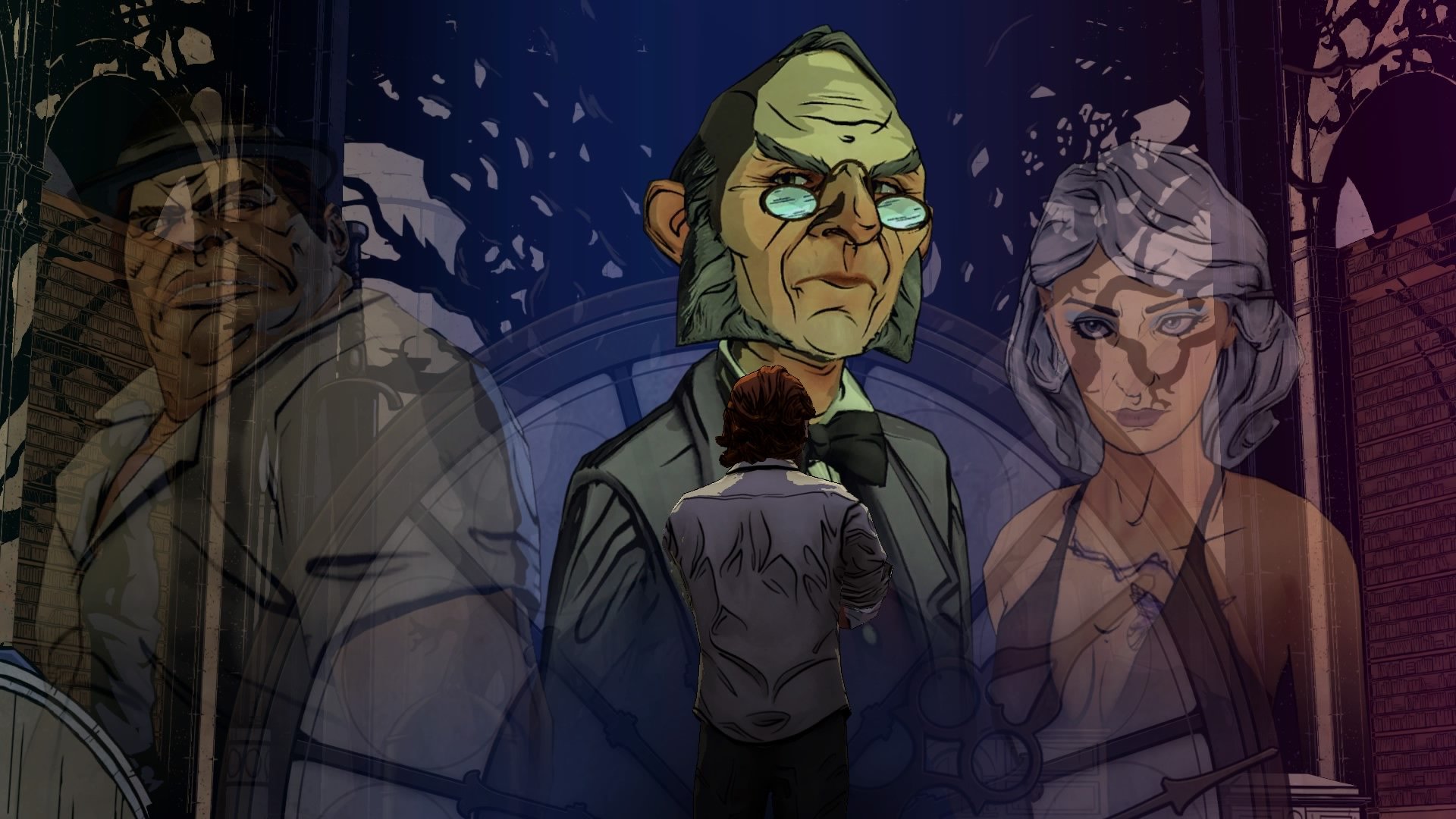
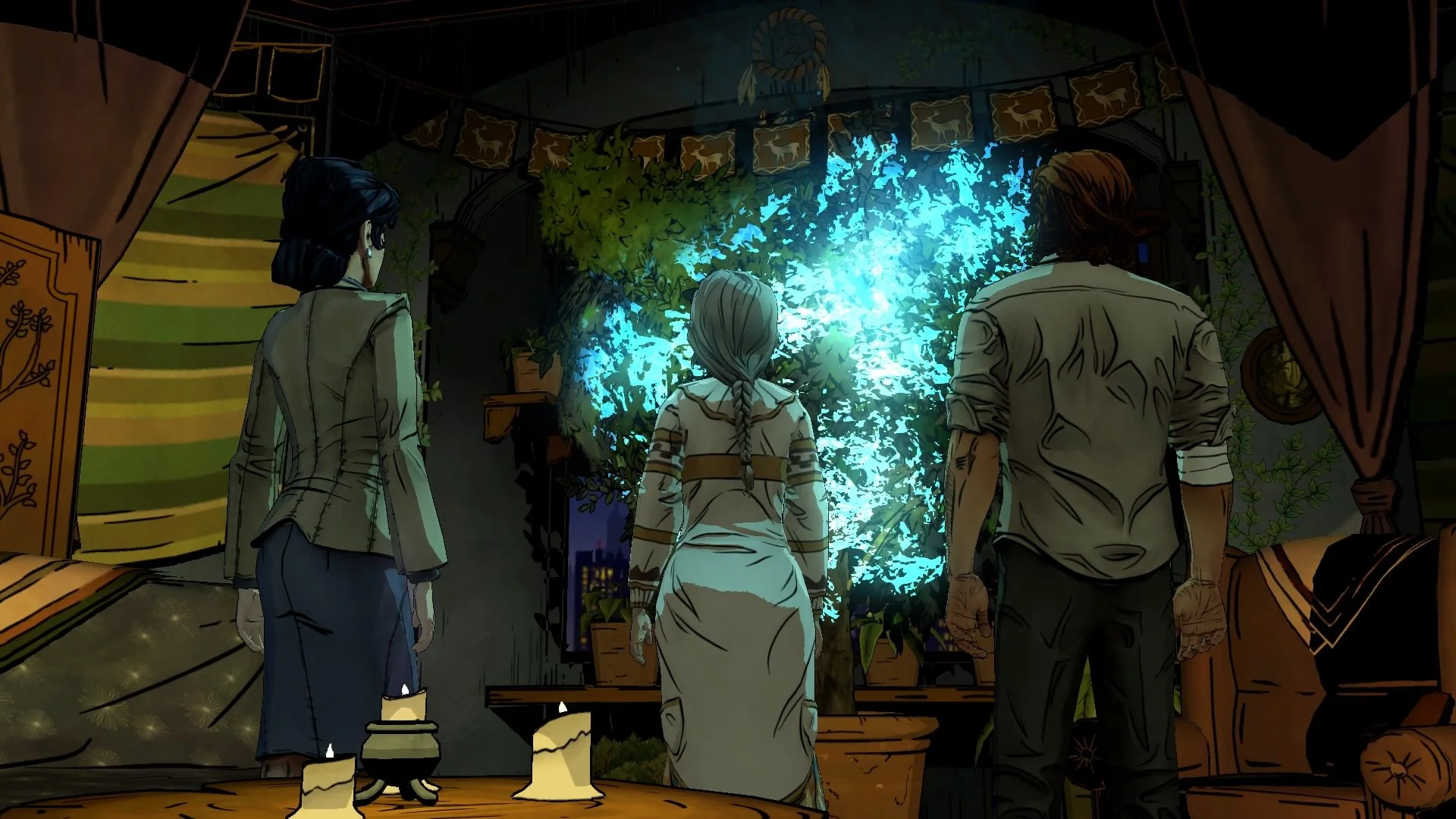
The Wolf Among Us - Videogames As Art
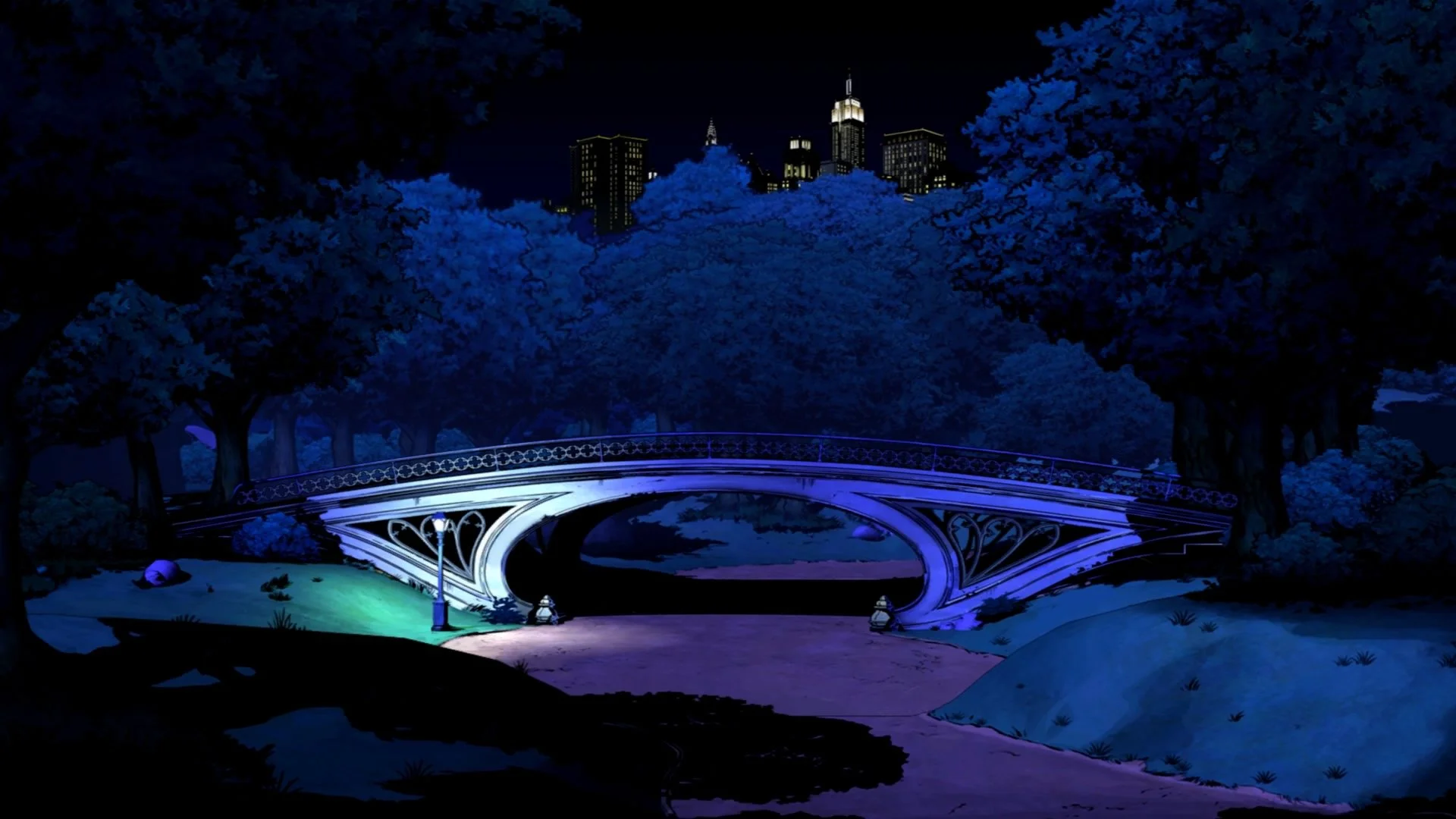
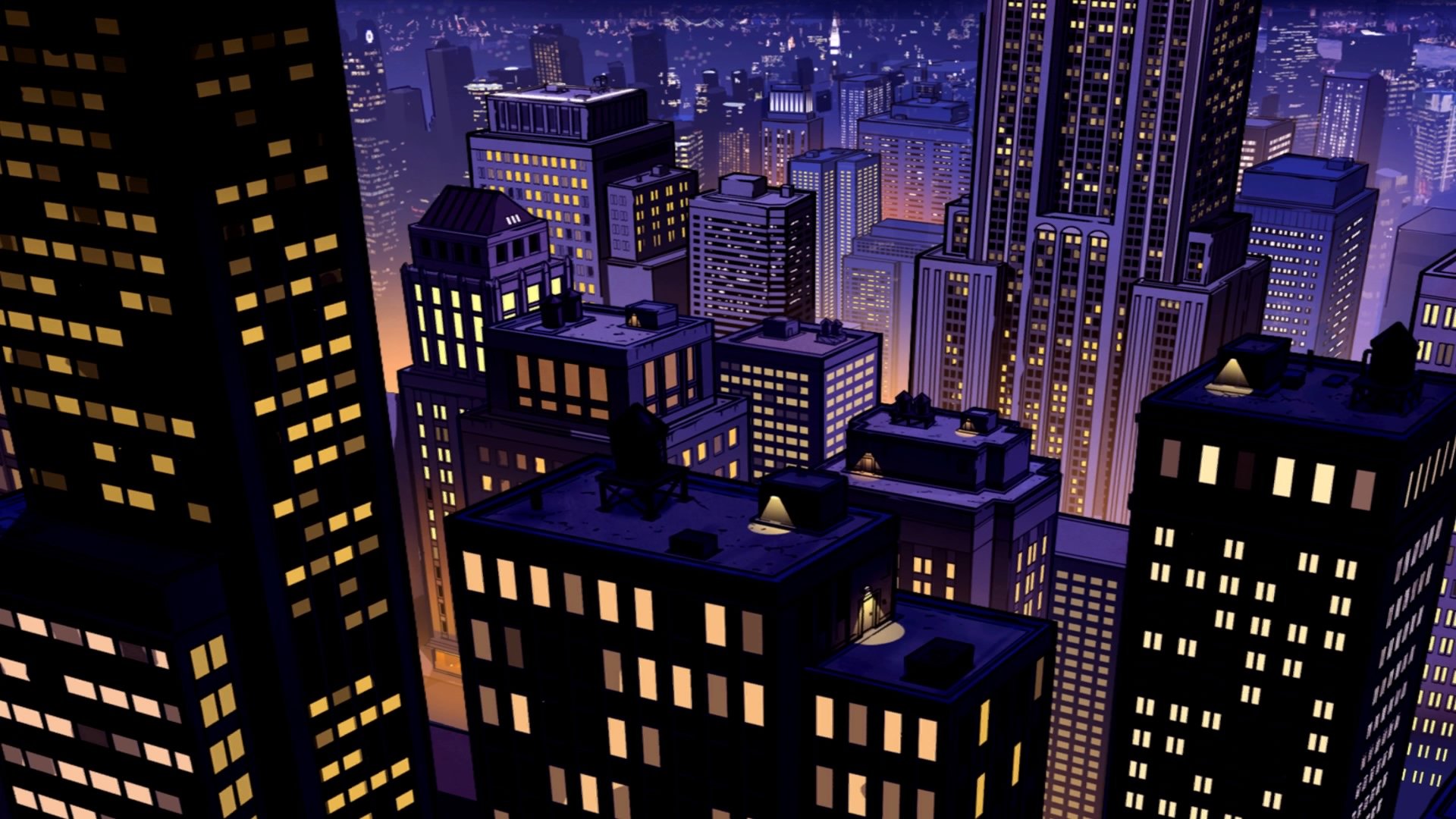
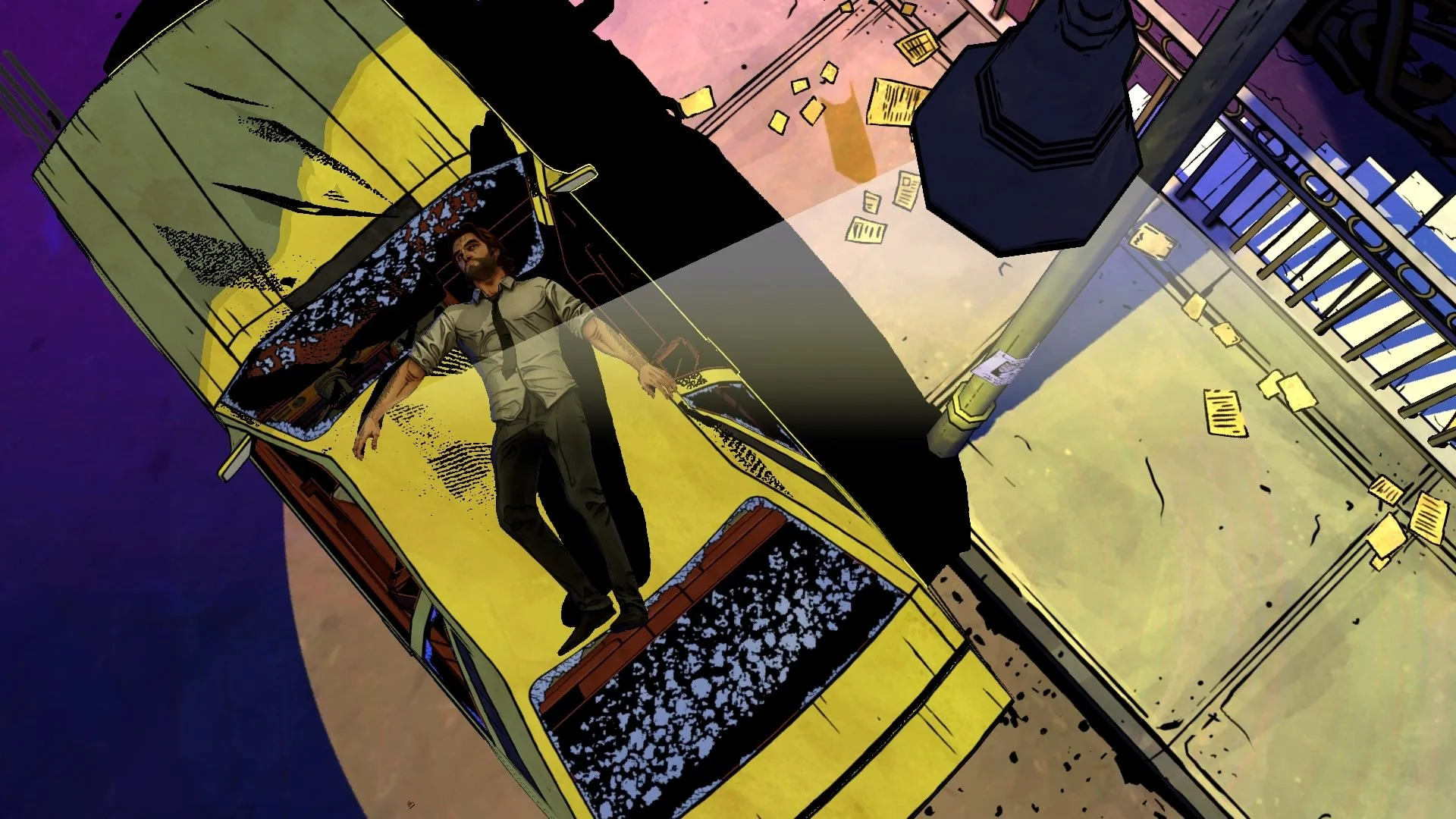
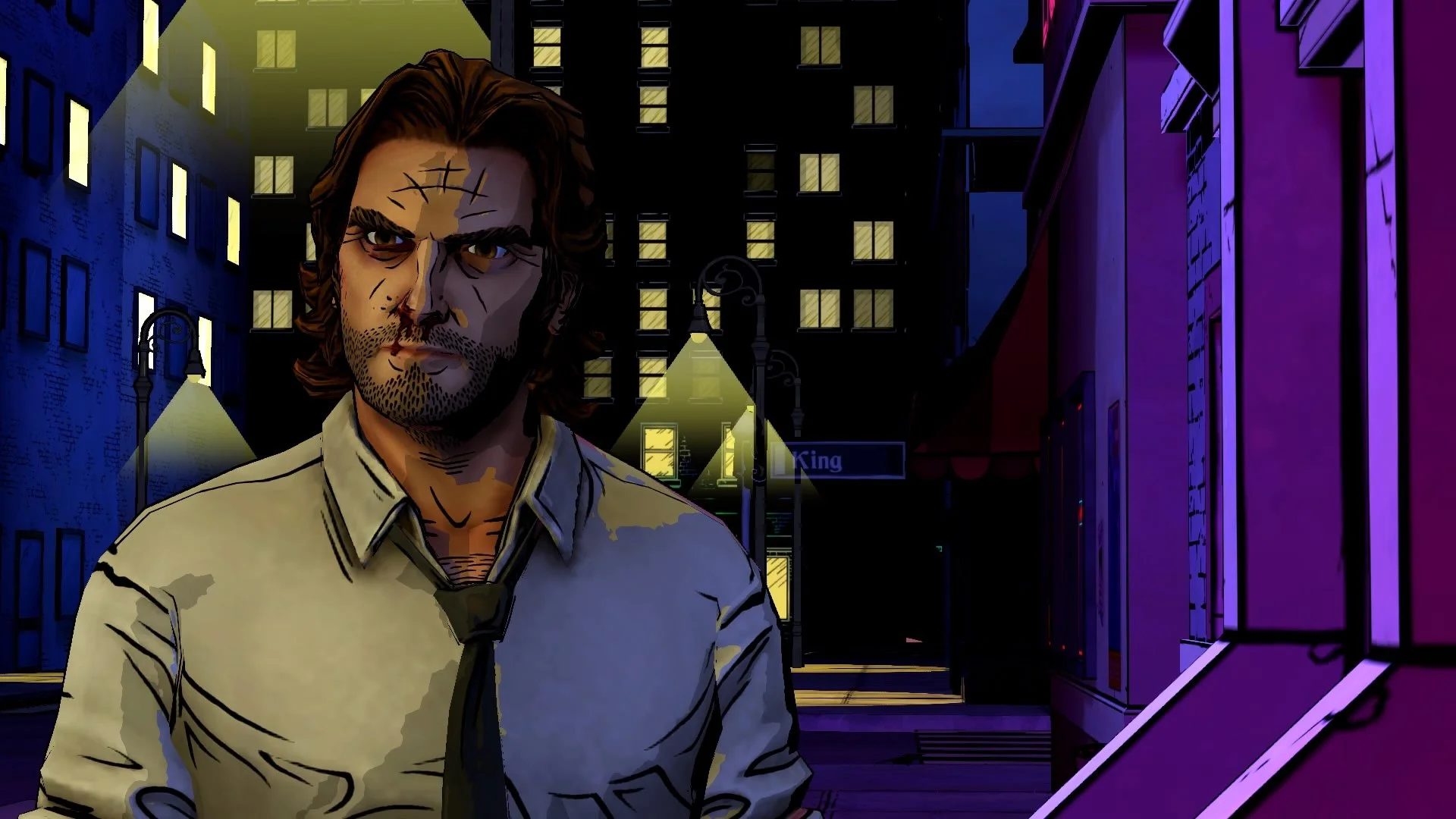
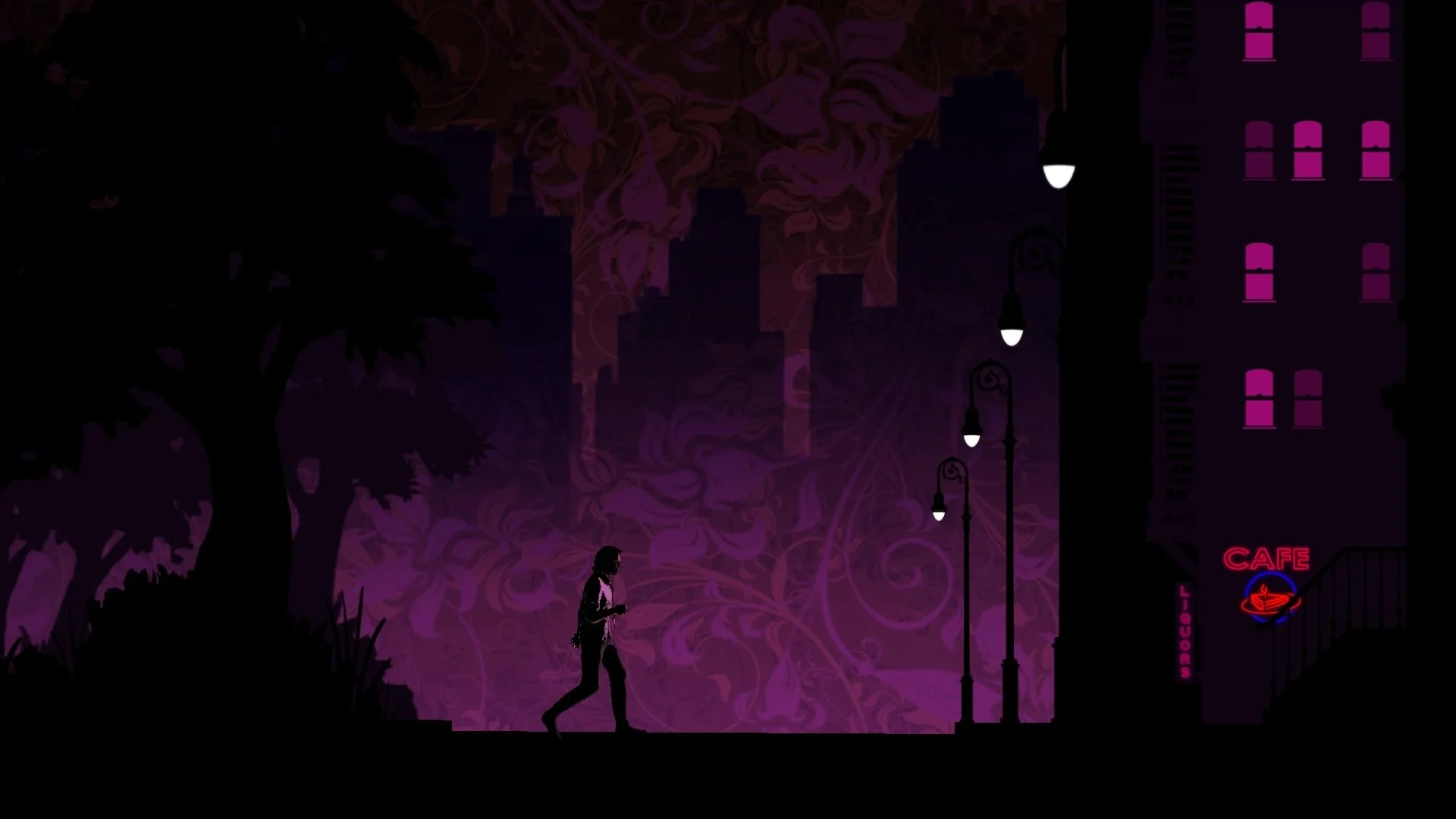
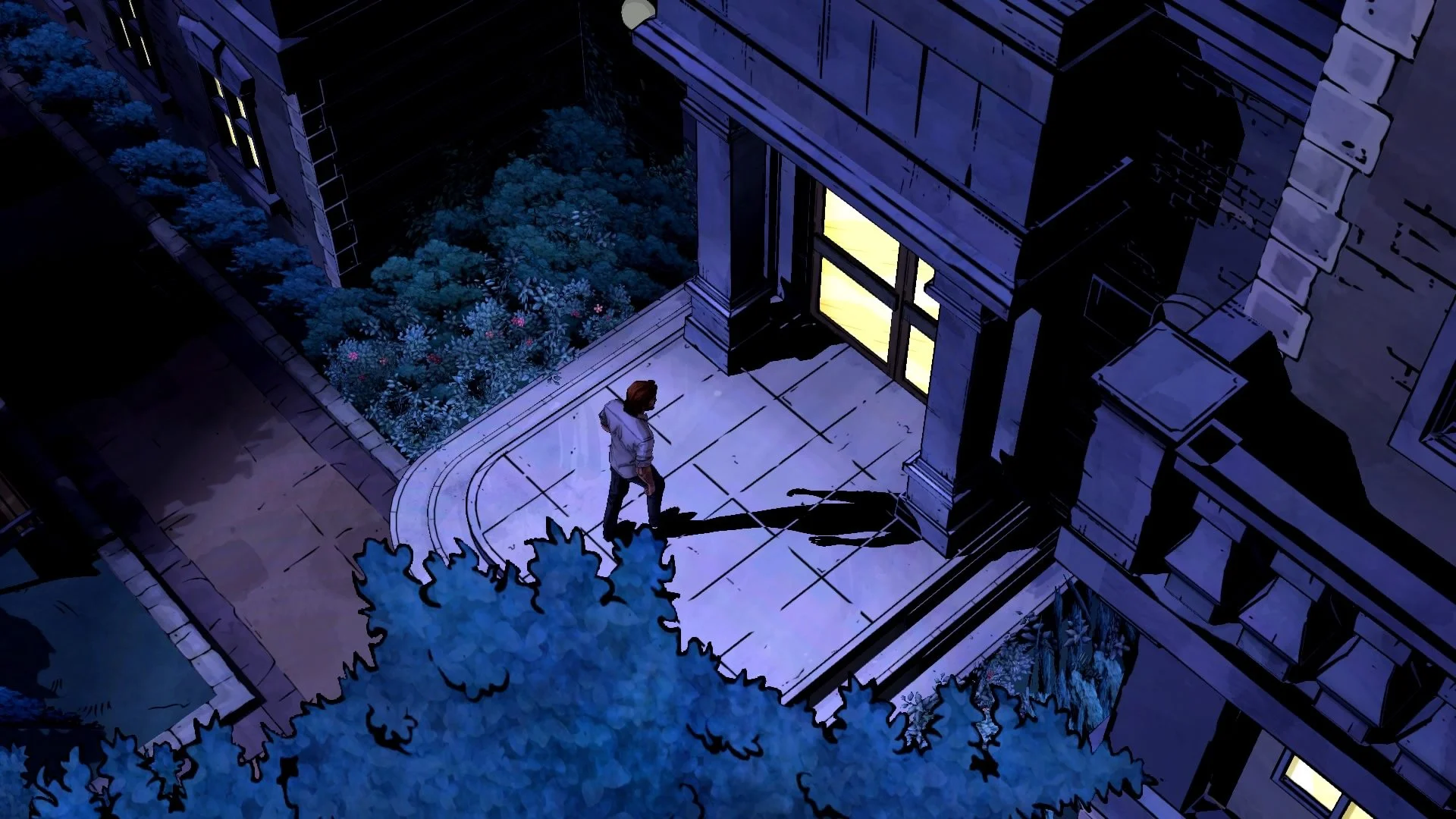
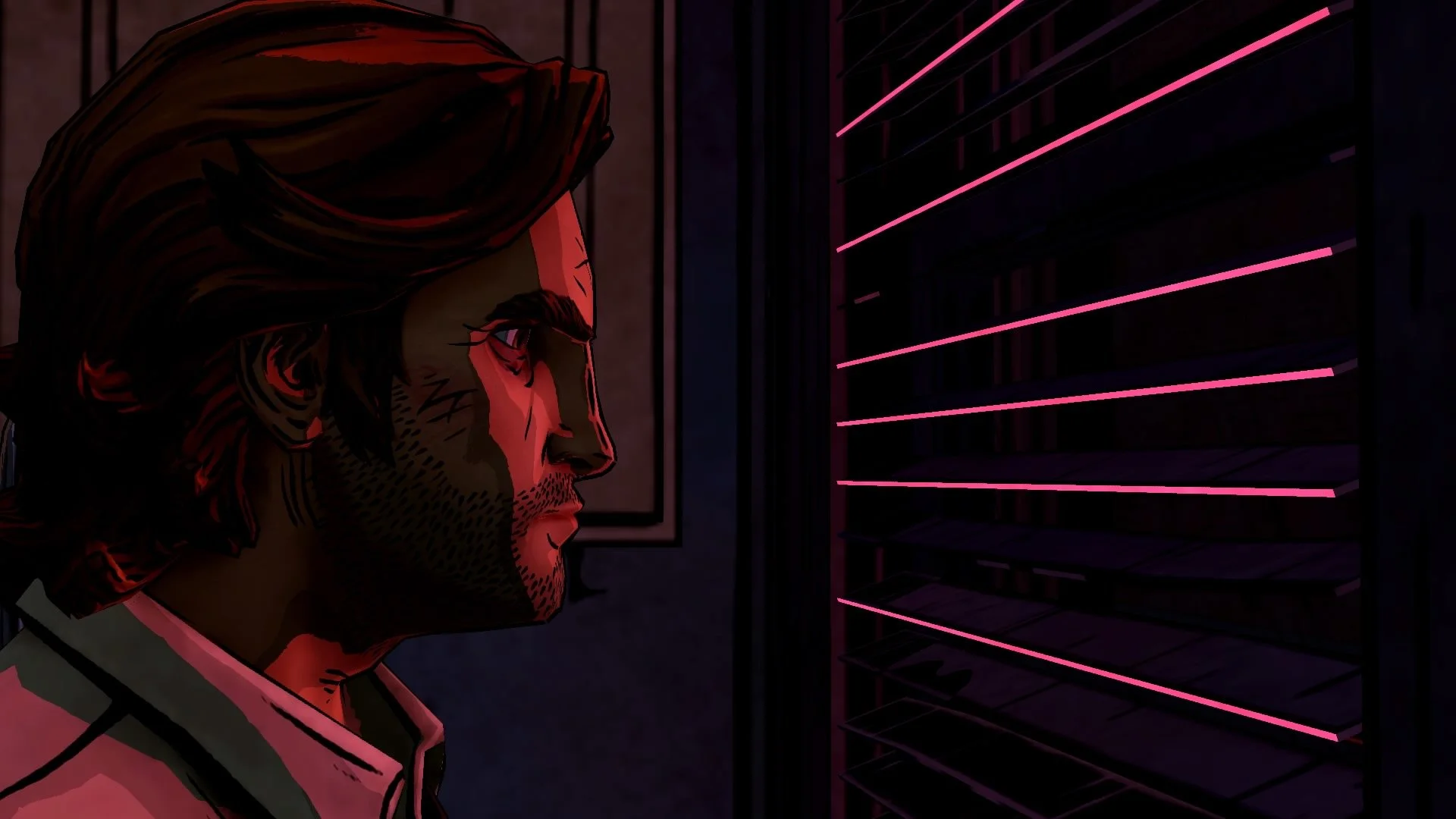
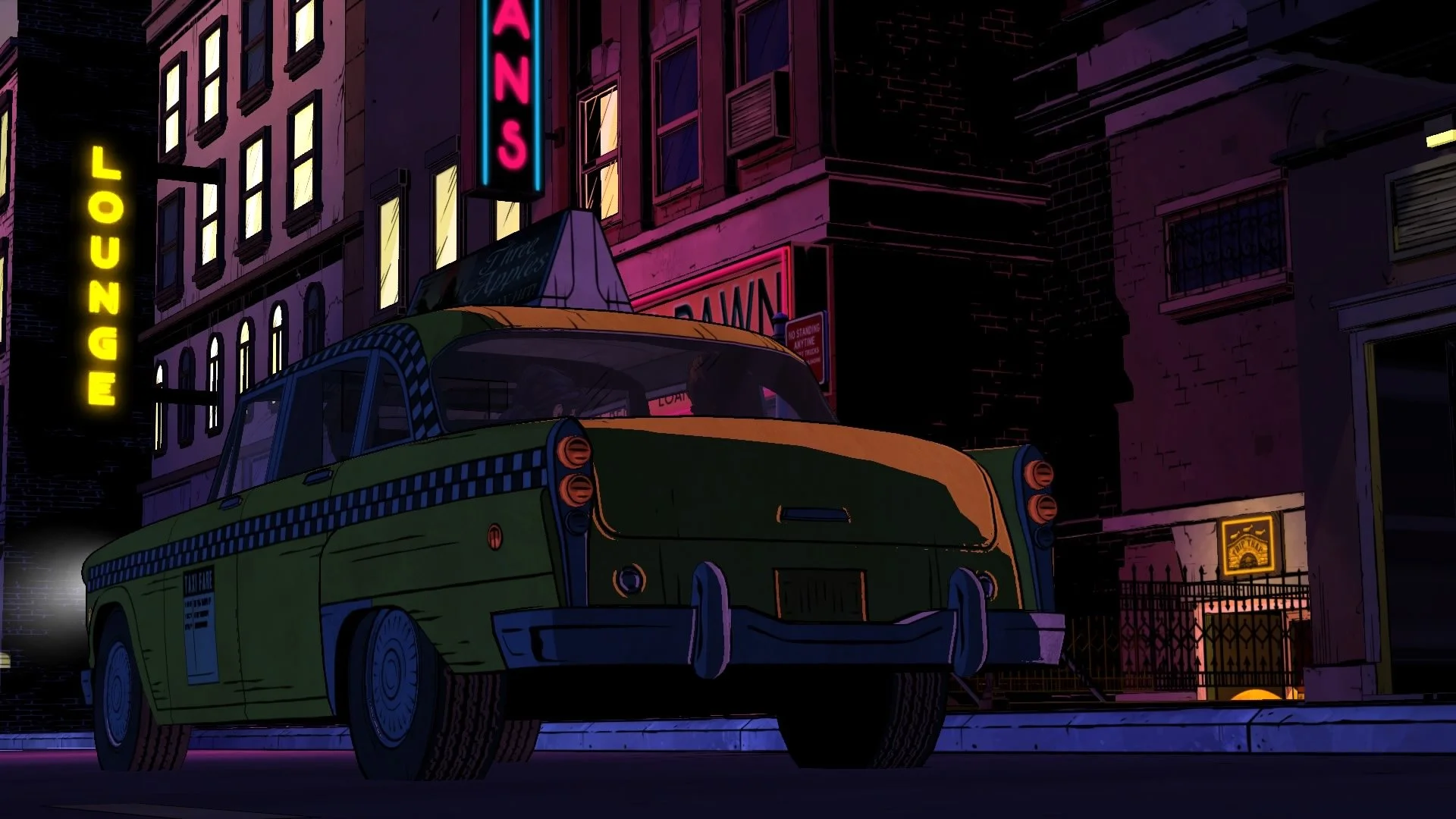
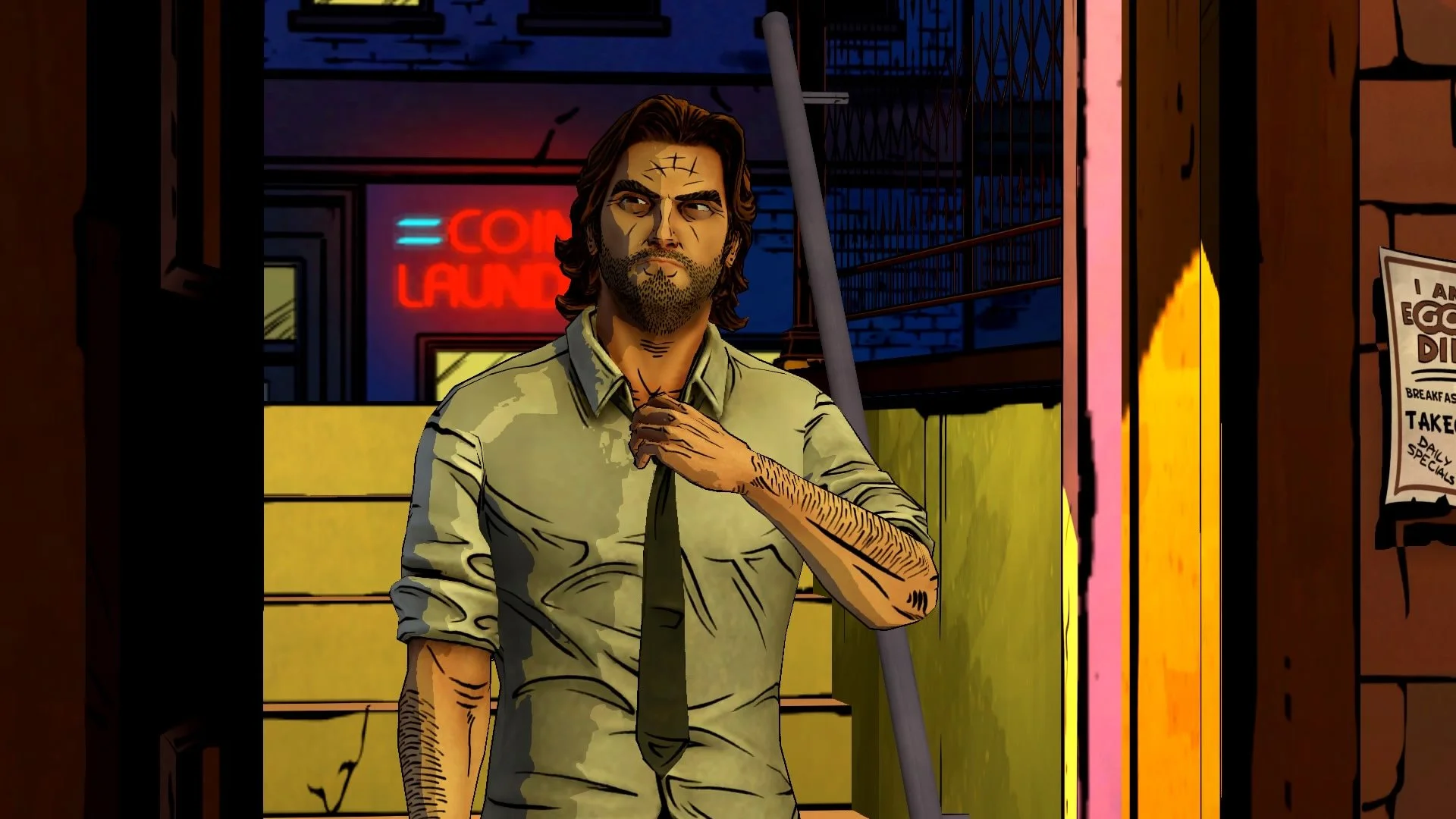
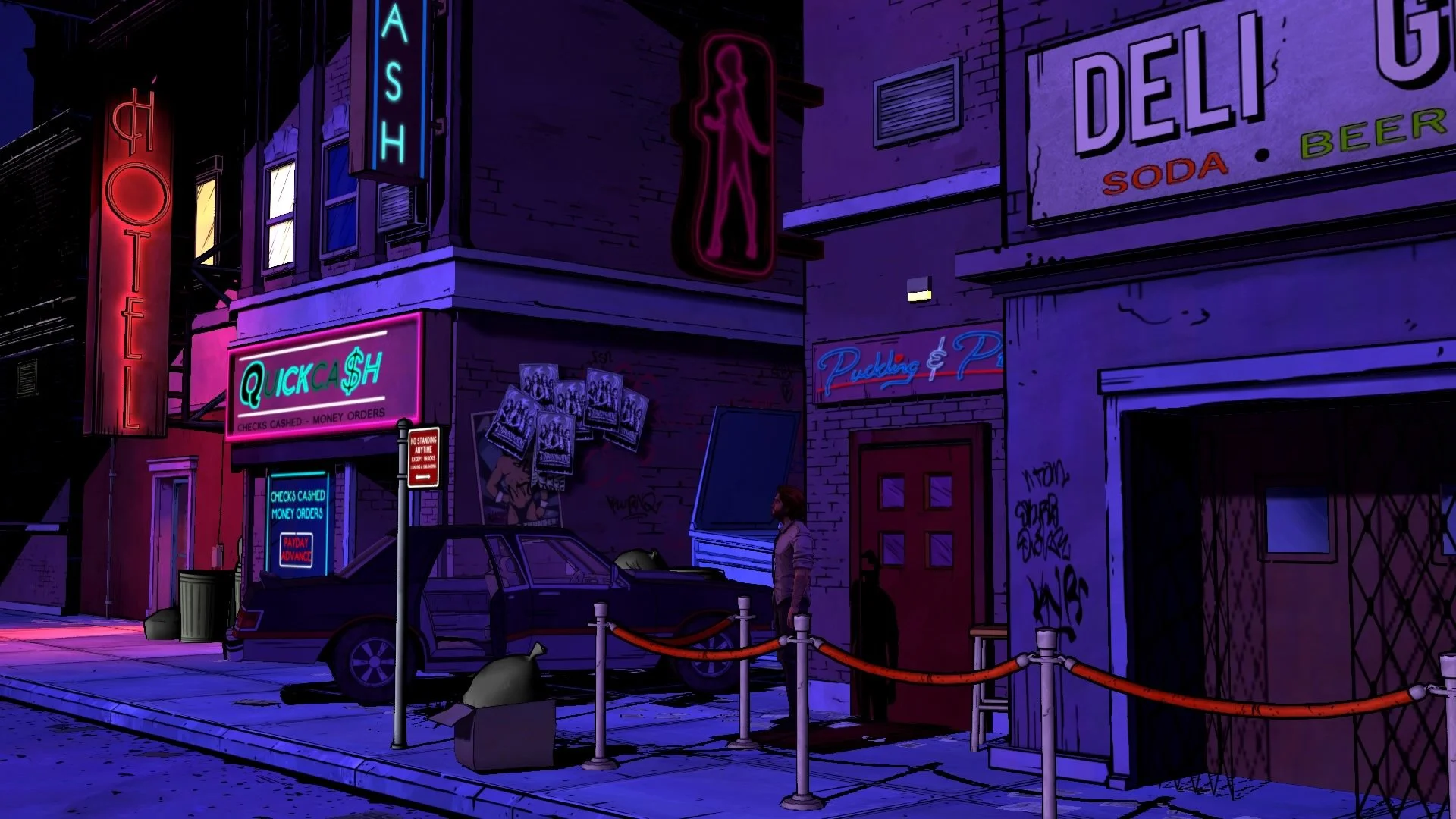
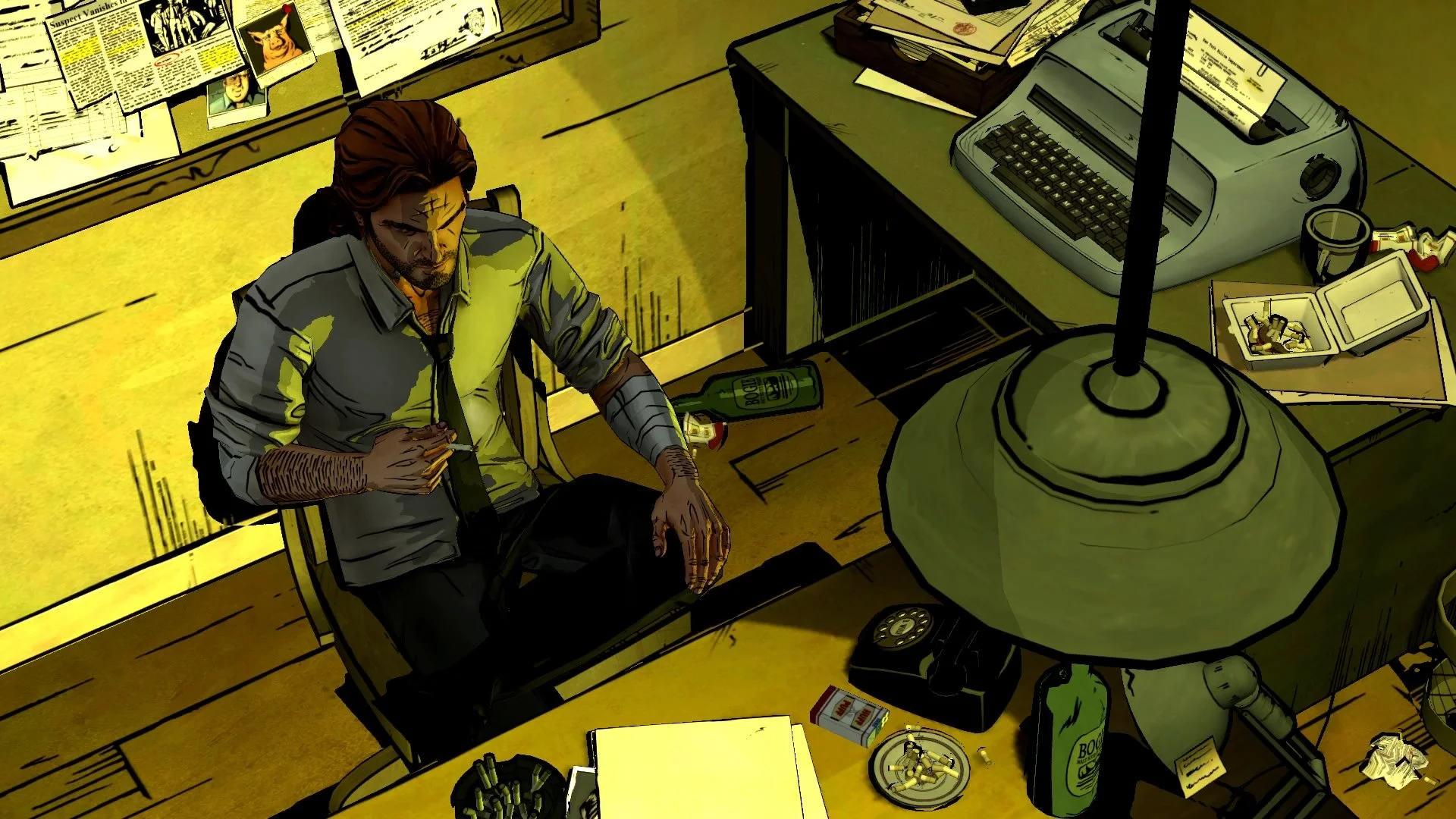
I am a huge fan of Bill Willingham’s Fables graphic novel series which is the epic saga of fairytale legends in exile. Telltale’s The Wolf Among Us is a gritty, street-level detective story that reimagines Bigby Wolf not as a mythical general, but as a weary Private Investigator navigating the rain-slicked neon of 1980s New York to solve a murder case.

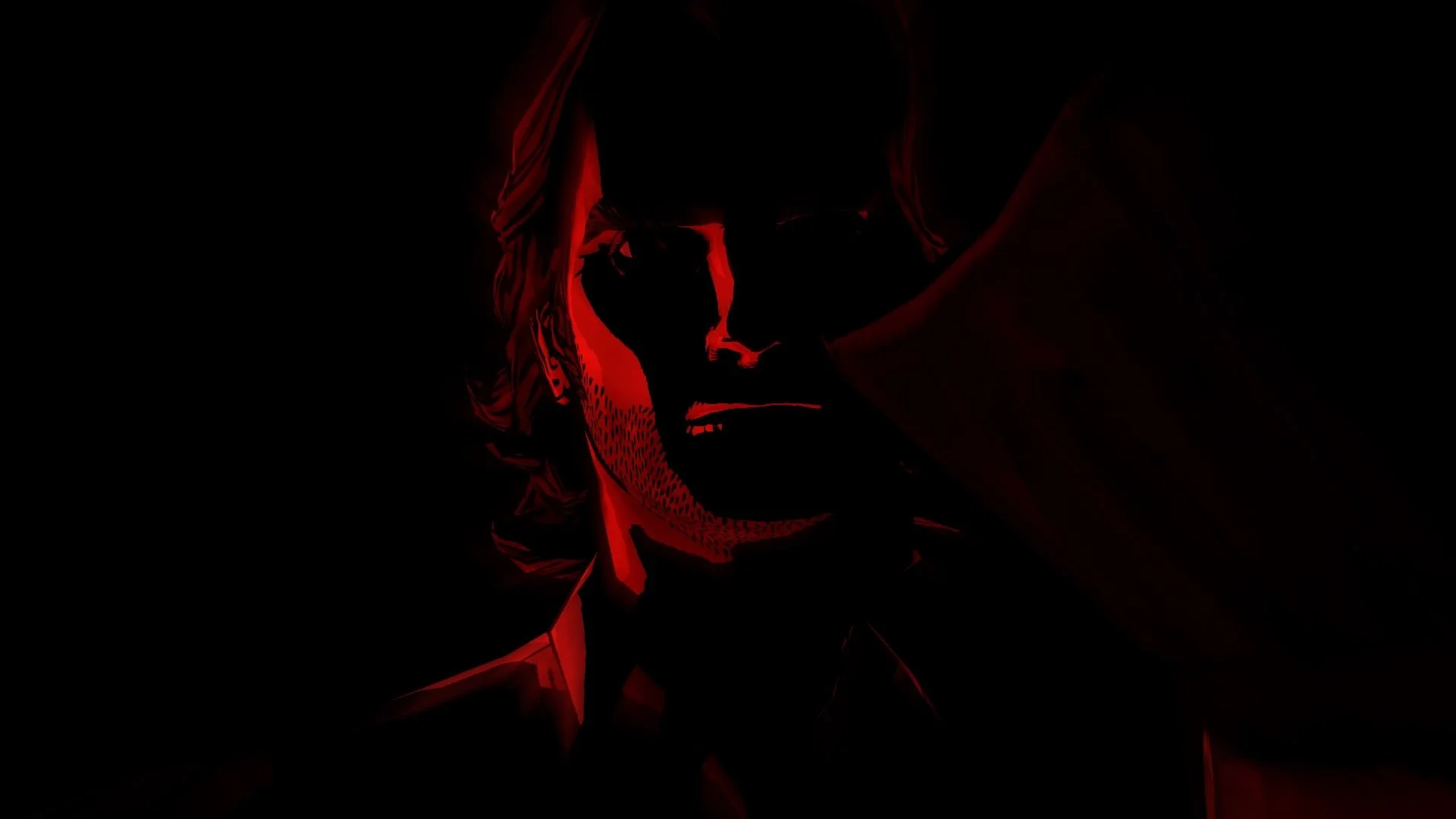
The artistry here is pure noir: a high-contrast "inked" aesthetic where deep shadows hide the desperation of characters like Snow White and Mr. Toad. This intimate focus transforms the sprawling fantasy into a claustrophobic mystery, trading world-ending stakes for the quiet, simmering tension of a smoke-filled interrogation room.

As Above, So Below - Cult Film Review

As Above, So Below is one of those rare found-footage films that actually uses its ‘shaky-cam’ style to tell a smart, high-concept puzzle house-type story. It feels like a cross between The Blair Witch Project and Indiana Jones, seasoned with the claustrophobic dread of The Descent. While that sounds like a lot to juggle, the film blends these influences into a surprisingly effective, low-budget gem.

The story centers on Scarlett Marlowe, a character who plays like a modern, more obsessed version of Lara Croft. She is highly educated, dangerously driven, and entirely unafraid to drag her reluctant "frenemy" and a small film crew into the mouth of madness in her search for the legendary Philosopher’s Stone. The relic was said to turn base metals into gold but to attain it their search leads them from ruins in Iraq to the dark catacombs of Paris.

What sets this film apart is its commitment to historical detail. It doesn't just use the Paris Catacombs as a spooky backdrop; it weaves in actual alchemical lore and history to ground the supernatural chaos. By the time the crew is navigating the literal and metaphorical circles of hell, the film has successfully blurred the lines between archaeology and the occult. The shift from intellectual puzzle-solving to a fight for survival is jarring in the best way possible.
The film’s greatest strength lies in its namesake. I did some research after the film and found that the ancient axiom "As above, so below" suggests that the universe mirrors the individual. In Scarlett’s world, this translates to a terrifying reality where the physical traps of the catacombs reflect the internal demons and guilt of the explorers. The deeper they go into the earth, the deeper they are forced to go into their own fractured psyches. The tunnels aren't just haunted; they are responding to the characters' past mistakes.

Sure, the film isn't without its flaws like some of the acting is a bit over-the-top and iverly-dramatic, and it leans heavily on typical found-footage tropes, but for a film of its scale, it punches well above its weight class.

Overall, As Above, So Below is an ambitious, though-provoking horror movie that proves you don't need a massive budget to be both intellectually stimulating and genuinely terrifying. It’s a descent well worth taking, even if it doesn't totally pull it off.

LINK: Japan: My Journey to the East

LINK: Please Save My Earth - Cult Manga Review

LINK: Thomas Was Alone Video Game Vinyl Soundtrack Review

LINK: Akira Soundtrack Vinyl Review

LINK: The Power of Stories and How They Are Manipulated

LINK: The Message by Ta-Nahisi Coates - Book Review (and Some Thoughts)

LINK: The Anxious Generation: Book Review (and Some Thoughts)

LINK: Utopia for Realists- Book Review

LINK: Toxic: Women, Fame and the Noughties- Book Review (and Some Thoughts)

I Saw the TV Glow - Cult Film Review

Whilst scrolling through Netflix, I saw the thumbnail for the film I Saw the TV Glow. Now, I hadn’t seen it but vaguely remember hearing that it was worth a watch so I gave it a watch. Jane Schoenbrun’s film is a haunting, deeply moving exploration of identity, alienation, and the lifesaving power of media fandom. Set against the muted, suburban backdrop of the late 1990s, the film captures the unique, isolating trials of growing up queer in an era before the ubiquitous internet, perfectly nailing the period's specific aesthetic texture and emotional weight. At the heart of the narrative is the profound human need to "find your people"—a connection forged for teenage protagonists Owen and Maddy through the flickering glow of a fictional, late-night cult television series called The Pink Opaque. Reminiscent of 1990s supernatural dramas like Charmed or Buffy the Vampire Slayer, the show follows two psychically linked girls fighting monsters-of-the-week alongside a sinister overarching villain, Mr Melancholy.

As the characters and themes from the broadcast begin to bleed into their everyday lives, Owen and Maddy search for a path to authenticity that lies just beyond the veil of their mundane world. Schoenbrun brilliantly utilises The Pink Opaque as a nested narrative that acts as a vital mirror for the characters' internal struggles, serving as a layered, unsettling, and ultimately beautiful allegory for the transgender experience, the terror of burying your true self, and the courage required to step into the light. The television screen isn't merely entertainment here; it is a sacred portal to a world where two lost souls finally feel seen. When Maddy suddenly vanishes—only to return years later deeply changed—the narrative takes on a fierce, haunting momentum.

This complex emotional landscape is anchored by two extraordinary lead performances. Justice Smith delivers a masterclass in quiet, devastating vulnerability as Owen, capturing the suffocating, paralysing fear of lifelong repression. Matching his intensity, Brigette Lundy-Paine is phenomenal as Maddy, radiating a desperate urgency that jumpstarts the film's second half. Together, their on-screen chemistry beautifully conveys the weight of finding someone who speaks your exact language when the rest of the world feels foreign, capturing that specific, hyper-intense period of adolescence where a single piece of media doesn't just entertain you—it defines you.

Visually, the film's period detail is flawless. From the warm, eerie hum of CRT televisions to the dim suburban streets, the production design masterfully portrays how deeply a television show can matter to marginalised youth, transforming media consumption into a shared lifeline. I Saw the TV Glow emerges as a poignant masterwork for anyone who ever felt like an outsider, capturing the exact moment when the static of a television screen felt far more real than the world outside.