
Sometimes the best cinematic discoveries happen off the beaten path and from unexpected sources. I recently stumbled across a mention of a film called Laurin on the Facebook group 'Incredibly Strange Films' and decided to dive in. What I found was a stunningly unique piece of Gothic German cinema that deserves far more recognition.
Directed by Robert Sigl in 1989, Laurin is set in a moody, turn-of-the-century German port town. The story centers on young Laurin (played with beguiling innocence by Dóra Szinetár), a girl living in a state of arrested development following the mysterious death of her pregnant mother. She’s immediately burdened with terrifying, precognitive nightmares that seem to link her mother’s tragedy to a series of escalating child disappearances in the village.
The narrative kicks off when a handsome new schoolteacher, Mr. Van Rees, arrives. Laurin is instantly drawn to him, but her amateur detective work soon pulls her into a dark mystery involving the teacher, the local priest and her bullied friend, Stefan. The film becomes Laurin's intense, personal mission to navigate the unsettling truths and repressed secrets of the adults around her, forcing her through a turbulent and often frightening journey into adolescence.
Watching this atmospheric, unsettling film, I quickly felt that Laurin completely resisted simple genre classification; it had horror elements but also dealt with the realm of the surreal, and frankly, I was here for it. Parts of it reminded me of The Company of Wolves, the growing adolescence of a young woman; Paper House, the trauma of abuse and childhood; Moondial, the sense of gothic dread and Suspiria, with its use of claret and greens that pervaded giallo films of old. In my book, this could only be a wonderful thing!
The film is beautifully filmed, using stunning natural landscapes and scenery to establish an immediate tone that is at once idyllic and profoundly fragile. These expansive exterior shots are contrasted brilliantly with interiors defined by carefully chosen lighting. The light here isn’t just illumination—it's a critical tool for generating mood. This strategic use of pervasive gloom and dramatic shadows contributes heavily to the ominous and eerie feeling that permeates every frame, sustaining an inescapable sense of mystery that the viewer is never quite allowed to escape. The set design shows real artistry, and Sigl makes expert use of bold color and visual imagery, transforming the very setting into a central participant in the psychological drama.
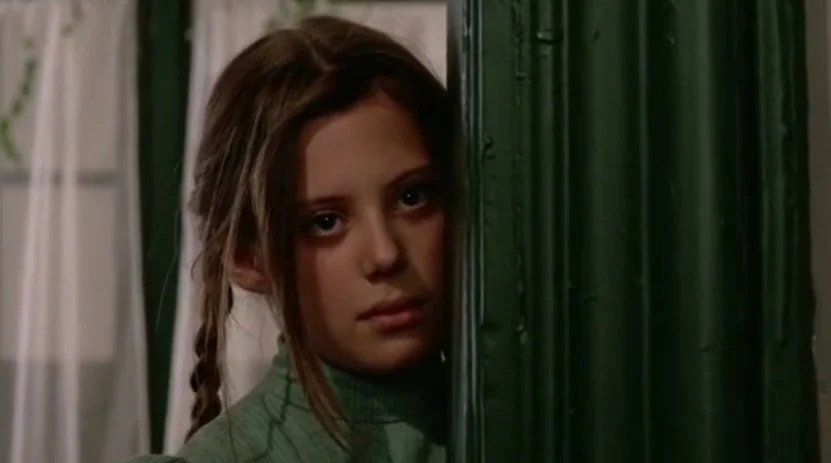
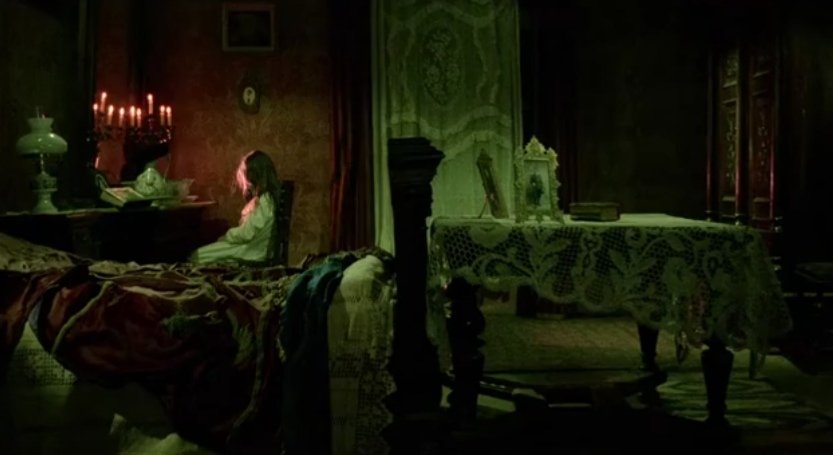
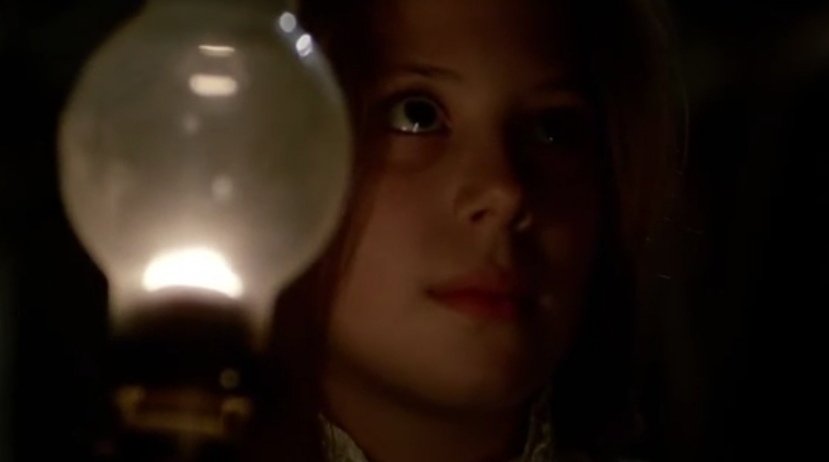
This highly stylized world is populated by characters whose eccentricities underscore the central themes of childhood trauma and repressed sexuality. Laurin, sleeping in a crib, is the perfect symbol of willfully stunted development. The ensemble only amplifies this disquiet, including the local Priest and his son, both clearly grappling with profound issues relating to childhood and sexuality.
Further depth is added by peripheral figures—the innocent bullied schoolboy, the dope smoking granny - who collectively frame the narrative not as a straightforward story, but as a descent into a community's deep-seated and often bizarre psychological unrest.
Overall, Laurin is a work that values atmosphere over exposition. It invites the viewer to navigate a dream logic where the boundary between reality and hallucination is irrelevant. For those drawn to cinematic puzzles and films where the environment is as disturbed as the characters within it, this movie is a unique, beguiling and truly unforgettable experience. So, if you’re a fan of unsettling visuals and deep mystery, go track this one down as its definitely worth your time.
LINK- The Rise of Retro Gaming During Covid
LINK- Japan: My Journey to the East
LINK- Blood, Sweat and Pixels- Book Review
LINK- Utopia for Realists- Book Review
LINK- ‘Natives: Race and Class in the Ruins of Empire’ LINK: Elden Ring- Videogames As Art