
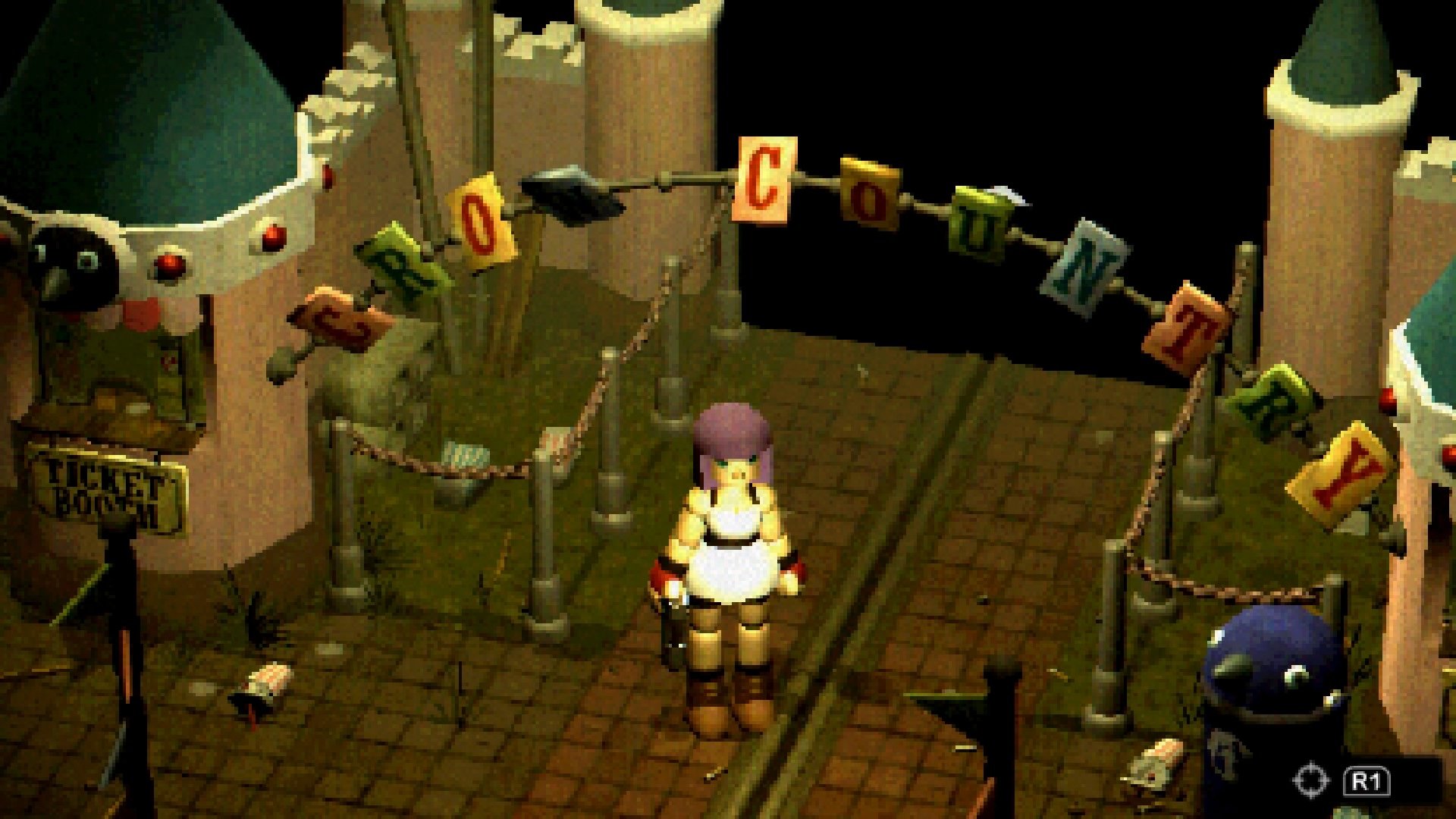
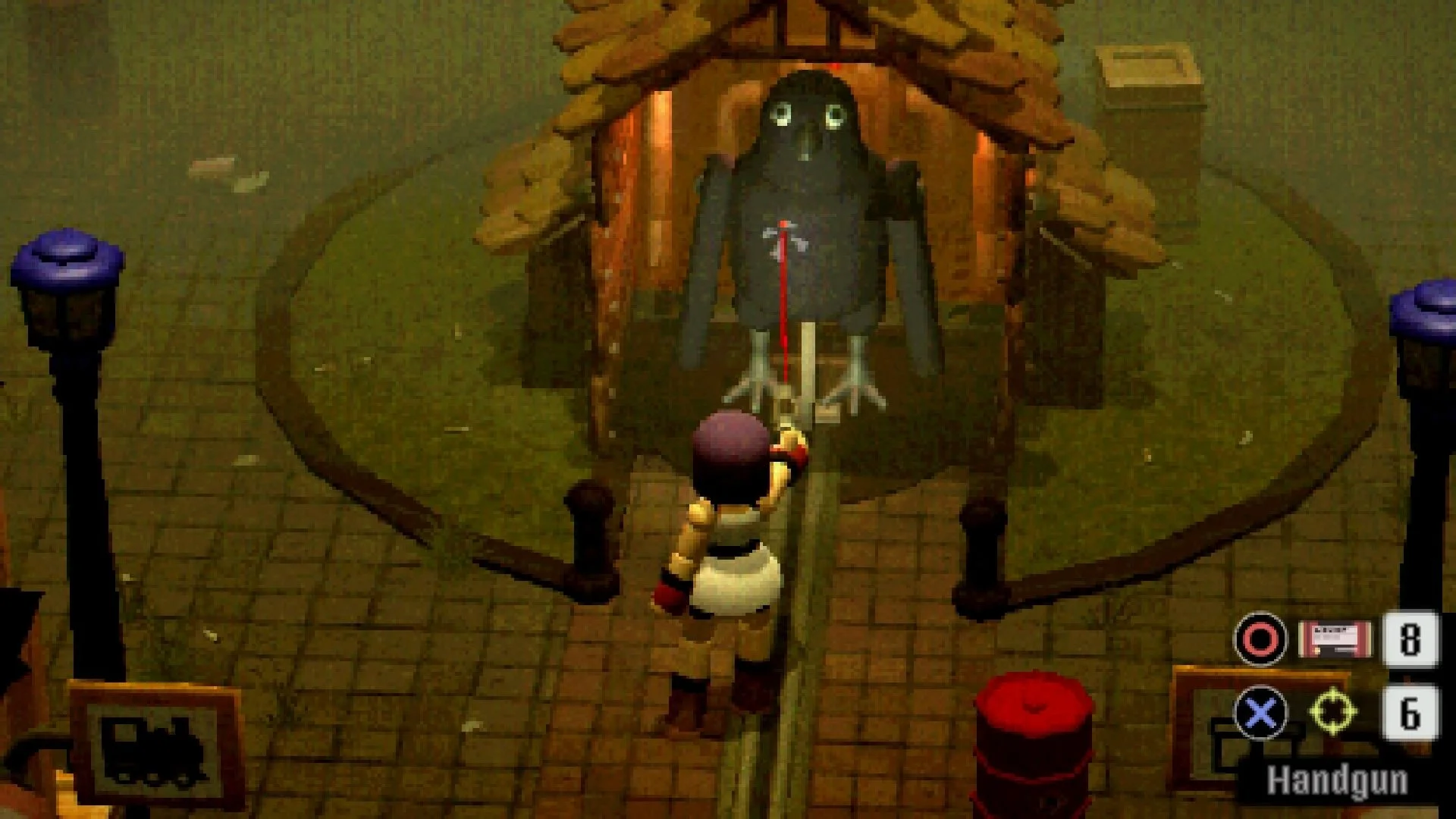
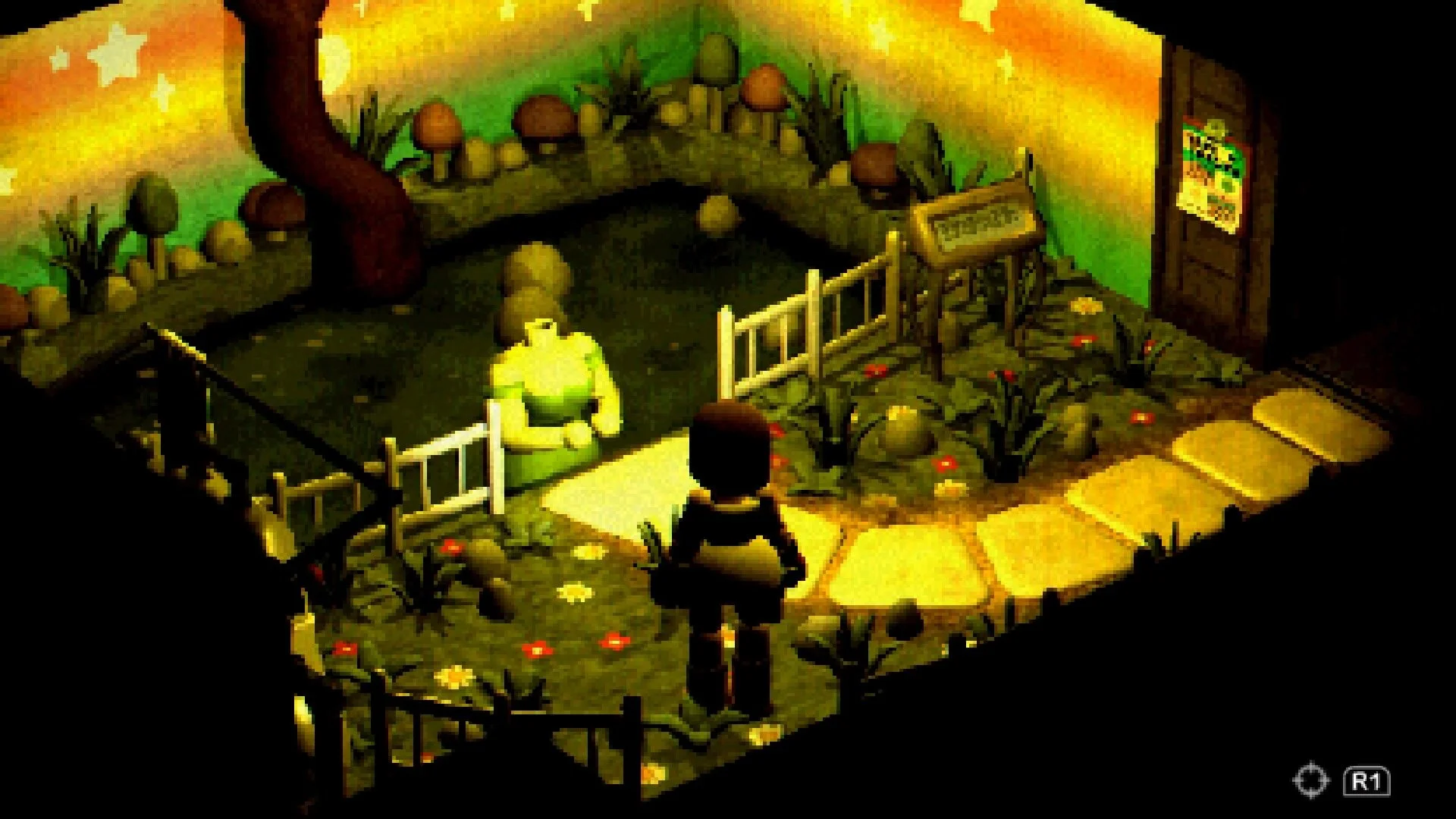
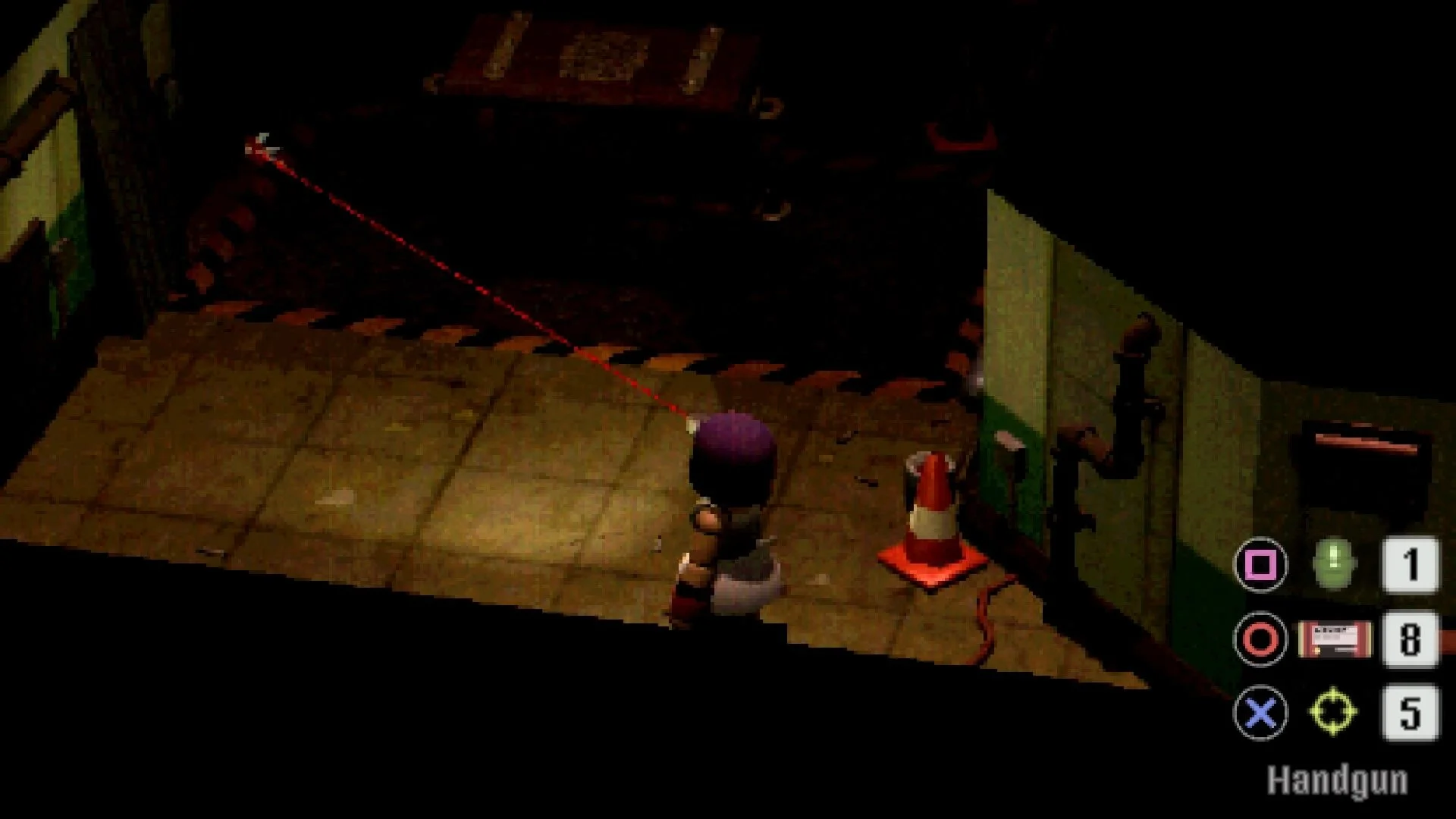
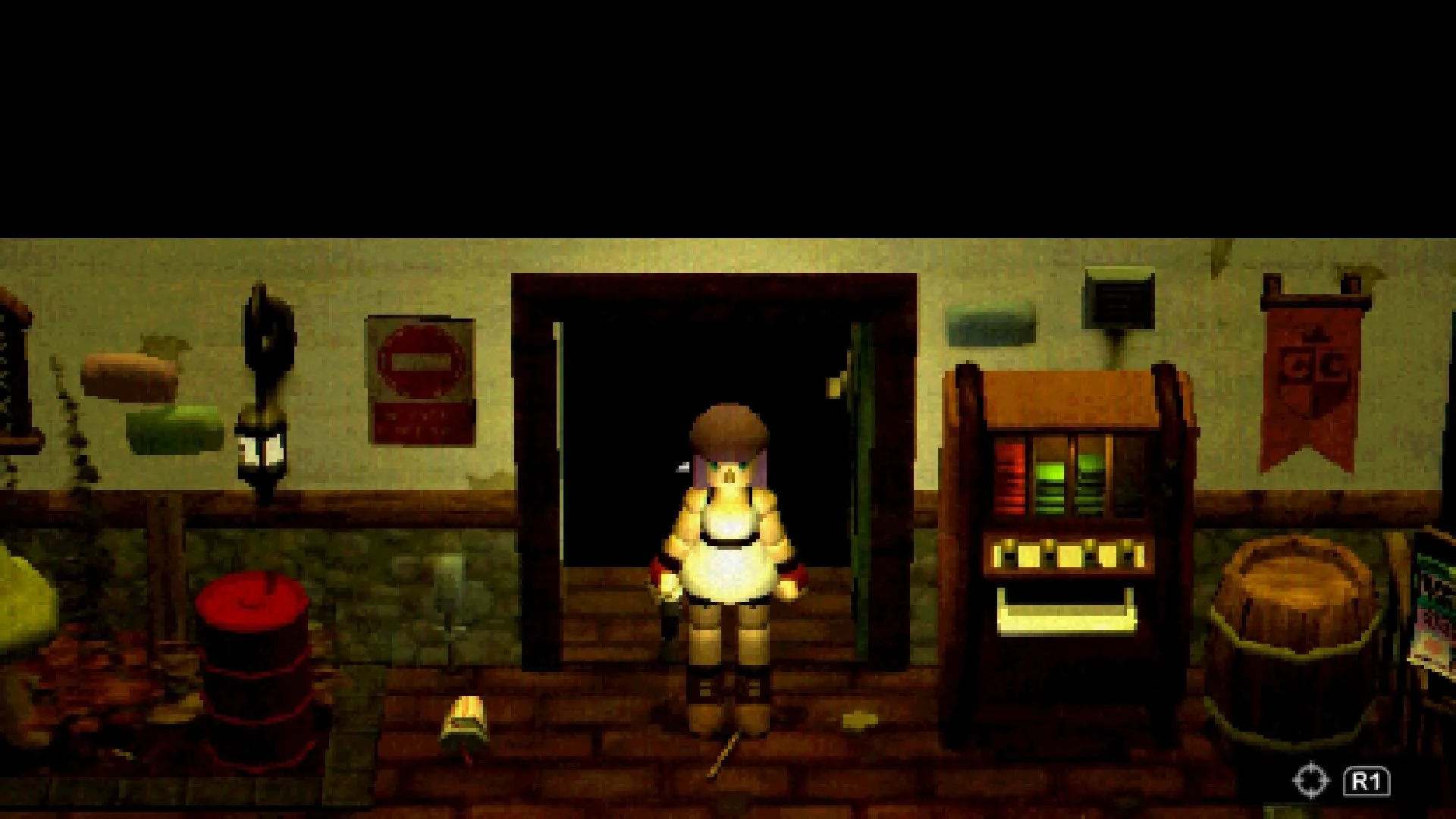
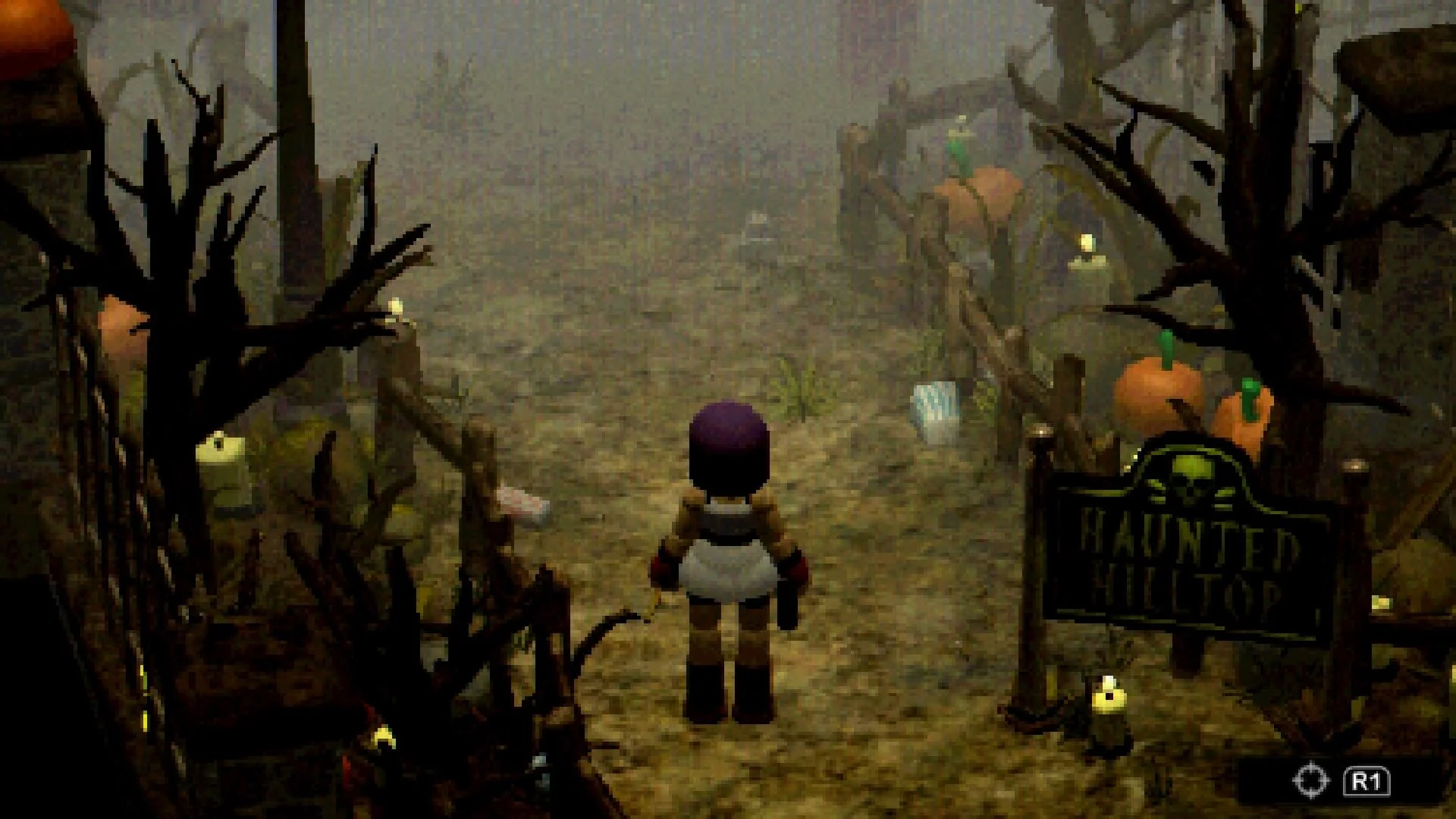
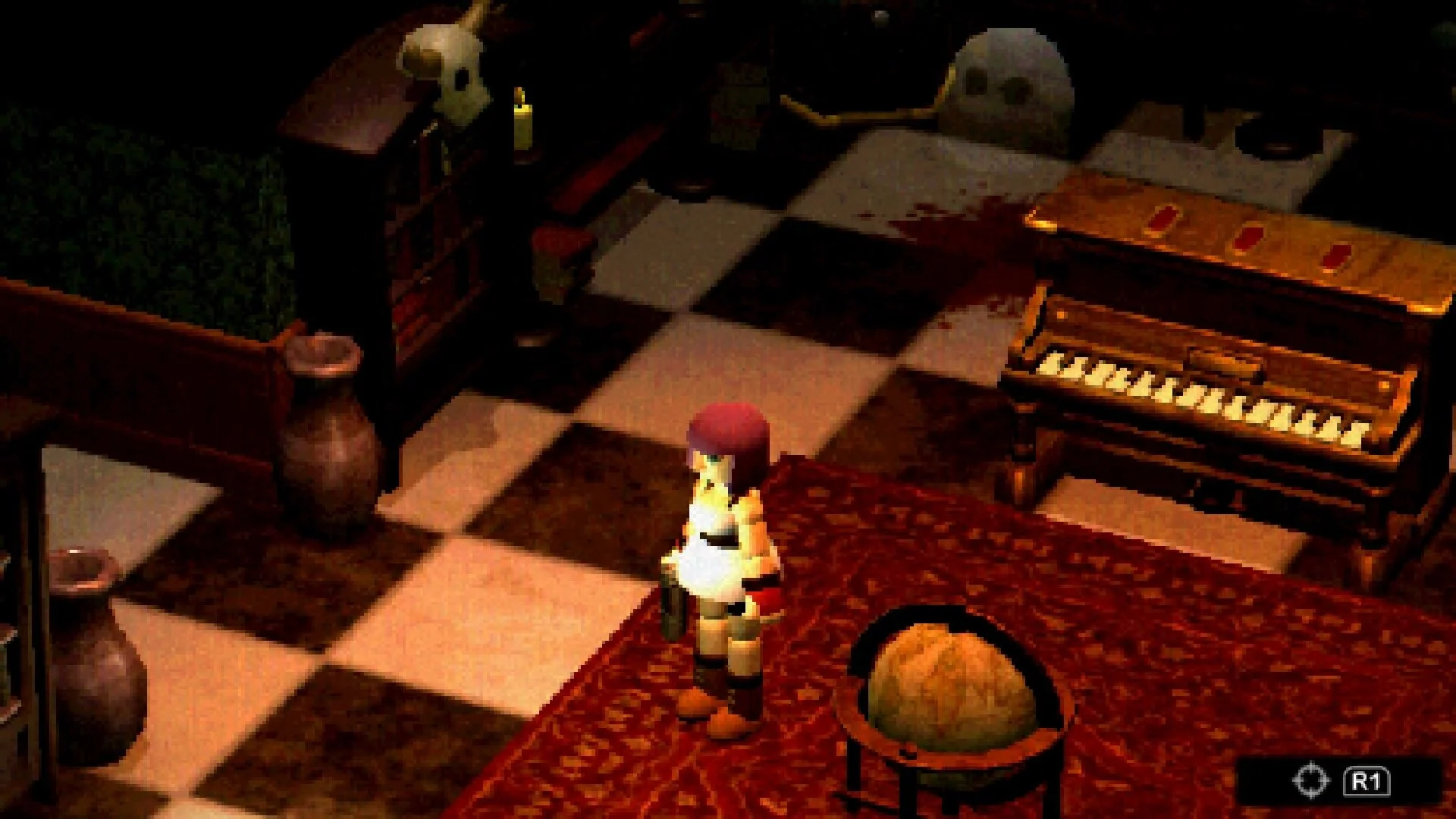
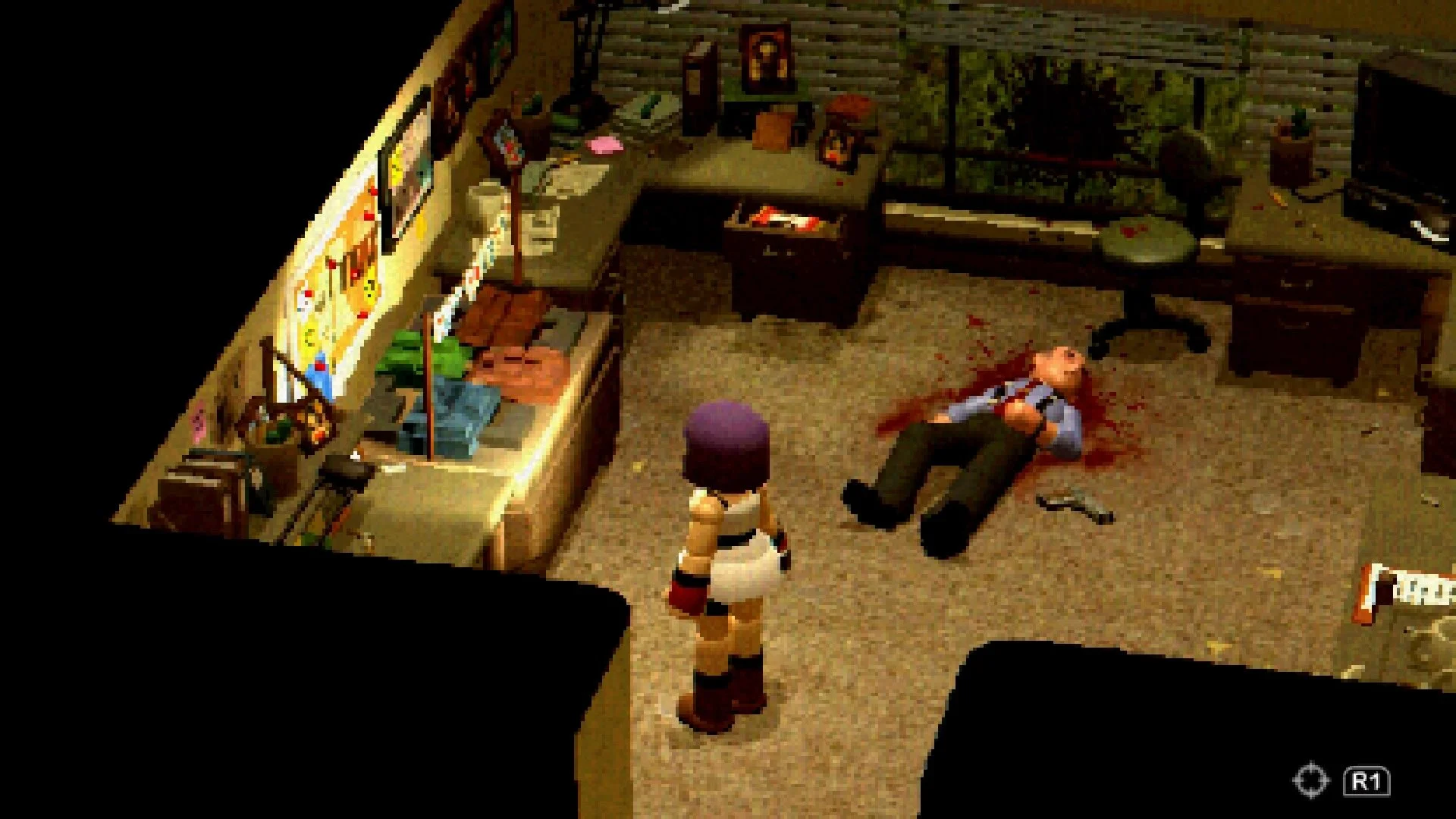
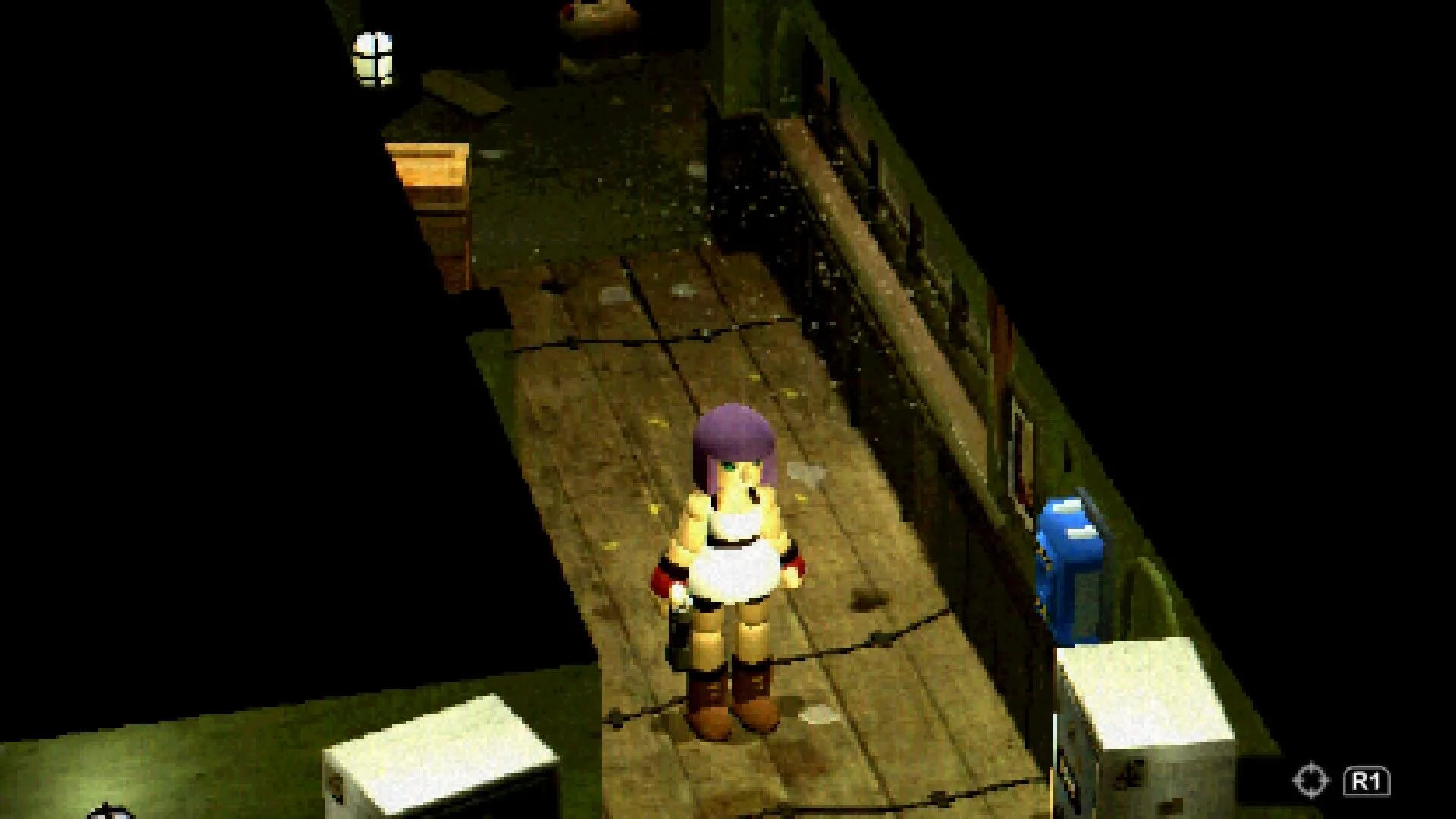
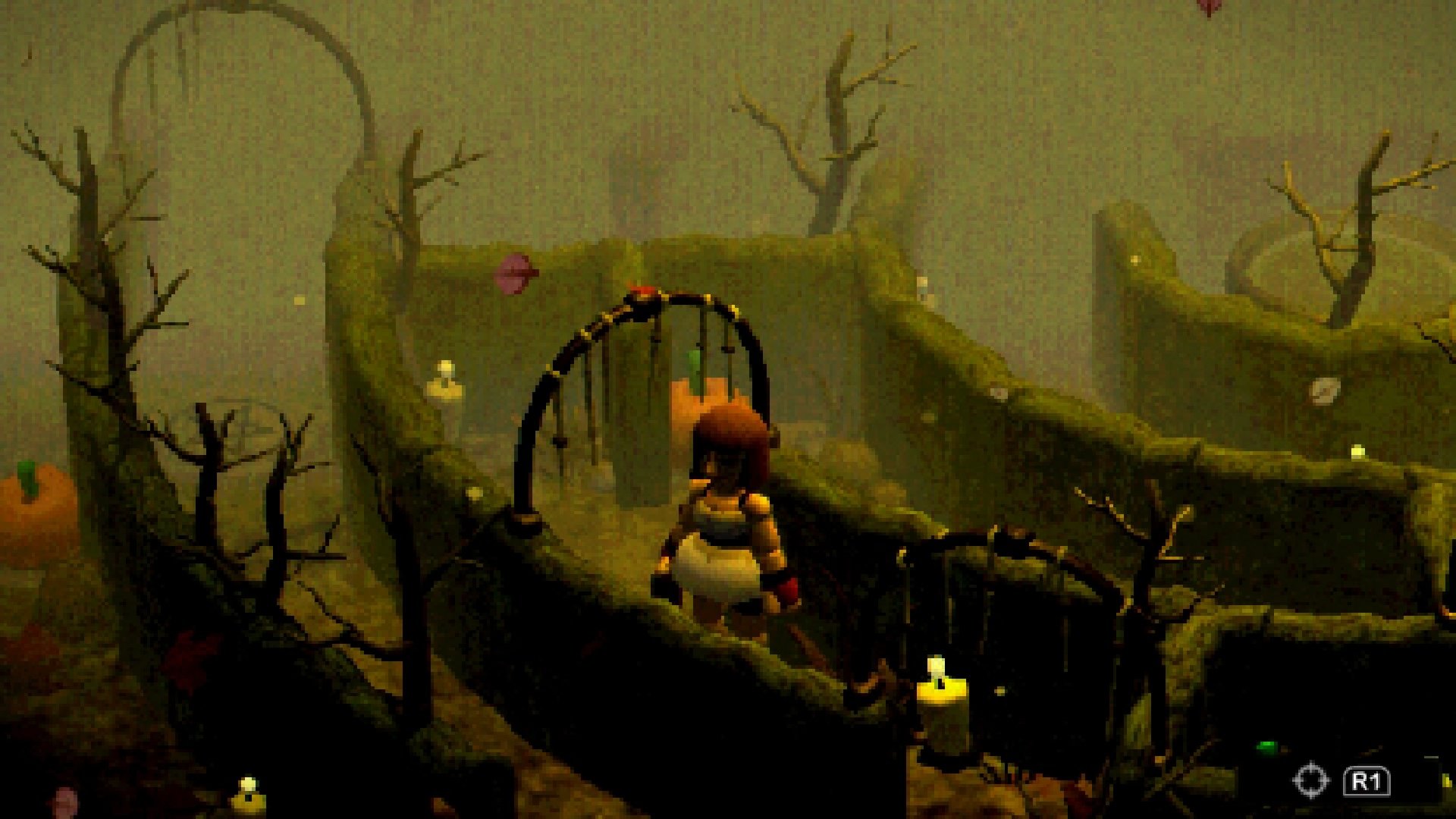
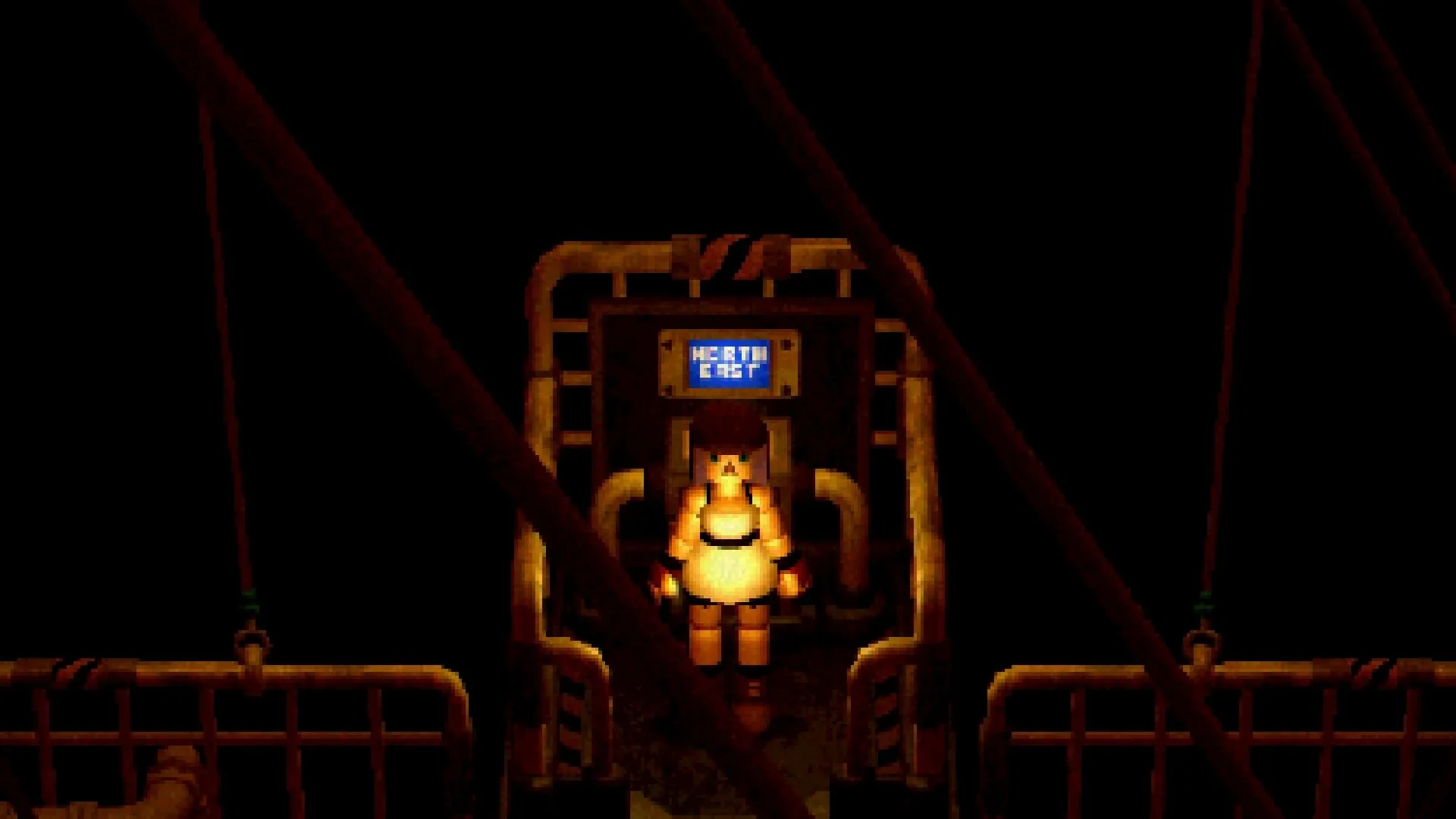
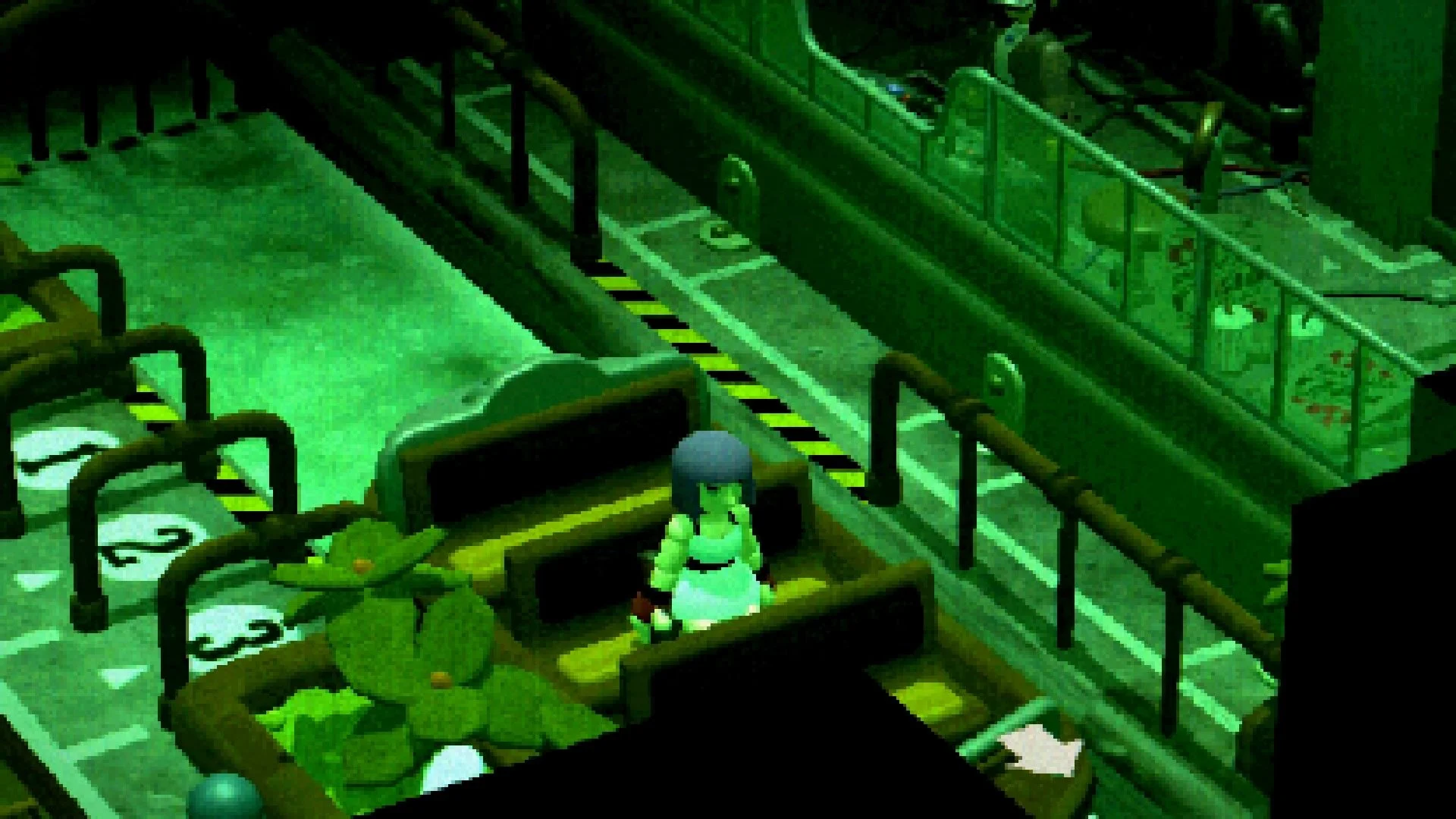
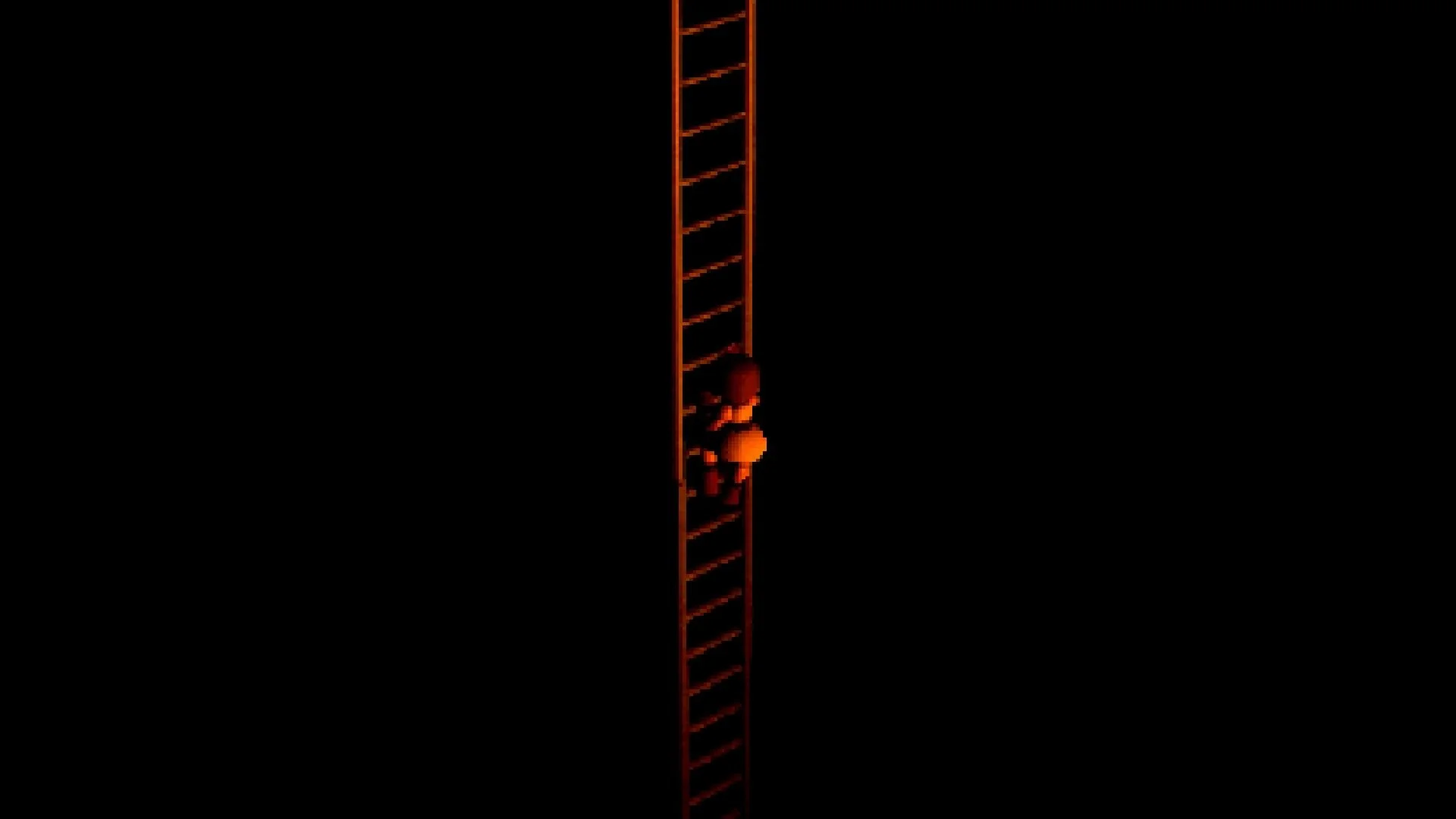
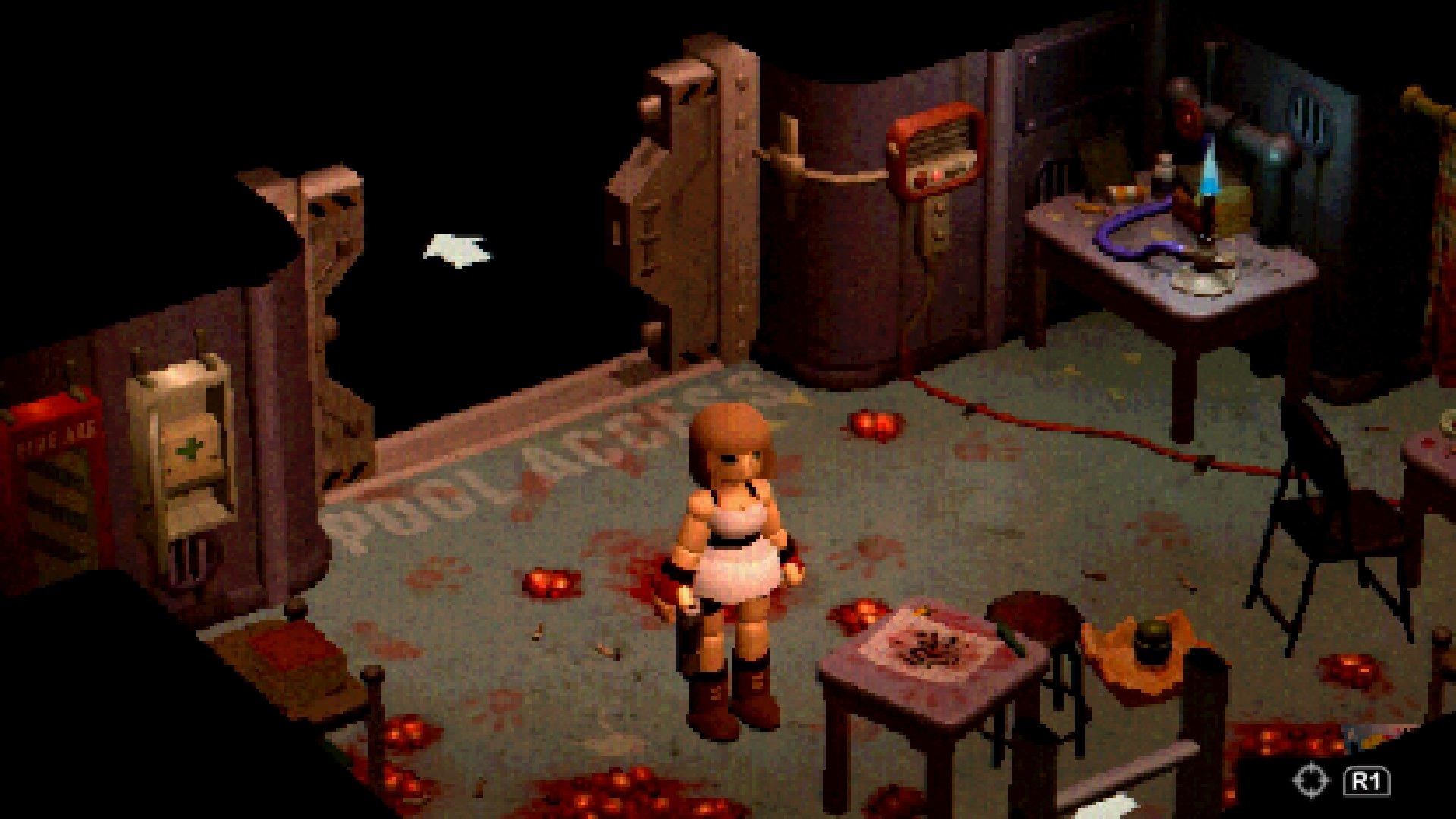
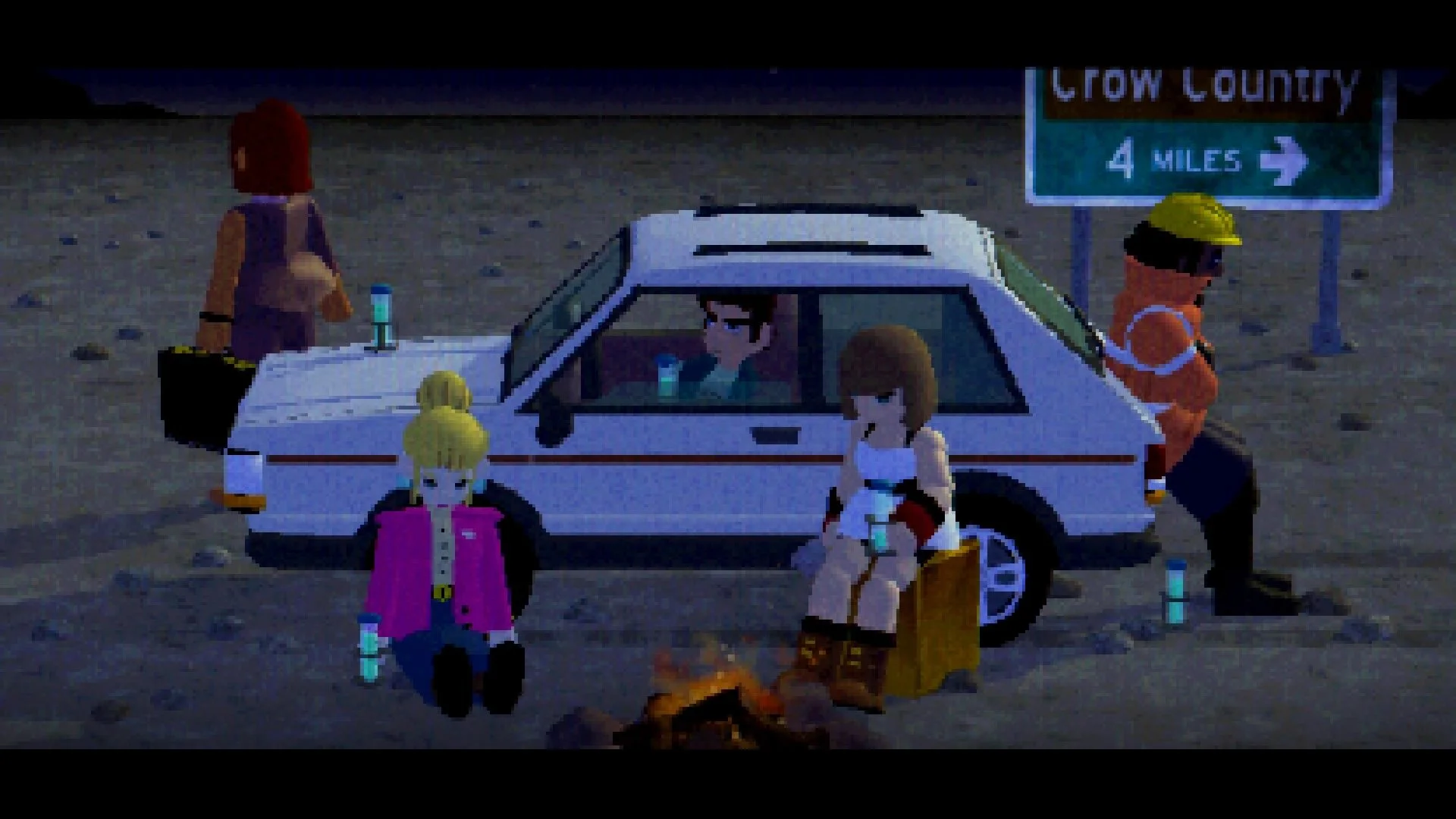
I recently played and completed Crow Country a lo-fi horror game with atmospheric design which bypassed modern hyper-realism to embrace the chunky, wobbling charm of the 32-bit era. By authentically replicating that signature PS1 jitter where surfaces warp as you move - and utilizing chibi-esque character proportions reminiscent of Final Fantasy VII, the game taps into a powerful sense of uncanny nostalgia. These technical limitations, paired with soft lighting and fixed-ish camera angles, allow the player’s imagination to fill in the gruesome details of the abandoned theme park, proving that a strong, low-poly art direction can be far more evocative than 4K textures. Here are screenshots of my playthrough!
The Wolf Among Us - Videogames As Art
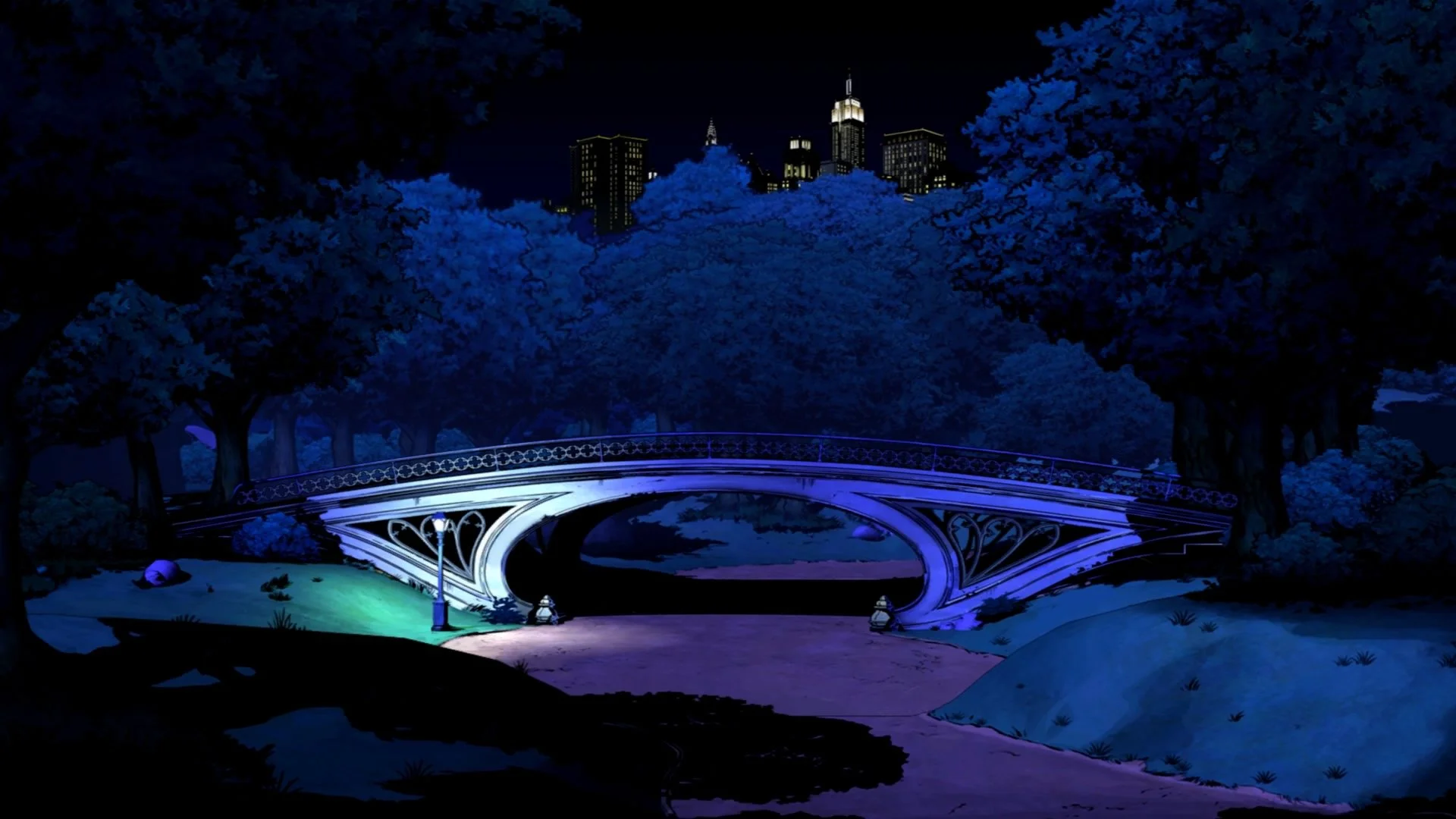
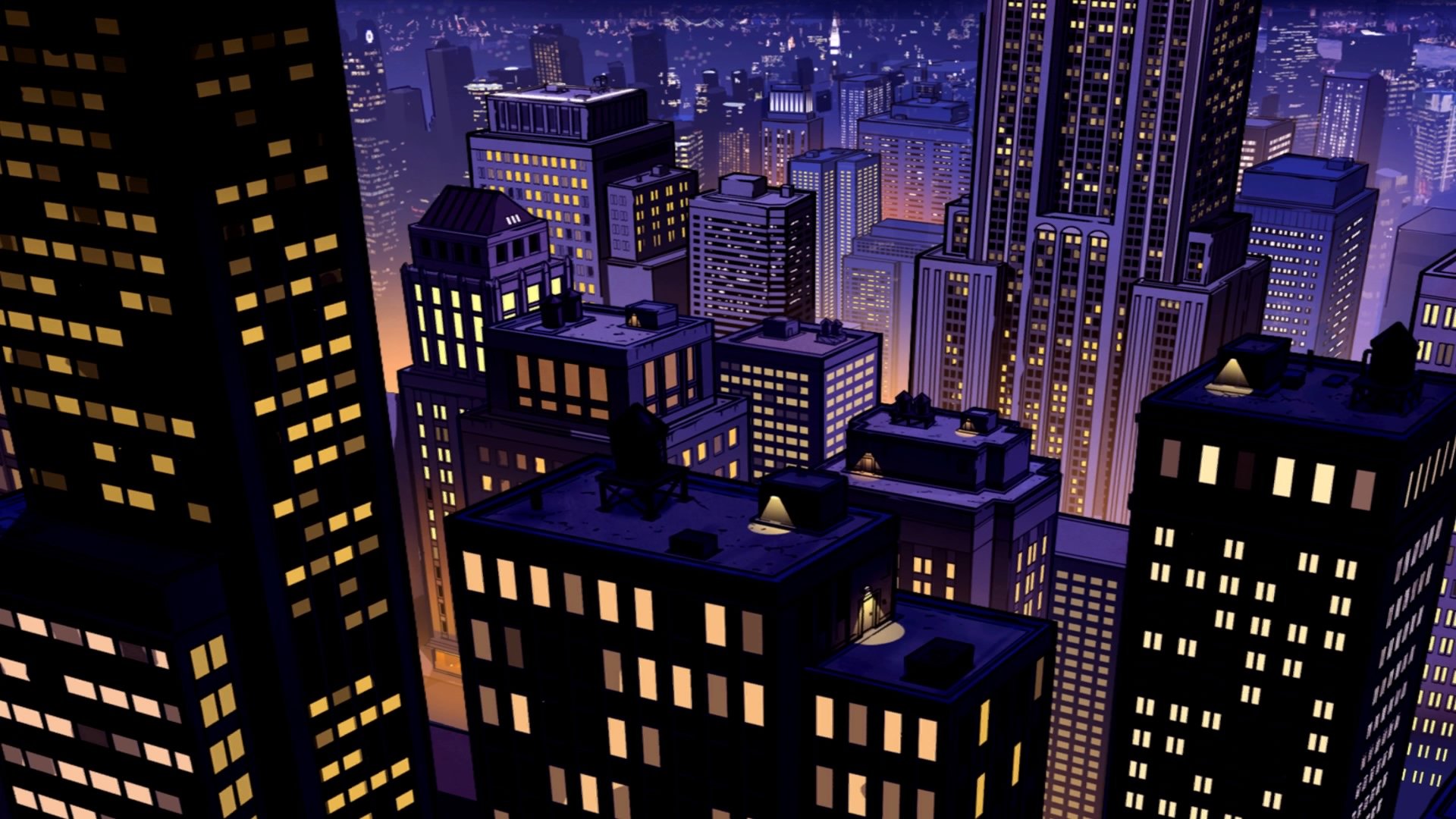
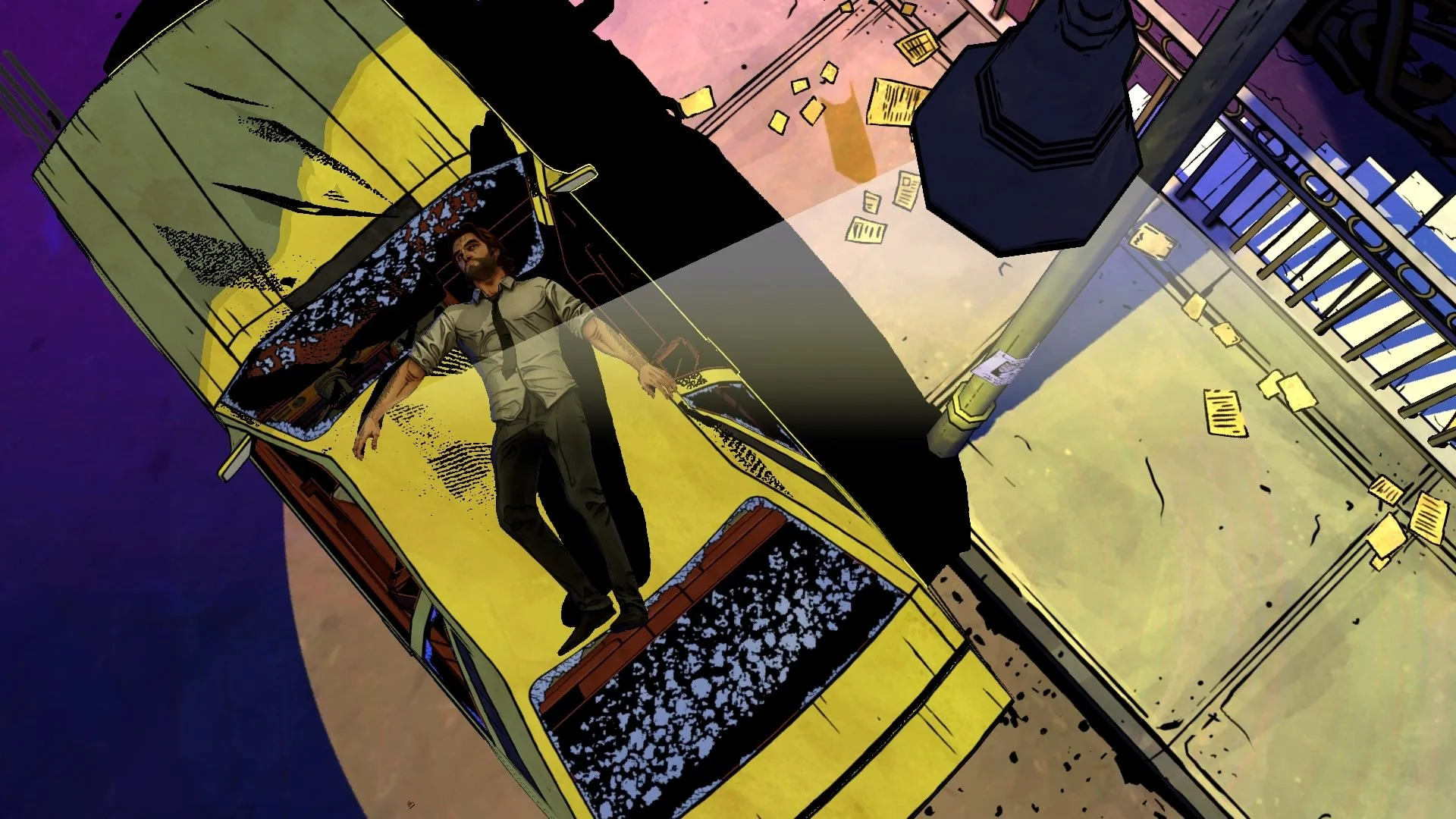
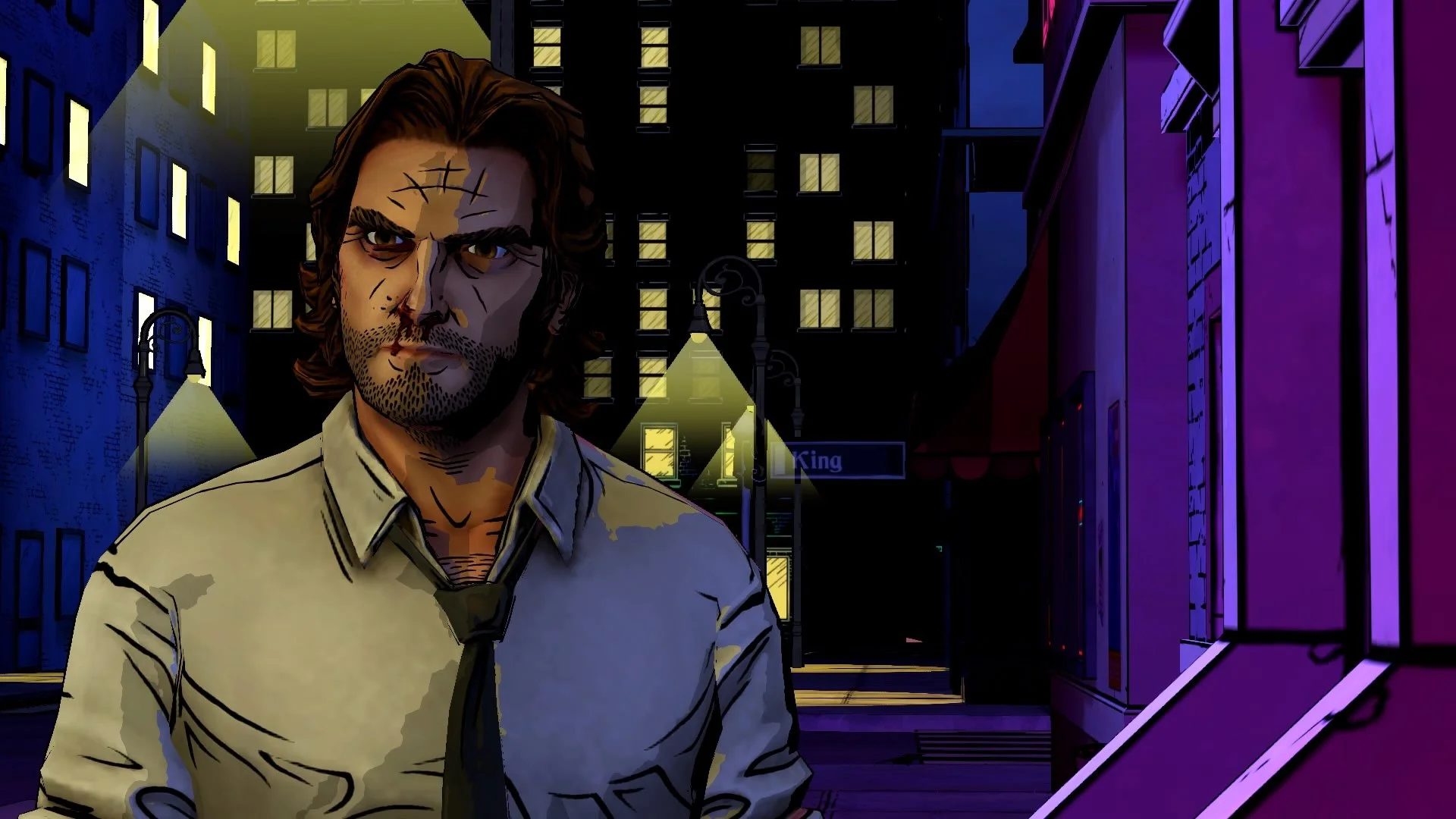
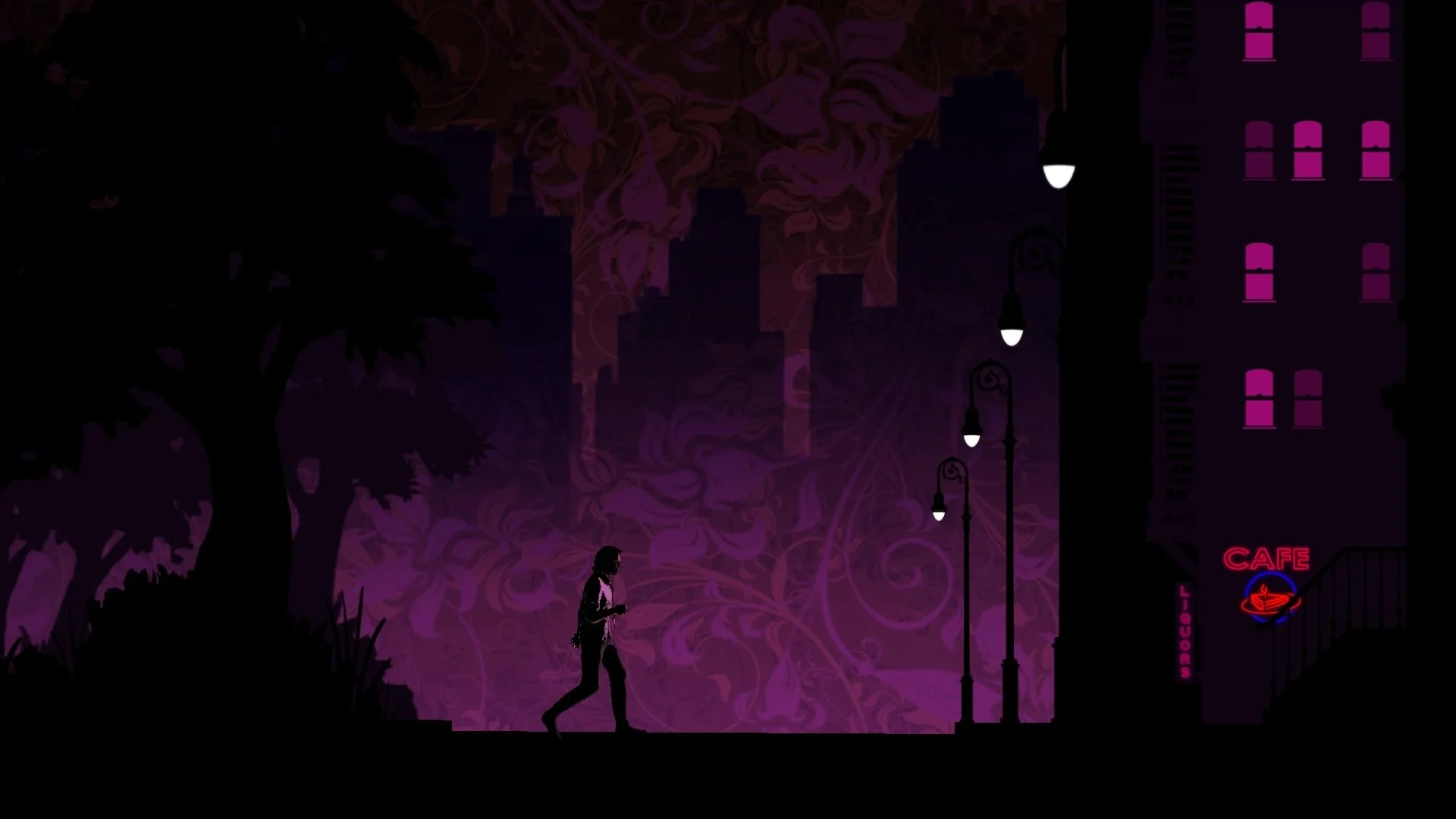
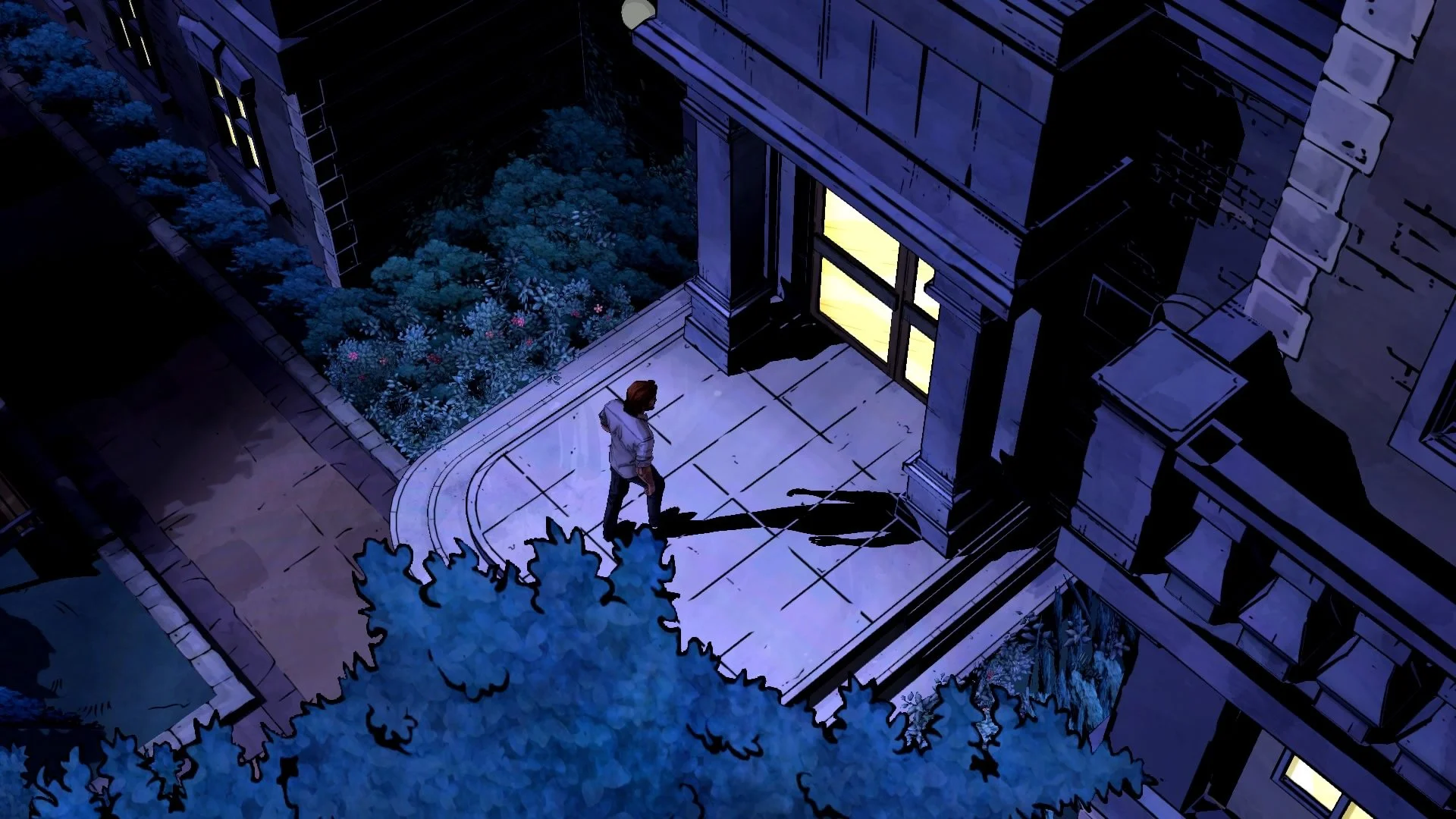
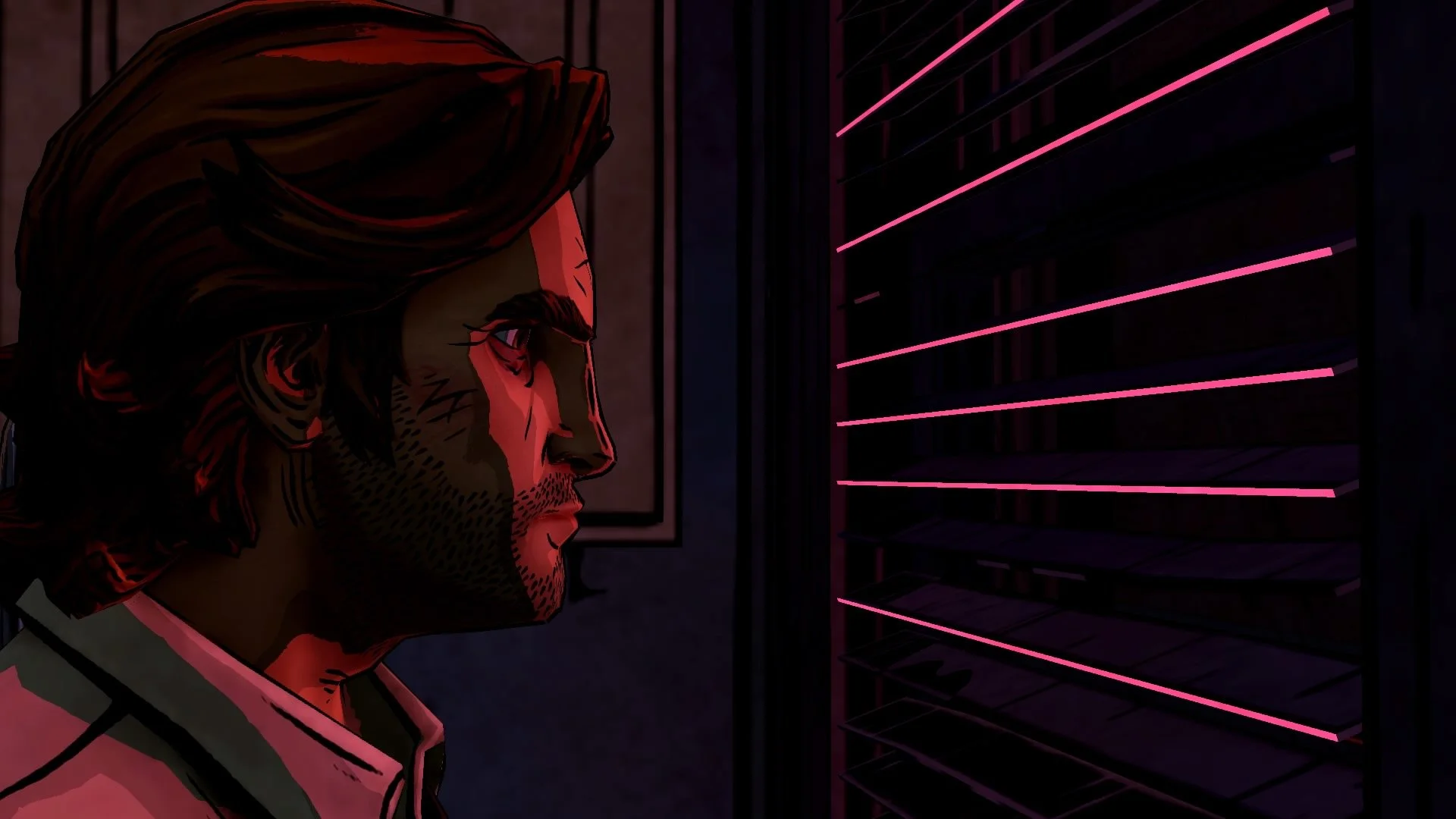
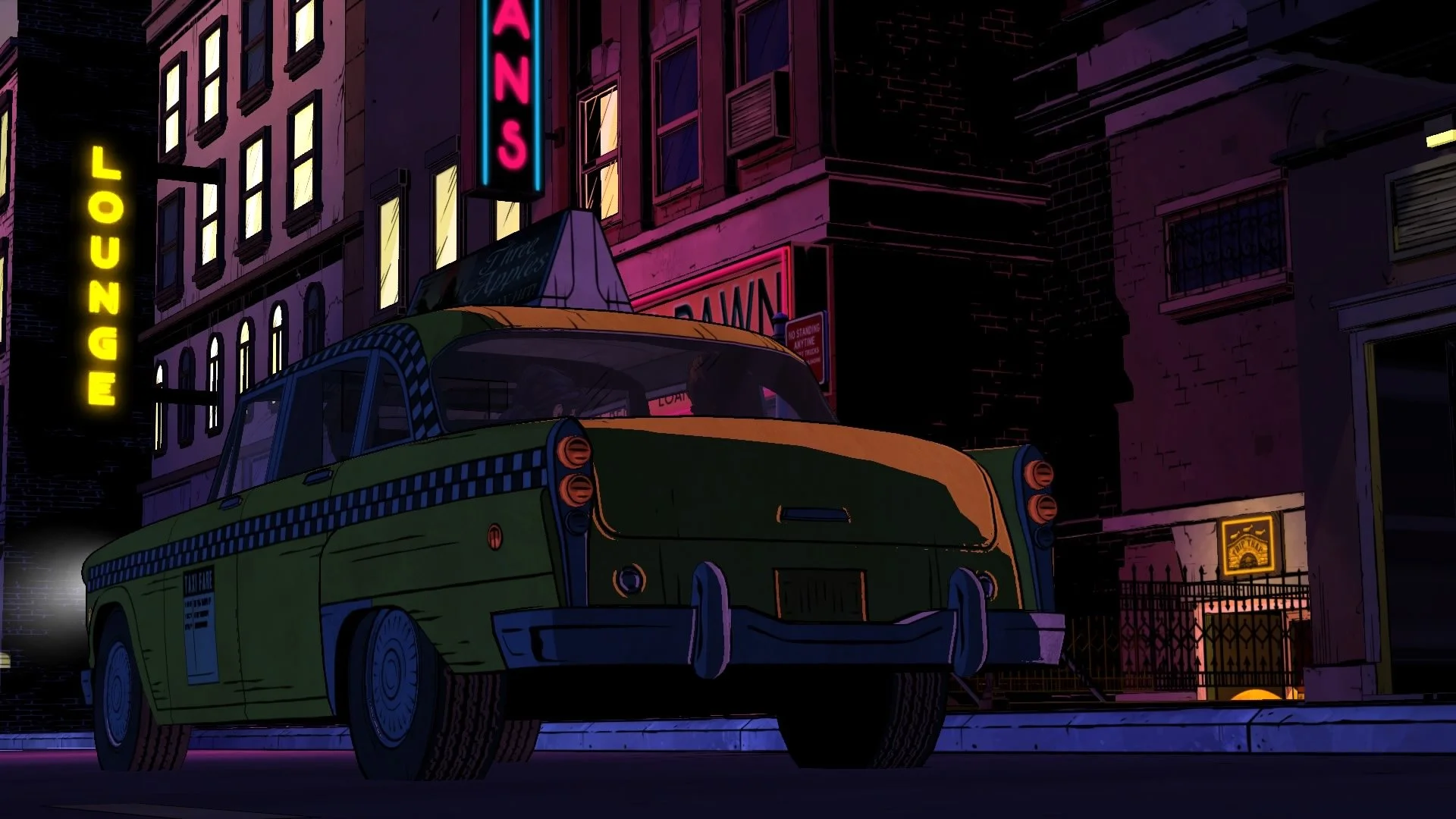
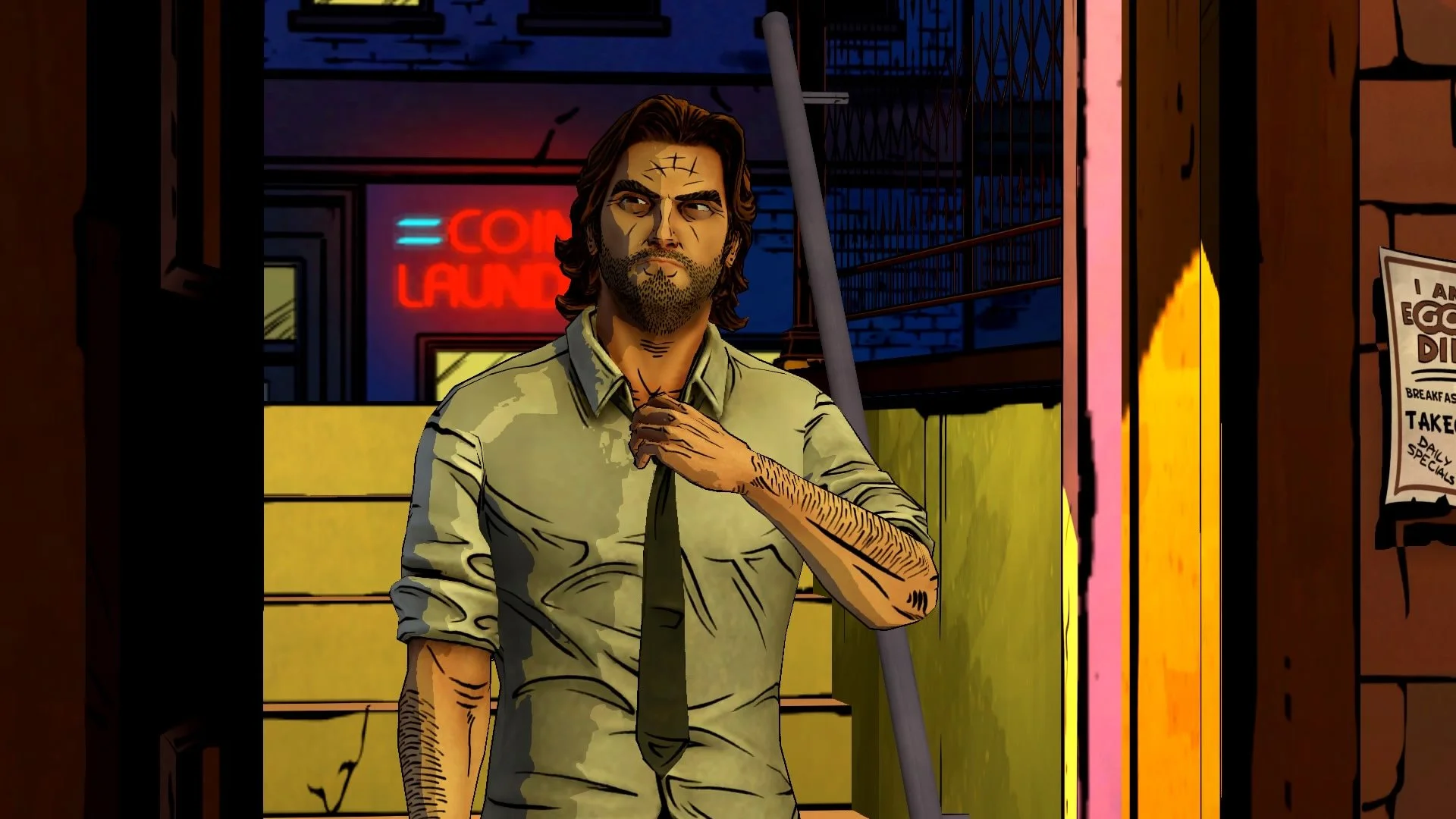
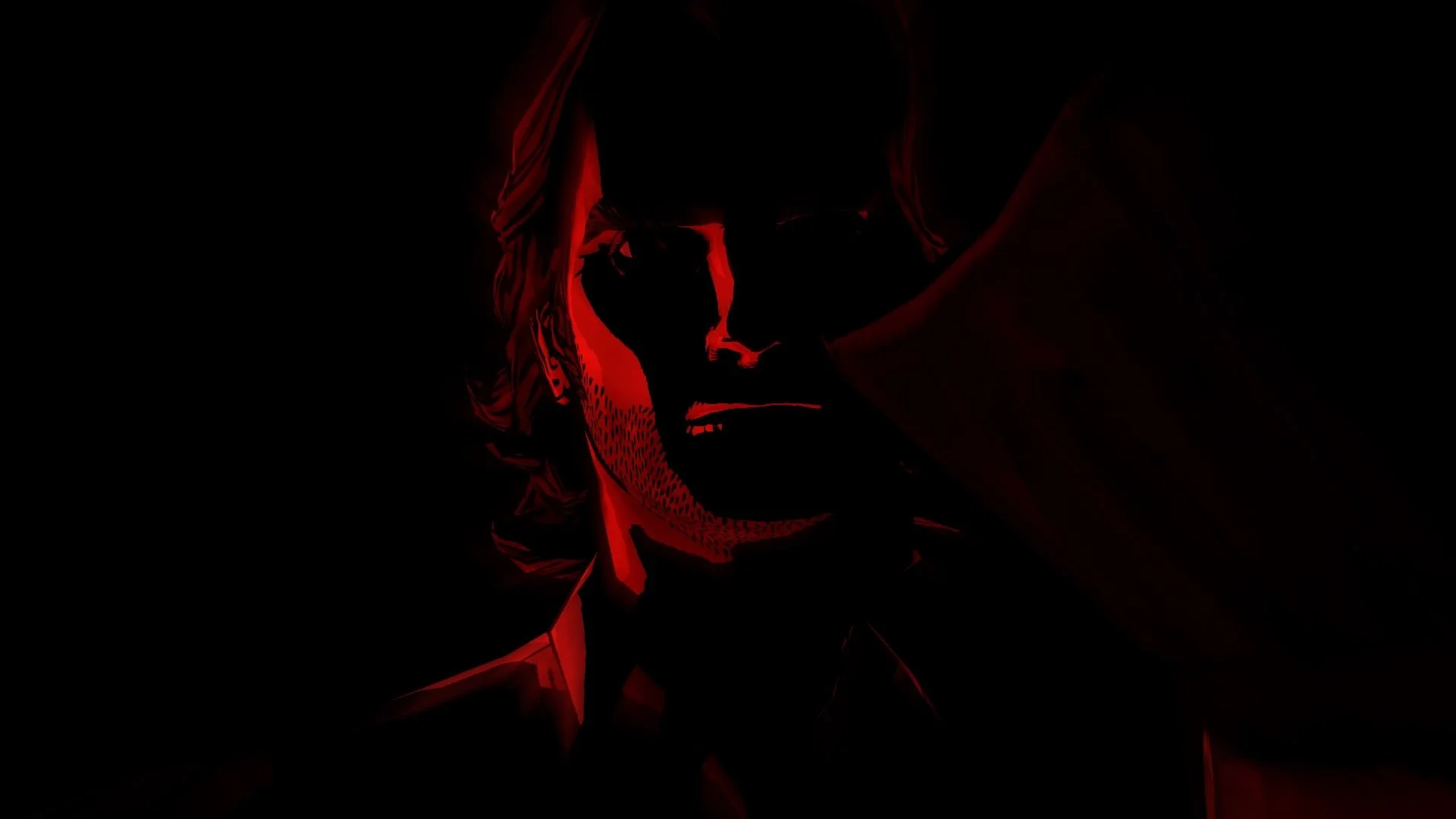
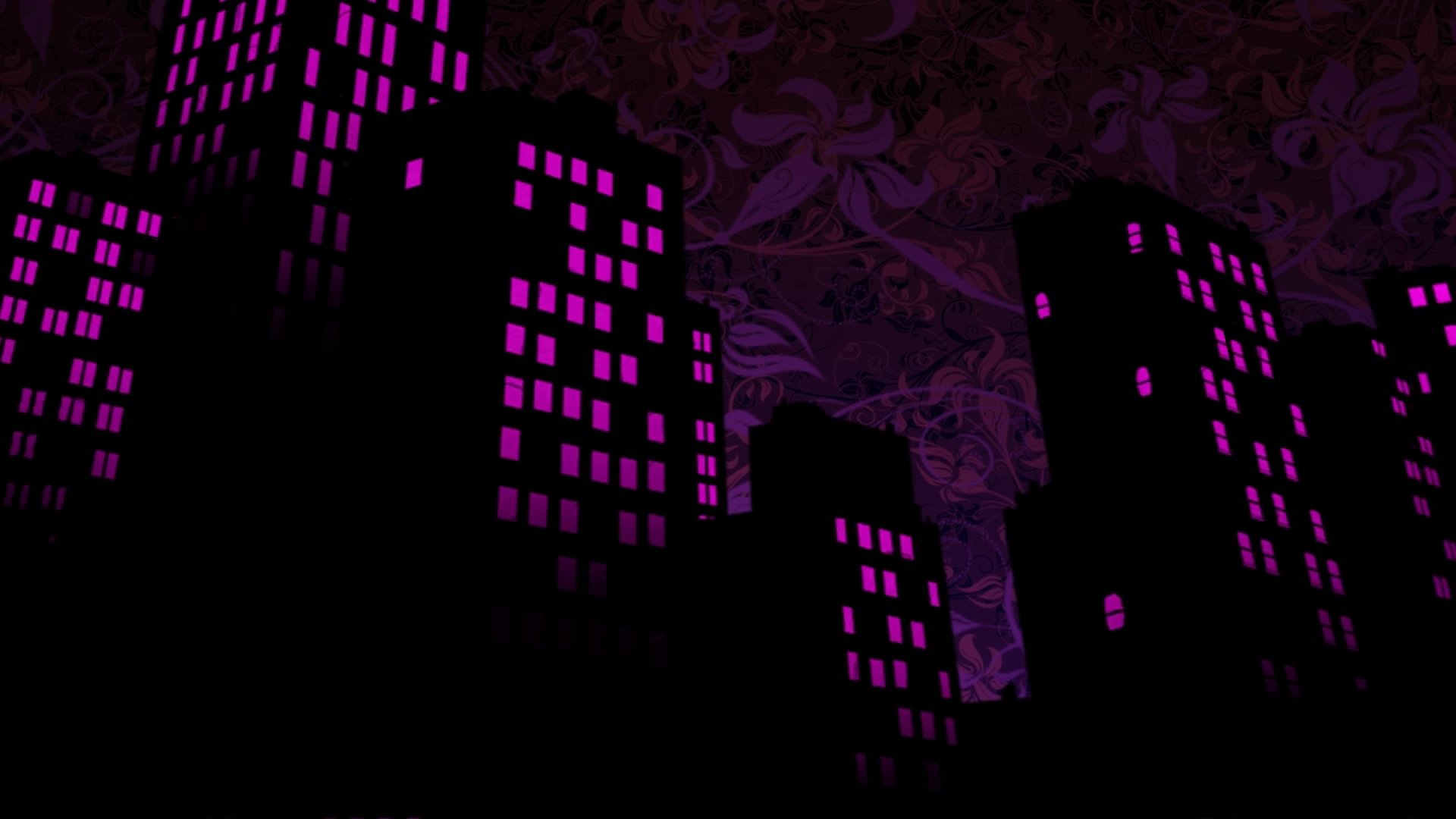
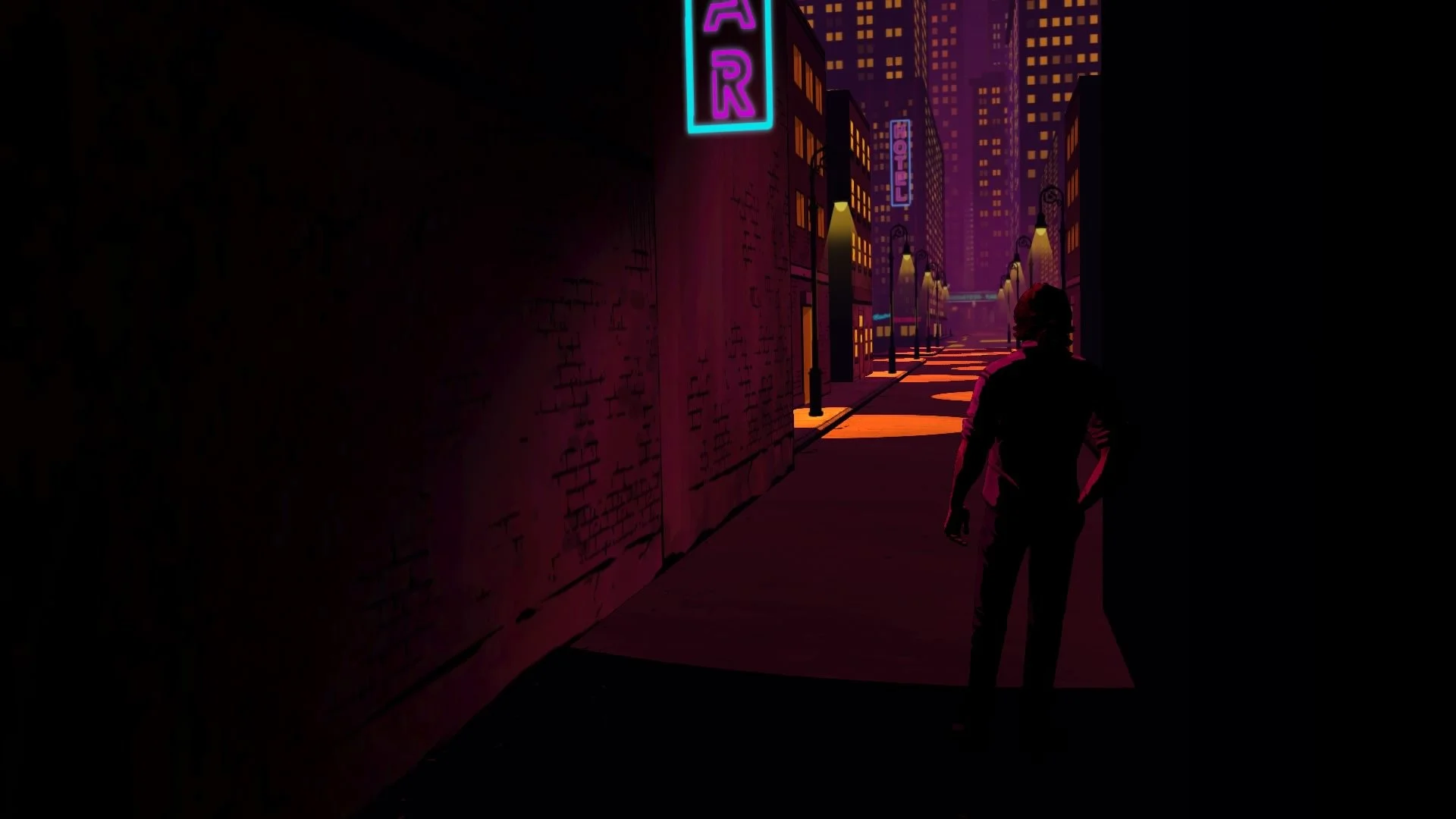
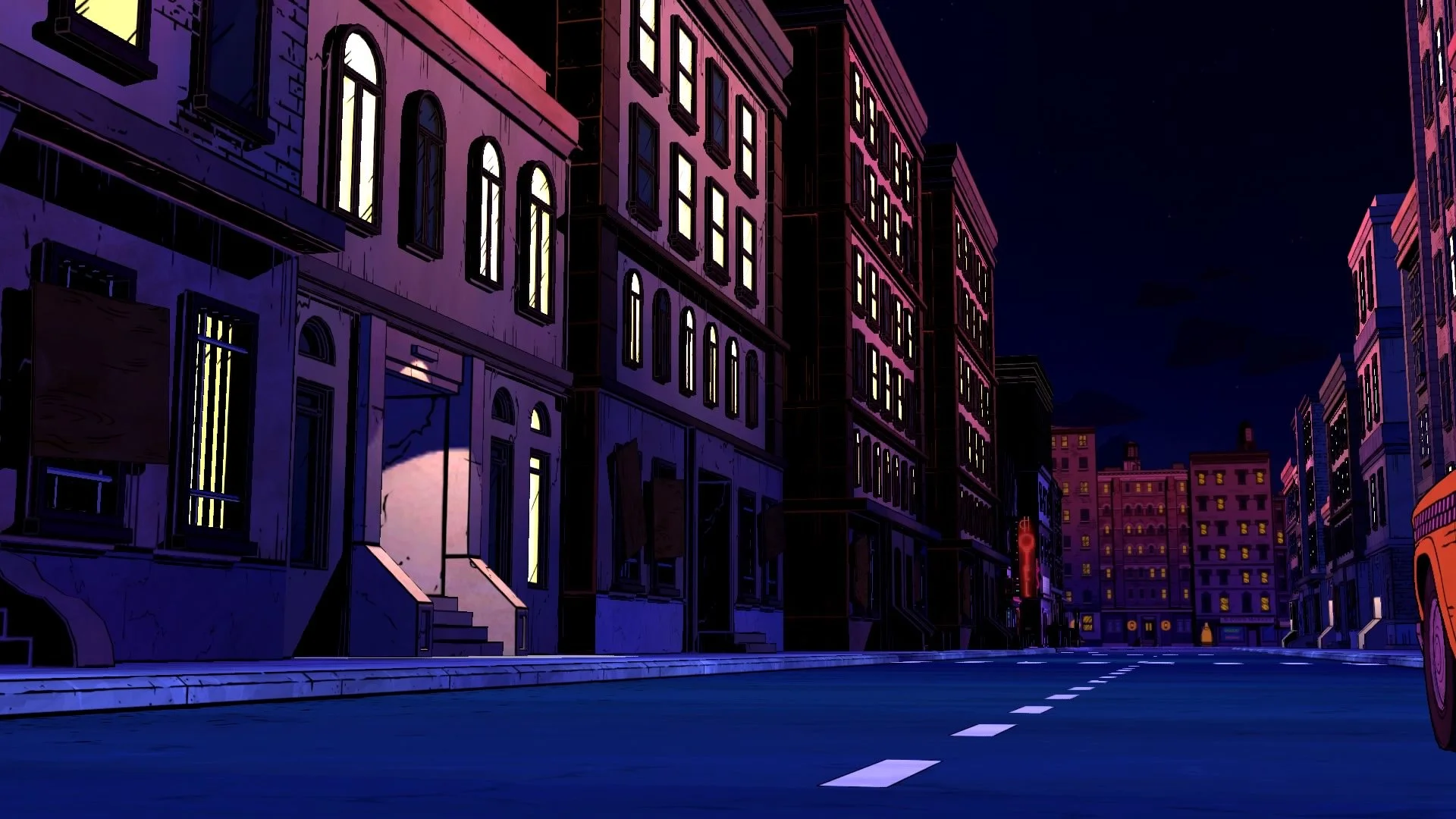
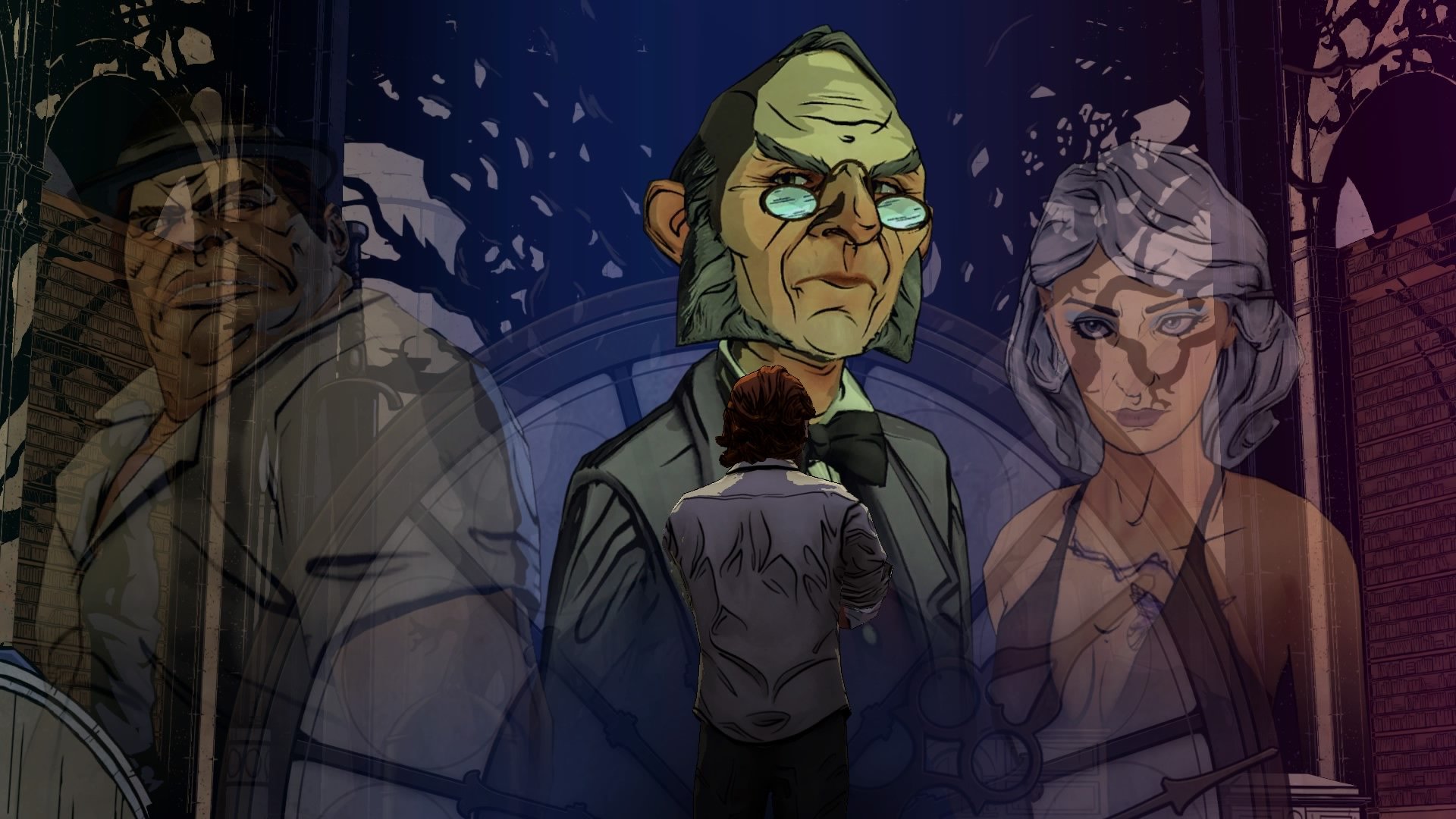
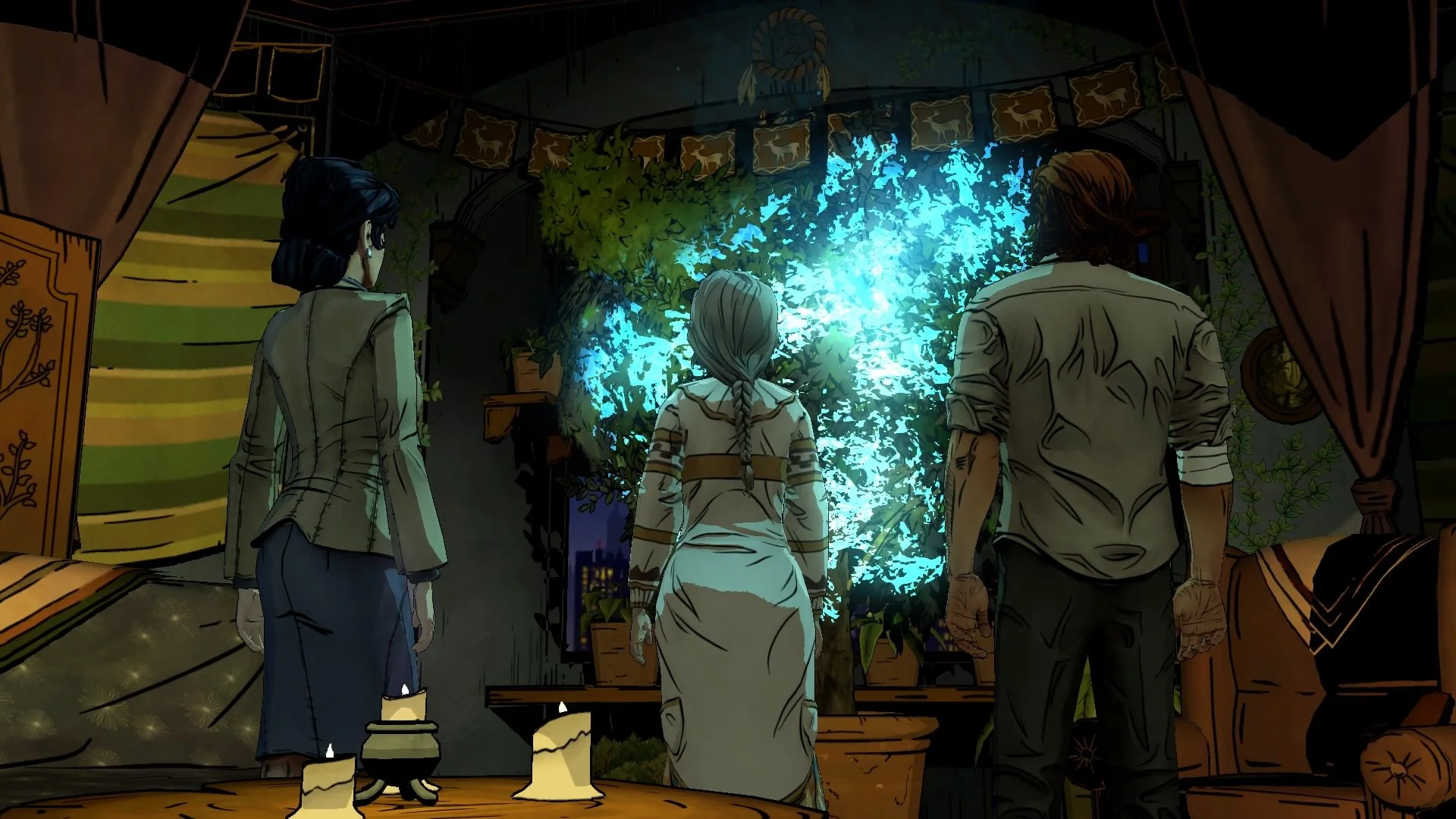
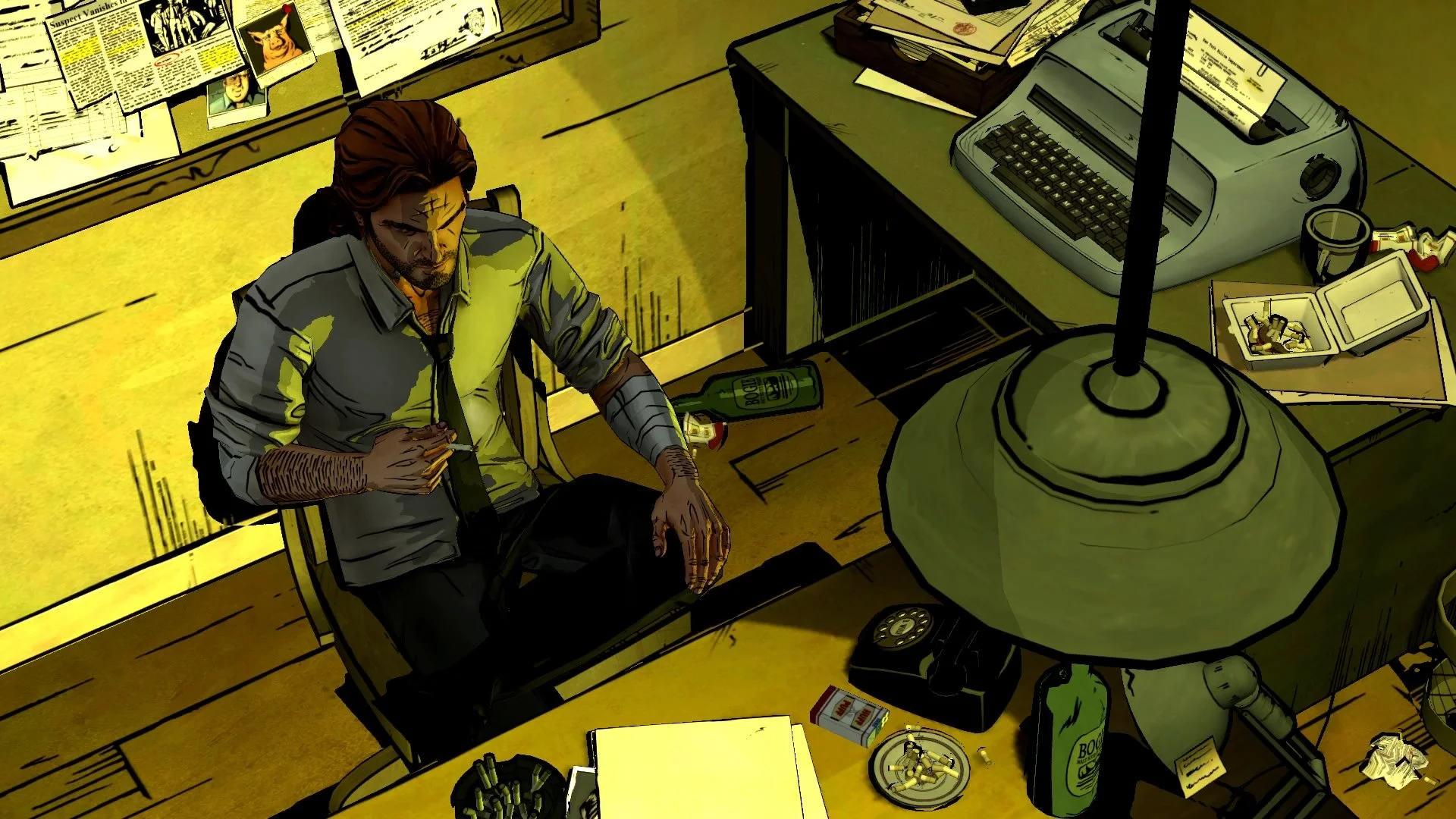
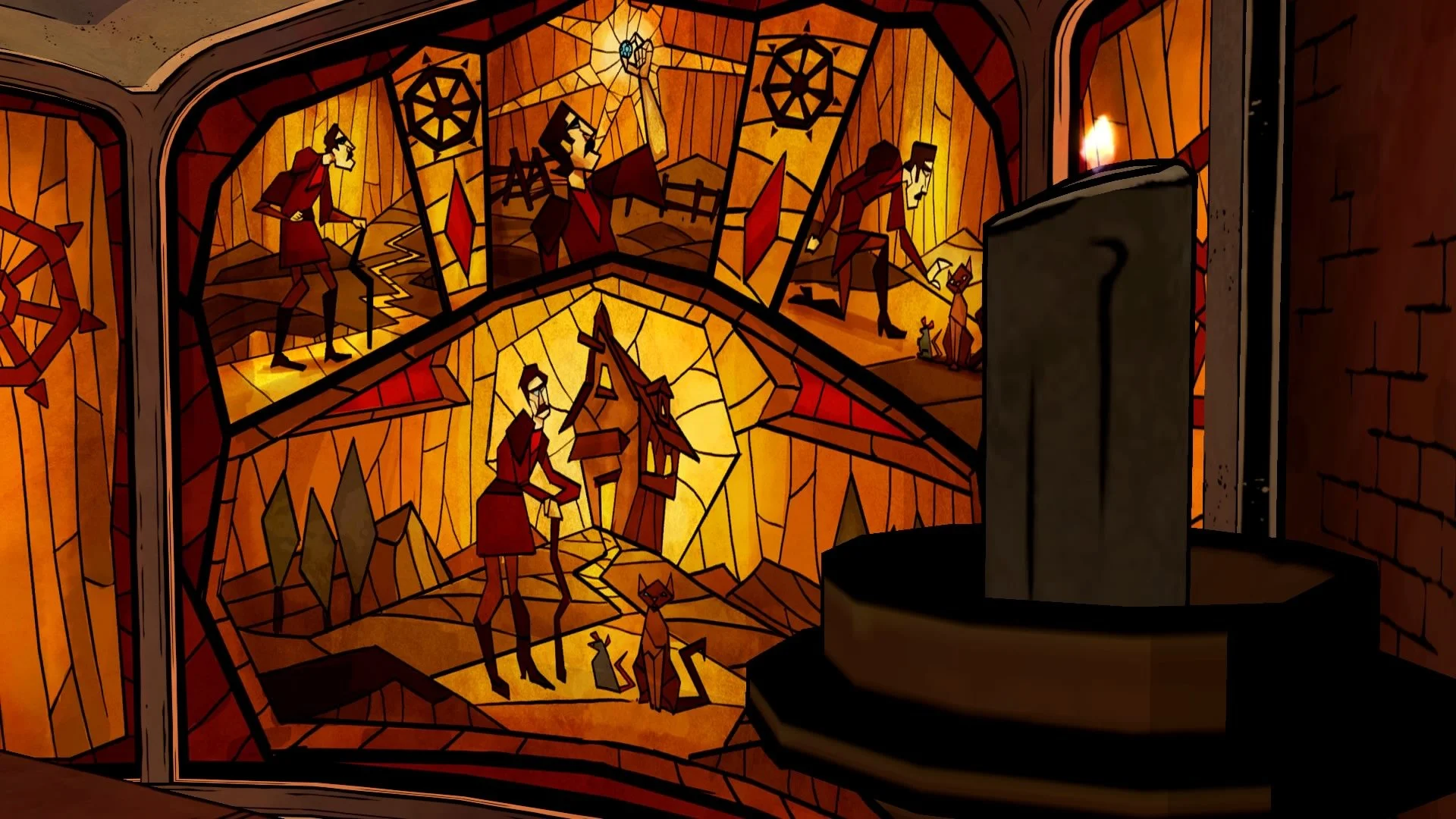
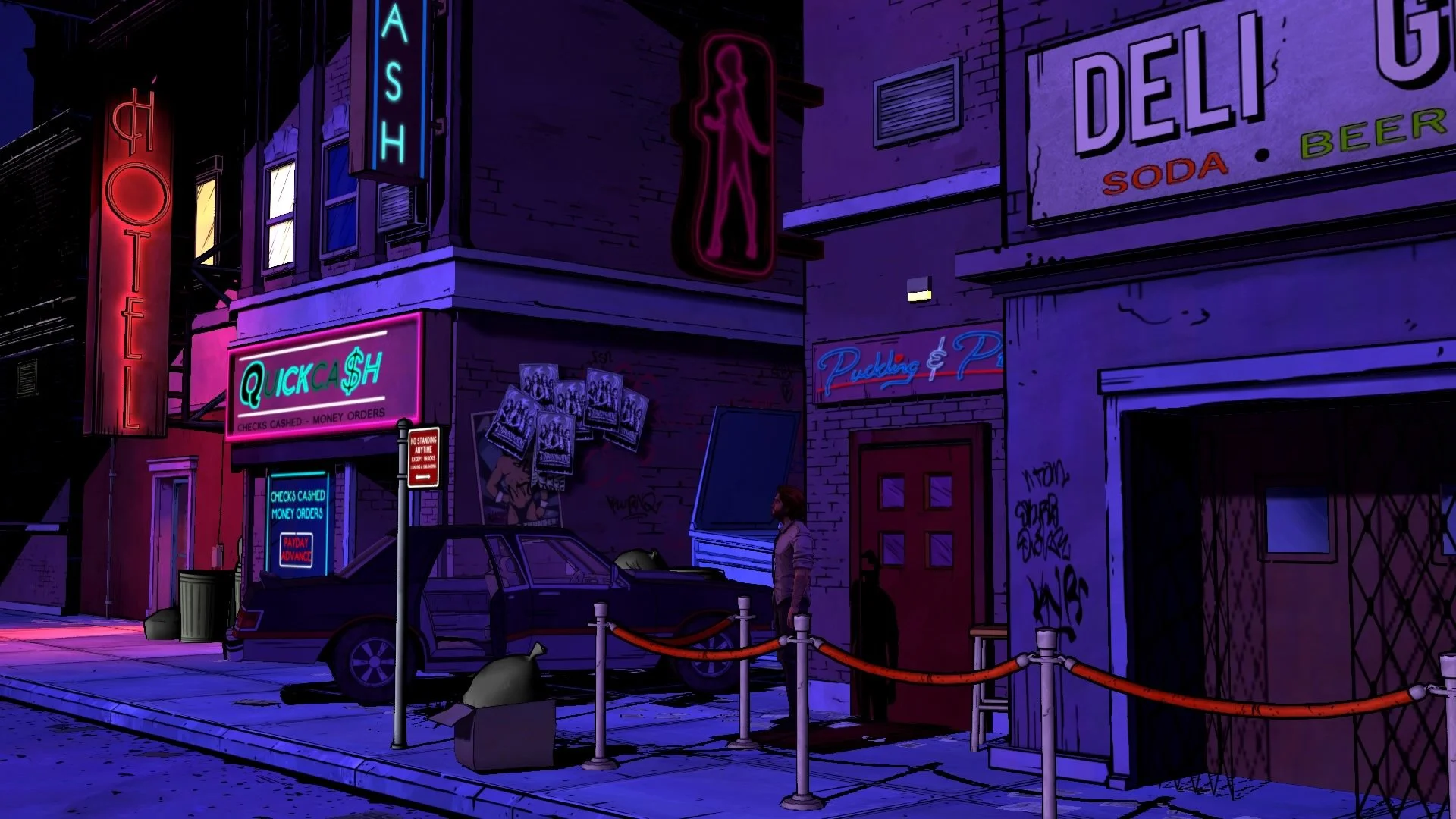
I am a huge fan of Bill Willingham’s Fables graphic novel series which is the epic saga of fairytale legends in exile. Telltale’s The Wolf Among Us is a gritty, street-level detective story that reimagines Bigby Wolf not as a mythical general, but as a weary Private Investigator navigating the rain-slicked neon of 1980s New York to solve a murder case.
The artistry here is pure noir: a high-contrast "inked" aesthetic where deep shadows hide the desperation of characters like Snow White and Mr. Toad. This intimate focus transforms the sprawling fantasy into a claustrophobic mystery, trading world-ending stakes for the quiet, simmering tension of a smoke-filled interrogation room.
LINK- The Rise of Retro Gaming During Covid
LINK- Blood, Sweat and Pixels- Book Review
LINK- The Offworld Collection- Book Review
LINK: Japan: My Journey to the East
LINK- Battle Angel Alita: And So It Ends
LINK- The Moomins 80's Soundtrack Vinyl Review
LINK- Inspector Gadget Retro Soundtrack Review
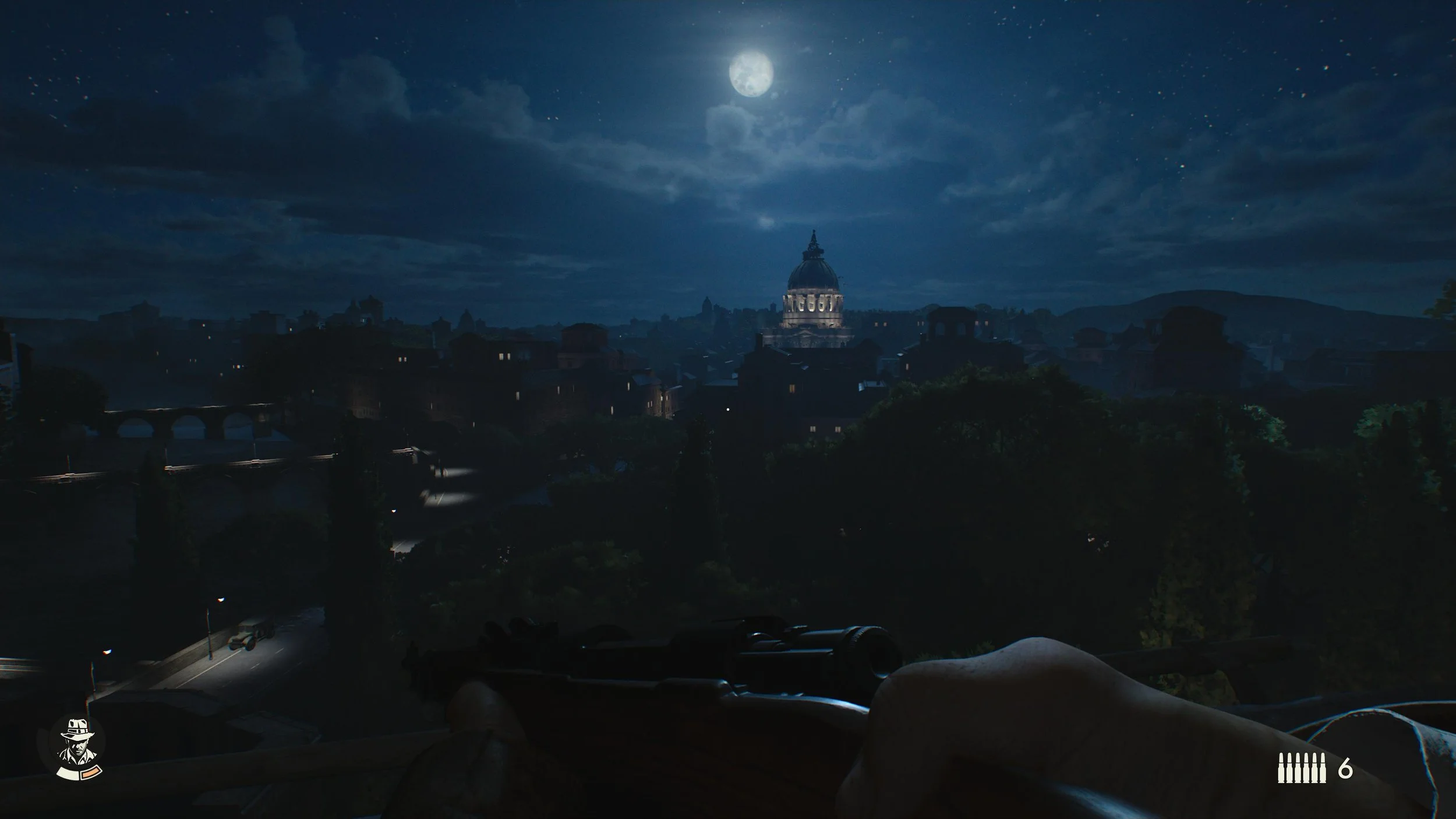
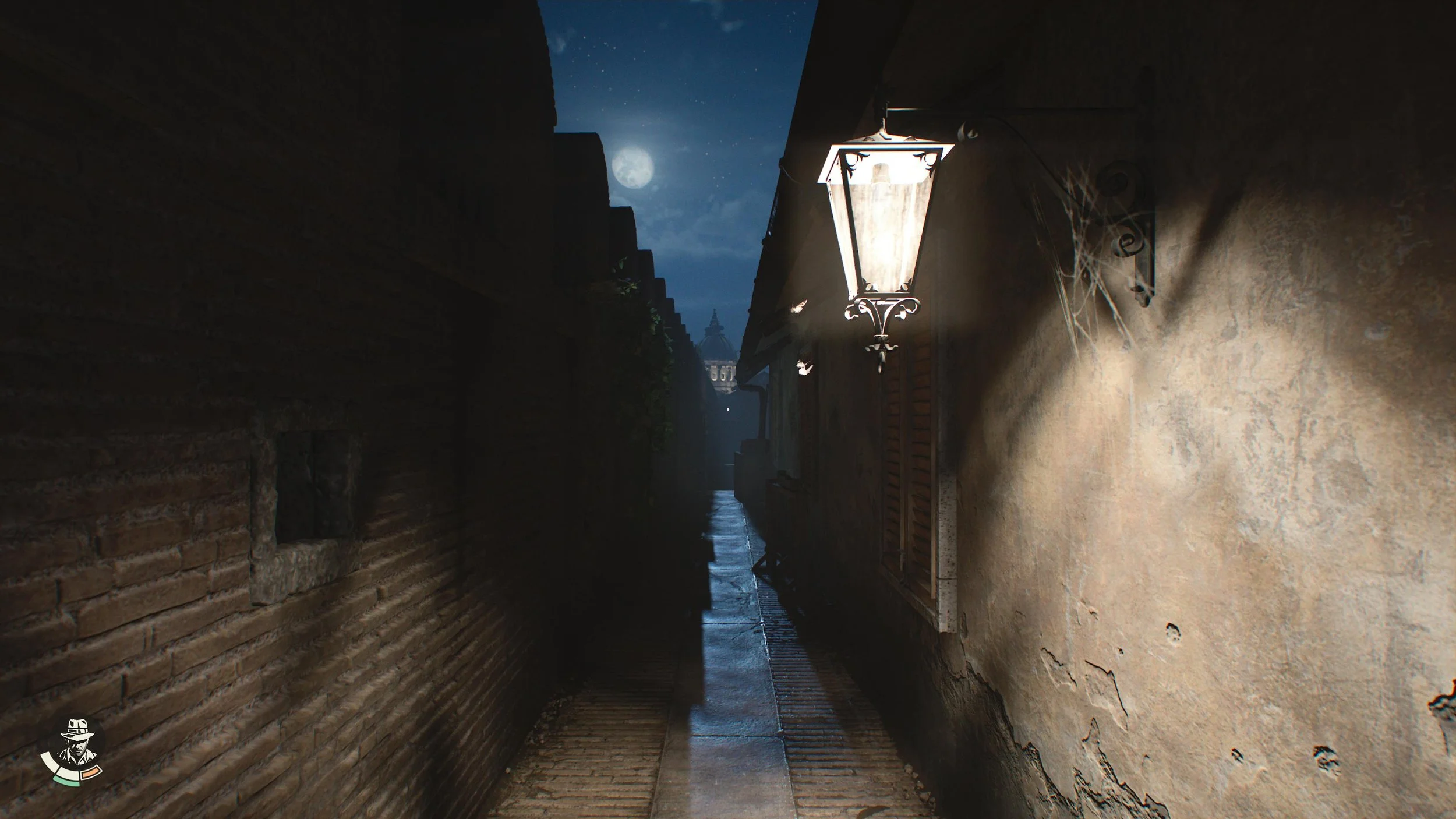
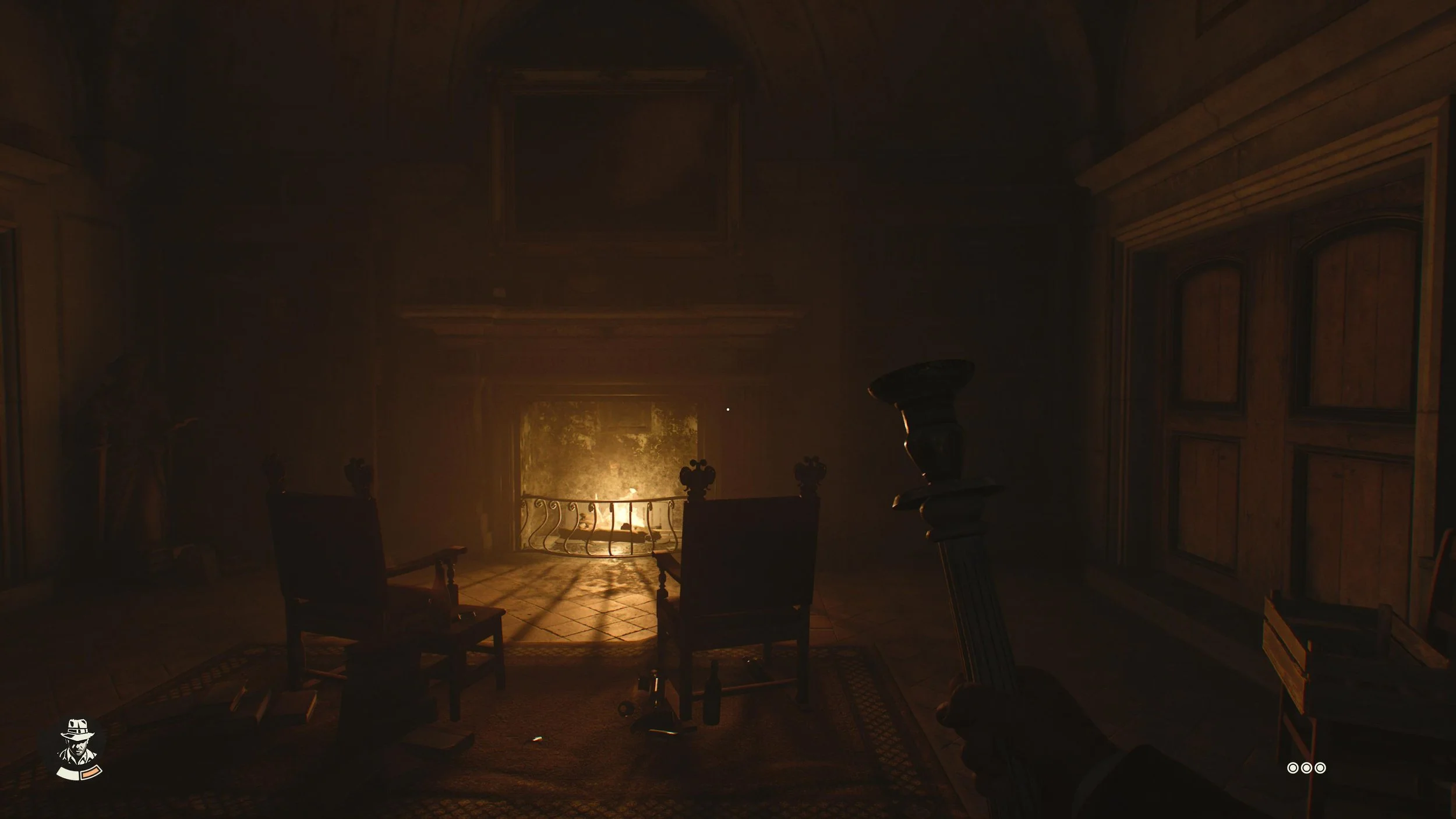
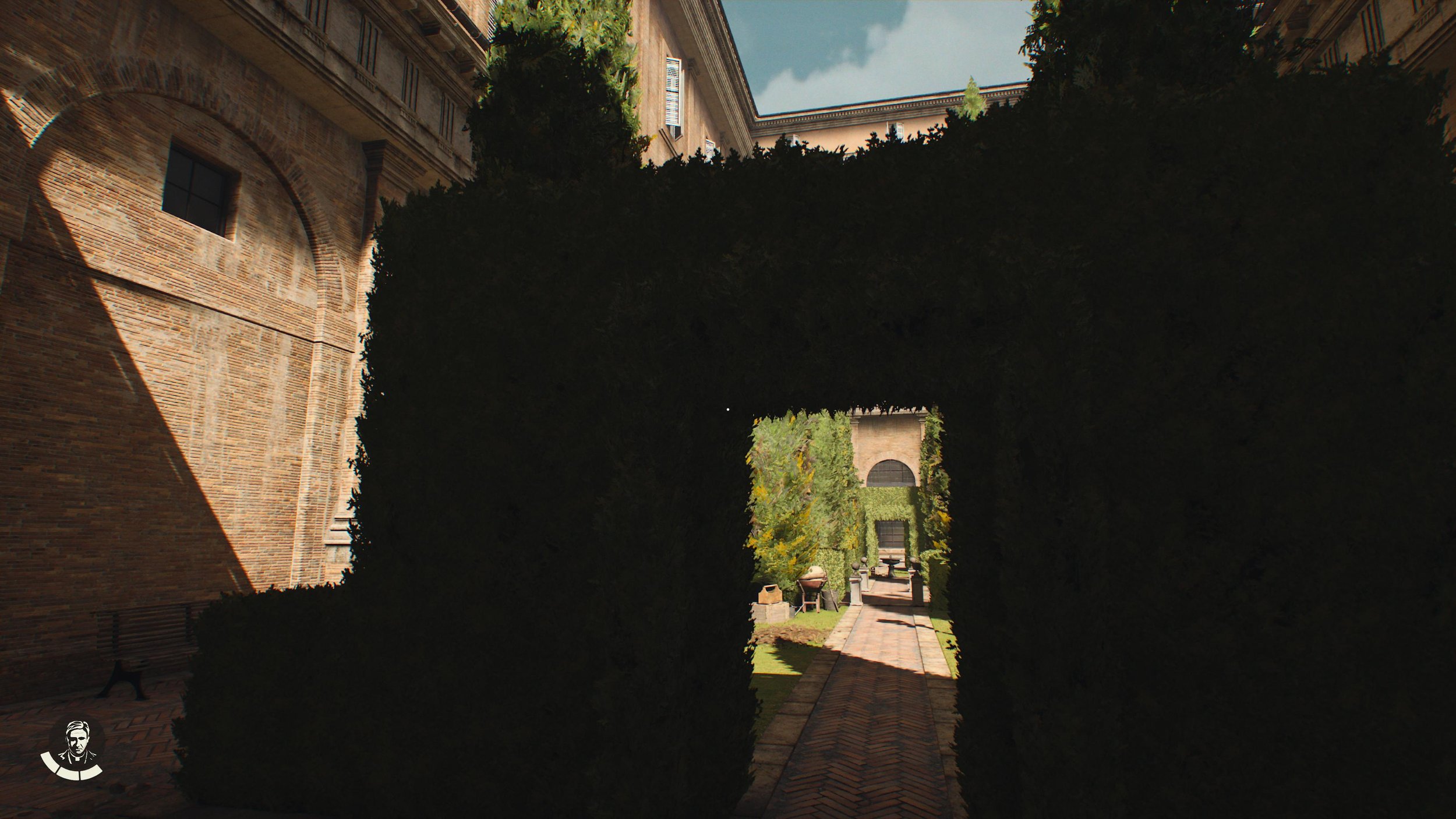
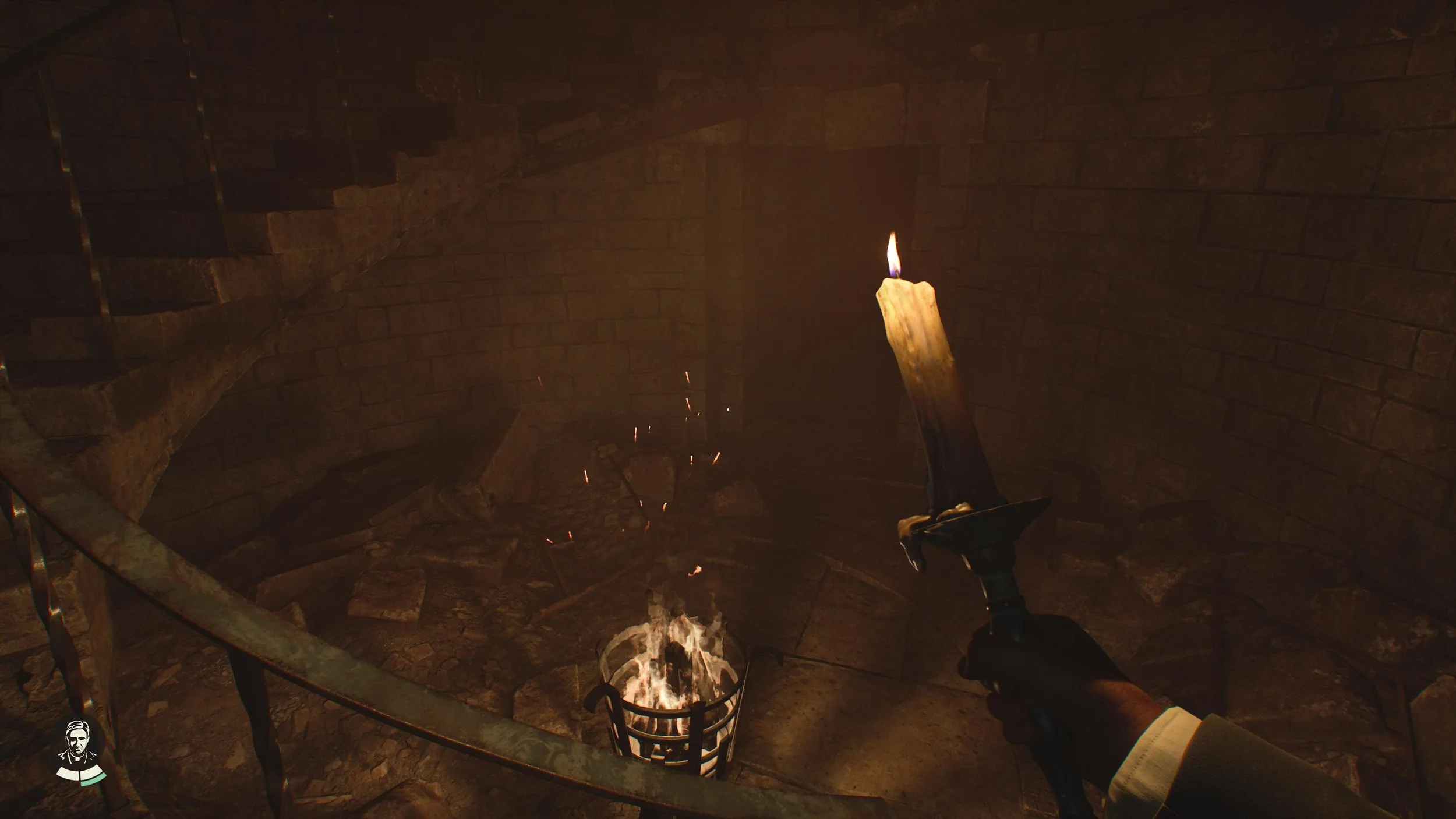
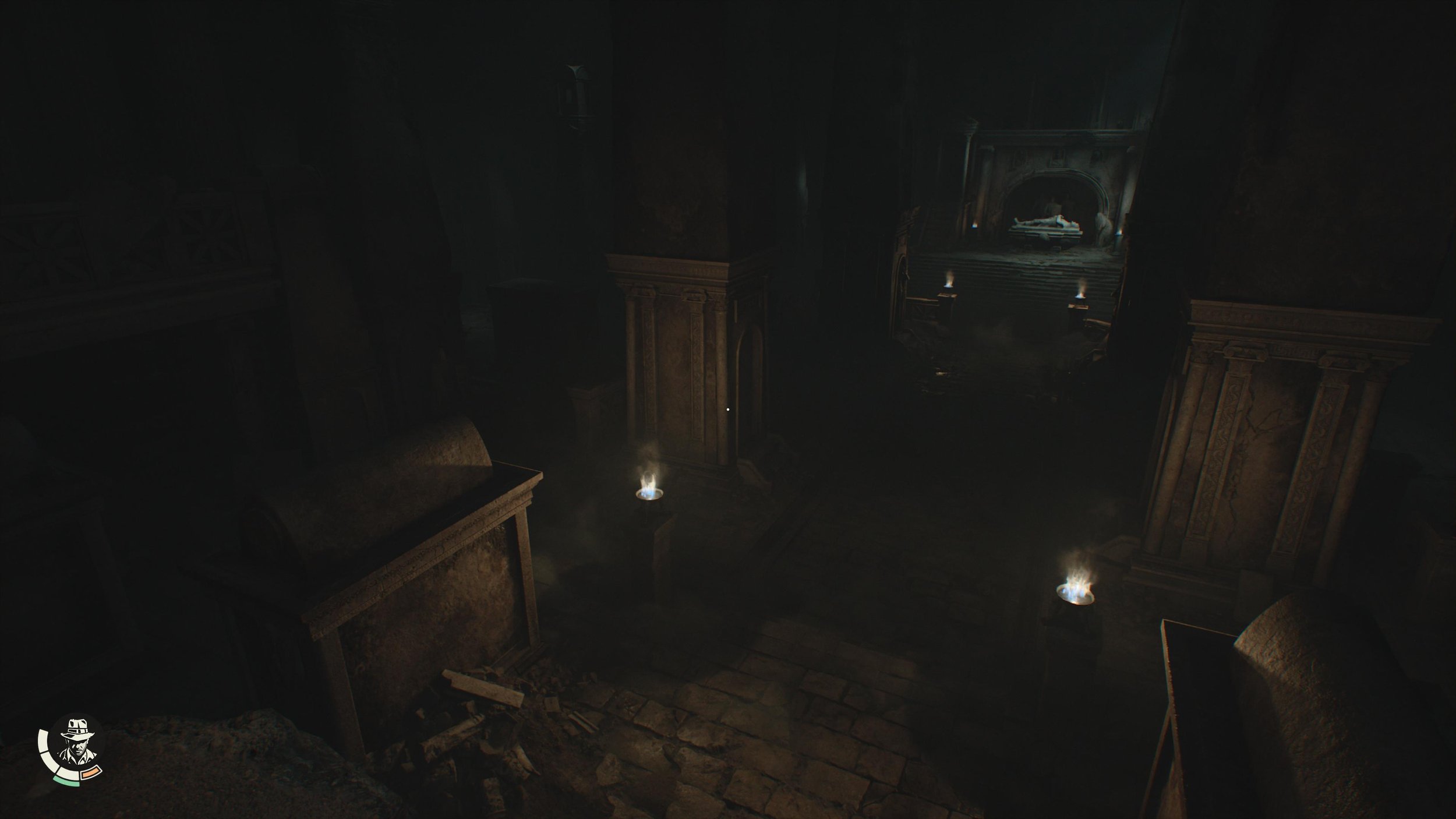
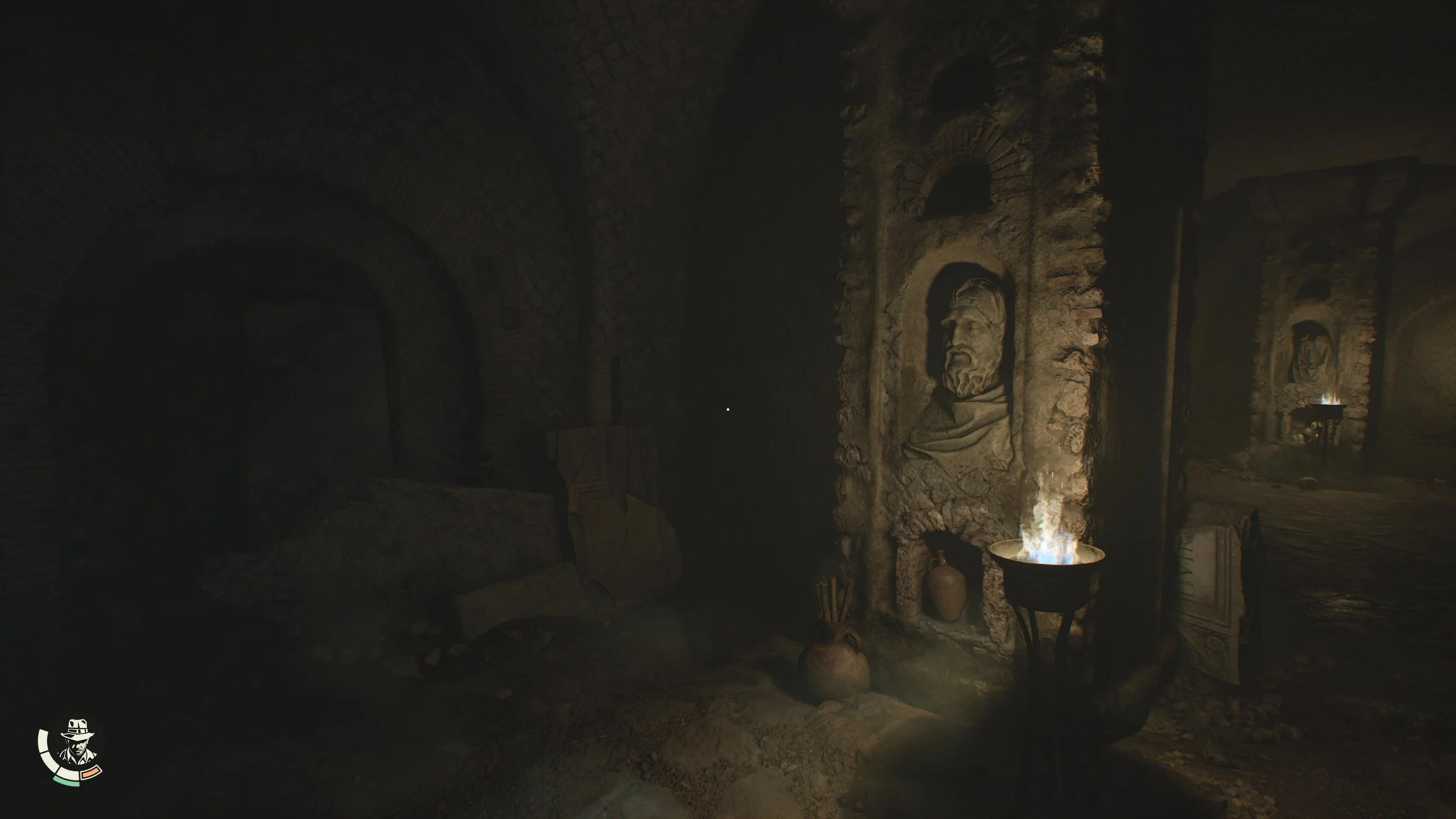
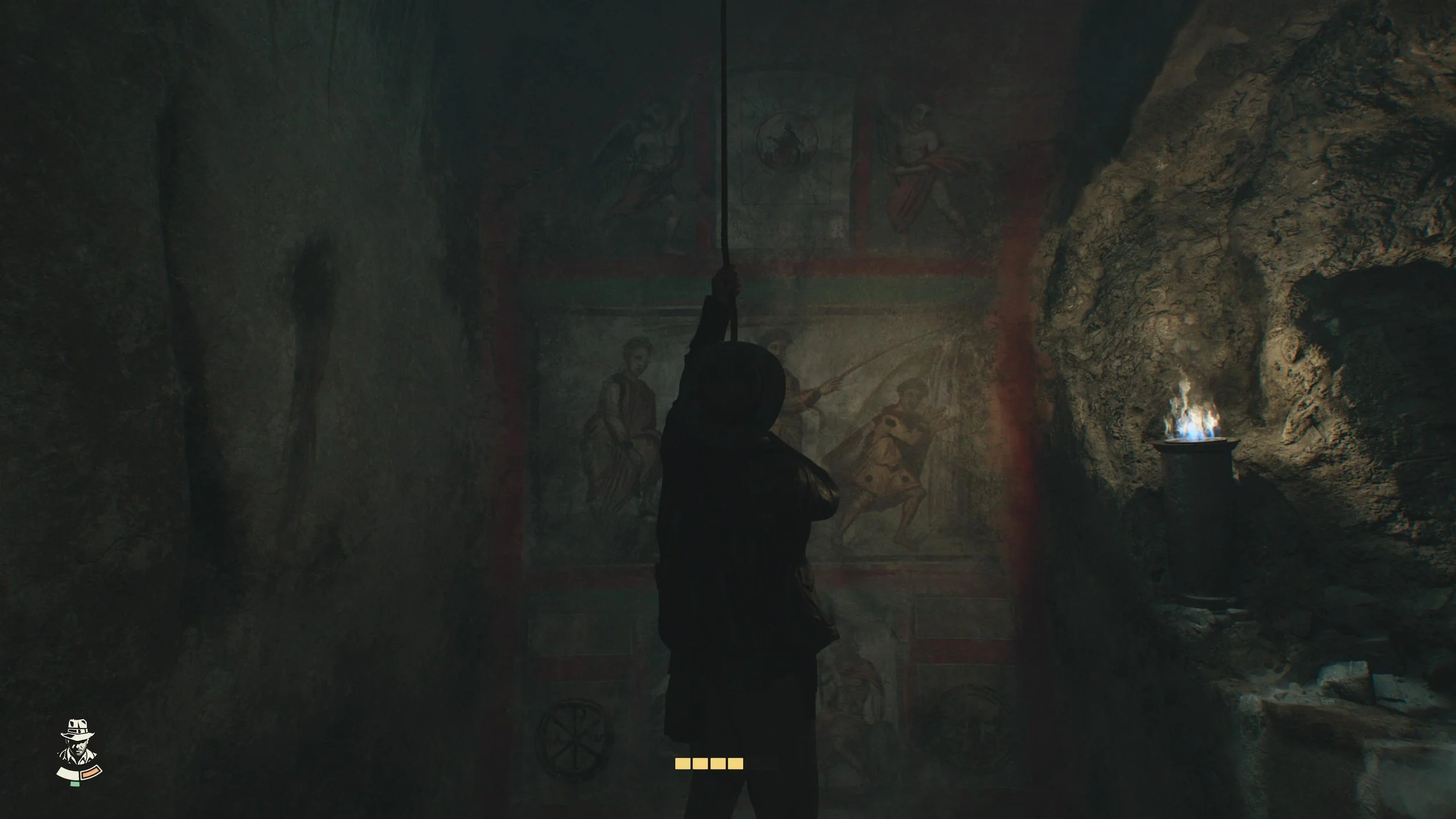
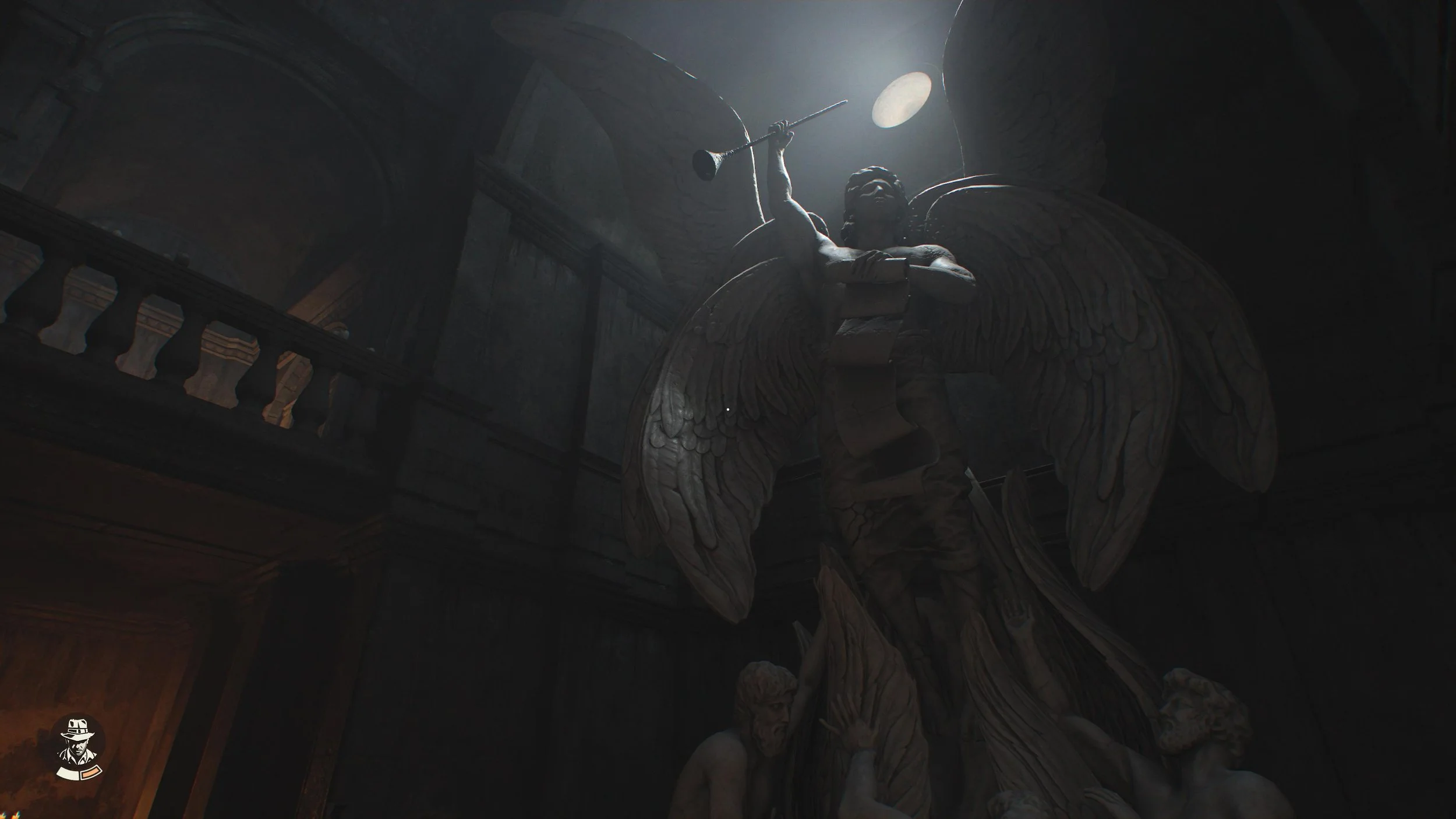
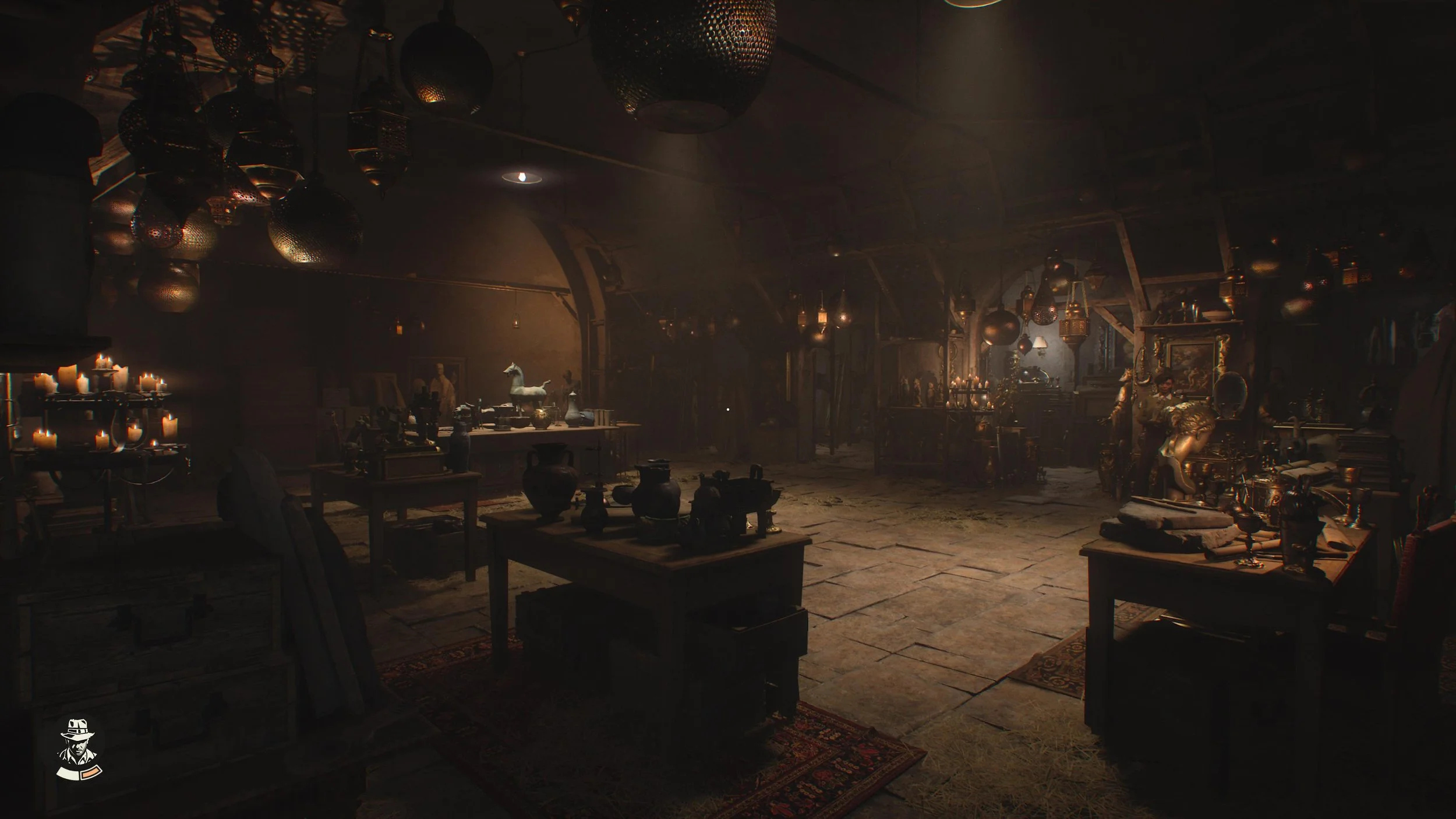
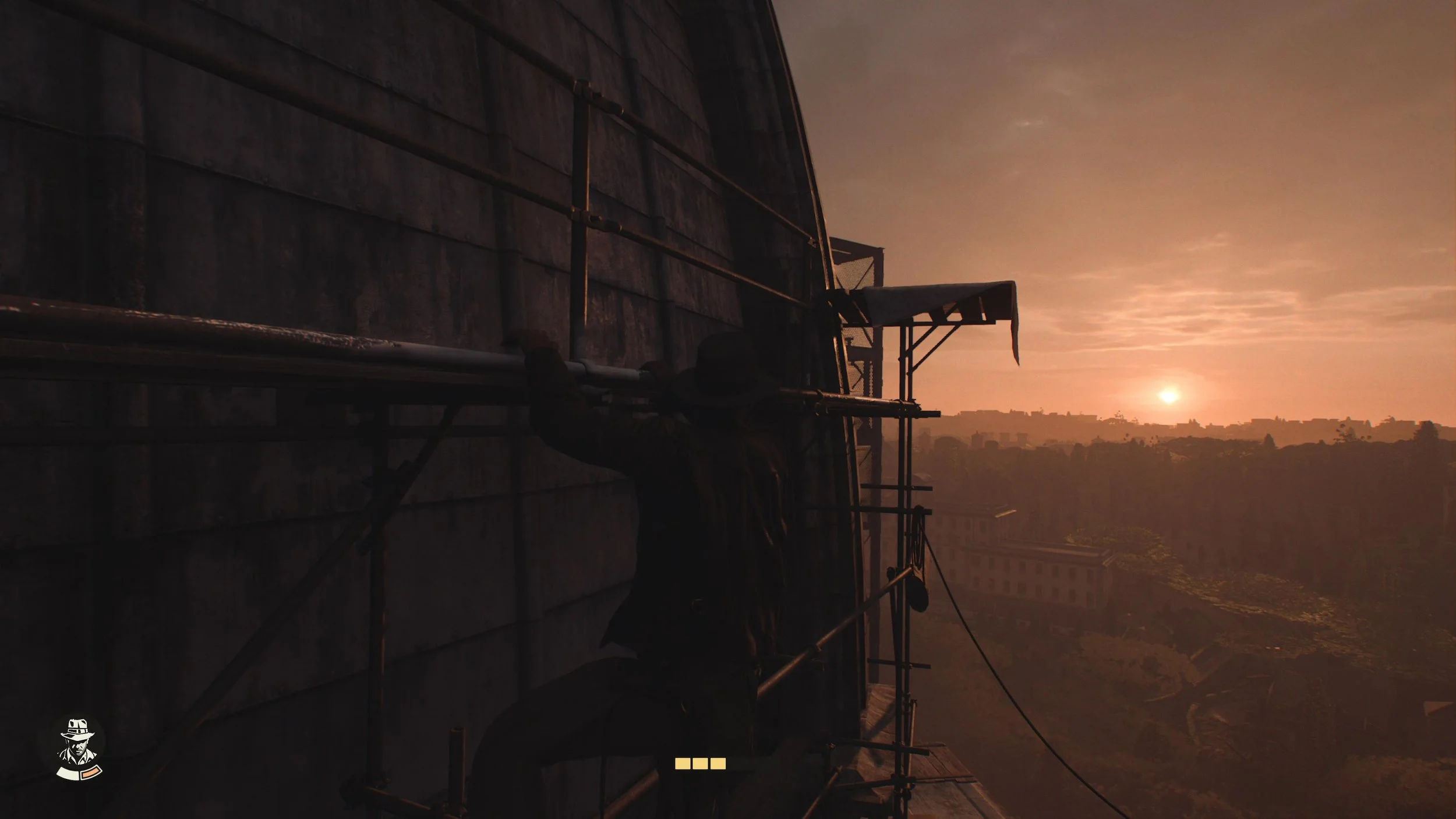
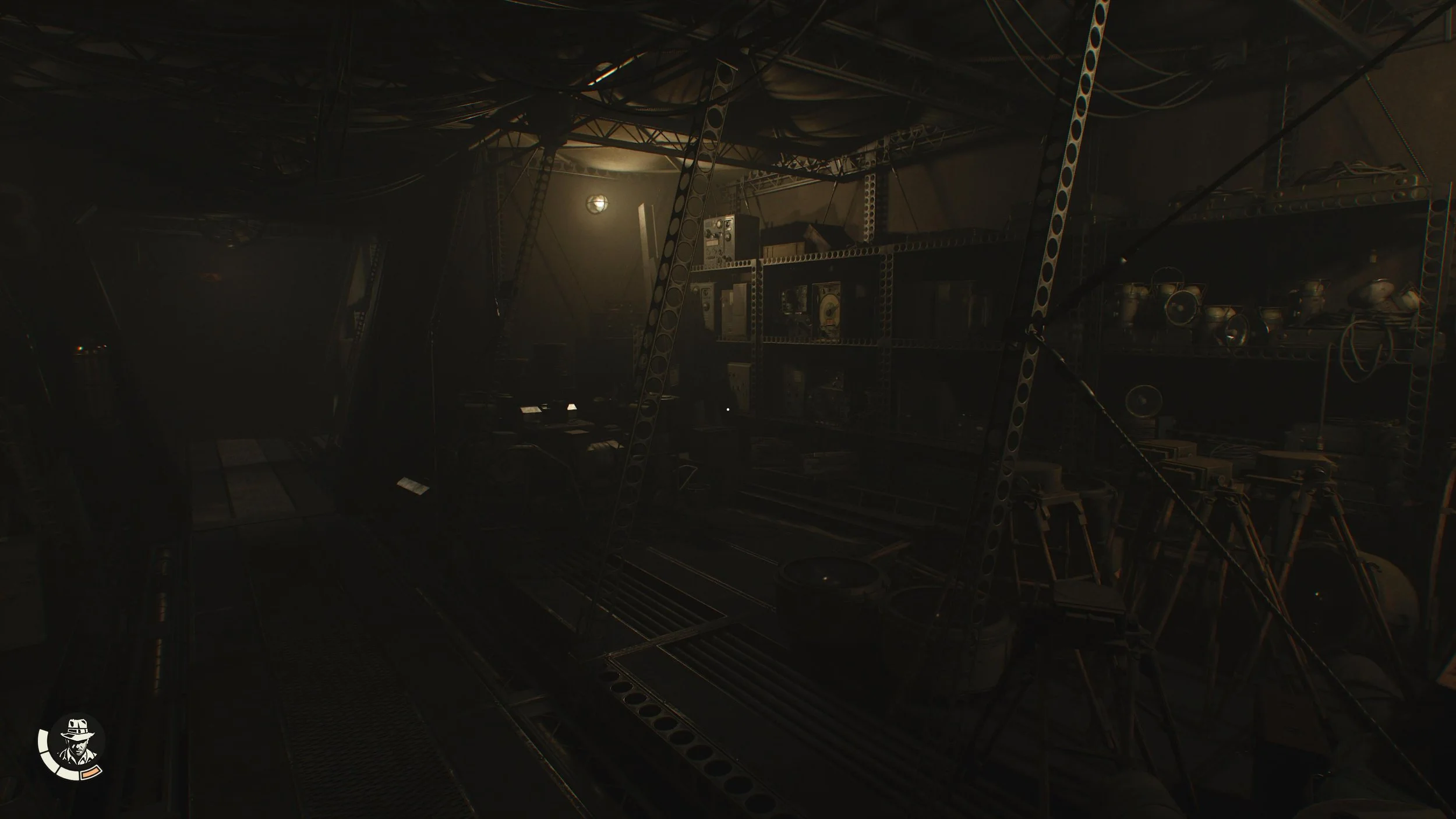
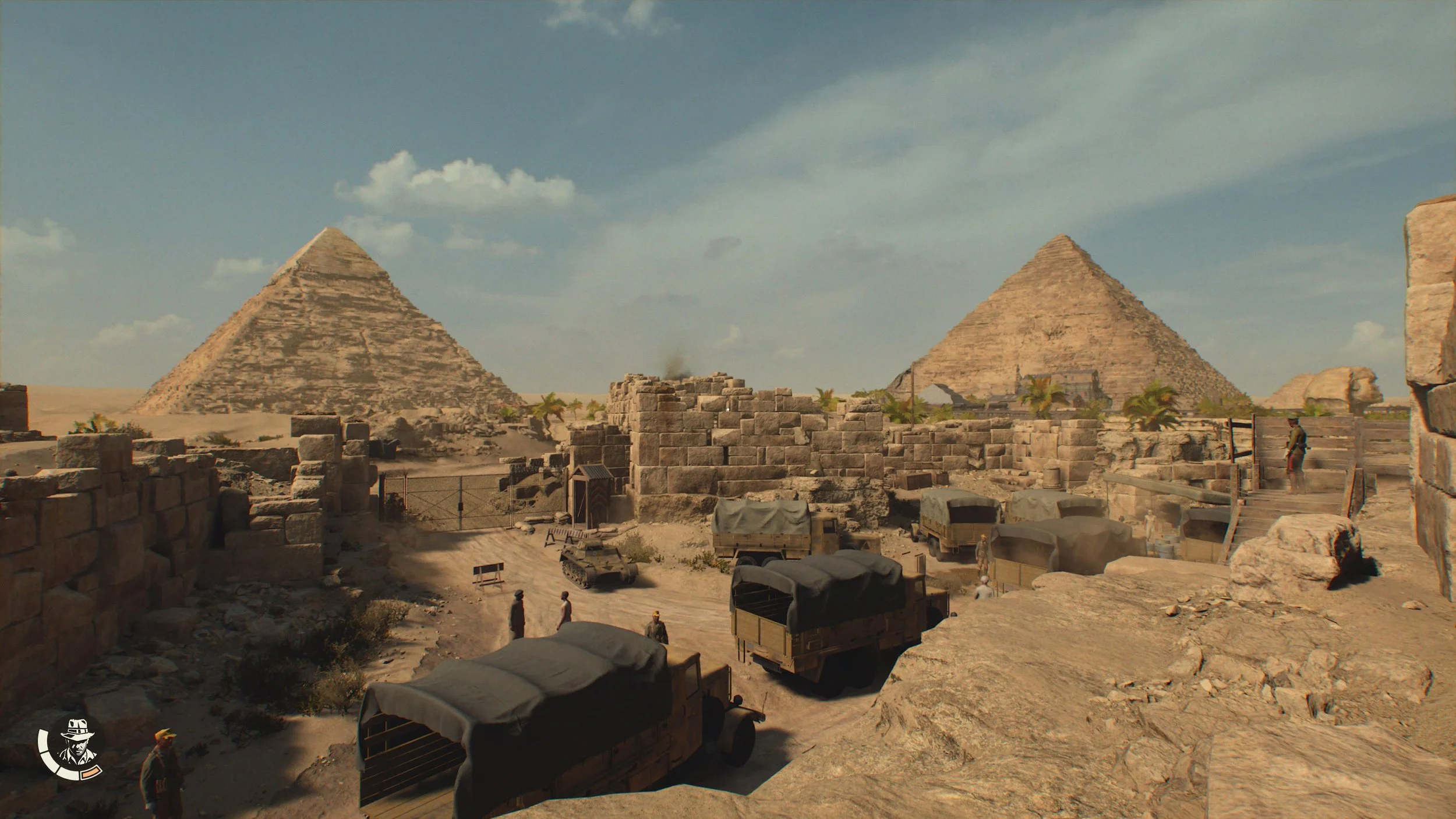
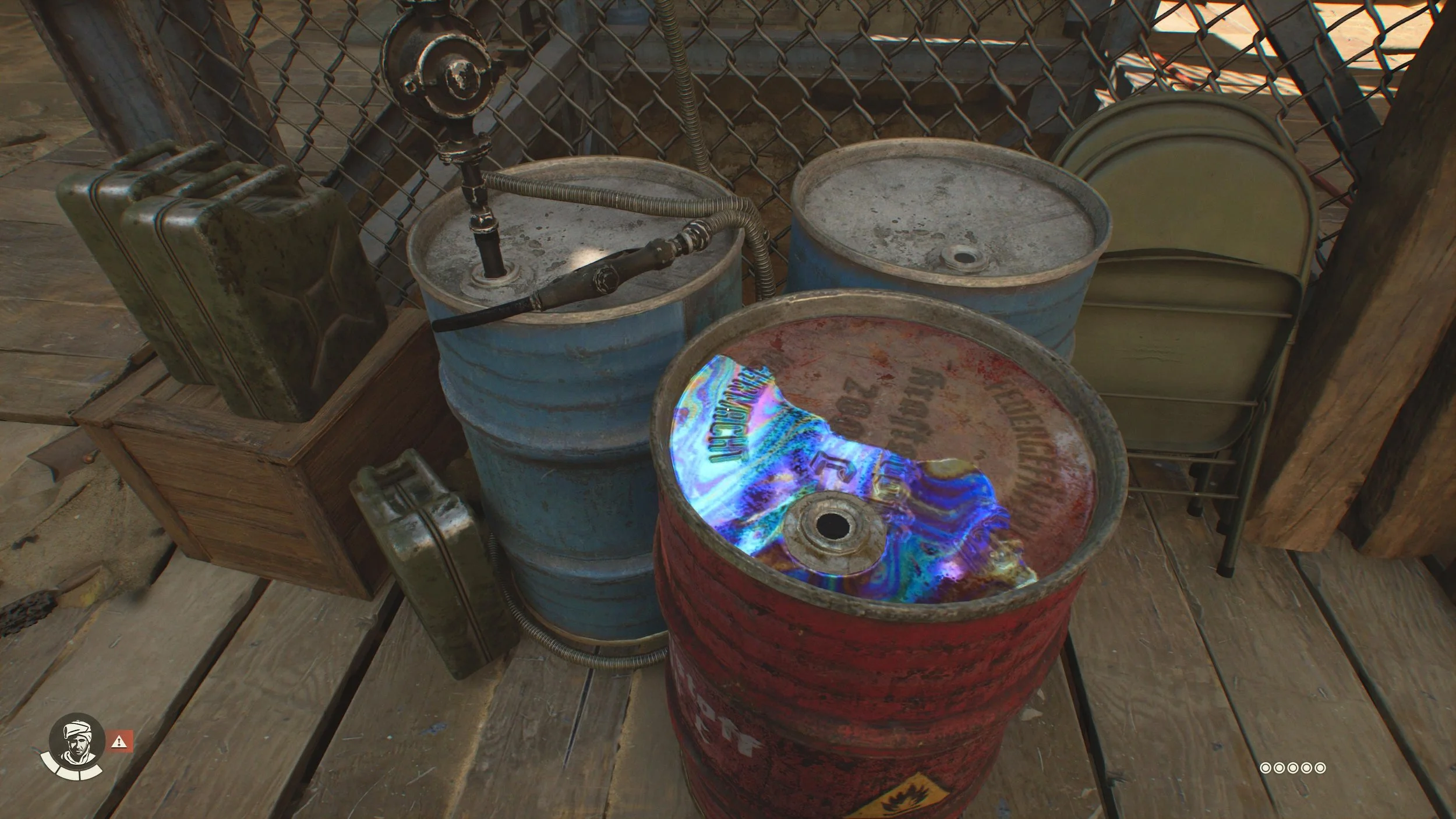
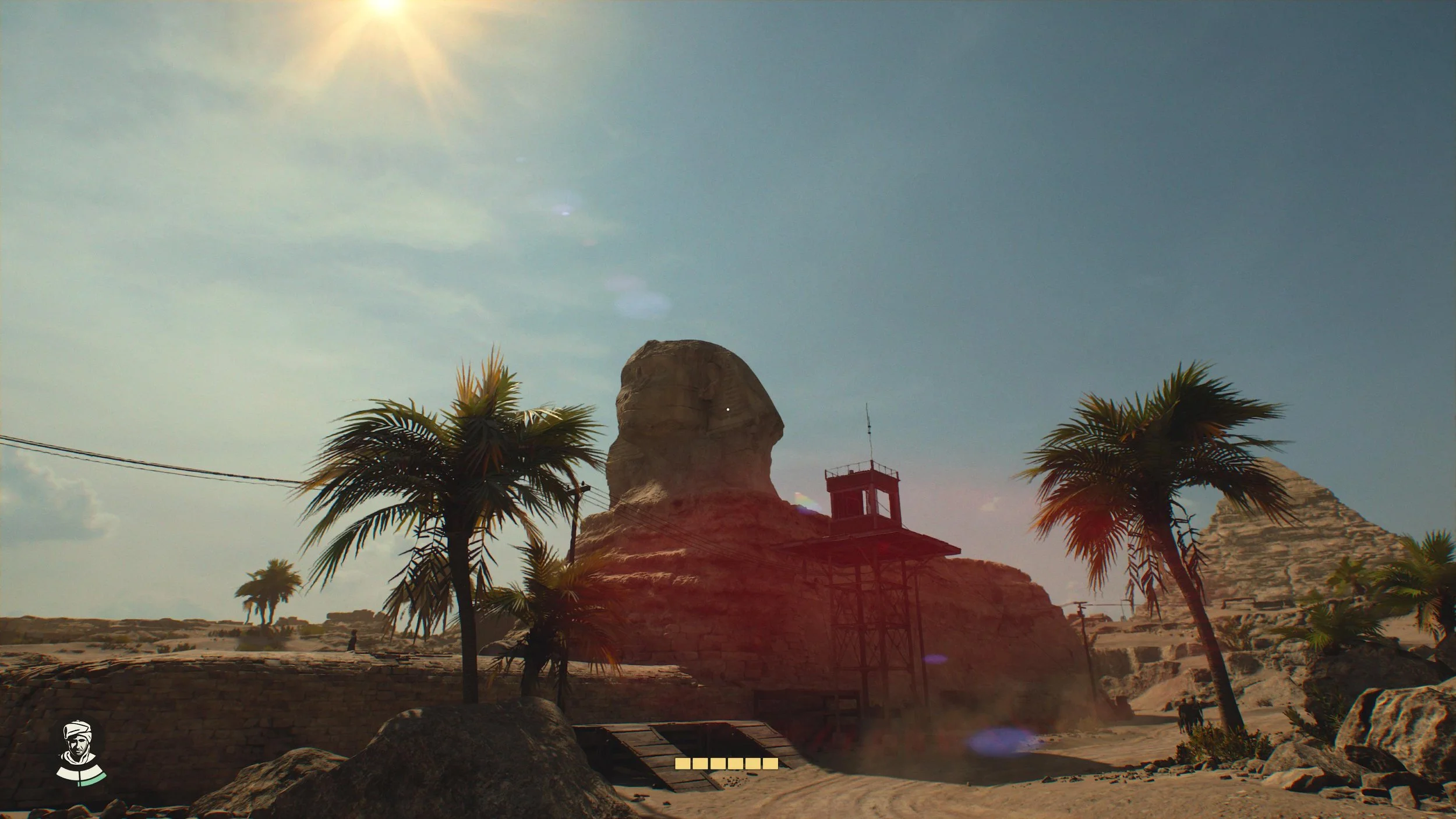
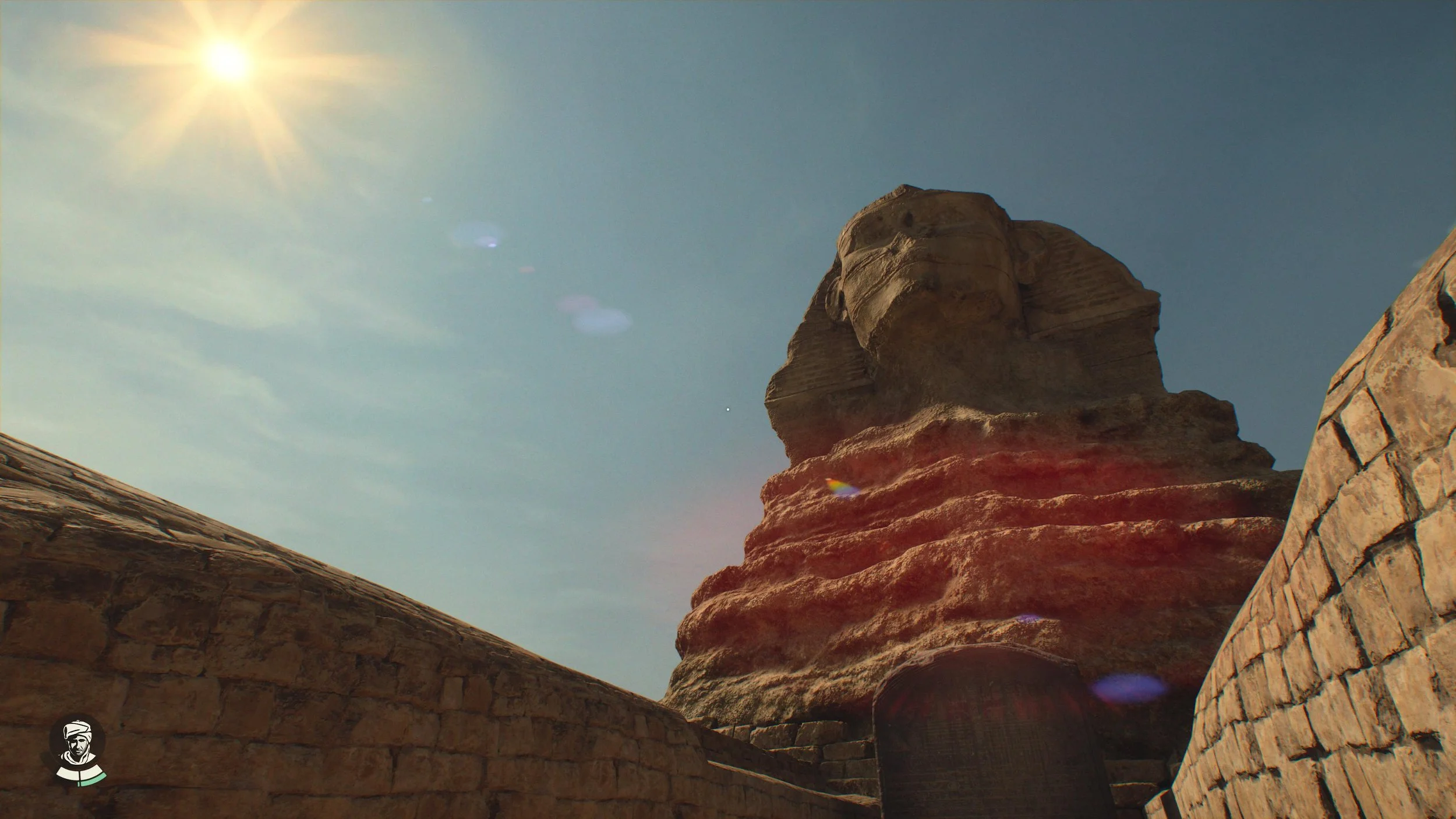
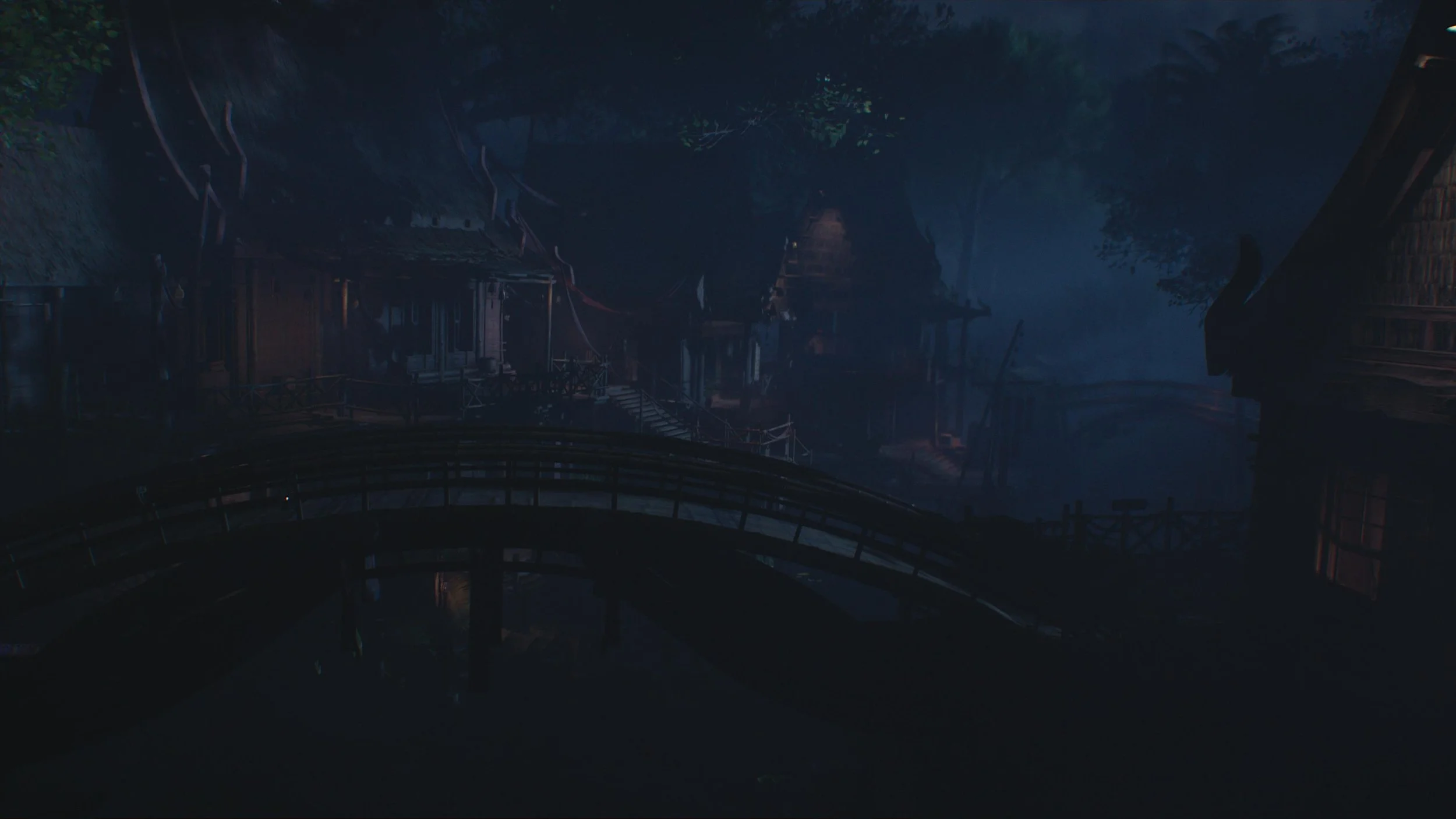
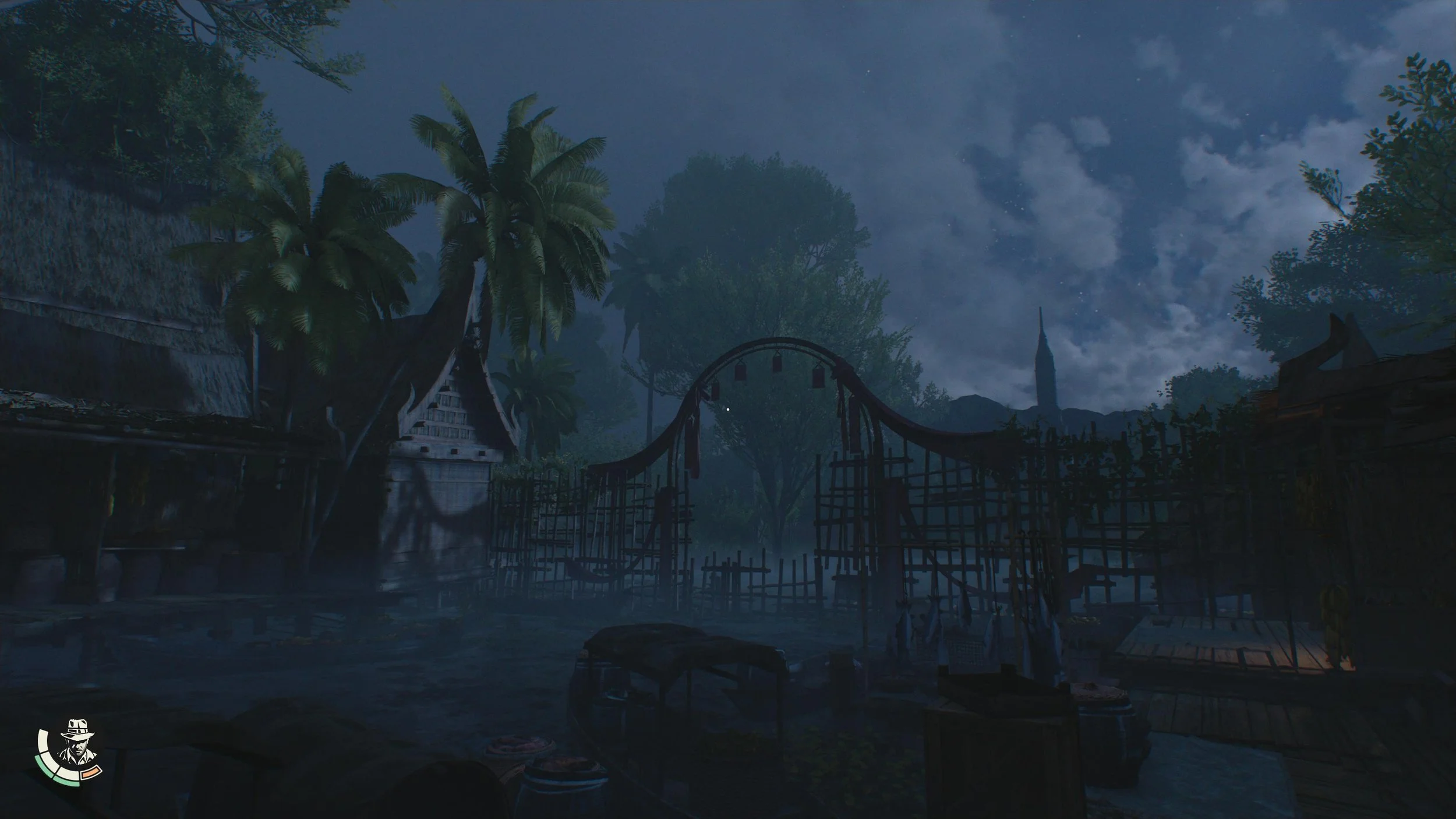
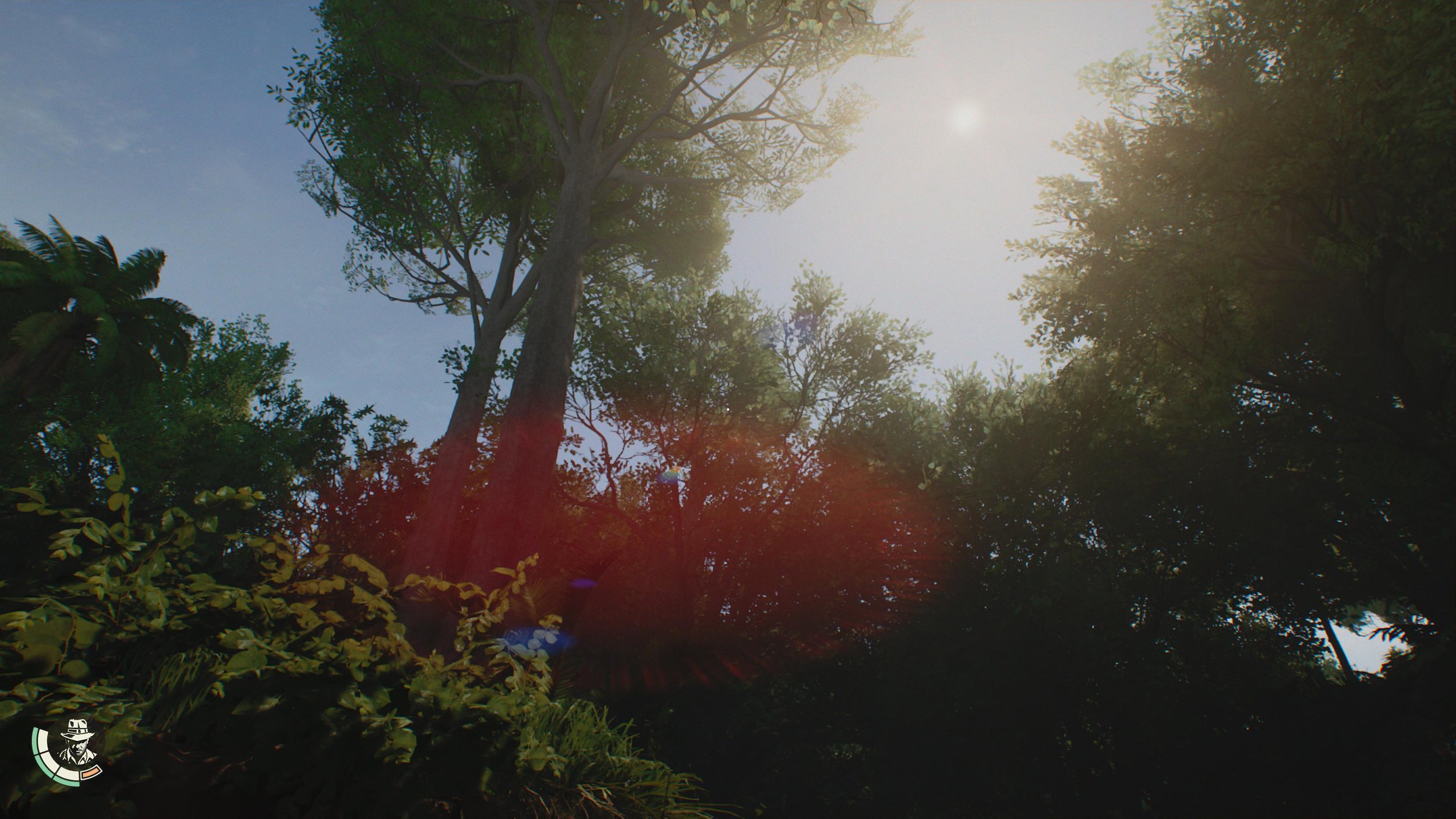
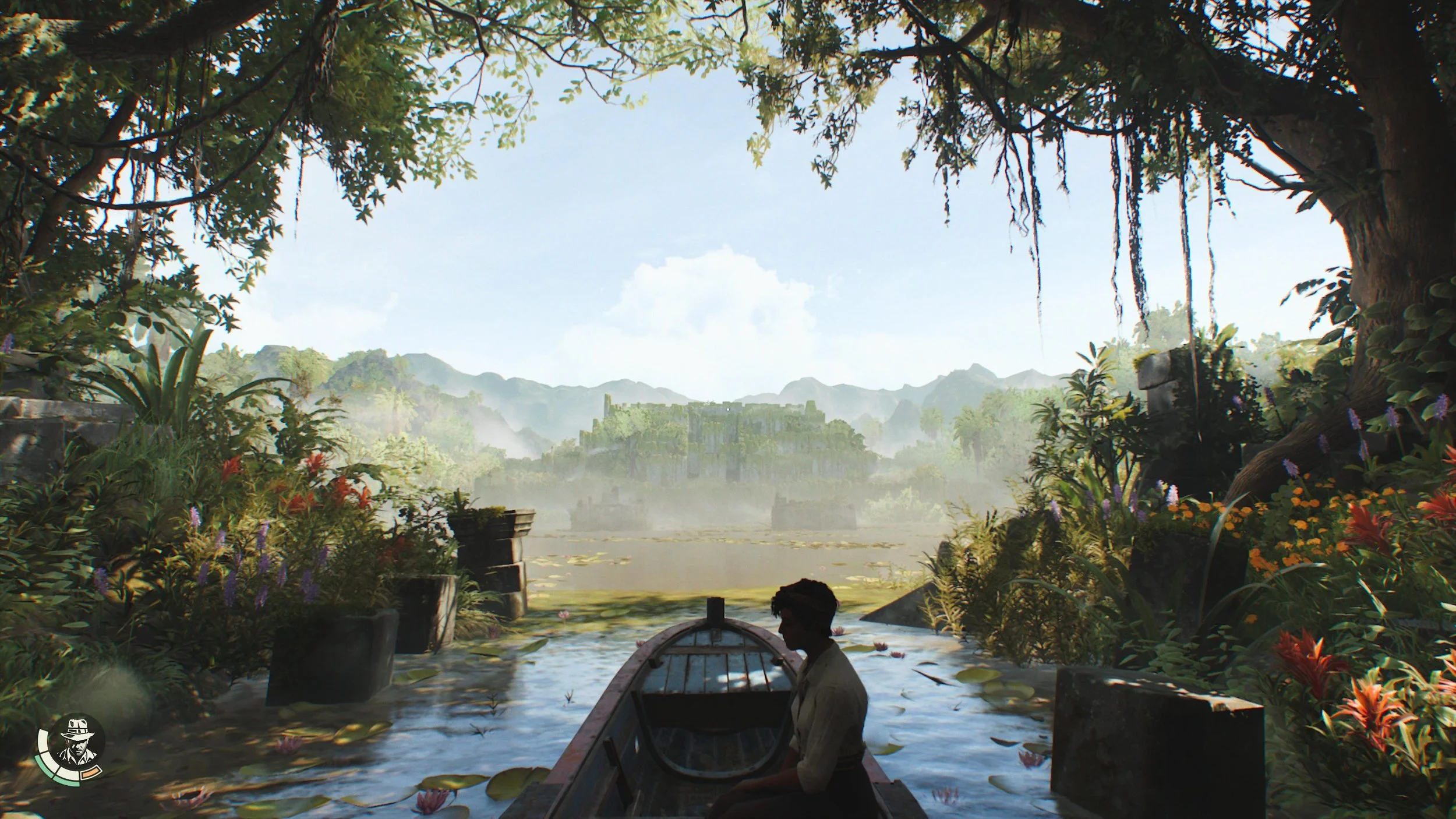
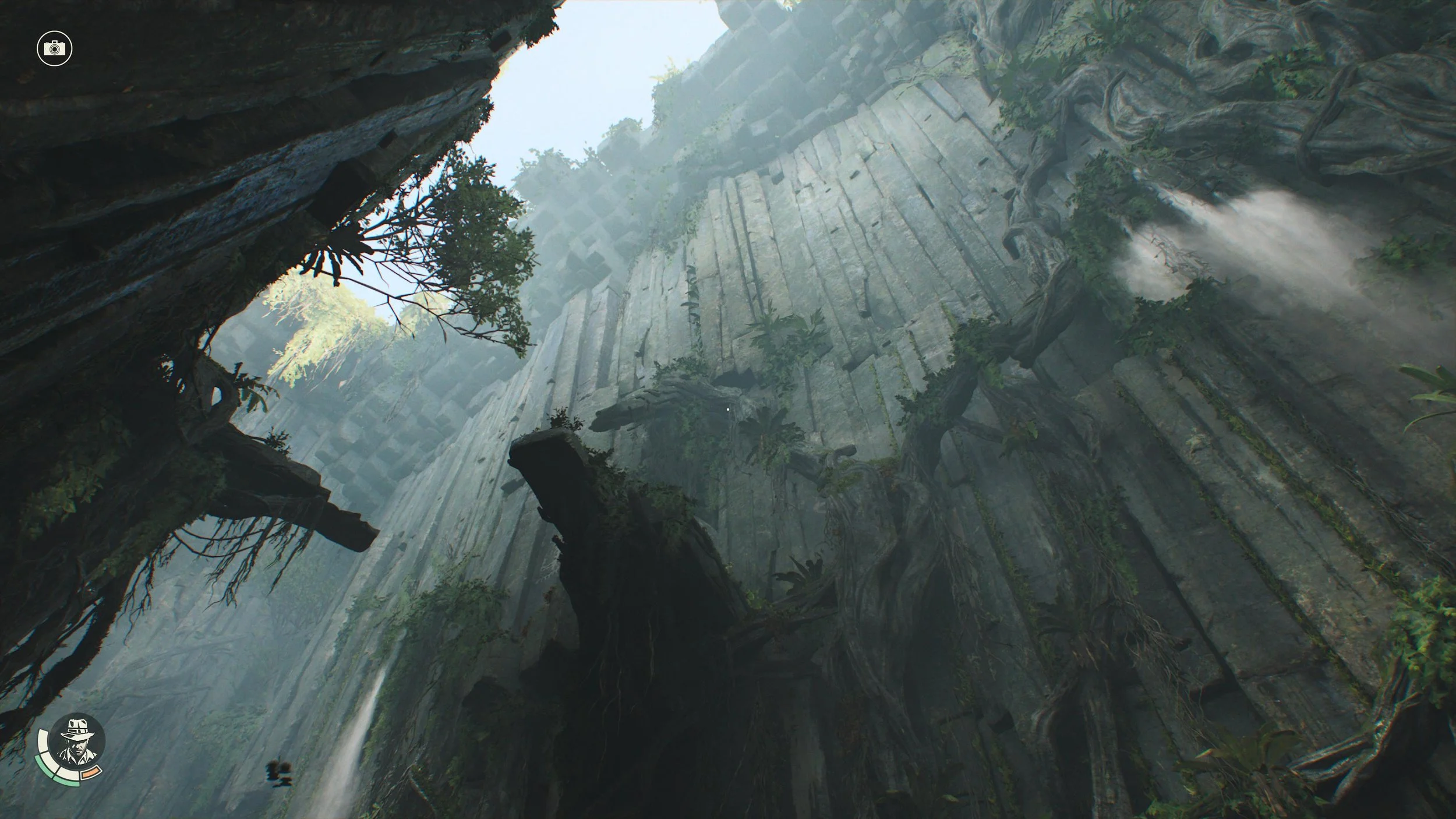
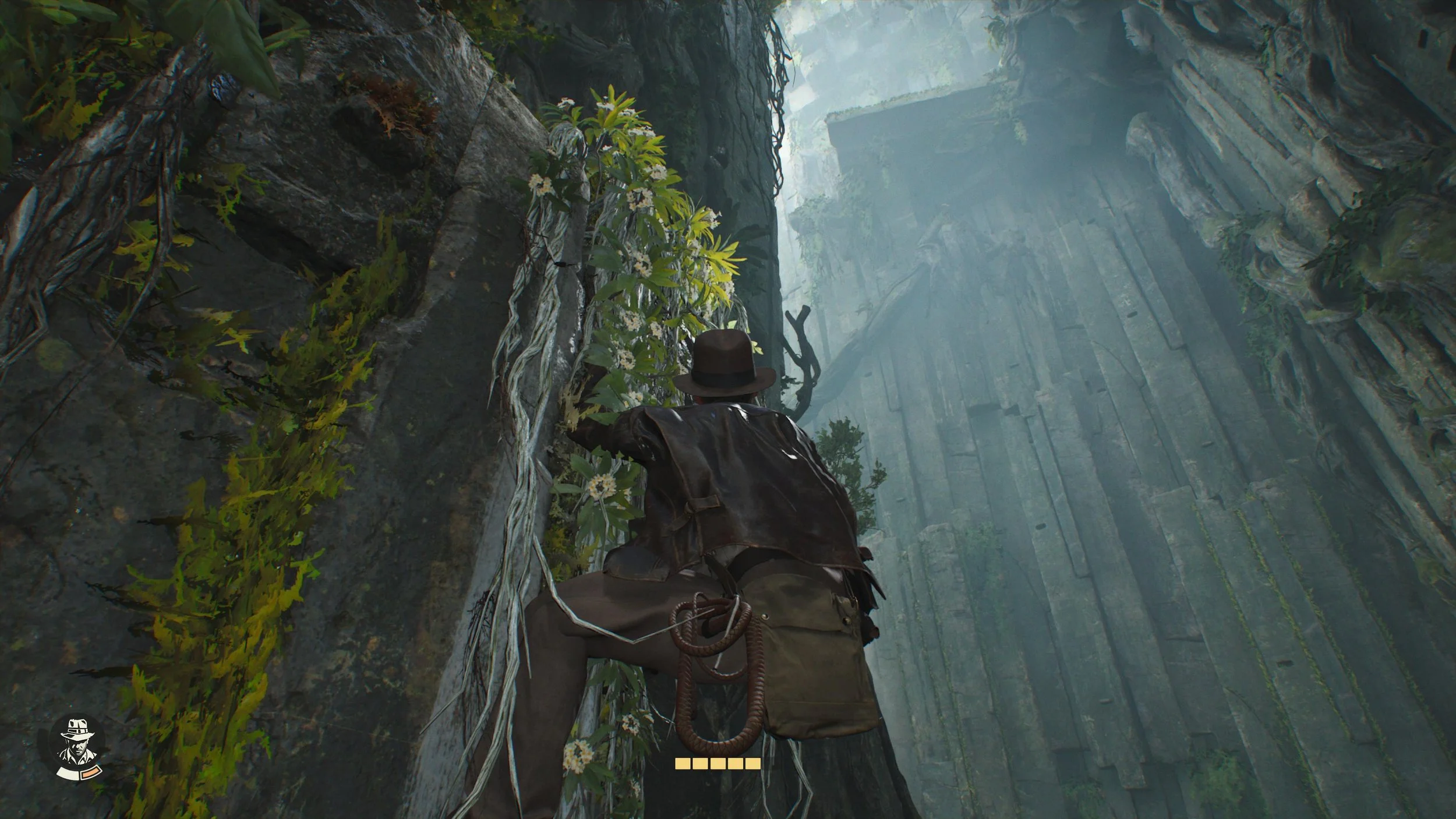
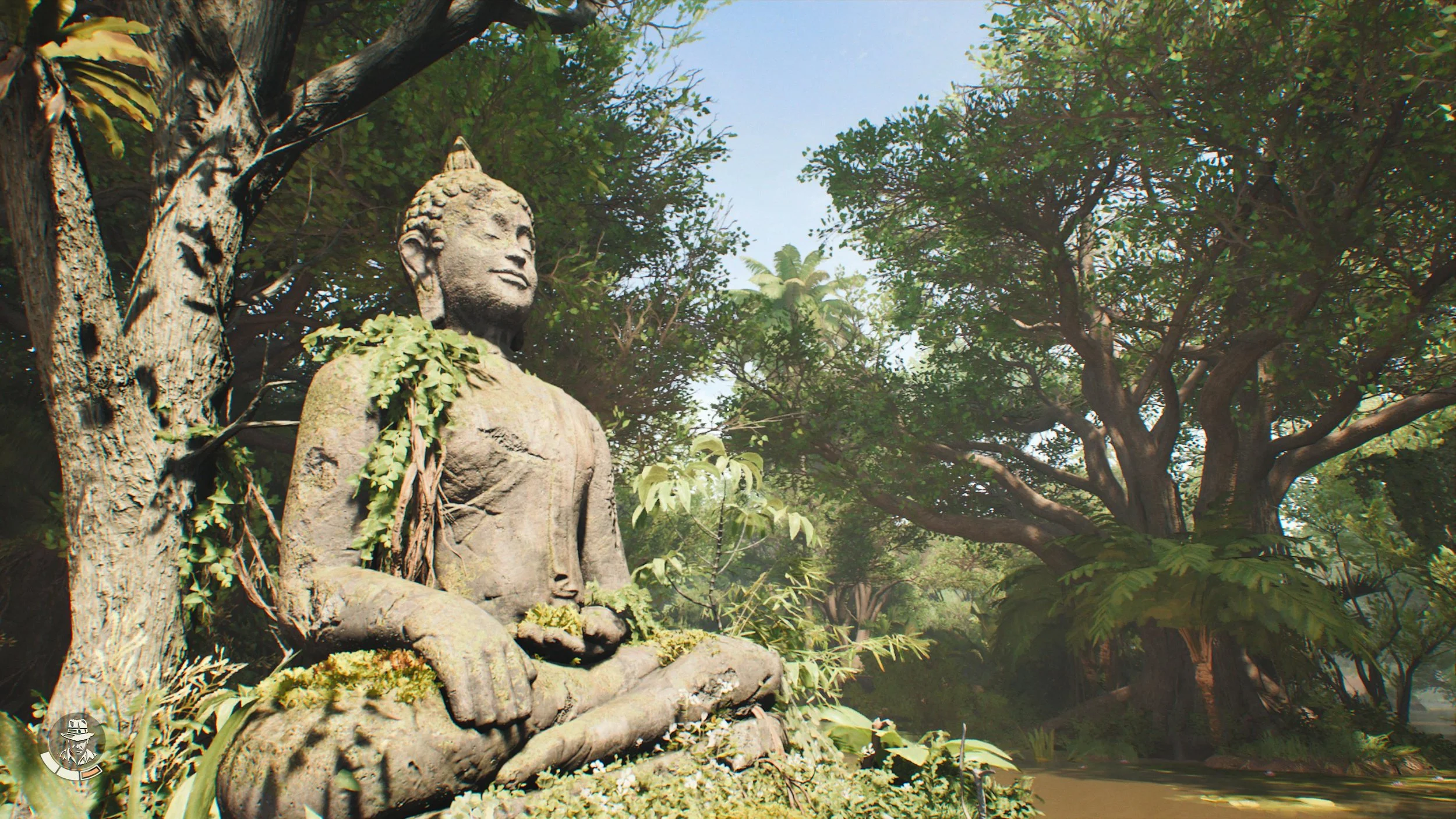
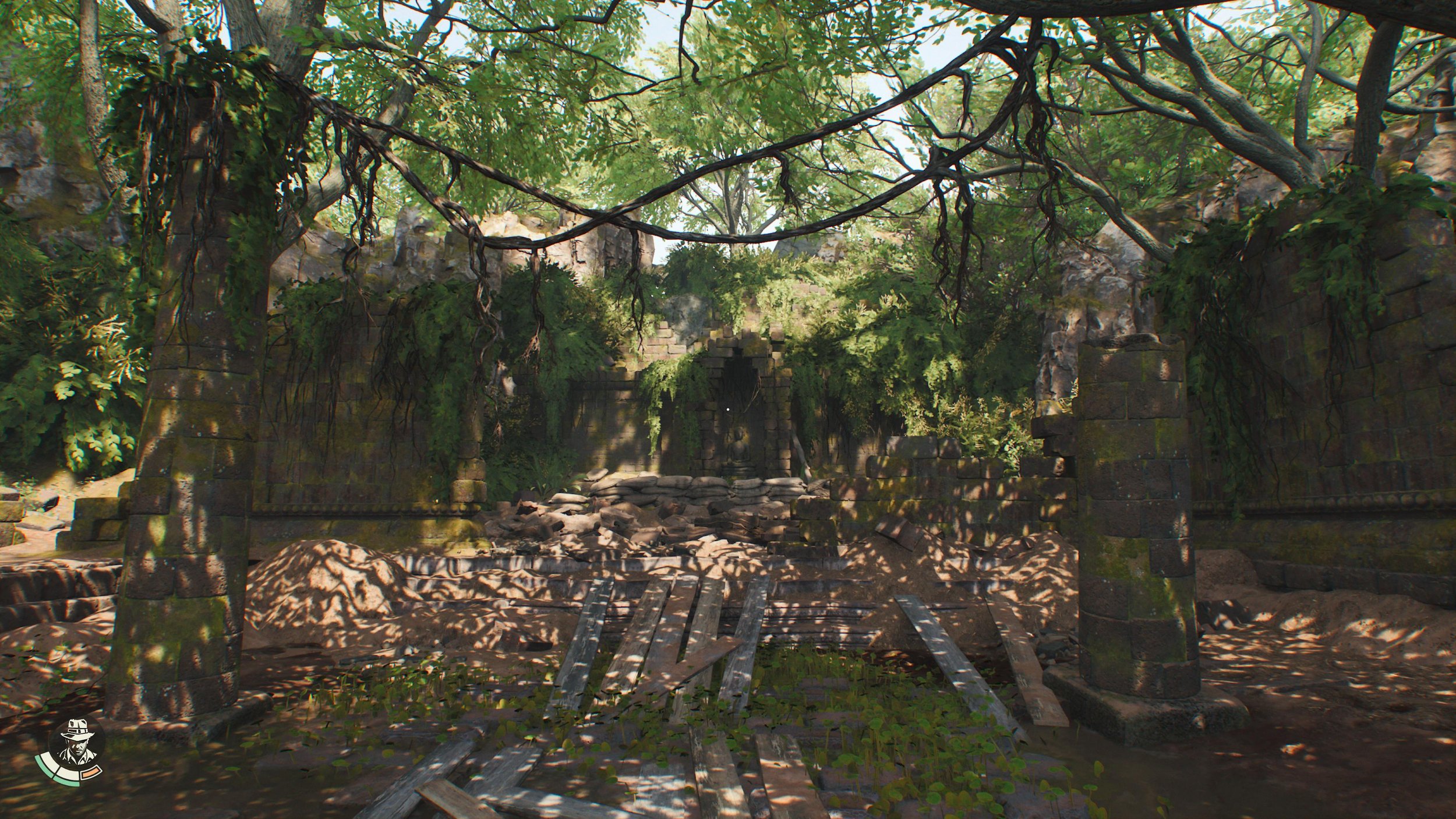
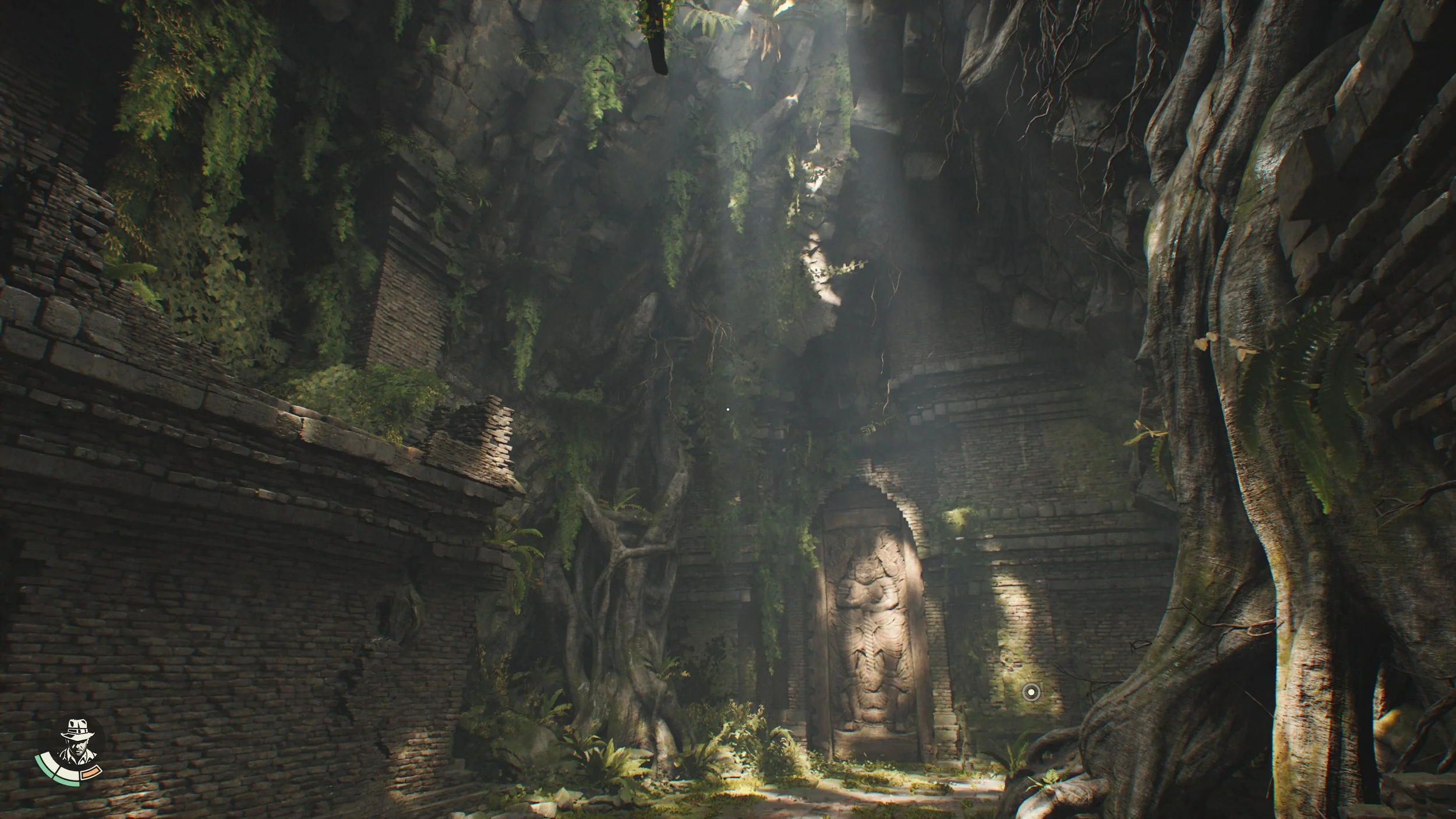
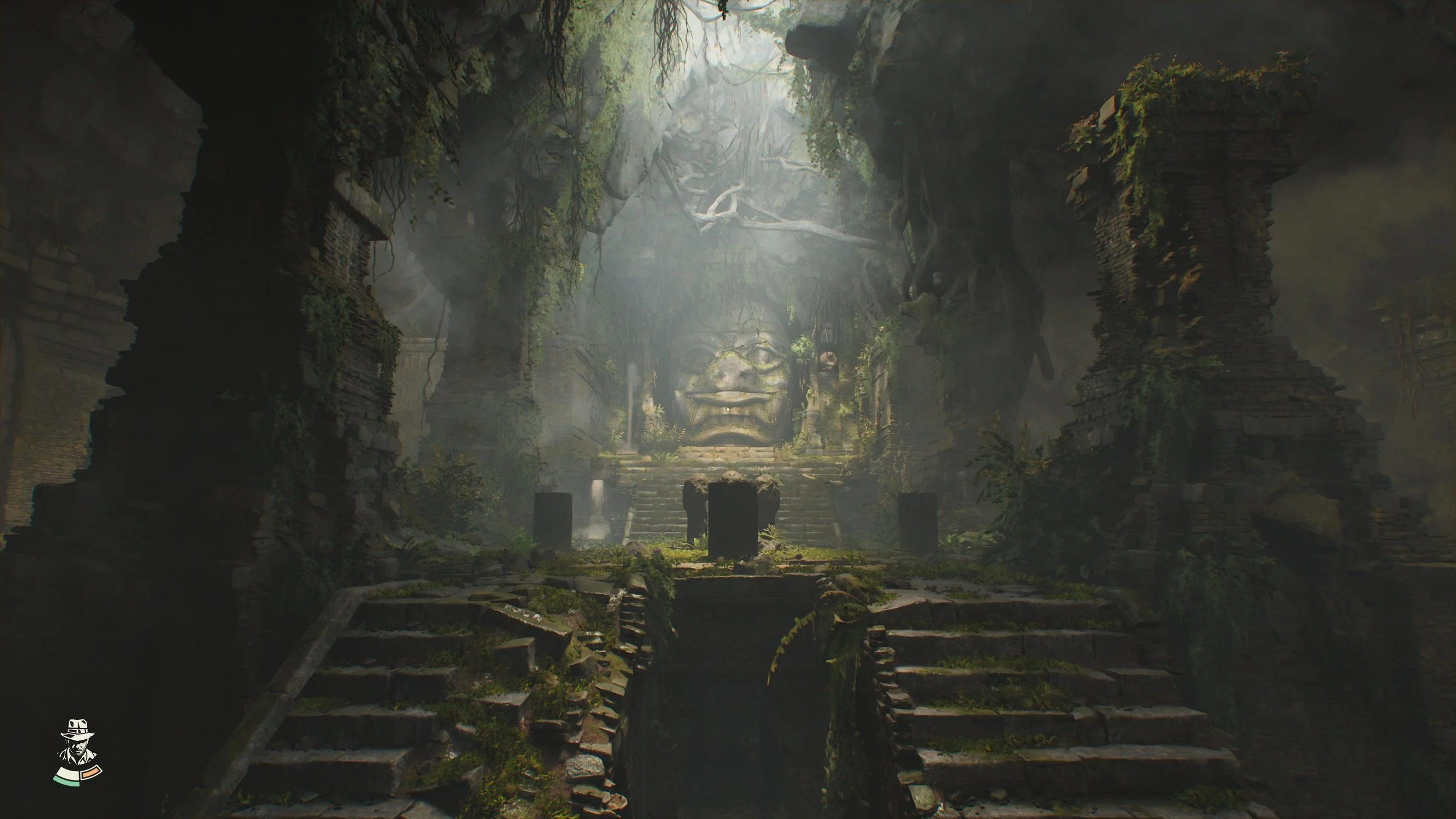
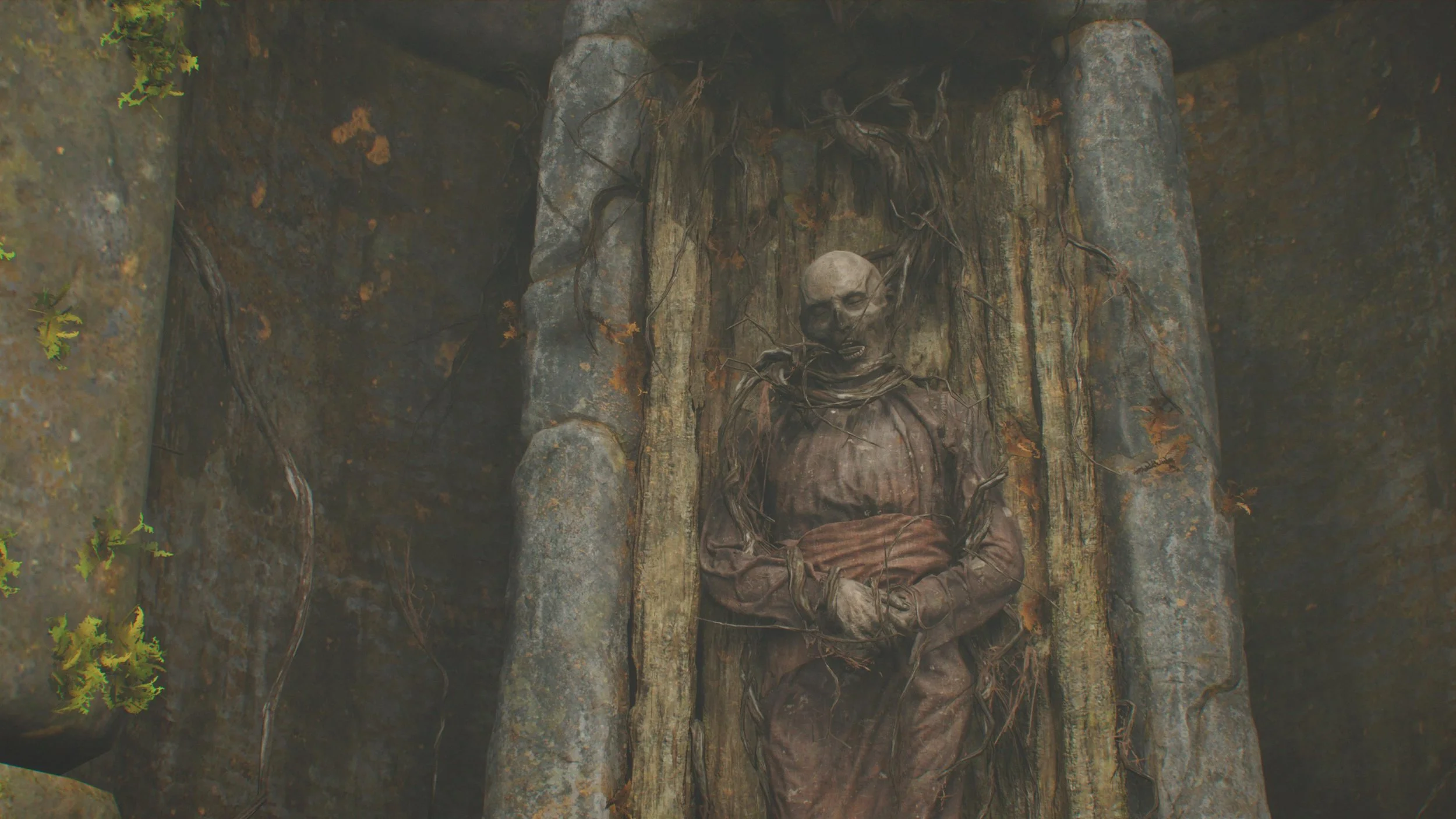
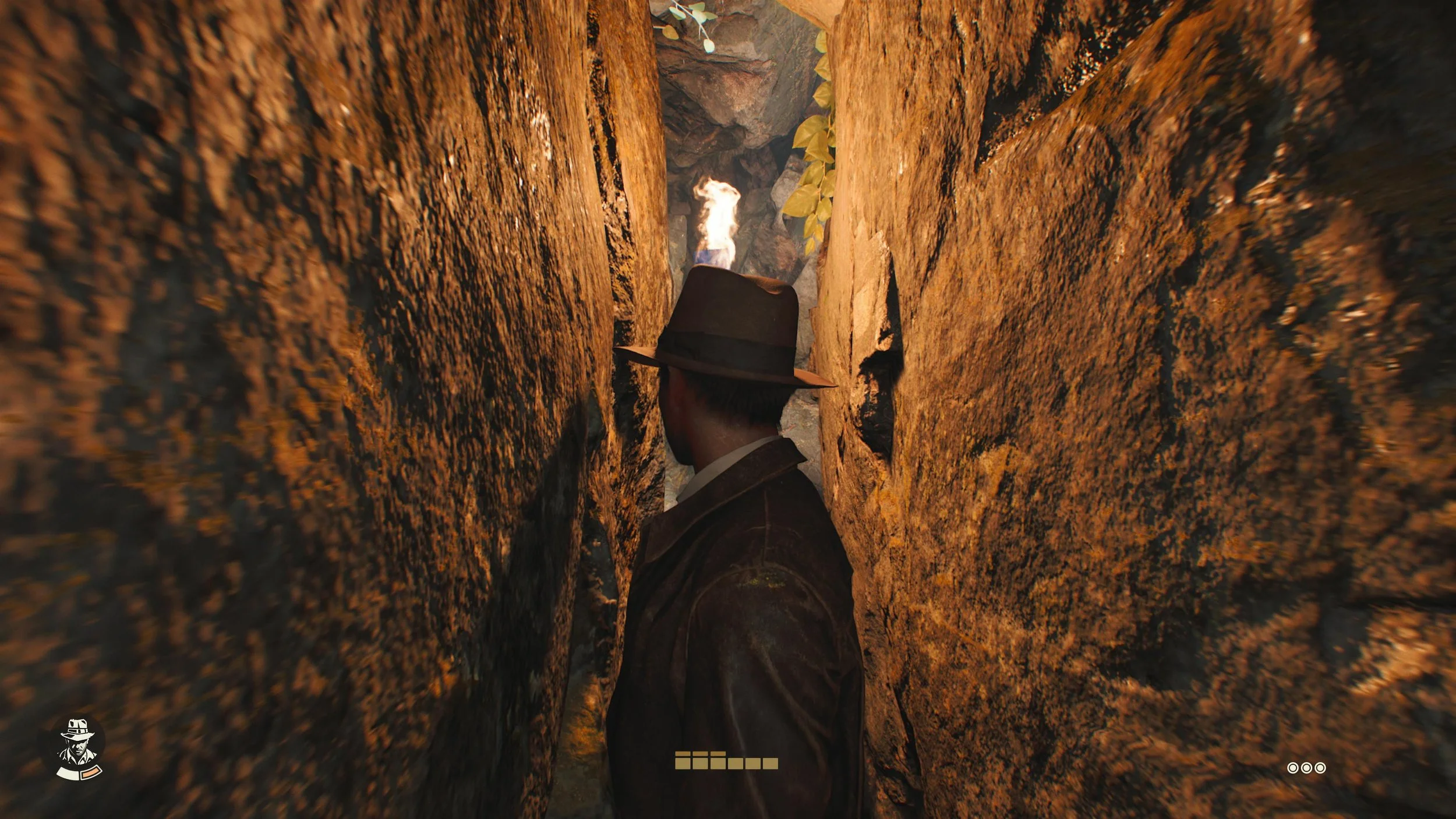
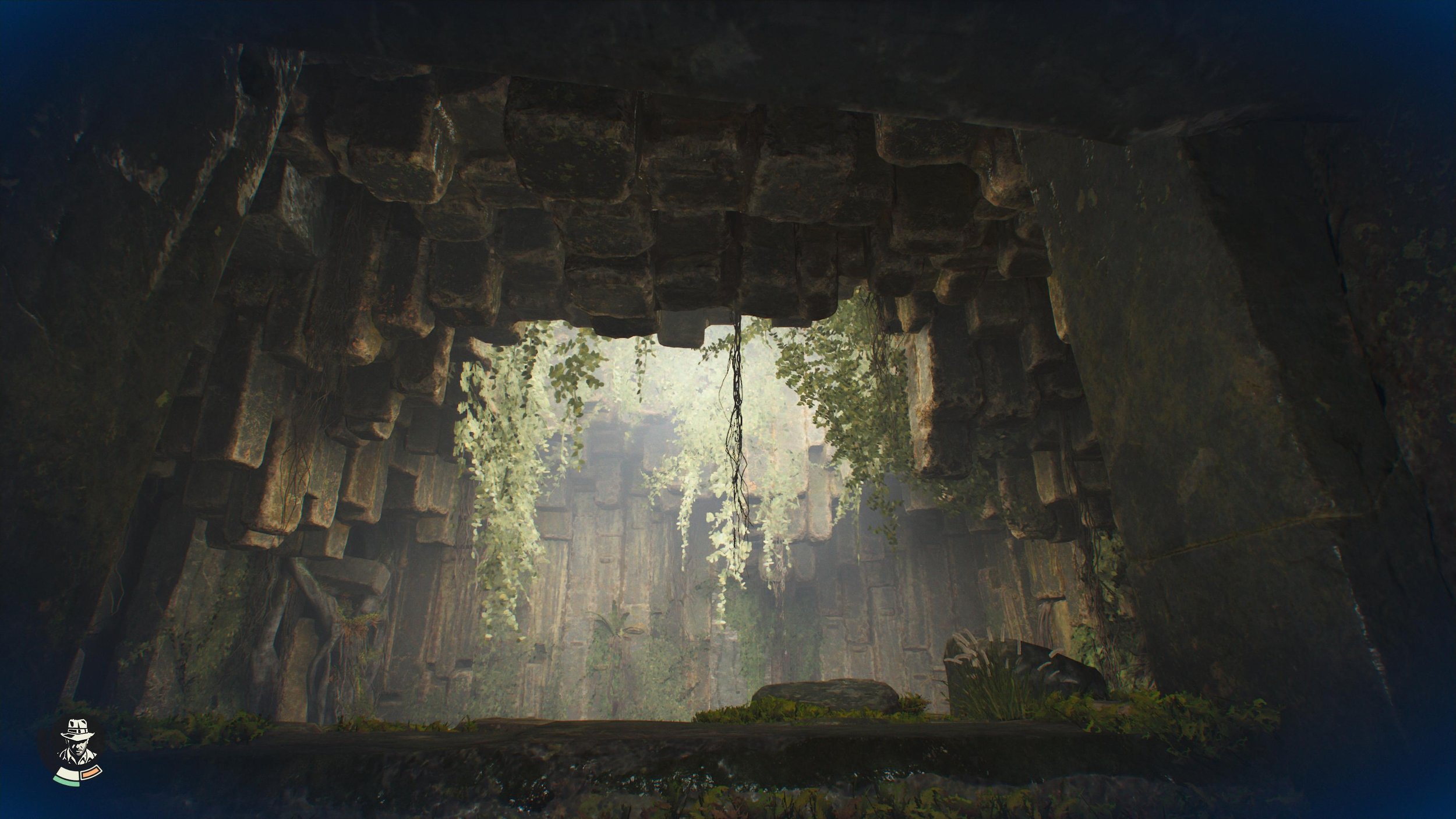
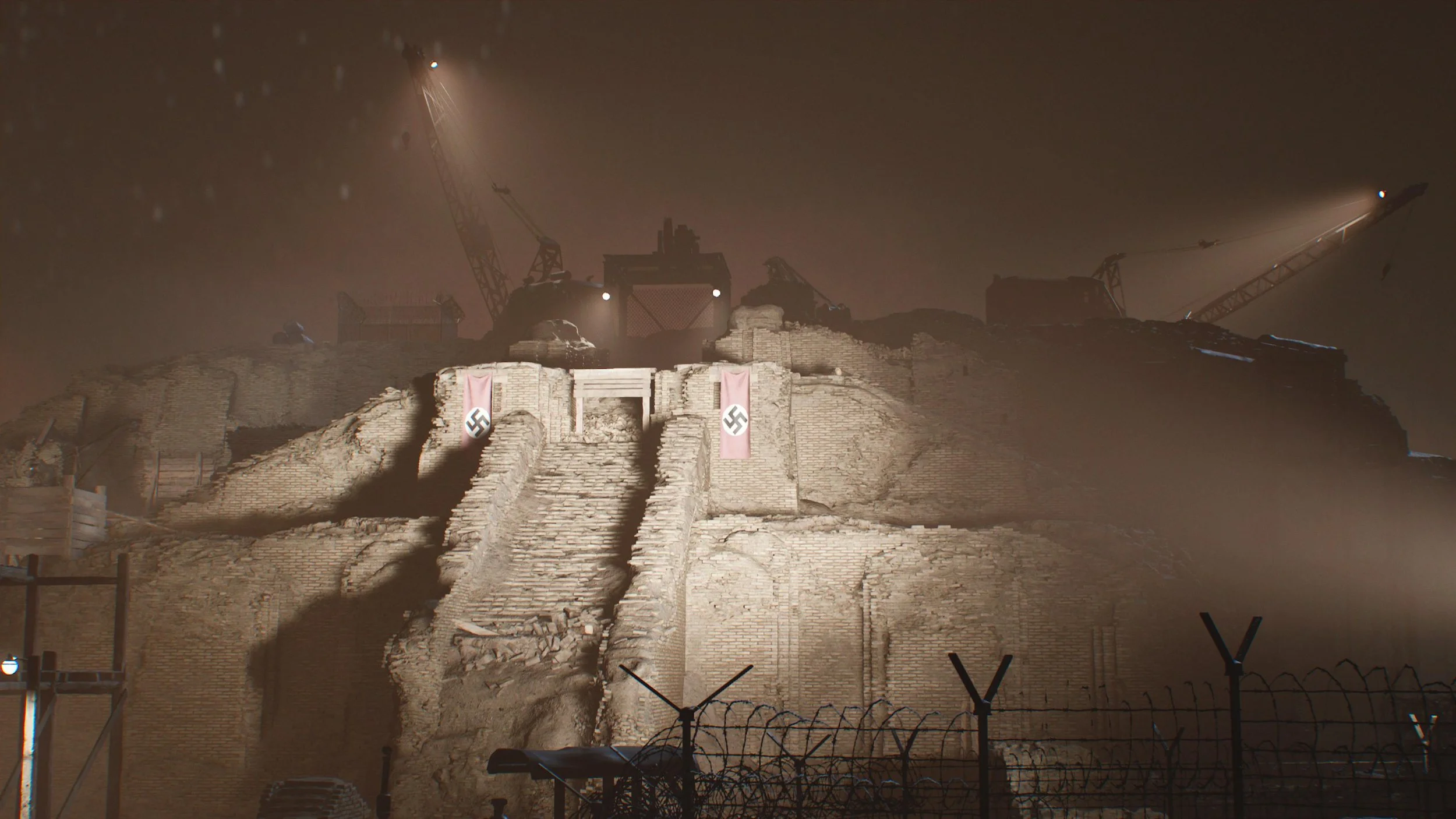
Indiana Jones and the Great Circle - Videogames As Art
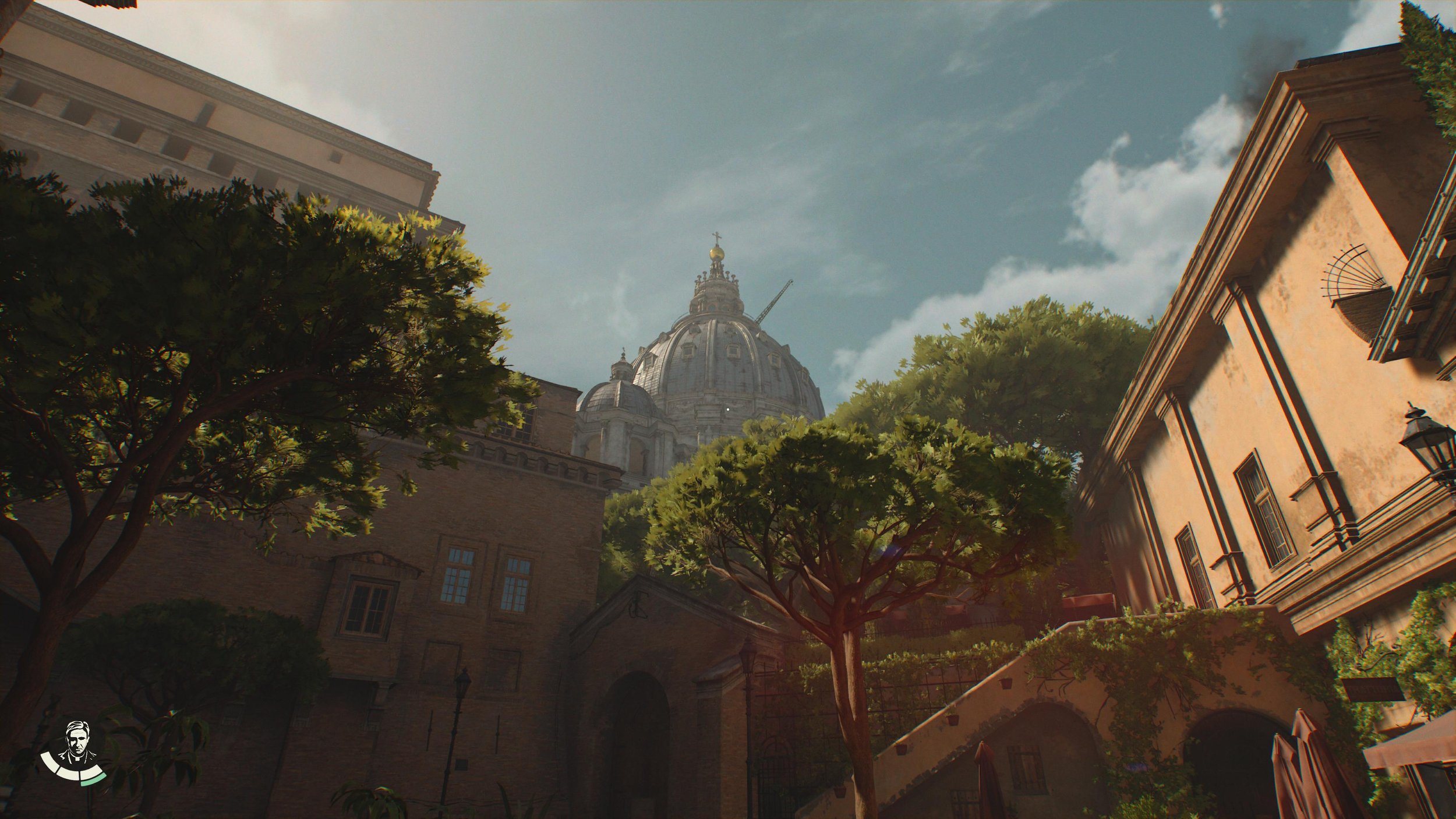
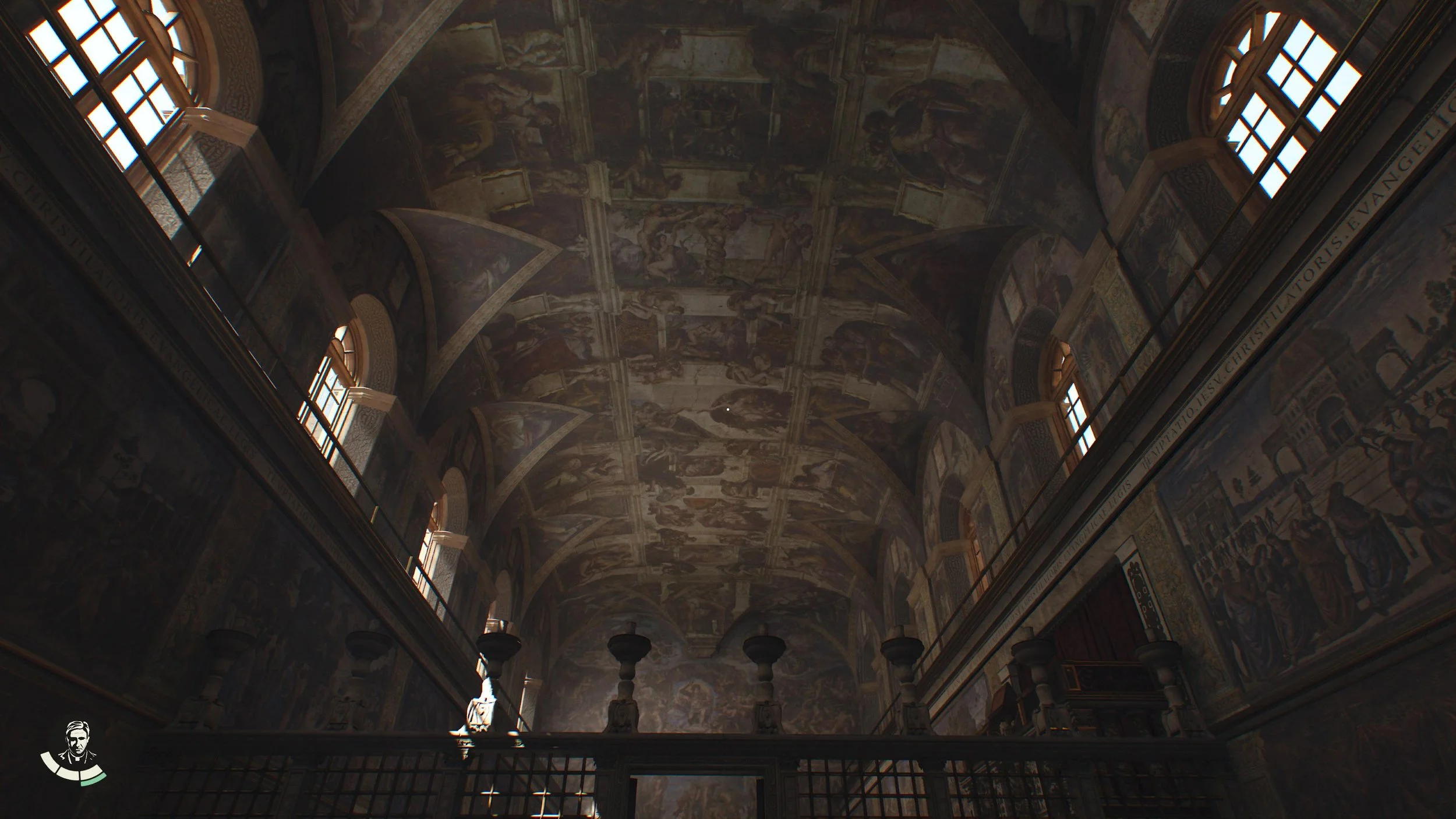
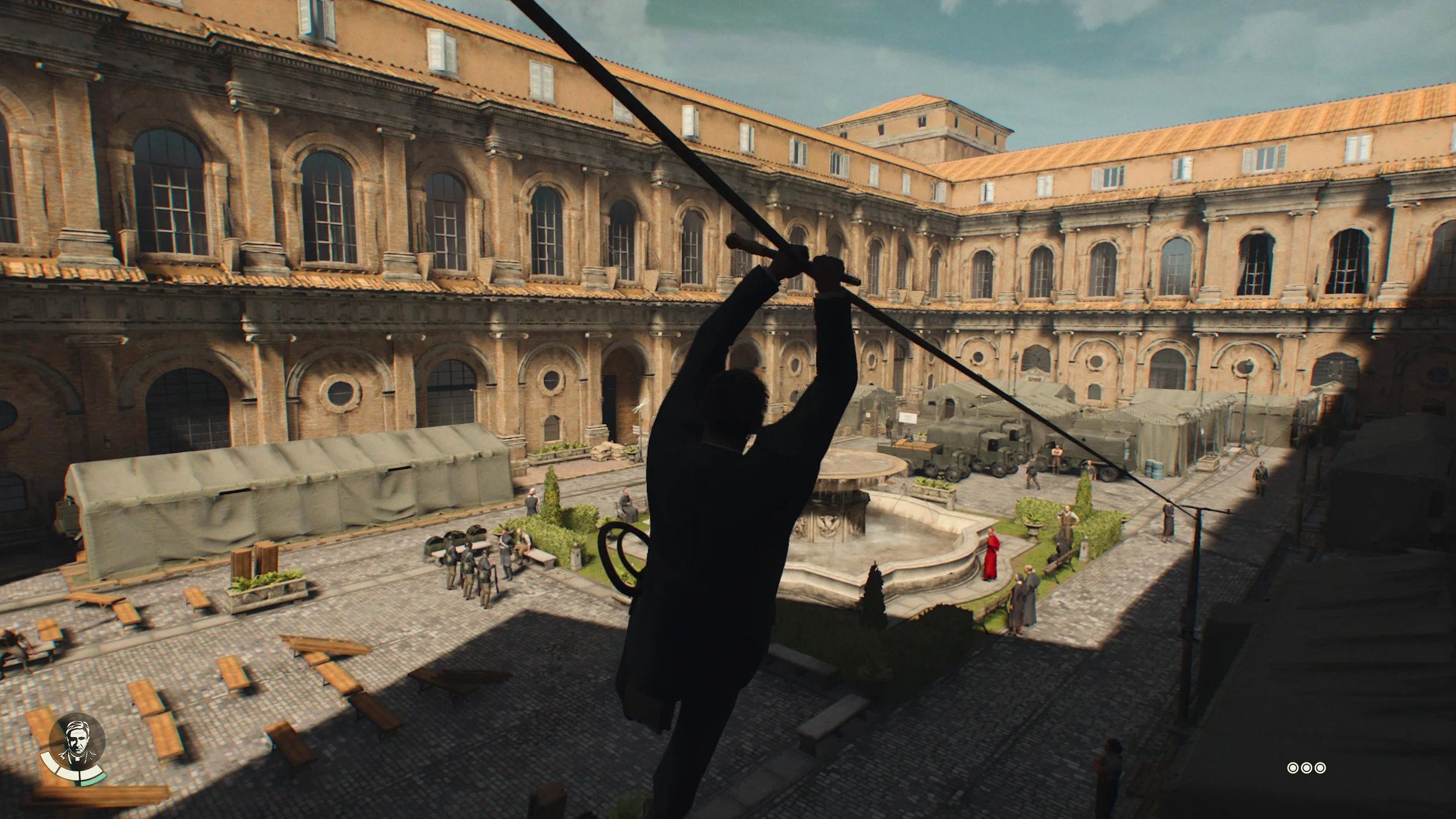
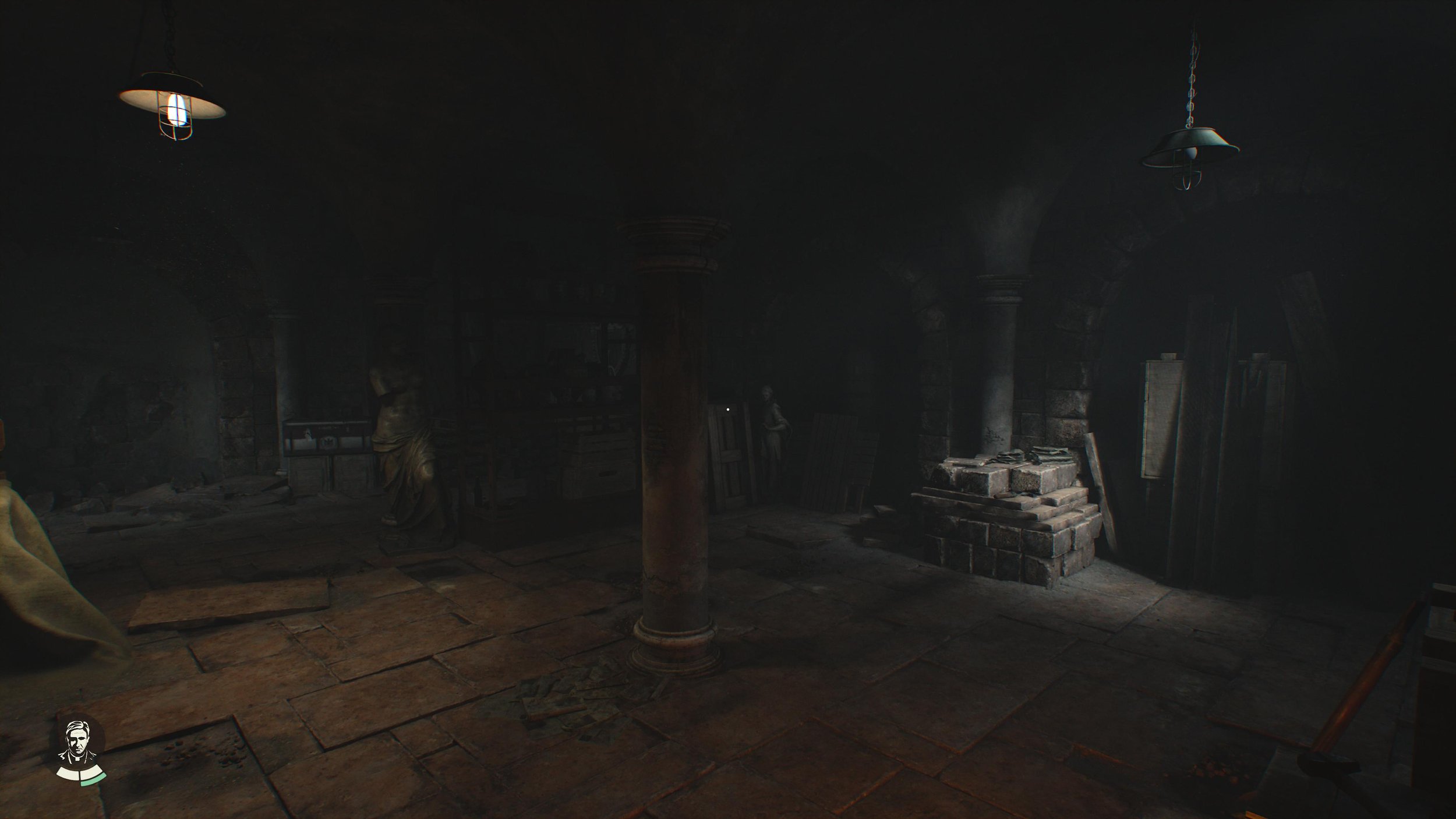
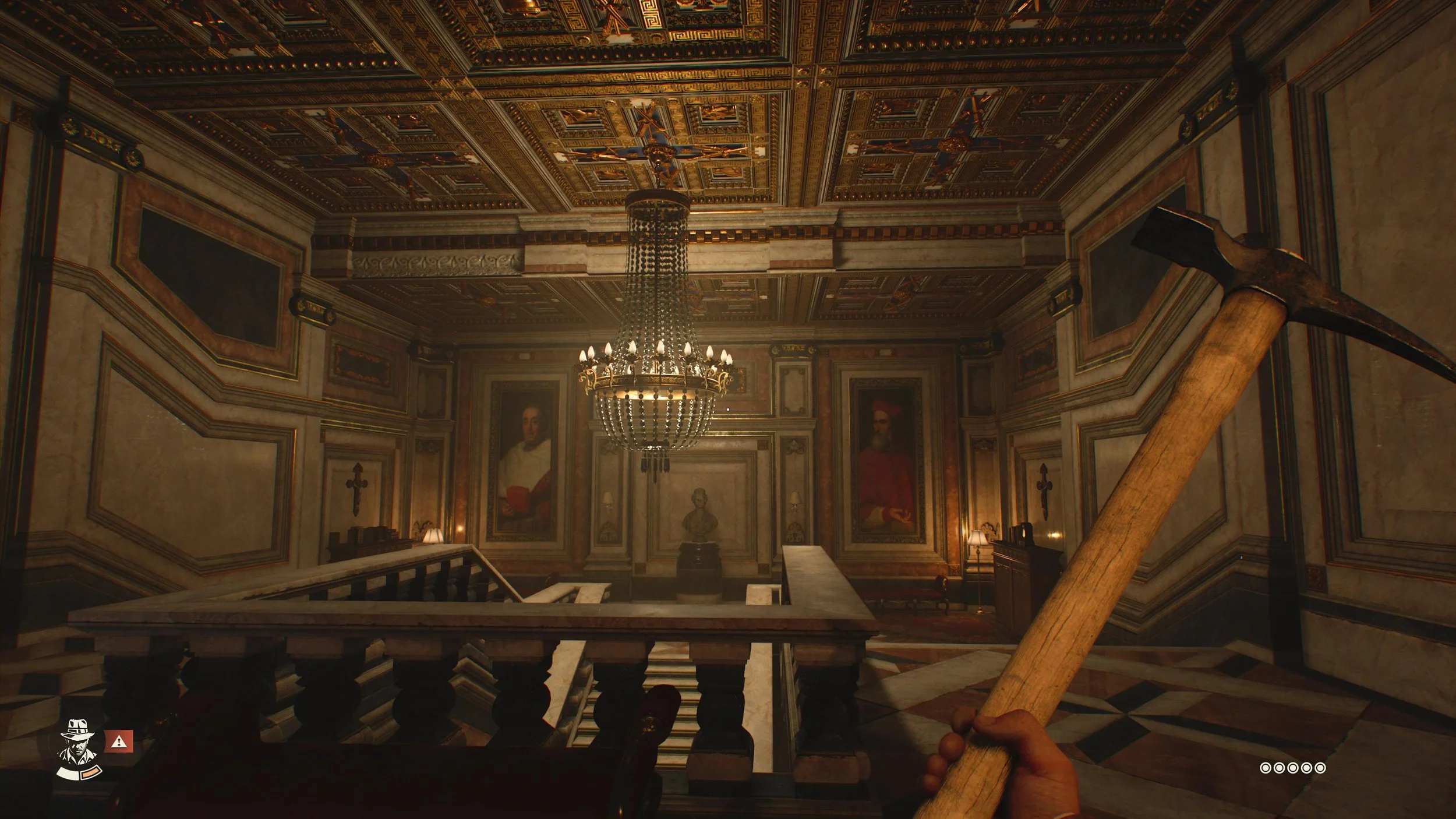
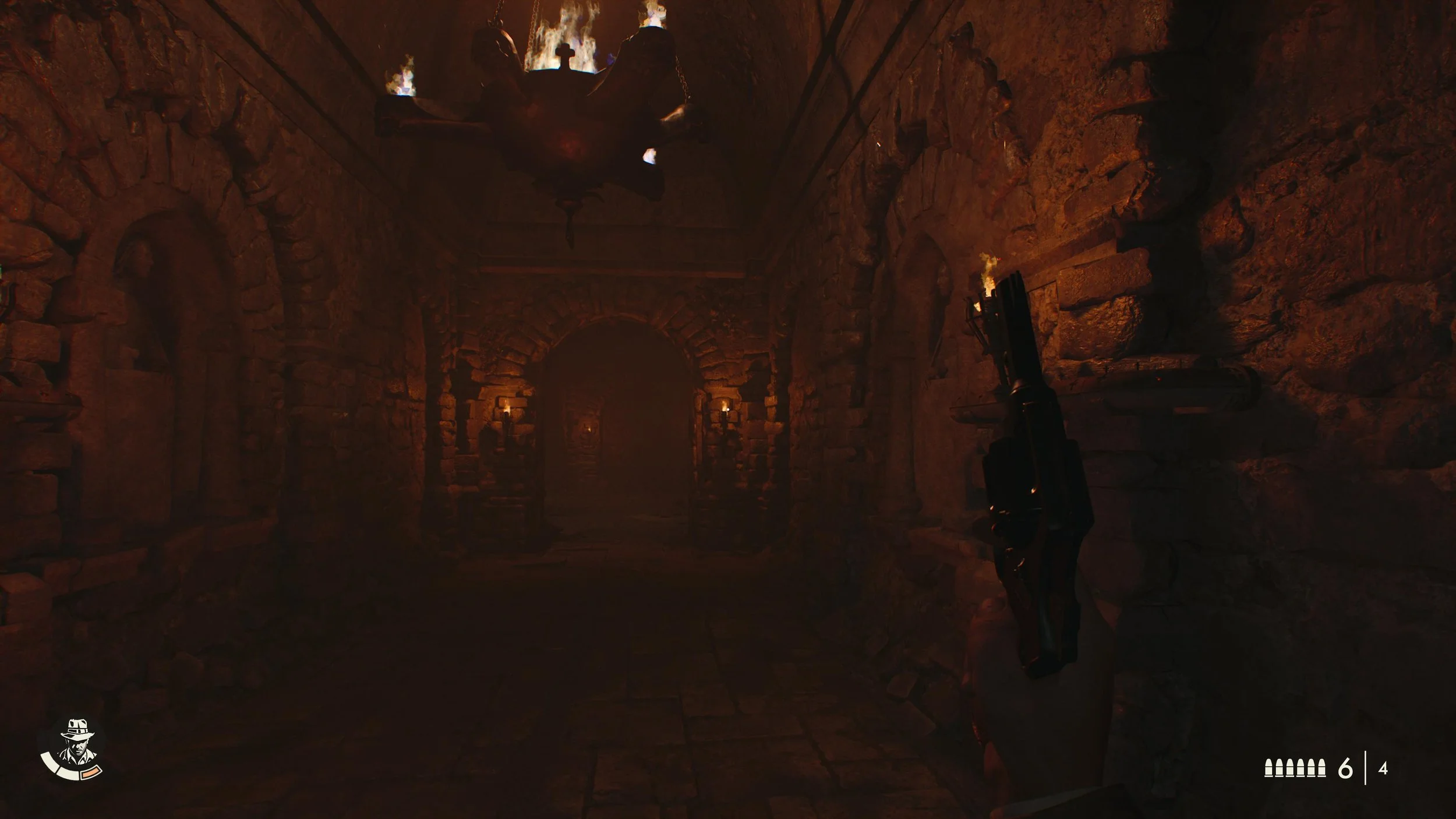
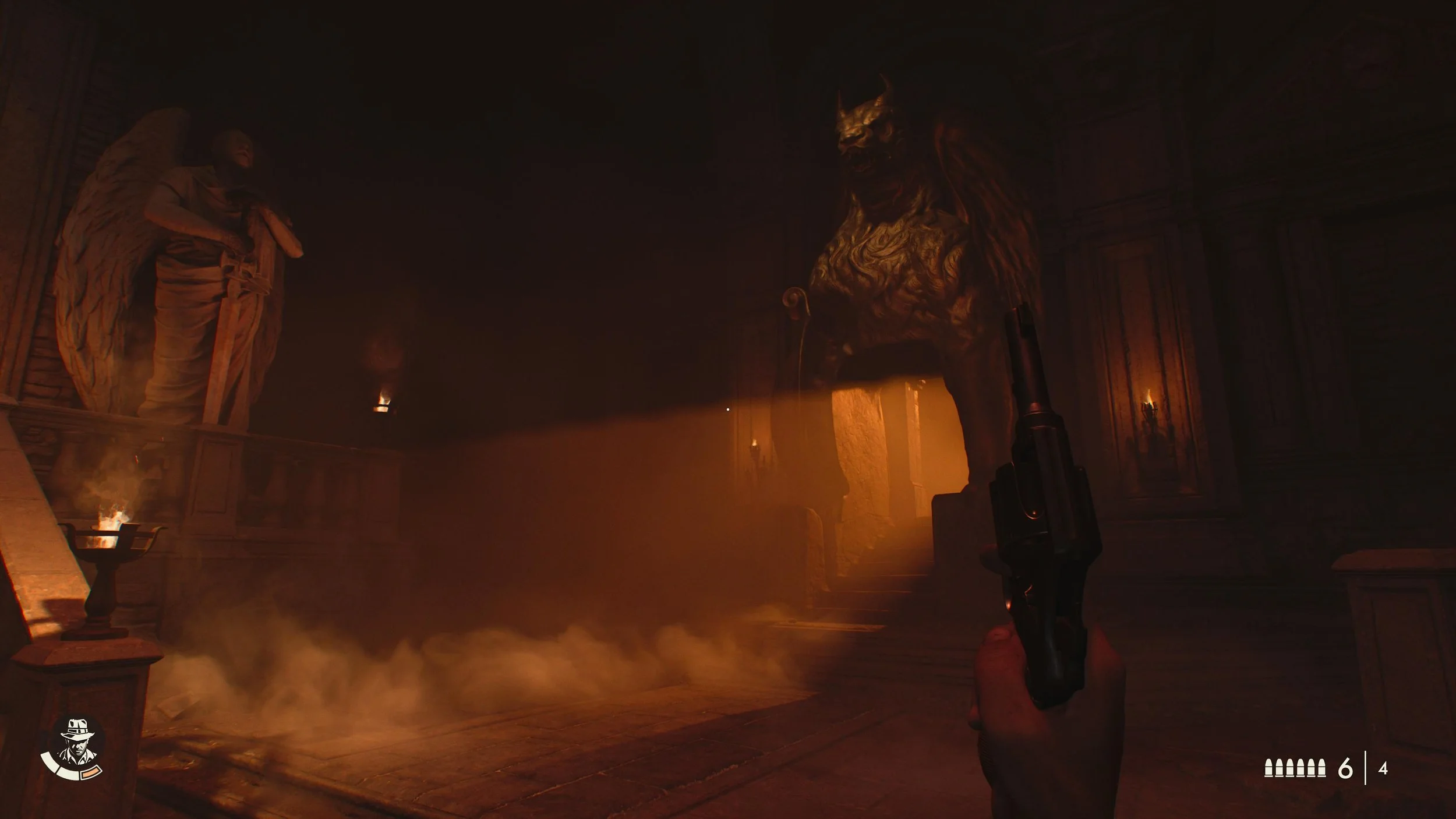
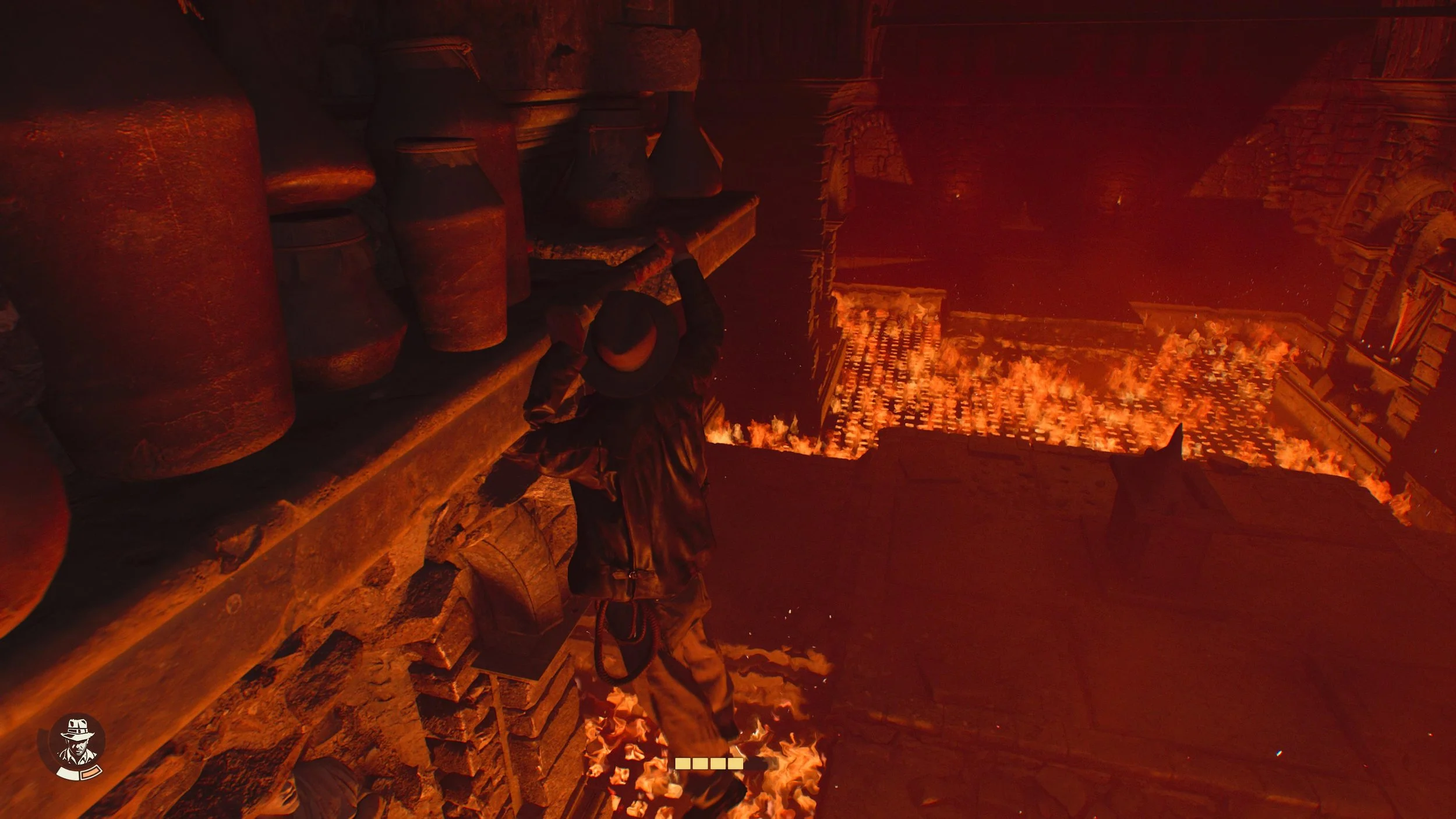
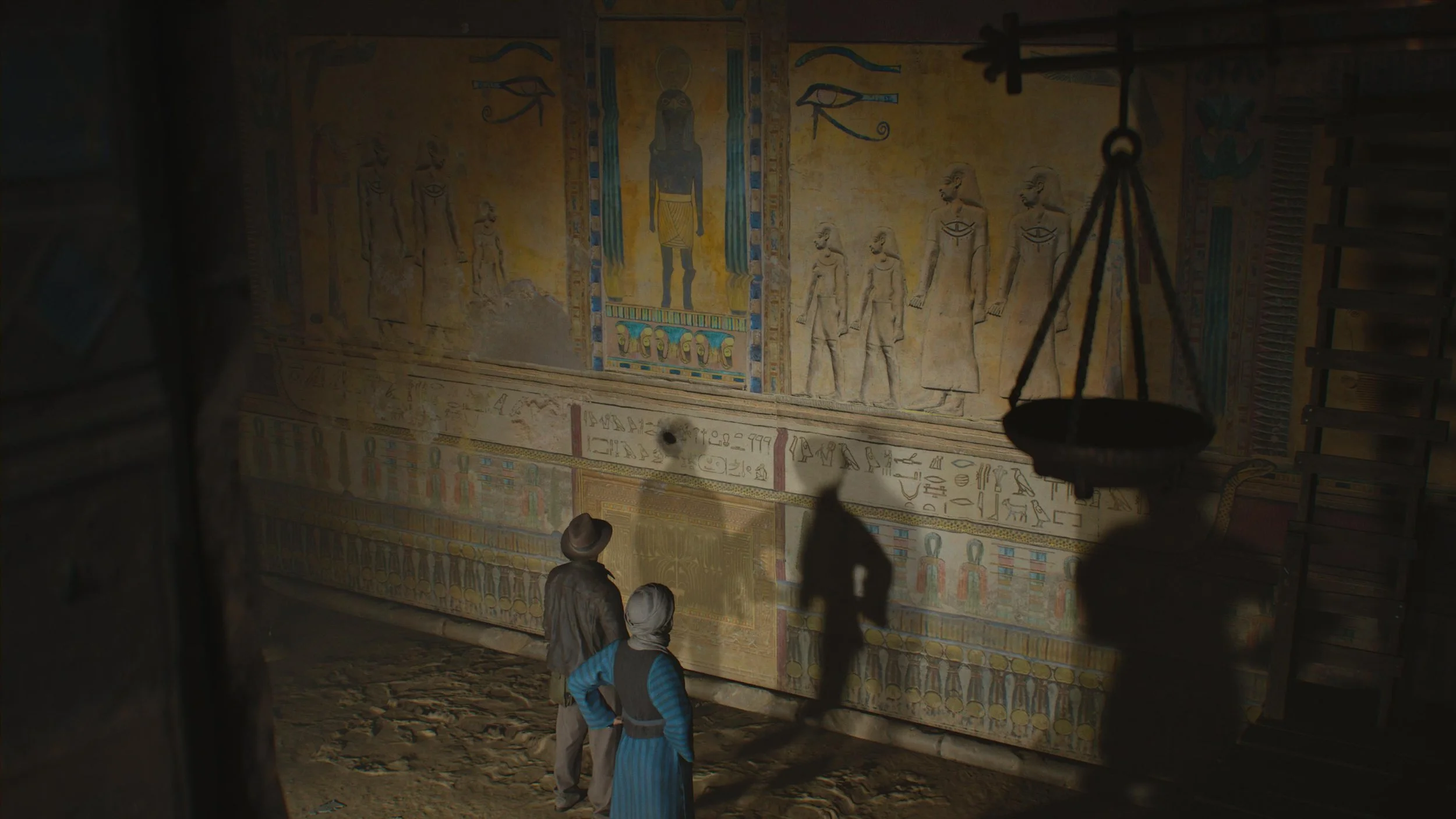
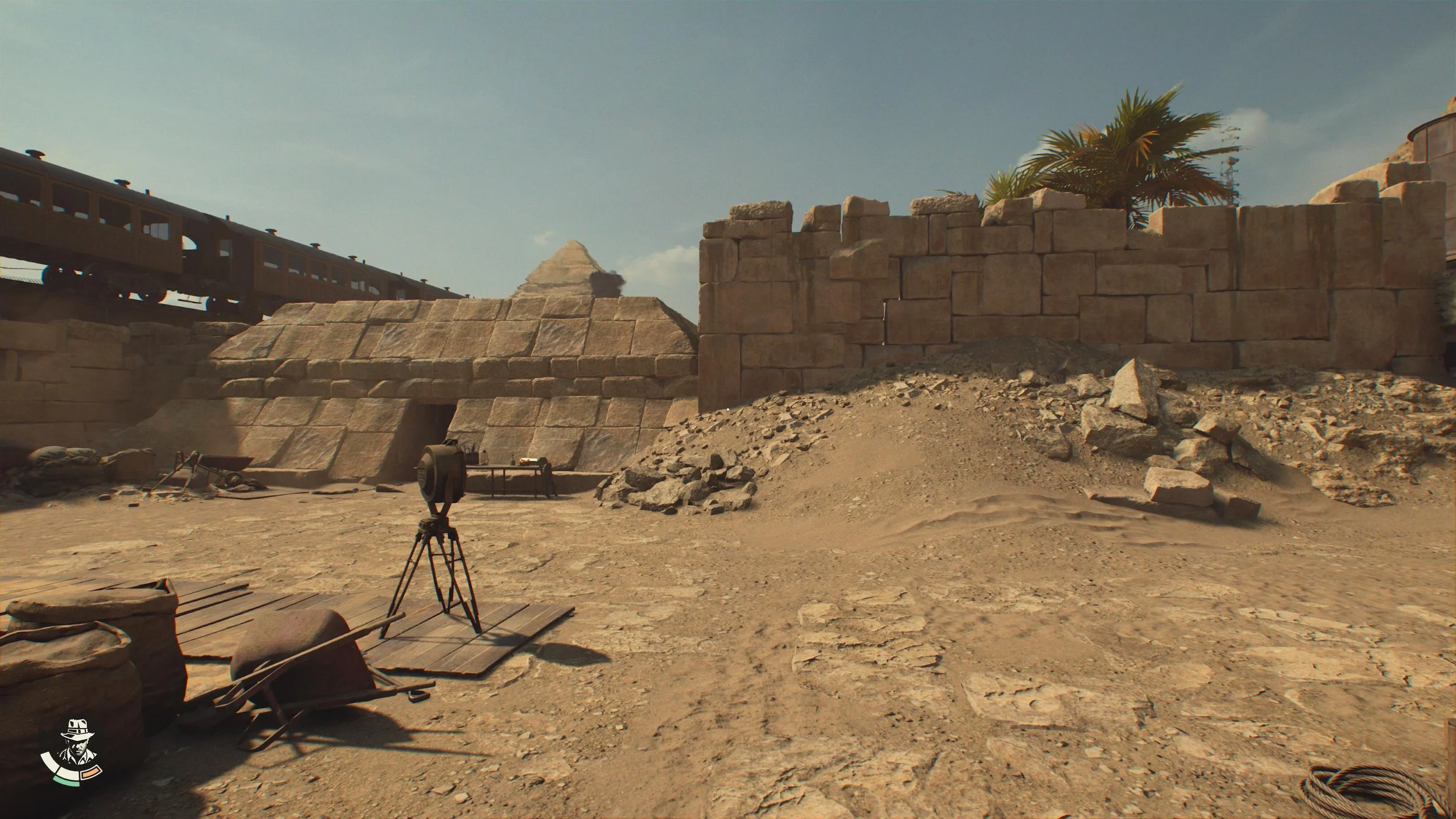
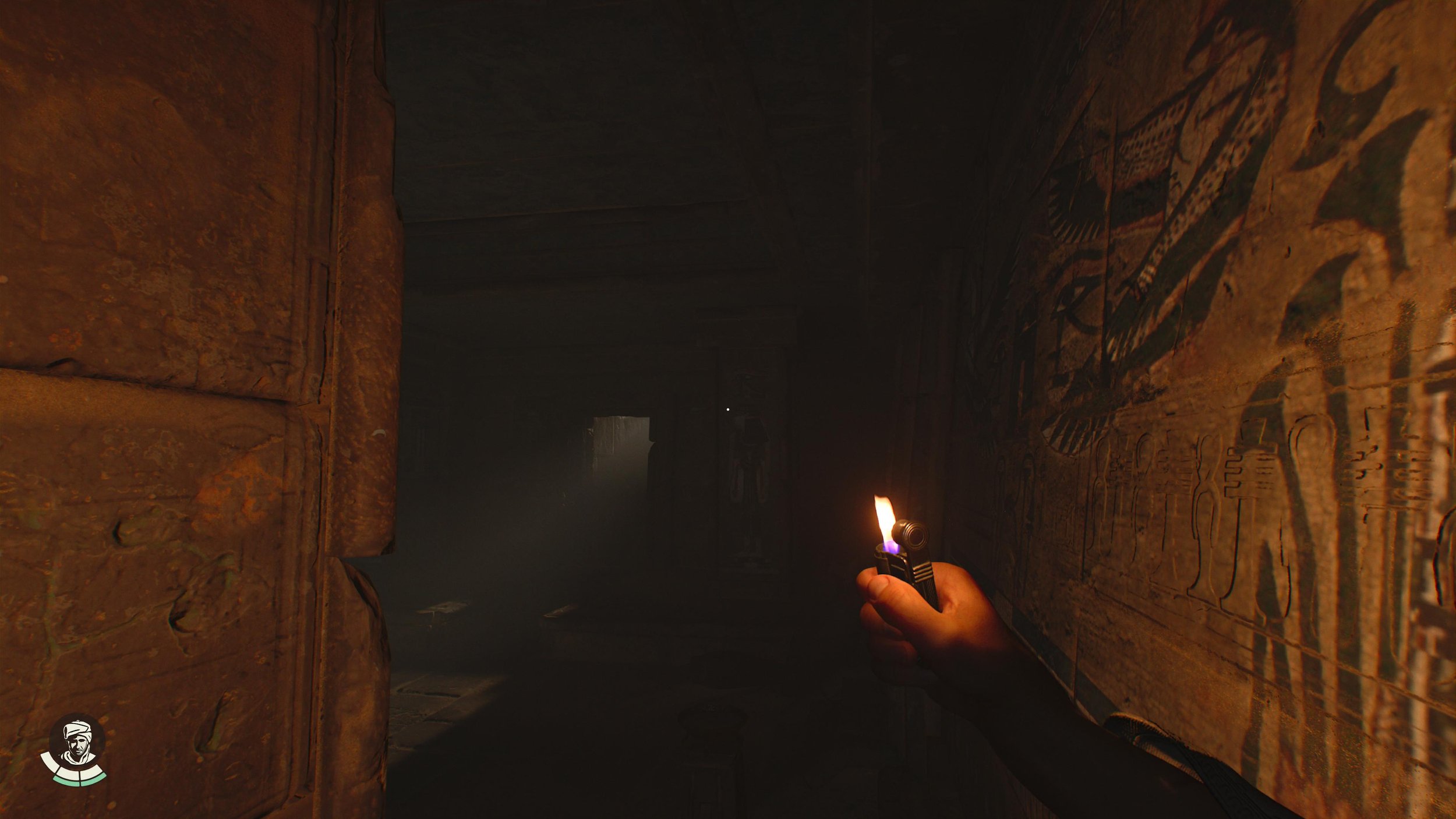
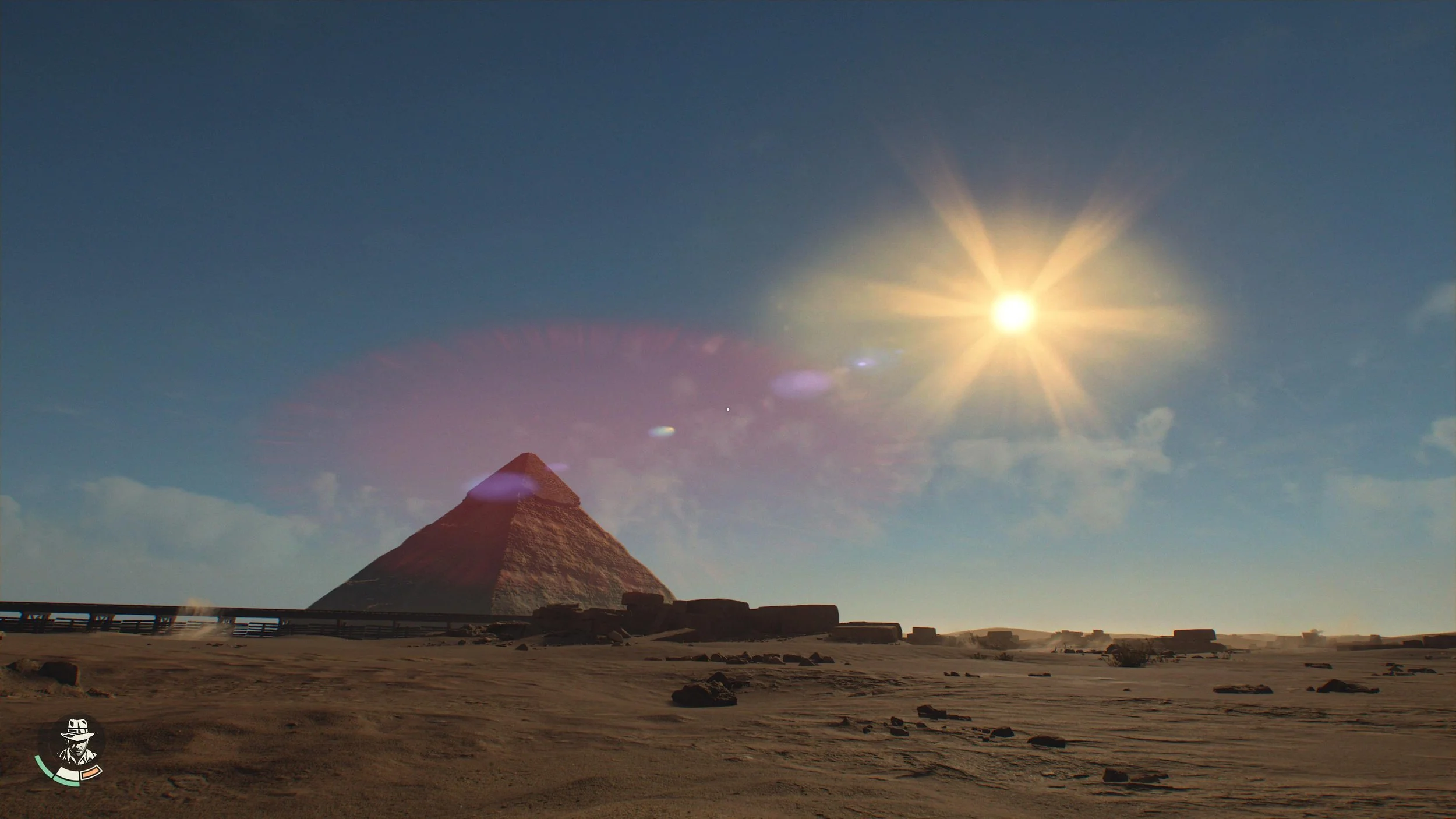
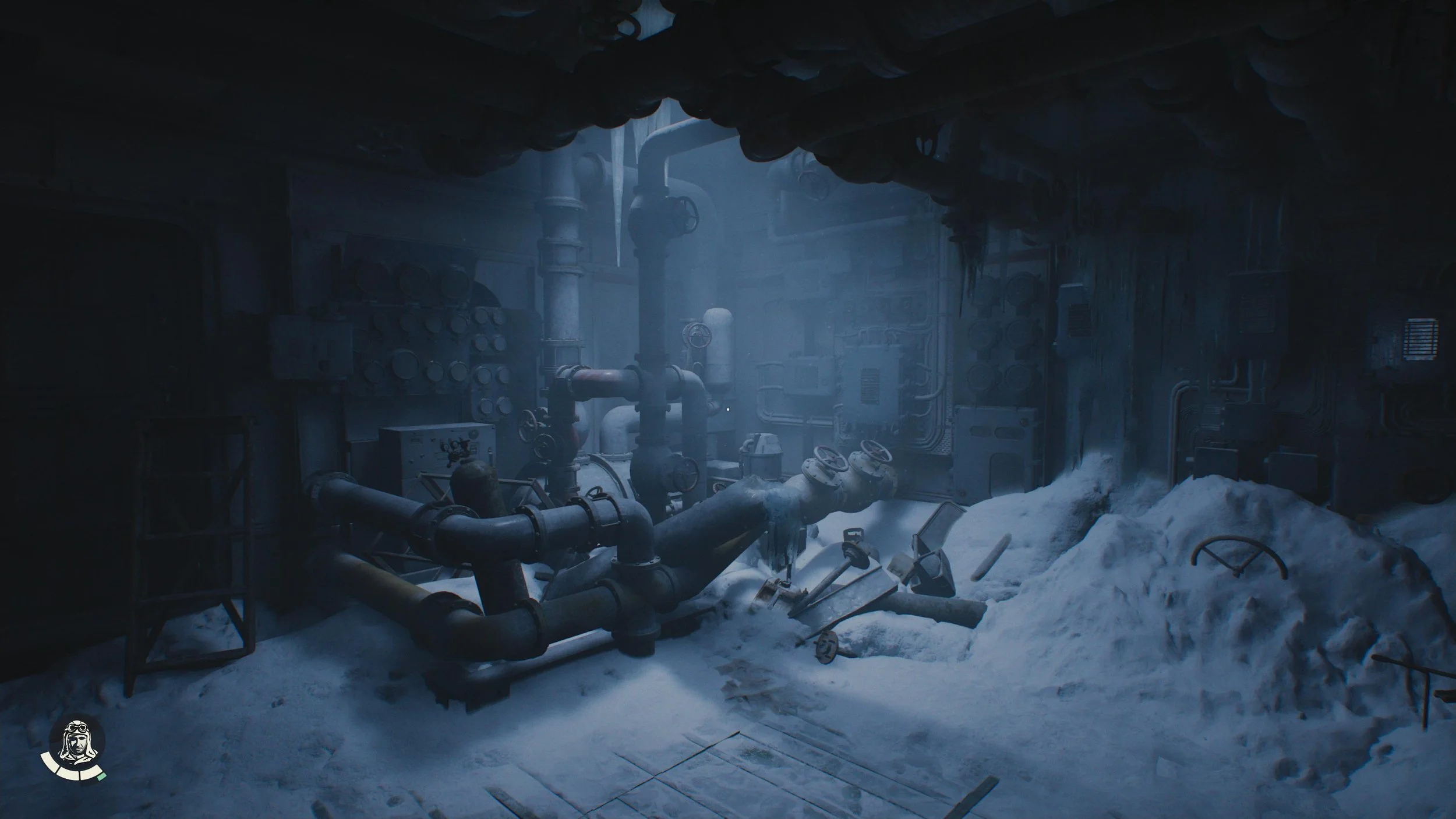
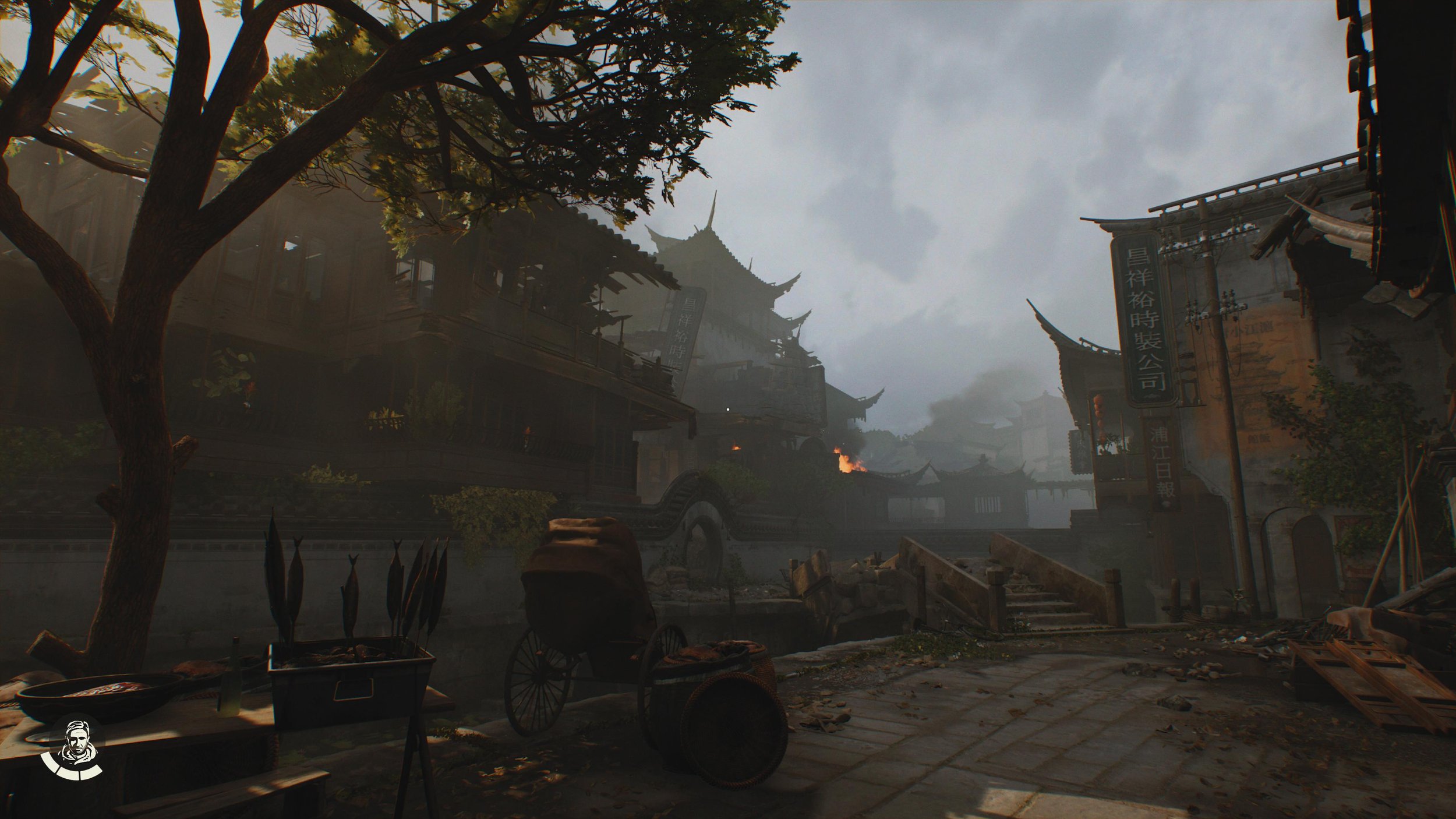
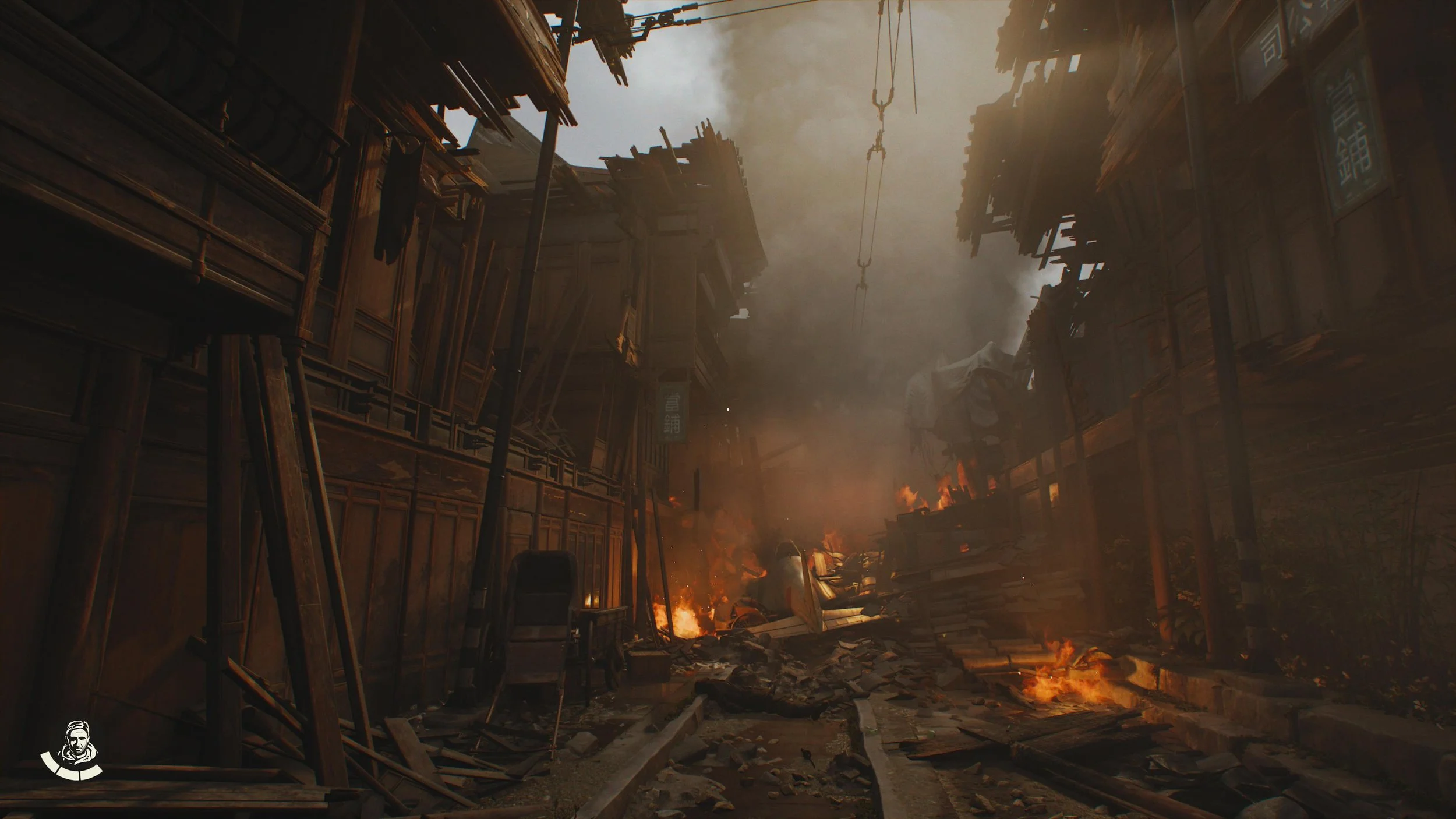
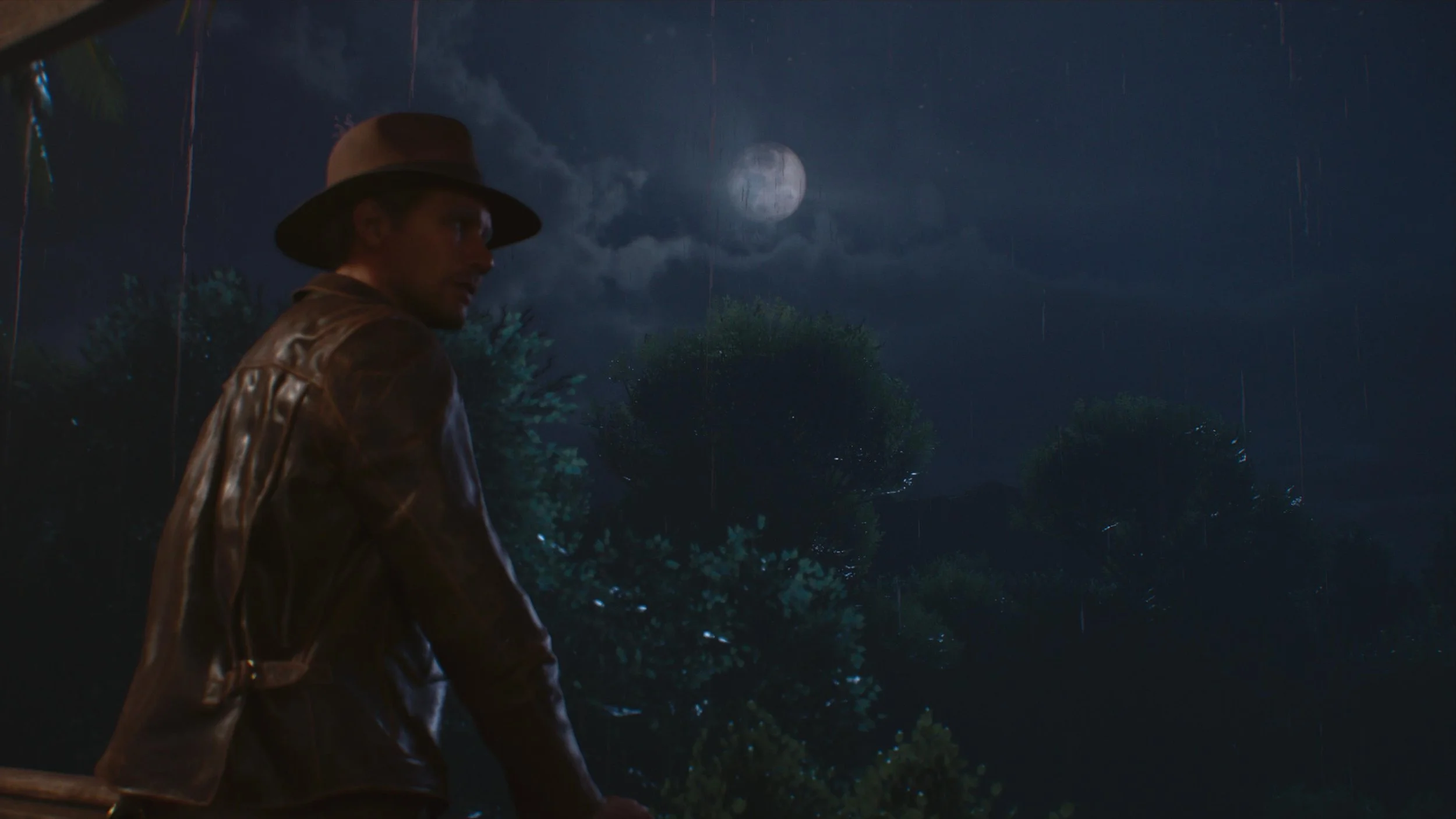
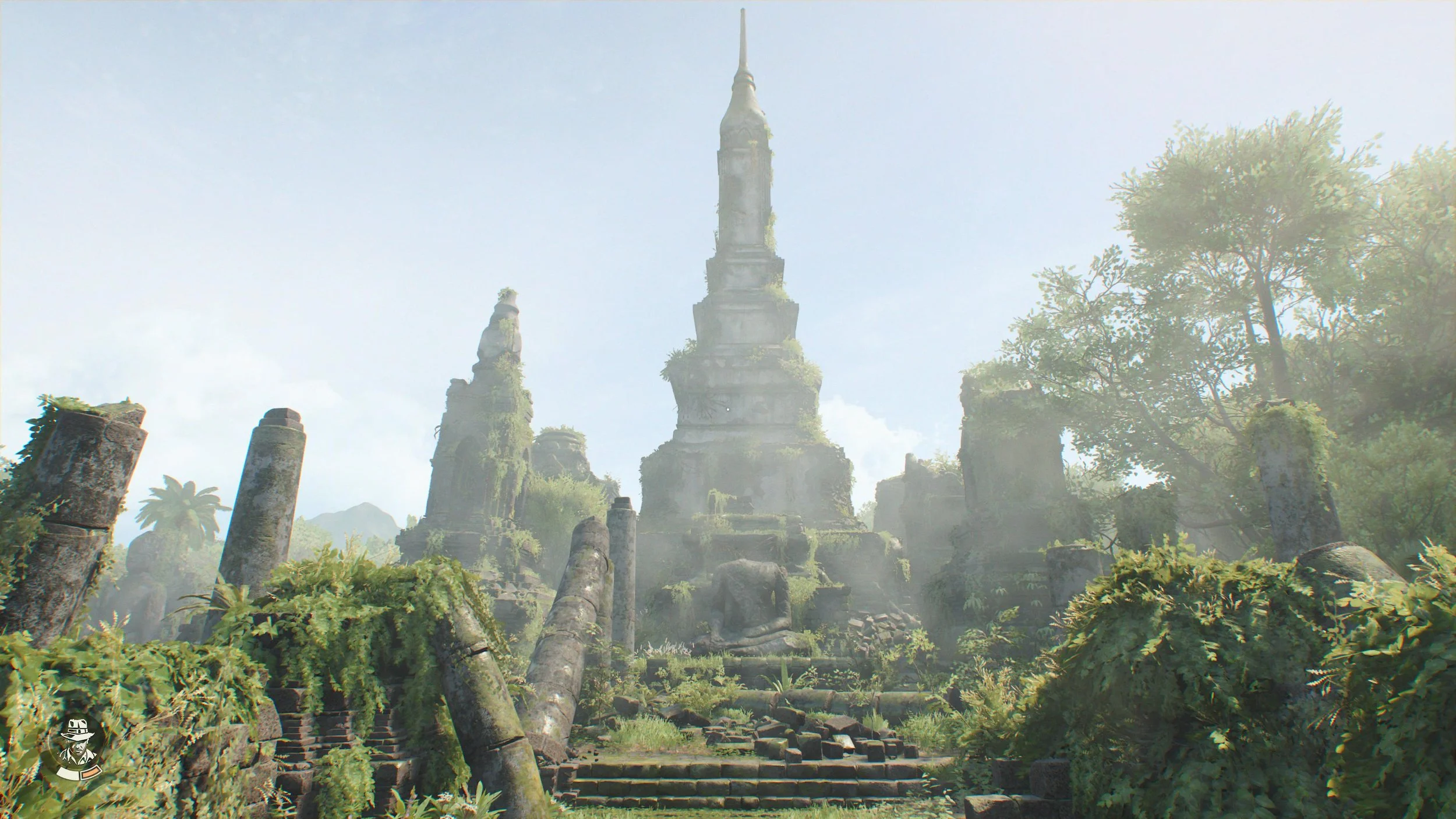
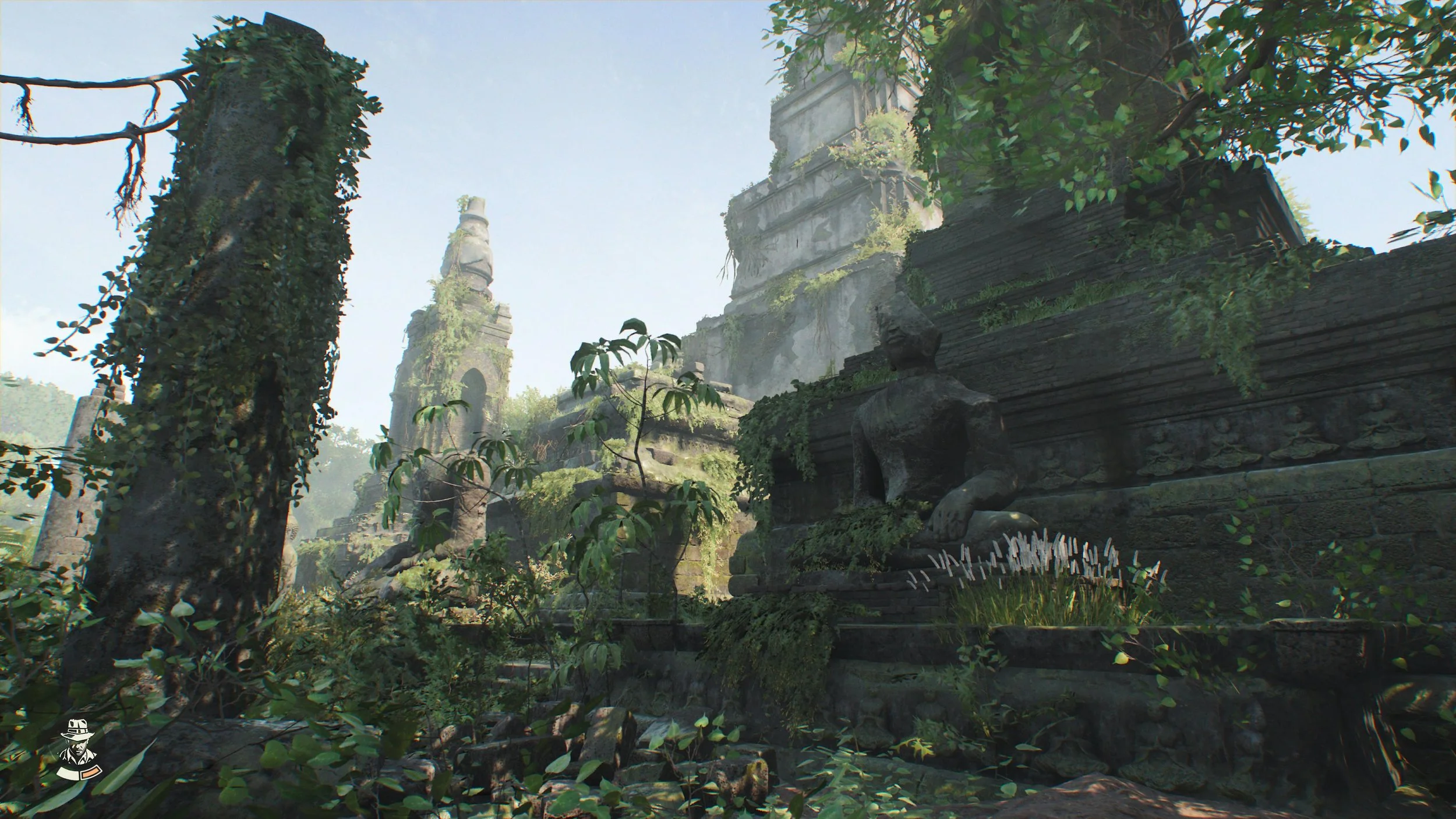
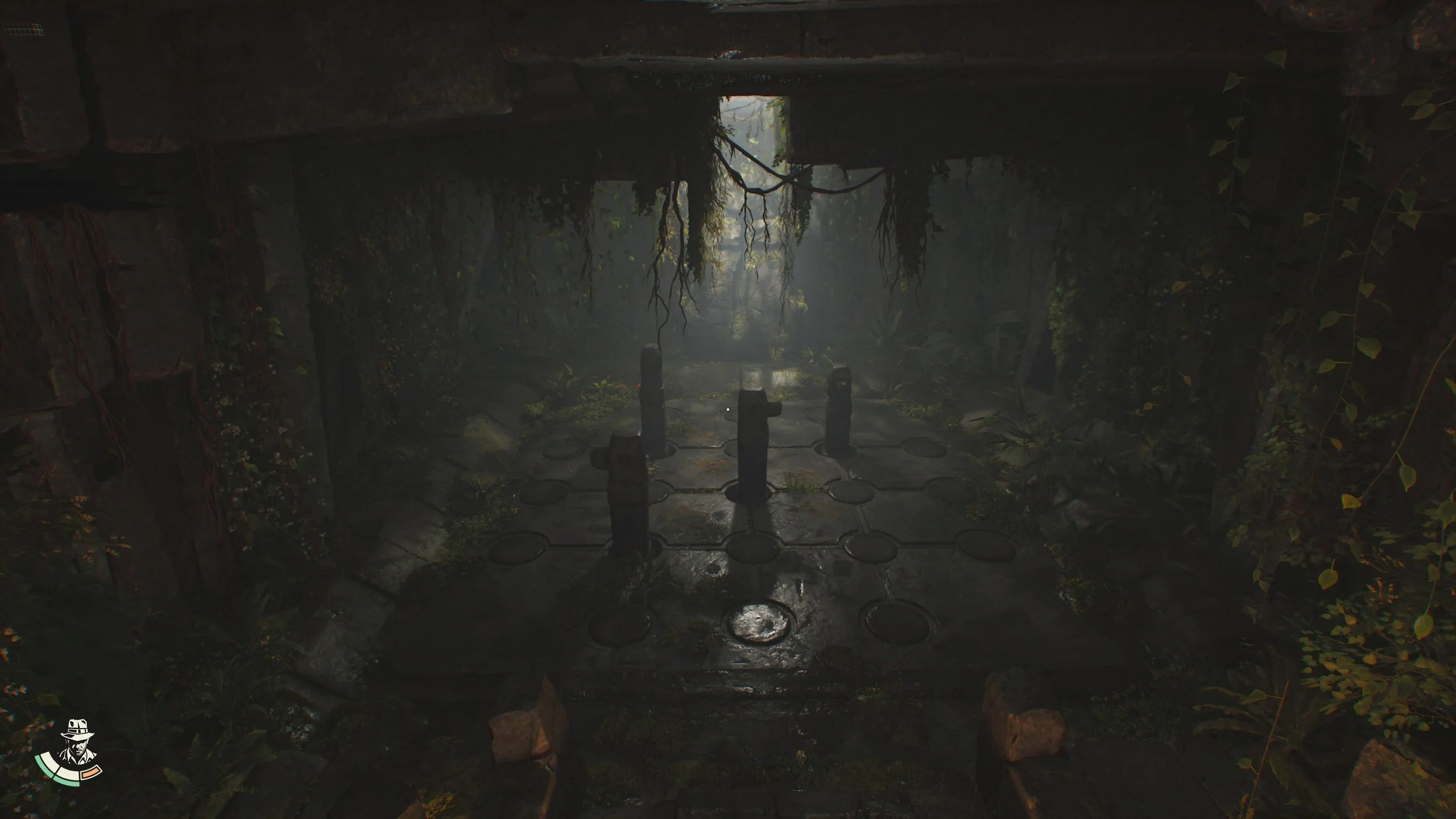
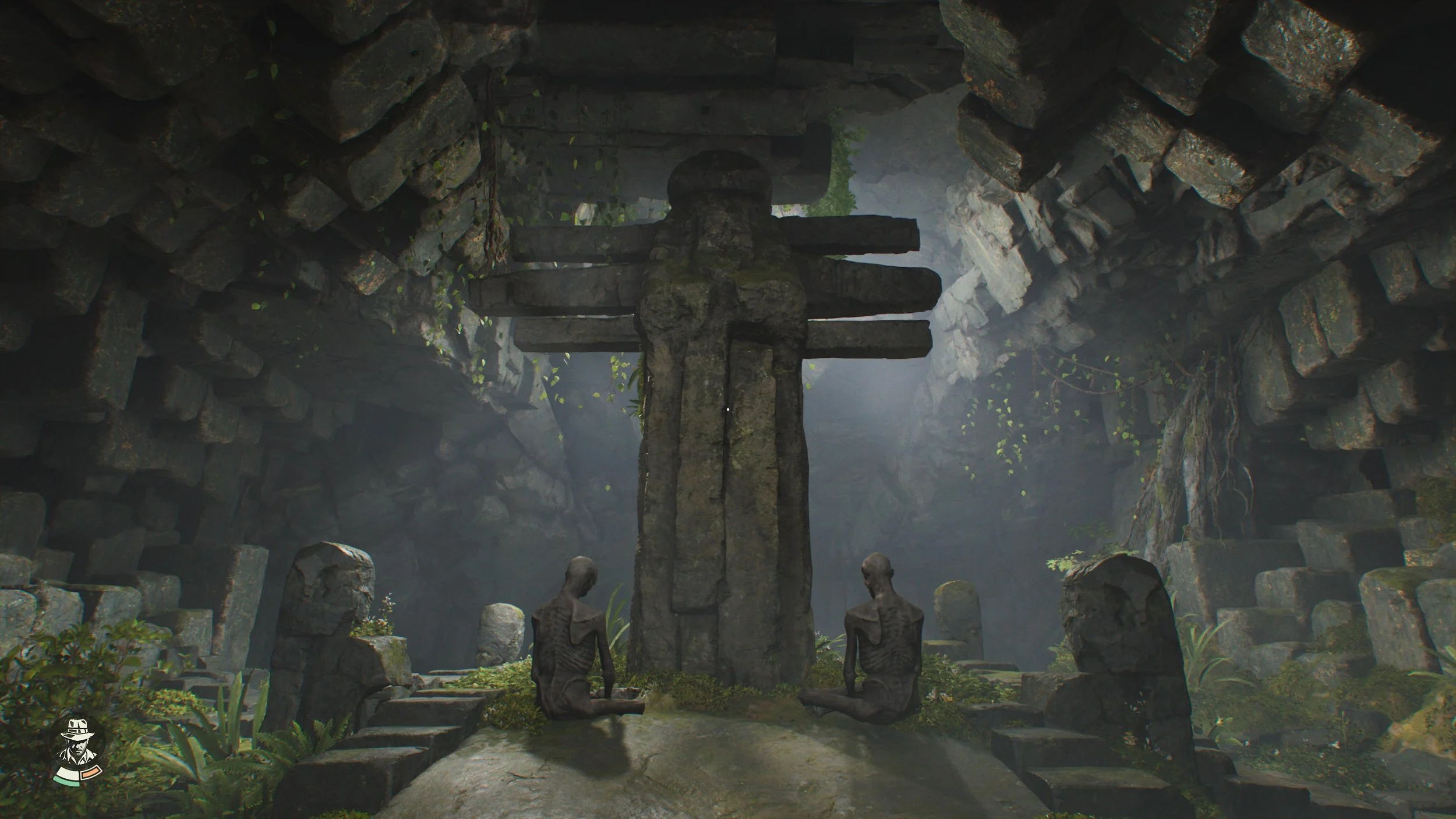
I have a huge amount of affection for the Indiana Jones series (excepting Crystal Skull—that was pure trash), but the videogames have always been a bit hit-or-miss. Mostly miss. So, when I heard MachineGames - the folks behind the brilliant Wolfenstein reboot - were taking the reins, I was genuinely excited.
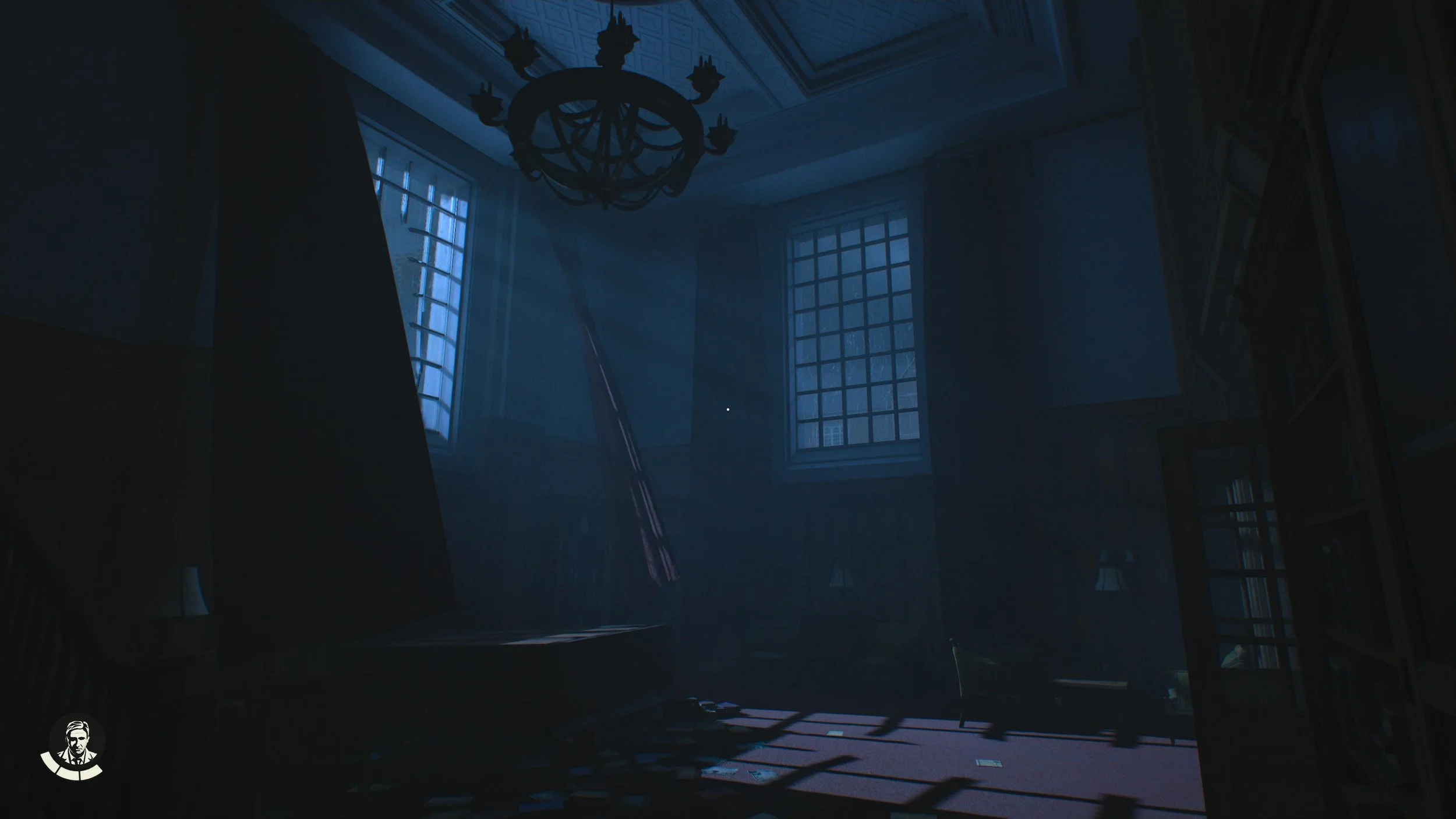
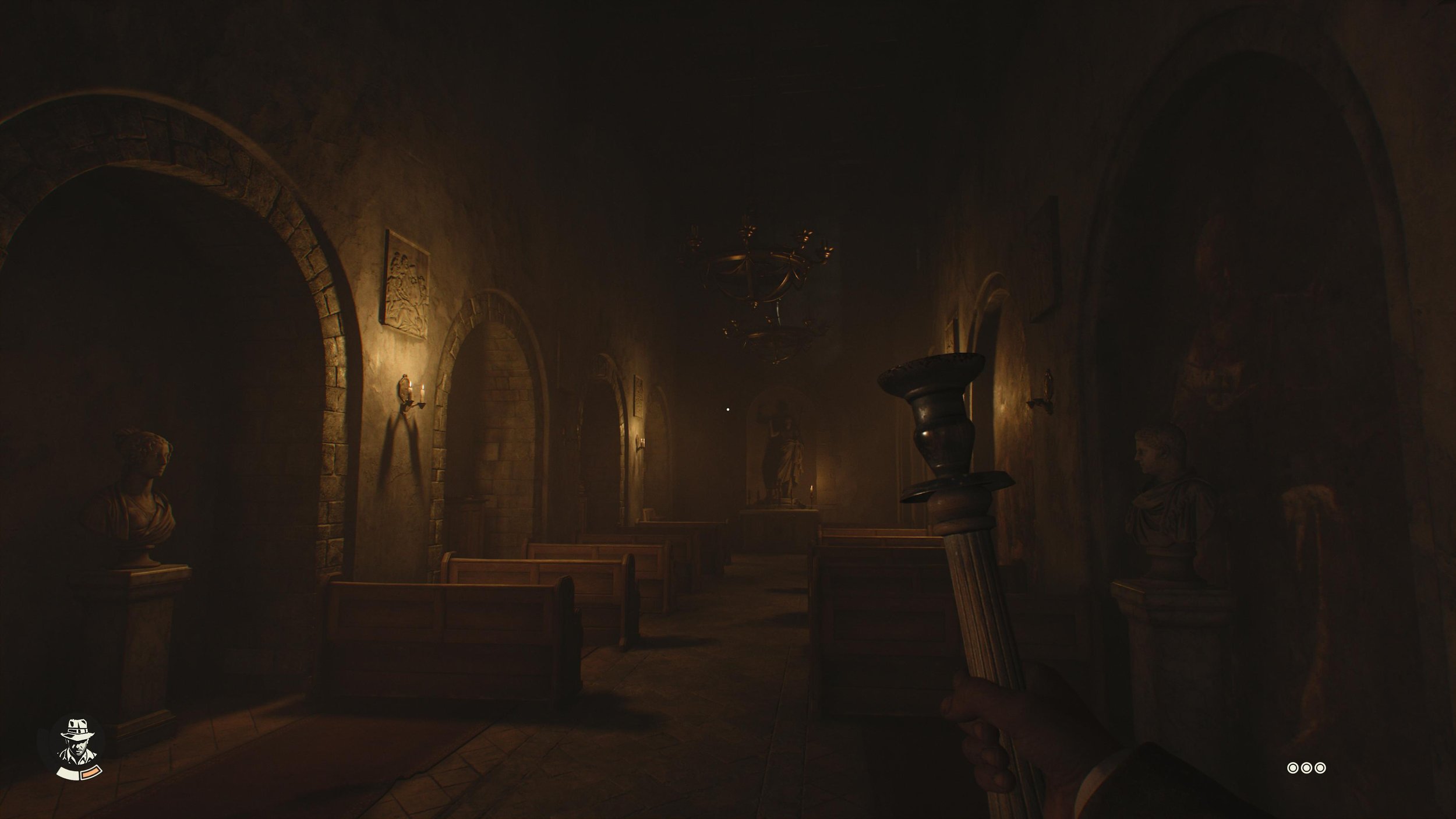
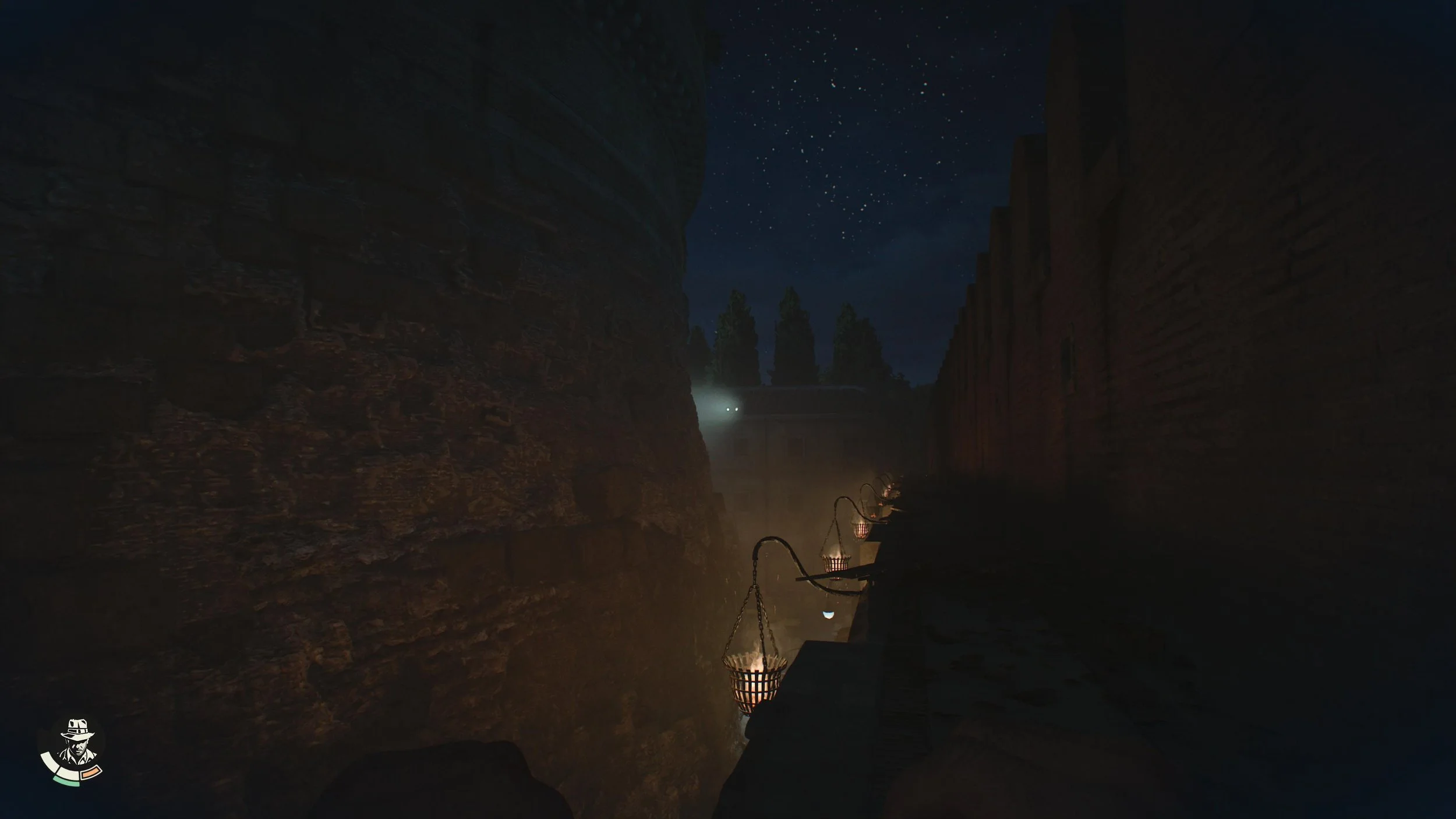
Being on PS5, I had to wait out the Xbox exclusivity window, but I bought it the moment it dropped. After installing a massive 132 GB download from a disc that felt like a glorified keycard, I finally dove in. The awe and wonder of the films were plain to see: the locales are breathtaking, the puzzles are surprisingly deep, and the voice acting is spot on.
I clocked the game in about 20 hours, and below are some of my favorite moments from the journey. Enjoy!

LINK: Videogames As Art - Nier: Automata
LINK: The Evolving Fears of a Horror Gamer
LINK: The Power of Stories and How They Are Manipulated
LINK: The Message by Ta-Nahisi Coates - Book Review (and Some Thoughts)
LINK: The Anxious Generation: Book Review (and Some Thoughts)
LINK: Utopia for Realists- Book Review
LINK: Toxic: Women, Fame and the Noughties- Book Review (and Some Thoughts)
The Strange Works of Yoko Taro: From Drakengard to NieR: Automata - Book Review (and Some Thoughts)
Yoko Taro is a true auteur. He produces singular, philosophical video games that leave you questioning the big questions: life, the universe, and everything in between. While he occasionally appears on the publicity circuit, he does so famously wearing a giant Emil moon mask to hide his face. So, when I discovered there was a dedicated book exploring this enigmatic creator, I knew I had to pick it up.
Emil’s face is quite a startling visage but is the guise Taro wears for interviews.
The book opens with an introduction by Taro himself, where he expresses a characteristically dry surprise at being the subject of such a work. He playfully questions the sanity of the author before rolling with it in his usual philosophical style:
"In the end, we find ourselves in the following situation: some eccentric wrote a book on games designed by another eccentric and played by people who are equally eccentric. Frankly, I worry about the future of our planet."
Preface
We are treated to a short history of games as an essential pillar of human development, referencing Jean-Jacques Rousseau. Turcev argues that games represent the world more clearly than the world represents itself because they strip away the "background noise" of reality to isolate meaning.
While most popular games focus on the visceral thrill of violence, Turcev argues that Taro stands out because his work is inherently existential. The author suggests that Taro "...perceives entertainment as a hope, a horizon, a bulwark against evil." He even goes as far as to say that by creating these games, Taro is "trying to save the world." I’m not sure I’d go quite that far, but it’s certainly a provocative thought to ponder while slashing through robots.
Chapter 1: Creation
This chapter provides essential context on the Japanese gaming industry in the early 2000s—a landscape of economic stagnation and studio mergers. It was during this period of consolidation that the idea for Drakengard was born: Ace Combat, but with dragons.
We get a brief, self-deprecating biography of Taro, who describes himself as a "dark, short otaku" who wasn't exactly part of the "in-crowd." This outsider perspective clearly fueled his writing, which often explores the dangers of tribalism. The development of Drakengard was a struggle; feature creep from management pushed a modest team to their breaking point. The result was a buggy, glitchy mess, yet it possessed a spark of something special—a mature, complex story influenced by Evangelion and Berserk.
The book then tracks the series' evolution through the 2008 economic crisis, leading to the original NieR. Taro’s inspiration for NieR was the aftermath of the September 11th attacks—the idea that killing often stems from a conviction that one is doing the right thing. This led to the game's famous multiple-ending structure, which forces players to view the conflict from the perspective of their enemies. I’ve linked a couple of videos below that explain the story and themes of the Nier games in detail (all credit goes to their awesome creator)
Chapter 2: Music – Monaca’s Angels
The soundtrack to NieR: Automata sold over 30,000 copies in its first week, catapulting composer Keiichi Okabe into the spotlight. As someone who owns the vinyl boxset (the jewel of my collection), I appreciated the focus here. Turcev notes that JRPG soundtracks are often more scrutinized because players spend dozens of hours immersed in them.
We learn about Okabe’s background in pop music and his work on Tekken, and how he teamed up with the Monaca collective to create a sound that is poppy yet baroque. A major highlight is the discussion of the "Chaos Language" used by singers Emi Evans and Nami Nakagawa. By using a made-up language, the music transmits pure emotion directly to the listener, unburdened by the specific meaning of words.
Chapter 3: Universe
Taro’s worlds are a pell-mell of medieval fantasy, sci-fi, eugenics, and otaku culture. Interestingly, the book notes that much of this was built on vibes and floating ideas rather than a rigid master plan—much like Hideaki Anno’s approach to Evangelion.
The book dedicates over 100 pages to breaking down the interconnected lore of Drakengard and NieR. Even for a fan, the Gestalt and Replicant projects can be a headache, but Turcev’s retelling clarified several points I hadn't thought about in 15 years. It was a joy to revisit characters like Kainé; her foul-mouthed, aggressive exterior remains one of the most memorable character designs in gaming history.
Chapter 4: Analysis
In the final section, Turcev peels back the trickster persona Taro adopts in public. He argues that Taro is a humanist at heart who believes games can influence the real world. His work isn't mature because of the blood or the character designs, but because he puts his characters under extreme pressure to unveil truths about the human condition.
Turcev uses the Socratic maieutic method to describe Taro’s style: breaking and converging perspectives until the player reaches an aporia—an intense dilemma where there is no easy right answer. We see this through the lens of various philosophers:
Freud: The struggle between Life and Death drives.
Gestalt Psychology: How society functions as a system that dominates the individual.
Sartre & Camus: The struggle for meaning in a deterministic world.
Final Thoughts
Nicolas Turcev has done an incredible job of synthesizing the chaos of Taro’s career into something academic yet accessible. The Strange Works of Taro Yoko is more than just a making-of book; it is an interrogation of why we play games and what they say about our soul.
Whether you are a person who has played every ending, or a newcomer who just liked the combat in Automata, this book offers a profound look at a creator who dares to use a "silly" medium to ask the most difficult questions. It reminded me that even in a world that feels like a never-ending spiral of life and death, there is beauty in the struggle—the Agaku. If you’ve ever finished a Taro game and sat in silence as the credits rolled, wondering what it all meant, this book is the companion you’ve been looking for.
LINK: Videogames As Art - Nier: Automata
LINK: The Evolving Fears of a Horror Gamer
LINK: The Power of Stories and How They Are Manipulated
LINK: The Message by Ta-Nahisi Coates - Book Review (and Some Thoughts)
LINK: The Anxious Generation: Book Review (and Some Thoughts)
LINK: Utopia for Realists- Book Review
LINK: Toxic: Women, Fame and the Noughties- Book Review (and Some Thoughts)
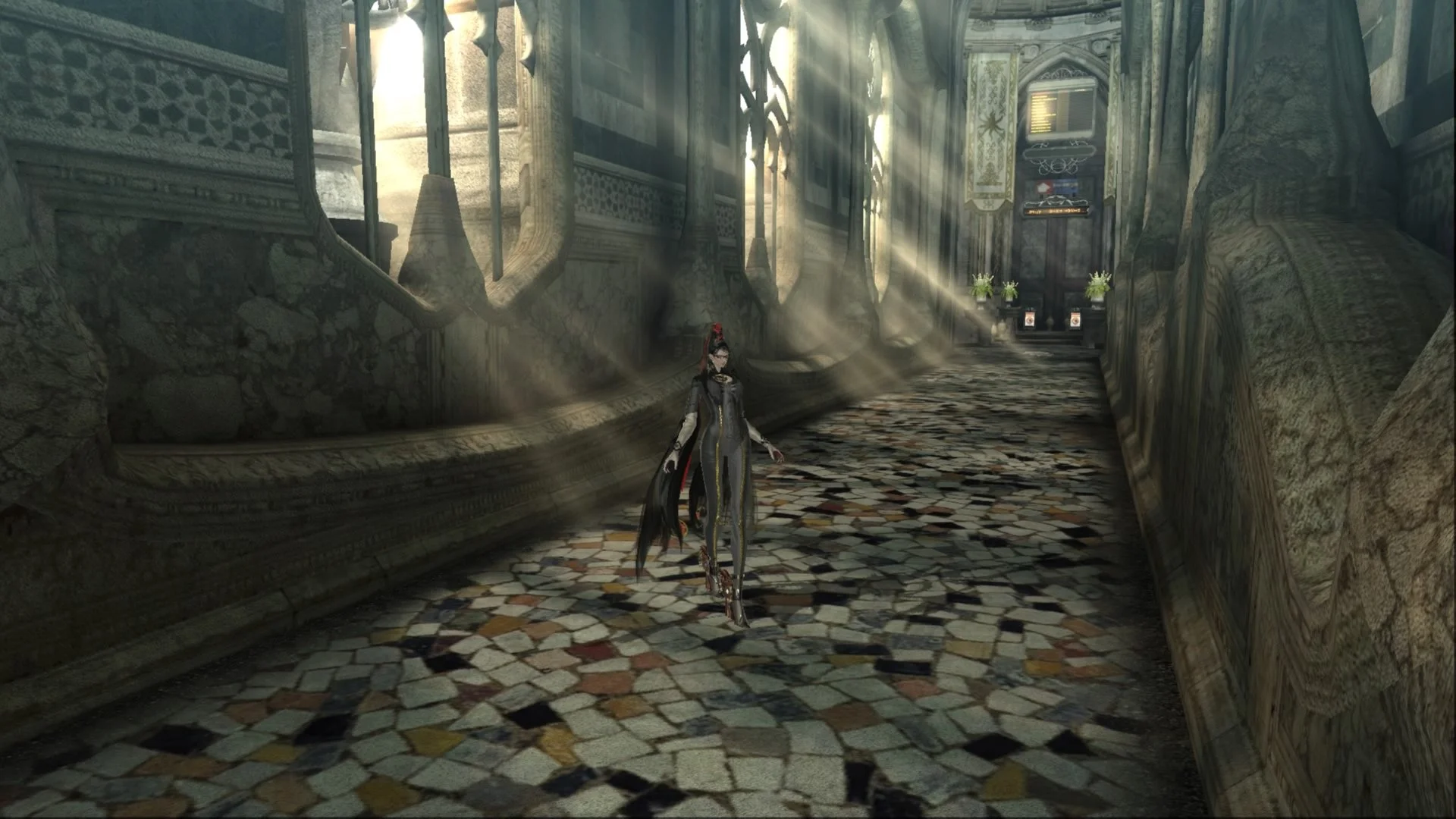
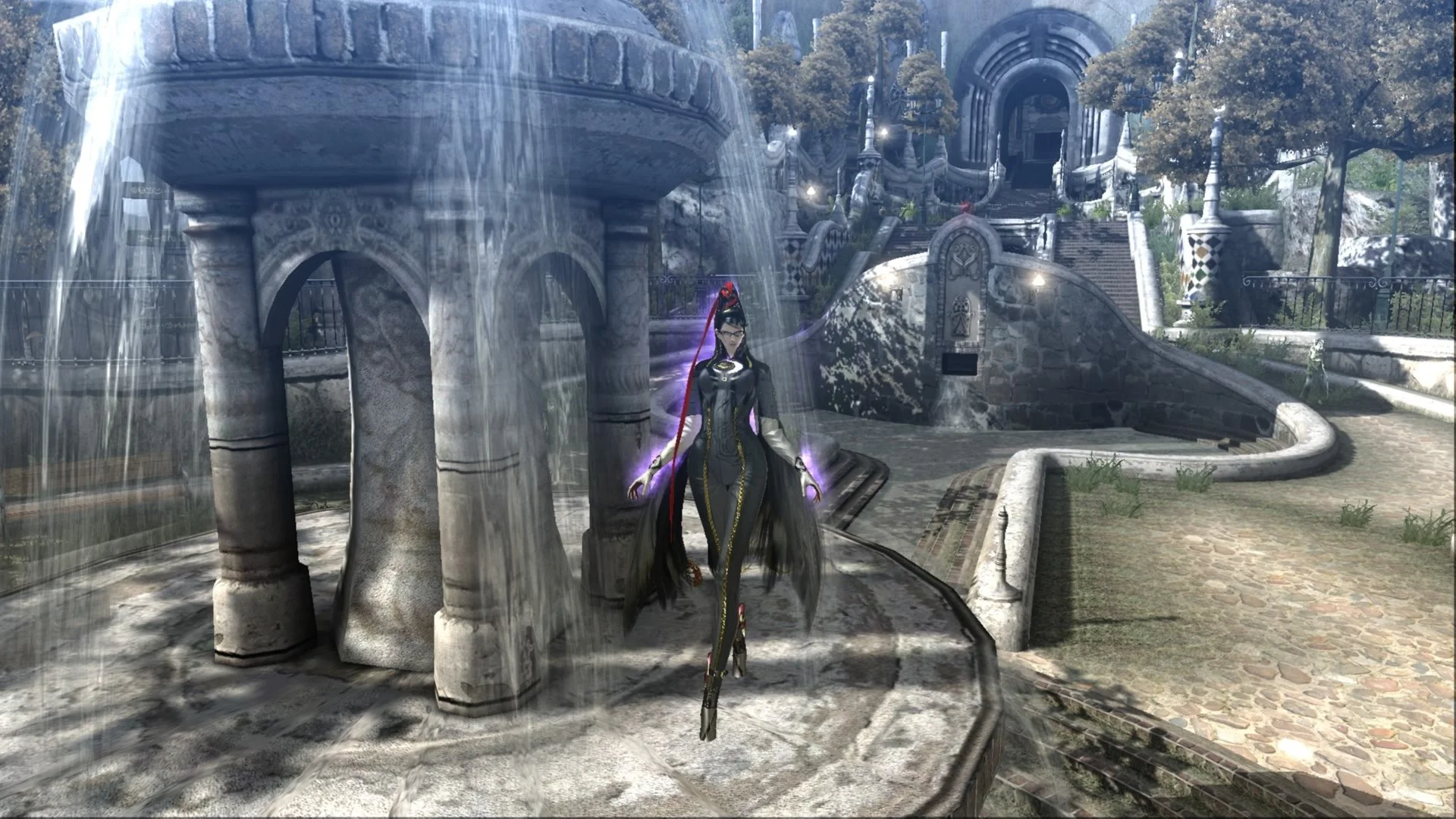
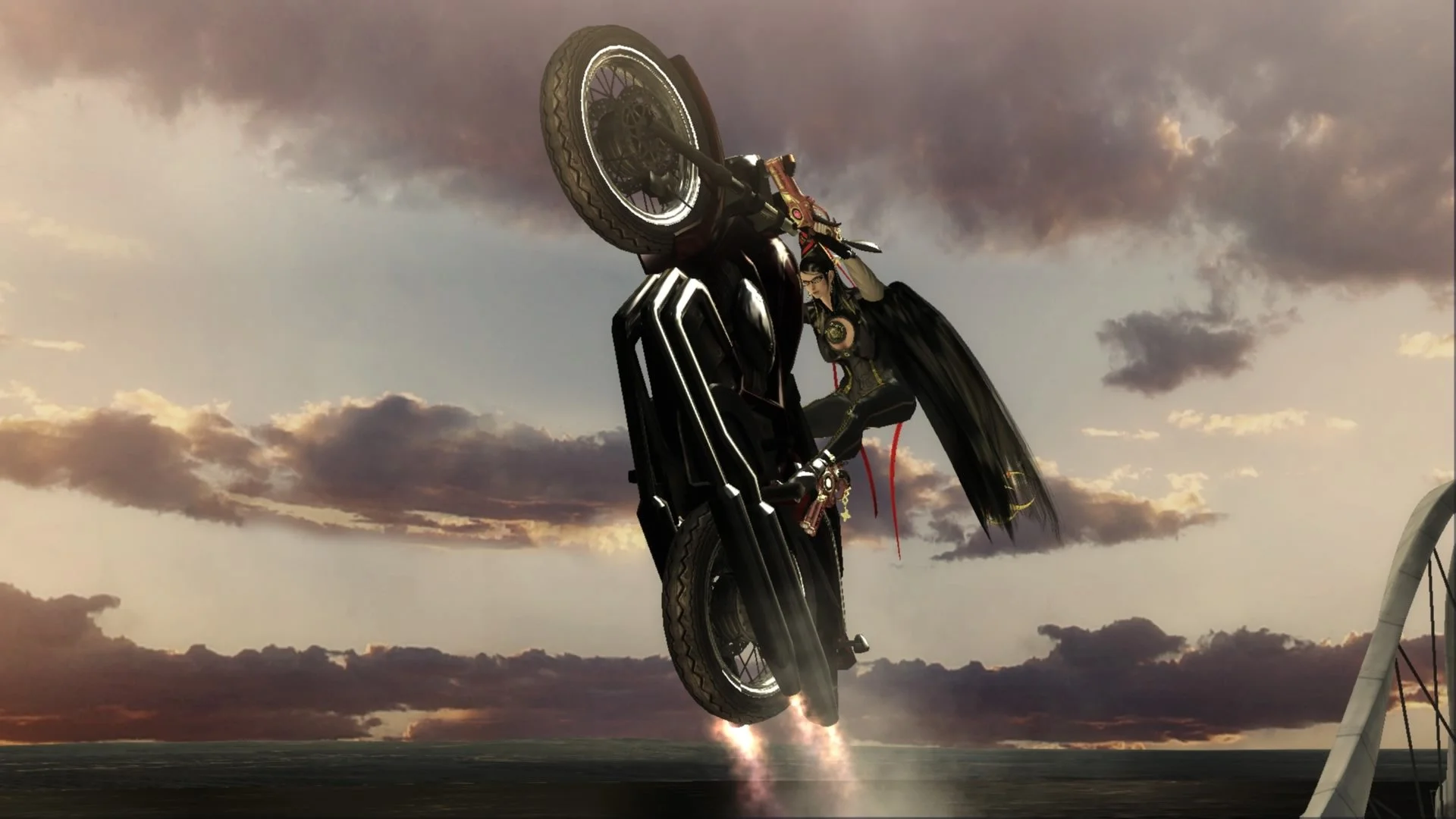
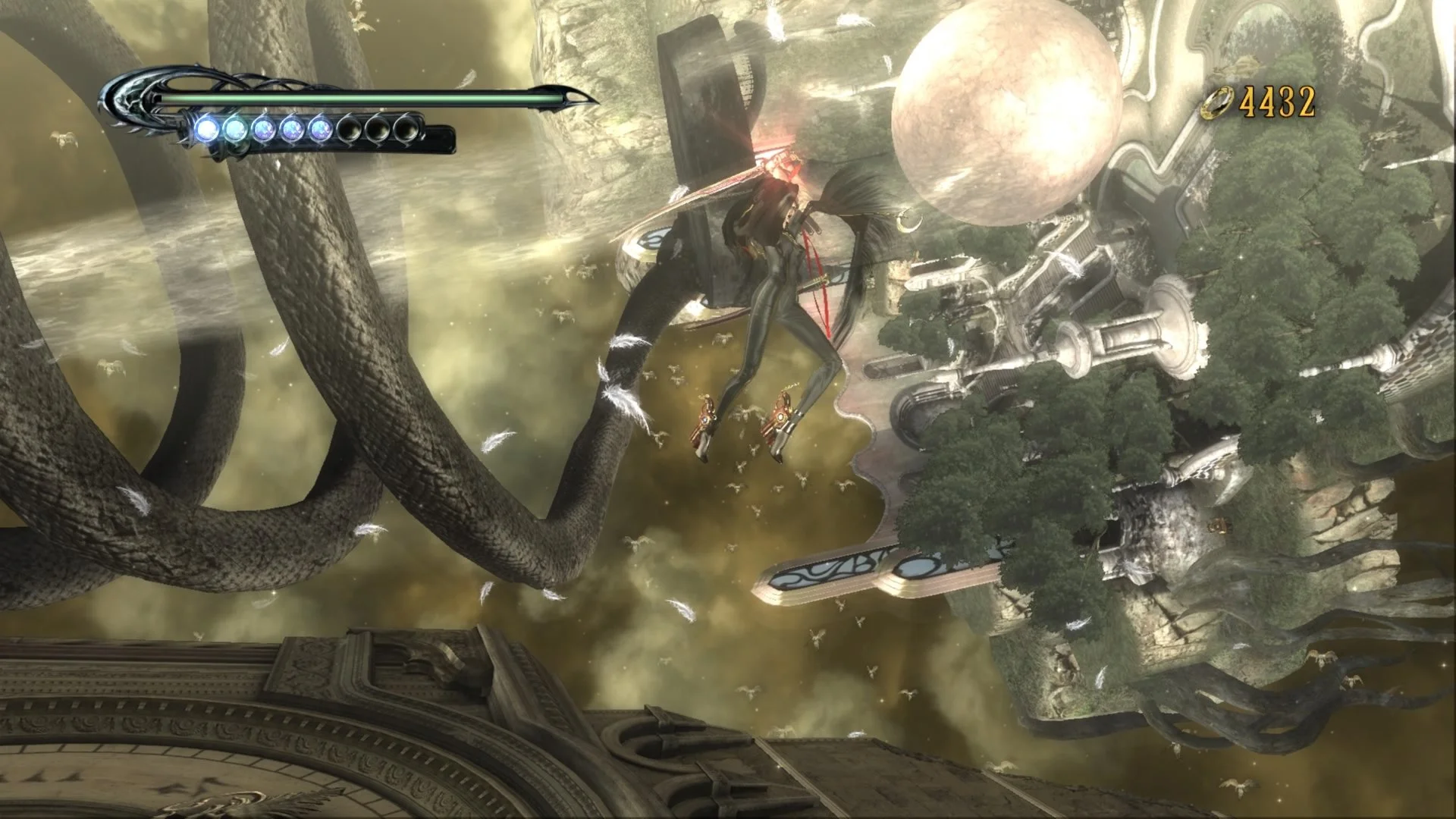
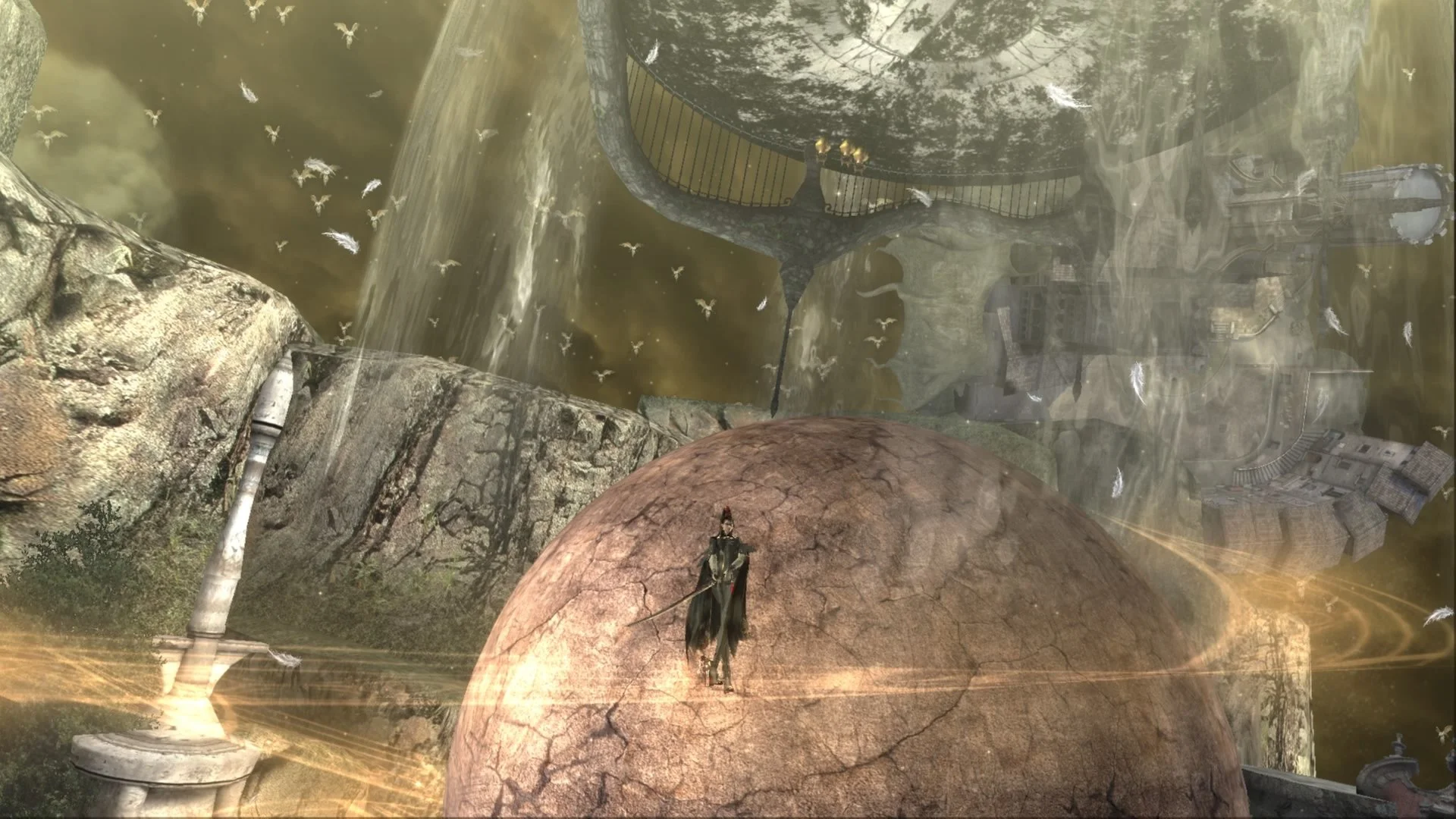
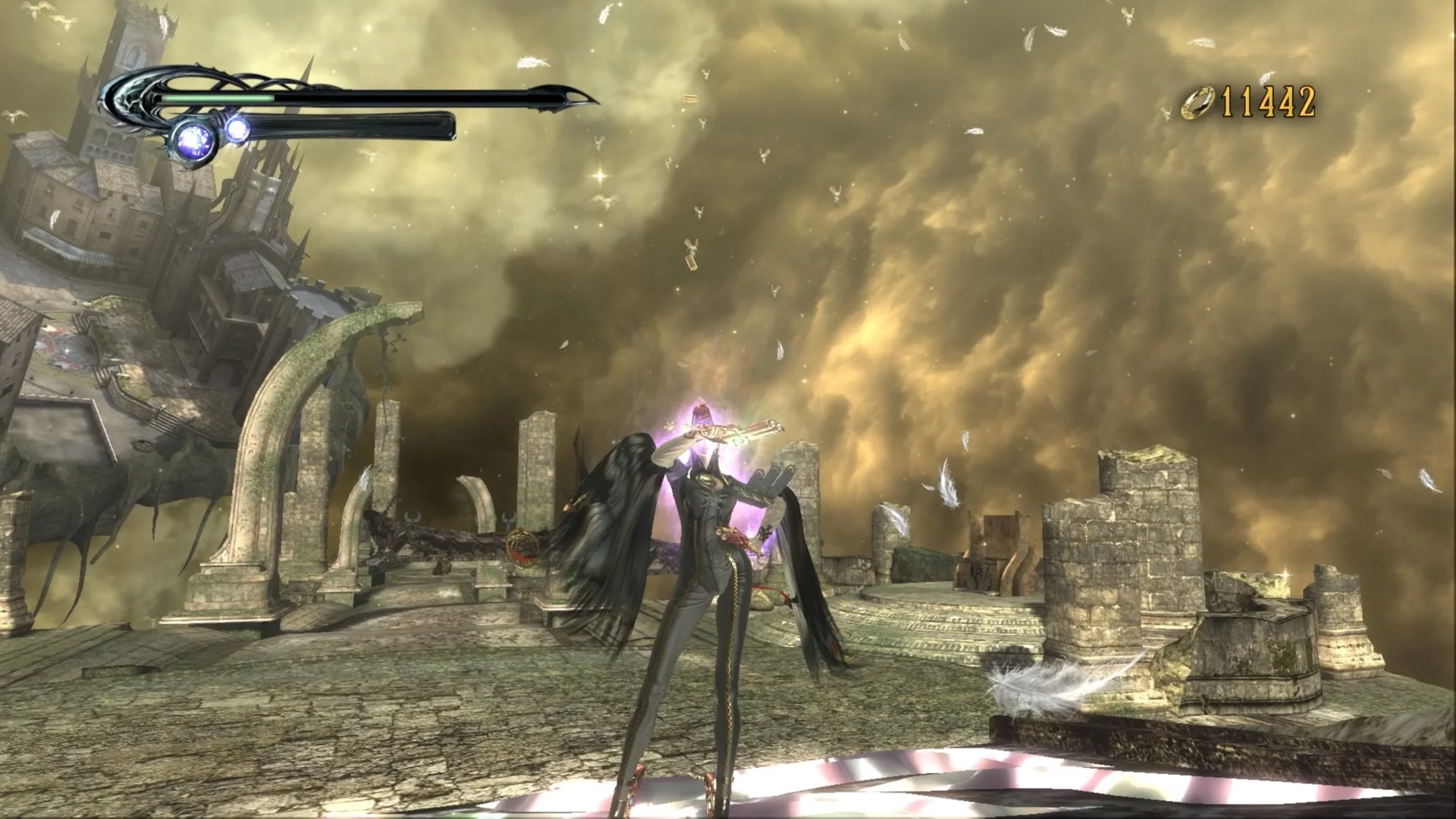
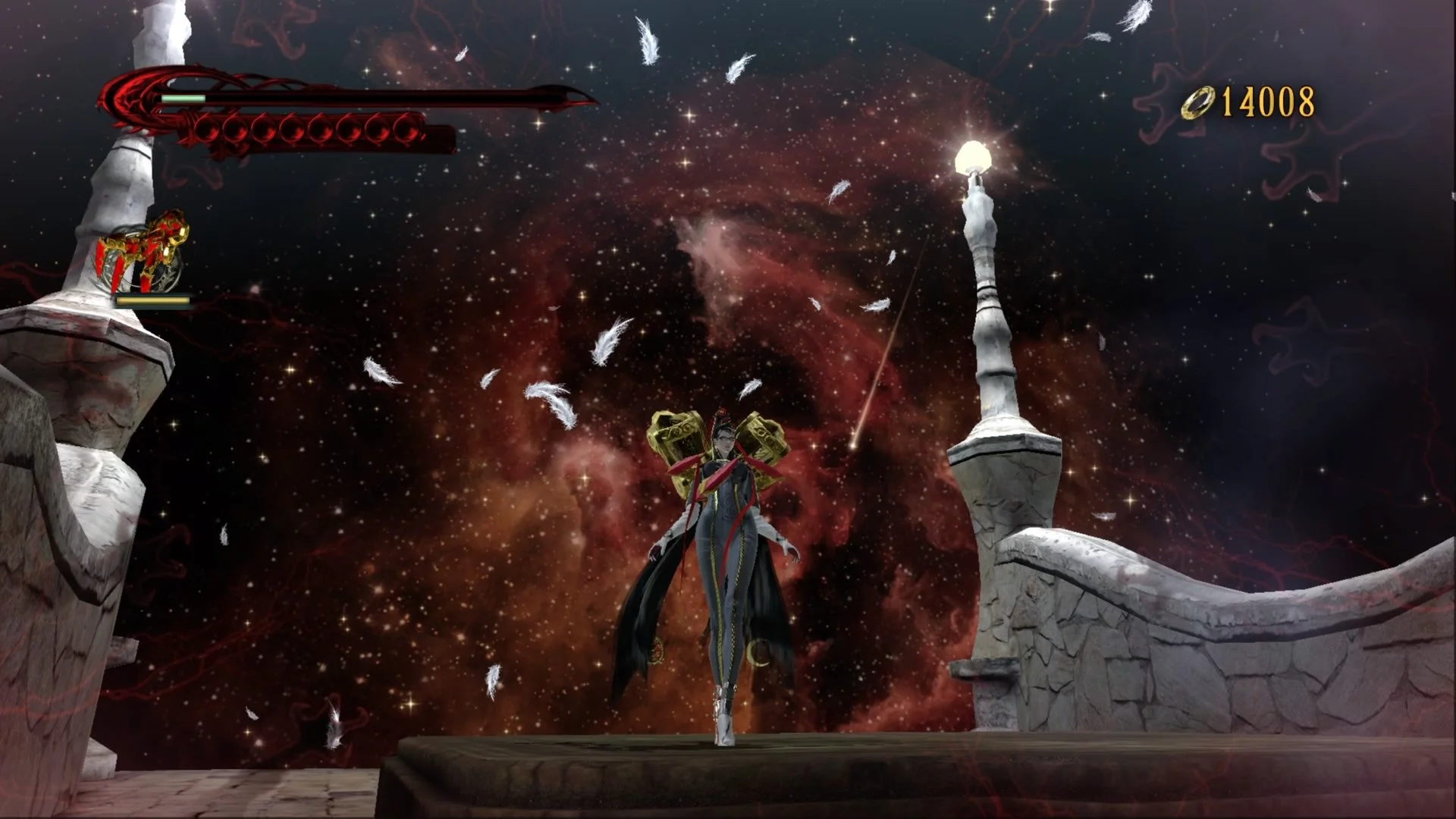
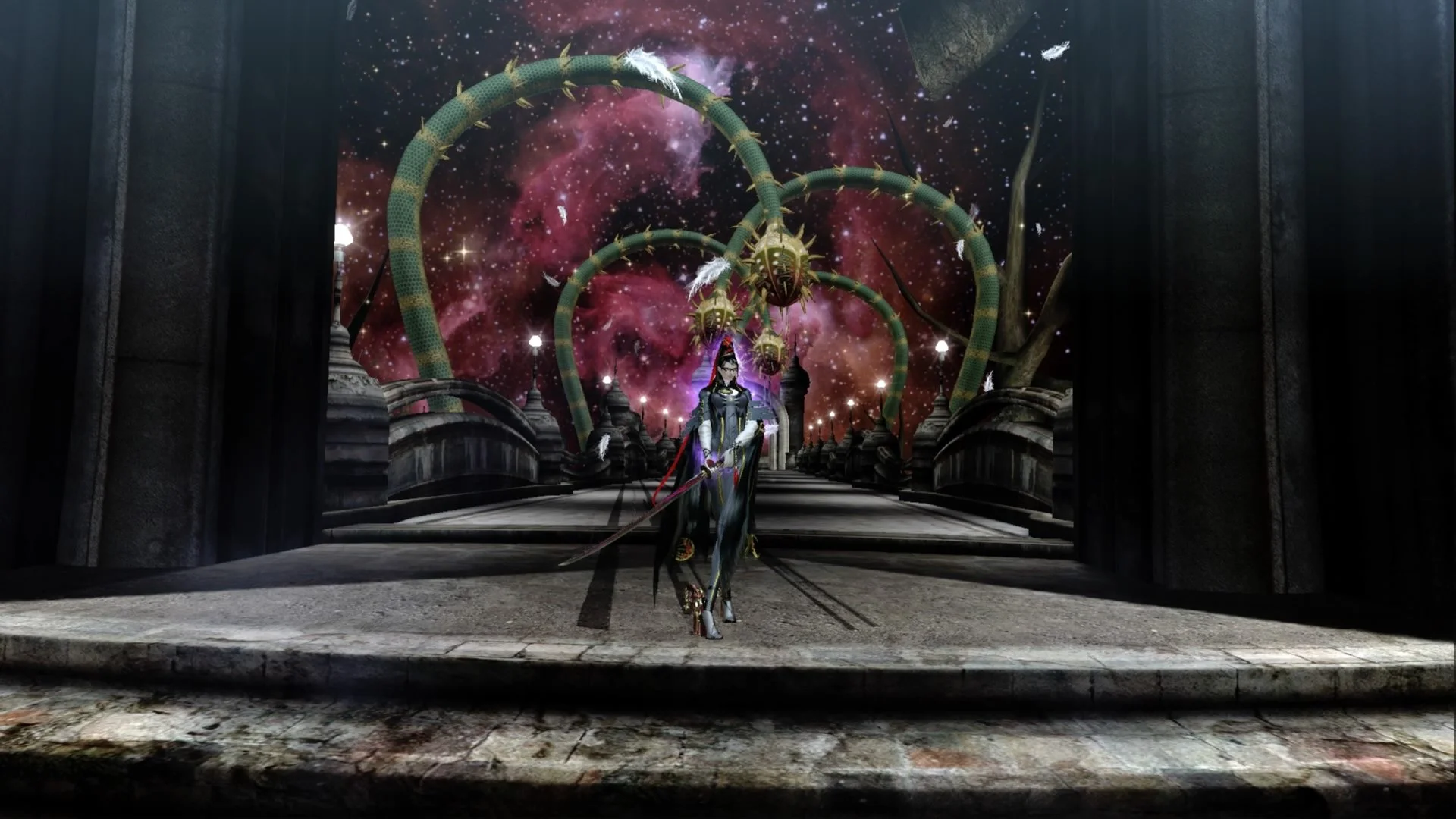
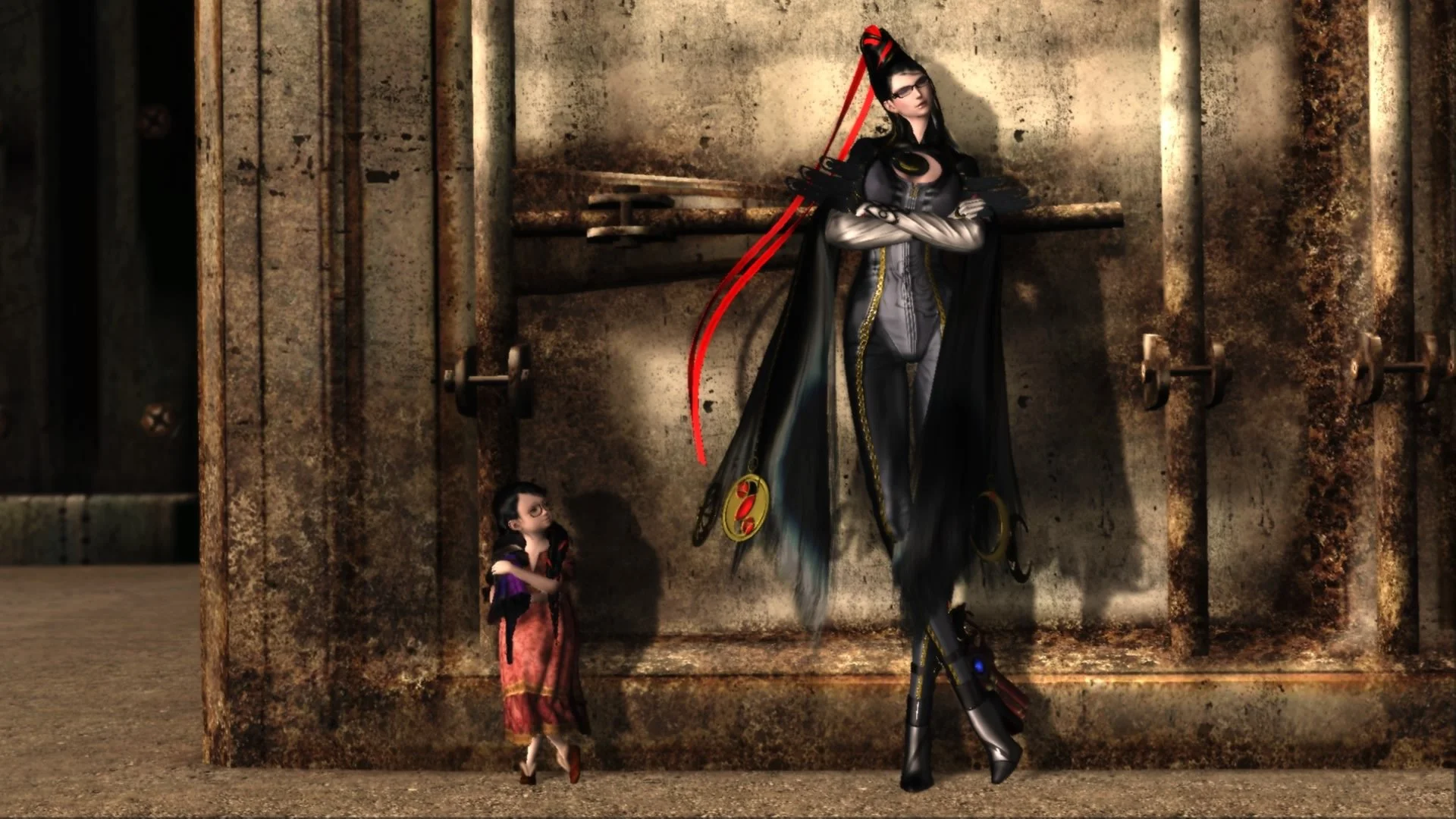
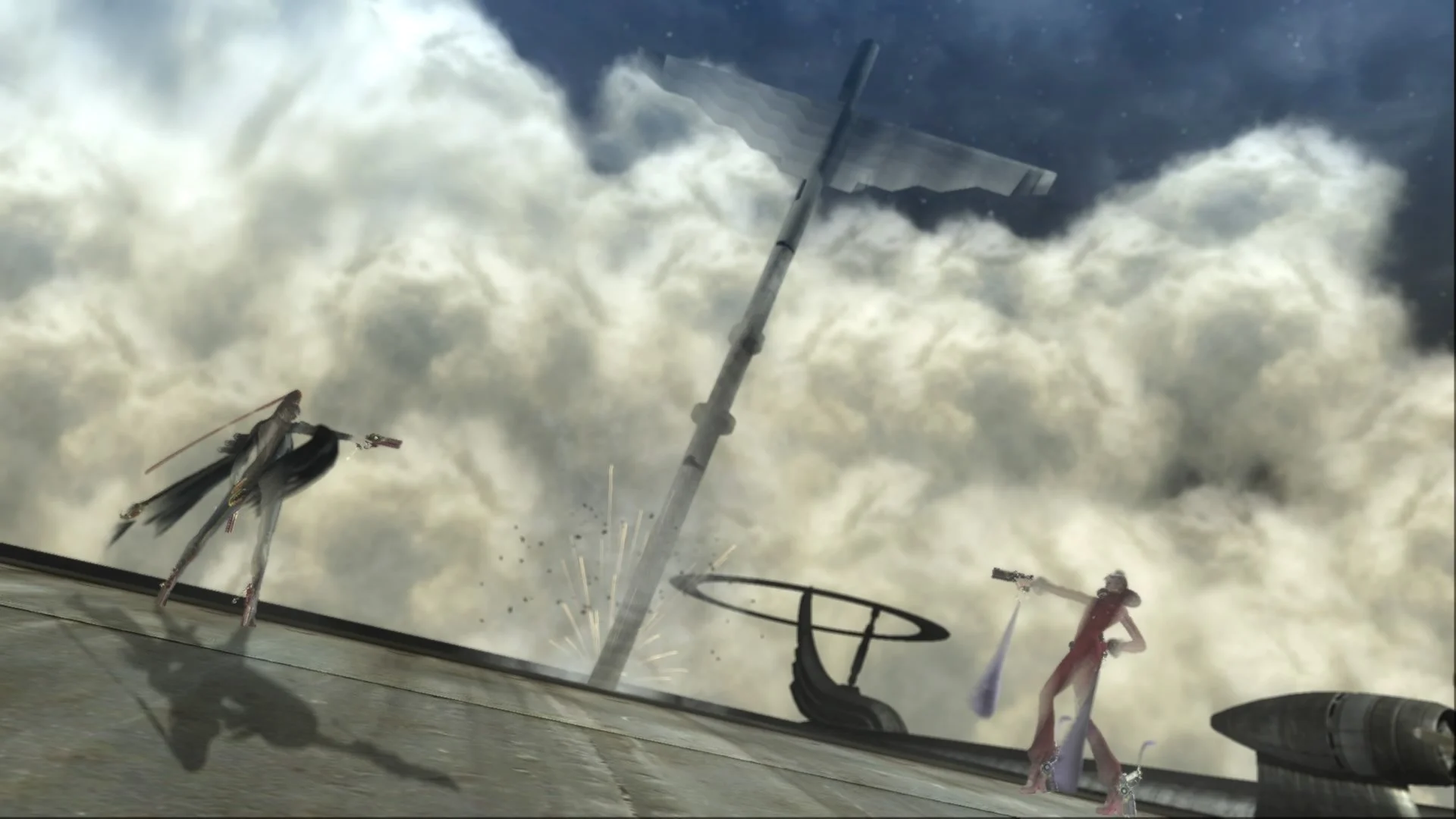
Bayonetta - Videogames As Art
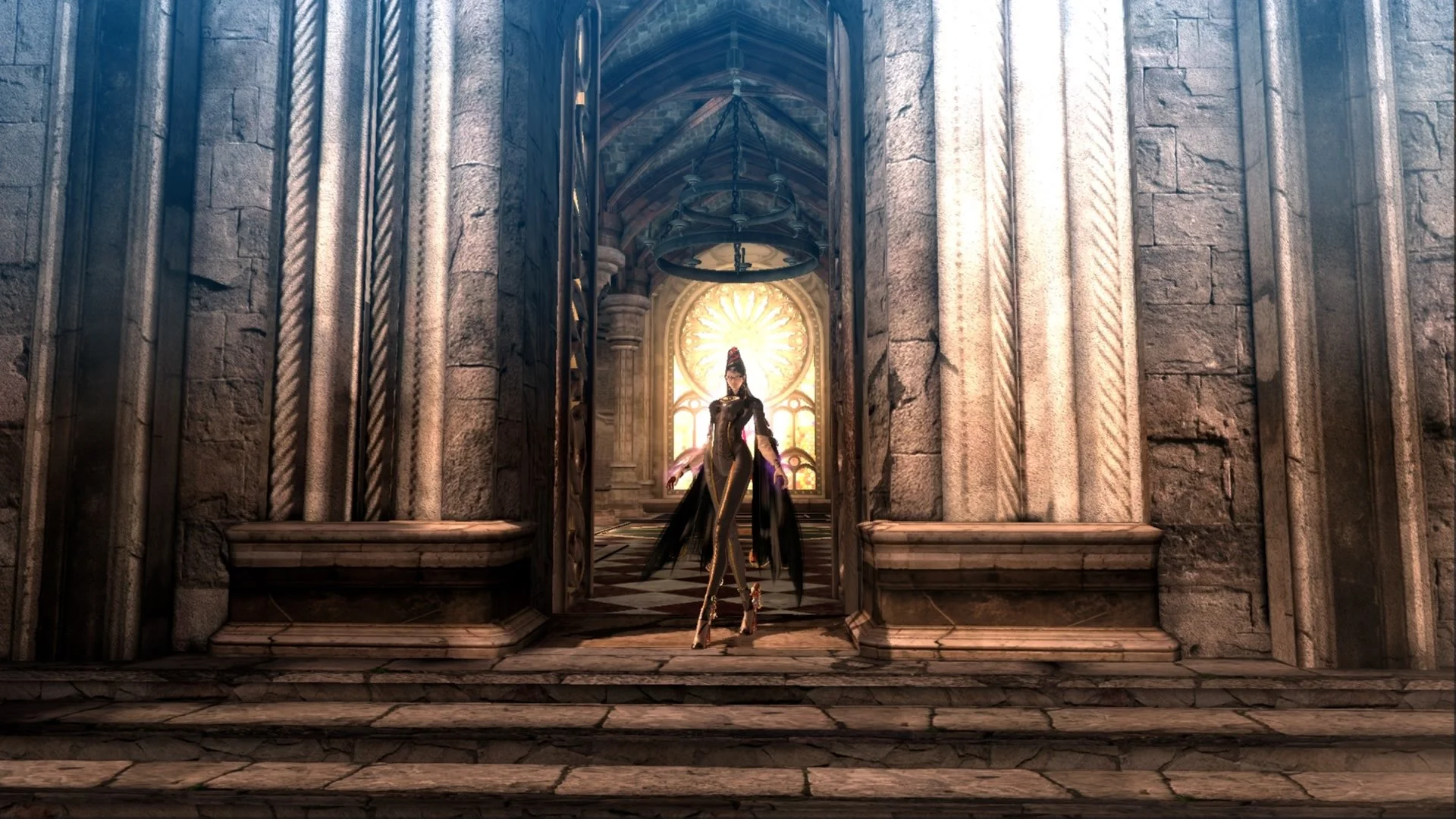
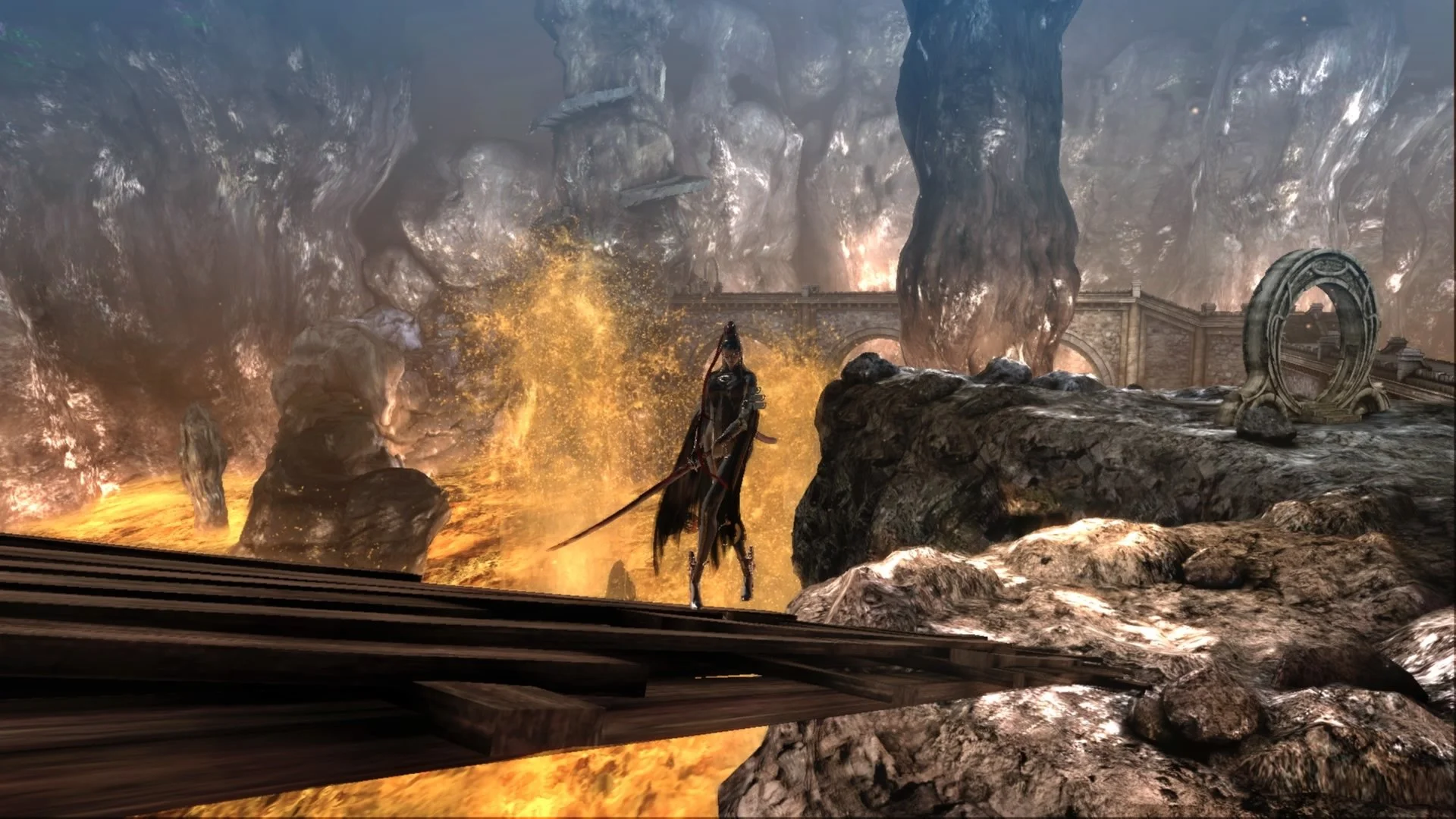
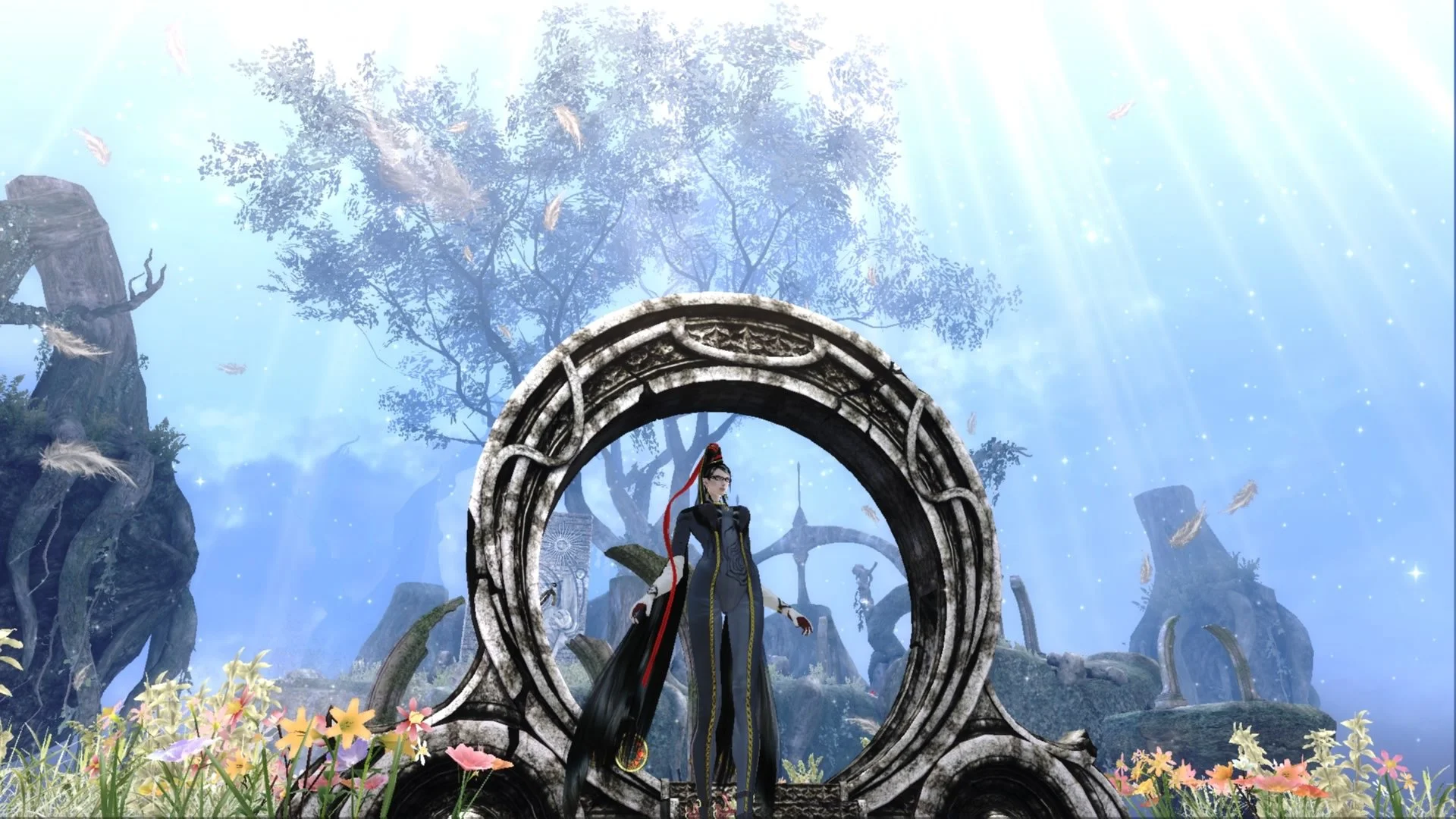
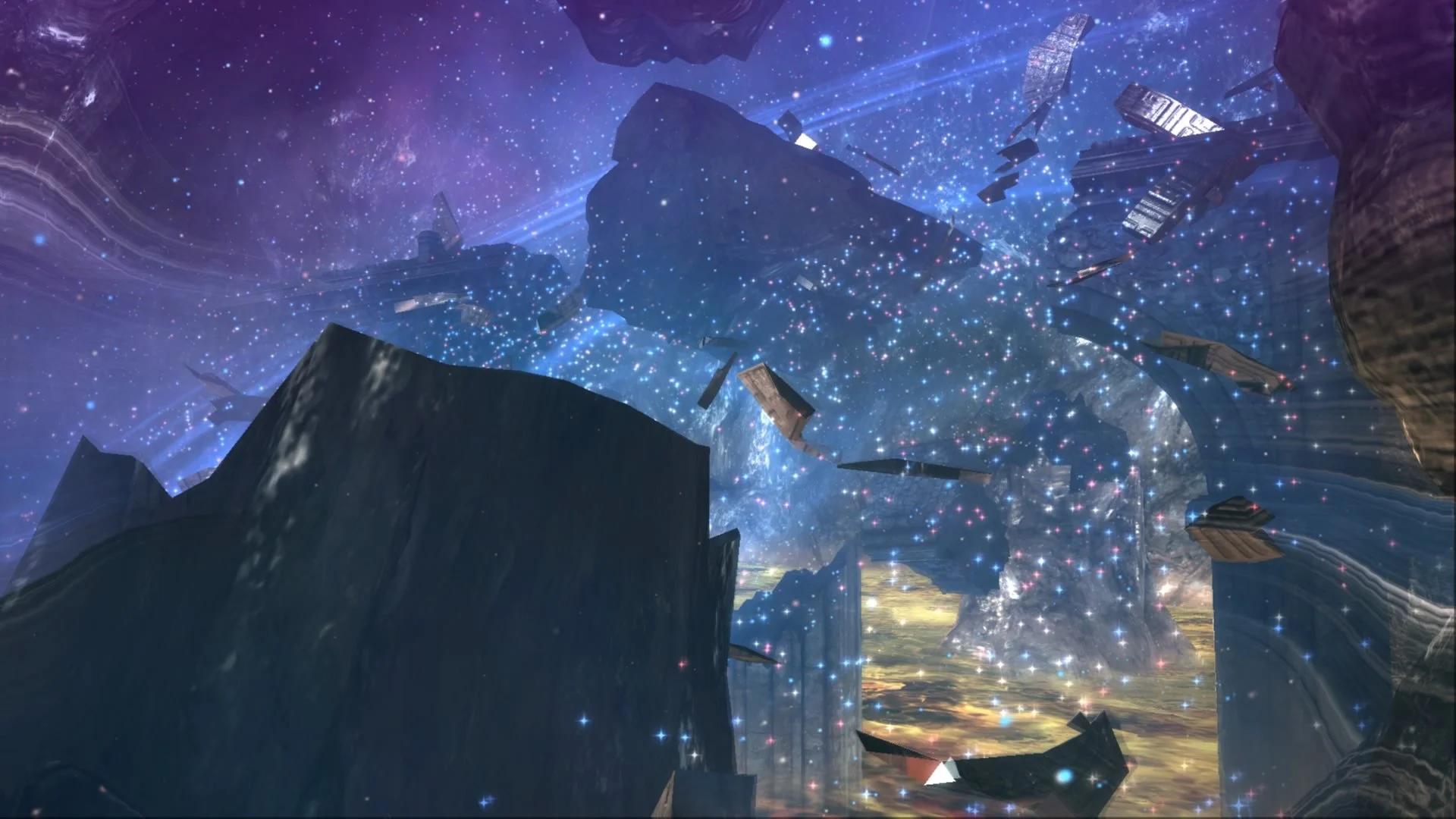
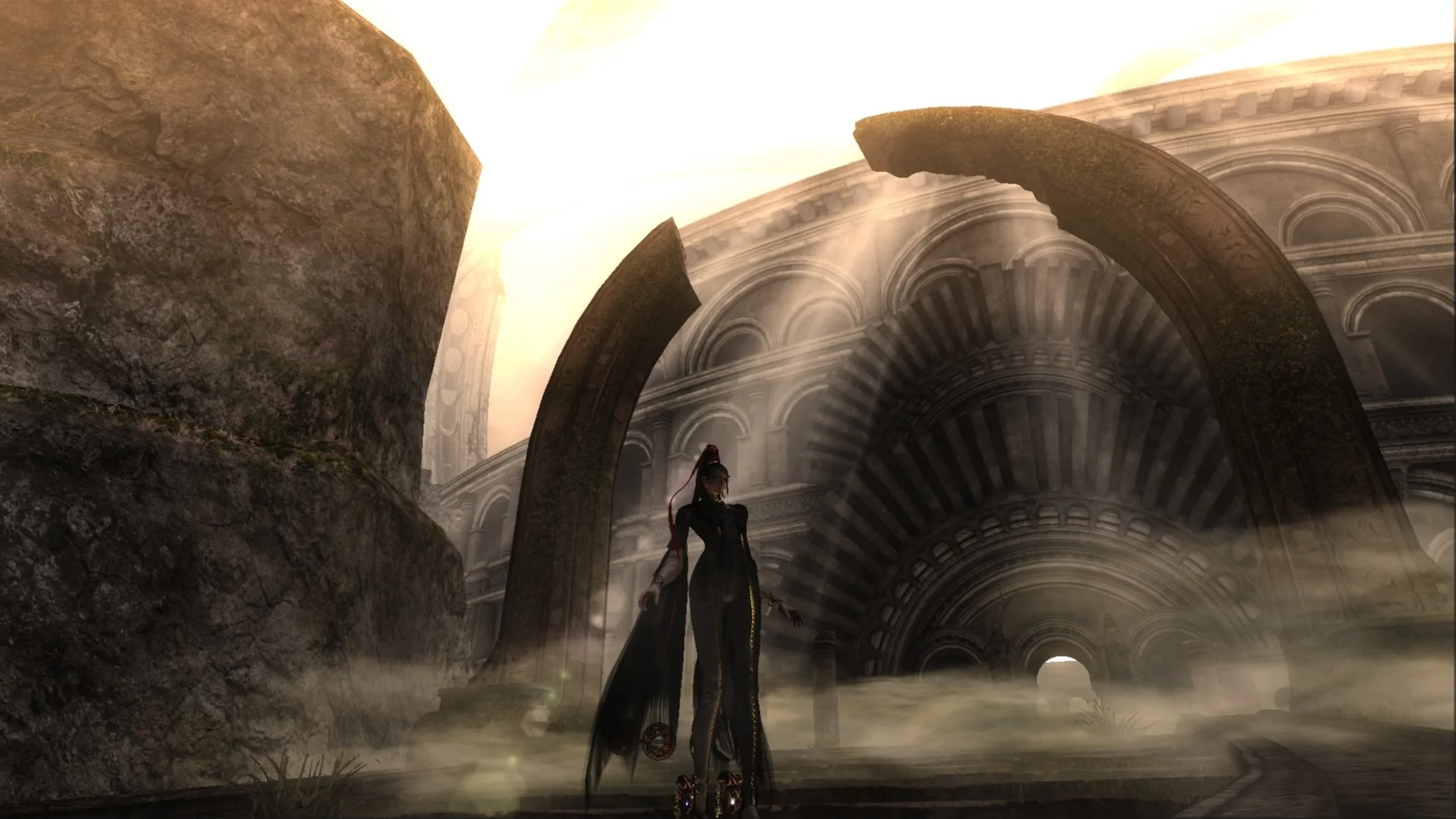
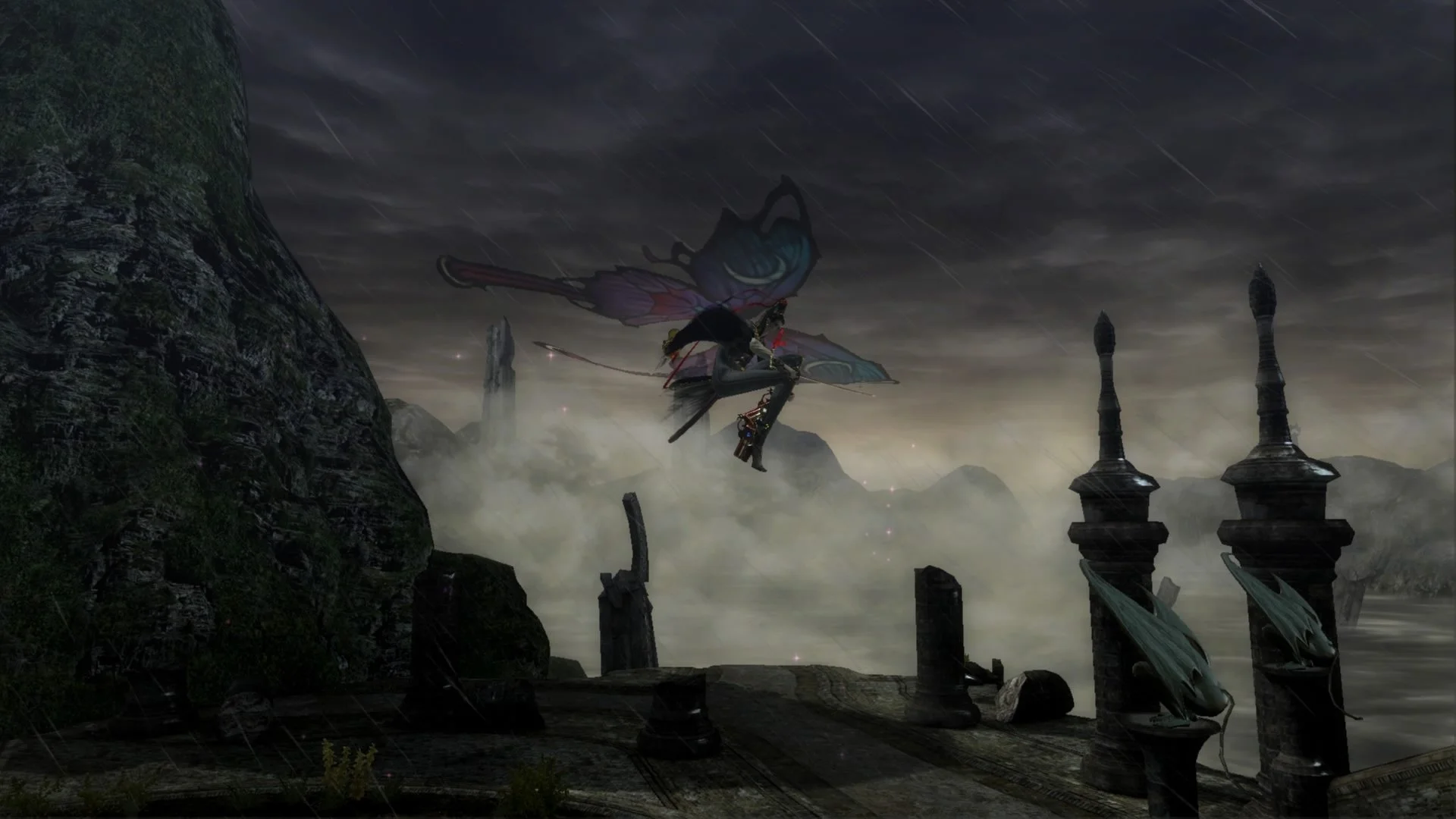
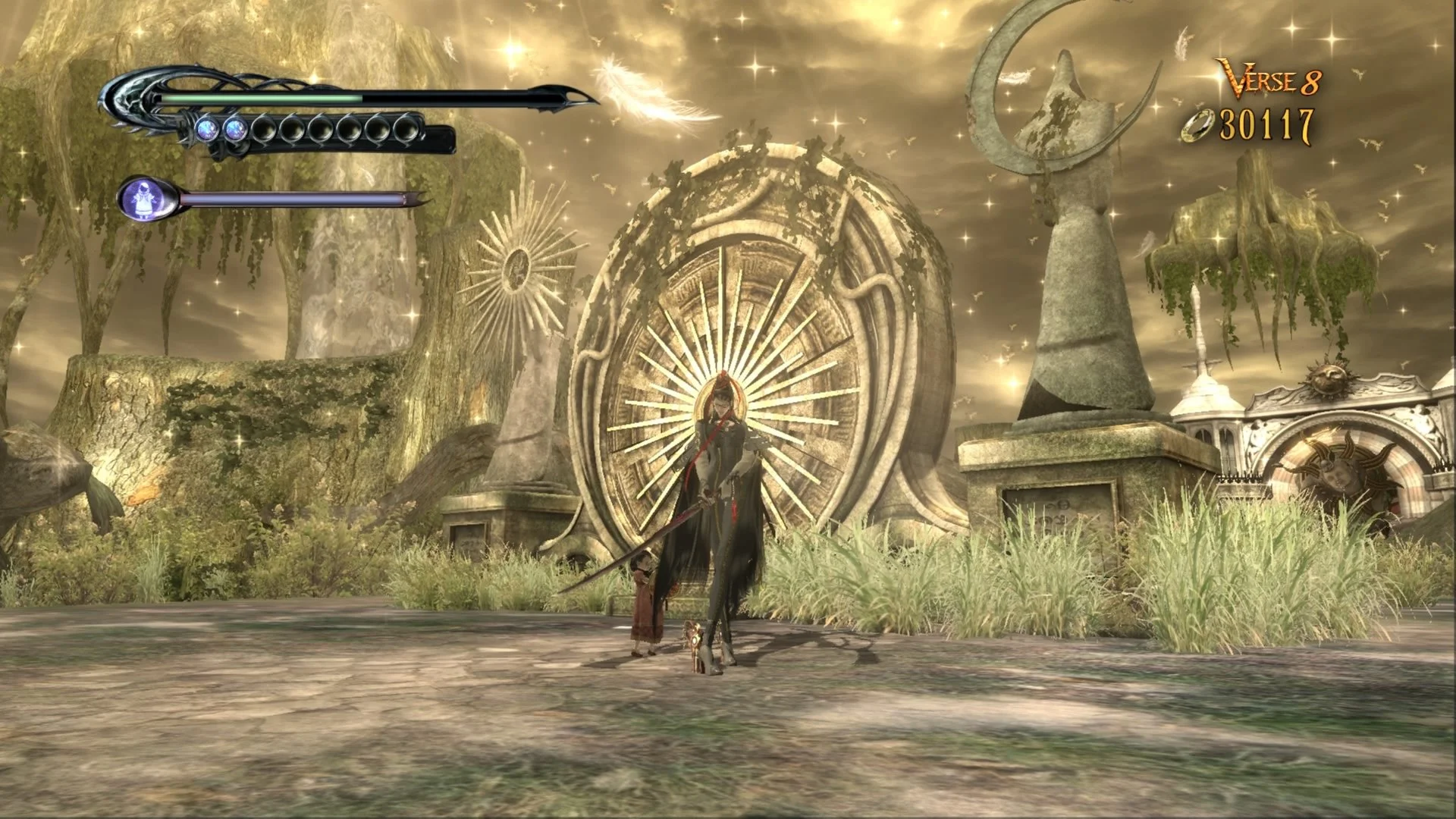
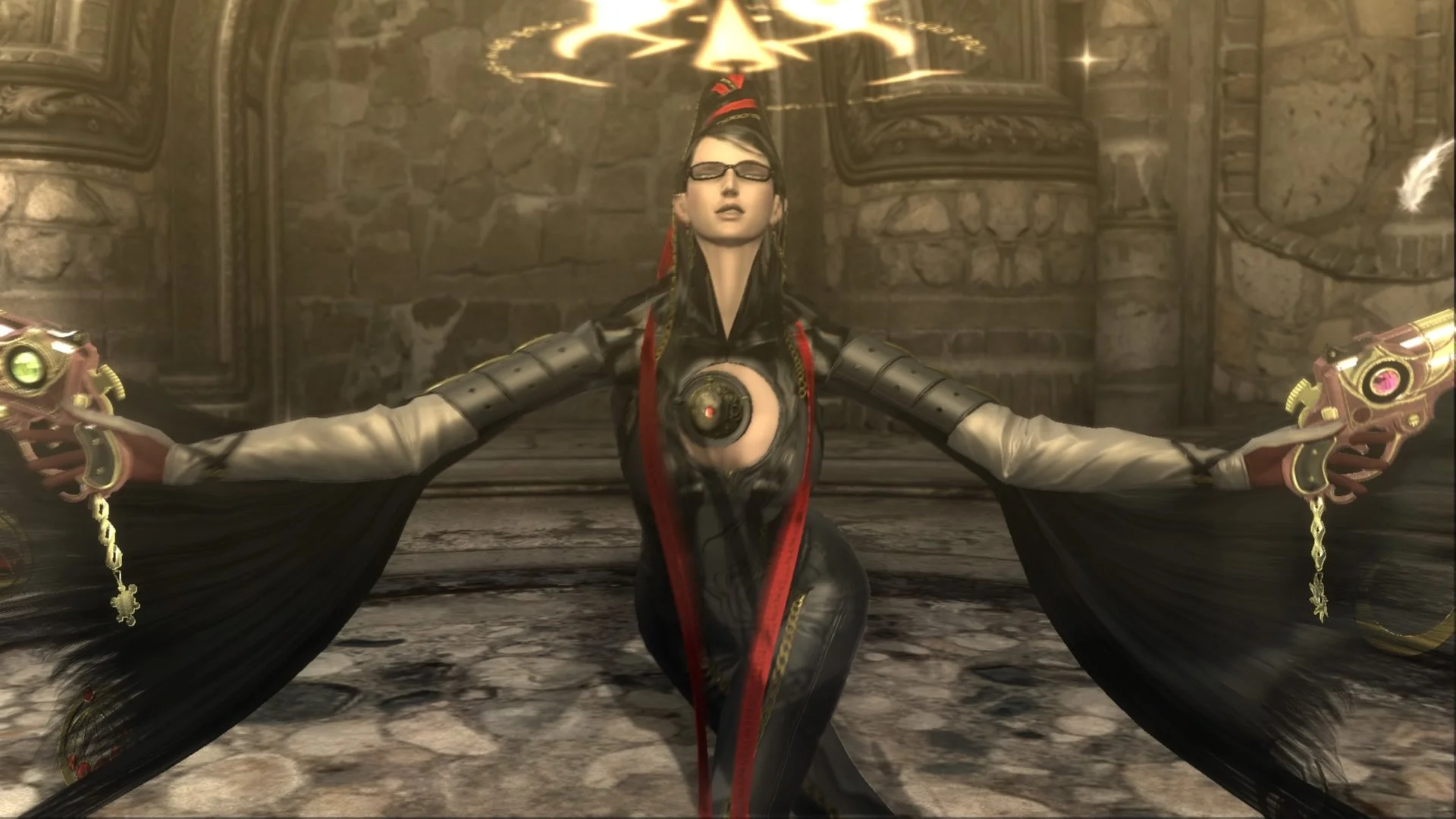
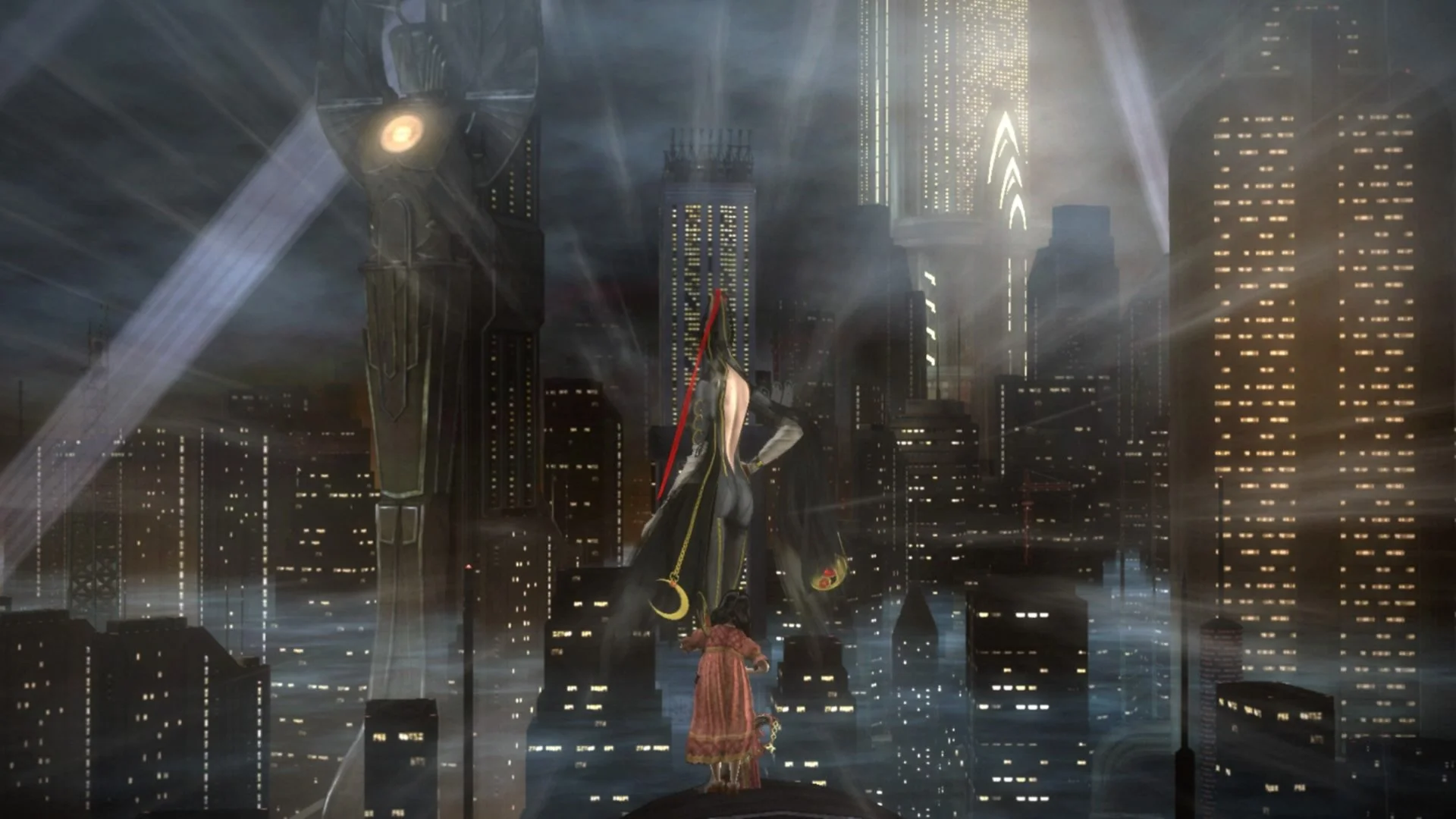
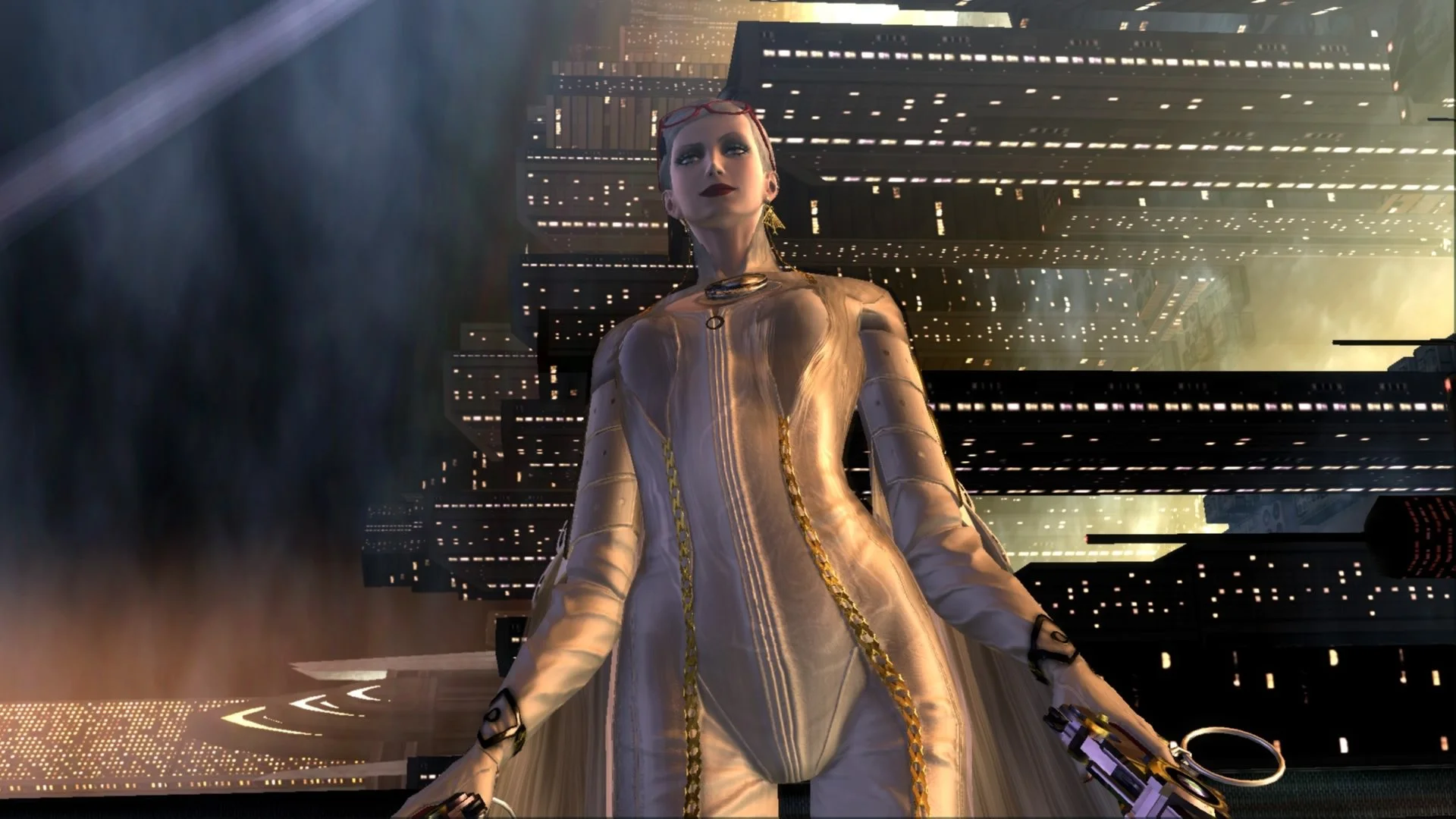
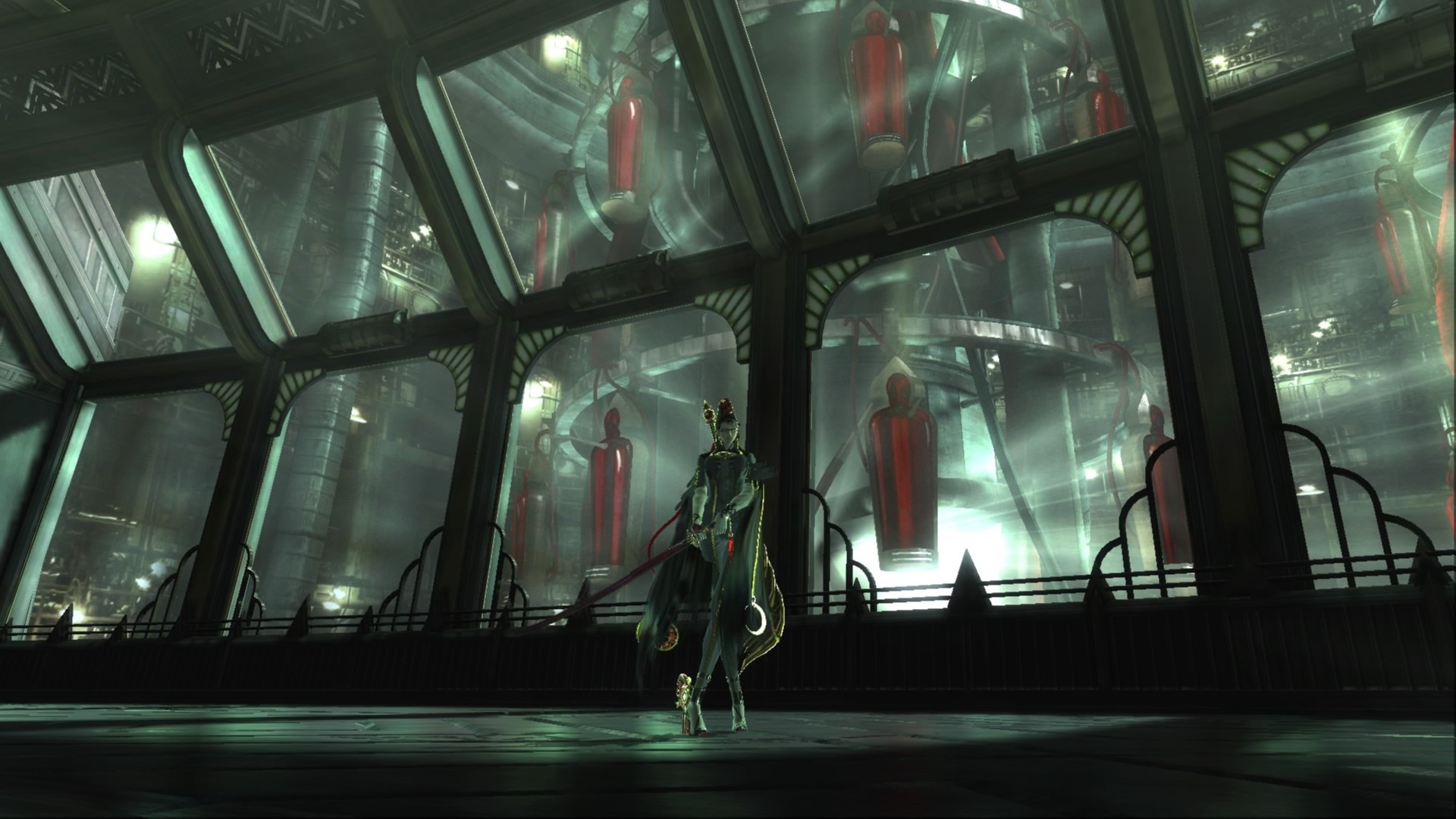
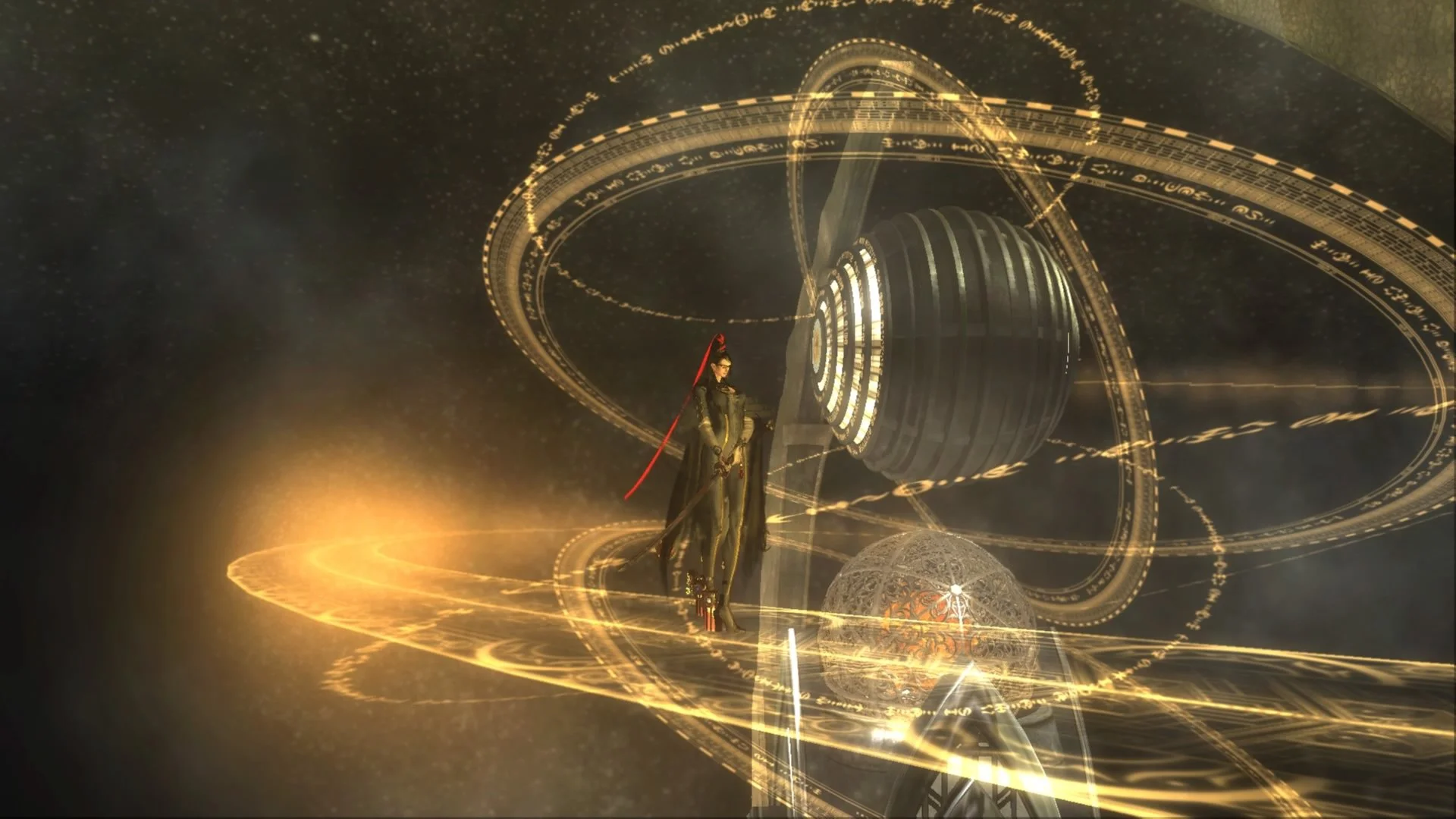
I originally purchased Bayonetta on the Xbox 360 back in the day but it remained unplayed through several subsequent re-purchases on various platforms until I finally sat down to complete it recently. The experience was a revelation; the game by Platinum is undeniably beautiful, trading standard realism for a lavish explosion of gold, feathers, and flowing hair that makes every frame feel like a deliberate piece of art. Its unique grace and celestial architecture prove that bold, stylized direction remains timeless, turning what could have been a simple action game into a hauntingly elegant visual spectacle. It is a masterclass in gothic maximalism, blending high-fashion couture sensibilities with a grotesque, Renaissance-inspired reimagining of the angelic hierarchy. Here are screenshots of my playthrough.
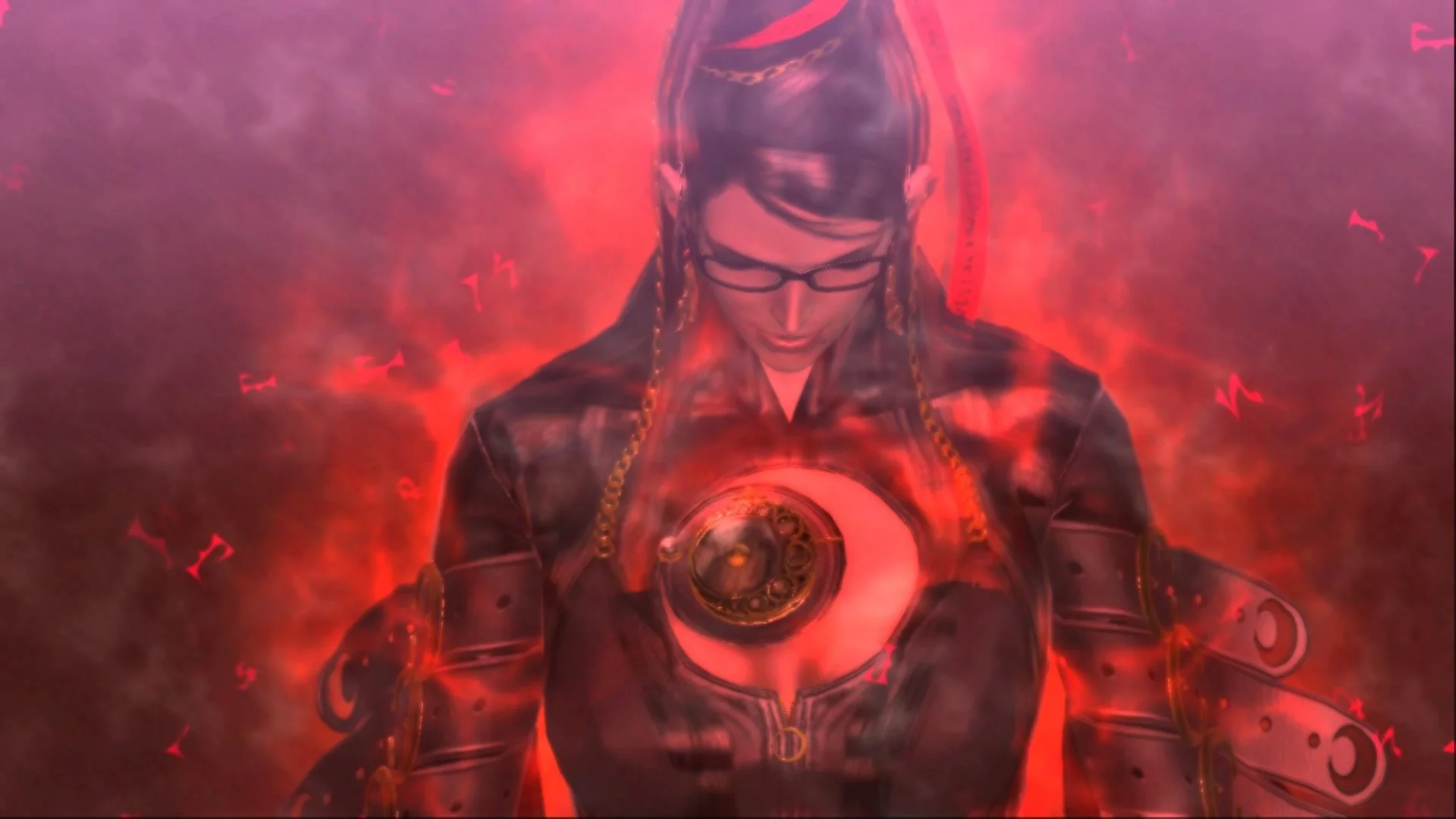
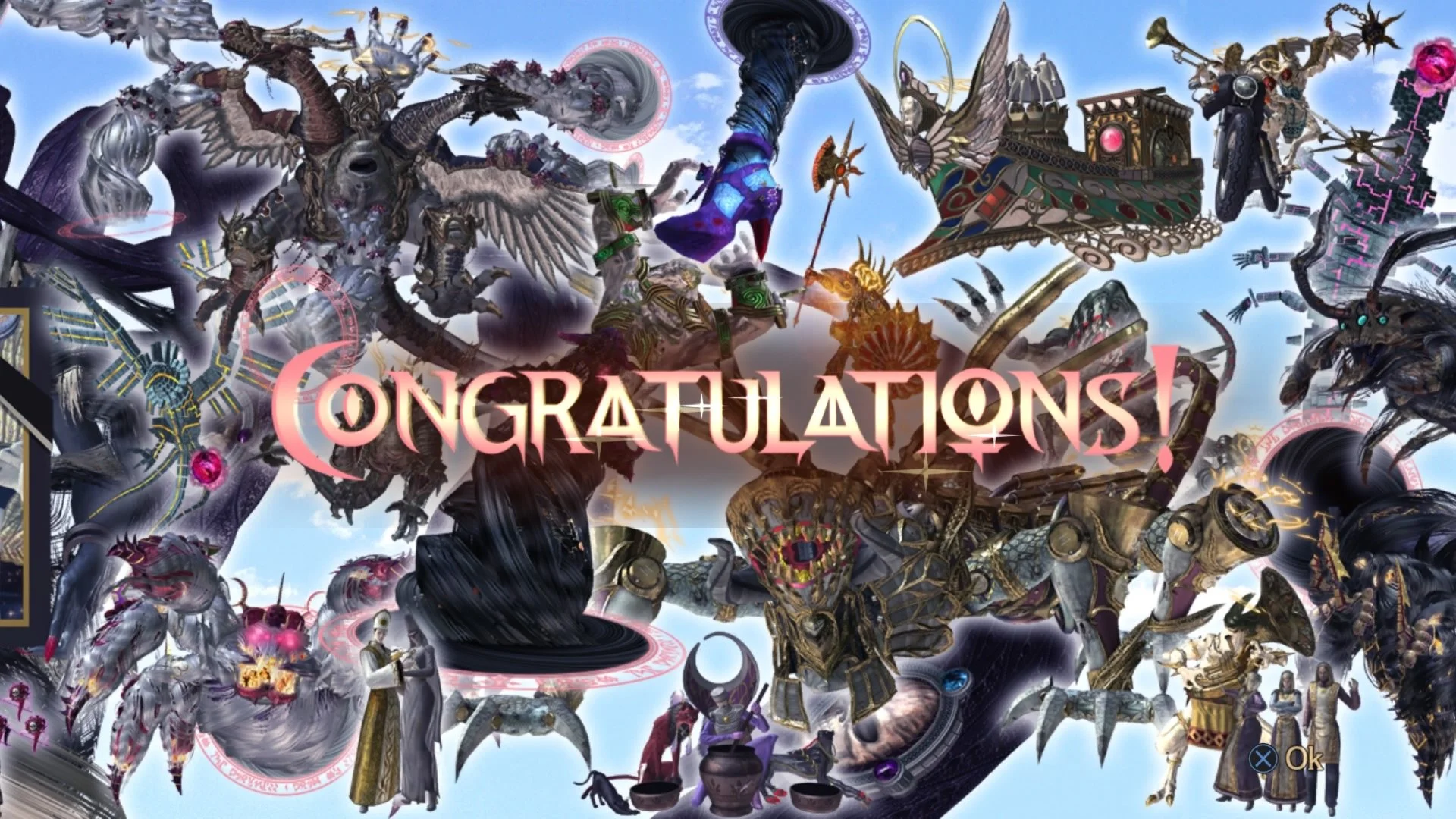
LINK- Toxic: Women, Fame and the Noughties- Book Review (and Some Thoughts)
LINK- The Rise of Retro Gaming During Covid
LINK: Japan: My Journey to the East
LINK- Blood, Sweat and Pixels- Book Review
LINK- Utopia for Realists- Book Review
LINK- ‘Natives: Race and Class in the Ruins of Empire’ LINK: Elden Ring- Videogames As Art
Before Your Eyes- Videogames As Art
“There are only 27,375 days in the average lifetime—that's just under 657,000 hours, or 40 million minutes. If we're very lucky, we might even get 2.1 billion seconds, but we don't get to keep all of them. Thanks to the limited, finite memory of our brains, we only get to keep a few choice moments to replay over and over again for the rest of our lives. These, however, are the moments that last forever.”
This is all according to Harriet Manners, Geek Girl, model and all-round philosopher extraordinaire.
As we get older, time feels increasingly erratic. Things that happened a couple of years ago can feel like a lifetime, while the Nineties—my formative years—feel just like they were last week. Getting older has a way of rearranging your mental furniture, and videogame Before Your Eyes, a beautiful, meditative game about this fleeting thing we call life, had had me reflecting on mine.
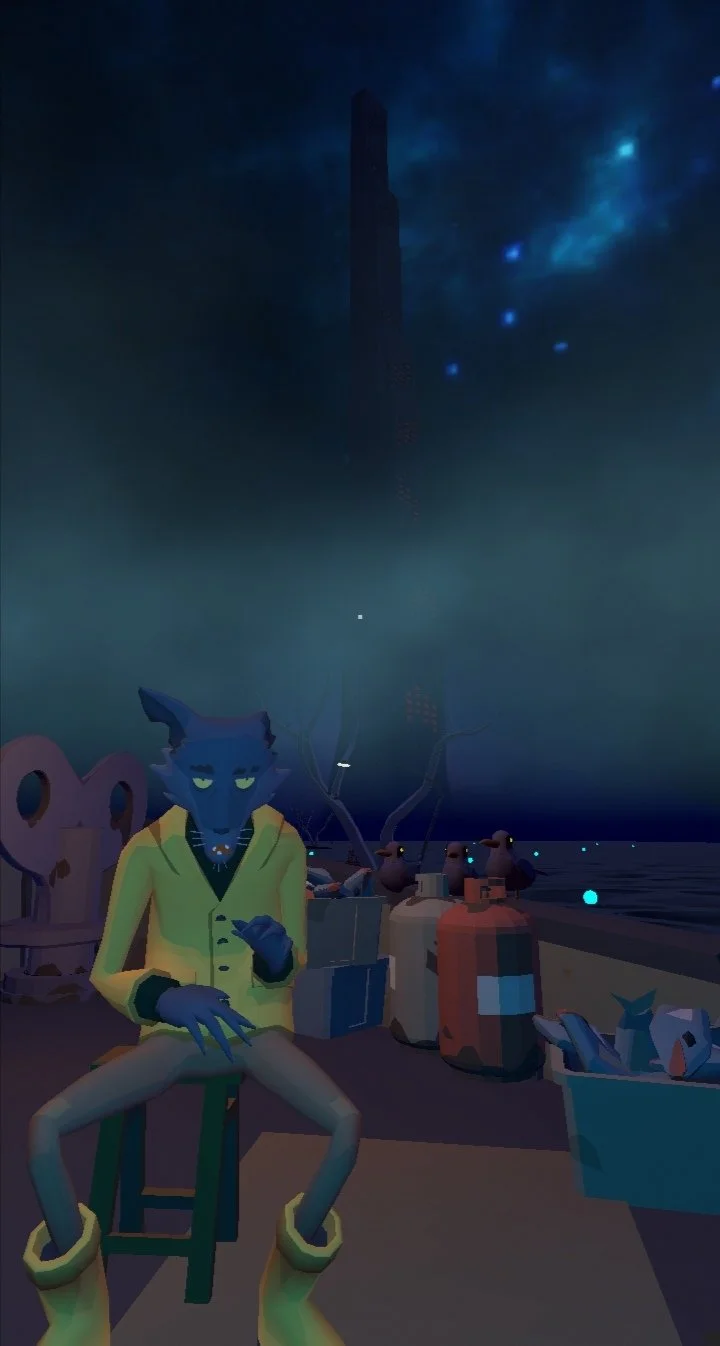
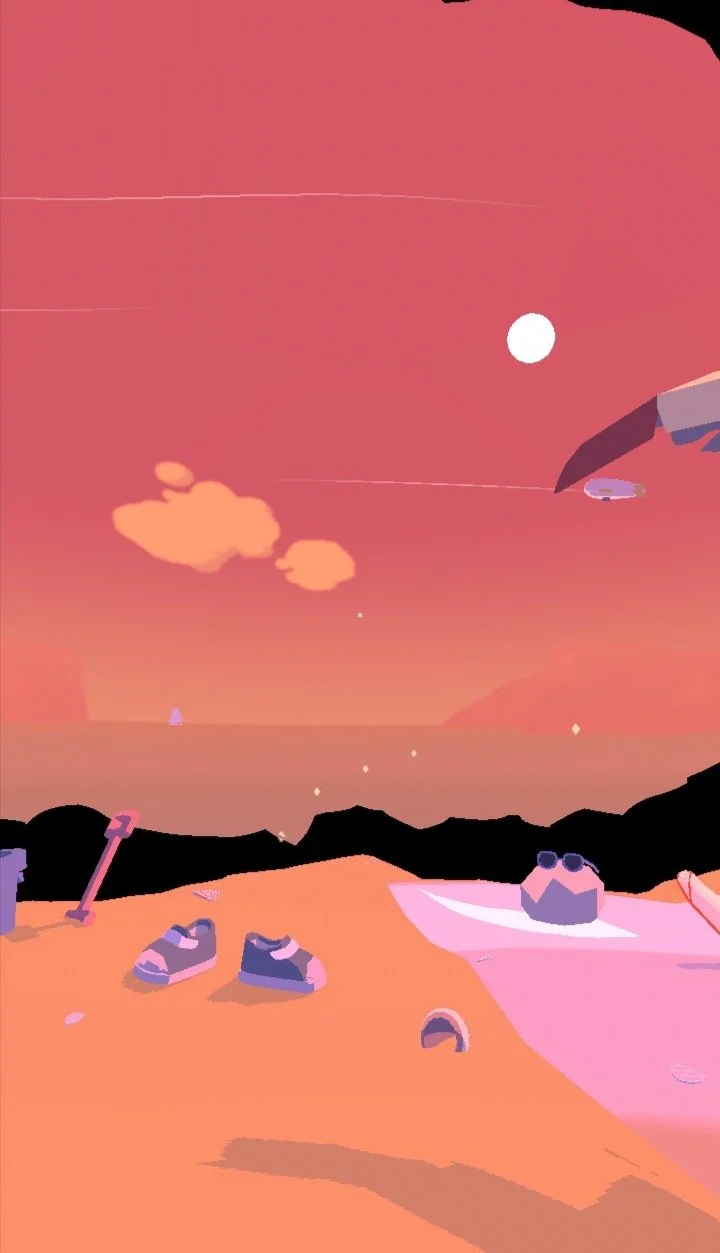
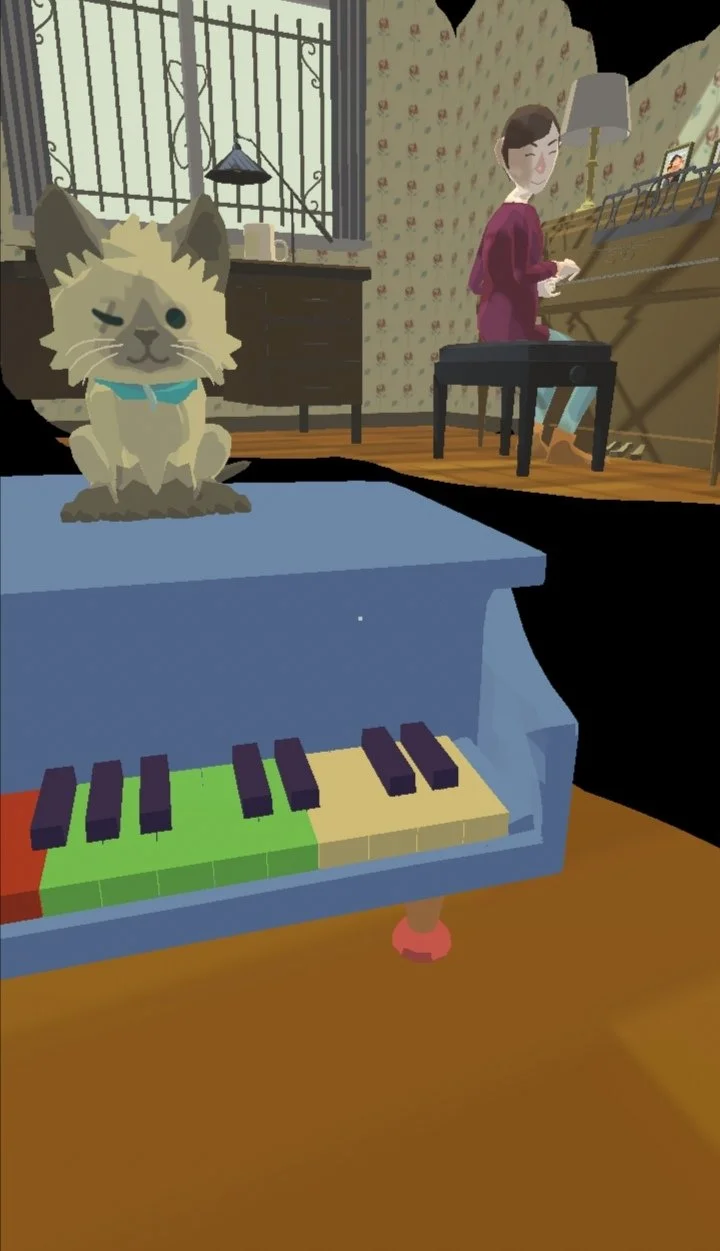
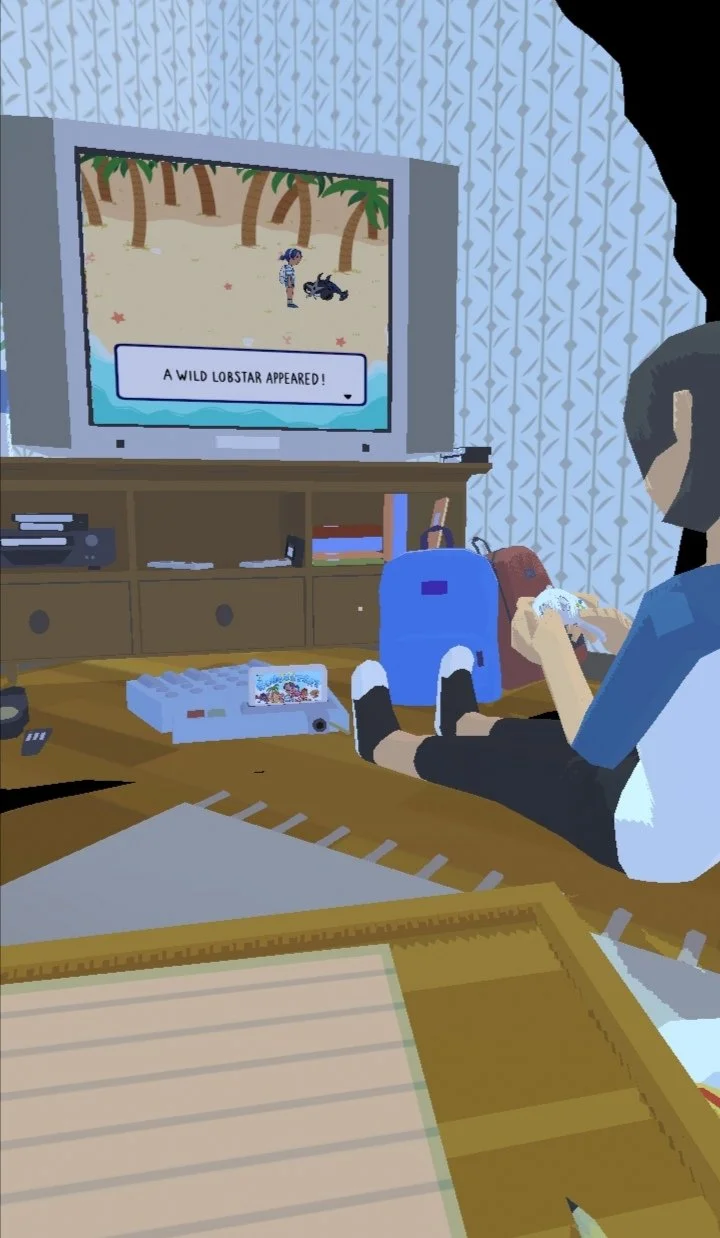
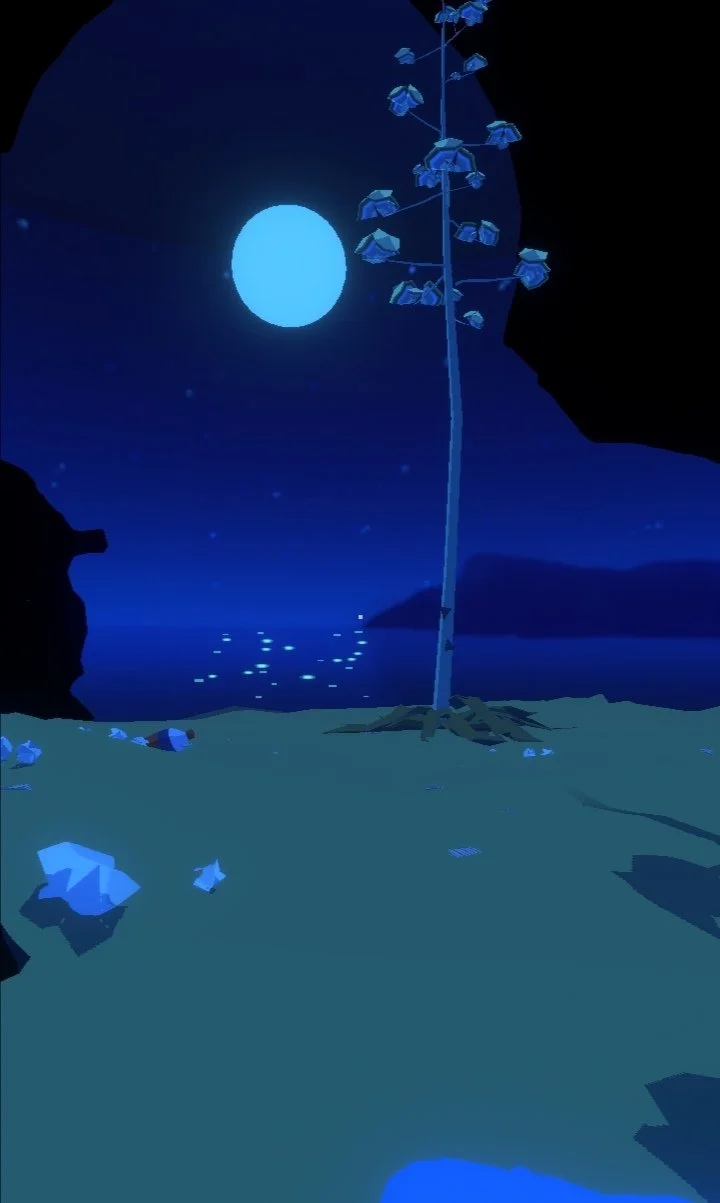
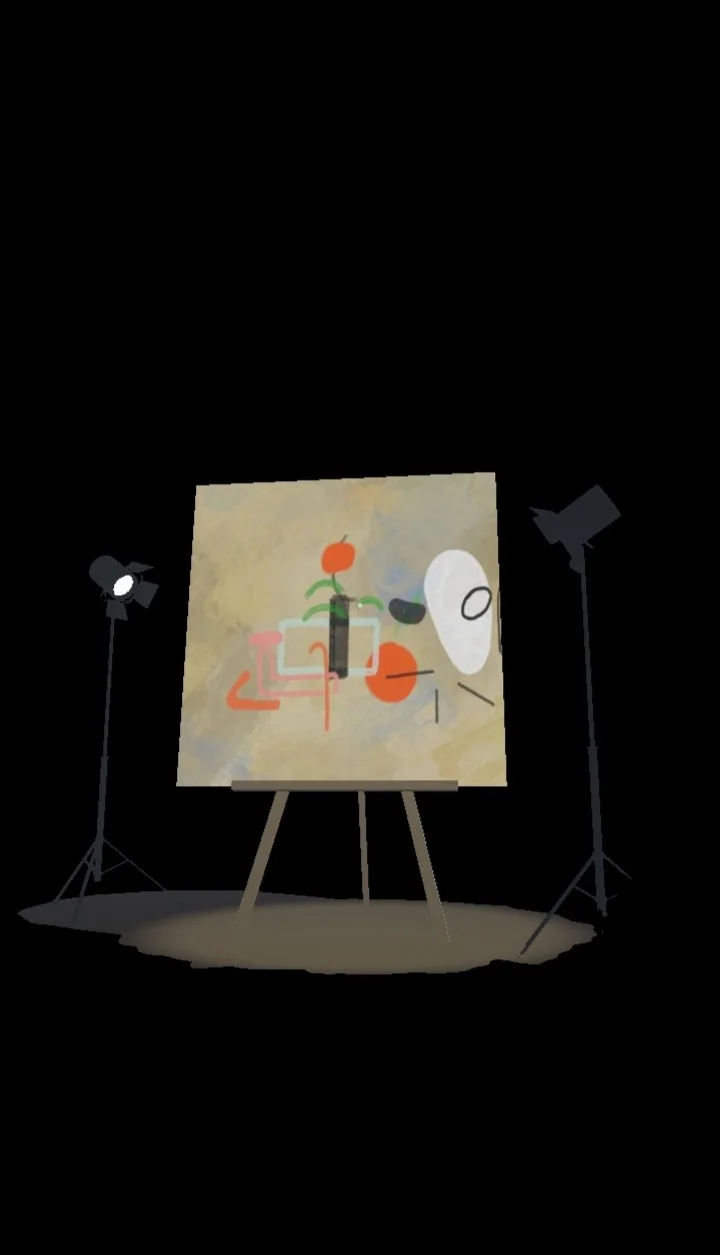
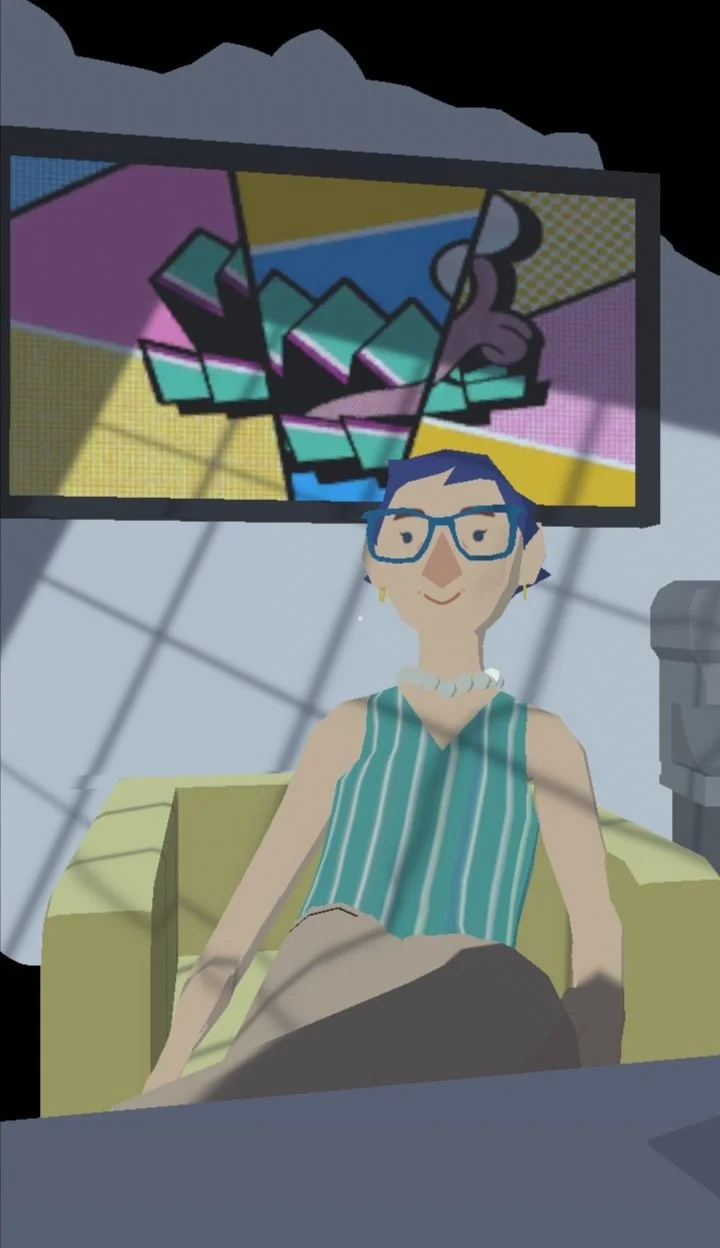
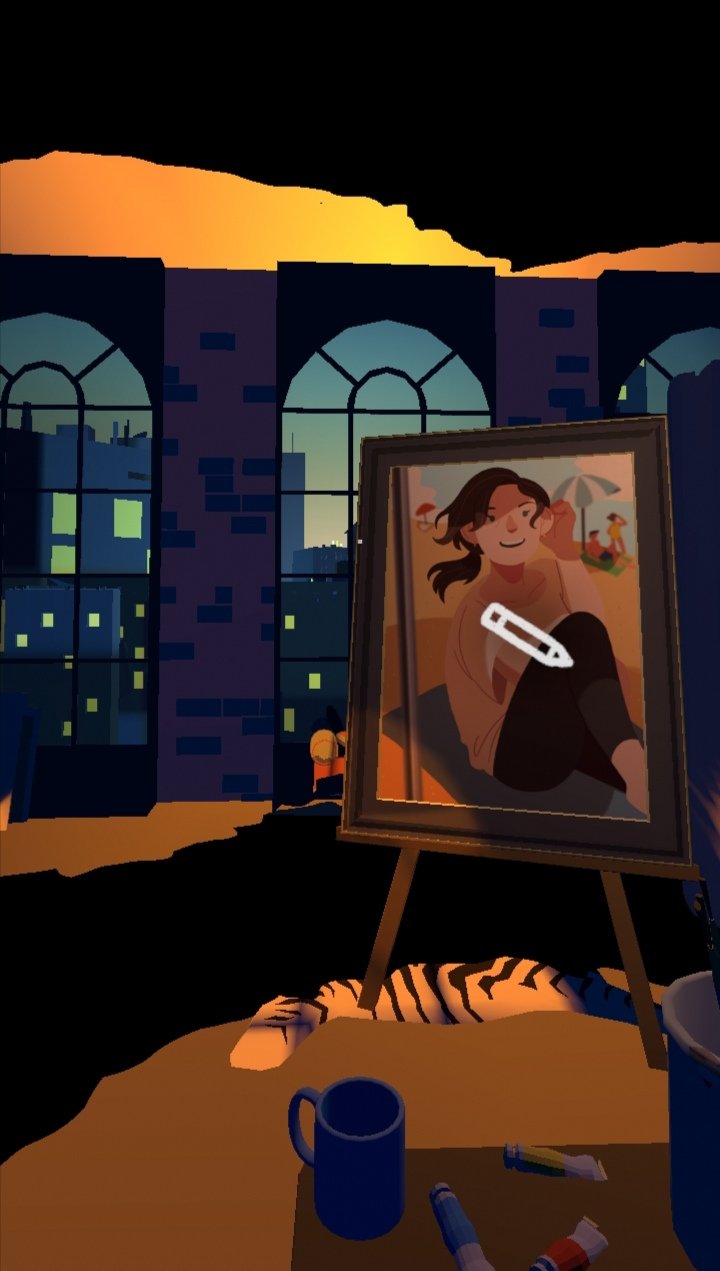
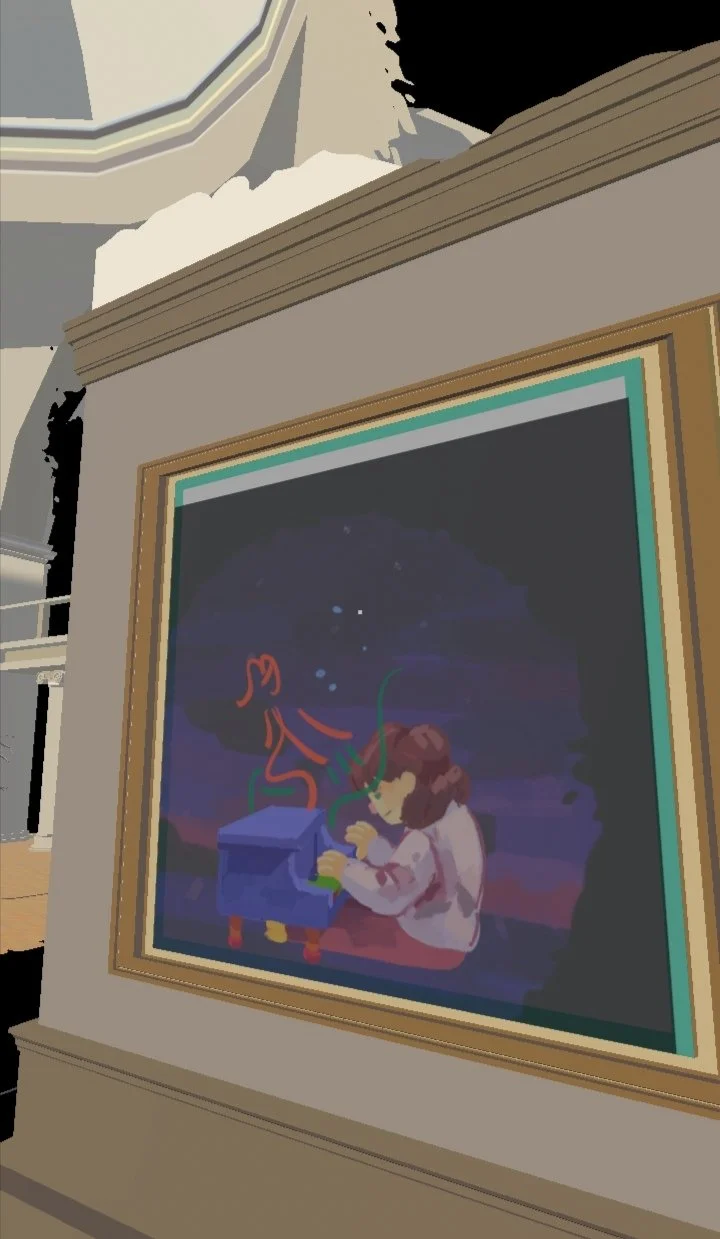
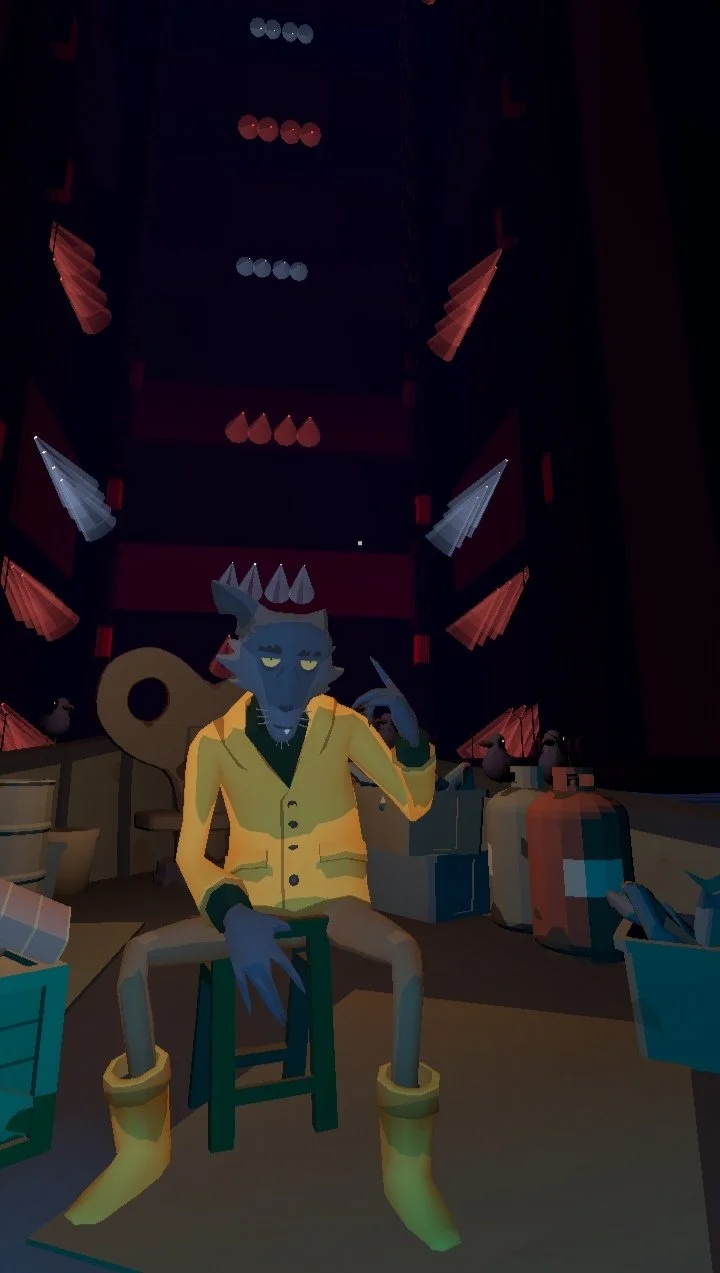
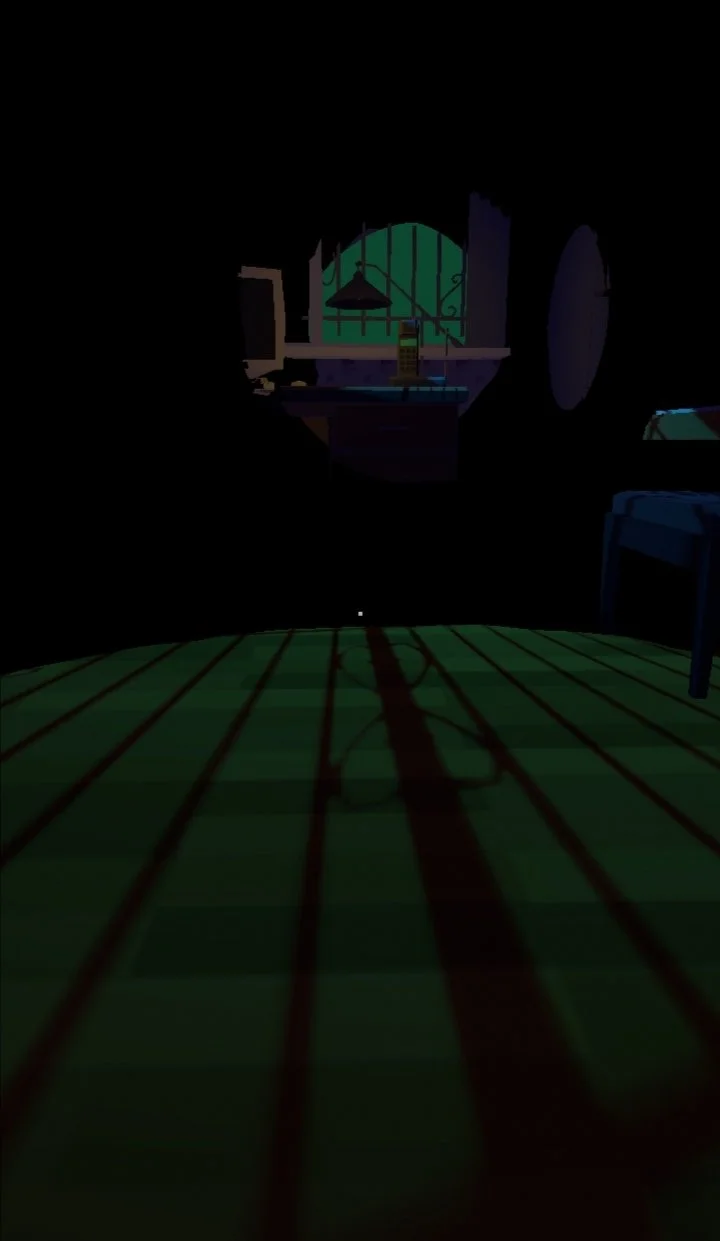
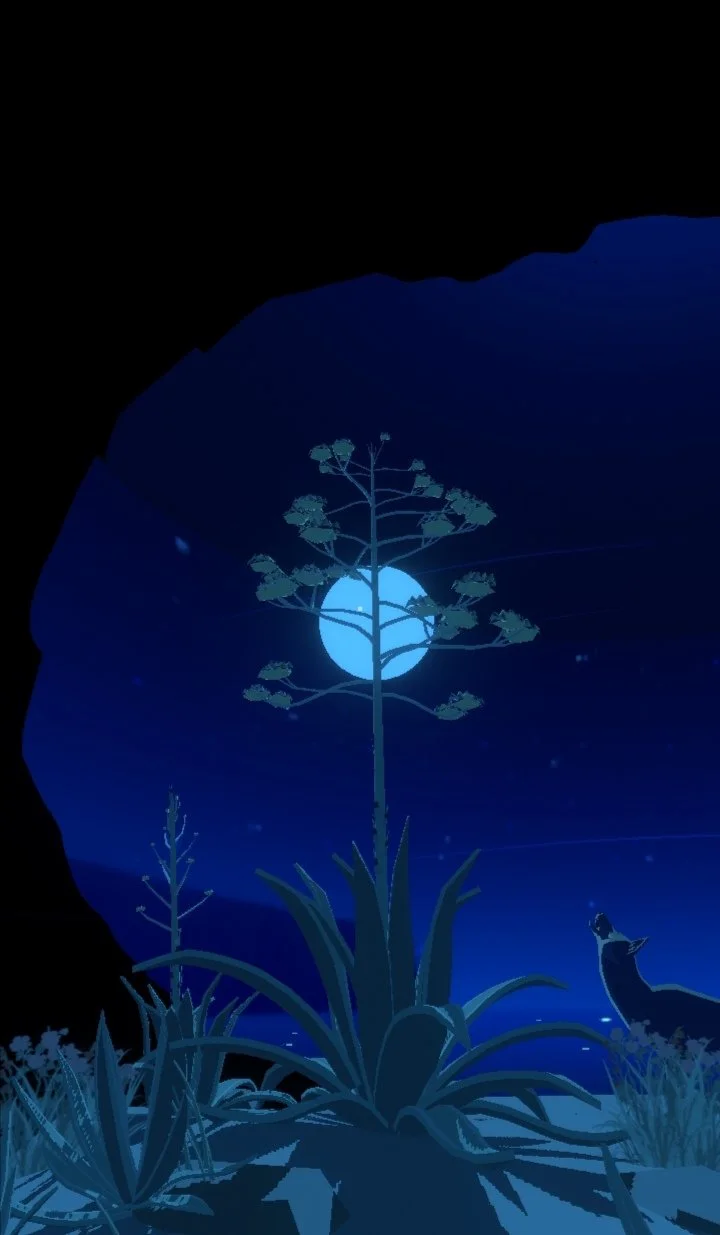
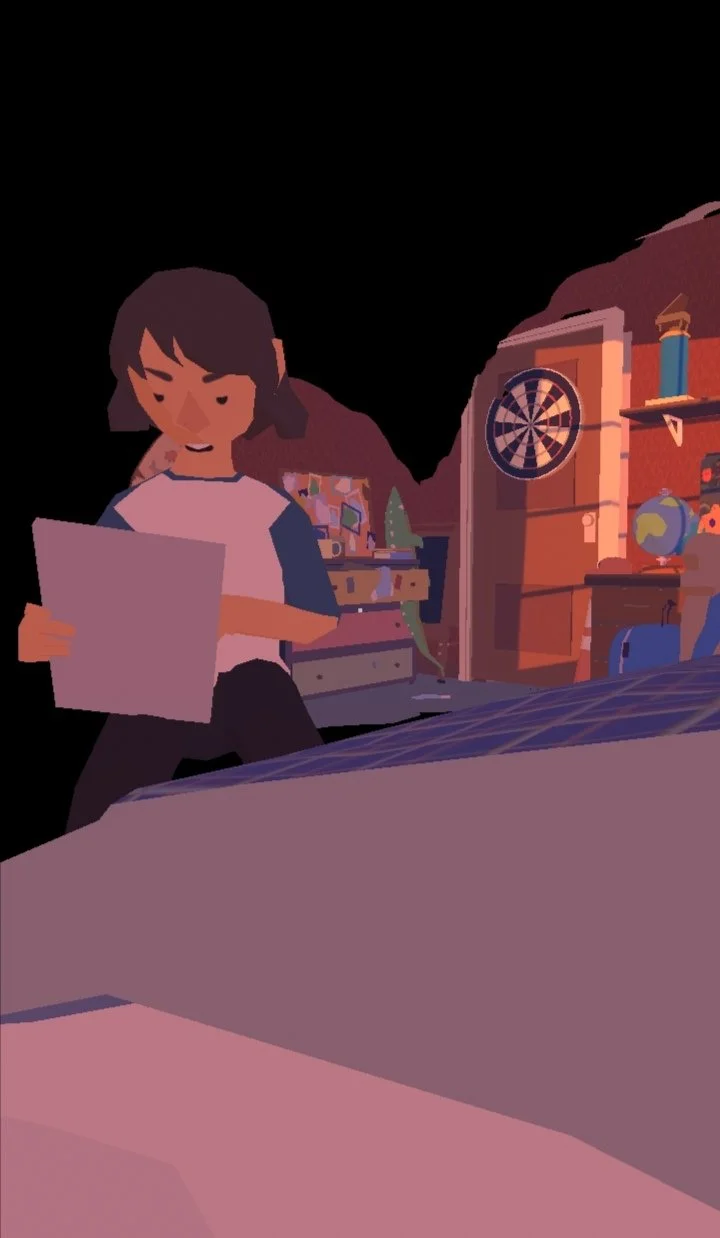
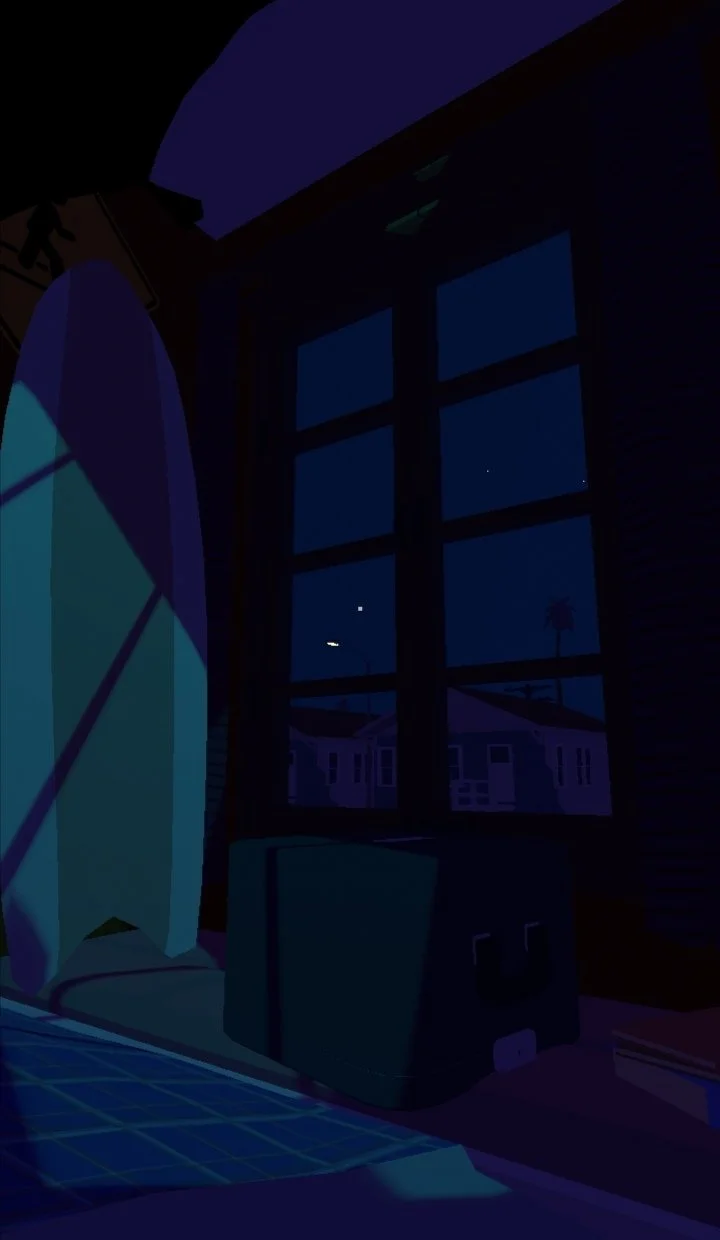
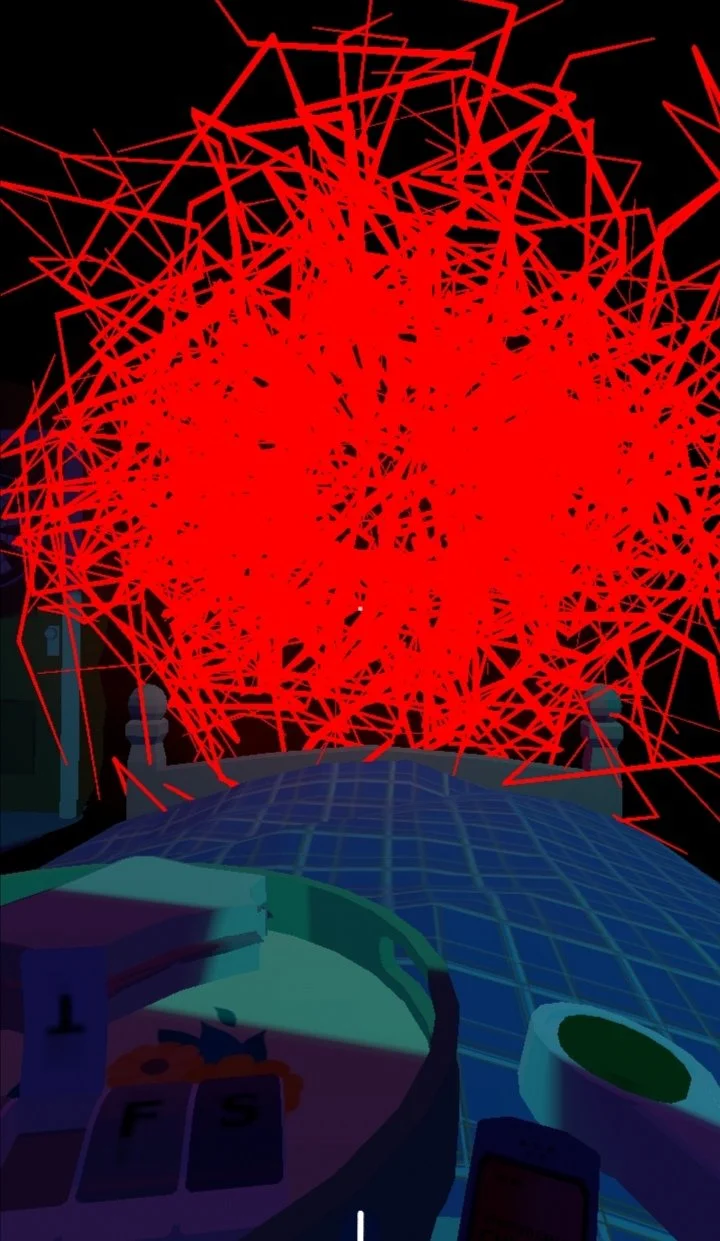
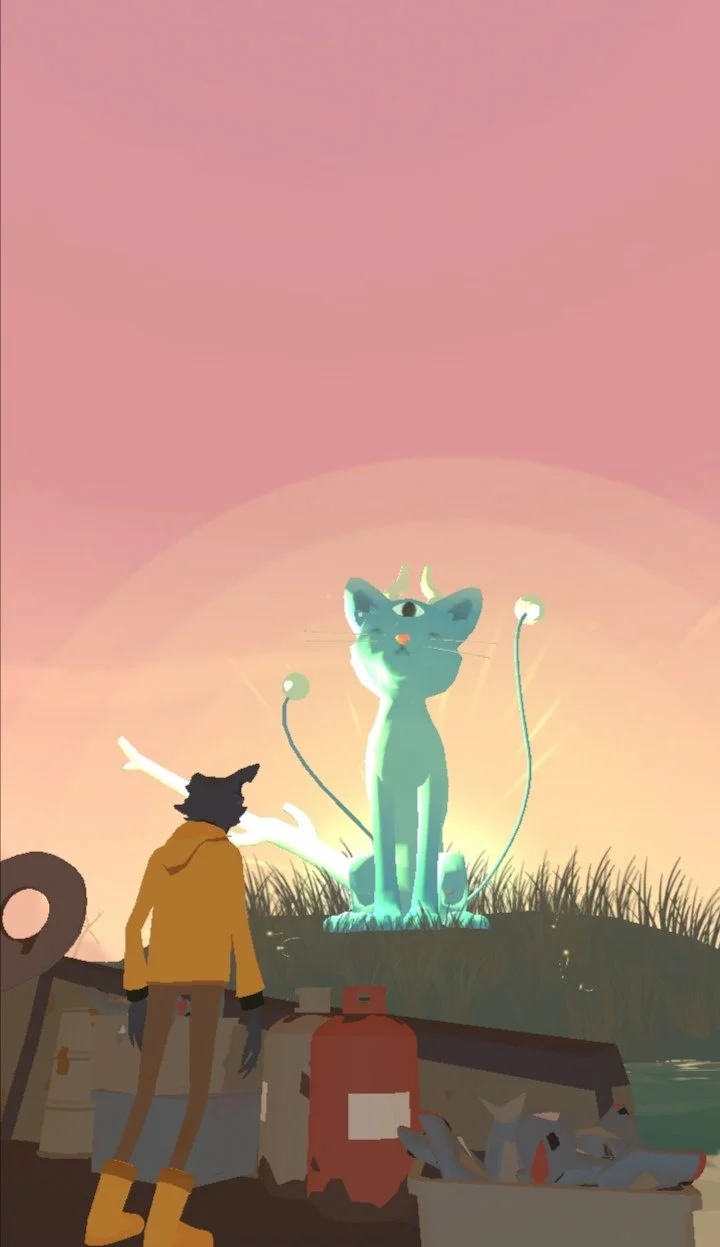
The game opens in the first person as you’re awakened by an anthropomorphic psychopomp wolf who guides you across a river of souls (Styx possibly). He offers you a chance to revisit your life and so, over the course of about two hours, you live as Benny. He’s a well-loved baby boy who shows early musical talent, lives next door to a cool girl, and has the opportunity to make the choices we often get to make, just by living.
The story is presented through a skewed, sometimes unreliable lens, mirroring the way our own memories are often imperfect and fragmented. This clever narrative design makes the experience deeply relatable, capturing the messy, beautiful, and sometimes misremembered nature of human experience.
As a parent and humanist, I found Before Your Eyes to be a deeply affecting experience. Its themes of love, loss, and the passage of time are handled with such sensitivity that it's likely to evoke a strong emotional response no-matter what your beliefs or faith.
I highly recommend this game to anyone looking for a meaningful and artistic gaming experience, but be prepared for a truly touching, and possibly tear-jerking, journey. It's a game that stays with you, long after the credits roll.
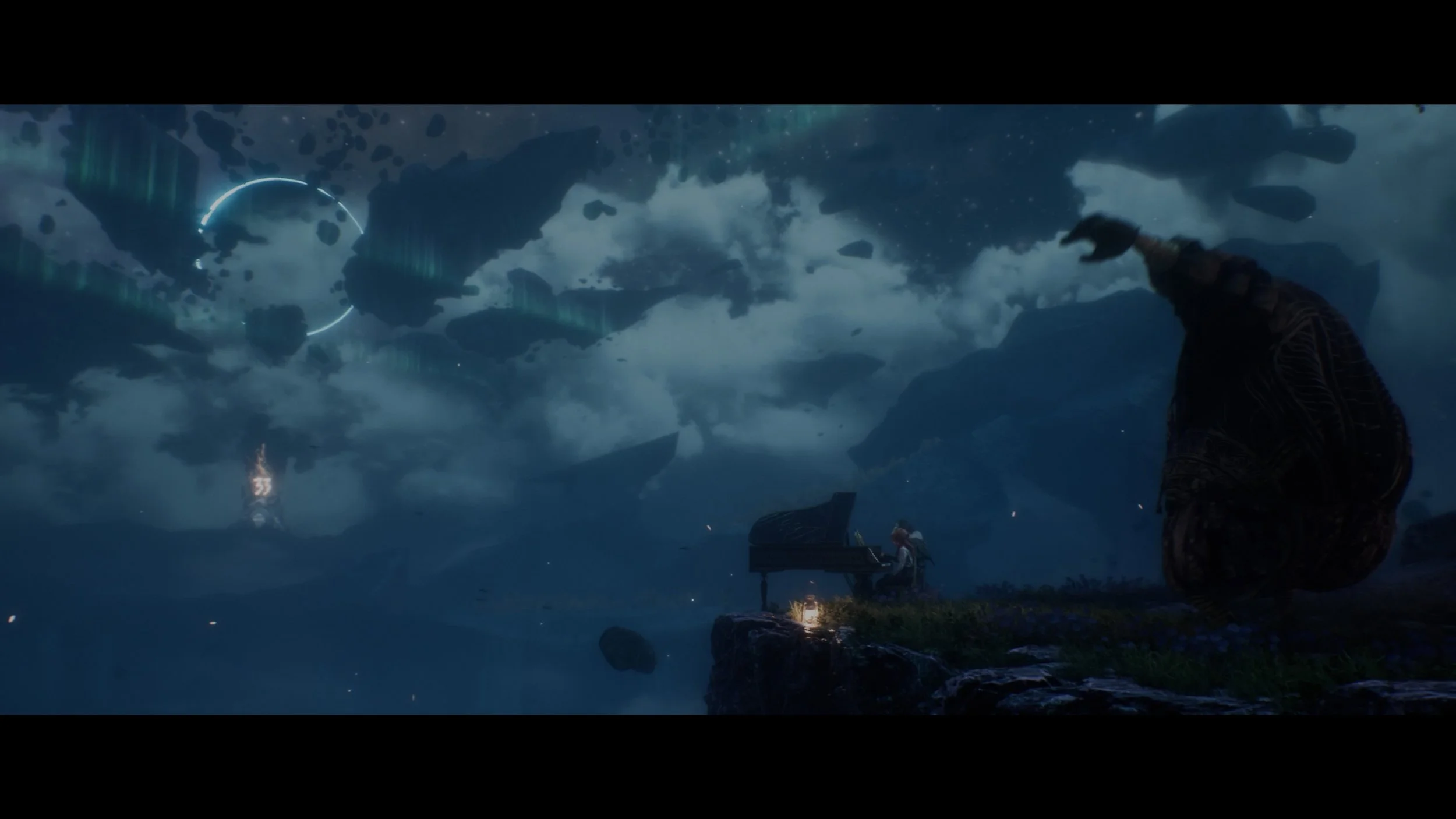
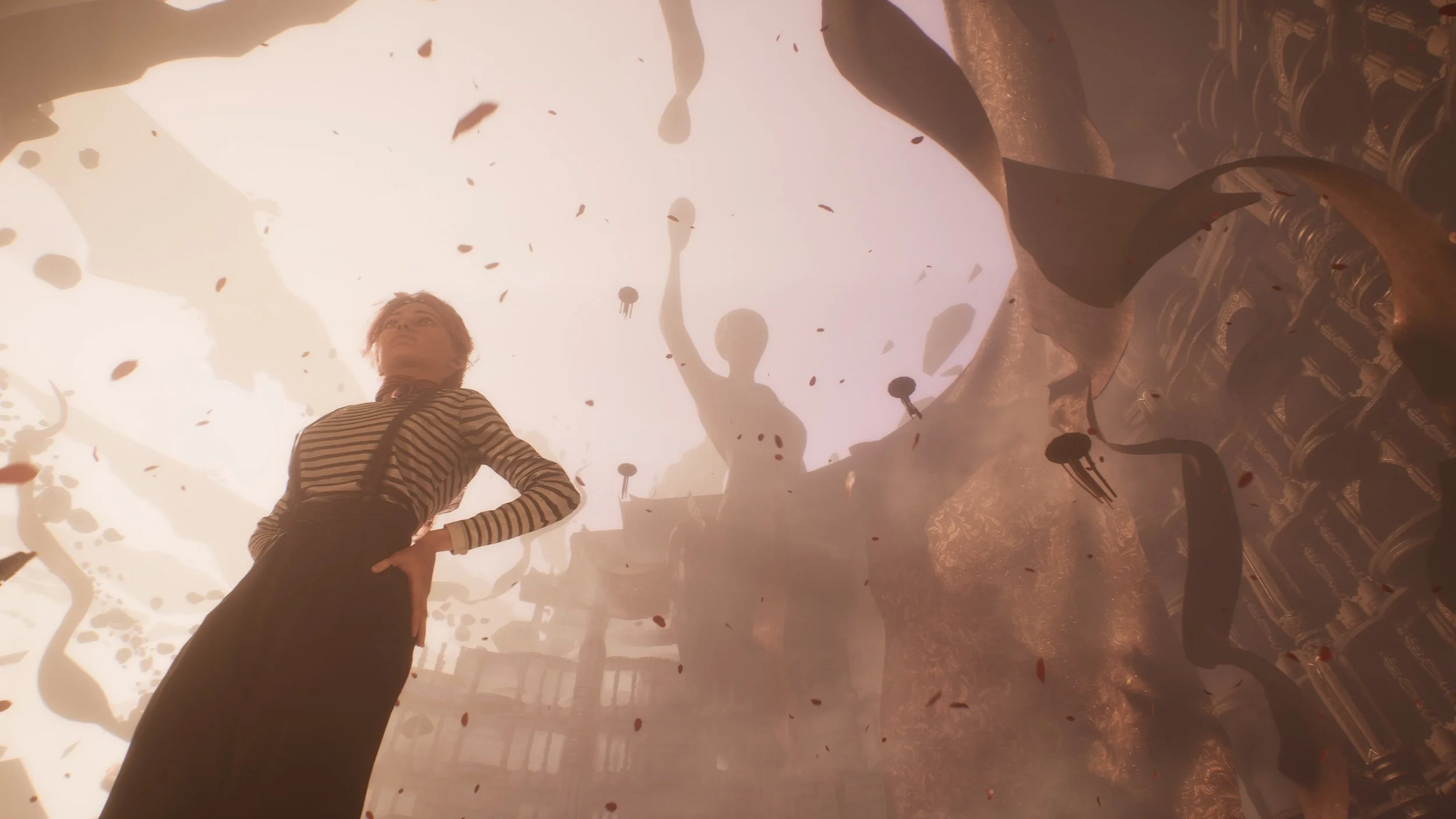
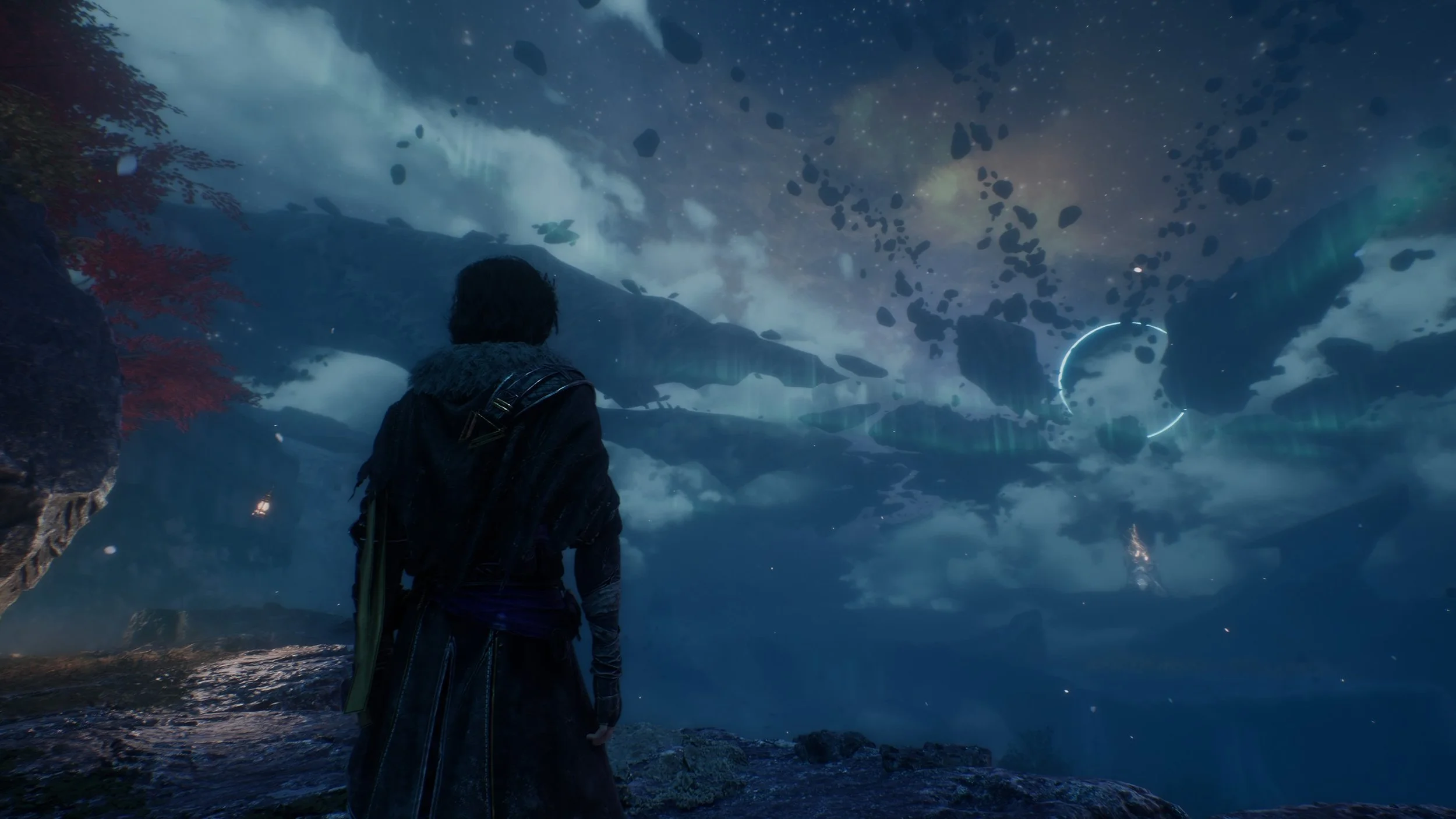
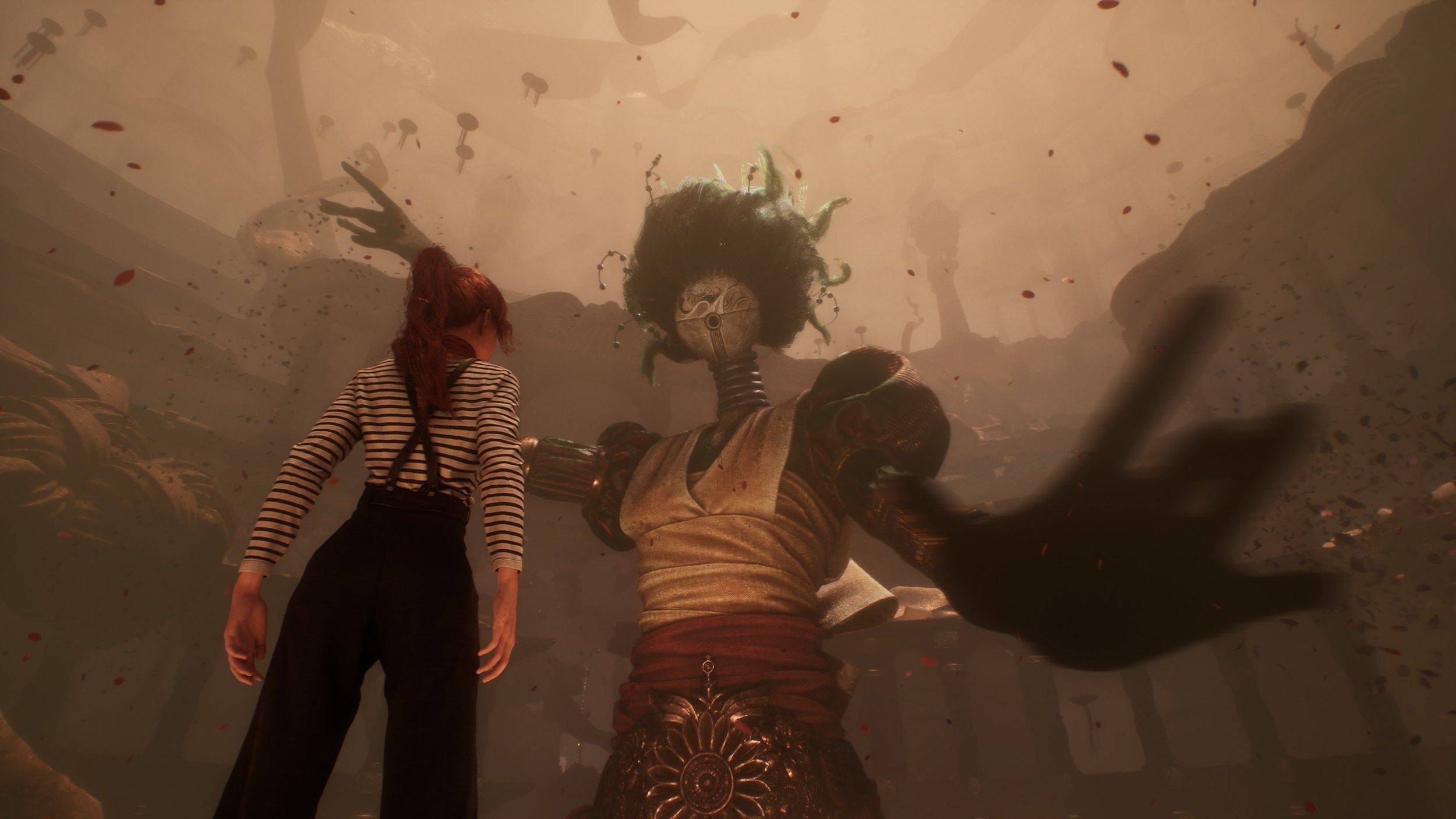
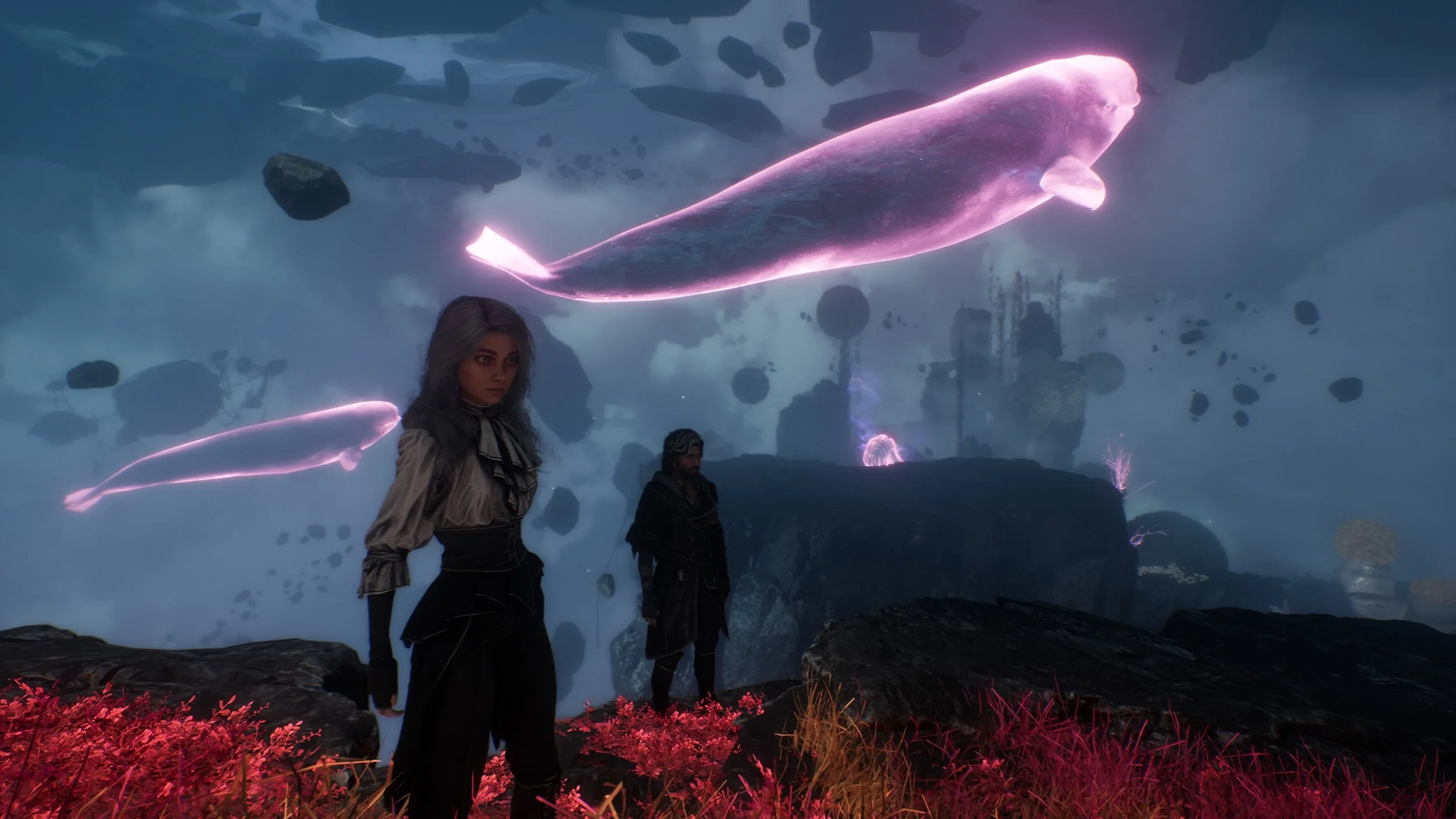
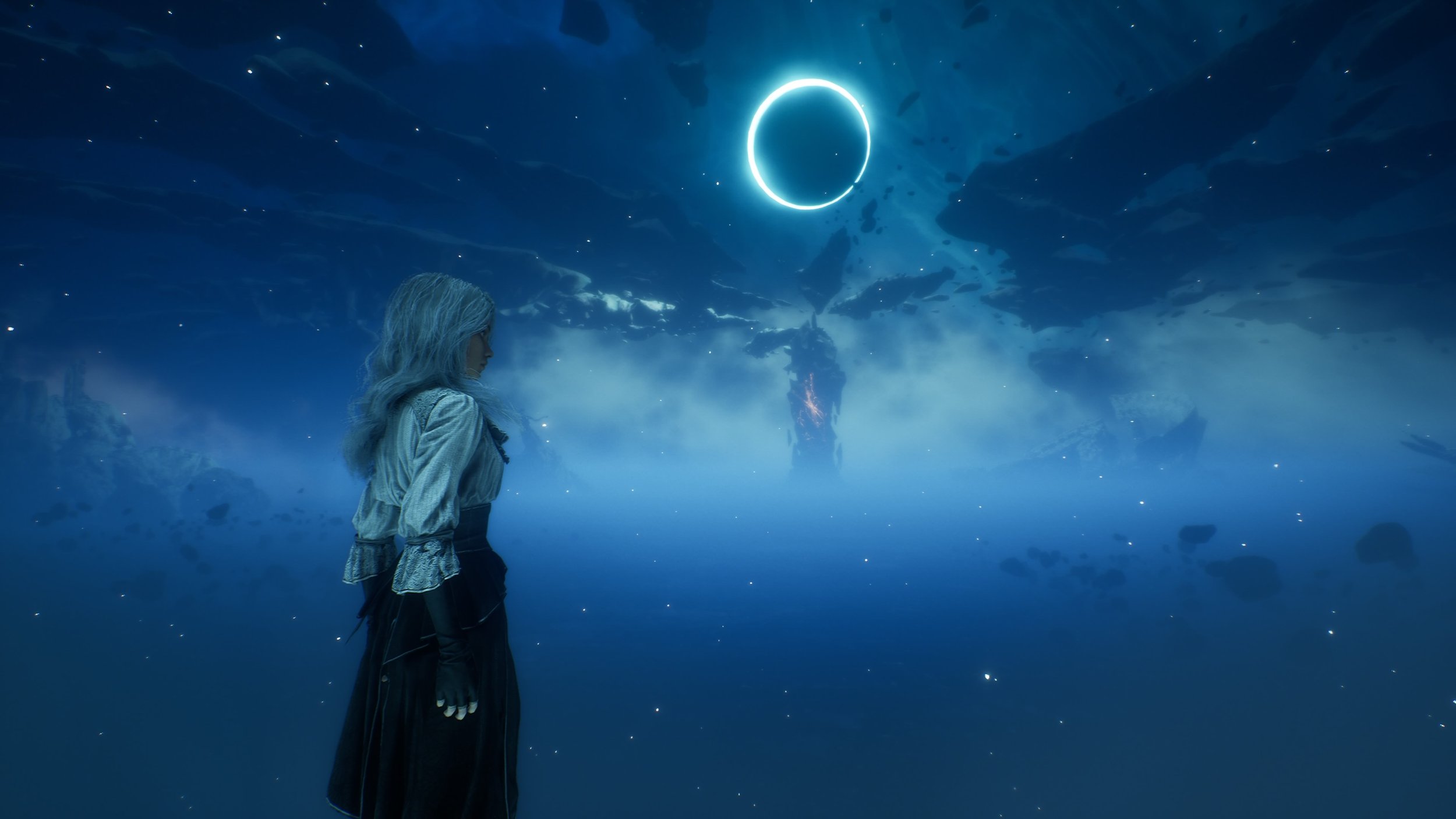
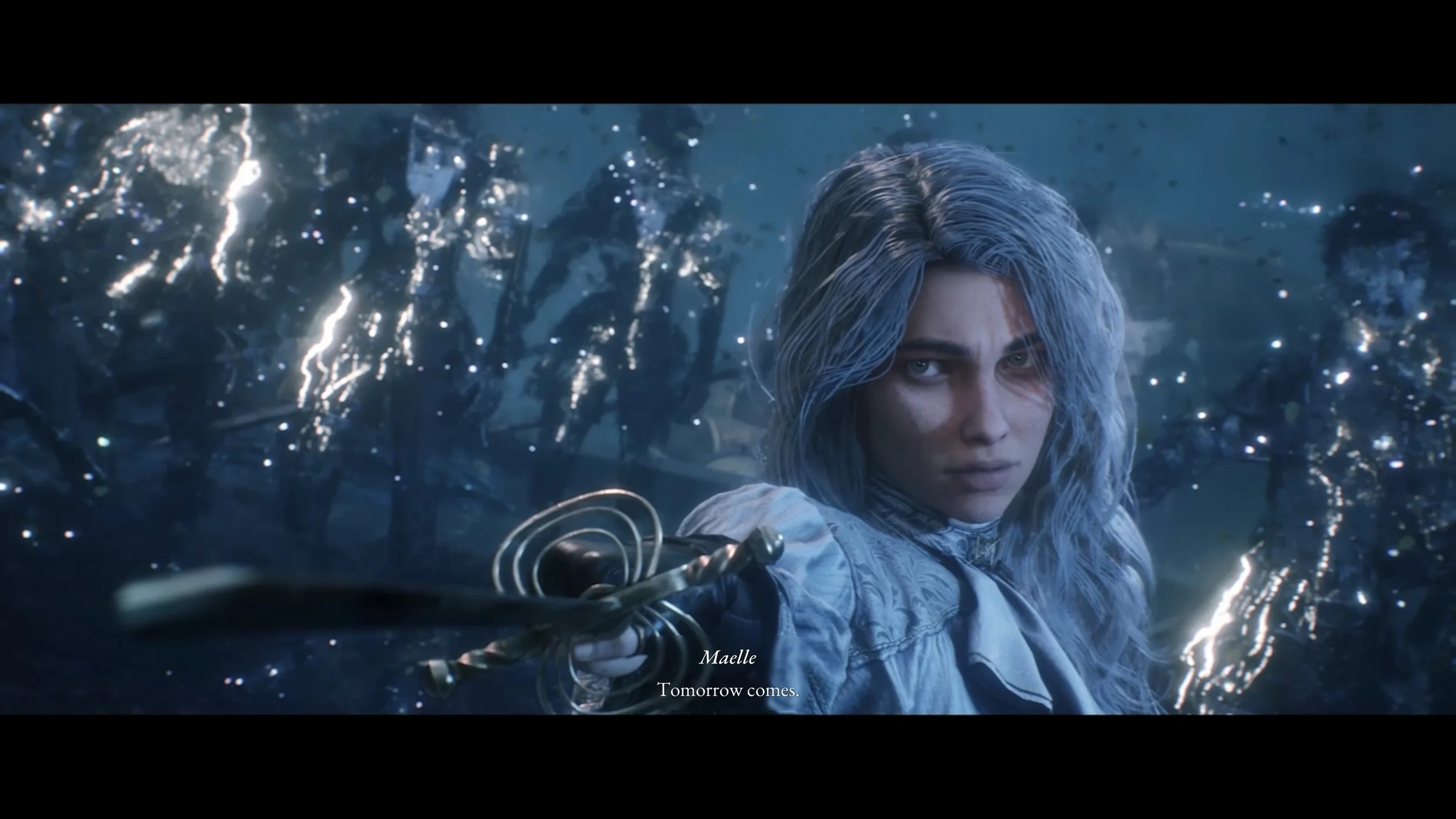
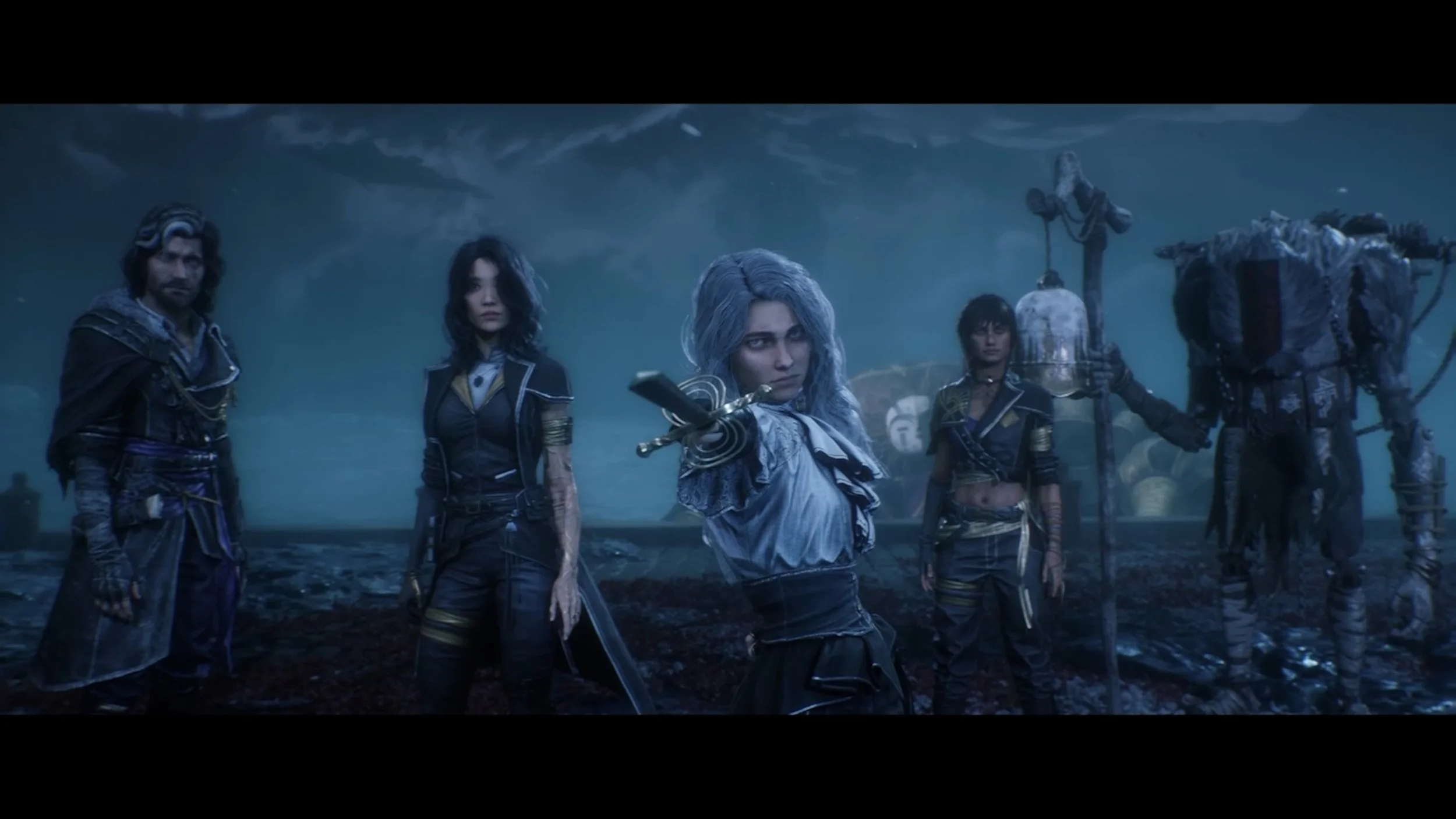
Clair Obscur: Expedition 33 - Videogames As Art
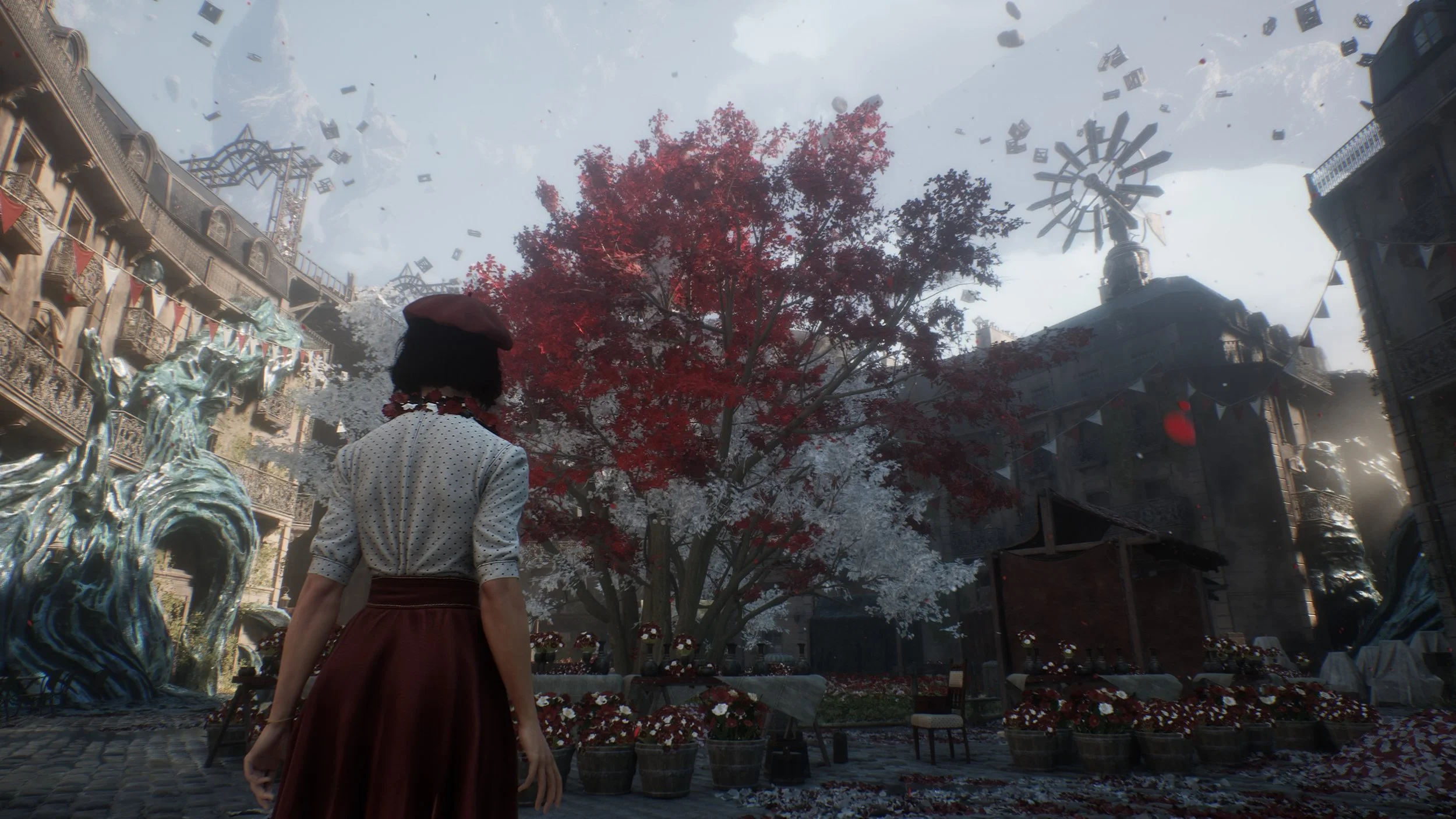
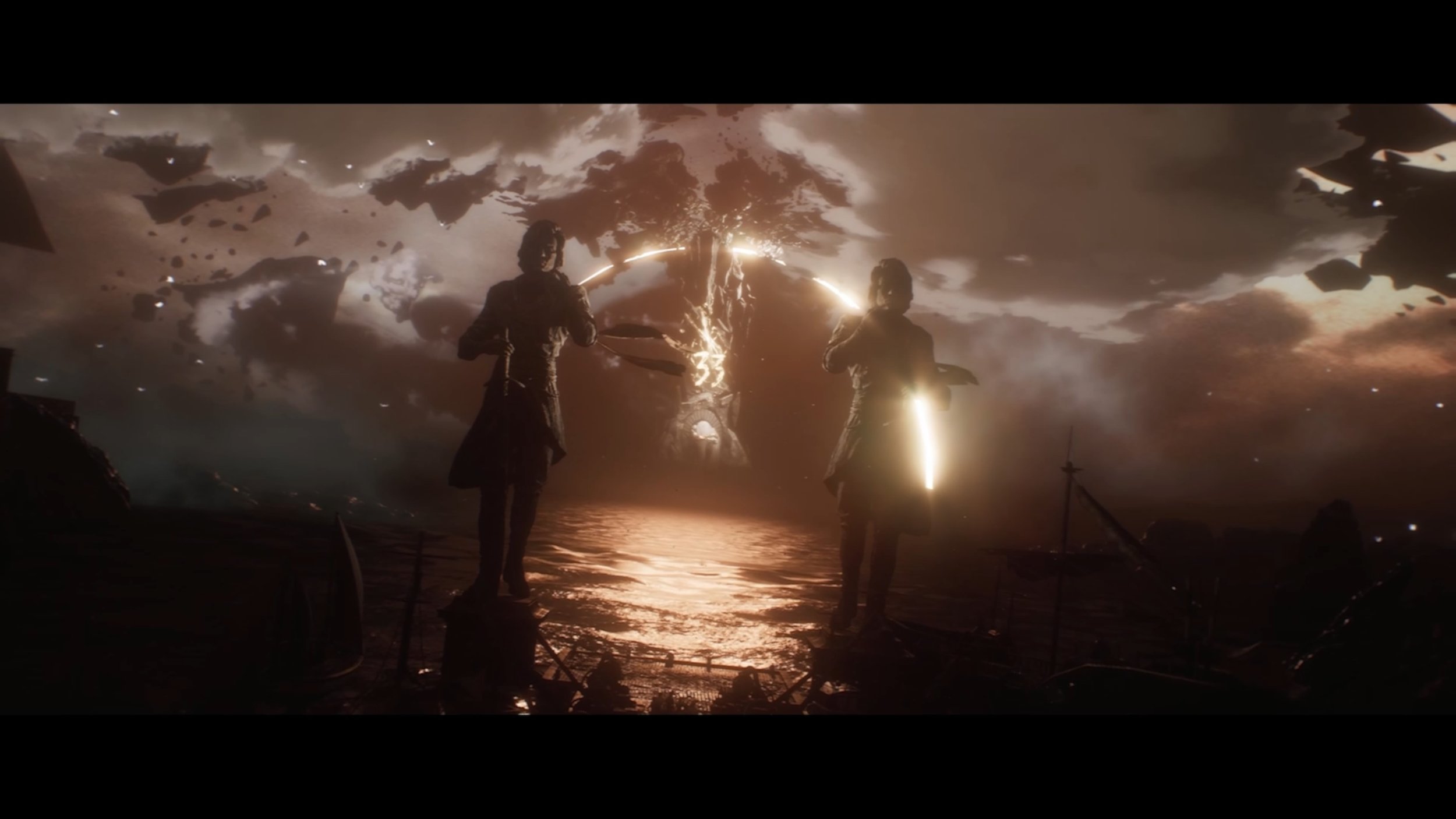
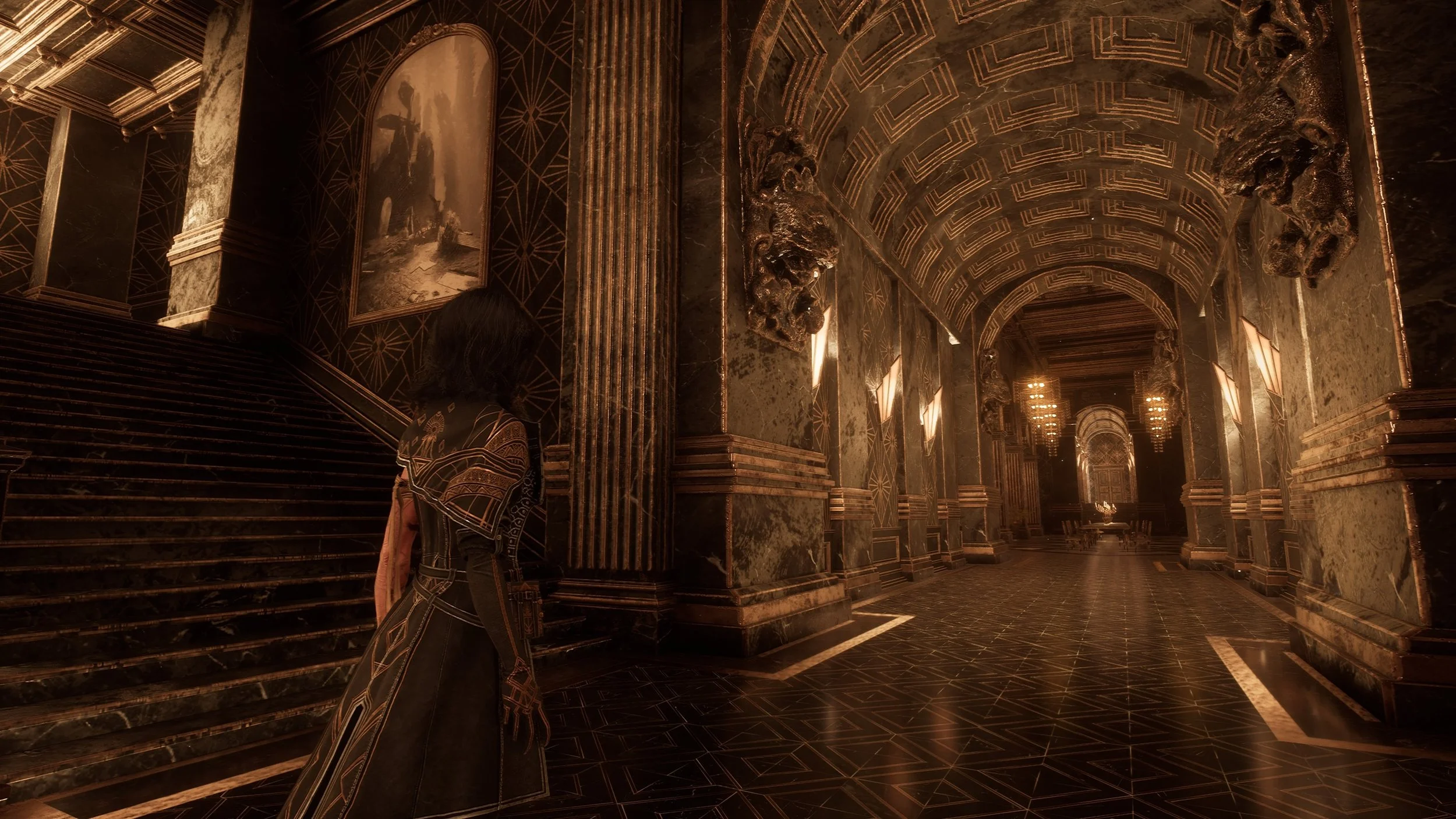
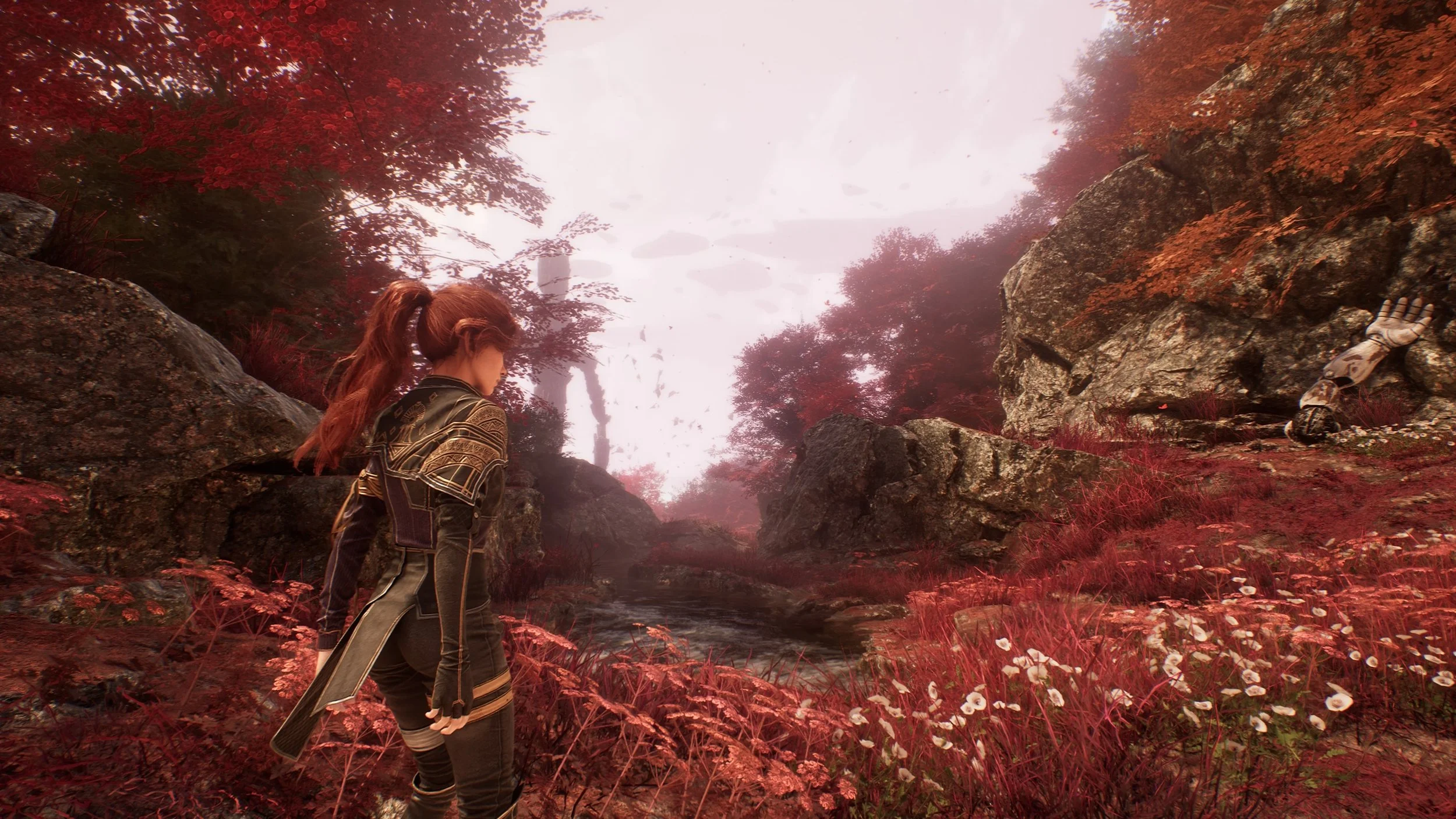
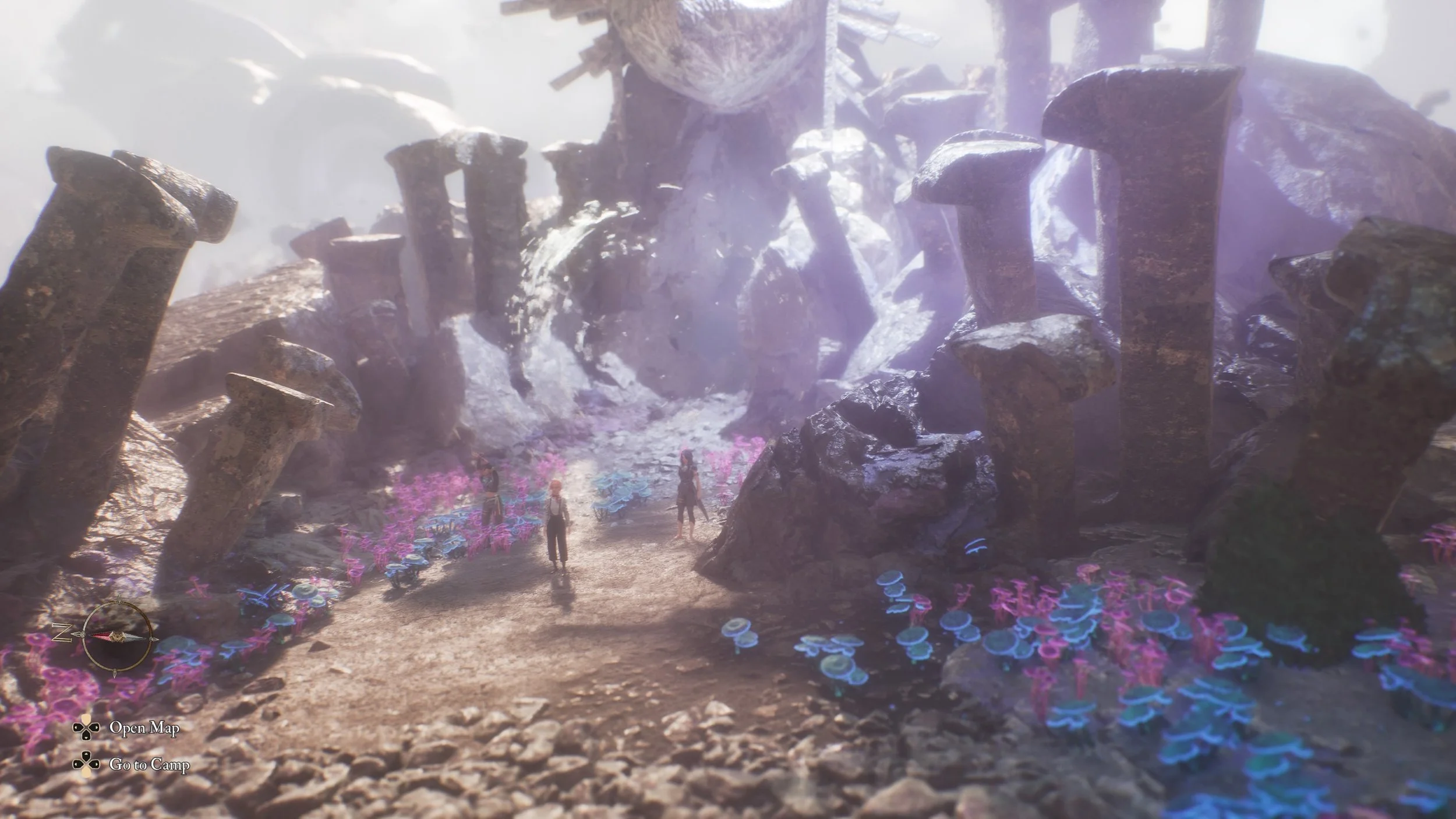
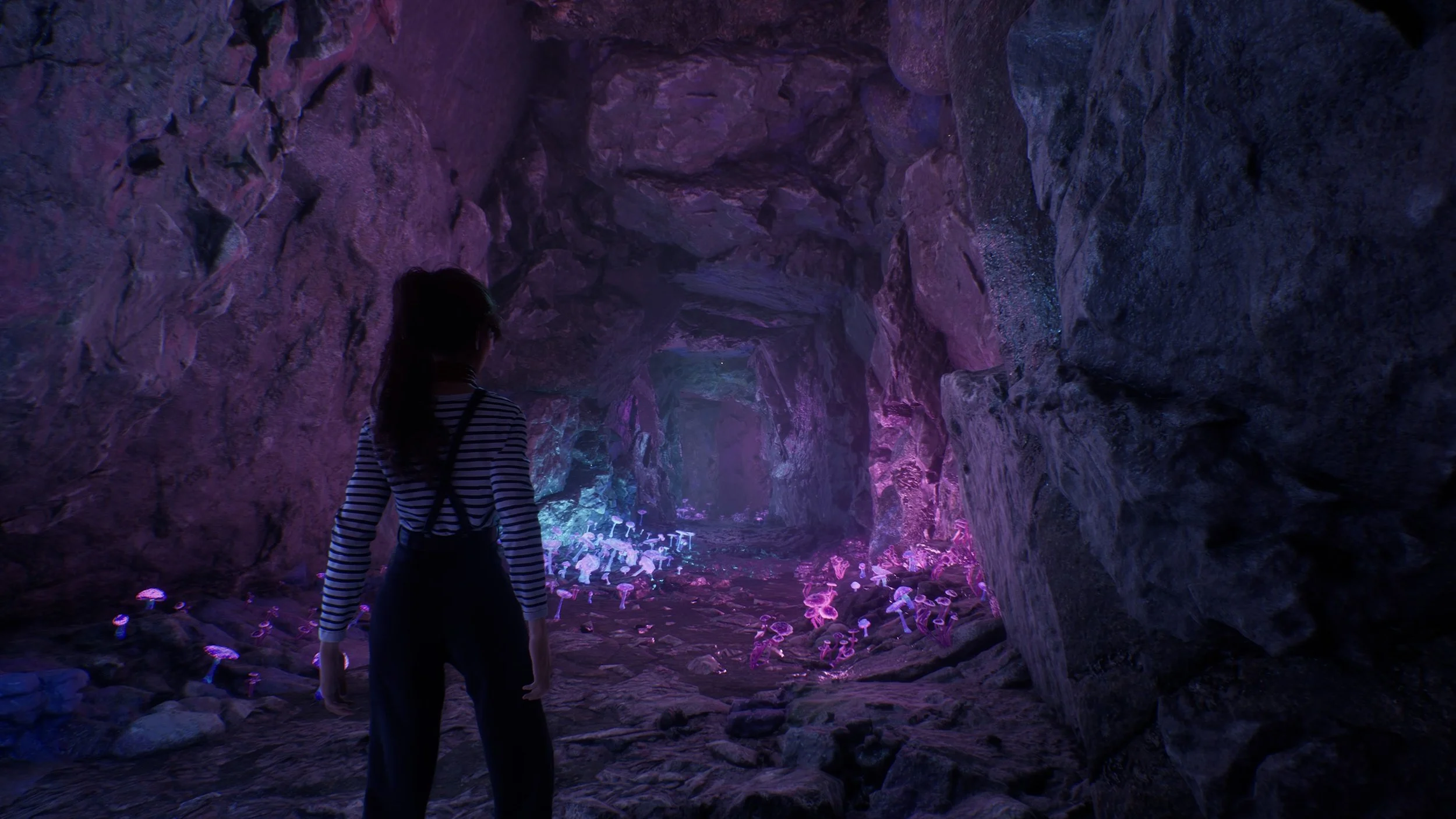
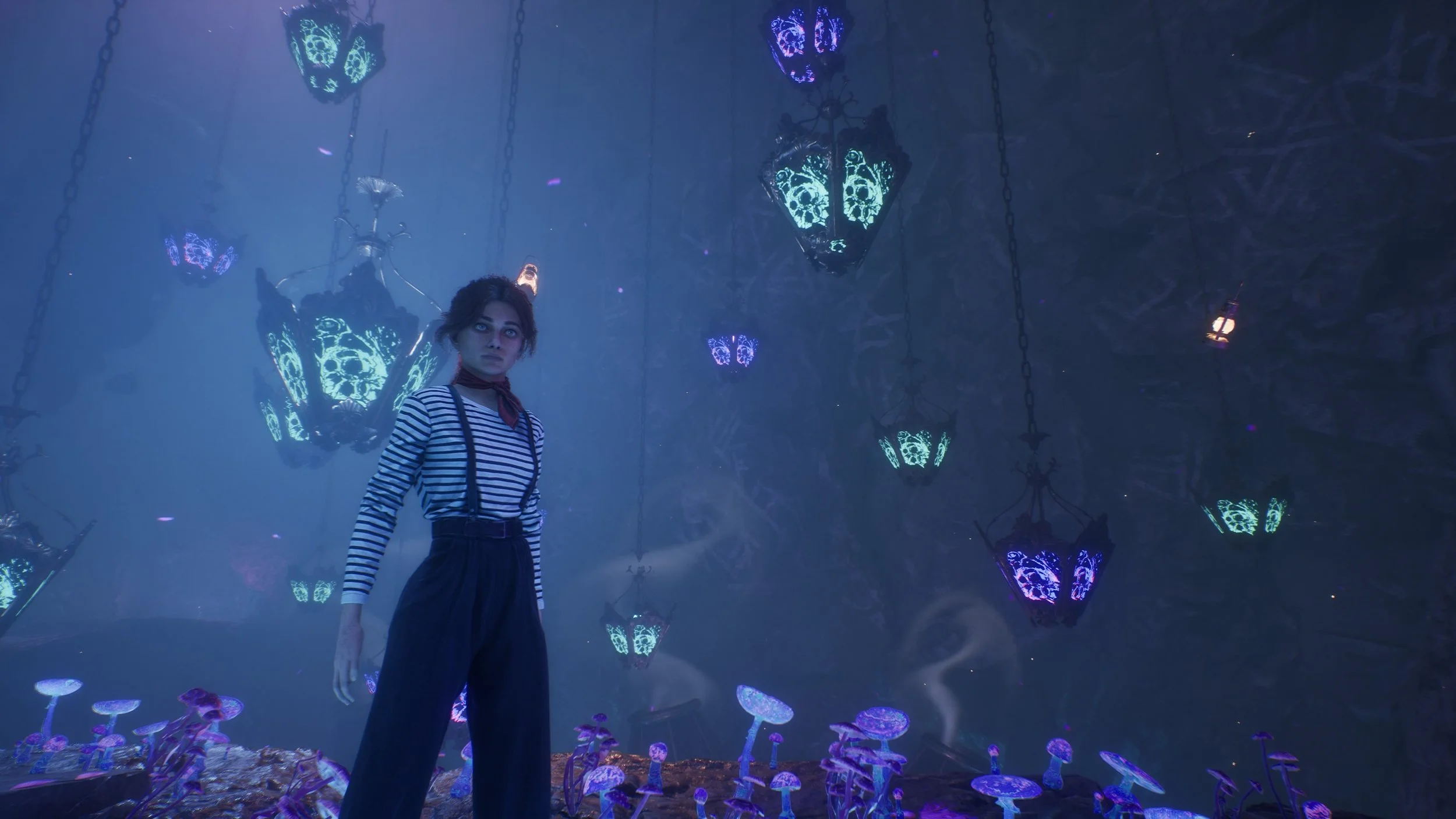
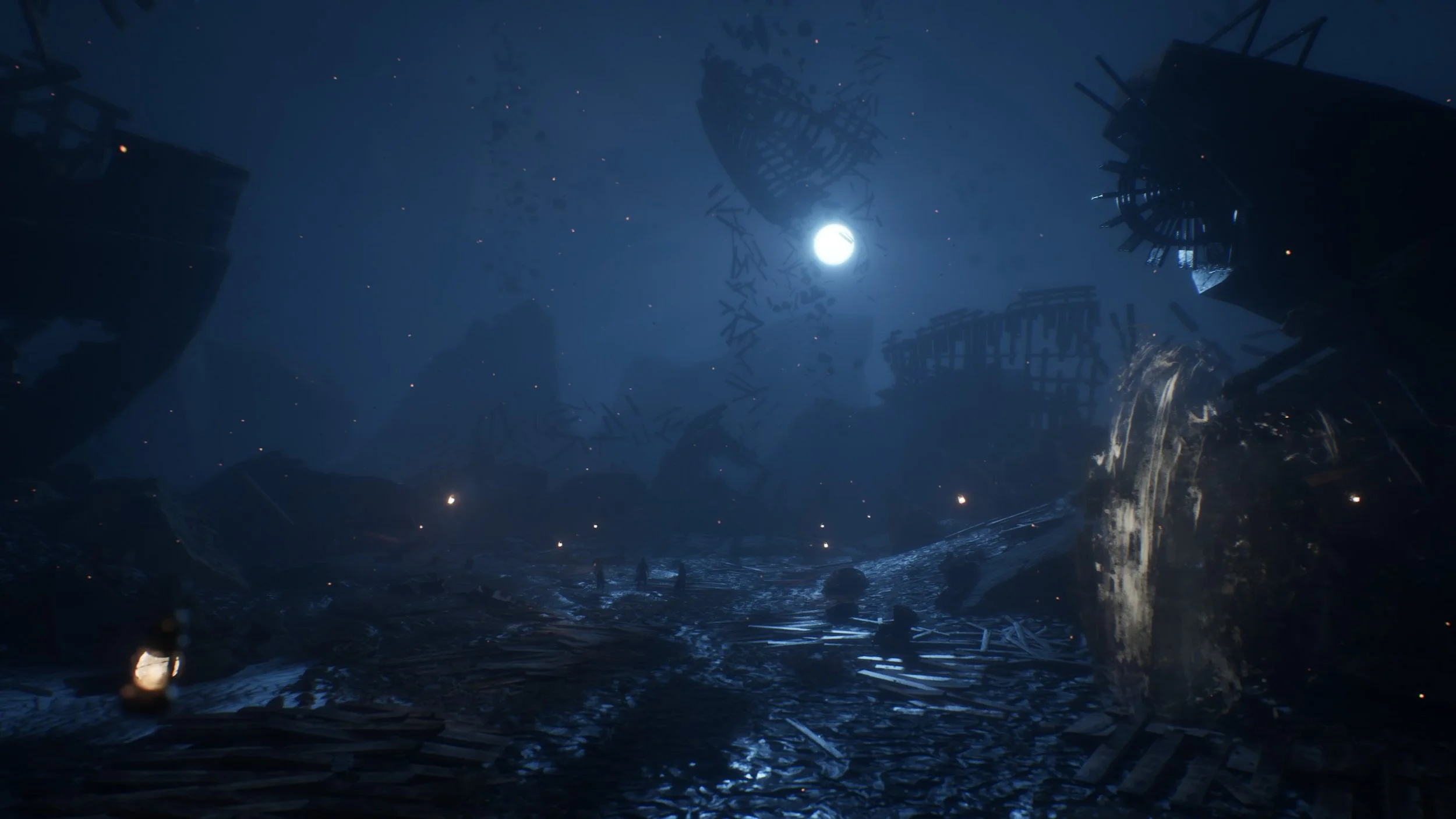
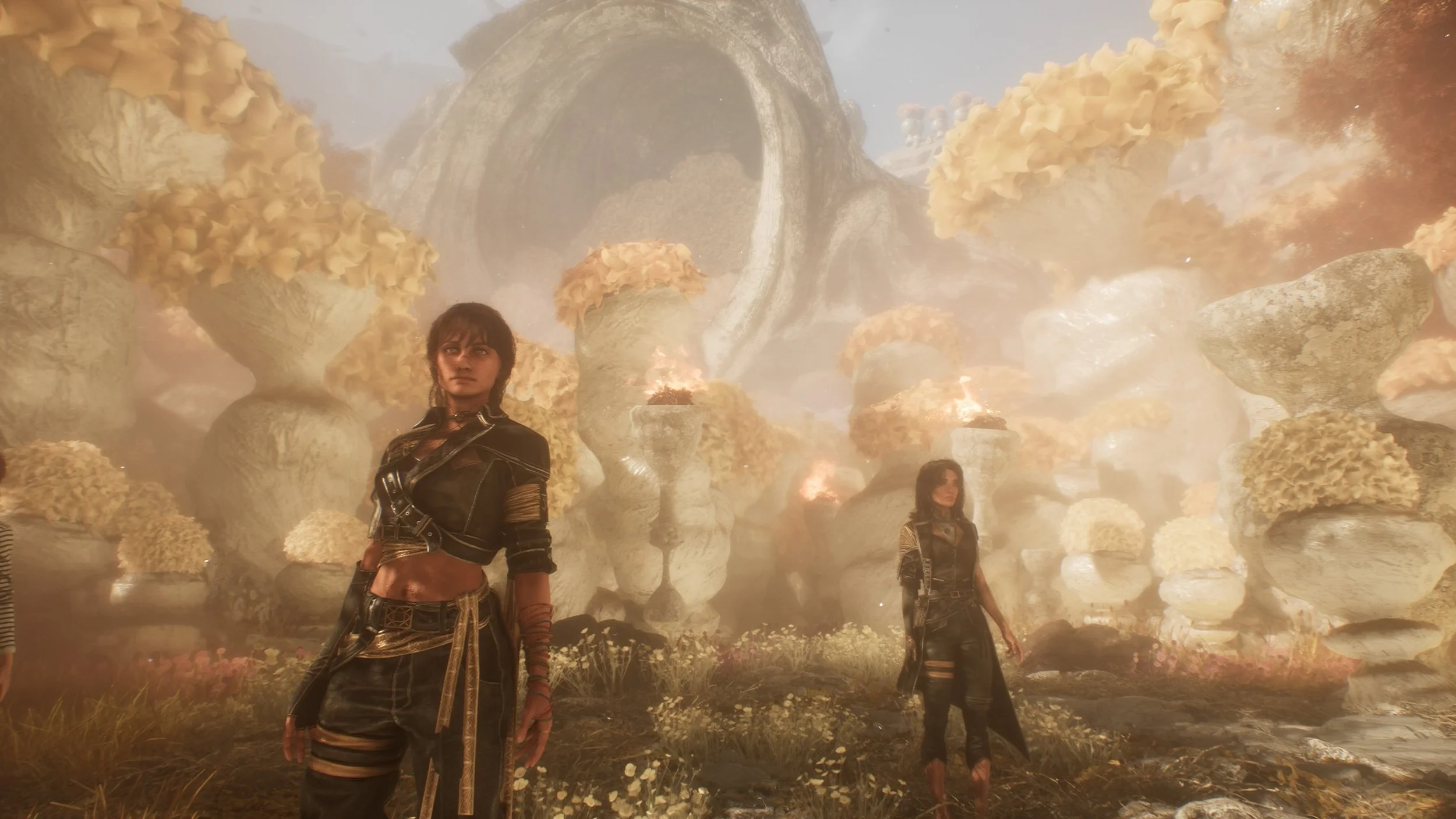
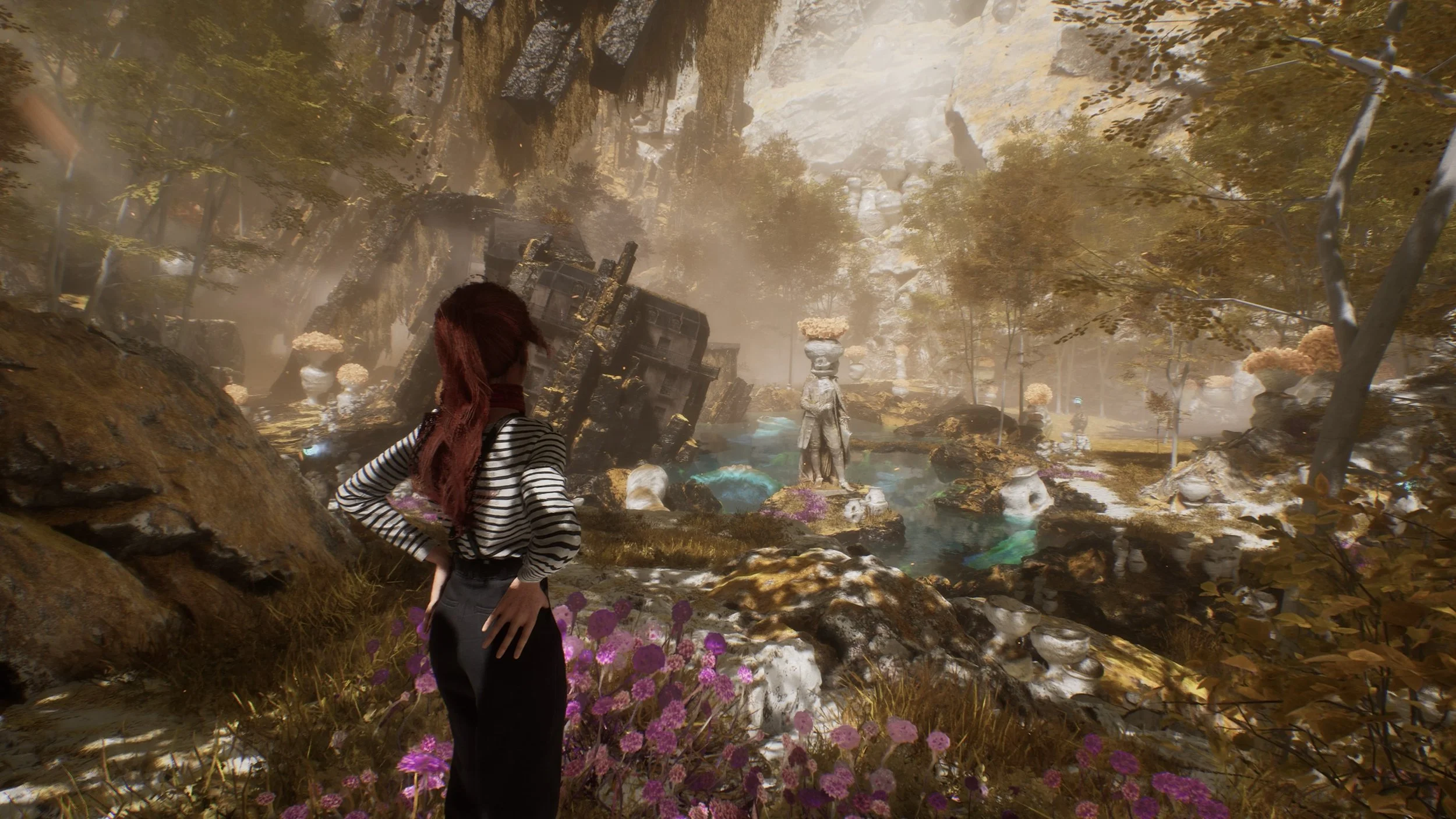
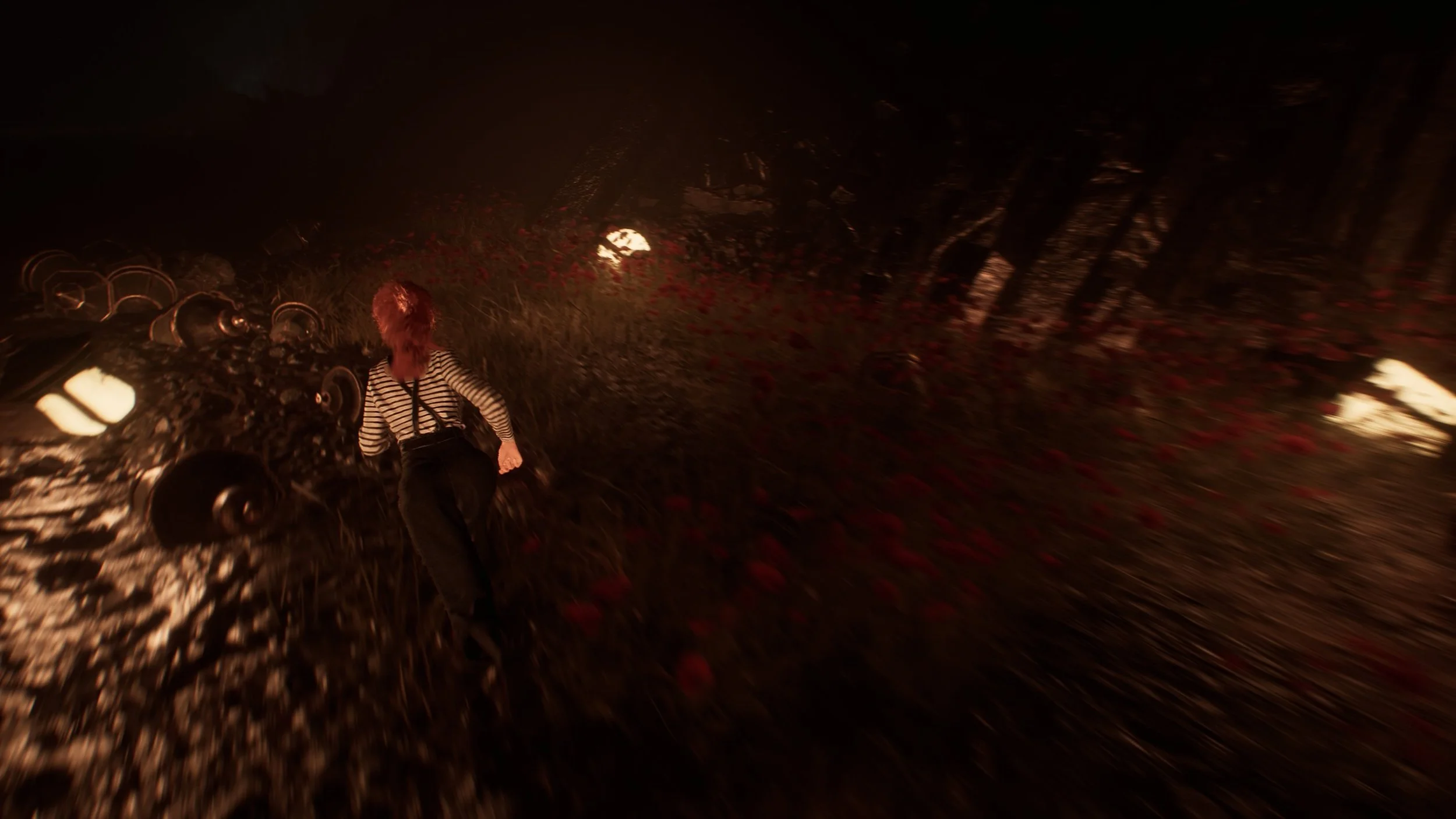
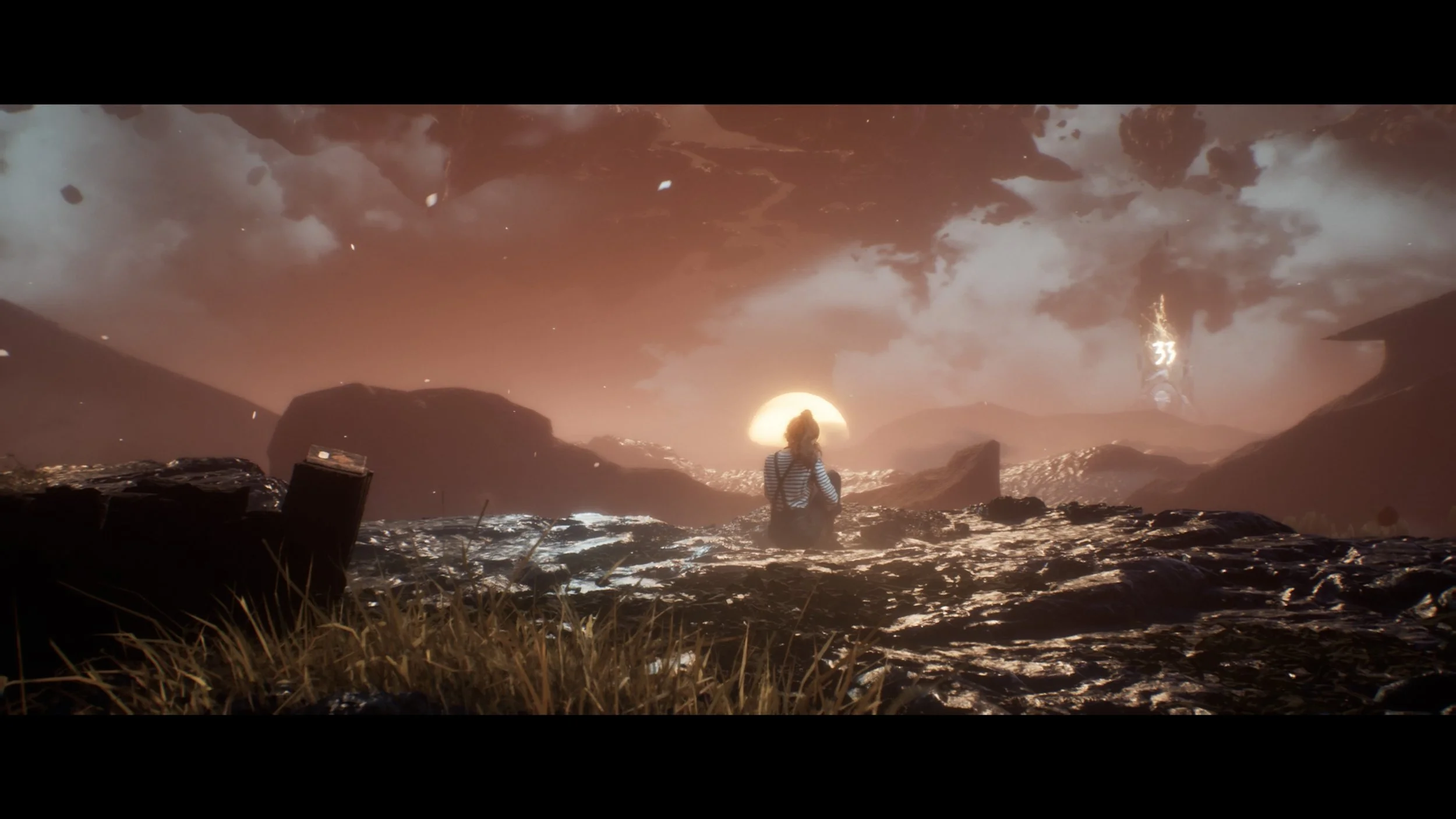
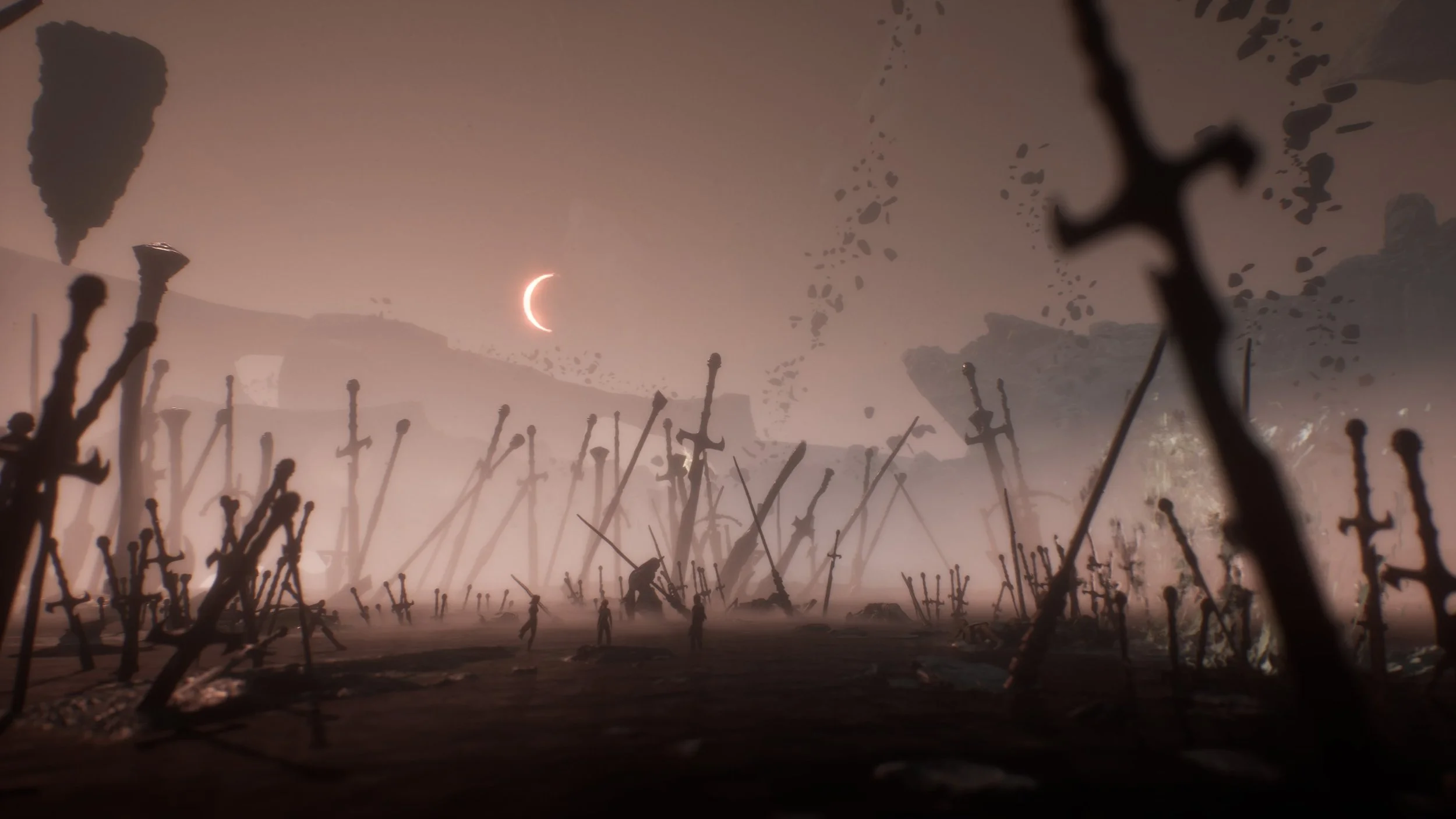
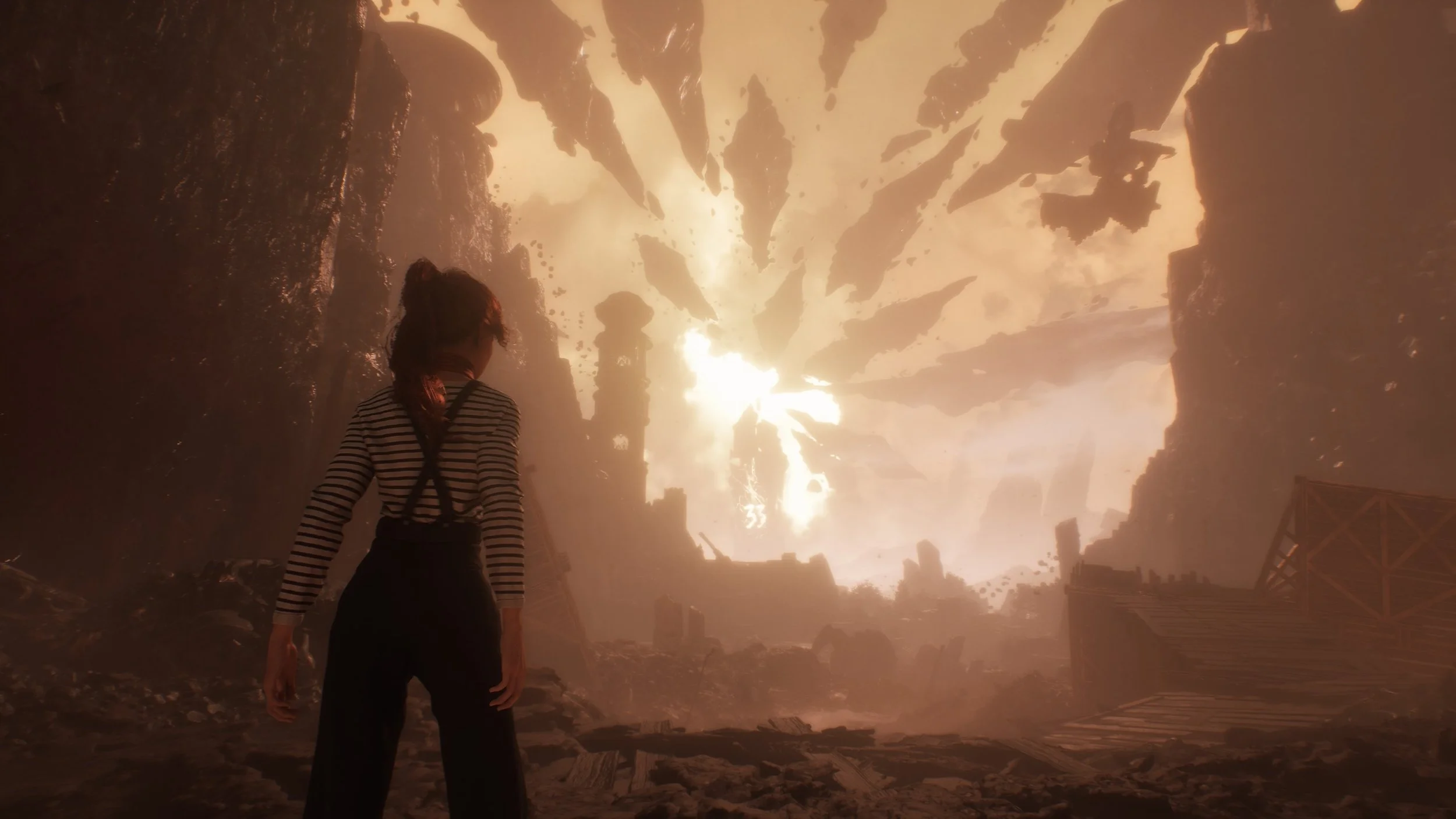
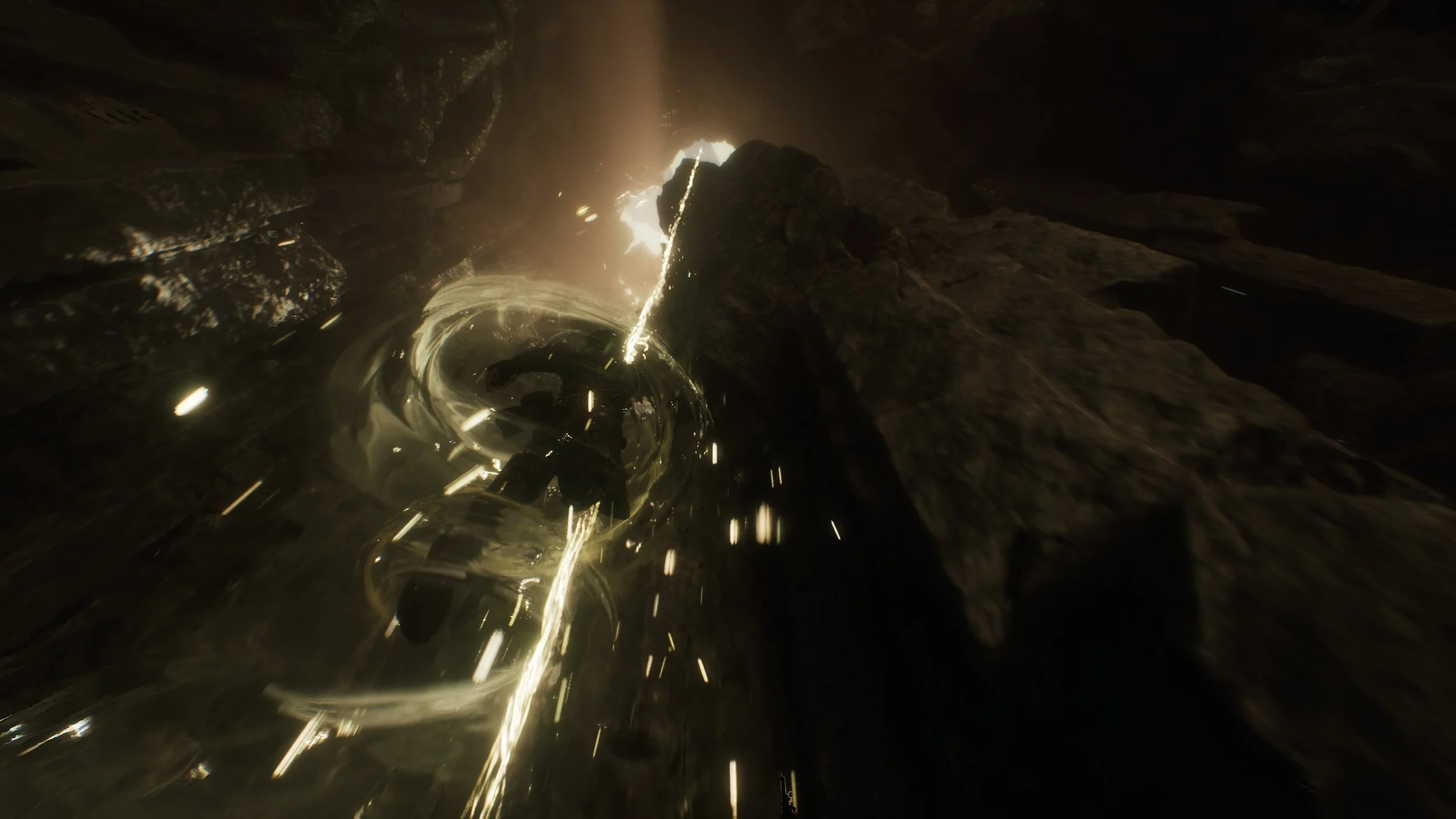
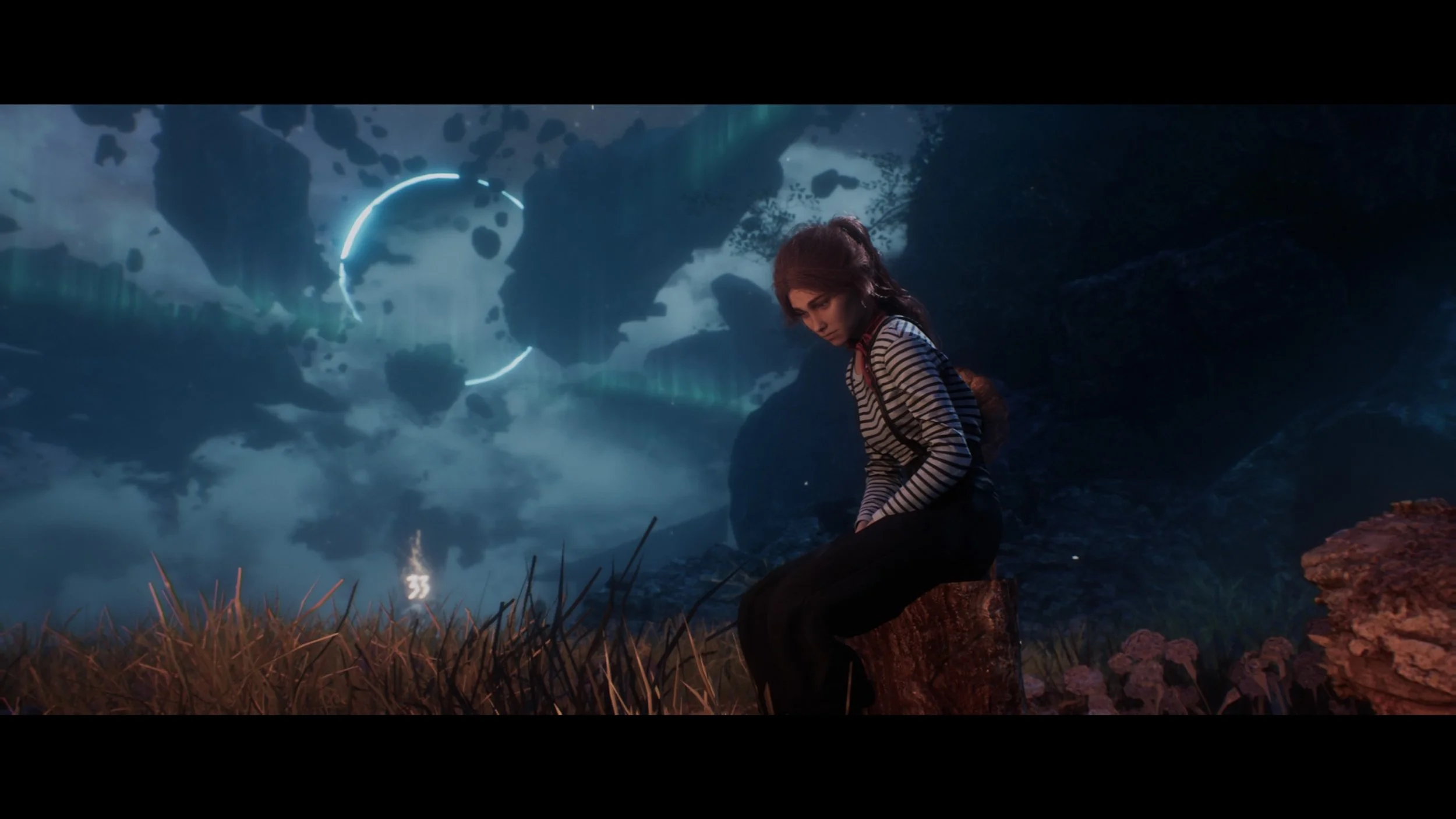
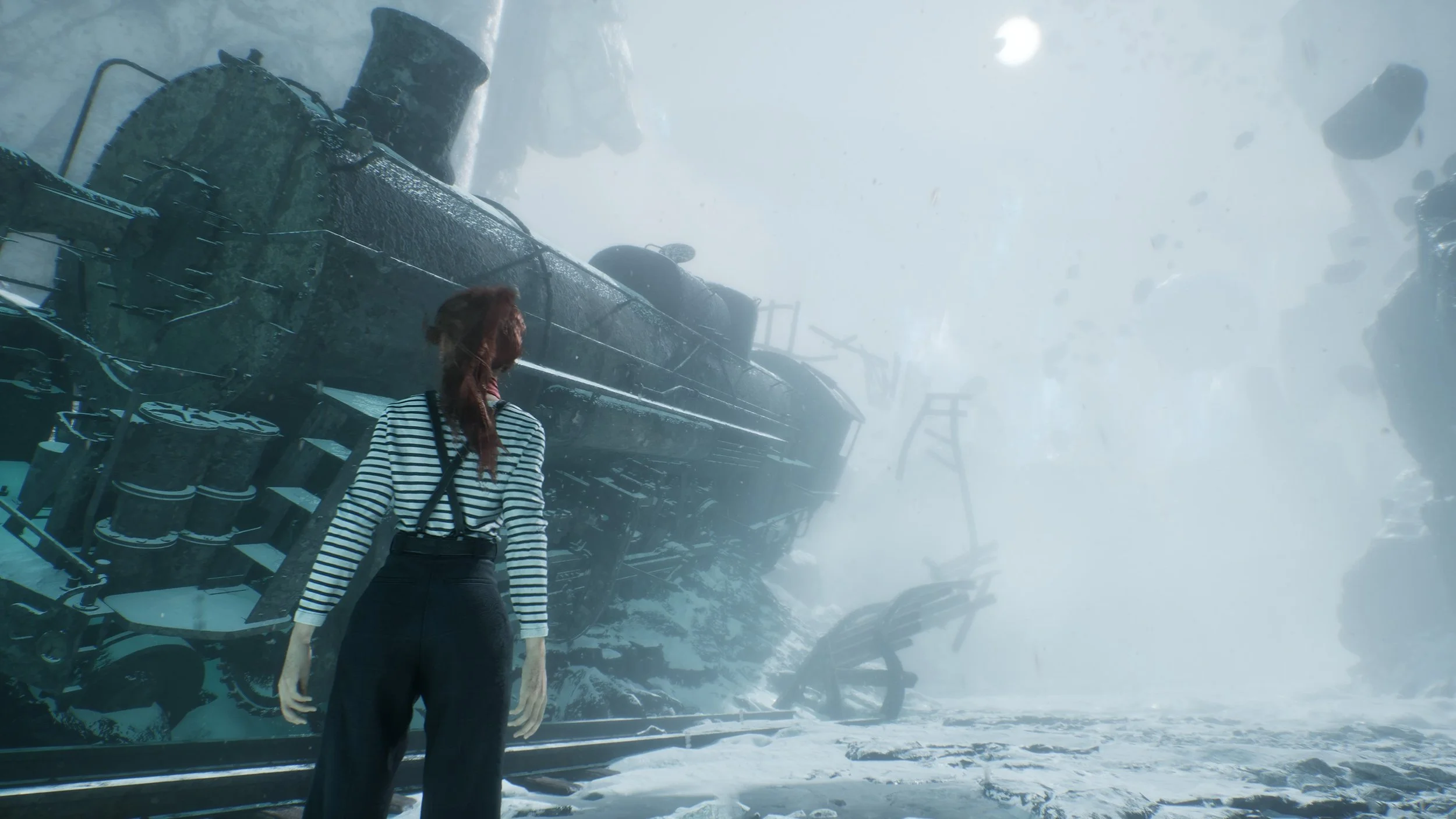
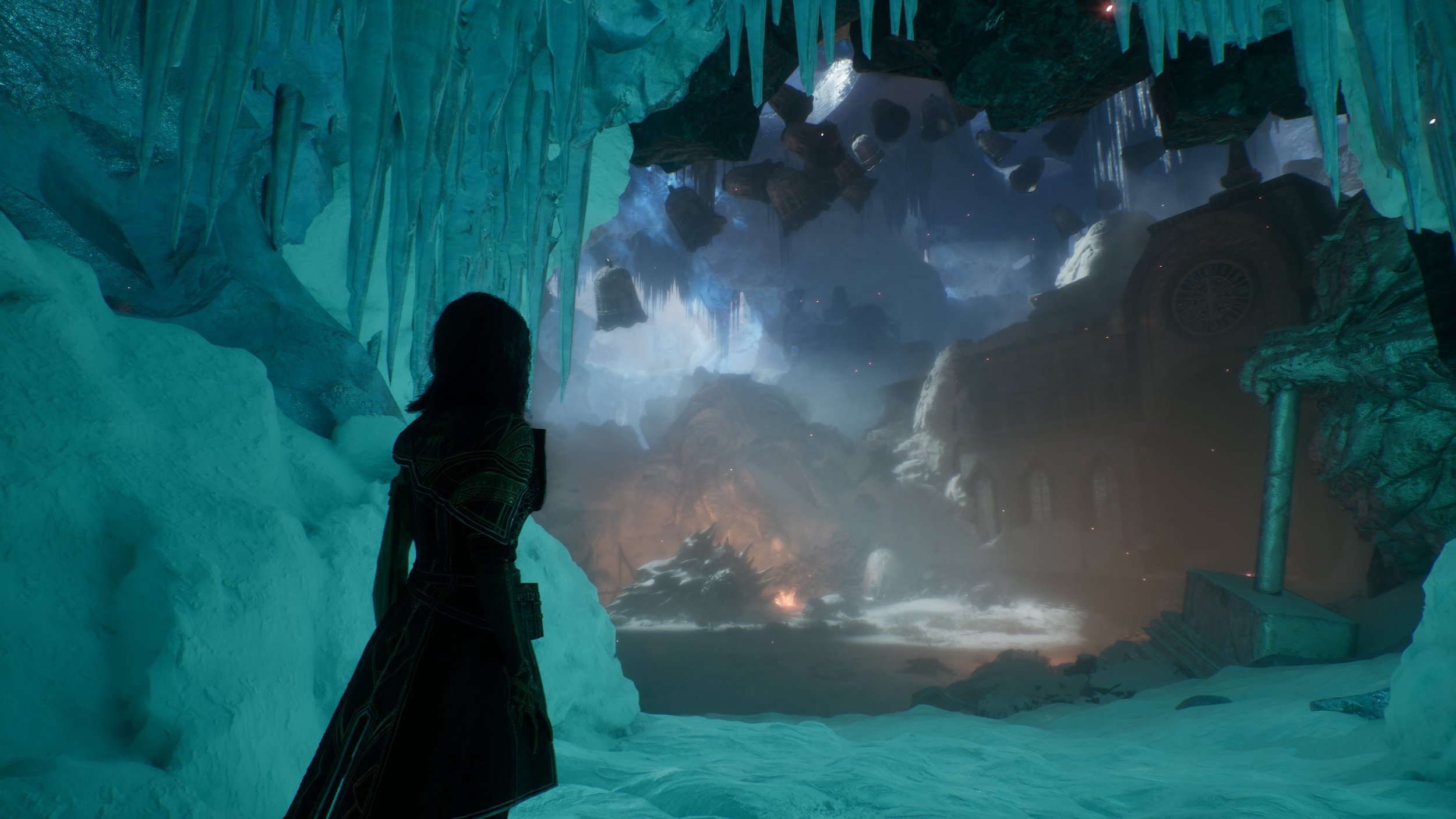
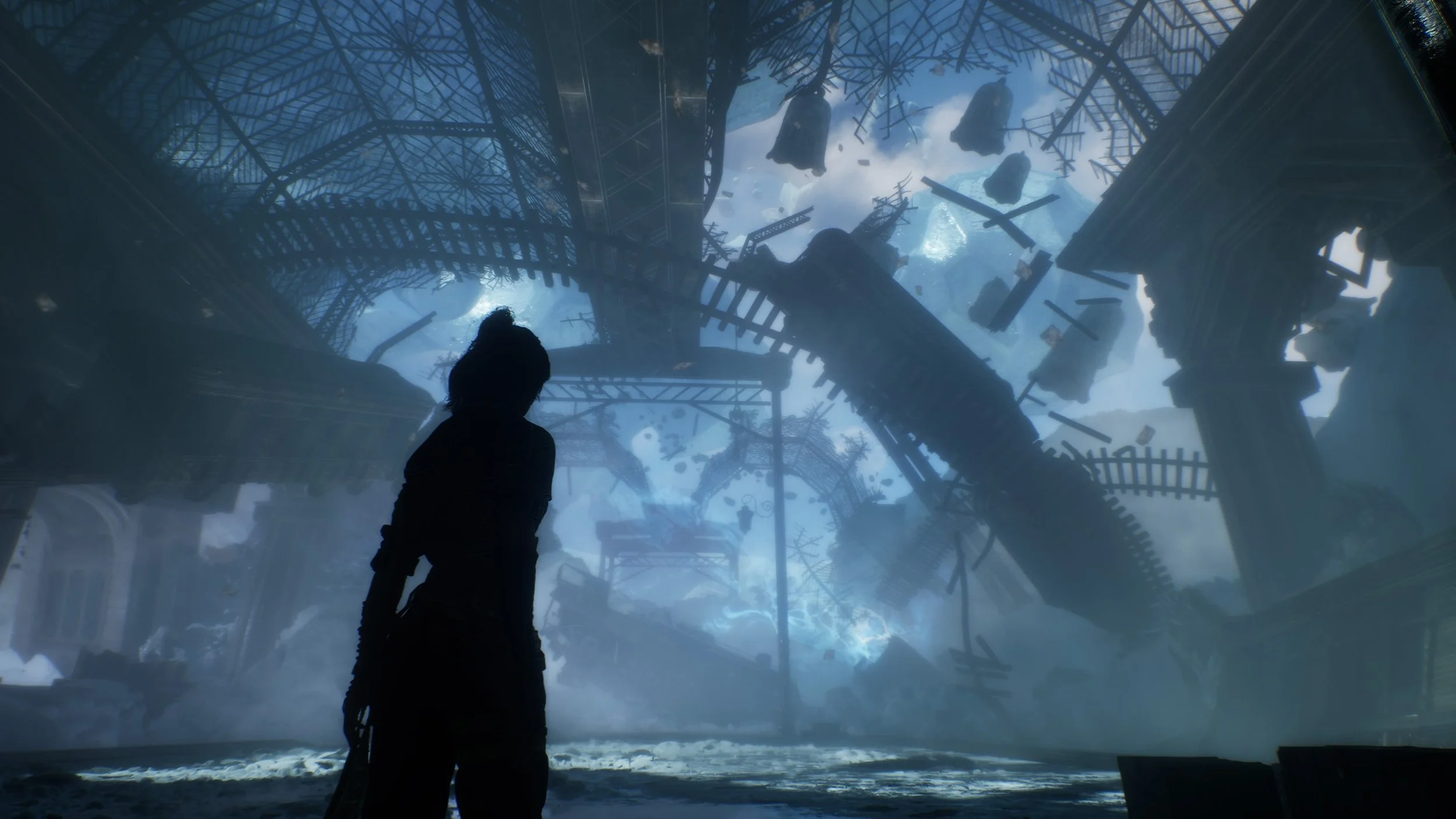
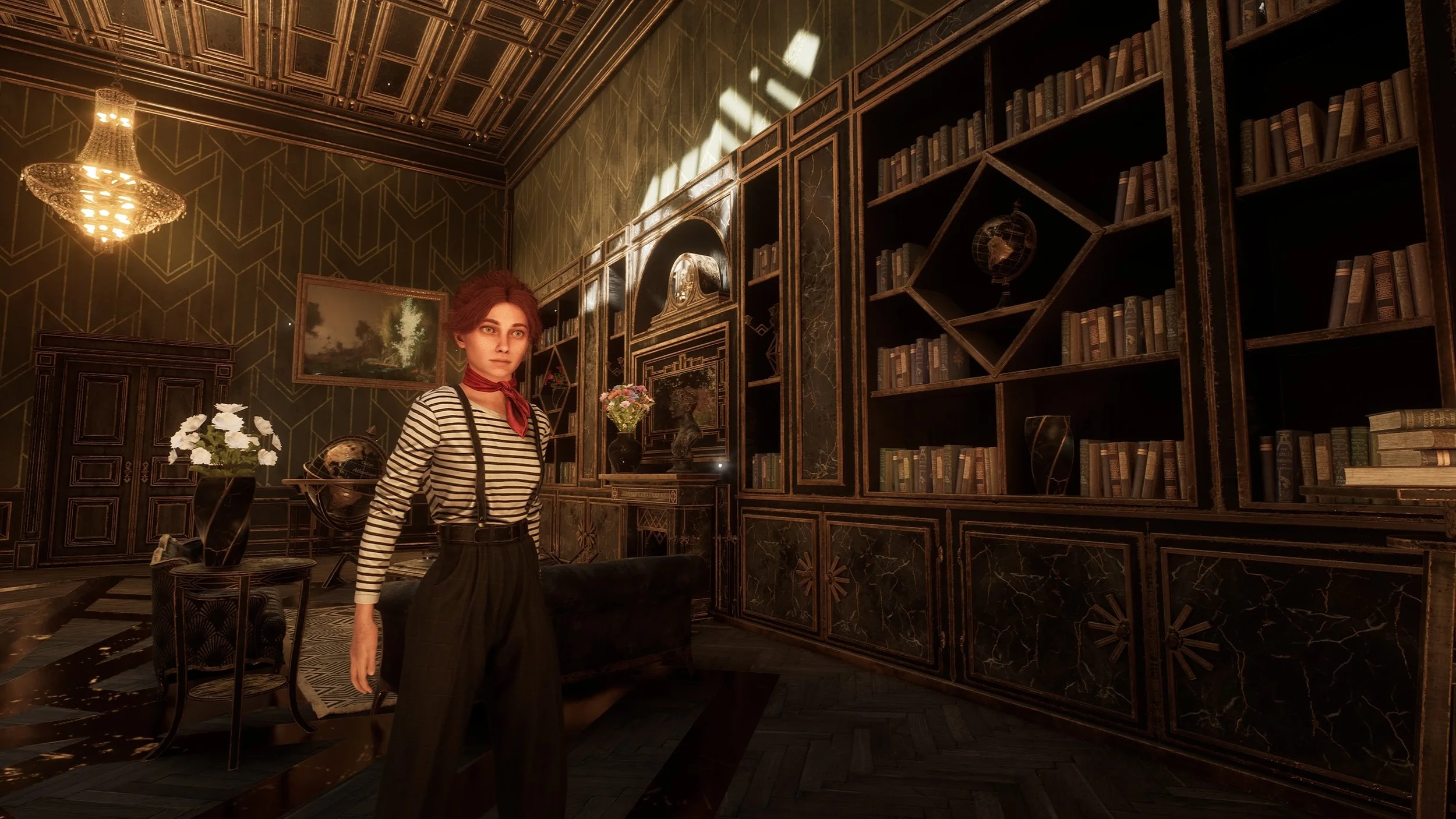
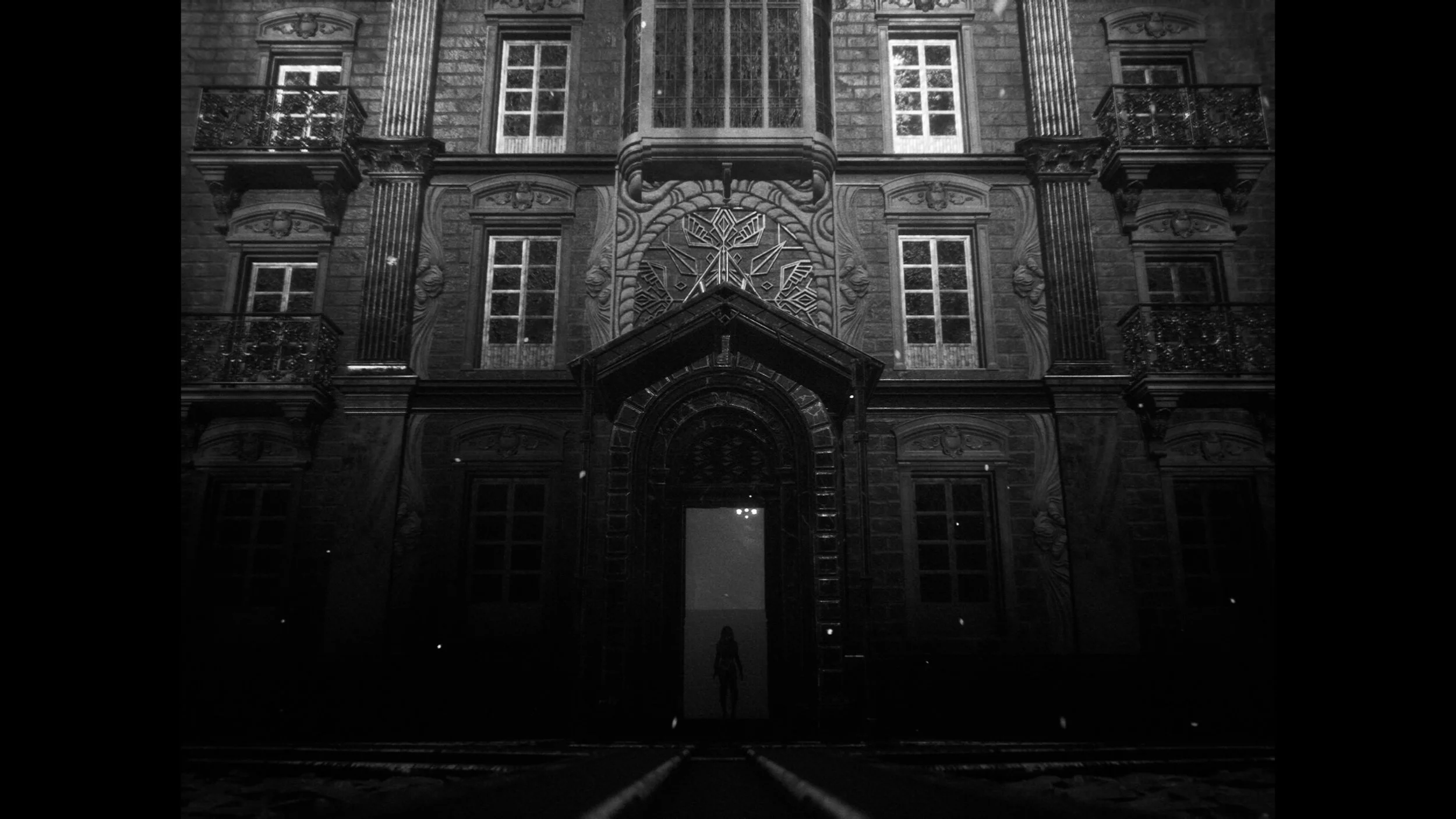
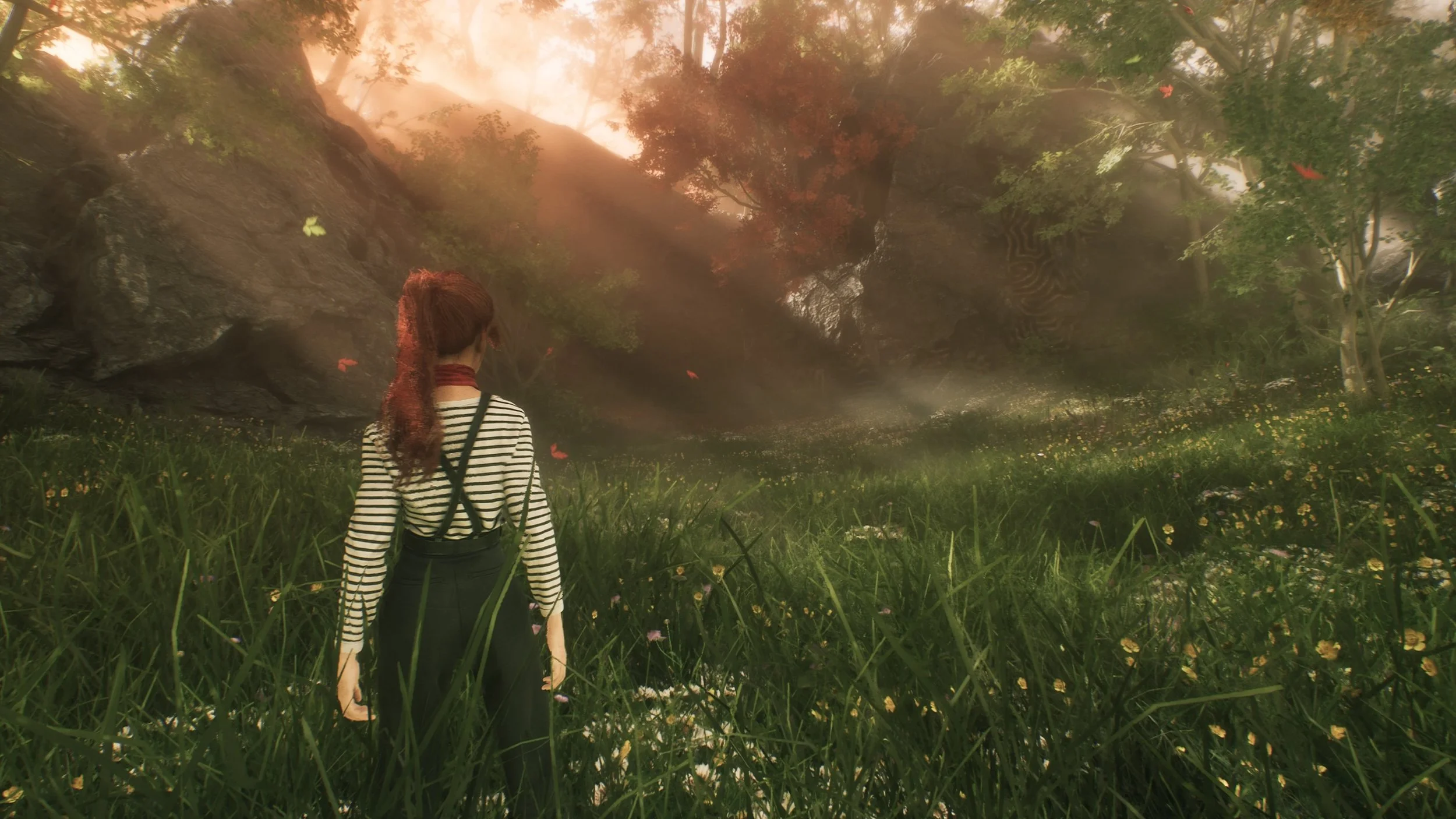
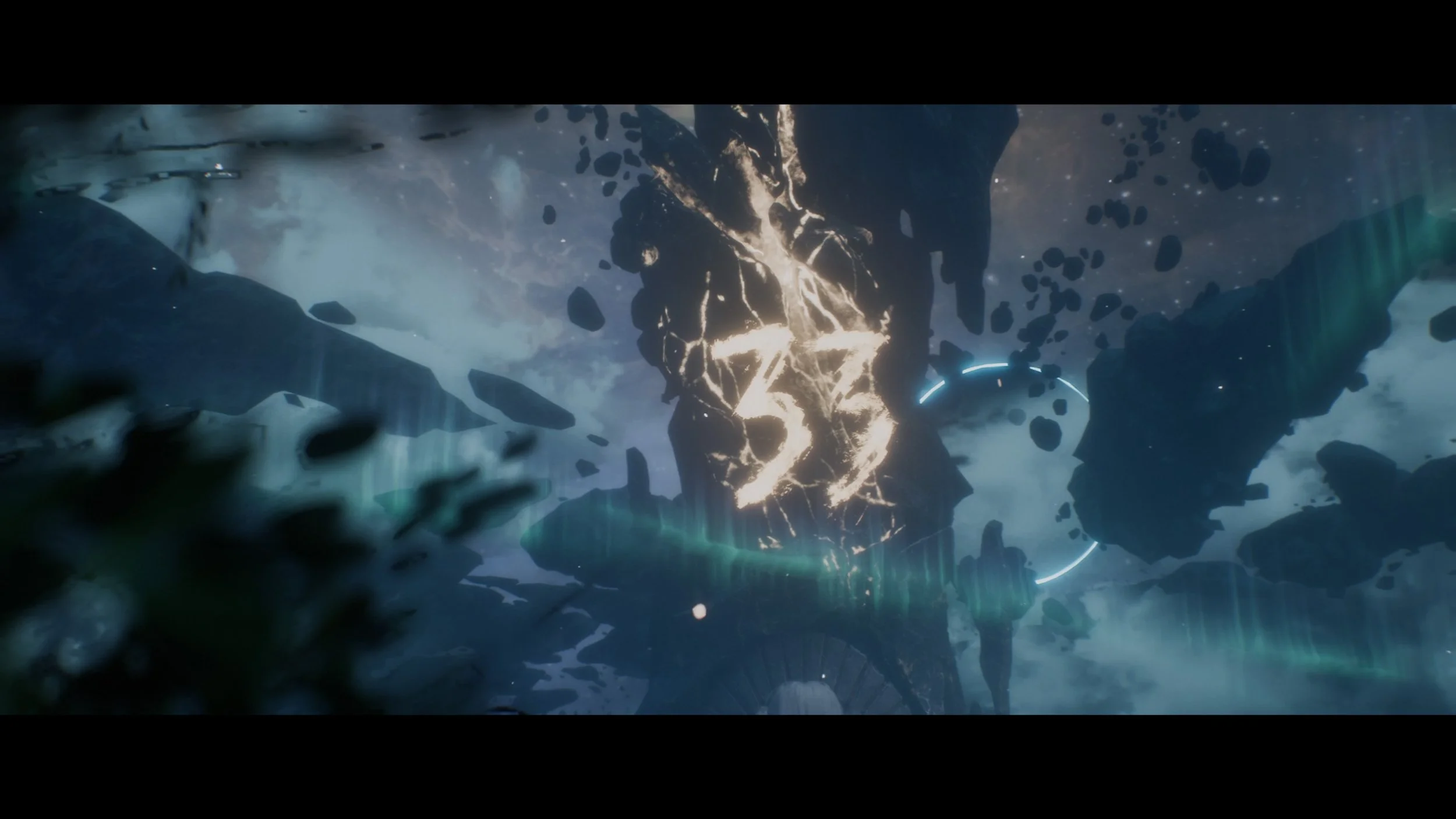
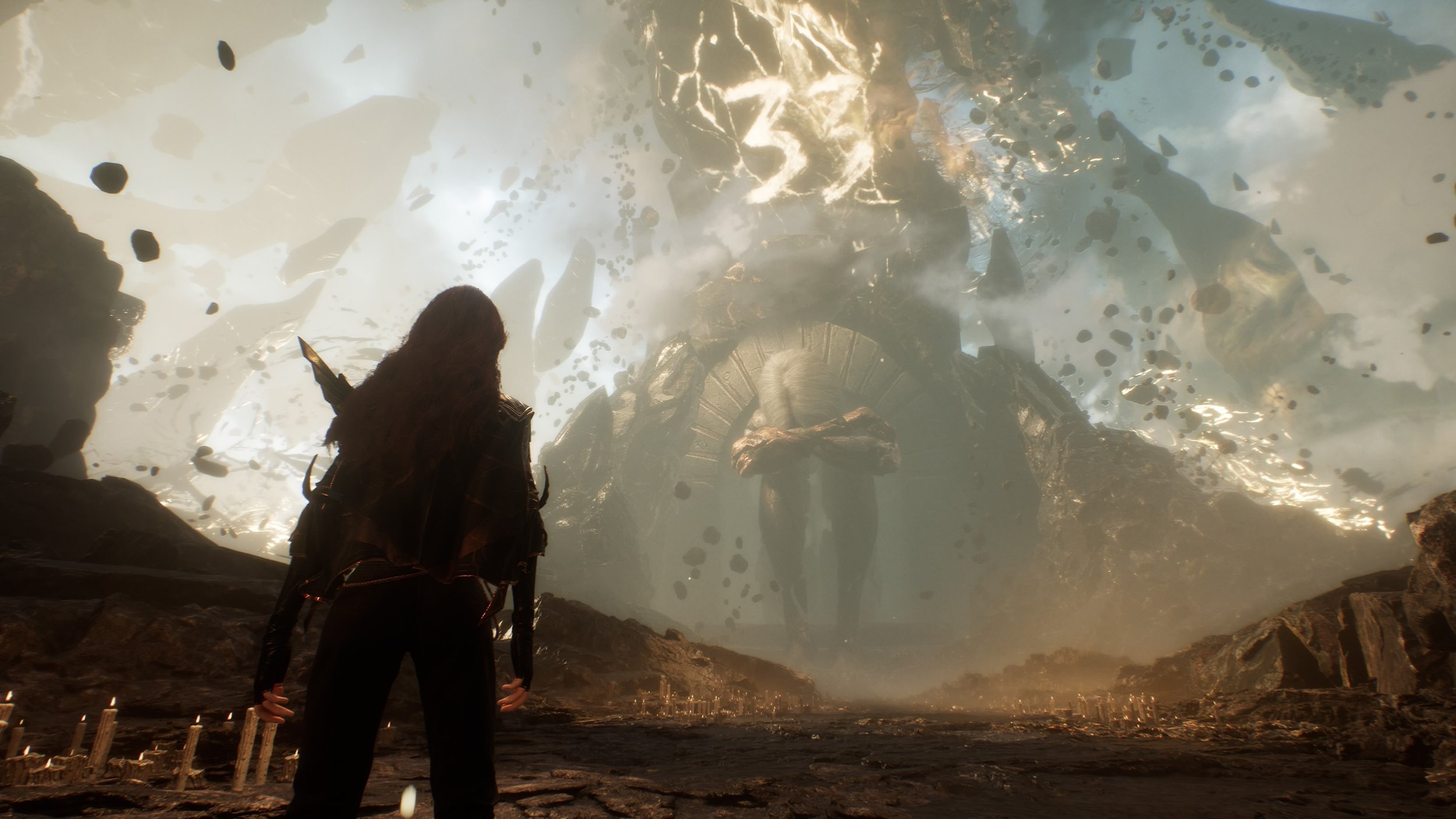
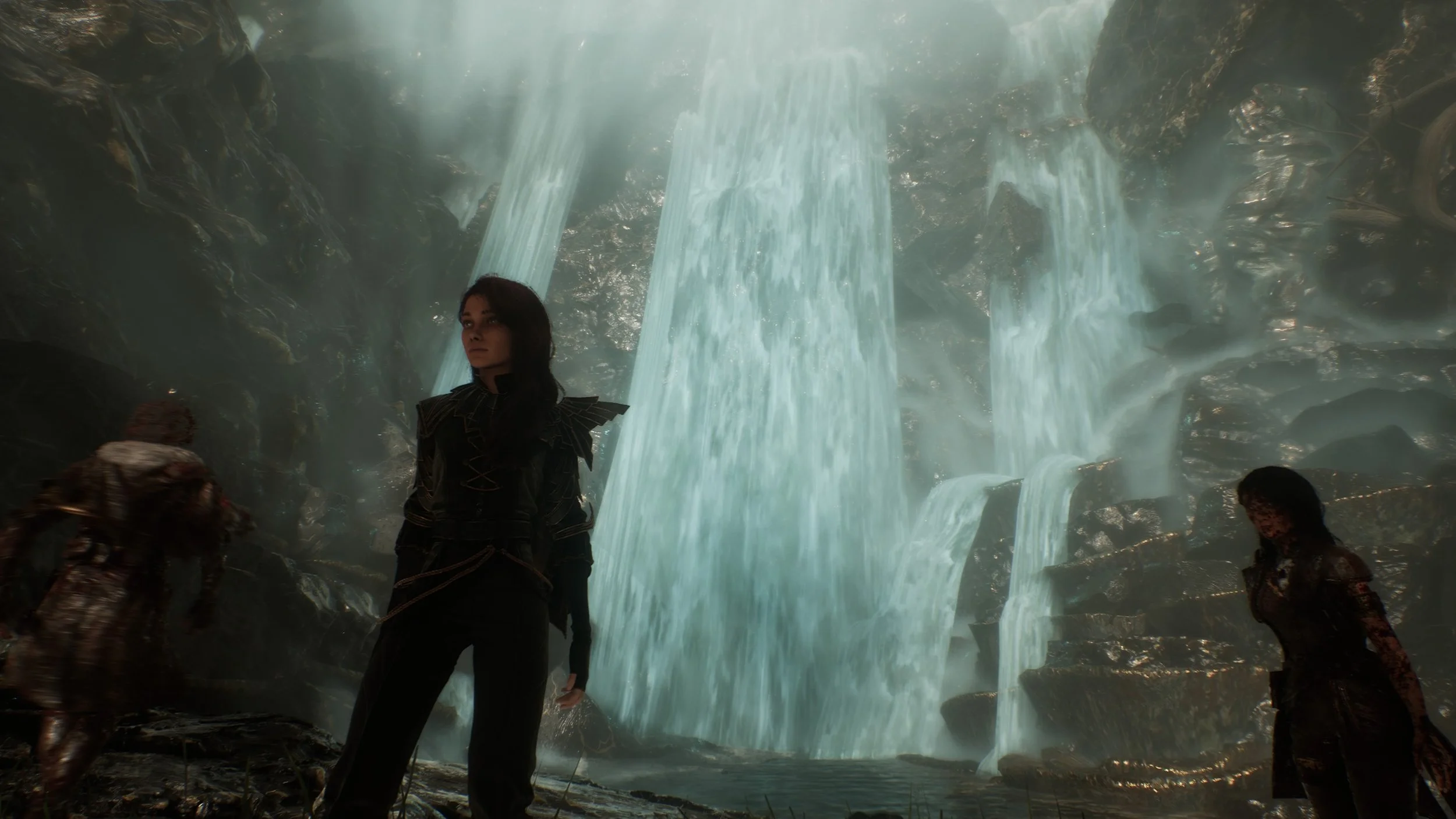
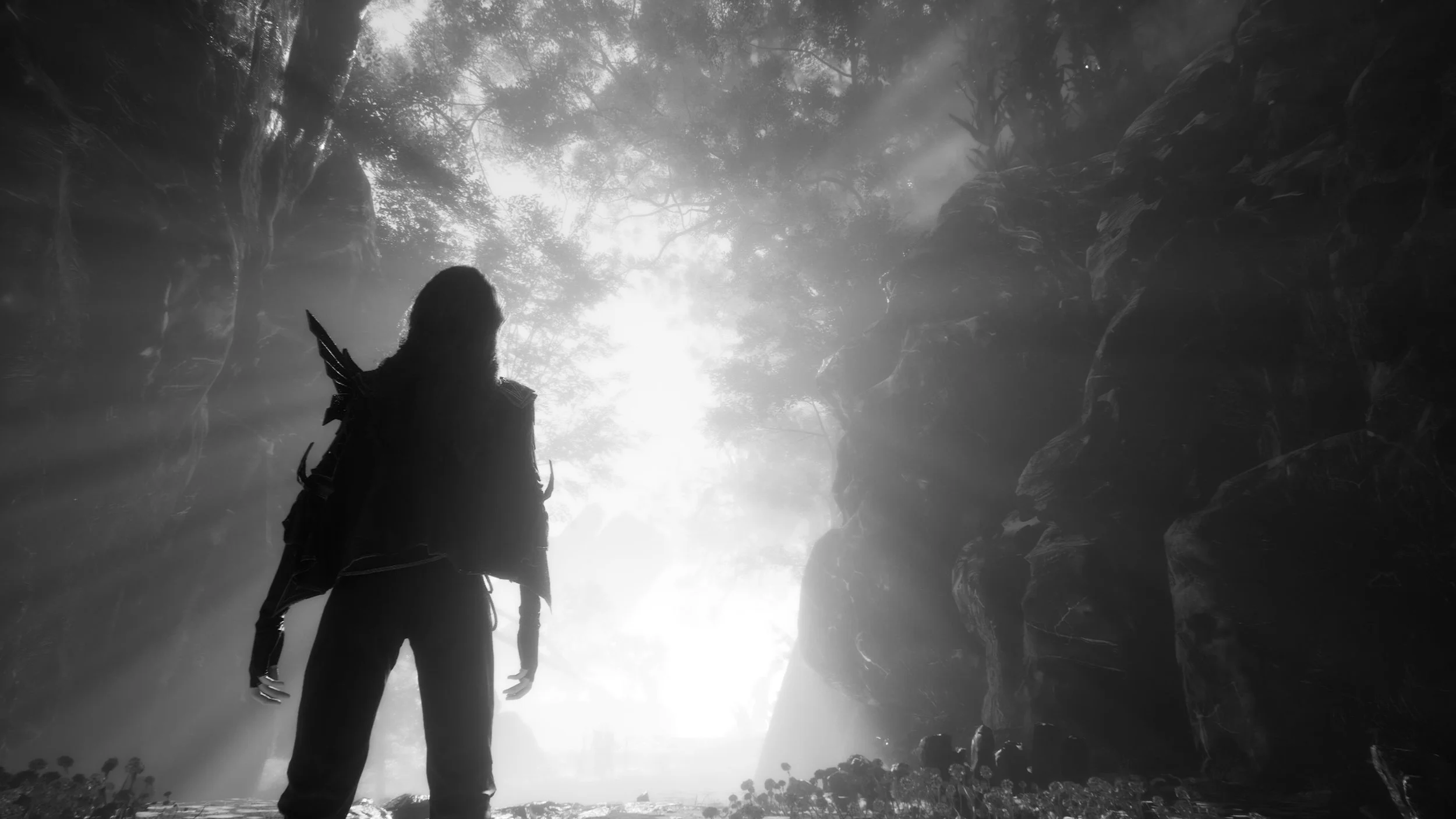
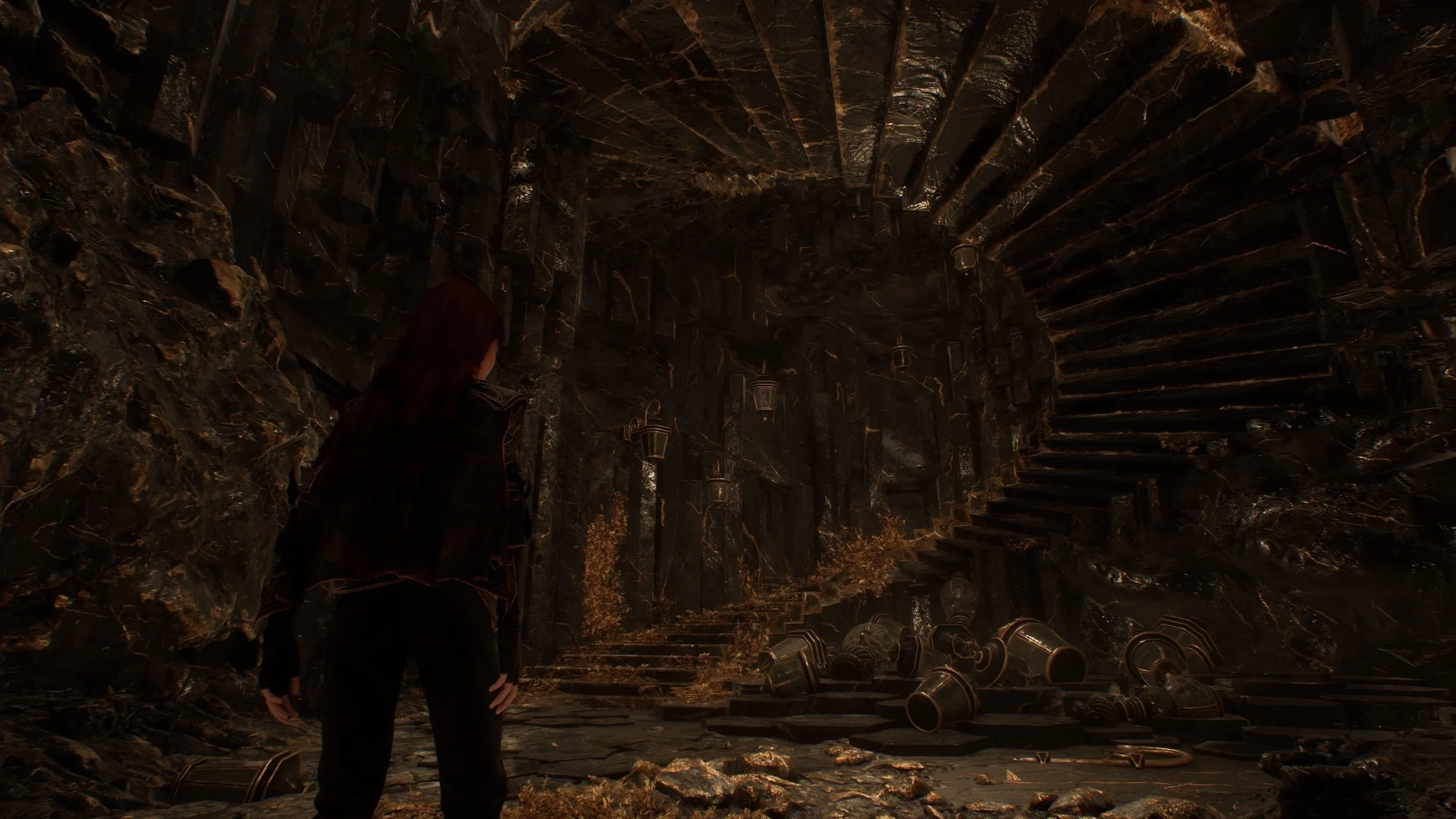
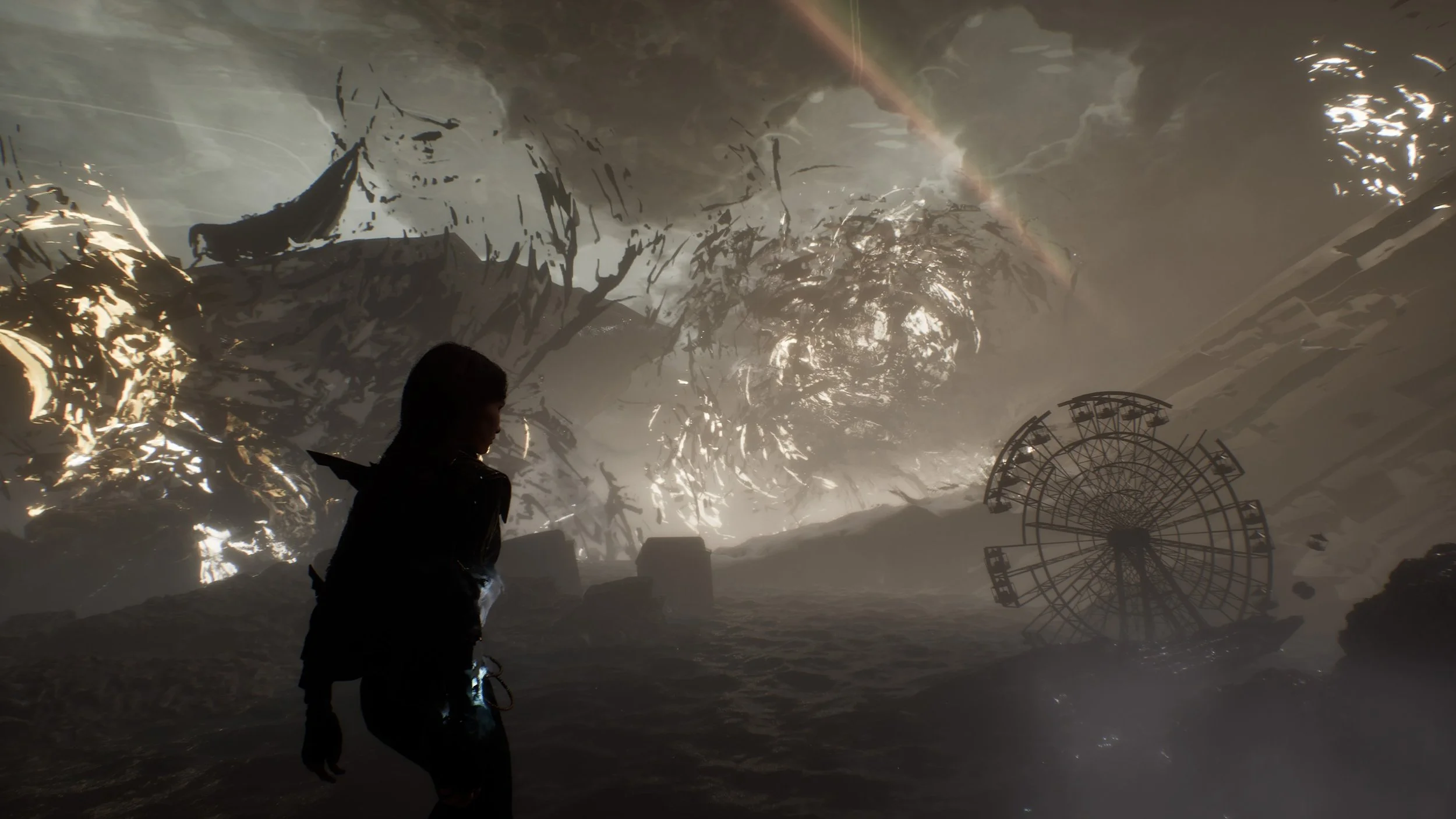
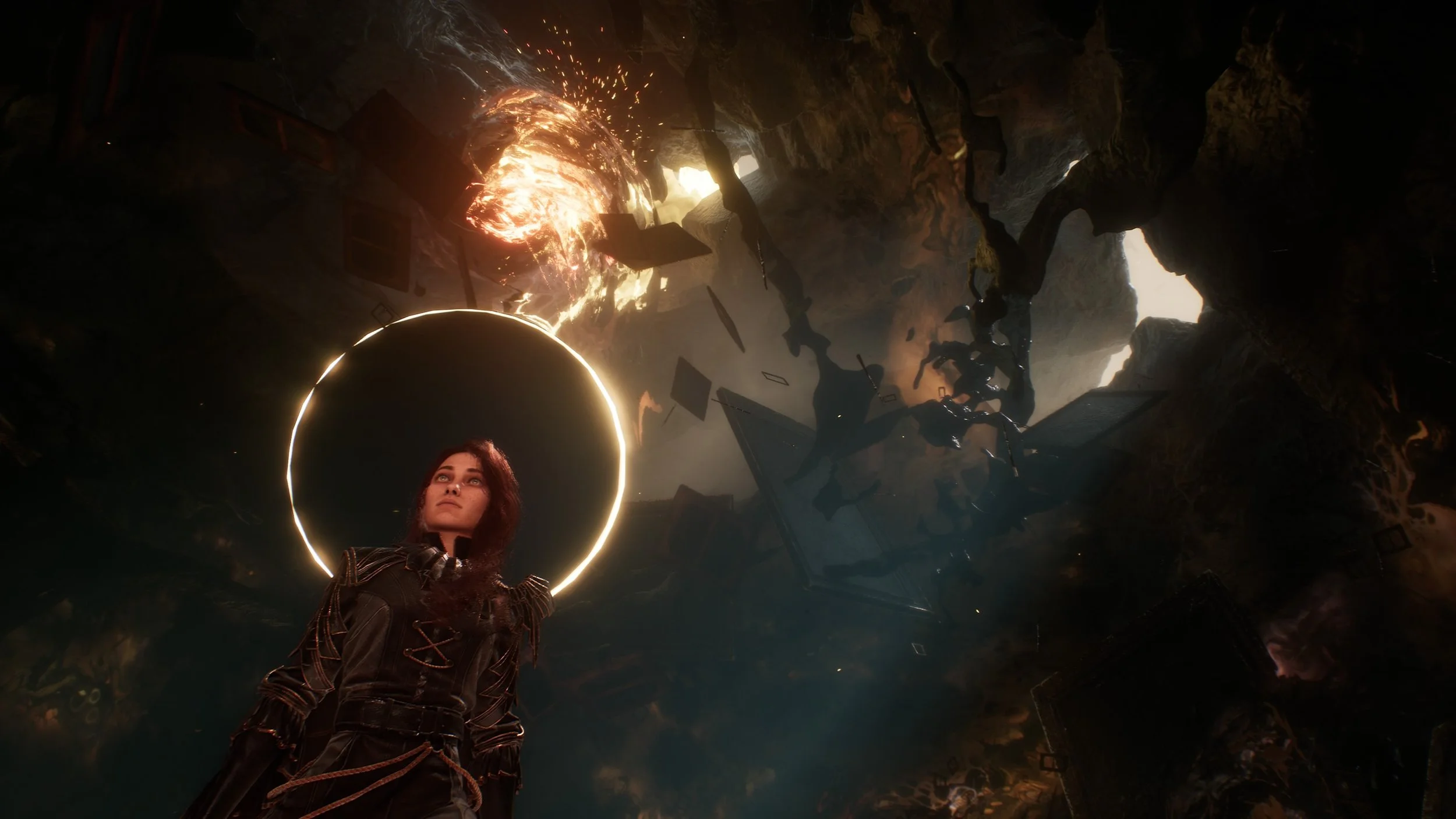
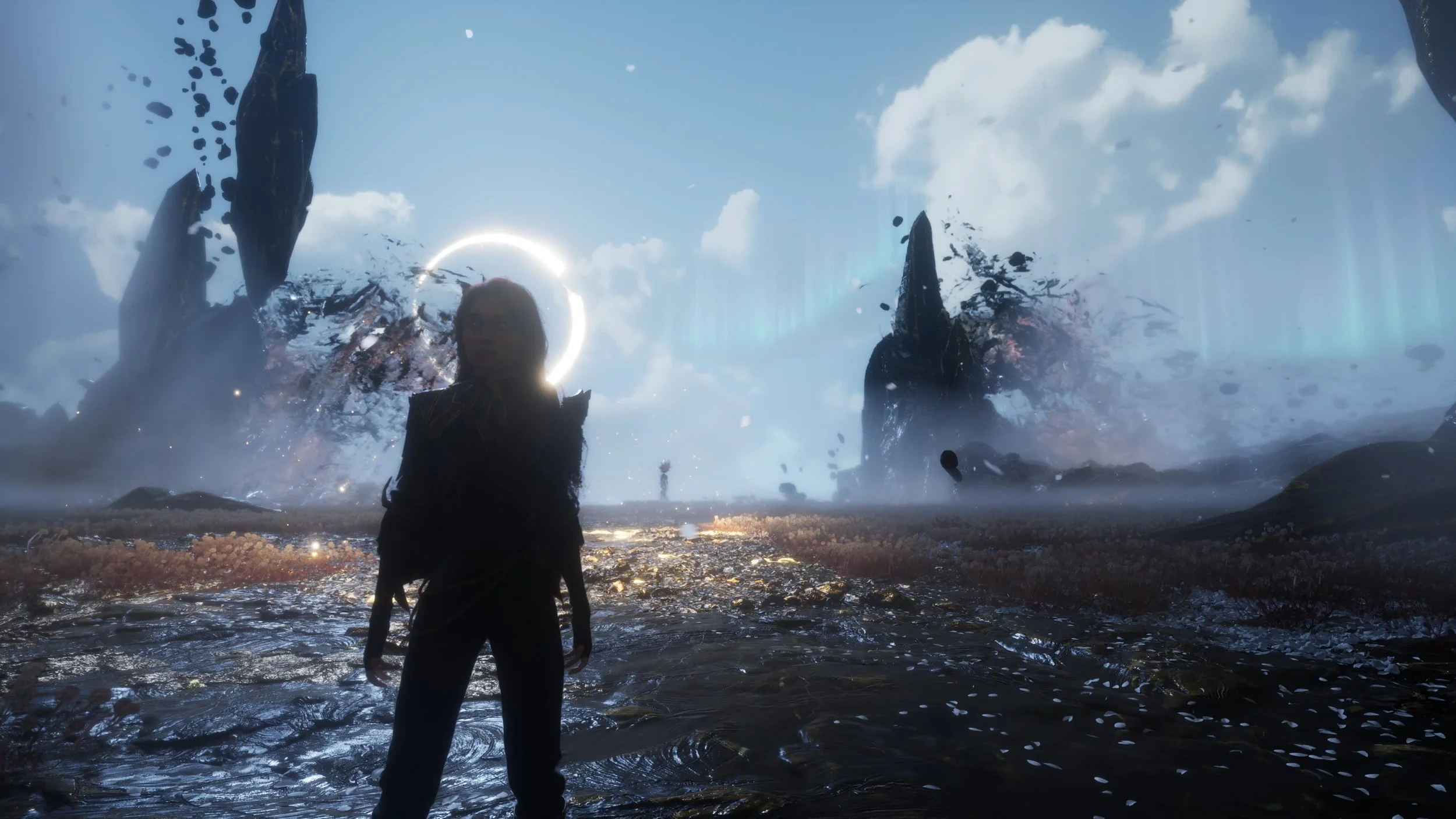
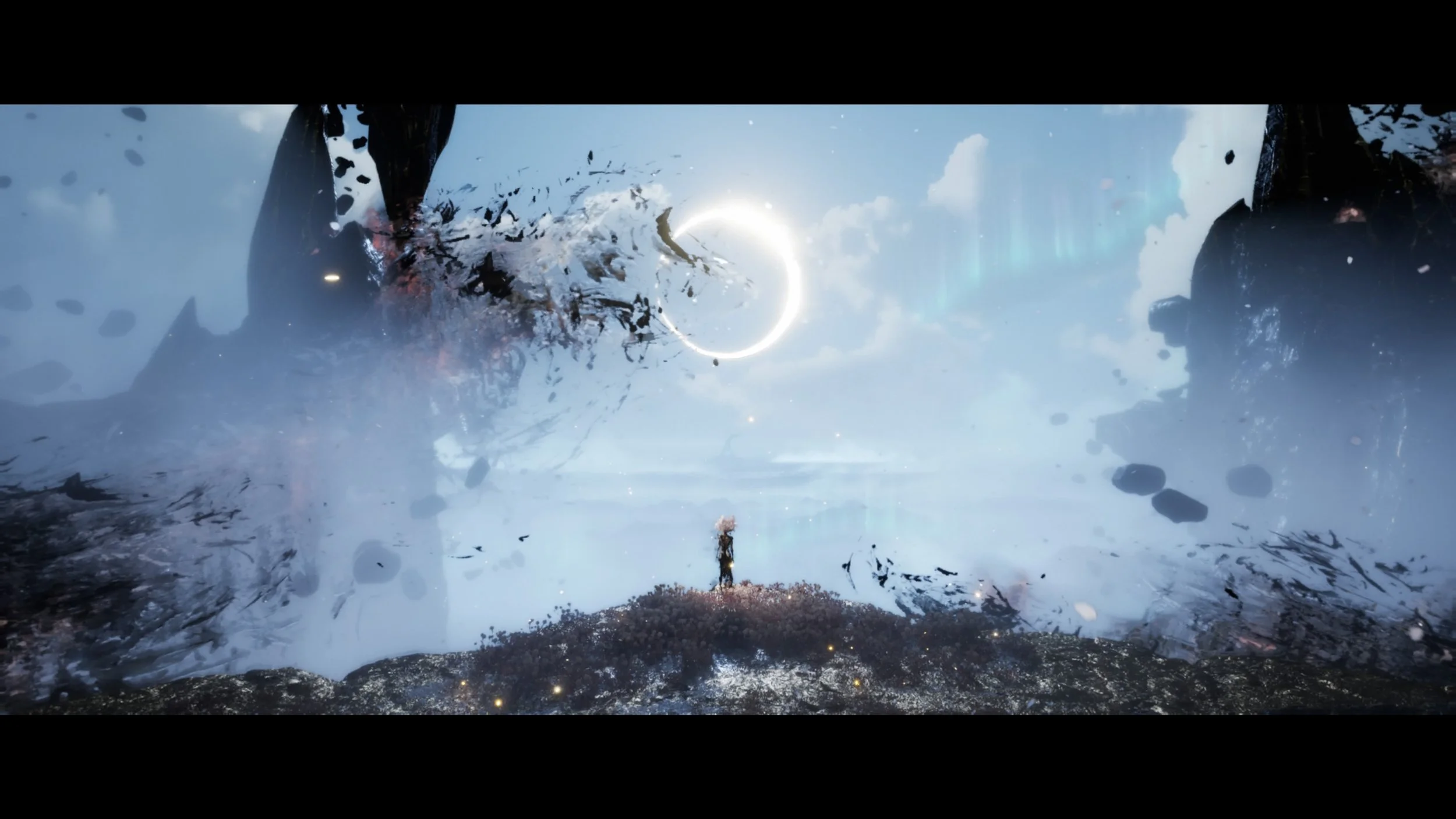
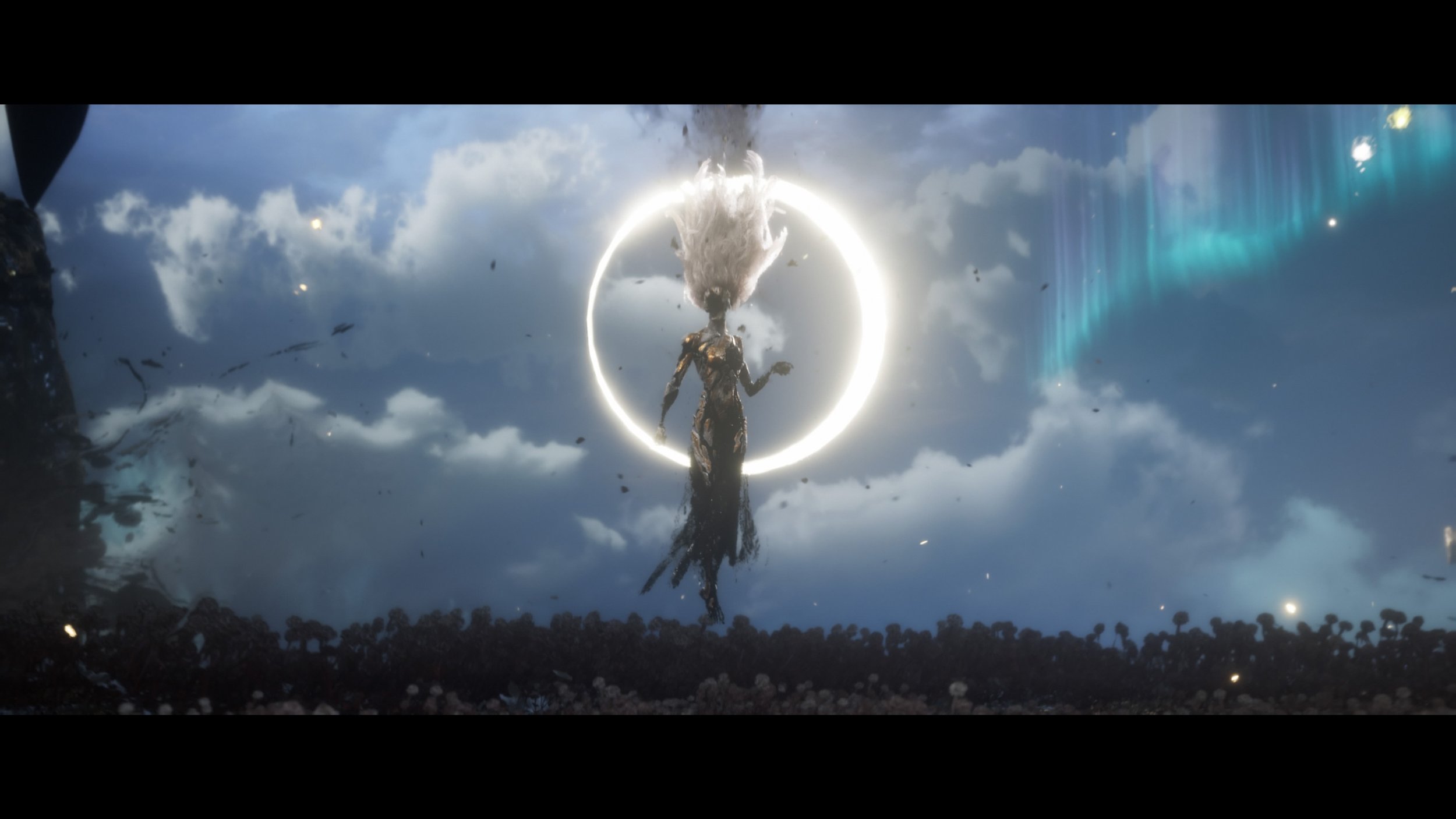
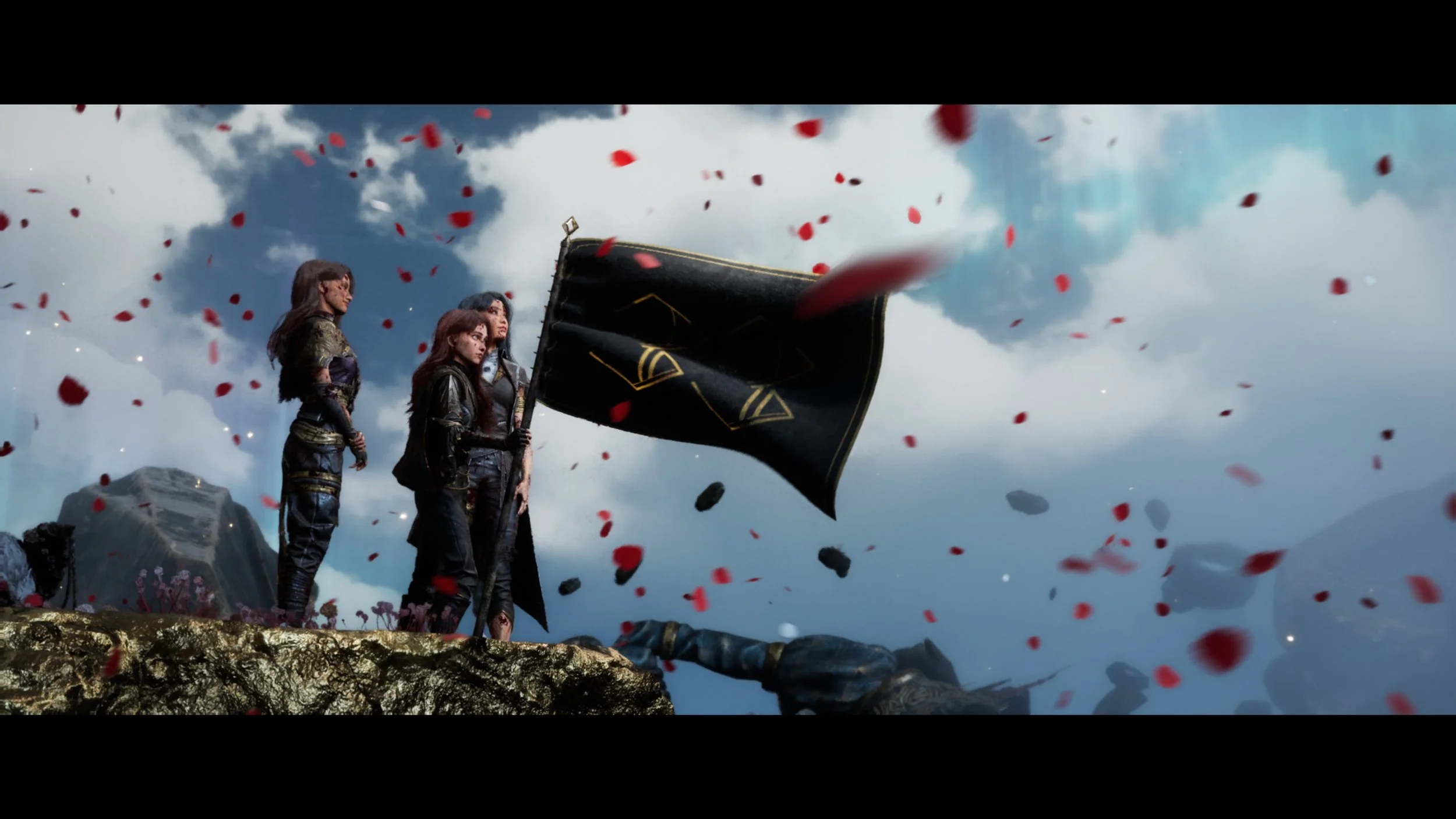
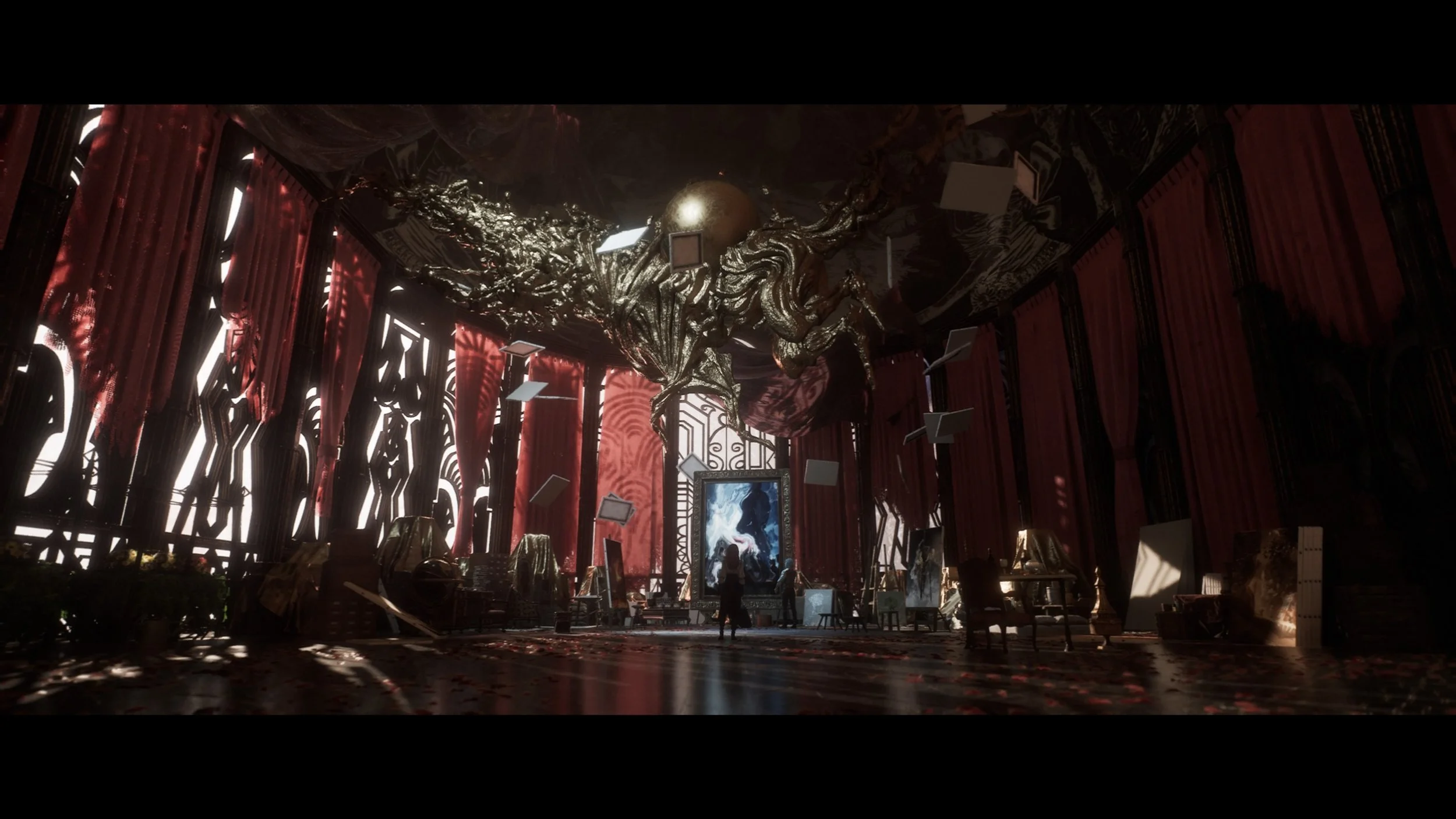
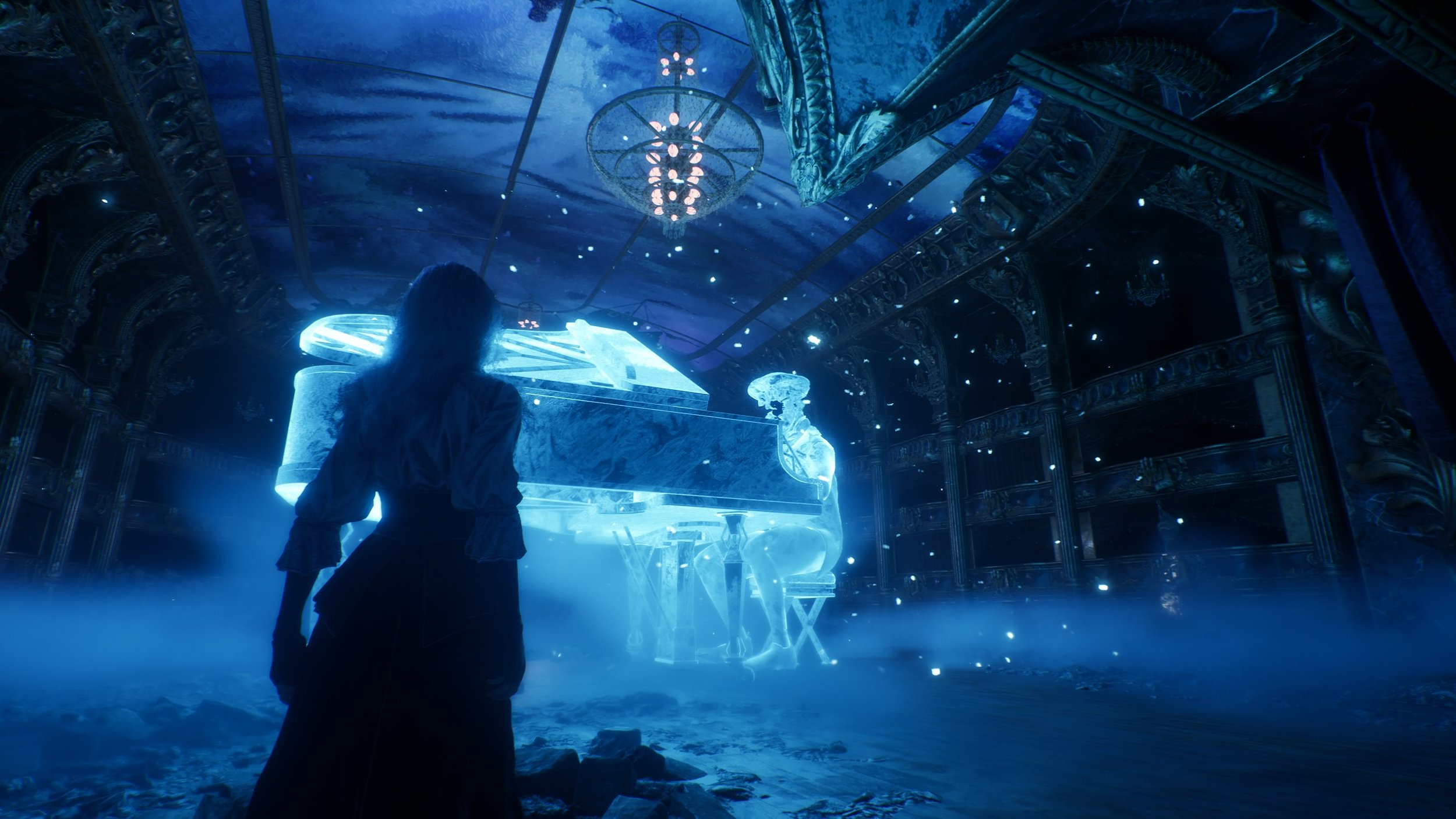
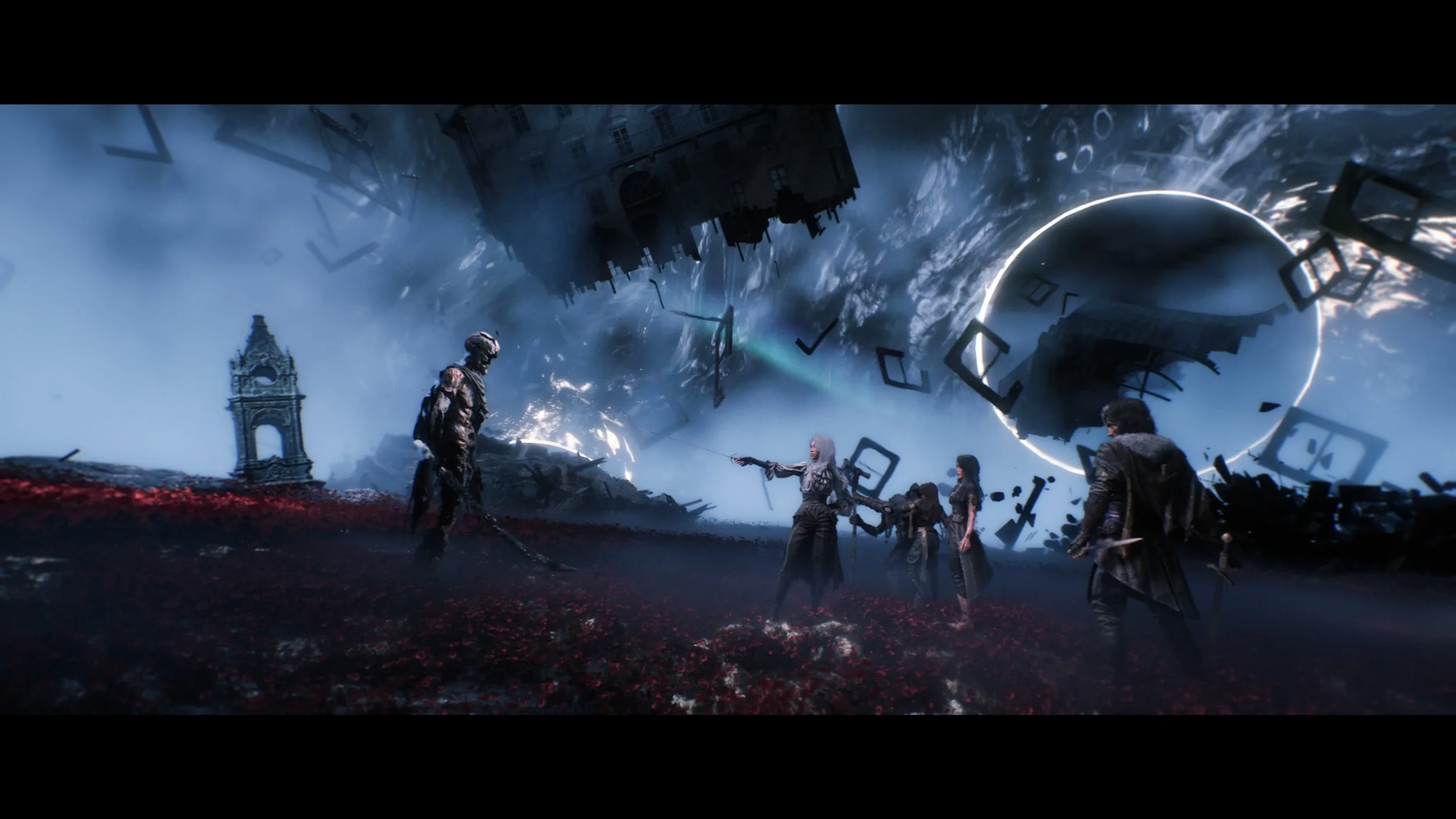
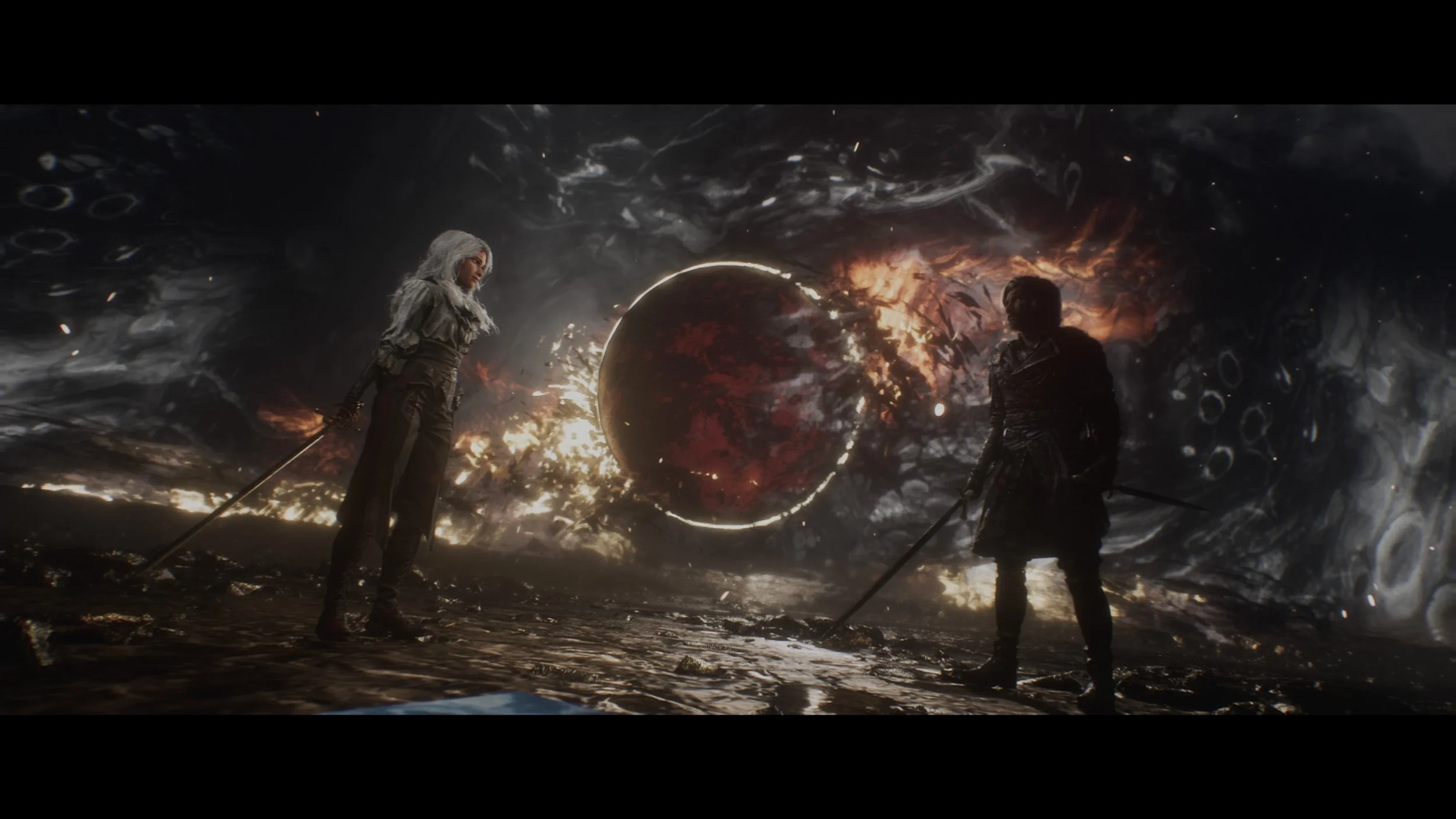
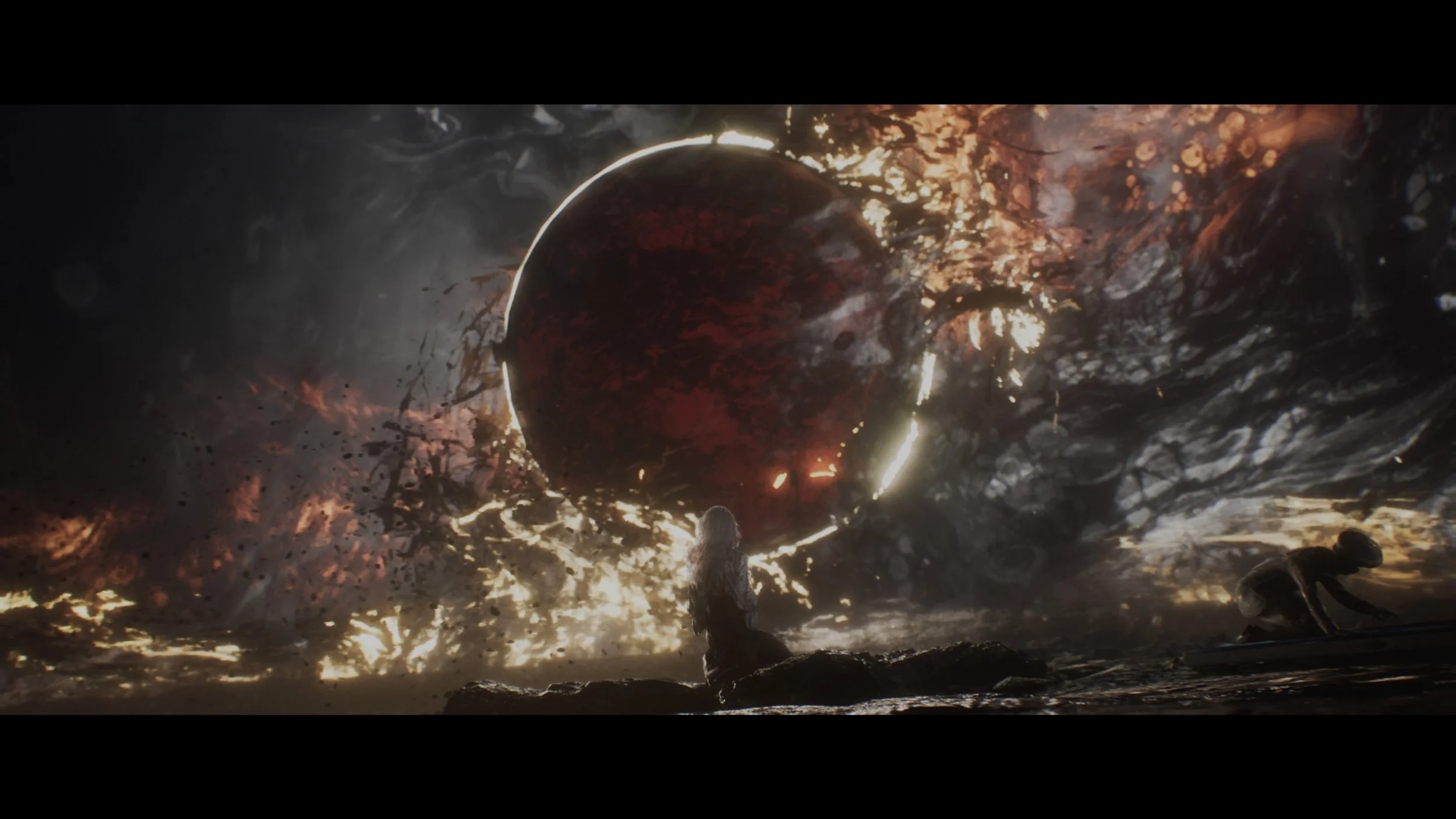
As we approach the end of the year, Clair Obscur: Expedition 33 has serious Game of the Year contender vibes for me still. The game’s beautiful Belle Époque art style and cinematic storytelling evoke classics like Final Fantasy 13 and Nier: Automata, but its unique turn-based active timed battles truly set it apart. This innovative combat system makes every encounter feel fresh and exciting, much like how MercurySteam revitalized Castlevania with Lords of Shadow.
After 30 hours of gameplay and rolling credits, I can honestly say that this is a modern masterpiece that delivers on style, substance and bold new storytelling ideas.

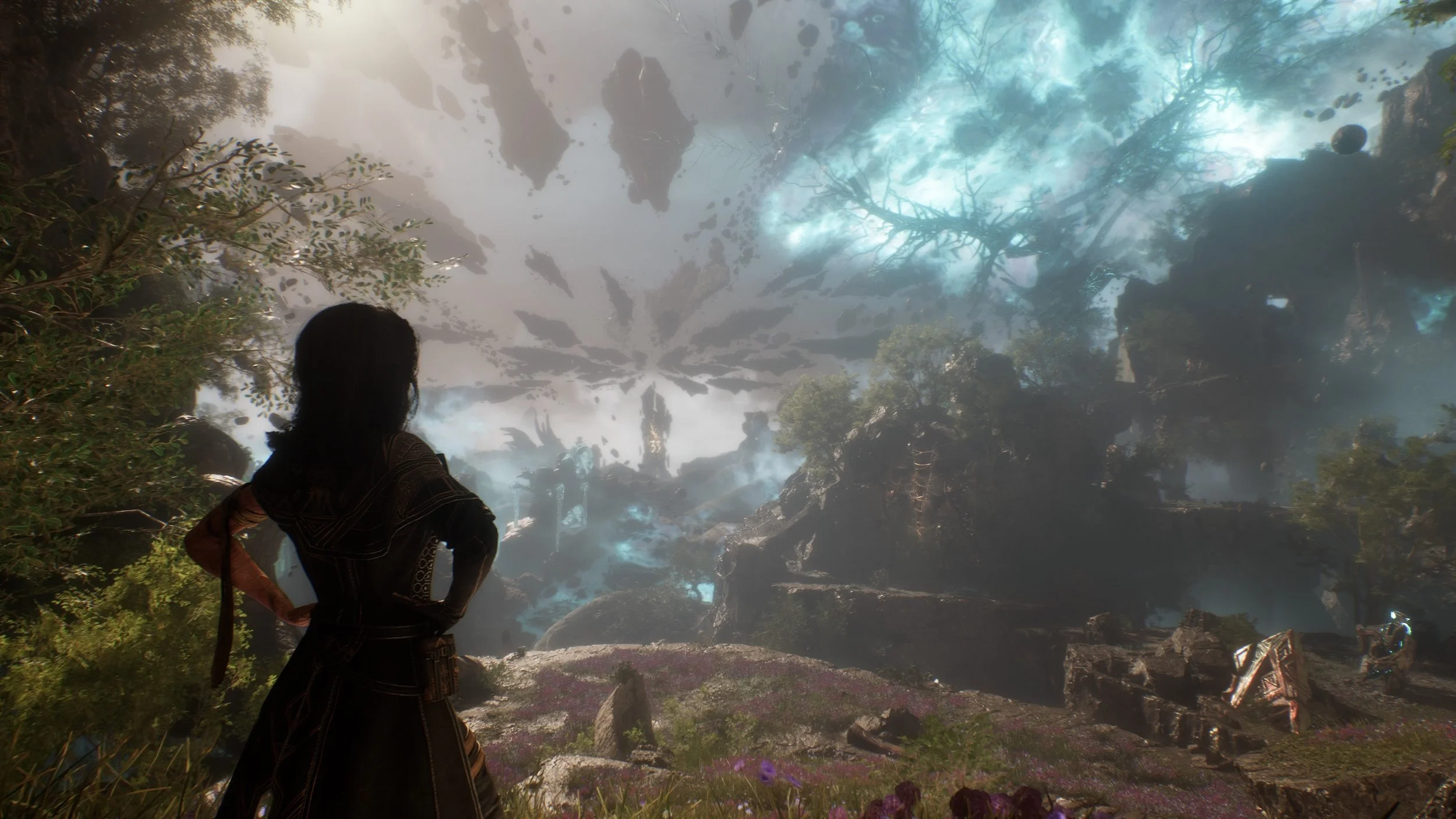
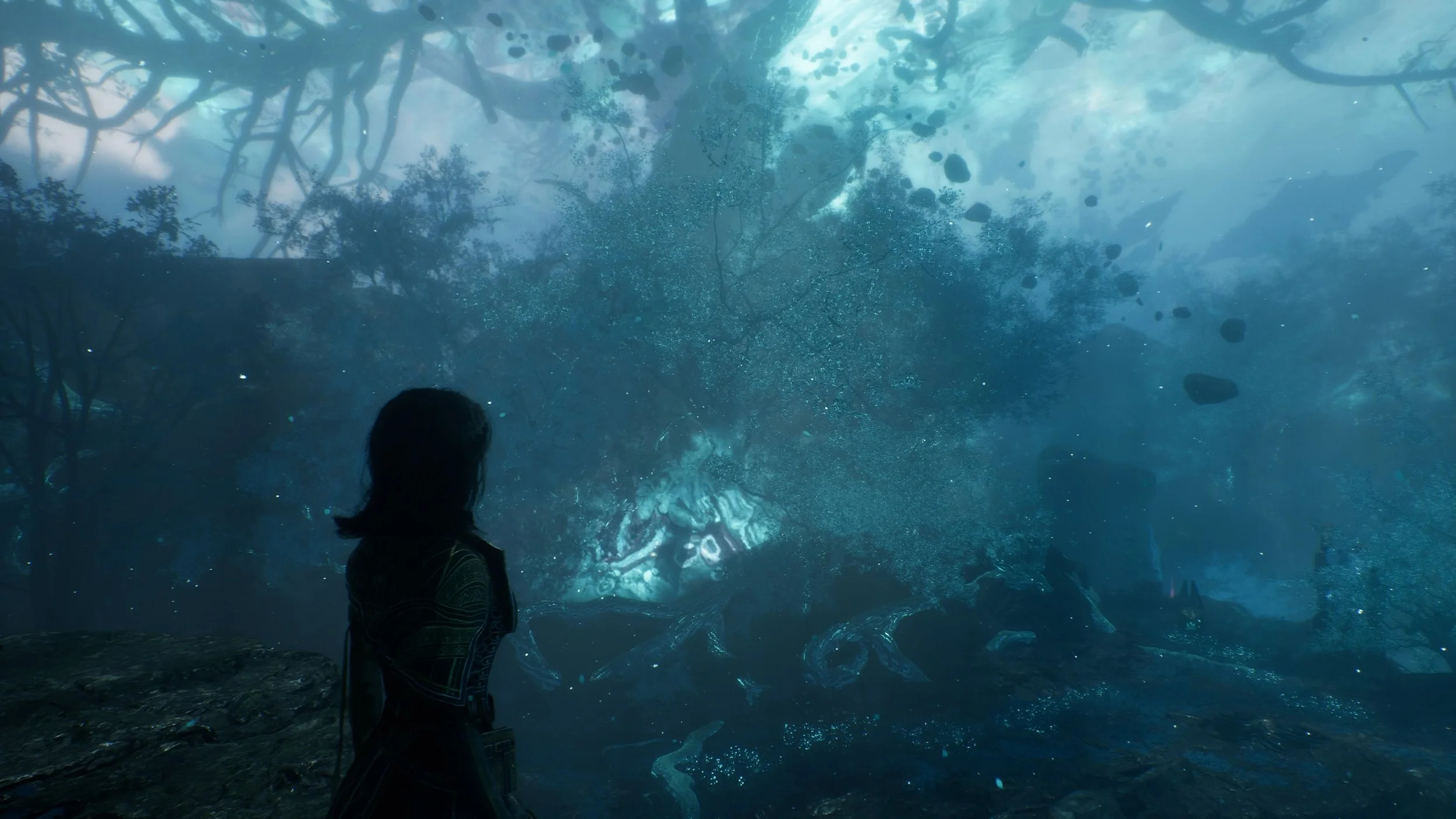
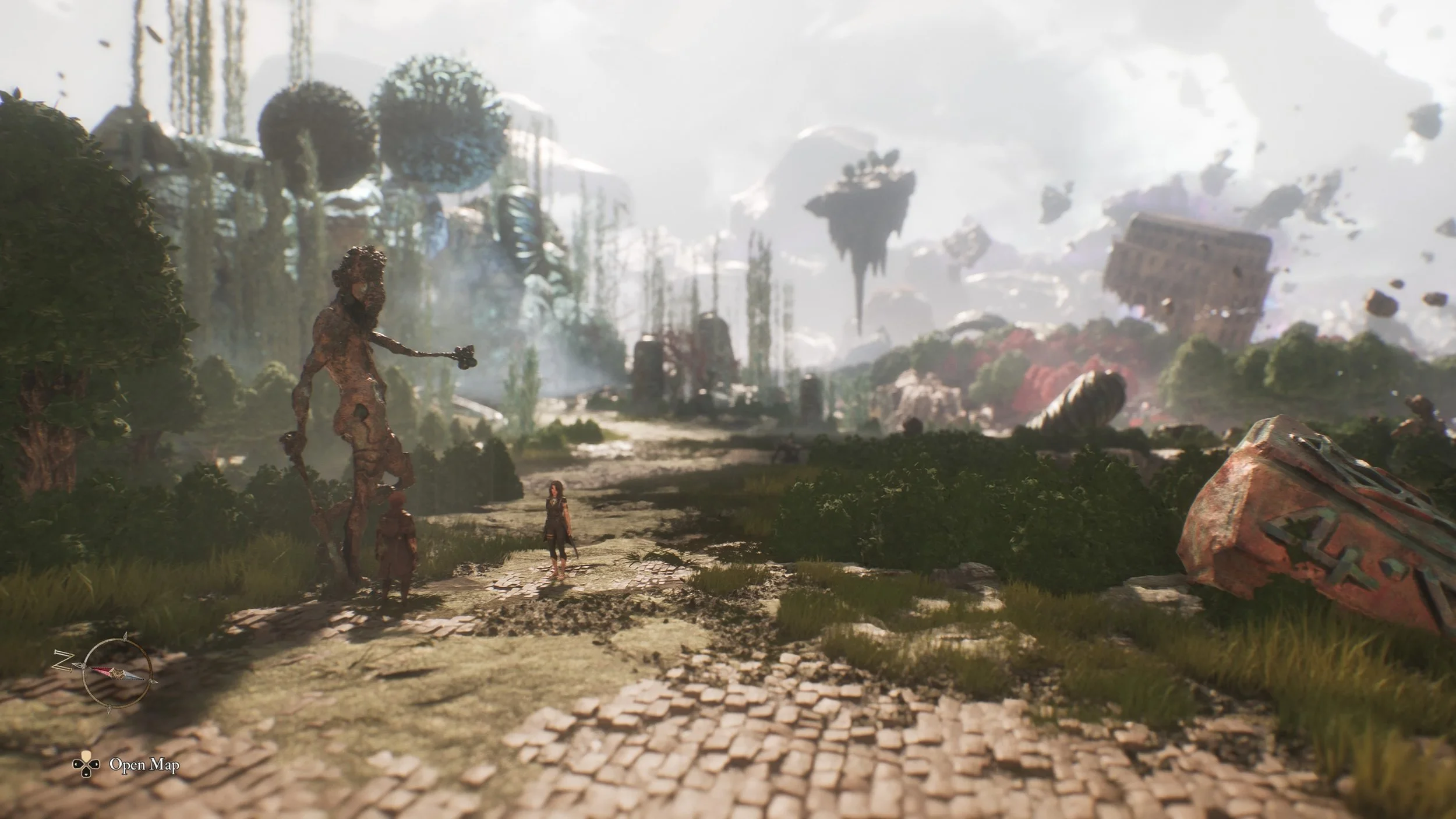

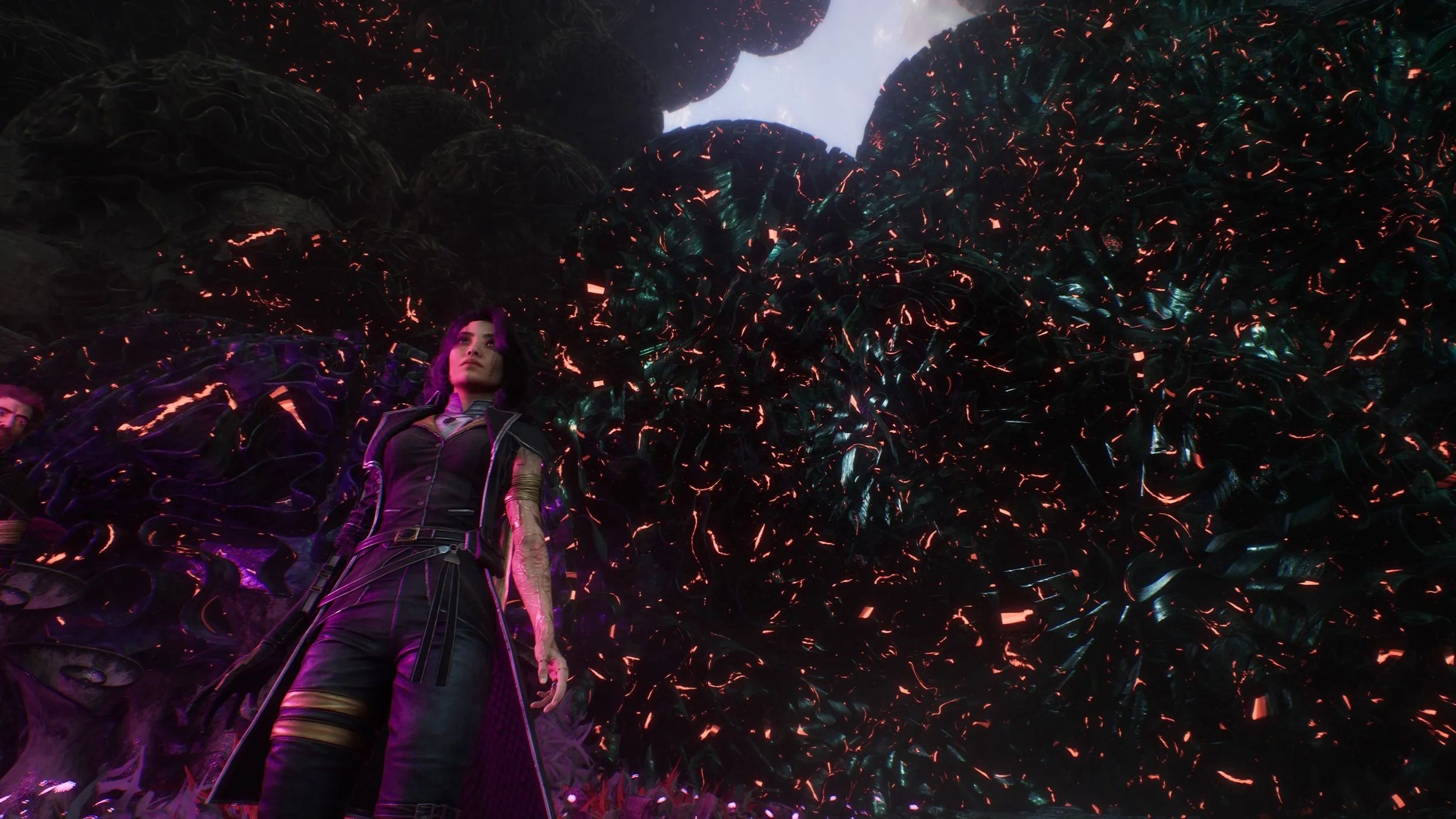


Decarnation- Videogames As Art
Decarnation is a powerful game looking into the objectification and commodification of the female body. It's not your usual gaming fare then but this indie game follows the very real struggle of Gloria, an exotic dancer turning 30, and is set against a surreal, Lynchian dreamscape after the protagonist suffers 'The Event' (no spoilers). The game evokes a sense of unease and undergoes a deep dive into the character's psychological state to tell a dark tale that belies it's simple pixel art form.
It's a powerful story of the artistic body and the right people have over public figures. When Gloria poses for an artist and her statue is violated by a pervert in a museum, she feels abused and debased. The game reminded me of Satoshi Kon's Perfect Blue or the ouvre of Junji Ito, where the main character feels like she is being stalked or slowly losing her mind as she is being manipulated and gaslit.
The narrative keeps you guessing what's real and what's a product of Gloria's fracturing mental state as the dreamlike, nightmarish reinforces this connection. Decarnation is not an easy game to stick with due to its main premise but it is one that will stay with you long after you've finished it. Games like this show that videogames can be a broad church.


LINK- Toxic: Women, Fame and the Noughties- Book Review (and Some Thoughts)
LINK- The Rise of Retro Gaming During Covid
LINK: Japan: My Journey to the East
LINK- Blood, Sweat and Pixels- Book Review
LINK- Utopia for Realists- Book Review
LINK- ‘Natives: Race and Class in the Ruins of Empire’ LINK: Elden Ring- Videogames As Art
Indika - Videogames As Art
I'm a fan of niche games, and this one definitely fits the bill. In Indika, you play as a young Russian nun tormented by a voice that whispers in her mind, seemingly the devil himself. Is it a genuine malevolent presence, or simply a figment of her imagination? As she embarks on a journey to deliver a letter to a distant church, she'll discover the truth.
The game blends the surreal atmosphere of David Lynch's work with the unsettling experience of a constant, intrusive voice, reminiscent of Hellblade: Senua's Sacrifice. Indika is a bizarre third-person puzzle platformer that juxtaposes stunningly realistic graphics with flights of pixelated fancy.
I had an interesting playing the game over a couple of nights and, at only 4 hours or so, it is a powerful game looking at the mysogyny that exists within society, mental health and what happens when you start to question your faith. It's not all existential dread or intrinsic shoe-gazing as there are genuine laugh out loud moments within the overarching story. I recommend this game as an indie pallette cleanser between the AAA onslaught we've had over the past couple of years.


Venba- Videogames As Art
The tale of first generation immigrants coming to a new country with high hopes and aspirations is an old one but not one that has been extensively covered in videogames.
Venba, a cozy game about a Tamil family immigrating to Canada, is a wonderful experience that beautifully captures the nuances of immigrant life: the longing for the familiar, the struggle to find your place in a new society, and the gradual process of finding a balance between your old and new identities.
Venba is a gentle reminder of the importance of our heritage and a touching tribute to the resilience of immigrant families. Through cooking dishes with the matriarch, you see the bond that develops between the family. This game is food for the soul.


Astro Bot - Videogames As Art
I know we have been starved of mascot platformers for a couple of console generations, with the exception of the usual Nintendo big hitters, so Astro Bot is a delightful reminder of what makes this genre so joyful. It doesn't reinvent the wheel so much as toy with it through the use of the revelatory haptic feedback and amazing draw distance. My favourite levels were the Japanese Gardens sponge (Bath House Battle), the knife throwing ghosts (Spooky Time) and Casino bullet time (Slow-Mo Casino), all which show the pure creativity. I had a great time with the game and made it last as long as possible, playing a couple of levels every few days. I bought it pretty much on release day and only finished it on 12th February 2025, but I wanted to savour it like a fine glass of Schloer.
It isn't the second coming of Christ like some have declared, with most levels following the usual platform fare, but what it is is an excellent platformer which is beautifully presented and done with obvious love for the PlayStation brand.


Still Wakes the Deep - Videogames As Art
It was with some excitement that I awaited Still Wakes the Deep, an atmospheric exploration adventure game, sometimes called in derisory terms as 'walking simulators'. I am a huge fan of the genre and find them good palette cleansers from other, more time and focus intensive games. I have loved the story and music of The Chinese Room’s other works including Everyone Has Gone to the Rapture and Dear Esther but the high point for me in the genre was What Remains of Edith Finch by Giant Sparrow Studios. Would Still Wakes the Deep reclaim the throne?
Still Wakes the Deeps effectively captures the claustrophobic dread of a 70s-era North Sea oil rig. The Lovecraftian horror elements are well-integrated, with the isolation and the rig's creaking metal amplifying the sense of dread. While I haven't personally experienced life on an oil rig, the game's atmosphere feels authentic and immersive
I liked the game itself just fine though but felt the fetch quests dragged in places. However, at 3 or so hours, the game doesn't really overstay its welcome and the voice acting is top notch.


World of Horror- Videogames As Art
Inspired by the eldritch horrors from the world of H. P. Lovecraft and the strange surreal works of Junji Ito, this roguelite point and click videogame is a wholly unique proposition. It's MS Paint 1-bit aesthetic is wonderfully evocative and creates an aesthetic rarely seen on games. The composition of its shots demonstrate an awareness and deep knowledge of the visual vocabulary of folk horror and thrillers.
This sense of mood and atmosphere is very evocative when playing and the effective soundscape and soundtrack helps further this sense of unease. The game has a intimidating looking CRPG interface and, after getting my head around it, the game was pretty easy to play. Here are some screenshots from my play.


LINK- Akira Soundtrack Vinyl Review
LINK: Japan: My Journey to the East
LINK- The Offworld Collection- Book Review
LINK: Manga Exhibition at the British Museum
LINK- The Midnight Library and the Idea That You Can’t Go Home Again
LINK- The Transportive Nature of Objects (And the Power of Mini Consoles)
Solar Ash- Videogames As Art
I’ve just finished Solar Ash, a visually stunning and kinetic action-adventure videogame from Heart Machine studios. The game mixes a horcrux-like finding exploration of different biomes before culminating in Shadow of the Colossus big boss battles. The game has a fluid protagonist who skates along and does some fantastic gymnastics.
The 8 hour gameplay loop is addictive and looks spectacular when running. Here are some screenshots of my playthrough.


LINK- Ulysses 31 Retro Soundtrack Review
LINK- Blood, Sweat and Pixels- Book Review
LINK- The Offworld Collection- Book Review
LINK- Shadow of the Colossus- Book Review
LINK- The Midnight Library and the Idea That You Can’t Go Home Again
LINK- Mysterious Cities of Gold Season 3 (English Dub) - Complete Series Review
LINK- Japan: My Journey to the East
Stray- Videogames As Art
Stray gained a lot of hype before release as it was billed by many as a cat simulator game and the internet loves cats. I didn't play it upon release as I had so many other games I was working through but, when a window of time came up after finishing the RE 4 Remake, I bought this on sale to have a shorter experience.
The story, such as it is, is that you are a cat in a dystopian future. You need to survive against crazed robots and a violent world when you fall from the lush green overworked into the depths below. The game is gorgeous as the lush green world at the beginning contrasts heavily with the dark, damp pipe system and the sodium orange and neon hues of the decaying lower city.
I enjoyed the game just fine and, whilst some of the puzzles are obtuse and unclear, the artistry of world-building and graphics is stunning. Here are some screenshots of my playthrough.


LINK: Japan: My Journey to the East
LINK- The Last Guardian- Video Games As Art
LINK- Shadow of the Colossus- Book Review
LINK: Manga Exhibition at the British Museum
LINK- The Midnight Library and the Idea That You Can’t Go Home Again
LINK- The Transportive Nature of Objects (And the Power of Mini Consoles)
Zelda: Tears of the Kingdom- Videogames As Art
Nintendo has been a firm fixture in my gaming life since I was about 8 years old. Zelda: Ocarina of Time remained my favourite ever game until it was surpassed by Breath of the Wild just 6 years ago. It was with some high level of expectation that I was awaiting the release of Tears of the Kingdom and I have not been disappointed. I clocked in 121 hours on my Switch in 2023 and 83 hours was on TOTK.
This was by far my most played game this year across my PS5, PS4 and Switch.
It is an absolute masterpiece and, whilst I prefer Breath of the Wild due to its fresh approach to an openworld gaming, I appreciate the novelty of the Ultrahand power which led to some crazy builds and possibilities.
Here are screenshots of my playthrough.


LINK: Japan: My Journey to the East
LINK- The Last Guardian- Video Games As Art
LINK- Shadow of the Colossus- Book Review
LINK: Manga Exhibition at the British Museum
LINK- The Midnight Library and the Idea That You Can’t Go Home Again
LINK- The Transportive Nature of Objects (And the Power of Mini Consoles)
Resident Evil 4: Remake- Videogames As Art
I have a deep love for Resident Evil with RE 7 and Village being a couple of my most recent favourites from the series. I have fond memories of playing RE 4 on the Gamecube when it was a timed exclusive and it immediately became one of my favourite games ever. It was a hugely influential game and changed the landscape of 3rd person shooters forever.
When I heard a remake was underway I was a little concerned that it would lose its B-movie vibe and, whilst some of the more ridiculous edges have been sanded down, what remains is still a great game. Sure, it doesn’t have the quirks that made the original goofy but the game is solid enough with phenomenal set-pieces that stand the test of time.


Road 96- Videogames As Art
Road 96 is a first person adventure game in which you take the lives of several individuals trying to escape a despotic totalitarian dictatorship in a made up country (which is definitely America) in 1996. The youths all seek a way out through a passage north to a land of freedom and equality (a definite stand-in for Canada). The game is tense, exciting, hilarious but also sad in places. The message it gives is that change and progress is worth fighting for. The art style is singular with an economy of design that really lends the whole game an artistic bend. I loved it and here are some screenshots of my playthrough.


LINK: Let’s All Create a ‘New Normal’.
LINK- Ms Marvel Can Change the World
LINK- On and On and Colston (or, 'How We Learned To Talk About The Legacy Of Colonialism In GB')
LINK- Blood, Sweat and Pixels- Book Review
LINK- Streets of Rage 2 OST on Vinyl Review
LINK- The Offworld Collection- Book Review
Ratchet and Clank: Rift Apart- Videogames As Art
Ratchet and Clank: Rift Apart is a mascot shooter-platformer game that was much feted on its arrival at the start of the new console generation. I had never played any of the previous games in the series but knew they were well liked. I bought the game whilst it was on discount and enjoyed my time with it- it is an exceedingly beautiful game which is well designed. Here are screenshots of my playthrough.


Dordogne- Videogames As Art
Dordogne may be the perfect game to play in the summer holidays as you play a young woman revisiting her Grandma's home where she spent a formative summer as a pre-teen. The game is presented in a stunning watercolour style and this choice of medium is perfect at conveying nostalgia of the past, vibrant and detailed in places but blurred and fuzzy in others.
It may only be a few hours long, but it's long enough to leave an impression on you, one that'll have you feeling reflective and nostalgic yourself.


