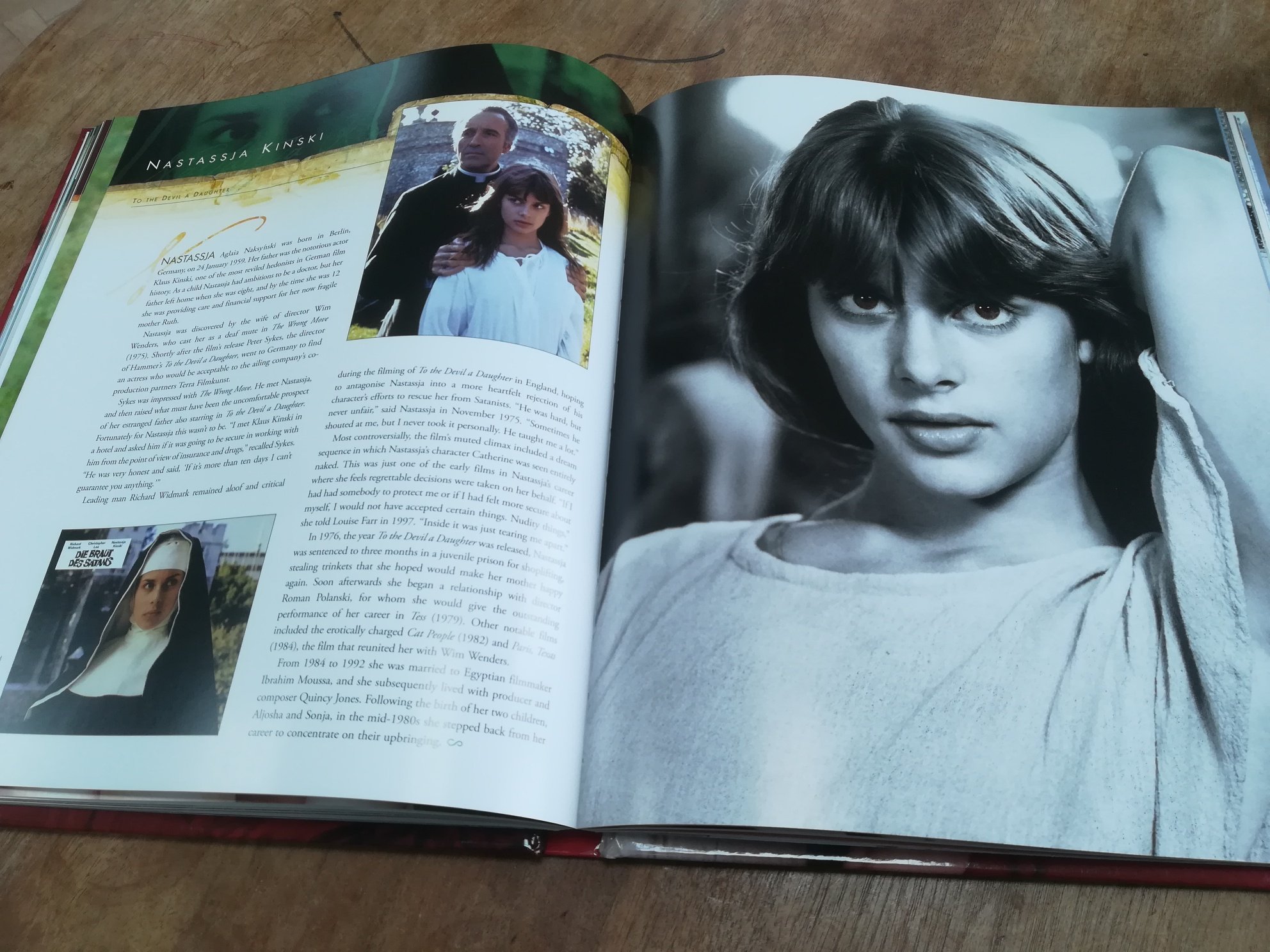
Casting the Runes - Cult TV Review

If you have 50 minutes to spare and have an appetite for the uncanny, ITV’s 1979 adaptation of M.R. James’ Casting the Runes is a masterclass in atmospheric minimalism. While many supernatural thrillers rely on loud jump scares, this production favors a quiet, creeping dread that feels uncomfortably grounded; in many ways, it shares a lot of DNA with the classic Ghost Stories for Christmas series.

At the heart of the film is the excellent Iain Cuthbertson, who delivers a chilling performance as a Crowley-esque occultist who, after being slighted by a television producer, delivers a death sentence via a runic slip of paper. What follows is a frantic race against time; Prudence (played with convincing urgency by the wonderful Jan Francis) has only one month to live before the shadows finally close in.

The production’s pared-back aesthetic is its greatest strength. This economy of design creates a claustrophobic mood that many big-budget features struggle to replicate. By embedding the supernatural within the mundane world of 1970s television offices, the dark magic feels less like fantasy and more like a malignant, hidden layer of reality. Cuthbertson doesn’t require capes or pyrotechnics to be terrifying; his menace is rooted in cold, intellectual arrogance. This juxtaposition of the ordinary and the ancient makes the stakes feel surprisingly high.

The finale elevates the story from a simple ghost hunt to a profound moral conundrum. As the protagonist attempts to "return to sender" the deadly runes, the viewer is left with a haunting question: Is survival worth the price of another's soul?

Overall, Casting the Runes is a taut, unsettling, and intelligent piece of television. It proves that the most frightening things are often things that are much more mundane than the spooky creatures that go bump in the night.

LINK- Kolchak: The Night Stalker- Cult TV Series Review

LINK- Children of the Stones: Cult TV Series Review

LINK- The Stone Tapes: Cult TV Review

LINK- How to be Perfect: The Correct Answer to Every Moral Question by Mike Schur- Book Review

LINK- The Good Place and Philosophy- Book Review

LINK- On And On And Colston ( Or, How We Kinda Sort of Learned to Talk About the Legacy of Colonialism and the British Empire)

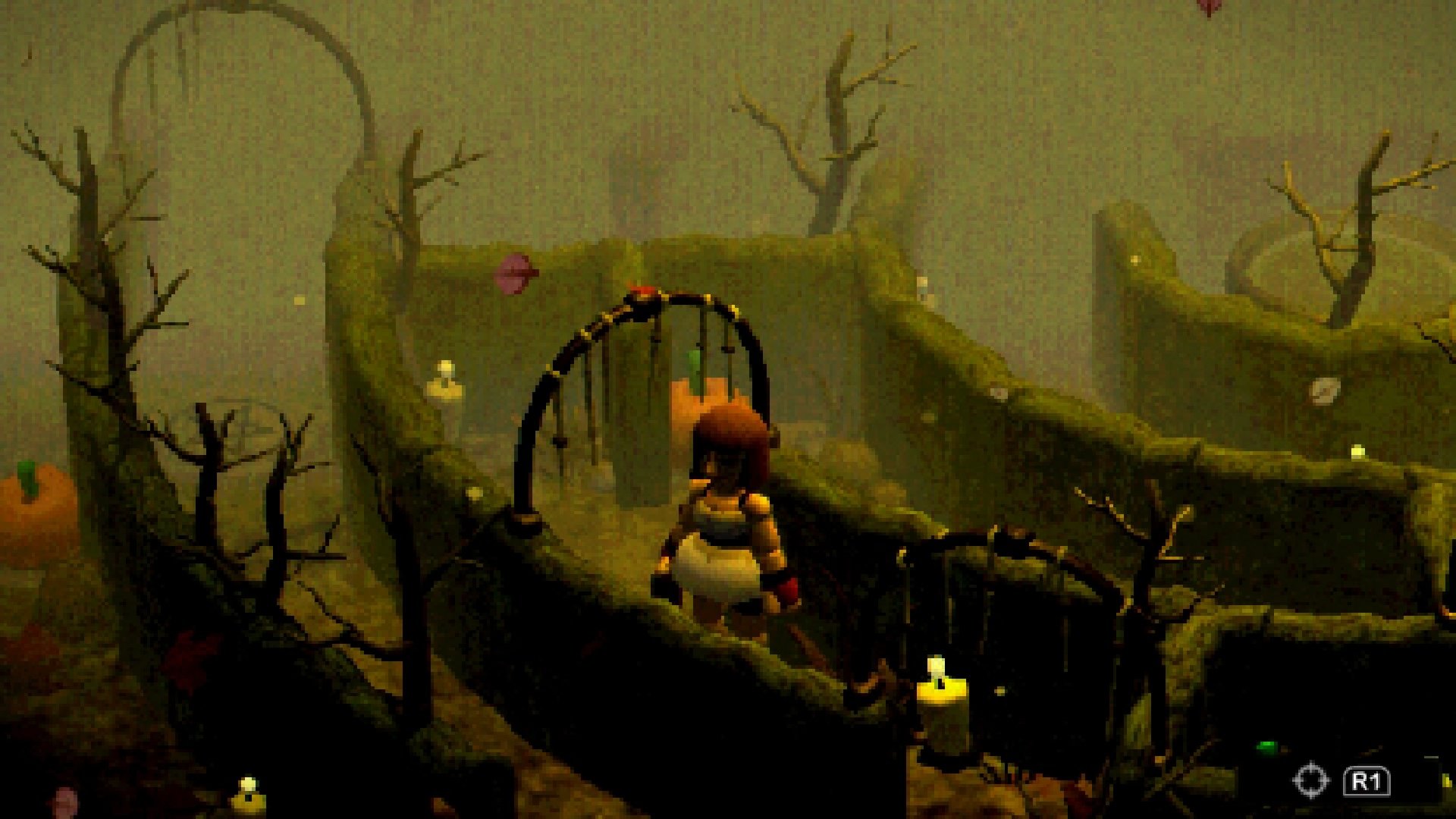
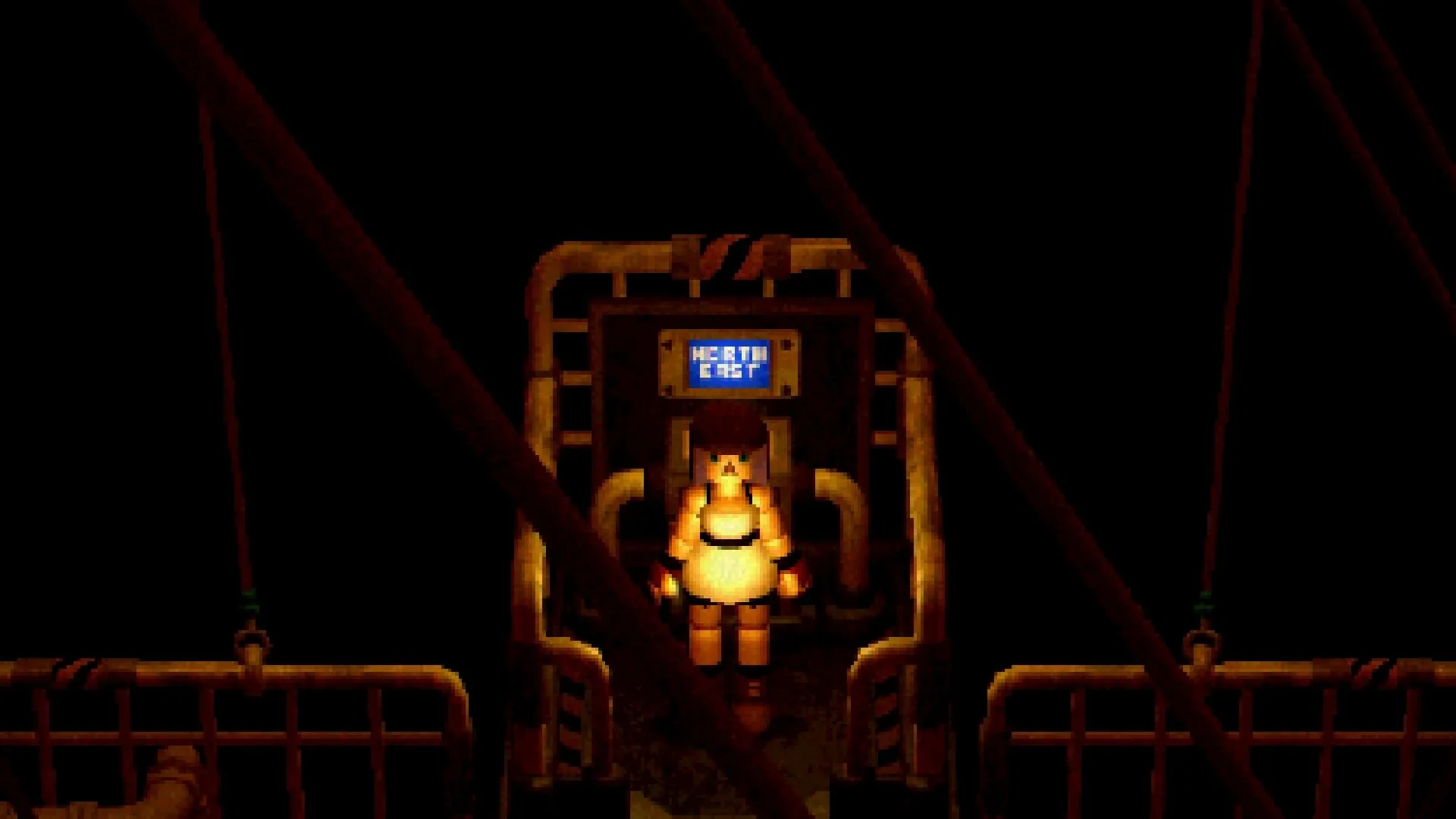
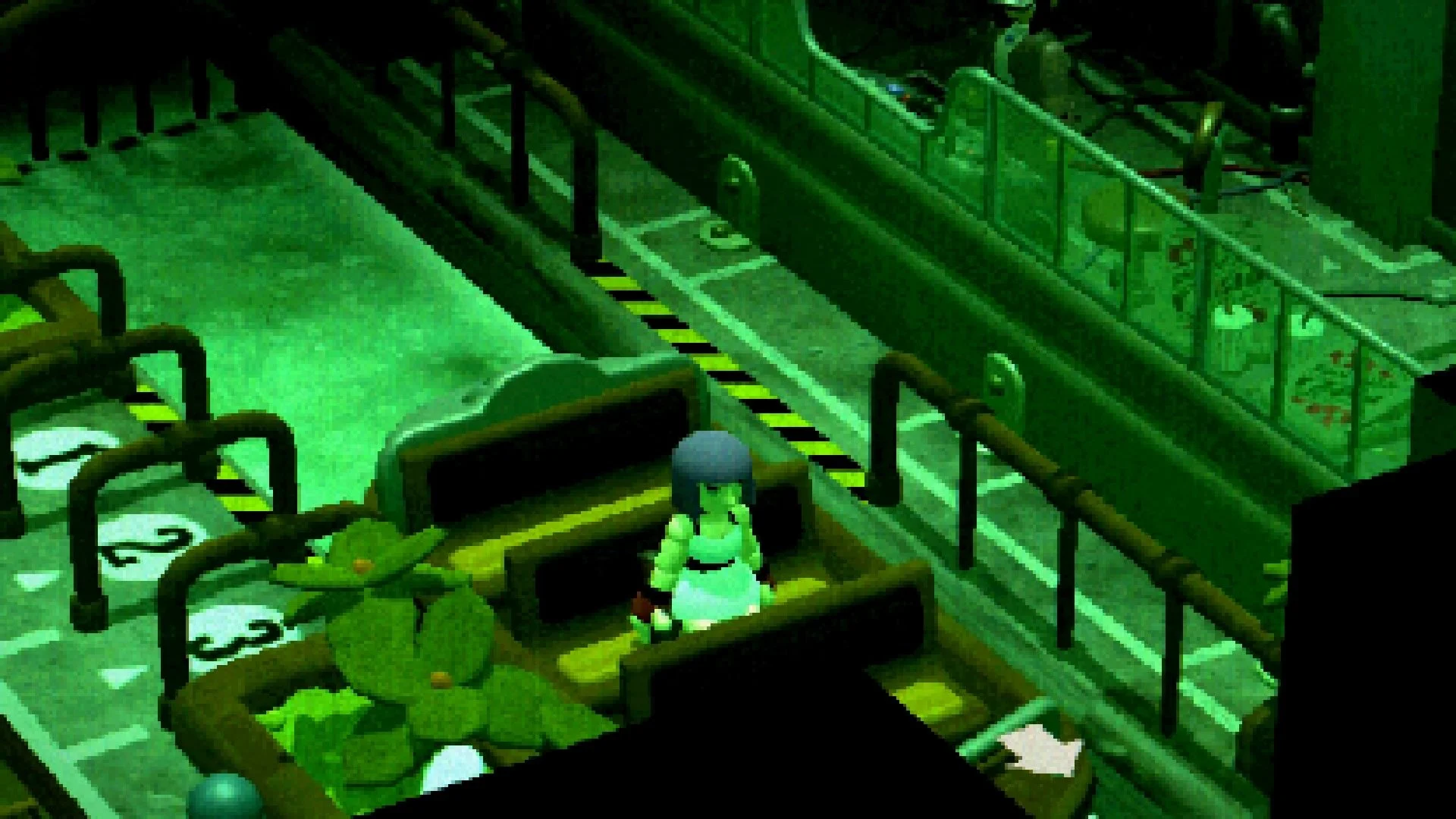
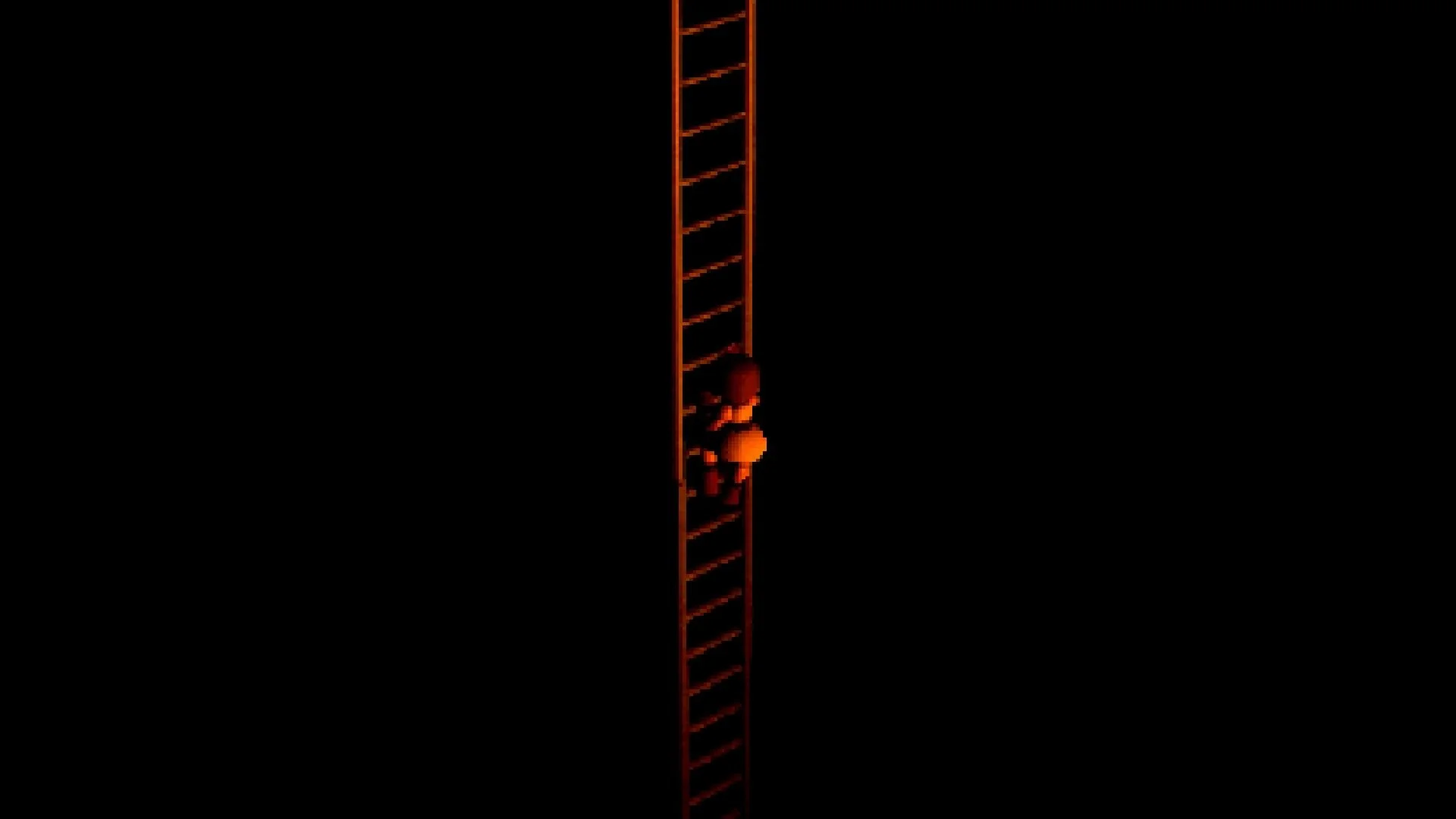
Crow Country - Videogames As Art

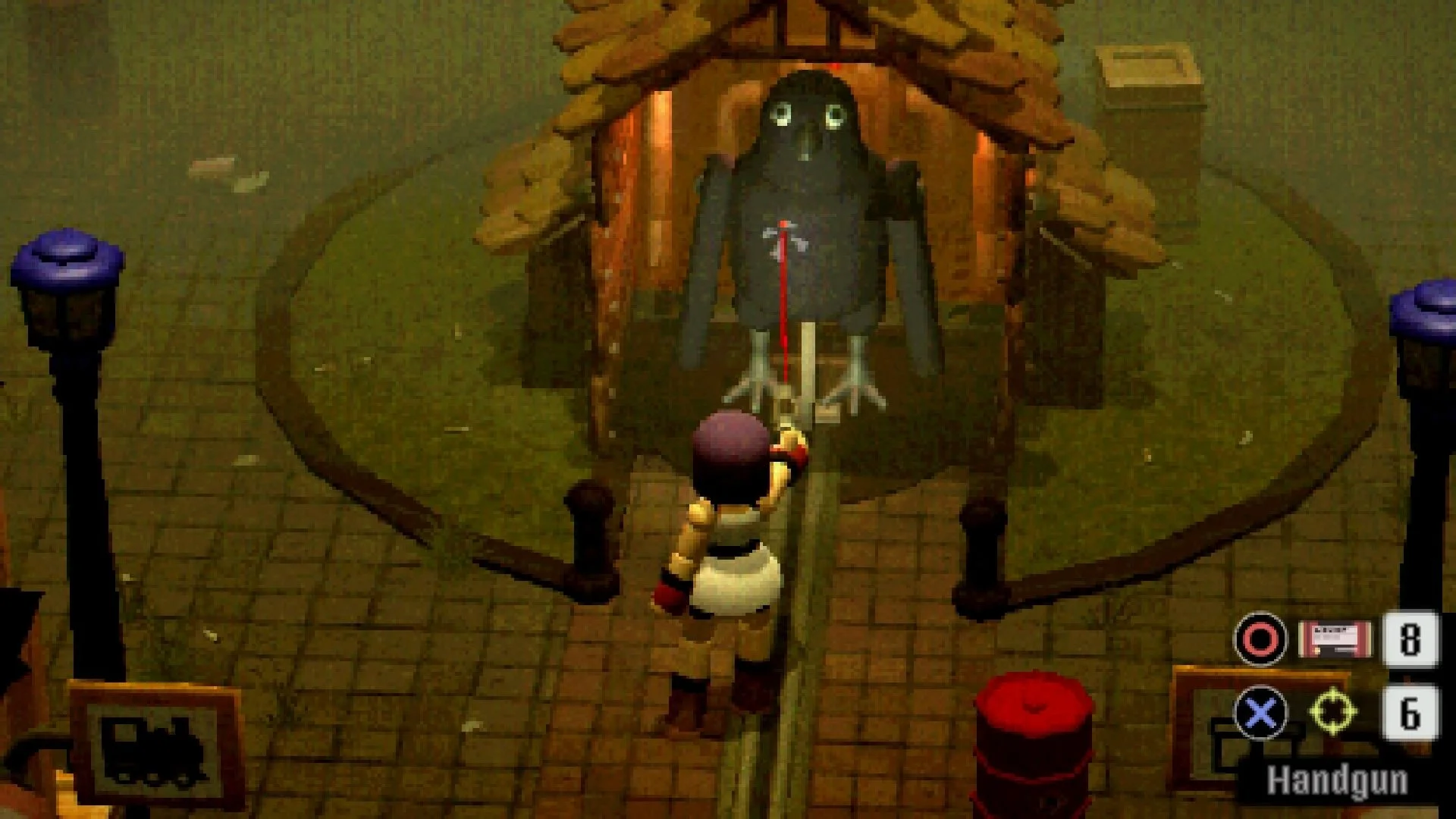
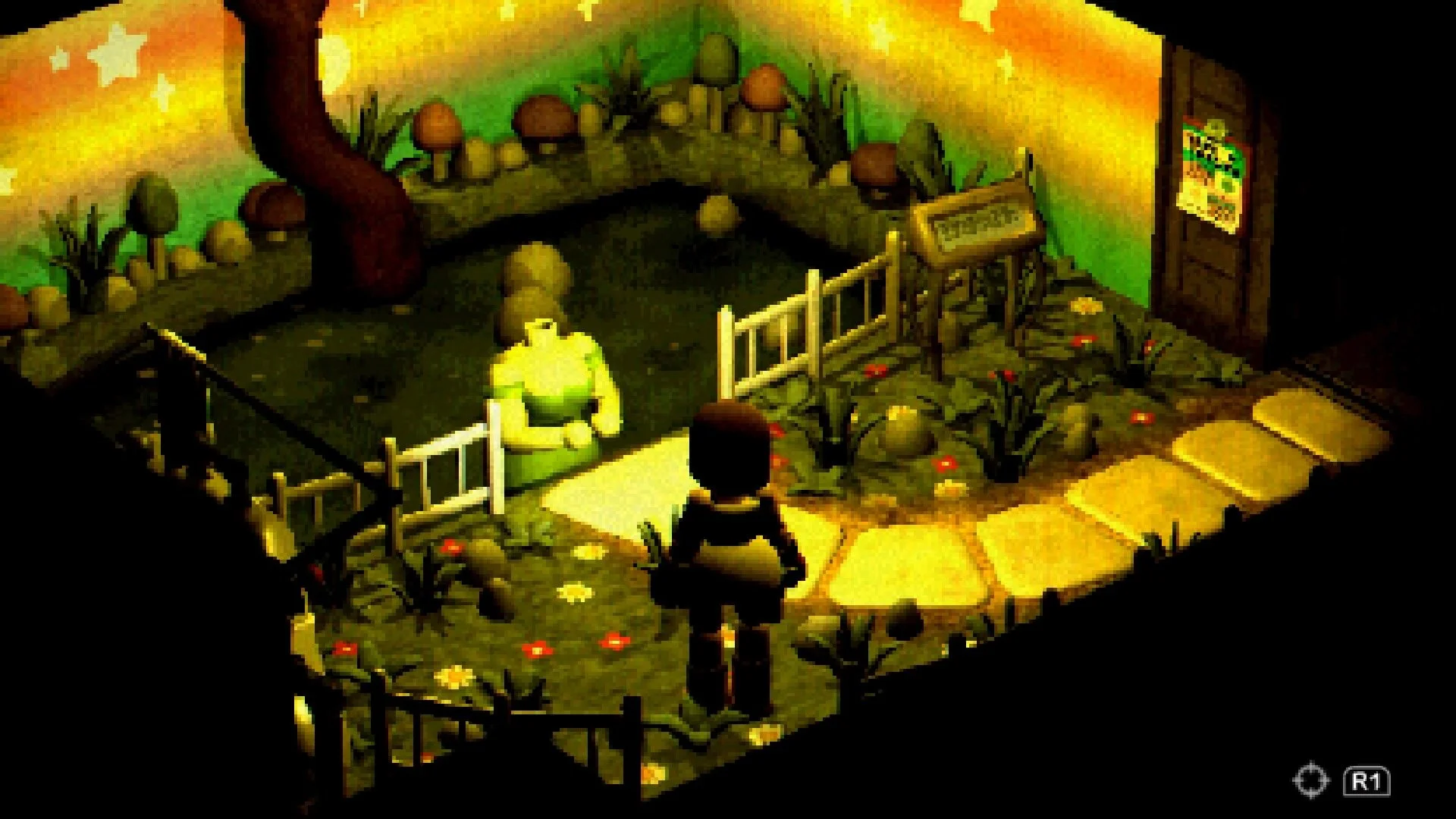
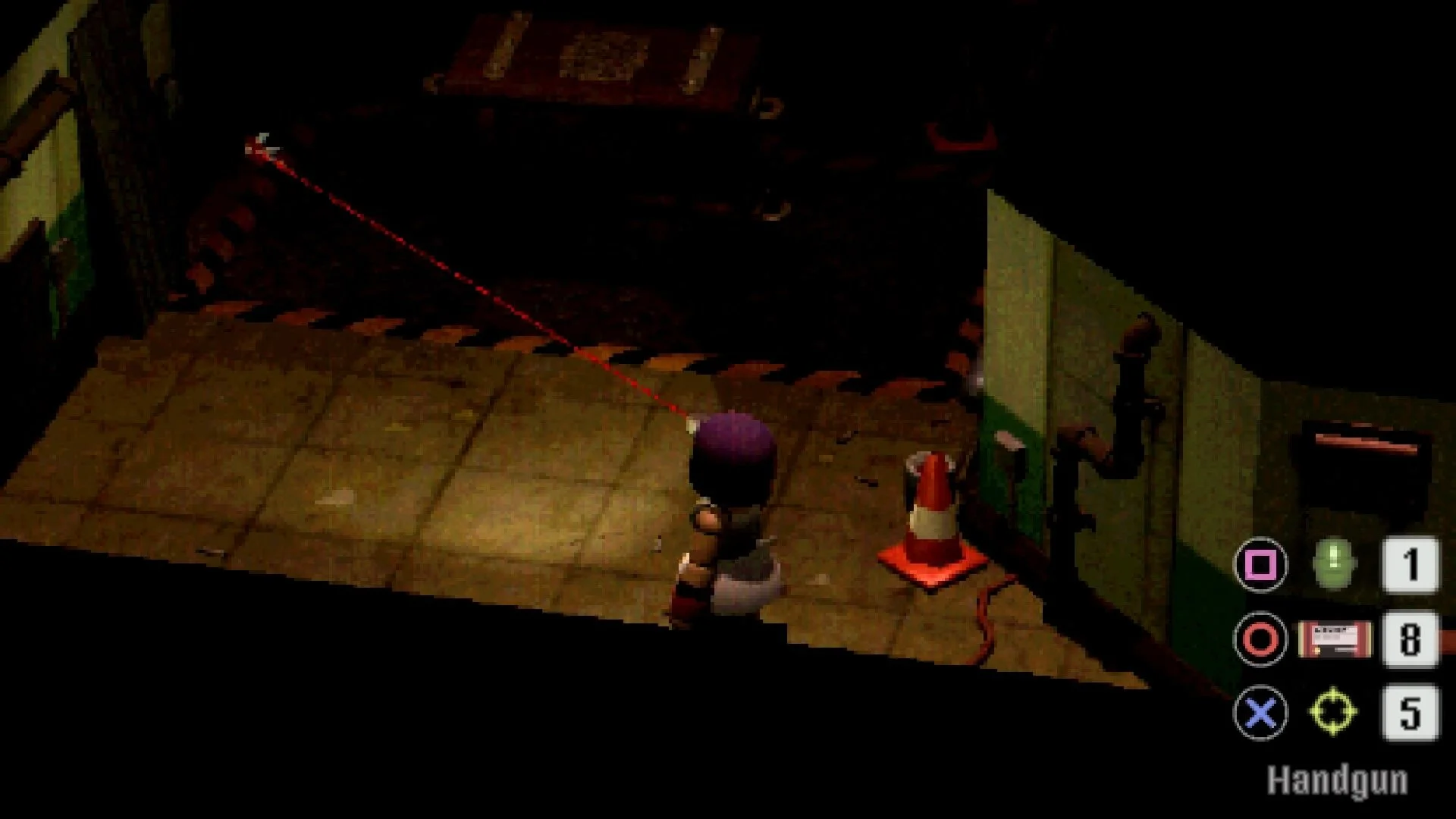
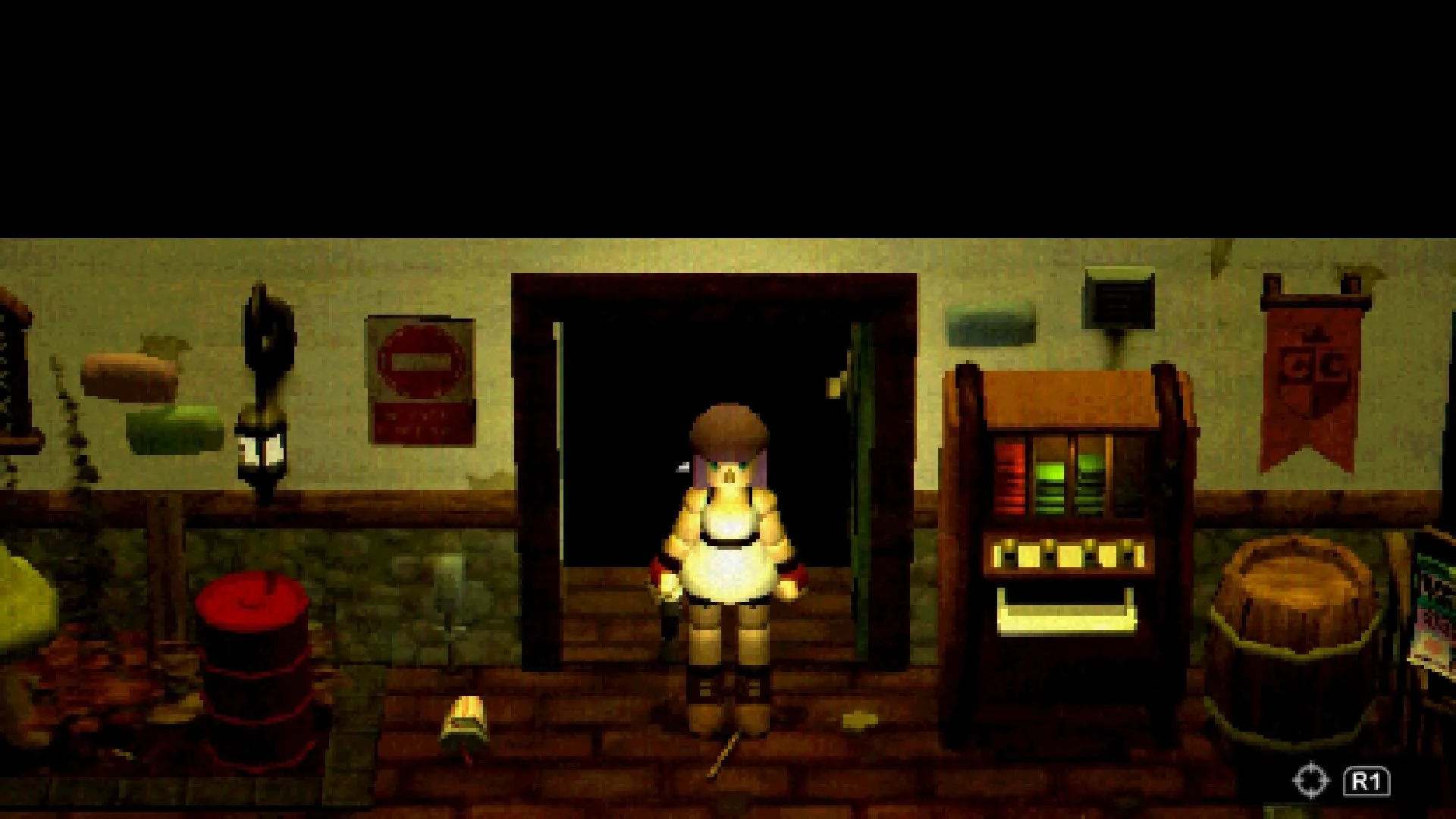
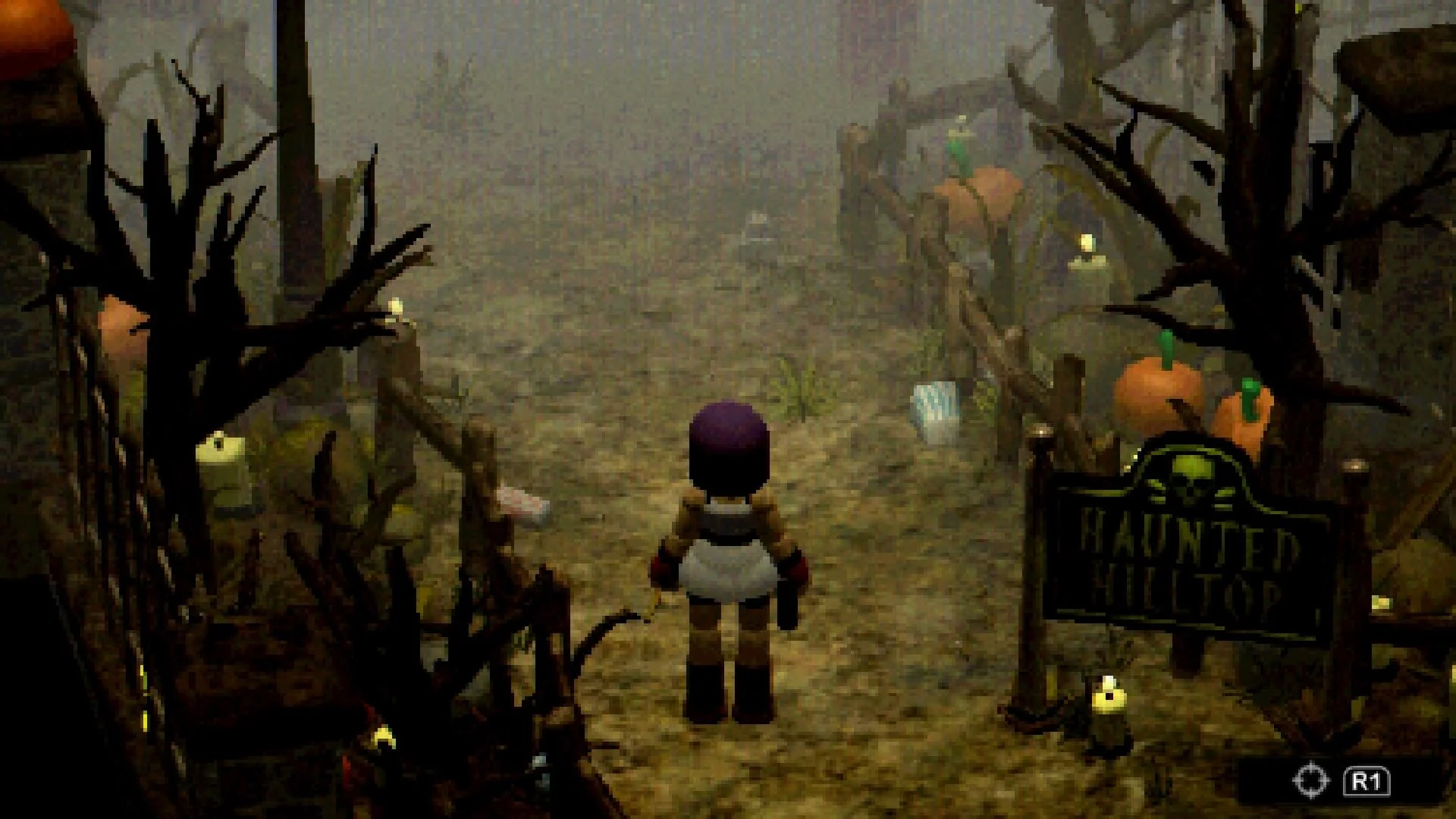
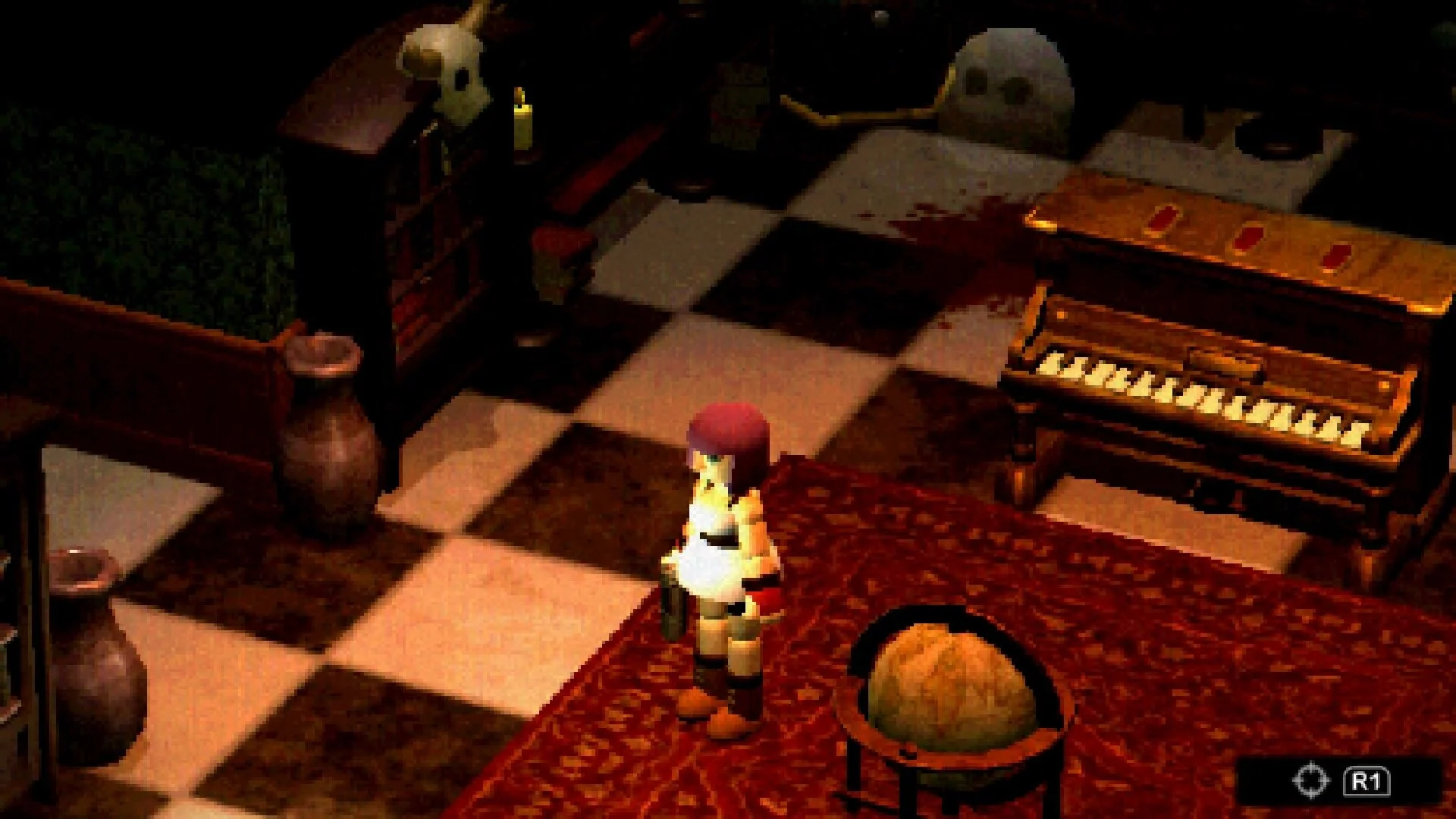
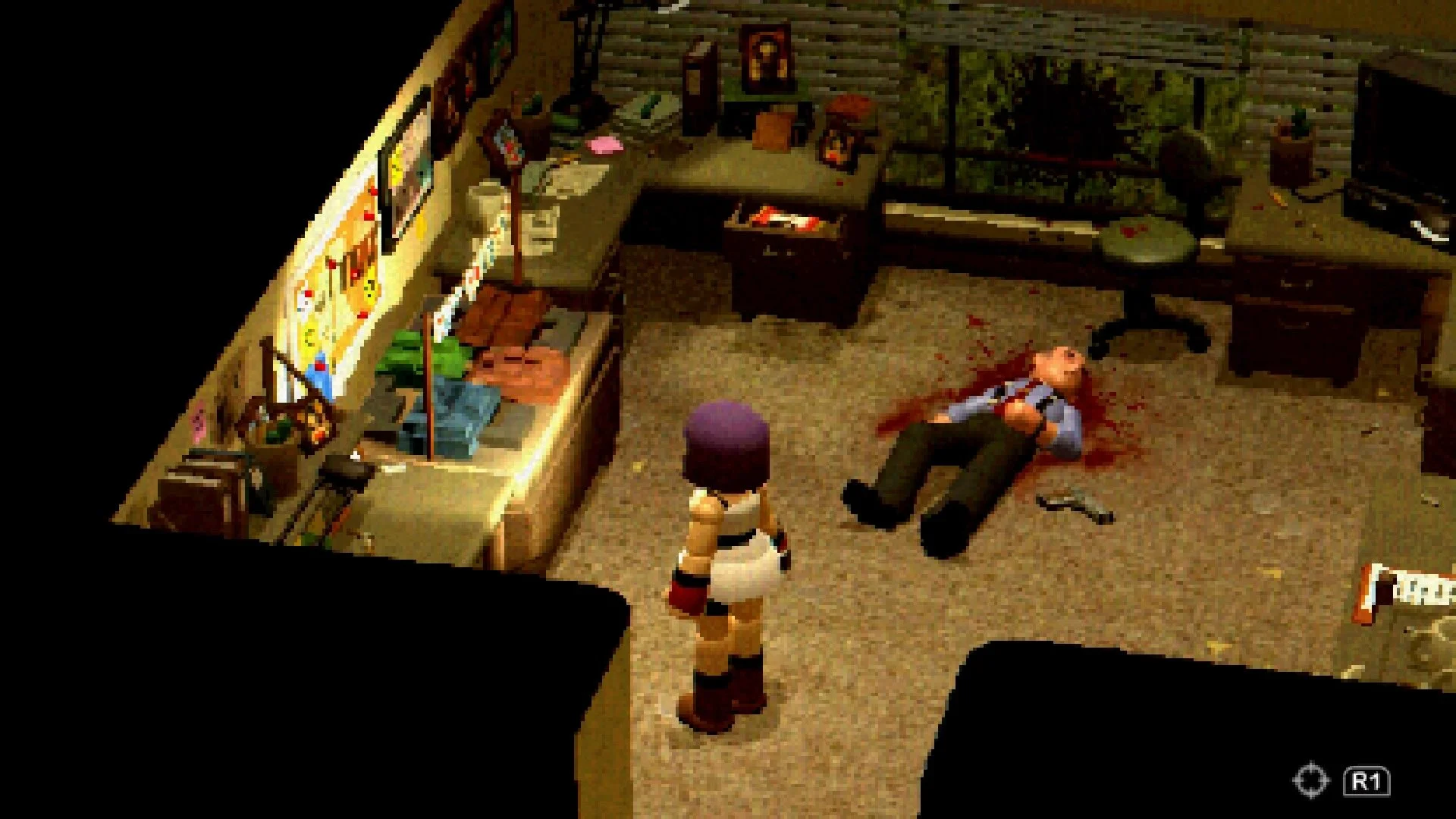
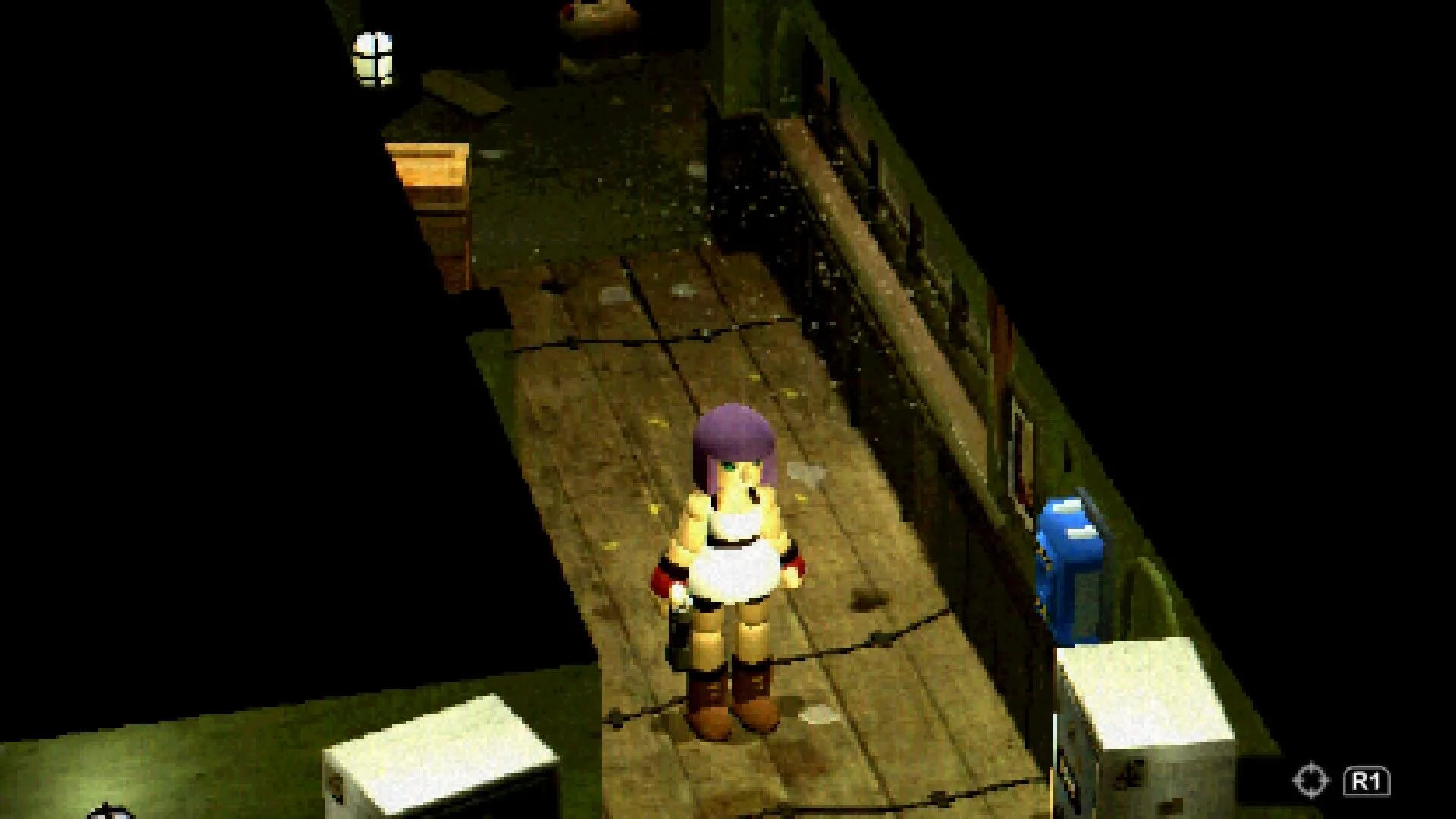
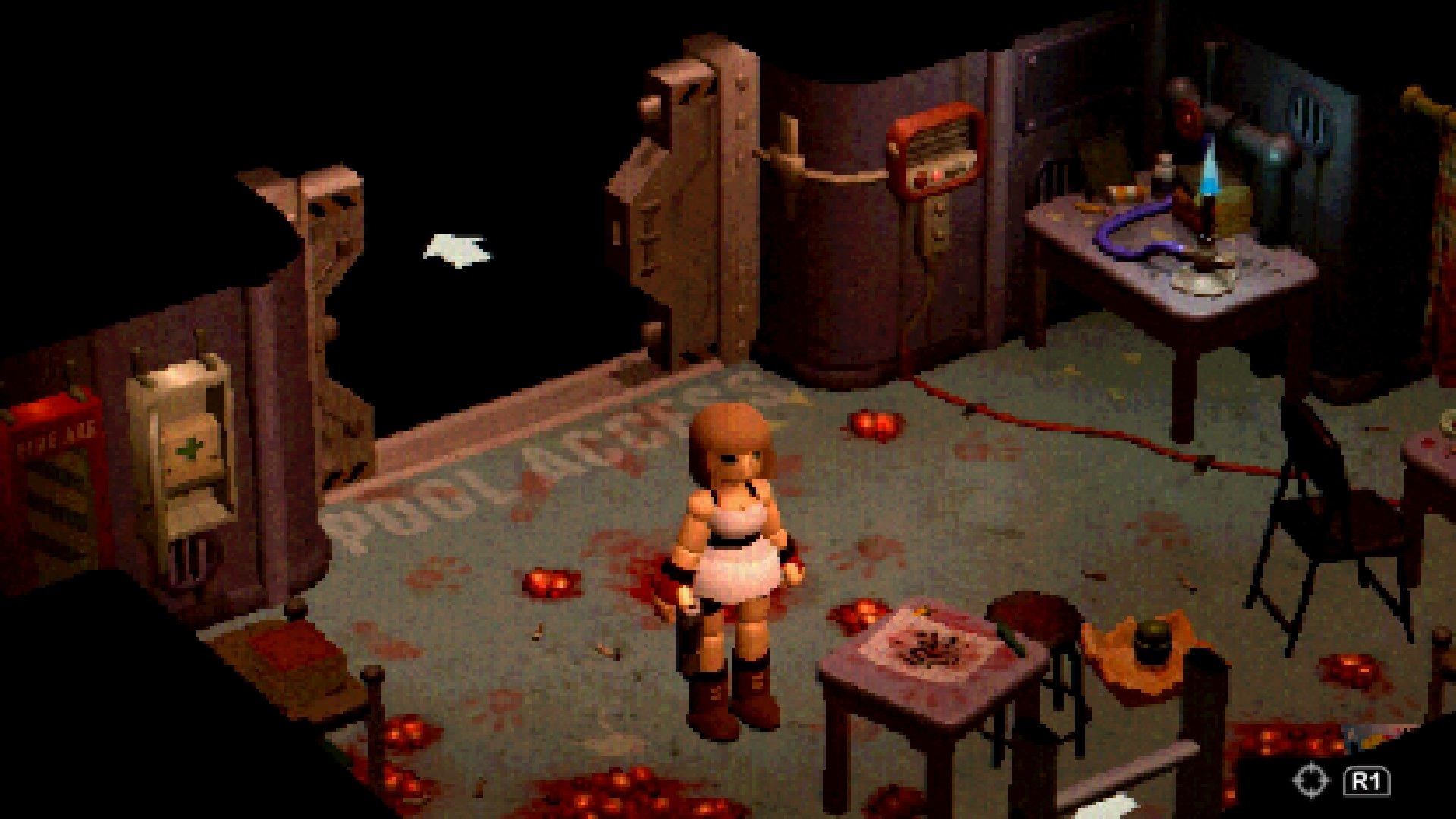
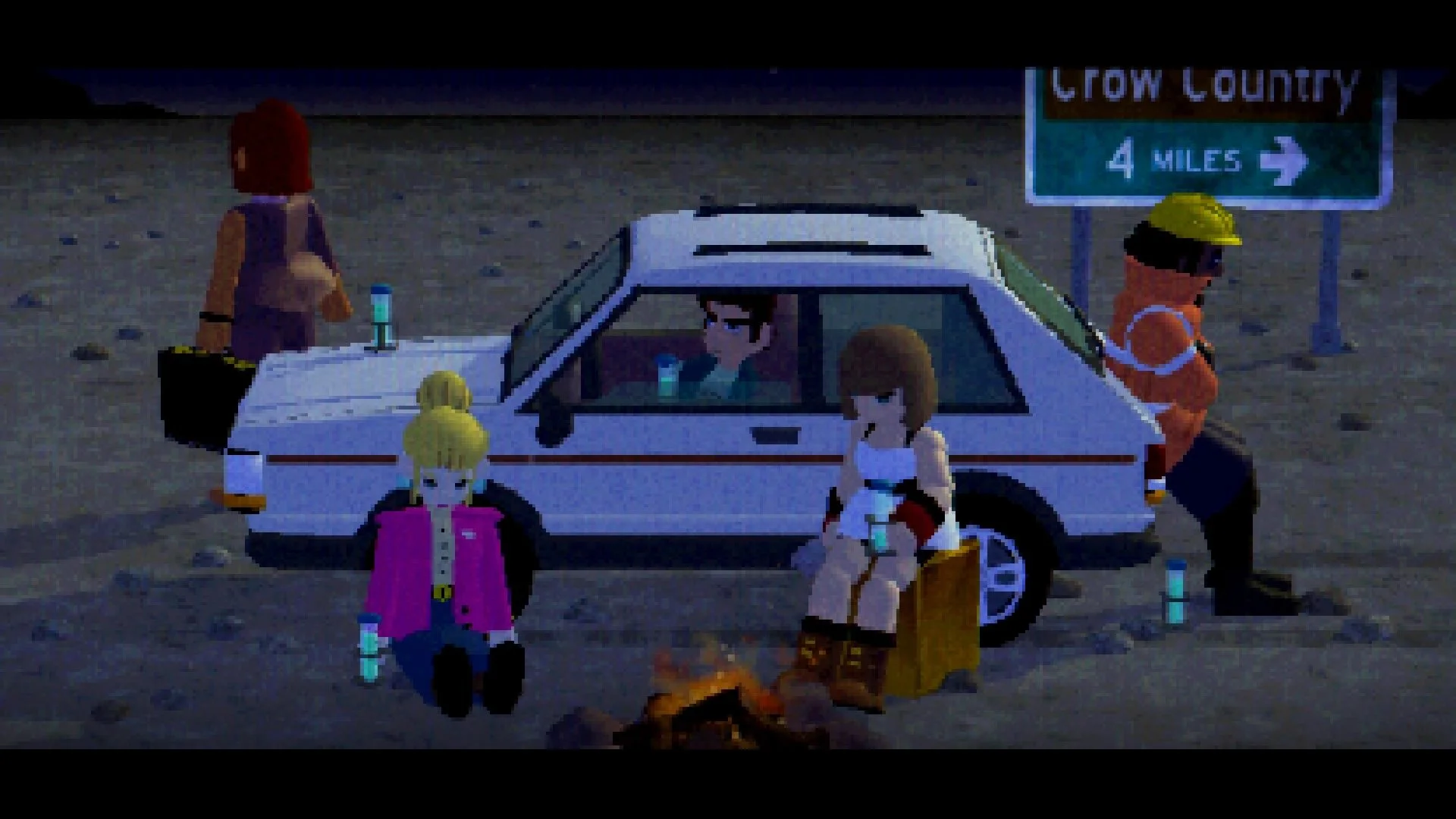
I recently played and completed Crow Country a lo-fi horror game with atmospheric design which bypassed modern hyper-realism to embrace the chunky, wobbling charm of the 32-bit era. By authentically replicating that signature PS1 jitter where surfaces warp as you move - and utilizing chibi-esque character proportions reminiscent of Final Fantasy VII, the game taps into a powerful sense of uncanny nostalgia. These technical limitations, paired with soft lighting and fixed-ish camera angles, allow the player’s imagination to fill in the gruesome details of the abandoned theme park, proving that a strong, low-poly art direction can be far more evocative than 4K textures. Here are screenshots of my playthrough!

As Above, So Below - Cult Film Review

As Above, So Below is one of those rare found-footage films that actually uses its ‘shaky-cam’ style to tell a smart, high-concept puzzle house-type story. It feels like a cross between The Blair Witch Project and Indiana Jones, seasoned with the claustrophobic dread of The Descent. While that sounds like a lot to juggle, the film blends these influences into a surprisingly effective, low-budget gem.

The story centers on Scarlett Marlowe, a character who plays like a modern, more obsessed version of Lara Croft. She is highly educated, dangerously driven, and entirely unafraid to drag her reluctant "frenemy" and a small film crew into the mouth of madness in her search for the legendary Philosopher’s Stone. The relic was said to turn base metals into gold but to attain it their search leads them from ruins in Iraq to the dark catacombs of Paris.

What sets this film apart is its commitment to historical detail. It doesn't just use the Paris Catacombs as a spooky backdrop; it weaves in actual alchemical lore and history to ground the supernatural chaos. By the time the crew is navigating the literal and metaphorical circles of hell, the film has successfully blurred the lines between archaeology and the occult. The shift from intellectual puzzle-solving to a fight for survival is jarring in the best way possible.

The film’s greatest strength lies in its namesake. I did some research after the film and found that the ancient axiom "As above, so below" suggests that the universe mirrors the individual. In Scarlett’s world, this translates to a terrifying reality where the physical traps of the catacombs reflect the internal demons and guilt of the explorers. The deeper they go into the earth, the deeper they are forced to go into their own fractured psyches. The tunnels aren't just haunted; they are responding to the characters' past mistakes.

Sure, the film isn't without its flaws like some of the acting is a bit over-the-top and iverly-dramatic, and it leans heavily on typical found-footage tropes, but for a film of its scale, it punches well above its weight class.

Overall, As Above, So Below is an ambitious, though-provoking horror movie that proves you don't need a massive budget to be both intellectually stimulating and genuinely terrifying. It’s a descent well worth taking, even if it doesn't totally pull it off.

LINK: Japan: My Journey to the East

LINK: Please Save My Earth - Cult Manga Review

LINK: Thomas Was Alone Video Game Vinyl Soundtrack Review

LINK: Akira Soundtrack Vinyl Review

LINK: The Power of Stories and How They Are Manipulated

LINK: The Message by Ta-Nahisi Coates - Book Review (and Some Thoughts)

LINK: The Anxious Generation: Book Review (and Some Thoughts)

LINK: Utopia for Realists- Book Review

LINK: Toxic: Women, Fame and the Noughties- Book Review (and Some Thoughts)

Horror Express - Cult Horror Film Review

There’s something inherently exciting about claustrophobic horror, where some people are stuck in a small space and have to survive against a creature or worse - each other. Set on a moving train, Horror Express (1972) is one of the best examples of the sub-genre. 

Directed by Eugenio Martín, this Spanish-British co-production offers an unusual and wonderfully original premise that completely bypasses the standard tropes of vampires, werewolves, and haunted houses. Instead, it serves up a two-million-year-old part-man, part-ape fossil from deep back in our evolutionary chain that turns out to be far from extinct.

The story kicks off aboard the Trans-Siberian Express, where anthropologist Professor Alexander Saxton (Christopher Lee) is transporting his frozen discovery back to Europe. Naturally, things go wrong almost immediately as the crate is opened and bodies start dropping with their eyes burned completely white. It quickly becomes apparent that the creature isn't just alive and well but it's lethal.

What makes Horror Express so brilliant is how it handles its threat. Even though the original creature is killed off surprisingly early on, it possesses the terrifying ability to transfer its consciousness and energy—and all the ancient, stolen knowledge it holds—into another human host. If that parasitic, body-hopping dynamic sounds familiar, it's because it feels like a clear, direct precursor to John Carpenter's 1982 classic The Thing.

Despite the modest budget, the film looks gorgeous. The vivid colours and striking cinematography by Alejandro Ulloa masterfully capture the claustrophobic, suffocating feel of a steam train hurtling through the freezing Siberian wilderness.

The acting is top-notch across the entire cast, but the real heart of the film lies in the iconic pairing of Christopher Lee and Peter Cushing. Both legendary actors play it completely straight as men of science—erudite, learned gentlemen—rather than the occultists, mad scientists, or outright villains they were so frequently cast as during their Hammer Horror days. Their on-screen chemistry is effortless and a joy to watch.

The script is also packed with cracking one-liners. Telly Savalas turns up in the third act as a boisterous, ruthless Cossack officer who completely steals every scene he's in. But the absolute highlight of the dialogue comes during a moment of peak paranoia:

"But what if one of you is the monster?"

An aghast Cushing, without missing a beat, replies: "Monster? We're British, you know!"

The final 15 minutes of Horror Express are insanely good. As the true cosmic nature of the creature is revealed and the body count spikes, the tension escalates into pure, unadulterated madness. Chaos erupts on board, complete with resurrected eye-bleeding Cossacks, a desperate race towards a literal cliff-end, and Christopher Lee basically going full Rambo with a rifle to save the day.

Horror Express is insanely good fun and has stood the test of time remarkably well. By combining sci-fi cosmic horror with a classic Agatha Christie - style mystery setting, it stands out as one of the best, most unique old-school horror films of its era.

If you've somehow missed this one over the years, do yourself a favour: turn down the lights, get the kettle on, and jump aboard.

LINK: The Argument for Videogames As Art in the Age of Mechanical Reproduction

LINK: Akira Soundtrack Vinyl Review

LINK: The Power of Stories and How They Are Manipulated

LINK: The Message by Ta-Nahisi Coates - Book Review (and Some Thoughts)

LINK: The Anxious Generation: Book Review (and Some Thoughts)

LINK: Utopia for Realists- Book Review

LINK: Toxic: Women, Fame and the Noughties- Book Review (and Some Thoughts)

Ginger Snaps - Cult Film Review

There are some films that just stick with you, even if you've only ever caught glimpses of them. For me, one such film has always been Ginger Snaps, now considered a bit of a Canadian cult horror gem. Released at the turn of the millennium, the film became a whispered legend among a couple of my friends. However, for years, my experience with it was frustratingly fragmented. Back in the late 90s, my friend Carlena had a knack for finding the most obscure and strange film, she was doing a Film Studies degree after all, so her house was our unofficial cinema, a place where we'd huddle around a flickering TV, armed with popcorn and a healthy dose of teenage bravado. Ginger Snaps was one of those VHS tapes that made the rounds. I remember catching unsettling scenes – a bloody nose, a tail transformation hand, the intense dynamic between the two sisters – but never the full narrative. Life, as it does, always seemed to interrupt. Now, nearly 25 years later, I've sought to rectify this oversight in my filmography. Armed with a proper streaming service (Amazon Prime) and an uninterrupted evening, I settled in to watch Ginger Snaps from start to finish. Now, let me tell you, it was every bit as good, if not better, than those fragmented memories suggested.

For the uninitiated (or those with fogged remembrances), Ginger Snaps follows the morbidly fascinated, death-obsessed sisters Brigitte (Emily Perkins) and Ginger (Katharine Isabelle). Their pact to die together before hitting sixteen is violently interrupted when Ginger is attacked by a werewolf on the night of her first period. What follows is a brilliant, bloody, and darkly humorous exploration of lycanthropy as a metaphor for the horrors of puberty, female adolescence, and the terrifying changes the body undergoes.

What truly elevates Ginger Snaps beyond a typical creature feature is its sharp, intelligent script. It doesn't shy away from the grotesque, but it uses the horror to amplify its themes. The bond between Brigitte and Ginger is the beating heart of the film, a complex tapestry of co-dependency, loyalty, and burgeoning resentment as Ginger's transformation pushes their relationship to its breaking point. Perkins and Isabelle deliver phenomenal performances, embodying their roles with a raw authenticity that makes their bizarre predicament feel eerily real.

The practical effects, a hallmark of horror from that era, hold up remarkably well, adding a visceral punch that modern green screen and CGI often misses. The transformation sequences are genuinely unsettling, a slow, painful unraveling of humanity that mirrors the awkward, often painful experience of growing up. But while it's undeniably a horror film, it's also laced with a biting wit and a surprising amount of heart.

Finally seeing Ginger Snaps in its entirety was like finding the missing pieces to a captivating, gruesome jigsaw puzzle. It's a film that was ahead of its time in many ways, tackling feminist themes within the horror genre long before it became a more common trend. Sure, it is of its time so some of the dialogue is a bit too edge lordy and clunky as was the style at the time ('On the rag' and 'He wants to get down your pants, stupid!') and the casual way a drug dealing dropout can attend a girl's PE lesson and talk to a student does not show the teaching profession in a good light, but it's smart, stylish, and genuinely unsettling, proving that horror doesn't need a massive budget to be impactful. In fact, many film genres, especially horror, can actively benefit from the economy of design due to budgetary constraints.

If, like me, you've only ever experienced Ginger Snaps in tantalizing fragments, or if you've never seen it at all, I implore you to give it a full watch. It's a cult classic for a reason, a howling good time that's as relevant today as it was when Ginger first started to shed her skin.

Daughters of Darkness - Cult Film Review

The dark and disturbing real-life account of Elisabeth Bathory, a Hungarian noblewoman who gained notoriety for the heinous deeds of murdering virgins in order to bathe in their blood to gain eternal youth, is well known. It is a dreadful tale of one of the earliest known serial killers and has been turned into several films, possibly most famously the Hammer Horror Ingrid Pitt vehicle Countess Dracula. However, I'd heard of another film version of the tale but a more controversial one: Daughters of Darkness. Suitably intrigued I tracked down a copy and, vegan sausage roll in hand (that's not a euphemism - I was just hungry) I settled down for a watch.

This big screen version introduces us to a modern incarnation of Bathory in form of the glacially glamorous Delphine Seyrig. Arriving at a desolate, off-season seaside hotel in Ostend, Belgium, with her beautiful and enigmatic young 'companion,' Ilona (a stunning turn by Andrea Rau), the Countess quickly sets her sights on the hotel's only other guests: a troubled pair of newlyweds, Valerie (Danielle Ouimet) and Stefan (John Karlen).

What follows is not a typical horror narrative, but a sophisticated, slow-burn seduction. The Countess, with her legendary legacy of perversion, senses the fragility and deep-seated dysfunctions within the young couple’s marriage. Seyrig, with her impossibly serene and seductive elegance, dominates every frame, her performance a masterclass in quiet menace and manipulation.

The two women subtly and deliberately insinuate themselves into the newlyweds' lives, unleashing a frenzy of suppressed violence, repressed sexuality and depraved desire. This version of the vampire myth is less about fangs and crosses and more about the seductive power of liberation and freedom from the shackles of convention.

Beyond the magnetic performances of its quartet of lead actors - the film’s visual artistry is paramount to its success; Daughters of Darkness is a glorious feast for the eyes. The deliberate pace allows the viewer to absorb the atmospheric set design of the grand, empty hotel, complemented by Eduard van der Enden's stunning, moody cinematography. With vibrant splashes of symbolic red, black, and ethereal blues, the film showcases elaborate sets and truly amazing costumes. Seyrig's wardrobe alone is a legendary aspect of the film’s decadent, timeless style.

Harry Kümel’s 1971 Belgian-French-West German co-produced film is one of the most exquisitely mesmerizing and transgressive films in the adult horror canon; it is a sumptuous, highly erotic psychosexual drama that moves artfully beyond simple titillation to create something truly intriguing and unsettling.

I did a little research after watching the film and found that its overt exploration of lesbianism, sadomasochism and dysfunctional sexuality made it a controversial sensation at the time - it was a picture that genuinely shocked both arthouse audiences and grindhouse crowds worldwide. However, in the decades since, this once-outrageous film has not only endured but grown in stature. Now viewed through a more appreciative modern lens, Daughters of Darkness is admired less for its sensationalism and more for its intelligence, style, and proto-feminist undercurrents, which posit the Countess as a potential liberator for Valerie from a deeply patriarchal and abusive relationship where she is being gaslit by her cad of a husband.

I can now see why this film is considered a true cult classic, revered today as a jewel of European Gothic horror whose style, sophistication, and psychological depth place it leagues beyond its contemporaries. It is a mesmerizing masterpiece.

Dolls (1987) - Cult Film Review

Every spooky season, I have a tradition which is to revisit the classics of horror - Halloween, The Nightmare on Elm Street - you know the drill. But occasionally, I stumble upon a lesser-known cult film that punches well above its weight and this year, my happy accident was Dolls. This is my review of that film.

The premise is pure, unadulterated '80s horror camp: A deadbeat father, his sweet young daughter and the new evil stepmother find themselves stranded during a sudden storm and so are forced to take shelter in a massive, remote English mansion. Inside, they find elderly dollmaker Gabriel Hartwick and his wife, Hilary, along with a spectacular collection of meticulously crafted, antique dolls. It doesn't take long for the visitors to realize that these aren't just display pieces; they come alive with lethal, tiny intent.

Premise set, the film moves with brisk efficiency clocking in at a tight 77 minutes. Director Stuart Gordon (fresh off his success with Re-Animator) wastes no time setting up the isolation and dread, making sure that every minute serves the narrative or delivers a jolt of creature-feature fun. What elevates Dolls beyond a simple B-movie premise is the sheer commitment of the cast and crew. The film is beautifully framed by the toxic father and new girlfriend, whose ascerbic and darkly comedic relationship is played with entertaining, biting banter and clever wordplay. However, the standout performance is undeniably from Guy Rolfe as Gabriel Hartwick. Rolfe masterfully pivots from a seemingly kind, grandfatherly figure to the chilling, proprietary dollmaker, providing the perfect grounded menace that the film needs to sell its fantastical horror.

The entire cast is uniformly solid, ensuring that you're invested in the fate of everyone trapped inside. The two punk girls, who are actually British, have the most dodgy 'Cockerny' accents this side of Dick Van Dyke's but that only adds to the earnest cheesiness of it all.

No great cult film is complete without a memorable soundtrack, and Fuzzbee Morse's score is absolutely pitch-perfect. It carries a distinctive, creepy lullaby tone—playful enough to match the tiny toy killers, yet underscored by a deep, reverberating strings section that signals genuine threat.This music, paired with the opening credit roll of those unblinking, horrifying doll heads staring out at you, instantly cements the film's reputation for great, campy fun.

Gordon clearly knows his onions, orchestrating a truly delightful piece of macabre cinema on a shoestring budget that feels like a dark fairy tale come to life. So, if you’re looking for a low-stakes, high-fun piece of horror with practical effects, genuine atmosphere, and a great central conceit, Dolls is an absolute must-watch. It’s earned its cult status, and now it’s earned a permanent spot on my spooky season re-watch list.

The Evolving Fears of a Horror Gamer

In this most spooky of months, I've been thinking about the horror genre in gaming. I remember a time when horror in videogames was a simple affair. Jump scares, grotesque monsters and oppressive environments were the tools of the trade. I'd jump when zombie dogs burst through a window in Resident Evil, and the creaks and groans of a foggy town were enough to keep me on edge in Silent Hill. But as I've gotten older, my relationship with fear has changed. The horror that truly gets under my skin now is more subtle, more cerebral. It's less about what's lurking in the shadows and more about the unsettling ideas that burrow into my mind and trouble my sleep.

Cosmic Horror and Existential Dread

Gone are the days when I'm solely afraid of the big bad or boss monster. The idea of being utterly insignificant specks in a cruel and pitiless universe ruled by indifferent elder gods doesn't scare me much now but it did back in the day. Games like Eternal Darkness on the Gamecube nailed this feeling though by making you feel completely alone against forces beyond human comprehension. More recently, The Call of Cthulhu game on PS4 that I played and completed also perfectly captured the idea of a terrifying cosmic mythos with devout followers. However, games like Alan Wake and Control, the Remedy-verse if you will, played with the idea of cryptids, blending them with the everyday to make the world feel less stable. Another, more recent example, was in the game Still Wakes the Deep, where the protagonist tries to escape a malevolent creature that is accidentally disturbed as the seabed is dug by an oil rig. While trying to escape the inevitability of his fate, the protagonist finally decides to sacrifice himself to save the world by ensuring the creature never makes landfall. The last action is 'Let Go' which was a bold thing to ask in a videogame where agency is the medium's main draw.

Surprisingly, one of the most potent applications of cosmic horror was in Night in the Woods. The game started off as an introspective look at a returning figure who left under a cloud and turned from a simple story about ‘finding your people’ and evolved into a poignant cosmic horror about the slow death of small-town America and its effect on the soul of the people that remained. Wow! It made me look at my leaving my old town of Barking differently - not that I've seen sights of any cosmic horror, just gentrification which I’ve been told is not the same thing.

The close cousin to cosmic horror is existential dread which often asks the biggest, most terrifying questions about our existence. Soma was a masterclass in this, forcing you to grapple with what it truly meant to be human and whether consciousness was tied to the body or something else entirely when it is revealed very early that you were a mind inside a robot body and your consciousness had been uploaded.

As a gruff, but less buff, older dad, The Last of Us and God of War (2017) tapped into the parental fear of loss of a child and the weight of past decisions. For a similar reason, The Walking Dead Season 1 was so impactful as it was about the fear of dying and leaving a (surrogate) child unprotected in a cruel, uncaring world. Even seemingly whimsical games like Zelda: Majora's Mask were built on the foundation of existential dread, as the moon was constantly about to crash and end all life. Finally, Nier Automata took this to a whole new level with its philosophical, suicidal robots, forcing you to question your purpose in a machine-driven world.

Non-Euclidian Spaces and Strange Liminal Places

There is something deeply unnerving about a space that defies logic. The mind rebels against a world that doesn't follow the rules it knows, and this is where Non-Euclidian Spaces and strange liminal spaces come in. In the videogame Kairo, I wandered through cyclopean buildings with bizarre geometry, which created a sense of being lost and disoriented. The repetition and alterations of the same space was effectively mined by Mark Z. Danielewski in his masterful book House of Leaves and Guillermo Del Toro and Hideo Kojima effectively looked at this concept further with PT, where the corridors around you changed in an unsettling way. More recently and importantly, more accessibly, Control used the uncanny nature of the Oldest House to great effect, linking strange, unsettling spaces to our everyday world. Even older games like Zelda: A Link to the Past's Forest of Time or the Haunted Mansion in Super Mario World played with this concept on a more basic but subtly unsettling way.

Corporate Indifference

As an older statesman, I’ve found a new fear in the cold, uncaring nature of large corporations, oligarchs and tech bros. It’s the idea that your life, your very existence, is a mere byproduct of a grand machine that doesn’t care about you at all. Amnesia: A Machine for Pigs and Alien: Isolation captured this perfectly, treating you as a mere cog in the mechanization of labor, all in first person. Meanwhile, Bioshock was a cautionary tale about a fallen utopia built on a foundation of corporate greed and indifference. Finally, the much underrated Tacoma told the chilling story of astronauts who are simply given up for dead by corporate bigwigs. It was a subtle but deeply unsettling horror of realising that you would die and that no-one above you in management cared or ever did. 

Body Horror, Gore Porn and Real World Violence

Some fears are just primal. The gut-wrenching feeling of being trapped in a confined space with something horrifying, as in Dead Space, is timeless but that eyeball scene in Dead Space 2 was a masterclass in making you squirm in your seat. The horrifying transformation in Inside, where you become an amorphous blob, tapped into our deep-seated fear of losing control over our own bodies in hideous Tetsuo-ness. However, the greatest use of real world violence was when a knife was thrust into my right hand in VR in Resident Evil 7. My friends and I were grossed out and the effect was terrifying as it happened within the first 30 minutes of the game which gradually escalated the violence.

However, as I get older, I find myself more afraid of other people than I am of external, existential terrors that most probably don't exist. The  monsters exist, and they are often human-shaped, wear suits and hold positions of responsibility and respectability. Games like Decarnation, Haunting Ground, Clock Tower and Silent Hill 2 explored the horrors of violence against women and entrapment. Deadly Premonition and Year Walk delved into the ritualistic and folk horror that can be rooted in very real, very human traditions and doctrines.

Confronting individuals or groups who are so utterly convinced of their own righteousness and destiny when they cannot be reasoned with is terrifying. They believe that their path, often involving self-destruction, violence, or the annihilation of others, will lead to a higher state of being—a 'cosmic bliss' reserved only for the select few.

Elden Ring had an example in Dominula, the Windmill Village, where the people were dancing around maypoles covered in beautiful pink flowers and there are crosses scattered around. I remember being really scared of this area as it felt creepy and otherworldly, like Summerisle in The Wicker Man or other folk horror films; I was a trespasser and did not belong in this land.

The horror of the eschaton - the belief in the end of the world as a necessary prelude to a new, perfect one - is more common that we might think. Real world examples of those who sought cosmic bliss are available and easy to find through the myriad cults and extreme belief systems that still persist. When people actively seek out the end times, they are no longer passively afraid of a coming apocalypse but they become active participants in bringing it about through whatever means possible.

We live in interesting times but those who are actively seeking the end-times are the scariest creatures of all; these are not fearful, unknowable cosmic creatures but Man. Man’s evil against his fellow man are reflections of the darkness that can exist within us.

How do you reason with a belief system that sees the world and the people in it as mere obstacles to be removed or sacrifices to be made on the road to utopia? Now there’s a conundrum…anyways, I’m off to play Pacman. Wish me luck against the Inky, Blinky and Clyde. Nite!

LINK: Decarnation: Videogames As Art

LINK- Toxic: Women, Fame and the Noughties- Book Review (and Some Thoughts)

LINK- Pure Invention: How Japan's Pop Culture Conquered the World- Book Review (and Personal Reflections)

LINK- The Rise of Retro Gaming During Covid

LINK: Japan: My Journey to the East

LINK- Blood, Sweat and Pixels- Book Review

LINK- Utopia for Realists- Book Review

LINK- On And On And Colston ( Or, How We Kinda Sort of Learned to Talk About the Legacy of Colonialism and the British Empire)

LINK- ‘Natives: Race and Class in the Ruins of Empire’ LINK: Elden Ring- Videogames As Art

Love, Death + Robots- Season 4 Review

Netflix's Love, Death + Robots offers a thrilling dose of sci-fi through visually stunning, standalone animated shorts. While I found season 1 occasionally leaned too heavily into edginess, echoing early UK anime, season 2, though less gratuitous, lacked truly engaging narratives. However, season 3 marked a turning point, delivering consistent and mature storytelling, with standouts like The Very Pulse of the Machine, Bad Travelling, and Jibaro. This progression has left me eagerly anticipating season 4.

Will it continue this upward trend and deliver more of the compelling and imaginative worlds I've come to appreciate? Let's dive into the latest series which is composed of 10 episodes, the longest clocking in at just 17 minutes.

Can’t Stop

The Red Hot Chili Peppers perform a concert at Slane Castle in 2003 in string puppet form but it starts to get a little out of control.

This is a crazy impressive music video as the crowd scenes look amazing. The lighting and sheer number of ‘strings’ on show in this CGI film is impressive. If I’d been involved it would have quickly evolved into a tangled mess. Props to the team for not messing up the props.

Close Encounters of the Mini Kind

When aliens come to Earth, they land in America and are quickly killed, triggering an invasion. Cue loads of visual jokes on anal probes, ray guns and lasers, a destroyed Golden Gate Bridge (of course) and impressive car chases.

This is a follow on from Night of the Mini Dead from season 3 and has a similar isometric styles with a cute take on Simlish. The ending is dark and goes places but does show mankind’s jingoistic hubris.

Spider Rose

A grieving cyborg seeks revenge on those that killed her husband and destroyed her business. When she finds a rare jewel an alien race of traders want what she has so, in exchange for a powerful pet/weapon, she agrees. Will she be able to get the revenge she seeks or will the love of a companion prove a balm to her grief and loneliness? She has a 96 day trial period to find out.

This is hard sci-fi based on a space opera short story by Bruce Sterling. It goes to unexpected places and is one of the standout episodes as we see Spider Rose going through the different stages of grief.

400 Boys

When mysterious kaiju/gods/aliens attack and destroy a city, a surviving crew of gang members decides to team with their enemy to bring the creatures they call Boys down. Will the parley work and help to bring the Teams together to take down the Boys?

The story reminded me of Attack the Block, The Warriors and many of the belt scrolling beat-em eps of the lates 80s and early 90s like Double Dragon, Final Fight and Streets of Rage. The fact that it features the voice talent of John Boyega, who starred in the alien invasion in East London flick Attack the Block is surely not a coincidence but rather a firm wink and nod. The 2D animation is slick and stylised like Samurai Jack or the Gorillaz and the music is bangin’.

The Other Large Thing

When a cat desired world domination it soliloquies a lot and is overly dramatic like a poor man’s Batman. However, when the owners buy a robot boy he mothers the cat and puts him in his place like a cheerful Rosie Jetson. However, the cat soon manipulates him and turns him into his minion to do his bidding.. with tragic results.

This was an excellent episode as it was very firmly tongue in cheek and captured the ornery personality of cats well. The animation is top notch and the humans are presented as terrible and deserving of their horrible fate.

Golgotha

This is a live action short, the first I believe for LD+R, in which a priest (a wonderfully anxious Rhys Darby) is asked for a meeting with the aliens, the Lupo. They are sea-dwellers from 50 light years away who want to talk to Father Maguire about the resurrection of Blackfin, a sole dolphin, when a pod washed ashore a few days ago. They believe her to be the messiah and listen to her tell of the genocide of the sea creatures by those who walk the land. The Lupo are not pleased and so begins the endtimes.

This is a bonkers episode about the origins of faith and how wars can easily begin over misconceptions and overzealousness. I loved it as it was funny and profound yet deeply tragic too.

The Screaming of the Tyrannosaur

On a space station orbital ring near Jupiter, an epic gladiatorial battle plays out to entertain royals and dignitaries. Releasing dinosaur hybrids, the warriors battle to reach the end and be the last one standing. The flamboyant aristocrats watch the lowly gladiators fight for survival as the numbers slowly whittle down but one warrior is ready to take the system down.

This is a beautiful looking episode and the set-up reminds me of The Hunger Games with the chariot racing scene from Ben-Hur. Not that it means much to me but the compere in this episode is Mr. Beast as he does a pretty good job of being a smug muppet so there’s that.

How Zeke Got Religion

The American bomber crew of the Liberty Belle is on a mission over France; its target is a church. When they deliver their payload, destroying the church and the Nazi pseudo-religious rituals they encounter a force that the Third Reich have released- The Fallen. As it tears apart the plane and crew, Zeke, the athiest, fights back.

I loved the animation style in this episode as it reminded me of the French bande anime style. The design of The Fallen also reminds me of Bayonetta as that had some gnarly creature designs with cherubic faces melded to winged monstrosities. The final battle went all Akira Tetsuo baby mutant limbs mode and was suitably dramatic. This episode is definitely one of the highlights of the series.

Smart Appliance, Stupid Owners

Various appliances give their opinions about their owners and do not hold anything back.

This is a hilarious short 7 minute animation presented in a stopmotion claymation style and reminds me of Aardman’s Creature Comforts. Kevin Hart is hilarious as an ionizer who has to work overtime for his lentil eating owner, he is not happy. Ronny Chieng as the unimpressed toothbrush and Brett Goldstein as the smart toilet on Taco Tuesday are brilliant.

For He Can Creep

In an asylum in 1757 London, a poet tries to write the one true celestial poem sent from God. His cat protects him from imps who would plague him but one night Satan tries to tempt the cat without success. When he tries to do away with the cat the poet agrees to help Satan write a poem but he is a pernickety. The cat seeks counsel from fellow cats and they fight back against the rising evil.

This is a well done episode with the dulcet tones of Jim Broadbent as the poor poet. The idea that cats can see beyond the material world is an interesting concept and their link to God and angels is a good premise for this story.

Overall, I very much enjoyed this season of LD+R as I felt that there was a wide variety of stories and animation styles and the impressive voice cast really brought the whole thing together. The seasons do seem to be going from strength to strength and I hope it will help push Secret Level, the other show executive produced by Tim Miller, to be better the next time round.

LINK- Love, Death + Robots- Season 1 Review

LINK- Love, Death + Robots- Season 2 Review

LINK- Love, Death + Robots- Season 3 Review

LINK- The 7th Voyage of Sinbad- Cult Movie Review

LINK- How to be Perfect: The Correct Answer to Every Moral Question by Mike Schur- Book Review

LINK- The Good Place and Philosophy- Book Review

LINK- Utopia for Realists- Book Review

LINK- On And On And Colston ( Or, How We Kinda Sort of Learned to Talk About the Legacy of Colonialism and the British Empire)

LINK- ‘Natives: Race and Class in the Ruins of Empire’ LINK: Elden Ring- Videogames As Art
The Book of Horror: The Anatomy of Fear- Book Review

I love horror films as I find that the genre encapsulates so much in its broad church; it is many things to many people often reflecting societal anxieties, cultural shifts, and technological advancements. The genre offers a fascinating historical context for the scares as they are a product of their time.

The book is a hefty tome and the paper stock quality is great.

For example, the classic monster movies of the early 20th century dealt with fears of the unknown, reflecting a world grappling with rapid industrialization and scientific advancements. Then came the Cold War era, and suddenly we have anxieties about nuclear annihilation and the loss of individuality, which manifested in films about alien invasions and body snatchers. It's not just big, sweeping societal issues either as horror can also reflect more personal anxieties, like those surrounding family, relationships, and even our own bodies. The slasher films of the 1980s, for example, often played on anxieties about changing social norms and the breakdown of traditional family structures.

Most recently, we've had horror films based on the theme of technology as we're living in a world increasingly dependent on technology, and with that dependence comes a whole new set of anxieties.

It's fascinating how the horror genre constantly evolves to reflect our changing world and looking at this evolution, we have Matt Glasby's The Book of Horror: The Anatomy of Fear in Film to guide us. Glasby, a seasoned film journalist, brings a wealth of knowledge and a palpable passion for horror to this project, resulting in a book that's as informative as it is engaging.

The book is a meticulously crafted exploration of the genre, dissecting the very essence of fear on screen by looking at the core films he sees within the genre, starting chronologicalally from Psycho all the way to It: Chapter 2.

The structure is both logical and accessible, with a grading system based on dread, the unexpected and other key theme and a graph of the key moments. Glasby's writing style is clear and concise, avoiding academic jargon and technobabble while still maintaining a level of intellectual depth for cinephiles. He manages to be both informative and entertaining, making the book a pleasure to read even for casual horror fans.

Given the wide expanse of horror content out there, Glasby can not cover the entire genre but he does cast his net wide and the recommended viewing lists provide plenty of avenues for further exploration for those so inclined.

Overall, The Book of Horror: The Anatomy of Fear remains an essential addition to any horror fan's library.  It's a beautifully designed, intelligently written, and thoroughly engaging exploration of the genre.  Whether you're a seasoned aficionado or just beginning to explore the world of horror cinema, this book is sure to provide you with new insights and a deeper appreciation for the art of fear.  It's a book that you'll likely return to again and again, discovering new details and perspectives with each reading.

Gyo by Jinji Ito- Graphic Novel Review

Junji Ito is known for creating a  sense of unease and creeping dread that is often mixed with body horror. He often bases this in everyday life and the malignant force happens to people, rarely is there a hero who escapes... It's a bit of a downer really but that's what people like about his work. There's often no deus ex machina or hard reset; the world is messed up and that's it -fade to black.

In Gyo, a manga from the early 2000s, we are introduced to Tadashi and Kaori, a young couple who go to the coast of Okinawa. Whilst there they discover a new breed of animal: a walking fish. However, when these creatures and other sea beasts that have evolved start to take over the land the novel's premise, while initially seemingly absurd, quickly spirals into a terrifying exploration of humanity's impact on the natural world.

Sure, the characters are archetypes but Ito uses them effectively to highlight the chaos and desperation of the situation. Kaori's demands and Tadashi's reluctant heroism add a layer of dark comedy to the horror. Kaori is the stereotypical shrill demanding girlfriend who is pretty unreasonable to her boyfriend, at one point asking him to get rid of a walking Great White Shark! Meanwhile, Tadashi is the put upon boyfriend who tries to be the hero but is just an everyman who is overwhelmed by what is happening. Tadashi's uncle is an eccentric scientist who wants to investigate these strange creatures as, after years of early promise with his inventions, he has not been able to fulfill his potential.

What follows is a tale involving World War II, biological weapons and a force that is hard to control. Ito's signature grotesque style is on full display here, with the walking fish and other monstrous creatures becoming nightmarish symbols of ecological disaster. The way he blends elements of horror, science fiction, and historical fiction creates a truly unsettling atmosphere.

The inclusion of the Enigma of Amigara Fault is a nice touch, providing a stark contrast to the sprawling narrative of Gyo. It's a testament to Ito's versatility as a storyteller. Overall, Gyo is a must-read for fans of horror and fans of Ito's work. It's a disturbing, thought-provoking, and visually stunning masterpiece.

LINK: Japan: My Journey to the East

LINK: Blood, Sweat and Pixels- Book Review

LINK: The Offworld Collection- Book Review

LINK: Shadow of the Colossus- Book Review

LINK: Manga Exhibition at the British Museum

LINK: The Midnight Library and the Idea That You Can’t Go Home Again

LINK: The Transportive Nature of Objects (And the Power of Mini Consoles)

LINK: My One True Gaming Constant in Life- Nintendo

Hammer House of Horror- Cult TV Series Review

I have been a film aficionado for a long time. My father brought me up on classics like David Lean's adaptations of Oliver Twist and Great Expectations as well as the various black and white classic comedies of Charlie Chaplin and Laurel and Hardy. However I became interested in cult TV series and films whilst attending university. Our campus was media-centered and as a result it had a huge catalogue of videos to rent, free of charge. I ploughed through many often taking the maximum 8 out at a time and consumed them voraciously. As a result I believe that I am quite literate in films and TV but the series that really attracts me are the more offbeat curios.

I've explained my love for old creepy films here before and it is in this vein that I wanted to explore Hammer House of Horror, the 13 episode anthology series which was shown on ITV in the early 80s. I had never seen the series before so thought I'd dive in. What intrigued me was how the 50 minute short films were shot in the style of the times rather than the usual Hammer fare that had been famed over the previous couple of decades. The provinciality of it all recalls Minder or the kitchen sink melodrama Play for the Day rather than glamourous Dracula, Twins of Evil or the more desperately lustier affairs that precipitated the studio going into receivership.

The series was the idea of Roy Skeggs and he wanted to create a grittier, more realistic (and cheaper) horror that blended slice of life with the supernatural or eerie, a modern gothic if you will. Local problems for local people. The result is an interesting time capsule that captures the fashion, sensibilities, technology and dour mood of the time. By doing away with the 'genre crap' that Hammer had helped to create and codify, it prevents the series from being the usual campfire stories or folklore and turns it more into urban legends or friends of friend tales- a much more horrifying prospect as there were definite social messaging contained upon it's release in the early 80s.

The series tweaks the 'tenets of genre' to create something all together more interesting. Anyways, here are my thoughts on the individual episodes:

Witching Time
On a dark and stormy night, whilst home alone, married man David finds a beautiful woman in his barn claiming to a witch from the 17th century. Thinking her a kooky eccentric, he humours her before locking her in a room and calling for a doctor.
Upon arriving, the witch disappears and the doctor thinks David is overworked and hallucinating. He gives him some stronger pills but the witch comes back and starts to wreak havok upon him and his returning wife. Things quickly go downhill as we don't know if David is self-sabotaging or if there actually is a witch who has a hold of him.

This is an interesting episode as it is quite meta in that David is the sound mixer for horror films and he is being haunted himself. The slow deterioration of his mental health as the witch takes hold is interesting to see. It's a pretty solid episode and had me intrigued throughout.

The Thirteenth Reunion
When a new dieting clinic seems to be getting astonishing results, a roving reporter goes undercover to investigate the secret of their success. She sees a tough love affair where people are insulted into 'thinking themselves thin'. She bonds with a fellow 'fatty' but when he unexpectedly dies after a road accident her suspicions are raised as this seems to be happening quite regularly.

This episode goes some places and what I initially thought of as some body harvesting scam definitely ends up something much more sinister and weird. The tension is cranked up all the way through and the ending is not what I expected at all.

Rude Awakening
When an estate agent is given a property to put up for sale, he visits it but gets more than he bargained for when the manor is a state of ruin. What follows is a weird mystery about a recurring nightmare and whether the agent is losing his mind or maybe his subconscious is suffering from guilt from the murder of his wife.

Denholm Elliot shines as a cocky cockney everyman estate agent who ends up getting himself caught up in a bit of a mess when visiting the property. He plays it well, sliming it up with his young secretary in various states of fantasy attire as he tries to work out what is going on. The ending is typically dark and catches you off guard as dreams and reality merge.

Growing Pains
A young boy dies after trying some of the growth formula that his research scientist father is using on rabbits to end world hunger. A short while later, the parents adopt an orphan who has a rabbit toy and an interesting personality. When visions of the dead son appear and the pet dog starts to behave strangely, the parents question their sanity.

This is a quirky episode as the boy who eats the medicine is dopey. I mean, who goes into their father's scientific lab and scoffs strange liquids and powders from a random jar on a shelf? The boy is about 10 years old so should definitely know better. Anyways, the replacement boy plays a slightly creepy role well and the setup is intriguing. The story goes place you would not think it would go and that keeps you on your toes.

The House That Bled to Death
When a young couple and their daughter move into a house, little do they suspect that their house was the scene of a gruesome murder some years ago. As they try to bed in, unsettling things seem to be happening around them... almost as if the house wanted revenge.

This is a solid episode with lots of shocks and scares as the tension slowly escalates. The blood flows generously but, once again, the episode goes to a different place.

Charlie Boy
When a friend dies, a photographer and his friends get a chance to rifle through his things and take souvenirs home. When the photographer takes an African fetish doll, known for being used in witchcraft, people start to die. Will he make it in time before his wife and he succumb to its dark power.

This is a great episode about the power we give objects. Is it the fetish or is it the paranoia and coincidence of it all? This episode is great and it was wonderful to see the young familiar face of Angela Bruce as the wife of the photographer. The relationship between the interracial couple was loving and they treated each other like equals which was surprisingly more sensitive than what I have been used to from shows from that era. Fair play to the show for doing that.

The Silent Scream
When a habitual petty thief is released after two years inside, he finds a job at a local petshop run by Peter Cushing. When tasked with feeding the trained exotic animals he keeps at the back whilst he's away, the thief tries to open a safe and is caged. Will his wife help him get out or will the thief be trained to curb his thieving ways.

Cushing is excellent in his role as a mad scientist who looks at creating a prison without walls. He is seemingly sane and his idea has merit in principle but at what cost to civil liberties and freedom?

Children of the Full Moon

After their car careens out of control, a young couple find themselves out in the sticks in the late afternoon. They find refuge in a creepy old country house in the care of an old lady and loads of orphan children. As the night draws in, the sound of wolves can be heard and the children start to act strangely. Whatever can it all mean?

This is a great episode with Diane Dors camping it up as the old lady of the creepy manor house. This is considered one of classics of the series and is so highly regarded due to the gothic feel of the mansion, creepy woods and quite good makeup work.

The Carpathian Eagle
When a series of men are murdered, with their hearts ripped out, an old legend seems to be bubbling to the surface. A police officer and a murder-mystery author try to get to the bottom of the serial killers crimes on this short thriller.

The central conceit of this episode is great as it plays out like a crime procuderal but has the obvious supernatural elements, much like Kolchak: The Night Stalker. This episode was a firm favourite of mine as there is a great central mystery.

Guardian of the Abyss
When an antique dealer comes across a scrying glass his world is turned upside down as satanists and an escaped sacrificial victim cross his path. When his scrying glass- which may have been Dr Dee's original one- is stolen, he goes on a hunt to find it and save the glamourous sacrifice at the same time.

It's an intriguing episode as the poor guy just wants to flip the item to get some moolah but he's caught up in a demonic mess involving Enochian, Choronzon and Aleister Crowley. Fascinating stuff with a dramatic and powerful ending.

Visitor from the Grave
When a rapist is killed by his prospective victim, his body is concealed to hide the crime. However, as she struggles to reconcile her life  with the crime she slowly starts to unravel as she sees the face of the rapist in her everyday life. Maybe a Swami from India can help, for a high fee of course.

This is a slow burn episode as the action happens right at the beginning and it's all about the trauma and unravelling as the victim goes all swiveleyed and anxious. This episode is not very sensitive at all but it isn't as egregious as much other media from the time- the portrayal of a woman who has gone through a traumatic experience isn't very sensitively handled whilst the brown face of the Swami is pretty racist but this was par of the course for the time and should be considered through those optics. Thank gosh things have moved on somewhat and we live in more enlightened times.

The Two Faces of Evil
When a family on a country drive pick up a hitchhiker during a storm it doesn't go well as he attacks the family. Waking up in a hospital the family try to get back to normal but life is forever changed. The question is: has the hitchhiker gone for good?

This is an excellent episode as the sense of  claustrophobia is achieved through tight and unusually low camera angles. It disorients you as you watch the episode and even the staff at the hospital look sinister from that angle. It's quite an achievement on such a low budget. The concept of a doppelganger is intriguingly covered in this episode and the chase at the end suitably dramatic.

The Mark of Satan
When a novice who works in a morgue is accidently pricked with the bloody neddle of a corpse who claimed to have been protecting his soul through self-drill applied trepanning, he undergoes an interesting transformation. He starts seeing patterns everywhere and is worried that there is a conspiracy against him.

I liked this episode as the number 9 is a recurring motif and occurs frequently throughout. I wonder if the creators of Inside Number 9 were inspired by this particular episode as they do cite this series as a foundational text within their ouvre.

Overall, I really enjoyed this anthology series. I can see how it has influenced many shows including Inside Number 9, Black Mirror, The League of Gentlemen and The Mighty Boosh. It's a quirky series that looks at the evil that lurks beneath the normal veneer of polite (and not so polite) society.

The series can be pretty bleak and I think a lot of it is to do with the way it represents an empire in decline. Britain held much of the world in its grasp for hundreds of years and the stripping away of this worried much of society. This anxiety brought fears of class, eugenics and 'replacement theory' to the fore- maybe that's why so many of the shows of the time are to do with class, a structure that very much exists in Britain but many will deny whilst claiming that we live in a meritocracy. Looking at the sorry state of current politics puts paid to this veneer as vestiges of this illusion are removed-as  it was in the 80s when this show was create and aired.

The cultural vandalism, misappropriation and bastardising of certain principles, values and societal narratives are things that happen all the time. One only has to look at social media with its 'the way things were' photographs of yesteryear to see the guise of nostalgia wrapped in right wing anemoia. Read the comments to see the vitriol spewing forth. This show looks at the worries and concerns from the time and amplifies them through the lens of horror.

Halloween 3: Season of the Witch- Cult Movie Review

Nigel Kneale is one of the great British horror writers, gaining prominence with his Quatermass trilogy and other sci-fi/ supernatural works in T.V. drama including The Stone Tapes and Beasts. Over his 50 year career, Kneale wrote many pieces that are still considered high televisual watermarks. What is less well known is that he did go to Hollywood and ended up working on a draft for the film that would become Halloween 3: Season of the Witch. His draft was based on his interest in folk tales and witchcraft but there was a desire for more gore and blood so he left the project, washing his hands of the whole affair.

Some say the Halloween name cursed the film, encumbering with it the ghost of Mike Myers.

I knew that upon it's release the film had flopped but had become a bit of a reevaluate cult classic over time- appreciated by a new audience who saw the lack of the main man Mike Myers as bold. It could be seen as an audacious act to move away from the sequelitis with diminishing returns that plagued many other horror franchises from the time or, as John Carpenter admitted at the time, a chance to create something different: an anthology series which altered the story to something different.

Based on this fascinating back story I knew I just had to watch this movie so I ordered a DVD copy and on a dark evening in October, I sat down to watch this reevaluated horror.

The film starts promisingly enough with an elderly man holding a pumpkin mask and running away from some assailants who are pursuing him in a car. Whilst he manages to escape, he collapses and a kindly petrol station attendant takes him to the hospital where his assailant kills him before killing himself.
What follows is unusual as a lothario of a middle-aged doctor, played with great skill by Tom Atkins, persues the case. He isn't some handsome or dashing hero but rather an everyman just trying to figure out what is going on. With the able accompaniment of the victims daughter, Ellie played by Stacey Nelkin, they try to get to the truth by going to the factory town of the mask manufacturers, The Silver Shamrock Company.

I have to say that I found the movie to be solid and well worth my time . It was a moody mystery with an intriguing premise. The Men in Black figures were menacing and, whilst violent, it wasn't all gore or splatter porn; it was more considered and ritualistic. The film is problematic for the relationship between a much older man and a younger woman grieving the loss of her father but, for the time or came out, it wasn't as mysoginistic or as problematic as many films from the time.

What it does put in its sights is consumerism, the power of advertising and corporate overreach. I'm not sure that a film as subversive or as anti-franchise as this obviously was would be made in this day and age. Where SEO, brand recognition and franchise potential is all carefully considered, something as leftfield as this would be considered too risky.

The film is a great horror piece and shows the potential the anthology idea had. It's a shame it wasn't taken forward but at least we have this curio to appreciate and champion.

Cabinet of Curiosities- Complete Cult Series Review

I do love a good anthology series. The idea of many little stories, based on an overarching theme, always appealed to me as if you didn't really like a story another one would soon be up and it might be more your cup of tea. I've watched many Outer Limits, The Twilight Zone, Goosebumps, Are You Afraid of the Dark? as well as the BBC series such as Ghost Stories for Christmas amongst many other 70s horror anthologies and I can never get enough.

When I first heard of Cabinet of Curiosities I was excited, but when I heard it would be produced by Guillermo Del Toro, one of the best writers and directors of our time and a huge cult horror nerd I was ecstatic. Over the course of a couple of weeks, I watched the entire run of 8 episodes. Here's my breakdown of each episode and my opinions.

Lot 36
When an auction lands a desperate man a storage room, he finds that it's mostly junk. However, there are a few books and accoutrements linked to the dark arts and a collector seems interested in these. To pay off his debts how far will he be willing to go?
This was an amazing episode as the main protagonist comes across as a rude and bigoted man, so when he gets his comeuppance it seems well deserved. The directing is solid and the special effects are excellent with the 'big bad' reveal.

Graveyard Rats
A gravedigger and robber eyes the riches of a deceased man but the rats in the graveyard pose a threat. With debts to pay, will he be able to secure the goods, pay off the debtors and enrich himself? As he searches in the tunnels under the graveyard he finds the black church and creatures from nightmares.
This is a tight episode clocking in at under 40 minutes but it is filled with tension. The moments when the man is crawling through the tunnels are terrifyingly claustrophobic and the creatures are horrendous. A favourite of mine.

The Autopsy
When a mining disaster devastates a community the sheriff calls upon an old pathologist pal to investigate. What they find is unexpected and possibly extra terrestrial so the pathologist starts to carry out an autopsy.
The cinematography in this film is impressive and recalls Friedkin's The Exorcist. The noirish lighting, hues of black and amber gold, lend it an intimate yet unnerving feel. The story is very creative and, even though it is an alien parasite story, the denouement has a big payoff and that is mostly due to the masterful acting of F. Murray Abraham.

The Outside
A bank clerk struggles with her self-esteem and is sold on a beauty product which is apparent transformative. Will it provide the results she wants without any monkey’s paw ending?
This is a curiously quirky episode as it reminds me of the pushy neighbour scene in Edward Scissorhands, where everything is retro stylised up to 11. The story is quite interesting and goes some places but it wasn't one of my favourites as it was look quirky.

Pickman's Model
When an artist encounters a new, more mature college colleague they bond over an appreciation of art. However, when Pickman, the older artist shares paintings of cosmic horrors it haunts the man and his family.
This is a true homage to H. P. Lovecraft with the unnameable cosmic horrors that exist outside the realms of our imagination entering the real world through Pickman's art . This is a dark gothic piece and ratchets up the tension throughout. At points, it reminded me of the classic Nintendo Gamecube game Eternal Darkness. If you get that reference then you'll know that's high praise indeed.

The Murmuring
An enthusiastic ornithological couple go on a work trip to an island to research the murmuration of the local dunlin population. Whilst there, they stay at an old coastal mansion where spooky goings on occur. It brings to the fore the underlying grief felt by the couple at the loss of their child.
This is a moody episode, much in the style of an M. R. James story in that outsiders visit a new place and encounter ghostly goings on featuring an angry mother and a dripping wet child. The sound effects are suitably spooky and the tone is set for a solid haunted house mystery about the circumstances of the previous owners' demise.

The Viewing
Four strangers are requested to meet at a successful but reclusive eccentric businessman's house. They don't know why they are called but they go nonetheless. The astrophysicist, musical prodigy, bestselling author and alternative therapy guru are regaled with their success and are pushed to be even better by their amiable host before being introduced to a mysteriously acquired item. What is it and where did it come from?
This starts off as a typical haunted house mystery in which you think the guests will have to work together to get to the bottom of the mystery and find how they are all connected, like the Saw franchise. But this is different. Peter Weller gives a suitably creepy performance as the drug addled owner of The Sandpiper House who is a wordsmith who craves power and knowledge, but it is the creature that emerges that is pure brilliance. The set design is amazing and the cinematography phenomenal in presenting a late 70s opulence style via 2001: A Space Odyssey. The red light diffusion adds the film an eerie tinge whilst the conclusion is startling and gory as the best body horror is.

Dreams in the Witch House
An adaptation of a Lovecraft short story where a brother tries to reach the other side after his sister's spirit is taken by a ghost when she was young. Growing up, he seeks a way across the bridge between this material world and the spirit Plain to bring her back but it carries a lot of risks.

The story is a bit of a trippy classic and pretty unfilmable in its original form but this version makes it more linear and accessible. Rupert Grint does a great job as the down on his luck brother doing all he can to rescue his sibling. The ending is bittersweet but end with a joie de vivre ditty.

I thoroughly loved Cabinet of Curiosities as, through his short introductions, Del Toro adds a dash of ringmaster to these takes and recalls Rod Serling. Also like Serling, Del Toro is able to disguise his social and political commentary through these short parables. By setting the stories in the past or the future, with sci-fi and fantasy settings, Serling could present his social criticisms without attracting any ire from the viewers or television sponsors and advitisers. Seemingly, the fantastical elements made the content more palatable. In this case, Del Toro doesn't care about any criticism, he is just heading a smorgasbord of horror talent, many of which carry a social commentary. But then, most horror is successful as it amplifies societies fears and often personifies them in a terrifying monster.

The Blood on Satan's Claw- Cult Film Review

My love for old horror films started in my formative teen years. The BBC would show cult horror films late on Friday and Saturday nights in the early to mid-90s and, when we got Sky, late 90s/ early 2000s Bravo Channel. Some were the more salacious films of 60s and 70s European cinema, often in the horror genre but not always-  some were experimental pieces which had a deeply ethereal feel and long moments of quiet where the gorgeous scenery and silence would wash over you. It was here I first saw Circus of Horrors, Vampiros Lesbos, Twins of Evil and many, many more.

For this dark season, I thought I'd watch the Unholy Trinity of British folk horror; The Witchfinder General, Blood on  Satan's Claw and The Wicker Man.

I saw Witchfinder General on Bravo back in the late 90s/ early 00s I believe. I watched it again recently (read my review here) and still found it a powerfully violent film with something important to say about the violence wrought against women in the name of faith and power. However, I had never seen Blood on Satan's Claw so I decided to watch it on a cold, rainy day.

It is a typical English folk horror tale: a farmer finds the remains of a mysterious creature whilst tilling the soil. After the discovery, much evil is unleashed on the village. The locals start to act strangely and the youth are particularly susceptible to the powers of darkness.

The typical genre elements are all present and correct: rural setting, isolation, and themes of superstition, folk religion, paganism, sacrifice and the dark aspects of nature. The old trope of an outsider who comes into the community but doesn't understand the old ways is present, in this case the judge does not believe in witchcraft and superstition, leaves the village to carry out his duties elsewhere leaving the innocent locals to fend for themselves against the evil infected peers.

Director Piers Haggard has a wonderful eye for period detail and the cinematography of the English countryside is beautifully represented. The title music by Marc Wilkinson is playfully haunting, it sounds olde English but has a sinister woodwind string wending it's way through.

Even after nearly 50 years, the film is still a indictment about the power of suggestion, mob rule and religious paranoia. Even though it is set several hundred years ago, the collective ideology and influence of a few to change the society they exist seems prescient. The small town, local people mentality shows how quickly people will turn against people they consider outsiders.

The cast overall are great and the fact that it doesn't have a big name attached lends the whole affair a sense of mystery and uniquenessall its own.

Linda Hayden (left) plays the malevolent and precocious Angel Blake extremely well.

The actors and actresses all do a wonderful job but special mention must go to Linda Hayden, who plays malevolent Angel Blake, as she is only 17 at the time of filming yet seems to command a screen presence beyond her years. Patrick Wymark is effective as the judge who becomes the jury and executioner at the end of the film when he fights the Devil with a secret weapon. The scene is presented in slow motion and this gives the finale a nightmarish, surreal feel.

Overall, I can see why the film is held in such high regard and can see that it definitely earns it place amongst the Unholy Trinity.

LINK- Children of the Stones: Cult TV Series Review

LINK- Dead of Night: Cult TV Review

LINK- The Stone Tapes: Cult TV Review

LINK- Tom’s Midnight Garden: Cult TV Review

LINK- Children of the Dogstar: Cult TV Series Review

The Witchfinder General- Cult Film Review

My love for old horror films started in my formative teen years. The BBC would show cult horror films late on Friday and Saturday nights in the early to mid-90s and, when we got Sky, late 90s/ early 2000s Bravo Channel was a real boon. Some were the more salacious films of 60s and 70s European cinema, often in the horror genre but not always-  some were experimental pieces which had a deeply ethereal feel and long moments of quiet where the gorgeous scenery and silence would wash over you. It was here I first saw Circus of Horrors, Vampiros Lesbos, Twins of Evil and many, many more.

For this dark season, I thought I'd watch the unholy trinity of British folk horror; The Witchfinder General, Blood on Satan's Claw and The Wicker Man. No, not the Nic Cage remake. Now, say it after me…

A true crime against nature.

I saw Witchfinder General on Bravo back in the late 90s/ early 00s I believe. I hadn't seen it since then but remember the violence being quite disturbing at the time.

It starts off with a quiet countryside scene with lush green grass and lolling sheep. It quickly cuts to a hangman setting up a gallows on a hill whilst  a mob drags an old lady up to it. Whilst the priest recites the last rites the noose is put around the old lady and the stool is kicked away from underfoot, she swings and it smash cuts to Vincent Price as Matthew Hopkins, the Witchfinder General, watching from astride his white horse. For a cold open, this scene is brutal and it doesn't stop there. The statement of intent has been set and it's not backing down.

The smashcut of Vincent Price is brilliant and the beginning is brutal.

The music by Paul Ferris kicks in to offer a brief moment to catch your breath as the credits roll. When the narrator sets the scene about 1665 and the English Civil War, we see that the rule of law is broken and cruelly inequal- dispensed without due process.

When a Roundhead soldier, Richard, is given leave after saving the life of his captain, he goes to see his lady love, Sarah. Her uncle gives him permission to marry his niece but wants him to take her away as the threat of being accused of witchcraft hangs over the area. The soldier returns to his regiment but, unfortunately, the following day the Witchfinder General comes to town and falsely accused the priest. He makes advances against the niece and, in exchange for a night with her, promises to free the priest. When Hopkins goes to a nearby town, his second in charge, John Stern, assaults the niece too. The priest is then dunked in the water and hanged for witchcraft as the niece's sway is lost.

The soldier returns to his love and promises to avenge the priest's death and the loss of her innocence by killing the witchfinders. What follows is a cat and mouse chase as the soldier looks to catch up to the witchfinders whilst they continue to carry out their dreaded executions.

The film is brutal in it's portrayal of violence done against the innocent and voiceless but the threat of cynical Puritanism and greed that underline this dark tale, still persist in today's world. The cinematography by John Coquillon is stunning shot as the beautiful greens of the beginning  contrast against the autumnal colours when Hopkins comes to town and brings his brand of justice. The costumes are on point and whilst you can tell that this isn't an expensive production, the economy of design lends it a charming period look.

Even after nearly 50 years, the depravity shown is still shocking but the tale of systemic violence done against women whilst the community watches is still relevant and prescient even of the rise of the far right and populism where hardwon womens' rights and liberties are being rolled back for a similar puritanical zealousness, underpinned by greed and power. Director Michael Reeves, who died tragically young, has created a film that has stood the test of time and is prescient.

LINK- Children of the Stones: Cult TV Series Review

LINK- Dead of Night: Cult TV Review

LINK- The Stone Tapes: Cult TV Review

LINK- Tom’s Midnight Garden: Cult TV Review

LINK- Children of the Dogstar: Cult TV Series Review

Hammer Glamour- Book Review

I have been a film aficionado for a long time. My father brought me up on classics like David Lean's adaptations of Oliver Twist and Great Expectations, the various black and white classic comedies of Charlie Chaplin and Laurel and Hardy as well as the Dynamation works of Ray Harryhausen.

My love for old horror films started in my formative teen years. The BBC would show cult horror films late on Friday and Saturday nights in the early to mid-90s and, when we got Sky, late 90s/ early 2000s Bravo Channel. Some were the more salacious films of 60s and 70s European cinema, often in the horror genre but not always- some were experimental pieces which had a deeply ethereal feel and long moments of quiet where the gorgeous scenery and silence would wash over you. It was here I first saw The Witchfinder General, Circus of Horrors, Vampiros Lesbos and Twins of Evil and many, many more.

I became even more interested in cult TV series and films whilst attending university. Our campus was media-centered and as a result it had a huge catalogue of VHS tapes to rent, free of charge. I ploughed through many often taking the maximum 8 out at a time and consumed them voraciously.

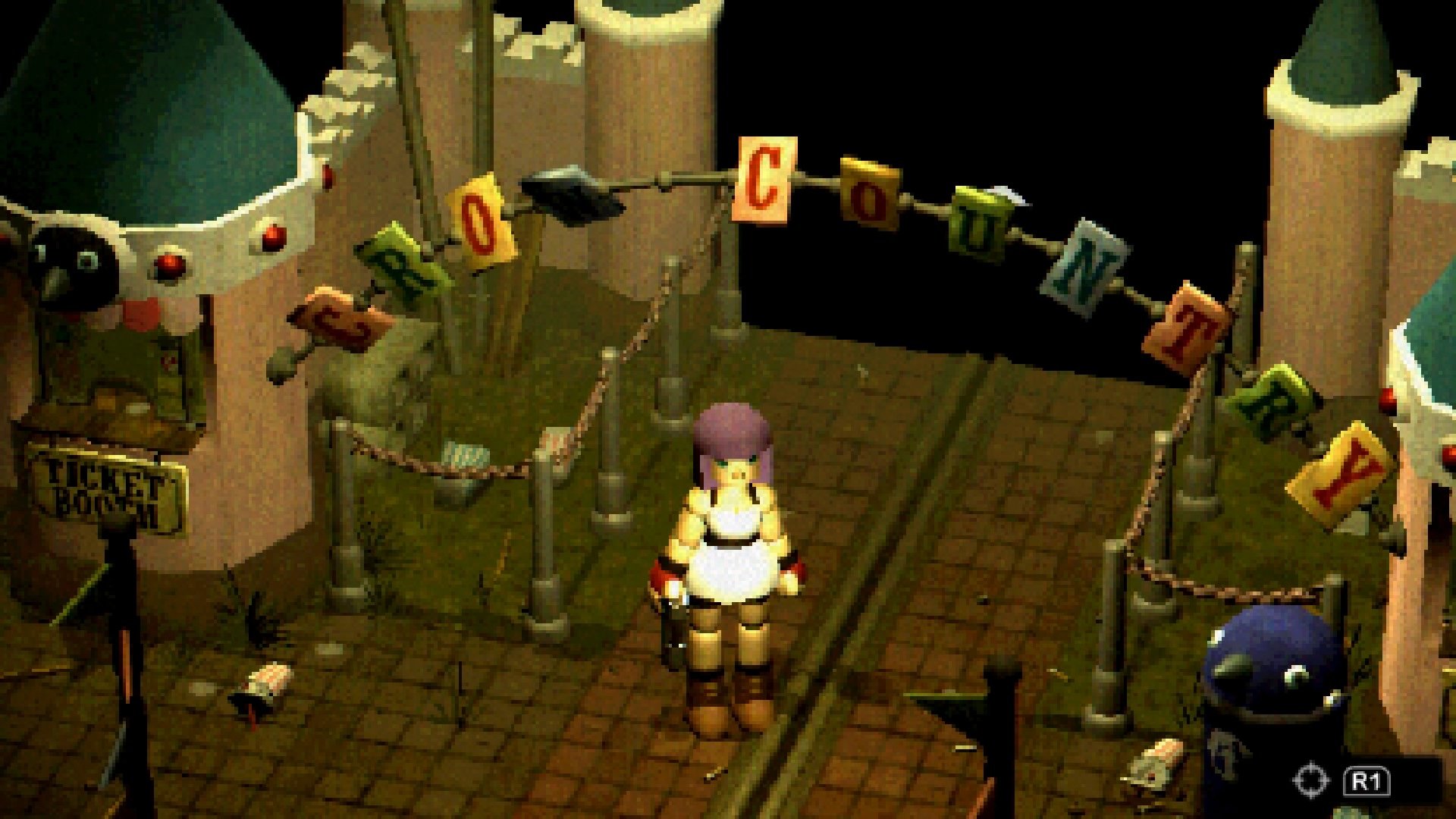
Hammer was a name that stood out to me as you were guaranteed a strong performance from a lead actor, often Christopher Lee or Peter Cushing, and lashings of blood and glamour. It was here that I came across many actresses who I knew from other works like Caroline Munro (Sinbad), Nastassja Kinski (Paris, Texas) and Madeline Smith (Live and Let Die). It seemed like horror was the genre many a young lady had cut their teeth on and specifically Hammer.

Cushing and Lee get all the credit but the leading and supporting ladies added so much to the productions and needed to be spotlit. The women were often glamourous and their acting skills overlooked by many, including the film makers themselves, for mere tittilation but the coffeebook Hammer Glamour looks behind the scenes and  presents black and white and colour photographs from the Hammer archives of these actresses.

Usually, each of the 50 actresses gets at least 3 pages as well as biographies including candid interviews from the surviving actresses or archival quotes from past interviews for those who are no longer with us. These are no mere puff pieces but actually quite critical of the treatment many of these women received from an often mysogynistic and sexist British film industry of the time. Many were told that the nude scenes or candid photos they reluctantly took part in would only be for 'foreign markets' only to find the scenes shown in the home UK market. The author, Marcus Hearn does not shy away from this and, whilst having a clear love of the studio and it's works, he is aware of these issues and has shared them here. It isn't all doom and gloom though as many actresses had an amazing time and were well treated, however, many left the industry jaded, dependent on drugs or alcohol, whilst a few even committed suicide.

The book is a handsome tome with good quality paper stock and crystal clear photographs. The layout of the pages is consistent with large photographs of the actresses in their film roles as well as promotional shoots. This book is a respectful look at the first ladies of horror and is highly recommended by me.

LINK- Into The Unknown Exhibition Review

LINK- Kolchak: The Night Stalker- Cult Movie Review

LINK: Kolchak: The Night Stalker- Cult TV Series Review

LINK- Children of the Stones: Cult TV Series Review

LINK- Dead of Night: Cult TV Review

LINK- The Stone Tapes: Cult TV Review

The Color Out of Space- Cult Film Review

Whilst suffering decision paralysis, caused by having too many choices available on Netflix and Amazon Prime, I came across a film that popped up and intrigued me… The Color Out of Space. I was familiar with the short story from H.P. Lovecraft, having read it about 20 years ago, and had loved the strange premise of a meteorite landing on a farm and bringing dreadful consequences for the creatures and humans that lived in the area. However, I didn’t know how this story could be effectively adapted for the screen as Lovecraft’s Cosmicism and existential dread, about humanity’s insignificance in the eyes of unknowable beings, would lose its power if the creature (in this case, a colour) were presented on screen as nothing is scarier than the unknown. So, suitably intrigued I selected to see who was involved and upon seeing Nicolas Cage front and centre, it kinda clinched the deal for me that this was a must watch… the man is an enigma and is pushing acting boundaries- both good and bad.

I watched the movie late at night over a couple of days and, at times, it felt like a strange lucid dream. In fact, on the second night I had to rewatch 10 mins from the previous night as I wasn't sure that I hadn't fallen asleep and dreamt it. I can reassuringly say that no, I hadn't dreamt it and yes, it was in fact as strangely, magnificently, hauntingly beautiful as I had thought.

I only knew the director, Richard Stanley, from the amazing documentary Lost Soul: The Doomed Journey of Richard Stanley's Island of Dr. Moreau when he went into the rainforest and survived off the land, playing an extra under disguise after being fired from the film shoot. However, based on this film, I can say that he is a solid director and has great vision which would have made Moreau a more exciting proposition than what we ended up with.

The Color Out of Space is a glorious B- movie and the whole feel is very The Thing or, more recently, Annihilation as it is a slow burn that slowly brings out the scares without being too graphic or gory. Cage keeps it reigned in for the first hour before he starts to Cage Rage out but he never goes Full Cage (FC) or gives the powerhouse gonzo performance we are used to and expect (Think The Wickerman bees scene). Rather, this is a more tempered and measured approach with occasional FC elements like the alpaca shooting and 'family always sticks together' speech. The rest of the supporting cast are solid and play it straight.

The cinematography is stunning and there are moments of pure spectacle. The trippy visuals and practical special effects give the film a timeless vibe in that the CGI is very good for the budget and the practical effects work well in an 80s way- the period it most recalls in its homage to the sci-fi horror genre. The soundtrack by Colin Stetson is reminiscent of dark 80s synth wave but also with some heavier beats. Overall, it's an excellent soundtrack that complements this unusual film.

I know that this is the first of a planned Lovecraft trilogy and I eagerly await the next one, which I hope will happen even thought this film was disastrous financially but won general plaudits from fans and reviewers alike. If you have a spare couple of hours and want something very unique, this may well fit the bill.

LINK- Children of the Stones: Cult TV Series Review

LINK- The Stone Tapes: Cult TV Review

LINK- Dead of Night: Cult TV Review

LINK- Tom’s Midnight Garden: Cult TV Review

LINK- Children of the Dogstar: Cult TV Series Review

LINK- Supernatural (BBC): Cult TV Review

Creeped Out- Complete Season 1 Review

As the darkness settled in, I wanted to get into the Halloween spirit and watch some spoopy stuff. Now, it's been a pretty bleak year all round so I didn't fancy watching anything too scary or anything to contemplate the feeling of ennui- the fact that Lovecraft's cosmicism states that man is insignificance in a vast endless and uncaring expanse with forces beyond our understanding wishing to do us ill- so I decided to watch all of ‘Creeped Out’ instead.

It's a 13 part series of spooky takes created for an all ages bracket, so think more 'Goosebumps' or 'Are You Afraid Of The Dark' rather than 'It' or 'Saw'. The tales all start in the same way, a preamble about The Curious, a slight teen figure in a creepy mask who likes to collect tales of dread whilst whistling an unsettling melody. There are a mixture of American and British stories and as such, the cast is quite diverse.

The episodes are a veritable smorgasbord of horror tropes including classics like weird fun fair attraction, dodgy creepy neighbours etc but are identifiable with themes from classic cinema like 'Rear Window' and ‘Big' and more recent pretty decent fare like 'It Follows'.
The stories all have a monkeys paw ending of 'be careful what you wish for' but one of most interesting thing to note is that no matter the episode the power of the storytelling and kitchen sink creepy atmosphere made them all worthwhile watching, which is particularly impressive when you consider each episode had a tiny budget of like a fiver.

The episodes include :

Slapstick
After a puppet grants a young girl the power to control her embarrassing parents, the girl realises the true value of family. It features a creepy puppet so you know it's a bit scary.

Cat Food
When a young boy fakes being ill to stay home from school he gets more than he bargained for from his unusual cat-lady neighbour.

Trolled
When a cocky troll belittles and ridicules his private school mates online, there is a price to pay when he brings forth an ancient curse.

Marti
An unpopular girl gets a new smart phone and its AI goes crazy as it starts to take over her life.

A Boy Called Red
A boy visits his father's childhood home where a well leads to a different dimension.

The Call
An adopted teen who was found on a beach finds out that she isn't who she thinks she is and there is more to her heritage than meets her eye.

Bravery Badge
A reluctant girl scout has an interesting time away as a zombie infection turns her friends into creepy humming zombies... Why do they always hum lullabies in creepy voices and super slow?

Spaceman
When a kid leaves the city for the sticks he's worried it'll be too quiet and boring. Then he discovers an alien spacecraft and an alien creature and all bets are off.

Kindlesticks
A terrible baby sitter who scares the kids in her care to bed with terrible tales suffers a fate of her own making.

Shed No Fear
A couple of high school friends tackle a mysterious creature that lives in a shed. The creature fears light so they go about thinking about a way to jerry-rig a system to tackle it.

The Traveller
When two troublesome teens, who don't respond well to authority, are given powers to freeze time and use the power for ill there is a heavy price to pay.

Side Show Part 1 and 2
The two-parter ends the series with the story of an orphan, who is part of circus, who is looking for his real family. The 1950s Americana setting is well done and the mystery is very intriguing. The season ends on a high with this one.

Overall, tales are not scary with no real jump scares or violence but they are simply told tales told pretty well nonetheless. The stories are a little heavy handed though and lack nuance, the acting is a little hammy on occasion and the morals are obvious but it's a show for a younger audience so there you go. The strict age rating means that there is an economy of design with the creatures and powers are rarely seen. There's very little subtlety on show as the themes are covered in broad strokes but this is a beginners guide to the horror genre and is very much baby's first horror show.

My favourite 3 episodes from this series were Slapstick, Trolled and Side Show and if you've got a spare hour or so I'd definitely check these ones out. Go in knowing it's for tweens and you'll be fine, it ain't gonna win any Oscars but it's harmless slightly spooky fun.

LINK- The 13 Best ‘Are You Afraid of the Dark’ Episodes

LINK- The Secret Garden (BBC 1975 Review)

LINK- Children of the Stones Review

LINK- Dead of Night: Cult TV Review

LINK- The Stone Tapes: Cult TV Review

LINK- Tom’s Midnight Garden: Cult TV Review

LINK- Children of the Dogstar: Cult TV Series Review

The Woman In Black (BBC 1989)- Cult TV Review

I recently watched the 1989 BBC production of The Woman on Black as it has only just been released on blu-ray by Network after many years. I loved the theater production in London and watched it twice, once with some East End youth from the centre I worked at who acted with bravado but became scared, and once with a couple of friends over Christmas. I was terrified both times. I thought a TV production wouldn't be able to reproduce the ambience and effect of the live performance, but then when I heard that one of my favorite screenwriters, Nigel Kneale (of Quatermass, The Stone Tapes and errr Halloween III: Season of the Witch fame) had worked on it I knew it would be in a safe pair of hands. 

So, how is it and is it worth a watch?

The tale is the quintessential English ghost story; a  young solicitor, from 1920s London, is sent to a rural coastal community to settle the estate of a recently deceased old widow, who lived in a large, isolated house. Whilst there he experiences unnatural goings on which builds up in a crescendo of scares. The story keeps building and ratcheting up the tension until it reaches nerve shredding. 

The way the story is structured is intelligent as it starts with a busy London, busy market town of Crythin Gifford and then moves slowly to Eel Marsh House where things are isolated, desolate and bleak. The juxtaposition of busy city life with isolated manor is marked and it creates a tension which is palpable. The location shoots are impressive and, with the BBC being no stranger to costume drama, the attention to detail regarding clothes, transportation and other paraphernalia from the period are all top notch.

I watched the more modern 2012 remake, made by Hammer films who came out of hibernation to produce it, and I have to say that I prefer this adaptation to the more recent Daniel Radcliffe affair. Don't get me wrong, the newer version was good but I found that the economy of design and budgetary constraints added a slightly unsettling feel to the older production. That's not to say that it is a cheap production in any way but it's not a big budget Hollywood production with all the sheen and polish that implies. Adrian Rawlings in his role as Arthur Kipps oozes conviction as a man slowly unraveling with all the supernatural elements swirling around him. The standout shock moment, if you know you’ll know the bit I mean, positively pops in this stunning Blu-ray transfer.

The Woman in Black is essential viewing and in my opinion this is the best on-screen version of the story I have seen. It is beautifully shot, wonderfully acted and the script is tight and tense without relying on jump scares or other common tropes. Check it out, it’s a *sigh* scream… I’ll get me coat…

LINK- Dead of Night: Cult TV Review

LINK- The Stone Tapes: Cult TV Review

LINK- Tom’s Midnight Garden: Cult TV Review

LINK- Children of the Dogstar: Cult TV Series Review