I Know How This Ends by Holly Smale - Book Review

While browsing Audible for something to break a streak of heavy, depressing reads, I stumbled upon I Know How This Ends by Holly Smale. Best known for the Geek Girl series, how did my first audiobook of 2026 stack up? And did it take me out of my funk?

Well, the story follows Margot, an online meteorologist whose journey through heartbreak is as messy as it is profound. We meet her navigating the wreckage of a life upended after being jilted at the altar. Just as she begins to patch her heart back together, the narrative takes a sharp turn into the surreal: Margot begins receiving visions of her future. As a protagonist, Margot is wonderfully flawed—reactive, easily overwhelmed, and deeply relatable. The core tension of the book rests on a fascinating question: is she seeing a predestined fate, or merely one of many possible forks in the road?

What makes this novel particularly compelling is its tonal tightrope walk. While Smale deals with heavy themes of loss and identity, she ensures the experience remains energetic and genuinely fun. It is a fun read in the truest sense—not because it avoids pain, but because it finds the humor and absurdity within it. There is a raw honesty to Margot’s voice that grounds the high-concept structural shifts. Her visions never feel like a mere gimmick; instead, they feel like a natural extension of her internal state. As she navigates a new reality involving a new love, a child, a pet, and a career, her growth feels hard-won and incredibly earned. It is nearly impossible not to cheer her on, hoping the weight of her circumstances won't pull her under.

From the perspective of a man in his mid-40s, it might be easy to assume this book wouldn’t be for me but that would be a mistake. As a modern reader open to diverse perspectives, I found the book’s outlook to be deeply humanistic. It transcends gendered labels to speak to universal experiences: the sting of regret, the necessity of resilience and the terrifying beauty of starting over.

The narrative carries a specific, polished strain of British storytelling. It sits comfortably in the lineage of One Day, The Midnight Library, and the parallel paths concept of Sliding Doors. Yet, it also carries the surreal, emotional weight of the standout Inside No. 9 episode, The 12 Days of Christine. Think of this as a swearier, more modern-day It’s a Wonderful Life. It swaps out black-and-white sentimentality for a vibrant, honest, and wibbly-wobbly, timey-wimey exploration of the human heart.

I Know How This Ends is a beautiful reminder that while we can't always control the timeline of our lives, there is immense power in how we choose to inhabit the present. It is a triumph of character-driven storytelling that manages to be both intellectually stimulating and emotionally resonant.
Memories, Macross Plus and Past Lives

Humanity’s heaviest burden is the knowledge of entropy. We live our lives with the quiet, constant awareness that everything is finite. We do what we can, all the while knowing that, eventually, all that will remain will be memories of who we were and what we did.

In this sense, Koji Morimoto’s Magnetic Rose and Shoji Kawamori’s Macross Plus function as two sides of a singular, haunting coin. They are elegies for the past lives we lead within a single biological span. These films suggest that we are not singular entities but a succession of ghosts, with each version of ourselves dying to make room for the next. When we refuse to let these internal ancestors rest, they manifest as monsters—either as a literal graveyard in the stars or a digital idol that consumes the world.

The philosophical anchor of this struggle is mono no aware, the deep realization that beauty is inextricably linked to its own expiration. In Magnetic Rose, the opera singer Eva Friedel commits a metaphysical rebellion against this truth; paralyzed by regret, she engages in a total denial of reality, turning her orbital station into a baroque, gilded reliquary where time is forbidden to move. Yoko Kanno’s majestic score reinforces this stagnation by weaving in motifs from Madame Butterfly with melancholic saxaphone. The music is lush and operatic, yet it feels suffocating; it is the sound of a past life refusing to be buried. Much like that tragic heroine, Eva is caught in a loop of waiting for a return that can never happen.

This desire to resurrect what should remain in the past finds a technological echo in Macross Plus. Here, the past life is the shared childhood of Isamu, Guld, and Myung - but a frozen moment of betrayal has stalled their emotional growth. This void is filled by Sharon Apple, an AI idol who synthesizes Myung’s repressed memories into a hypnotic, universal ecstasy. Sharon represents the antithesis of ichigo-ichie, the once-in-a-lifetime encounter. While Sharon offers a manufactured eternity through cold, synthetic melodies, the track Voices carries the warmth of Myung’s true self. Fragile and acoustic, it represents a soul finally capable of growth and atonement.

This psychological divide is further emphasized by the visual contrast between analog grit and digital perfection. The hand-drawn detail of the Valkyries and the rusted corridors of the space station represent the messy, tactile reality of human experience. Scarred by heat and time, they echo the physical toll of living and aging. Conversely, the computer-generated imagery used for Sharon Apple and Eva’s simulation represents a sterile, untouchable perfection. This digital sheen is the visual language of stagnation—a world where nothing matures because nothing is allowed to decay.

Ultimately, maturity is found in the transition from the tomb to the transcendent. In Magnetic Rose, there is no atonement, only the silence of the vacuum as Eva chooses the preservation of a moment over the truth of its passing. Macross Plus, however, offers a path forward through the courageous act of reclamation. Guld’s maturity arrives when his repressed memories return; he does not flee from his past actions but accepts the weight of his regret, atoning through a final, selfless sacrifice. Myung, too, finds peace by choosing the vulnerability of the now over the digital ghosts of her youth.

True peace comes from the understanding that while we can never retrieve a moment, the fact that it happened at all is enough to justify the eventual cold of the void. To truly live is to allow the past life to remain in the past - to look at the ruins of Eva’s palace or the wreckage of a Valkyrie and find beauty in their ending. The gentle sadness of mono no aware is not a weight to be avoided, but the very wind that moves us forward.

LINK- Maturity and Meaning in Revisiting the Manga and Anime of Our Youth

LINK- Serial Experiment Lain - Cult Manga Review

LINK- Haibane Renmei - Cult Manga Review

LINK- The Anxious Generation: Book Review (and Some Thoughts)

LINK- Japan: My Journey to the East

LINK- Toxic: Women, Fame and the Noughties- Book Review (and Some Thoughts)

LINK- Pure Invention: How Japan's Pop Culture Conquered the World- Book Review (and Personal Reflections)

Wonder Man - Series Review

After suffering from a bout of superhero fatigue over the last few years, I genuinely thought I was done with the Marvel Cinematic Universe, at least for the foreseeable future. However, when I heard that Wonder Man was a more intimate character study about friendship than the usual cosmic world-ending threat, I decided to give it a try. I found myself wondering if it would be worth the four-hour investment or if I should have heeded my own advice and stayed away.

I can happily report back that Wonder Man is a great departure from typical MCU fare, offering a narrative that is as much a biting Hollywood satire as it is a superhero character study. Yahya Abdul-Mateen II delivers a layered performance as Simon Williams, portraying him not as a reluctant savior, but as a dedicated artist struggling to navigate a film industry that demands authenticity while forcing him to hide his special nature. This internal conflict is brilliantly balanced by Sir Ben Kingsley’s return as Trevor Slattery. What could have been a mere comedic callback to The Mandarin in Iron Man 3 is instead transformed into a poignant portrayal of a seasoned performer finding late-career redemption through mentorship, grounding the show’s meta-humor with genuine heart.

The series finds its soul in the electric, albeit eccentric, rapport between Abdul-Mateen II and Kingsley. Kingsley is particularly phenomenal, speaking with a heightened theatricality when regaling Simon with tales of treading the boards and quoting playwrights, then reverting to his gentle Brummie accent when he is candidly conversing about the human condition.

Central to the show's success is its clever use of the Doorman Clause, a fictional industry mandate that serves as a sophisticated metaphor for the masks and compromises required by fame. By framing Simon’s powers as a professional liability rather than a gift, the series skewers contemporary Hollywood tropes with surgical precision. From the absurdity of self-taped auditions to the ego-driven whims of eccentric directors, the show uses its brisk, half-hour format to maintain a pace that feels vibrant and intentional. By trading world-ending threats for the grueling reality of the Los Angeles audition circuit, the series manages to feel remarkably grounded, prioritizing sharp wit and stylistic flair over the usual CGI-heavy spectacle (I’m looking at you Quantumania!)

Overall, I feel that Wonder Man succeeds by daring to be small and specific. It is a stylistically bold love letter to the craft of acting, wrapped in a standalone package that requires no real prior homework to appreciate. It proves that the Marvel universe is often at its most compelling when it steps out of the shadows of the Avengers and into the flickering lights of a soundstage.

On Mysticism by Simon Critchley - Book Review

In his work, On Mysticism, philosopher Simon Critchley attempts to rehabilitate a term that has arguably been battered from two sides. To the religious dogmatist, it can smell suspiciously like heresy, a threat to institutional power; to the secular rationalist, it reeks of "woo woo" superstition—a consumerist spirituality of gems, crystals, and the distinct smells of incense and patchouli. However, Critchley argues that mysticism is not about magical thinking, obscure theology, or trendy "alternative" lifestyles misappropriating other cultures, but literally about ecstasy.

Critchley returns to the Greek root of ecstasy: ekstasis, meaning "to stand outside". Over the course of just over 300 pages, he posits that we live in an age of the "Buffered Self" (a term borrowed from Charles Taylor): a modern condition where we are trapped inside our own heads, disconnected from the vibrant reality of the world by a protective but isolating shell.

So On Mysticism, in Critchley’s hands, becomes a practical manual for breaking that buffer and returning to that unadulterated, released joy—like many may have felt in their childhoods, free from the burdens of adulting. It is the act of stepping out of the ego to experience a "sheer feeling of aliveness." This is not necessarily about finding God in the traditional, theistic sense but about losing the Self.

This brings to mind the very final episode of the original run of Neon Genesis Evangelion. In Evangelion, the Human Instrumentality Project seeks to dissolve the A.T. Fields (the barriers of the ego) that separate individuals, merging everyone into a single soup of consciousness (LCL). While Critchley focuses on living through this disintegration rather than dissolving into orange goo, the mechanism is the same: the annihilation of the Self. He often cites Simone Weil’s concept of decreation—the active undoing of the creaturely "I" to make space for something else. He suggests that the goal of life is not to build up a personality, but to dismantle it so that reality can flood in and the Godhead (the essence of divinity, rather than a personified God) can be achieved.

Critchley structures the book as a lineage of this unselfing, drawing a direct line from medieval anchorites to modern rock stars. He begins with Julian of Norwich, the 14th-century mystic who famously received a series of visions while on her deathbed. Critchley is fascinated not just by the visions, but by the intellectual rigor she applied to them. He focuses on her vision of a small object, "the size of a hazelnut," which she understands to be "all that is made." Critchley uses this to illustrate how the mystic sees the infinite within the finite. For him, Julian is a master technician of attention. She spent decades analyzing a fleeting moment of insight, proving that mysticism is not a passive wash of emotion but a rigorous discipline of looking and analyzing.

But Critchley’s most provocative move is to drag this discipline into the secular present. He argues that for many of us, the "church" where we practice this self-annihilation is the concert hall or the library. He reads T.S. Eliot’s Four Quartets and Annie Dillard’s Holy the Firm as mystical texts. Dillard, with her terrifying and violent observations of nature, serves as a modern counterpart to Julian, finding the sacred in the raw and often brutal matter of the world.

Perhaps the book's most spirited sections are dedicated to music. Critchley discusses Krautrock and Nick Cave as facilitators of secular mysticism. In the repetitive, trance-like rhythms of Can or Neu, or the emotional exorcism of a Nick Cave concert, we find a modern equivalent to the monastery. We lose ourselves in the noise to find something larger; it is a sonic liturgy that forces the mind to stop its constant chatter.

Mysticism is ultimately a refusal of the disenchanted world. Critchley rejects the idea that a secular age must be a dry, soulless one. By redefining mysticism as a state of heightened attention and self-forgetting, he democratizes the divine.

I enjoyed my time with the book as it is hopeful, suggesting that you do not need a theology to be a mystic; you simply need the courage to abandon your ego. Whether you find that release in a cathedral, a poem, or the drone of a synthesizer is secondary. The point, Critchley insists, is simply to leave the "house of the self" and step outside, where the air is clear and the world is terrifyingly alive.

Many seek this existential ecstasy through addictions like drugs, alcohol, or sex, but Critchley argues these are false exits—temporary numbings rather than true releases. True mysticism must come from within and move us from woe to WONDER. Mysticism is not a doctrine (what you believe) but a practice (how you relate to the world)—specifically, the practice of getting over yourself.

By embracing this, we return to Julian's ultimate consolation:

"All shall be well, and all shall be well, and all manner of thing shall be well."

Isn't that a wonderfully optimistic message to end on?

Geek Girl Season 1 - TV Series Review

As a man in my mid 40s, I’m probably not the primary target demographic for the Netflix series Geek Girl, yet the story of a young woman with autism being thrust into the fashion world spotlight immediately grabbed me. We have all survived the awkwardness and terror of the school experience, but as a teacher who has worked with many pupils with autism and neuro-divergence, I found this adaptation of Holly Smale’s popular book series particularly insightful and grounded. I read the entire series last Summer and loved my time in Harriet’s world.

The series follows the awkward life of Harriet Manners, a student who spends her days dodging the "Olives" (the school bullies, Ollie and Vicki) alongside her best friend Nat and their associate, Toby. When a school trip to London Fashion Week leads to Harriet being "spotted" after a characteristic stumble, it sets off a "girl next door plucked from obscurity" tale. While the premise may sound like a familiar echo of The Devil Wears Prada, the show distinguishes itself through its masterful characterization of Harriet as neurodivergent. Though her specific diagnosis isn't explicitly labeled, it hardly matters; actress Emily Carey—who is neurodivergent herself—portrays Harriet’s mannerisms and social hurdles with immense empathy and pathos. Most importantly, her quirks are never presented for ridicule or unkind laughs, making Harriet feel authentic and endearing in a way that many one-dimensional tween characters are not. She is a well-realized heroine with a love of facts, dinosaurs, and routine, and you cannot help but root for her.

The show truly found its stride for me during Harriet’s first fashion shoot. Seeing her arrive in a spidery Halloween costume because she believed fashion was simply about "wearing black and being moody" was the moment I knew I’d enjoy the series, and it didn't disappoint. The short, 30-minute episodes keep the story moving at a quick clip, ensuring the narrative never sags or becomes overly melodramatic, even when dealing with Harriet’s relationship with Nick, the handsome model and love interest. Instead, the focus remains on Harriet learning to appreciate herself for who she is. Watching her take back power from the bullies who held her down for so long was deeply satisfying, and I’d be lying if I said I wasn’t a bit emotional by the ending.

Complementing this engaging storyline are vibrant, stylish visuals that reflect the high-energy world Harriet has entered. Beyond the glitter, however, the show’s portrayal of neurodivergence is both accurate and sensitive, providing vital positive representation. It subtly touches on heavy social issues like bullying and body image during a time when the mental health crisis surrounding these matters is at an all-time high.

Ultimately, Geek Girl is a fantastic 10-part series about staying true to yourself and the transformative power of friendship. It is a timely, heartwarming watch that I thoroughly enjoyed.

LINK- Pure Invention: How Japan's Pop Culture Conquered the World- Book Review (and Personal Reflections)

LINK- The Rise of Retro Gaming During Covid

LINK: Japan: My Journey to the East

LINK- Blood, Sweat and Pixels- Book Review

LINK- Utopia for Realists- Book Review

LINK- On And On And Colston ( Or, How We Kinda Sort of Learned to Talk About the Legacy of Colonialism and the British Empire)

LINK- ‘Natives: Race and Class in the Ruins of Empire’ LINK: Elden Ring- Videogames As Art

Lawn Dogs - Cult Film Review

The late 1990s was a heady time for blockbuster films as they dominated the screen while independent and world cinema films vied for attention. One of these smaller films was Lawn Dogs which I came across the film by accident whilst channel hopping on the BBC in the early 00s. I recognising a young Mischa Barton, who I knew from The OC as it was a big deal at the time, but hadn't heard of this film at all. I watched it and loved it at the time, thinking that it was a bit of a forgotton or underappreciated gem. A few years ago, I bought the DVD on a whim from Amazon, but it had a weird cheesecake sexy Kathleen Quinlan cover (which I didn't recognise from the film) but, like so many things it my pile of shame, it sat on my shelf for years waiting to be viewed. So, with a bit of time on my hands this Winter, I decided to give it a rewatch to see if the film was as good as I half remembered. So, how was it and can you indeed go back home again?

The heart of Lawn Dogs lies in its two central performances with an early career Sam Rockwell playing Trent, a reclusive and enigmatic lawn mower who lives in a caravan in a secluded forest. He works in a privileged gated community, with all the melodrama that entails, where he meets Devon, a young Barton, who is a precocious and imaginative girl who has recently moved  in to this wealthy community. They bond, their friendship forged out of a feeling of mutual alienation and a shared need for understanding as they recognise their mutual alienation in their respective worlds. Rockwell and Barton’s chemistry is remarkable, making their strange (not at all predatory but rather sibling-like) bond entirely believable and deeply affecting.

The film is a poignant exploration of social class, prejudice and the loss of innocence. It critiques the polished façade of suburban life, contrasting it with the perceived 'otherness' of those who don't fit in. The most withering line is delivered by Devon when she reversed the toy gun into an annoying boy's mouth and states, "You'd be doing the community a favour." He is the instigator of many of the issues but, due to his privilege, is never a suspect.

The narrative is infused with an element of magical realism, a subtle touch that elevates the story from a simple drama. The fantasy world Devon creates, built on the tale of Baba Yaga, sometimes bleeds into reality, serving as both a refuge and a lens through which to view the harshness of her world. This stylistic choice is what makes the film so special and distinct, leaving a haunting and memorable impression long after the credits have rolled in an emotive final act.

This film, directed by John Duigan, never achieved widespread commercial success, but I reckon that those who have encountered it, have found it an enduring experience. It's a film that asks its audience to step beyond preconceived notions and find beauty in the most unexpected of places. The fabulism and magical realism are all about the human condition as, through the guide of the fantastical, we get an understanding of some harsh societal truths.

Ultimately, Lawn Dogs is more than just a character study; it's an unconventional fairy tale for adults. It’s a film that resonates because it finds humanity in its most flawed and misunderstood characters. For anyone interested in a thought-provoking, beautifully acted, and genuinely original piece of cinema, Lawn Dogs remains a highly recommended, albeit challenging, watch.

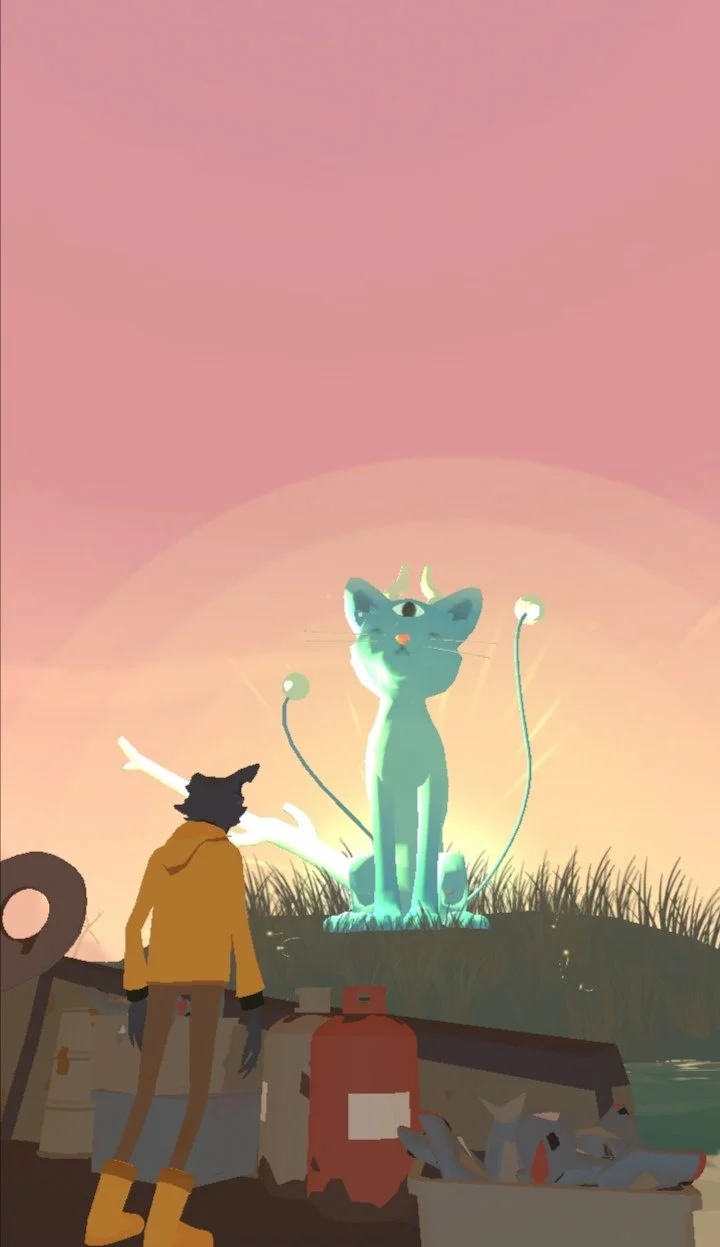
Cozy Gaming Offers Warmth in Winter

It seems like the weather has been atrocious forever, so my daughters and I have been retreating into “cozy games" to keep us snug and warm. These are typically chilled, shorter experiences with limited objectives, a slower pace, and a generally gentler vibe. They are like a warm hug, soul food, or a palate cleanser for the mind; while they aren’t necessarily the titles I’ll often shout about, they are the ones that consistently revive and restore me. Often, they involve little more than mooching around a small 3D world while exploring and helping people.

We have worked our way through a delightful catalogue of titles, starting with Alba: A Wildlife Adventure, which follows a young girl’s quest to protect her island’s nature reserve from a massive hotel development. We also spent time with the tactile charm of Yoshi’s Woolly World, the serene exploration of A Short Hike, and the whimsical adventures found in Disney Illusion Island, A Hat in Time and Mika and the Witch’s Mountain. Each of these offered a restorative space where the stakes were low, but the emotional rewards were high.

This shared hobby has also created a unique family shorthand that reminds me of my own childhood. Growing up, my siblings and I spoke in "Simpsons-ish," where phrases like "De-fault—my two favourite words!" or "Not in Uruguay" served as the vocabulary for offbeat jokes that only we understood. Now, with my daughters, we are building our own version of that connection. We’ve adopted a playful gaming lexicon in our daily lives: we are "going on a sidequest" when we return library books, and we award "five-star reviews" to our homemade pizza competitions.

It is a playful and endearing way of connecting that bridges the gap between the digital world and our daily routines. This shared vocabulary acts as a unifying experience, making us feel stronger and more connected as a unit. In the end, these cozy sessions provide much more than a simple way to pass the time; they offer a sense of belonging and a soft place to land when the outside world feels a bit too harsh.

LINK- Pure Invention: How Japan's Pop Culture Conquered the World- Book Review (and Personal Reflections)

LINK- The Rise of Retro Gaming During Covid

LINK: Japan: My Journey to the East

LINK- Blood, Sweat and Pixels- Book Review

LINK- Utopia for Realists- Book Review

LINK- On And On And Colston ( Or, How We Kinda Sort of Learned to Talk About the Legacy of Colonialism and the British Empire)

LINK- ‘Natives: Race and Class in the Ruins of Empire’ LINK: Elden Ring- Videogames As Art

The Danse Macabre and Media

I’ve just discovered Lorn's music video for Acid Rain and it felt like I’d just experienced something profound. It has a visceral depiction of dying zombie-like cheerleaders desperately performing a final, frantic routine before succumbing to the void after a fatal car accident. This aggressive, isolated (for the most part) dance against the backdrop of a desolate American landscape symbolizes a struggle against the inevitable - high entropy aka death.

This modern struggle echoes the historical Danse Macabre, the medieval art motif where Death leads all people in a collective dance to the grave, emphasizes the universality of mortality. In some North American folklore, such as the Ghost Dance, ritual dancing served a deeply existential purpose, aiming for communal spiritual connection with the dead and hope for renewal in the face of suffering.

The most striking contrast to the cheerleaders’ frantic fight is the ending of Ingmar Bergman's film, The Seventh Seal. In its famous final scene, the characters, led by Death, are shown holding hands and dancing joyously. This act is not a fight, but a profound acceptance and resignation to their shared fate.

A fascinating modern parallel to these existential dances is found in the video game Elden Ring, specifically with the Dominula Dancers (or Godskin Followers) in the Windmill Village of Dominula. These figures are seen performing a seemingly joyous, ecstatic ritual dance around the windmills. However, the context for this is deeply disturbing. The dancers have been driven to a state of feral bliss by their devotion to the Godskin Cult, sacrificing others (and perhaps themselves) in their frenzied celebration. Their dance is an expression of being enraptured and in awe of cosmic bliss.

Ultimately, these varying cultural depictions—from the frantic struggle in Lorn's video to the serene acceptance in The Seventh Seal and the ecstatic delirium of the Dominula Dancers—use the powerful, expressive act of dance to explore humanity’s core responses to death and cosmic power: isolation, community, struggle, peace, and terrifying rapture.

These are heady thoughts to be had after watching a music video which lasts for less than three minutes.

Riding Bean - Cult Manga Review

I knew of Riding Bean as I had seen it on sale at my local comic shop as well as in Forbidden Planet in London. I never had a chance to watch it at the time but knew that the 1989 OVA was the precursor to mangaka Kenichi Sonoda's Gunsmith Cats, a manga I read in Manga Mania back in the day but only watched a short while ago.

I have a big collection of Manga Mania and here is a small pile…

The film follows the amoral, high-octane wheelman Bean Bandit and his sharpshooter partner Rally Vincent as they navigate a stylish, crime-ridden Chicago after being framed for kidnapping. Bean does not like this new state of affairs and so a cat and mouse chase ensues through the city.

The OVA's enduring appeal lies in its breathtaking technical execution. Riding Bean is a stunning example of late-20th-century cel animation at its absolute peak. The animation team poured meticulous detail into the fluid motion, density of backgrounds, and the sheer visceral impact of its centerpiece - the numerous high-speed car chases. Bean Bandit’s customized car, "Buffy," is rendered with incredible precision, from its dynamic camera angles to detailed damage modeling, making the sense of speed and action palpable. For animation enthusiasts, the film remains a masterclass in kinetic energy translated onto the screen.

However, this visual brilliance is coupled with a narrative and tonal deficiency that firmly anchors it in a less mature era of filmmaking. The plot is thin, functioning primarily as a flimsy pretext for the next explosive action sequence. More critically, the film suffers from problematic sexual politics and tone that has aged poorly.

Rally Vincent, who would later become the fully developed protagonist of Gunsmith Cats, is relegated to a secondary, often sexualized and objectified role. This male gaze, the glib, jarring treatment of female violence, reflects the casual sleaze prevalent in many action OVAs (as well as most media) of that era. The entire premise, built on cynical anti-heroes driven purely by money, prioritizes shock value over thematic depth, resulting in a work that feels emotionally hollow and crudely adolescent when viewed through a modern lens.

Overall, Riding Bean is a great shirt OVA but a product of its time: there is unparalleled technical craft but this is tempered by a narrative sensibility that has significantly degraded over time. I think it's fine to watch if a bit uncomfortable in places but the later Gunsmith Cats series is a much more refined, satisfying and less skeevy work by Sonoda.

LINK- Pure Invention: How Japan's Pop Culture Conquered the World- Book Review (and Personal Reflections)

LINK- The Rise of Retro Gaming During Covid

LINK- Japan: My Journey to the East

LINK- Blood, Sweat and Pixels- Book Review

LINK- Utopia for Realists- Book Review

LINK- On And On And Colston ( Or, How We Kinda Sort of Learned to Talk About the Legacy of Colonialism and the British Empire)

LINK- ‘Natives: Race and Class in the Ruins of Empire’ LINK: Elden Ring- Videogames As Art

Maturity and Meaning in Revisiting the Manga and Anime of Our Youth

There is a special kind of power in returning to the media of your youth and realizing that your younger self was watching an entirely different show. Over the past year, I’ve been revisiting some of the key anime and manga of my formative years—Neon Genesis Evangelion, Serial Experiments Lain, and my undisputed favorite, Haibane Renmei - and I've come to a striking realization. While Haibane Renmei (the purgatorial masterpiece) has always felt like a key text to me, I’ve also had to accept a basic truth: Evangelion and Lain are right up there with it. Now, I always loved these two but my re-evaluation hasn't come from the giant robots or the cyberpunk aesthetics but from the abstract, deeply polarizing internal monologues that bookended both these series which have finally clicked into place.

As a younger teenager, I found their navel-gazing head-trip endings confusing or even self-indulgent. However, as an adult with a life lived, I have come to realise that they are among the most honest representations of the human condition ever animated: not many shows looked at the philosophies of Kierkegaard and Schopenhauer and treated them seriously back then and the fact that these three series did that in an accessible way is pretty mind-blowing.

At the age of fourteen, the Hedgehog’s Dilemma in Evangelion was a cool philosophical trivia point - the idea that we, like hedgehogs in winter, want to huddle for warmth but inevitably prick each other with our spines. It felt poetic in an edgy, detached way. Now, after years of navigating real-world relationships, heartbreaks, and the complexities of intimacy, that dilemma feels less like poetry and more like a scar. Adulthood is a constant negotiation of those spines. We crave to be known and validated, yet we are terrified of the vulnerability that being known requires. We push people away to preserve ourselves, then find ourselves shivering in the cold.

Returning to Evangelion as an adult means recognizing that Shinji’s paralyzing fear isn't just petulent whining - it is the very real weight of realizing that to love someone is to give them the power to hurt you. We spend our lives trying to find the sweet spot on that graph: close enough to feel the warmth, yet far enough to avoid the sting.

If Evangelion is about the internal barriers we build, Serial Experiments Lain is about what happens when those barriers dissolve in the digital age. Re-watching Lain in the present feels almost prophetic. In the Wired, Lain exists in multiple versions—the shy girl, the bold digital entity, the cruel observer.

As an adult, this mirrors the exhaustion of the modern Persona. We project ourselves into different Wireds of our own lives—our LinkedIn professional self, our Instagram and Facebook curated self, our private, lonely self—seeking a connection that bypasses the physical pain of the Hedgehog’s Dilemma. But Lain warns us that when we are everywhere, we are also nowhere. It serves as a bridge: if we can be anyone to get validation, how do we ever live with who we actually are when the screens turn off?

This is where Haibane Renmei completes this triad. Where Evangelion deals with the terror of being an individual and Lain deals with the fragmentation of the self, Haibane explores the weight of being a guilty one. Its central philosophical hurdle is the Circle-of-Sin, a paradox that feels agonizingly familiar once you’ve carried the weight of your own mistakes for a few decades.

The logic of the Circle-of-Sin is a trap: To recognize one's sin is to have no sin. But then, are those who recognize their sin without sin? If you believe you have a sin, you are caught in the circle.

As an adult, this hits home because we often become our own harshest jailers. We believe that if we just feel bad enough, we can earn our way out of our guilt. But Haibane Renmei argues that you cannot find your own way out of the circle alone. You cannot self-validate your way out of shame. You have to accept the help of another; you have to allow yourself to be forgiven by the very other that Evangelion warns will prick you with their spines.

Ultimately, these three series function as a roadmap for the maturing psyche. They move from the external chaos of robots and computers to the internal silence of the soul. Through the lens of adulthood, the Human Instrumentality of Evangelion is no longer a sci-fi threat; it is the very real temptation to stop trying—to stop being an individual and sink into a sea of easy validation and collective numbness or ennui where everyone is one.

To truly wake up is to navigate the triad: you must acknowledge the fragmentation of your digital masks (Lain), break the self-perpetuating cycle of your own shame (Haibane Renmei), and finally accept the inherent pain of the Hedgehog’s Dilemma (Evangelion).

The final episodes of Eva resonate so deeply now because they represent the moment of synthesis. They tell us that the A.T. Field - the barrier of the soul - is not just a wall that keeps people out, but the very thing that gives us a shape to love. The Congratulations isn't for winning a war; it’s for the quiet, monumental decision to remain an individual in a world that makes being one incredibly difficult. I used to think these shows were about the end of the world. Now, I see they are about the courage it takes to truly inhabit it.

Returning to these stories isn't just an exercise in nostalgia for me; it's a kind of progress report on the soul. We never truly watch the same show twice because we are never the same person twice. If the anime of our youth once felt like an escape from a world we didn't understand, revisiting them as adults feels like an invitation to engage with that world more deeply. We are no longer just watching Shinji, Lain, or Rakka; we are recognizing ourselves in them. And in that recognition, there is a strange, quiet comfort: the realization that while the world may be heavy, we finally have the strength to carry our own spines.

LINK- Serial Experiment Lain - Cult Manga Review

LINK- Haibane Renmei - Cult Manga Review

LINK- The Anxious Generation: Book Review (and Some Thoughts)

LINK- Japan: My Journey to the East

LINK- Utopia for Realists- Book Review

LINK- On And On And Colston ( Or, How We Kinda Sort of Learned to Talk About the Legacy of Colonialism and the British Empire)

LINK- ‘Natives: Race and Class in the Ruins of Empire’ LINK: Elden Ring- Videogames As Art

LINK- Toxic: Women, Fame and the Noughties- Book Review (and Some Thoughts)

LINK- Pure Invention: How Japan's Pop Culture Conquered the World- Book Review (and Personal Reflections)

Unlocked: The Real Science of Screen Time (and how to spend it better) by Pete Etchells- Book Review

For the past decade, a dominant cultural narrative has insisted that we are living through a digital "addiction" crisis. From headlines to dinner table debates, we’ve been told that smartphones and video games are the primary culprits behind a precipitous decline in mental health and the erosion of our communal bonds.

However, author Pete Etchells invites us to look closer at this panic. He points out a glaring irony: while screens were relentlessly demonized for years, they were suddenly championed as essential lifelines during the COVID-19 pandemic. Yet, as soon as the lockdowns lifted, the narrative reverted to its original, fearful status quo.

In his work, Etchells seeks to dismantle these rigid assumptions. He doesn't just offer an opinion; he provides a rigorous interrogation of the science, the history, and the ethics behind our digital lives.

In chapter 1, Of Panics and Pandemics, Etchells argues that the received wisdom regarding blue light, mental health crises, and screen addiction is built upon shaky data. While high-profile figures have relied on specific data sets, Etchells points out that other research into the same questions is far less conclusive. He warns against changing government policies based on vibes and anecdotal data rather than rigorous scientific inquiry. He also touches on the dietary detox lens through which screen use is often viewed, an area frequently governed by unscientific trends. Because screen time is rarely defined clearly, playing a cooperative game while socializing via headset is often lumped in with solo doomscrolling. This lack of rigor, combined with the fact that people are bad at self-reporting their own use, leads to deeply flawed data sets.

Chapter 2, Are Smartphones Destroying a Generation? examines the fallout of influential articles that linked poor mental health to smartphones. Etchells argues that the correlation between screen time and suicide risk factors was presented with a neatness that ignores scientific complexity. In reality, the statistical link between social media use and depression is often incredibly weak. He introduces the concept of p-hacking, where researchers manipulate large data sets until they find a significant result, and the bullshit symmetry principle, which states that refuting misinformation takes significantly more energy than creating it. He concludes that we must ask if smartphones are a genuine crisis or simply the latest in a long line of moral panics, following in the footsteps of books, comic, Elvis Presley’s hips, rock and roll, Dungeons and Dragons, videogames etc

In chapter 3, The Mirror in Your Pocket, Etchells suggests the online world doesn't necessarily cause mental health issues but rather amplifies and mirrors existing real-world problems. For example, 90% of those bullied online were already being bullied in person. He says we might need to look beyond the raw data and look at context.

Chapter 4, The Light in the Darkness, deconstructs the blue light myth. Etchells explains that while teenagers are losing sleep, it is often due to natural shifts in circadian rhythms combined with early school start times. The actual sleep loss attributed specifically to technology is roughly 3 to 8 minutes per night, hardly the apocalyptic figure reported by the media. He suggests the real source of teen anxiety may be the state of the world itself rather than the device used to read about it.

In chapter 5, Attention, he refutes the myth that humans now have a shorter attention span than a goldfish. He distinguishes between attention and focus, noting that while we are poor at multitasking, national productivity has actually increased in the digital age. 

Chapter 6, Ghouls in the Machine, looks at the ethics of algorithms. While not inherently evil, these systems are built by humans with biases. He is particularly critical of the gaming industry’s use of loot boxes and monetization, noting a clear correlation with problem gambling in an area where the industry remains lucratively self-regulated.

The most provocative stance comes in chapter 7, Digital Addiction. Etchells states that digital addiction does not exist in the way we think it does. He argues that using substance abuse questionnaires for video games is scientifically unsound because it ignores the lack of chemical ingestion. Instead, we should view these behaviors as habits or distractions. 

In the final sections, Etchells offers practical suggestions: refer to technology habits rather than addiction, identify patterns through self-reflection, delete stressful apps, model supportive behavior with children, and remain skeptical of media reports that demonize technology. Ultimately, technology is a tool that reflects the best and worst of us, offering amazing opportunities for connection and the search for truth.

Overall, I enjoyed my time with the book as it is scientifically based and also raises a lot of the same issues I raised about Haidt’s work. I wrote in the review of that book:

I do think Haidt misses it (the point) that he doesn’t look at how many young people feel disillusioned by a capitalist system that seems to prioritize profit over people and planet. They are concerned about issues like climate change, social injustice, and economic inequality, and are seeking alternatives that prioritize sustainability, fairness, and community well-being. They are suffering from Empathy Fatigue but they cannot look away as there is a constant stream of bad news so they are finding their tribes online which makes them more brittle in their opinions and less able to listen to the other side. To be honest, this is a whole world issue with the rise of populism but I do think Haidt misses out on the bigger existential social malaise affecting most of the world with the rise of social media.

Etchells discusses this and I think that is only right but I worry that governments around the world are all bought in on the Haidt Hype Train. We’ll see how things play out after the Australia Social Media ban for under-16s and then we can investigate with proper data. Until then, I’m all in with Etchells!

LINK: The Anxious Generation by Jonathan Haidt - Book Review (and Some Thoughts)

LINK: The Message by Ta-Nahisi Coates - Book Review (and Some Thoughts)

LINK: The Power of Stories and How They Are Manipulated

LINK: Utopia for Realists- Book Review

LINK: Toxic: Women, Fame and the Noughties- Book Review (and Some Thoughts)

LINK: The Rise of Retro Gaming During Covid

LINK: Blood, Sweat and Pixels- Book Review

LINK: The Offworld Collection- Book Review

LINK: Japan: My Journey to the East

La Horde Du Contrevents (The Horde of the Counterwind) - Book Review (In Progress)

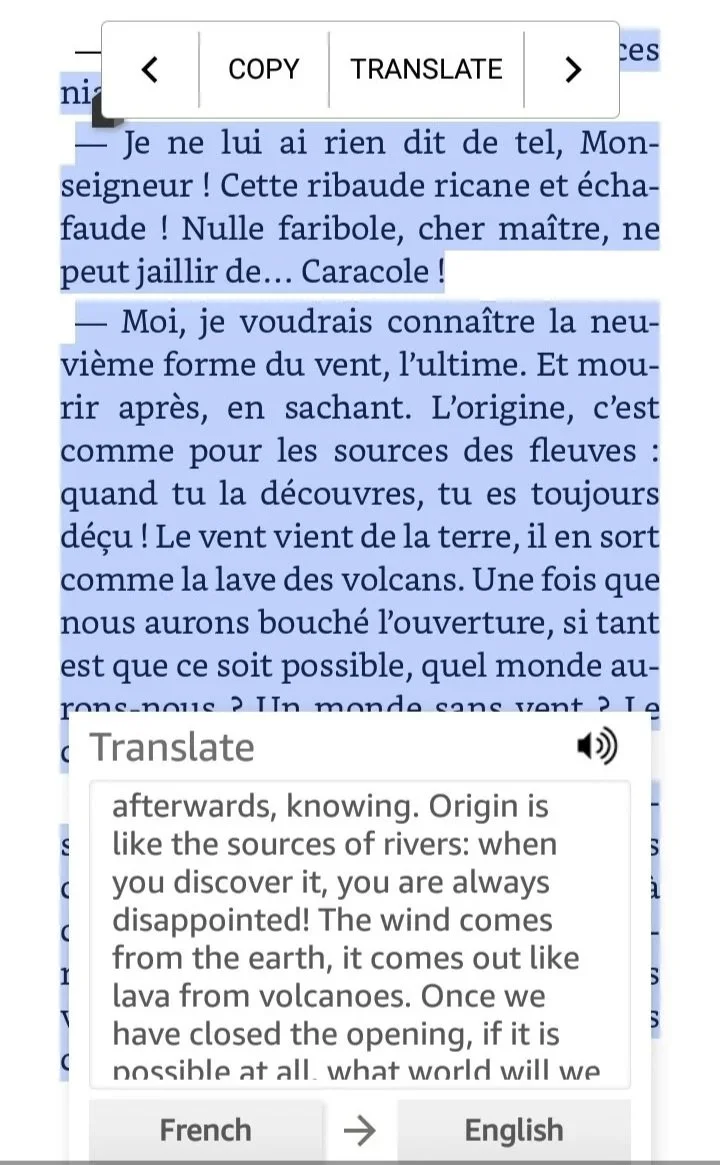
I wanted to read the book that inspired my favorite game reveal of last year, Clair Obscur: Expedition 33, but there was a major hurdle: it wasn't available in English. Determined to experience the source material, I bought the French edition on the Kindle store and have begun the painstaking process of translating it page-by-page using the in-app tool.

Sure, I’ll miss the nuance and linguistic gymnastics of the French language, and it would be a bit of a ball ache to highlight, translate, and digest every single page in its "Fringlish" form. However, I if it was the only way to get the gist of the core themes and understand the text that birthed the game's world, so be it. Ironically, this arduous process has made me feel like a member of the Horde itself—struggling against a linguistic gale just to gain a few inches of progress.

Alain Damasio's 2004 novel, La Horde du Contrevent (The Horde of the Counterwind), is an epic tale of perseverance and futility. It centers on a group of specialists seeking the "Extreme-Reach," the supposed source of an eternal, destructive wind. The narrative follows the 34th Horde—one of many expeditions across generations—as they journey against an all-consuming wind that shapes their world and threatens their existence. Every previous expedition has failed, yet each successive group learns from the remnants of their predecessors. They push on with the somber mantra, "For those who come after." But will any Horde actually make it? And if so, what will they find?

The novel grapples with themes of collective endeavor, the nature of progress, and the cyclical futility of human effort. It’s a story of desperate hope, where even in failure, a kind of knowledge is gained—a small step toward comprehending the incomprehensible. It is a profound meditation on humanity’s relentless pursuit of understanding in the face of insurmountable odds. In the words of the game it inspired: "We continue."

One of the many aspects I’m enjoying is the innovative narrative structure. Each character is given a unique voice, signaled by a specific typographical symbol (like Ω for the leader Golgolth or π for the scribe Pietro) rather than a name at the start of a paragraph. This isn't just a stylistic choice; it mirrors the specialized roles within the party. Much like an RPG, which features a diverse party of characters, the distinct viewpoints of wind-tappers, fighters, and scribes create a multi-layered tapestry of a world experienced from twenty-three different angles. This approach makes the characters feel genuinely distinct, immersing me in their individual triumphs and burdens.

The first chapter, Pharéole XIX, utilizes a "scattergun" approach where perspectives shift constantly. It was breathtaking and confusing, especially as I was parsing Bing-translated text on a phone screen. I realized later that this chaos is intentional; Damasio uses the prose to simulate the physical battering of the wind. With a little focus, the rhythm has become more intuitive. By the time I reached the following chapter, Chrones XVIII, the narrative settled into a more straightforward flow. Thank goodness, because a 700-page "tough hang" in the style of the opening would have been a monumental challenge.

I can now see why a full English translation is a daunting proposition. For a cult book that requires such a high level of linguistic precision, the return on investment might seem risky. However, I believe this book would excel not just within the gaming community, but in the wider literary sphere. Its premise is utterly novel and told with incredible structural ingenuity.

While a translation can never fully capture the intricate wordplay of Damasio’s French, a professional English release would finally provide readers access to this powerful narrative. Even with my janky, onerous translation method, the story's depth shines through. I intend to continue braving these linguistic winds to see if the source of the gale is worth the effort. Once I've reached the end, expect a detailed review.

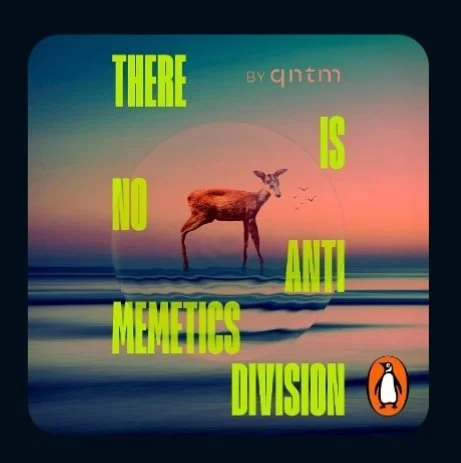
There Is No Antimemetics Division - Book Review

There Is No Antimemetics Division is a masterclass in conceptual horror—a subgenre that posits the most lethal monsters aren't lurking in the shadows, but in the corners of our minds that we can no longer access.

Building upon the collaborative mythos of the SCP Foundation, author qntm’s novel shares a creative lineage with the Remedy-verse (Control, Alan Wake), the ergodic disorientation of Mark Z. Danielewski’s House of Leaves, and the fragmented storytelling of Christopher Nolan’s Memento.

The narrative follows Marion Wheeler, the director of a department that, by its very nature, cannot exist. Her team’s mandate is to contain antimemes: ideas that possess a self-censoring quality. An antimeme is a secret that actively defends itself; to perceive one is to immediately purge it from memory. To be targeted by one is to have your entire existence redacted from the consciousness of everyone you’ve ever known.

Wheeler’s world is defined by a permanent sense of intellectual vertigo. The narrative structure is brilliantly fragmented, mirroring the characters' fractured psyches as they utilize mnestic drug regimens—chemical catalysts that force the brain to retain information it is biologically wired to reject. They are fighting a war of attrition against an enemy they cannot remember. The stakes are ontological in the truest sense: if the enemy triumphs, humanity won’t just perish; it will be retroactively erased from the historical record.

Writing as qntm, Sam Hughes employs a lean, clinical style, cutting through the complex techno-babble of information theory with an administrative efficiency that makes the horror feel grounded in a chilling, bureaucratic reality.

The story is a meditation on the isolation of competence; Wheeler is a protagonist defined not by destiny, but by a dogged, sacrificial refusal to look away from the abyss, even as it erodes her sanity. As the narrative expands, we meet concert violinist Quinn, who becomes an unlikely but relatable journeyman. Alongside a general knowledge eating antimeme, Quinn tries to salvage the remnants of humanity. It is a story grand in scale and scope, yet intimate enough to make the reader feel the weight of small victories against impossible odds.

Conceptually, the story feels like a dark evolution of Steven Hall’s The Raw Shark Texts. Both novels explore a conceptual ecology where ideas are apex predators. Where Hall gives us the Ludovician—a conceptual shark that swims through the stream of human consciousness—qntm presents SCP-3125: an ideatic entity so aggressive that to even comprehend its geometry is to be consumed by it.

These U-category anomalies further echo the surreal horror of Neon Genesis Evangelion; like the Angels, they are unique, incomprehensible entities seeking to break the human AT Field and trigger a terminal singularity. qntm offers a clinical, high-stakes iteration of the linguistic predator concept, evoking a profound sense of cosmic dread.

Reading this book forces a playful, if unsettling, reframing of our own reality. It invites the reader to look at holes in our known history through a lens similar to the one used by figures like Erich von Däniken or Graham Hancock - not as an endorsement of their specific theories, but as a thought experiment in how easily a real history could be suppressed.

The idea that cyclopean, non-Euclidean structures could exist all around us, hidden for millennia by our own inability to perceive them, is a hauntingly effective narrative device. (To be clear: this is an appreciation of qntm's world-building, not an admission that I believe the Giza Pyramids were built by aliens!)

As a work of the New Weird, the novel challenges the reader to navigate recursive loops and intentional narrative gaps, delivering a conclusion that is as tragic as it is intellectually profound. It is a book that demands to be remembered in a reality that incentivizes forgetting.

Overall, There Is No Antimemetics Division is a brilliant, haunting read that will linger in your mind—assuming, of course, you’re allowed to remember it.


LINK- Pure Invention: How Japan's Pop Culture Conquered the World- Book Review (and Personal Reflections)

LINK- The Rise of Retro Gaming During Covid

LINK- Japan: My Journey to the East

LINK- Blood, Sweat and Pixels- Book Review

LINK- Utopia for Realists- Book Review

LINK- On And On And Colston ( Or, How We Kinda Sort of Learned to Talk About the Legacy of Colonialism and the British Empire)

LINK- ‘Natives: Race and Class in the Ruins of Empire’ LINK: Elden Ring- Videogames As Art

Zeiram - Cult Film Review

Whilst YouTube surfing I came across a full copy of Zeiram. I hadn't seen the film before but recognised the name and main character from my time reading Manga Mania and Anime FX. I knew it was a live action adaptation of Iria but I hadn't seen that either so had no experience of it. However, I was intrigued and decided to give it a watch.

Having watched it now, I think Zeiram may very well be an overlooked cult classic but I can understand why. At first glance, the constraints of the modest budget are clear so it looks cheap and cheesy, yet it compensates for these limitations with an intriguing and inventive story. Directed by Keita Amemiya, the film follows Iria, a stoic and beautiful alien bounty hunter. She tracks a nearly invincible biological weapon known as Zeiram to Earth. To contain the potential carnage, Iria transports herself, the monster, and two hapless civilian electrical linemen into an isolated, artificial dimensional world called The Zone.

The brilliance of the film lies in this setup: by shifting the majority of the runtime to this parallel, deserted cityscape, the movie allows Iria to utilize futuristic gadgets and tactical planning to hunt the monster without the burden of real-world collateral damage. The civilian characters, a hilarious odd couple, serve as fish out of water, providing grounding and much-needed comedy as they desperately try to survive the hostile environment. However, what truly sells this premise is the earnest acting from the cast. Yuko Moriyama plays Iria with a deadpan seriousness that makes her competence believable, while the supporting cast of unfortunate electrical linemen reacts with genuine fear and confusion. Their commitment convinces the audience to buy into the stakes, preventing the film from collapsing under its own campiness.

Visually, Zeiram clearly suggests limited resources, and the aesthetic screams straight-to-video sci-fi. The sets are sparse, the lighting is often functional rather than stylish, and the practical effects lack the polish of a major Hollywood production. The rubbery, asymmetrical monster suit for the main villain and the reliance on visible wirework give the film a distinctly low-budget, B-movie tokusastu feel. However, this economy of design due to financial constraint actually benefit the film as it has that Evil Dead practical effects respectability. So, despite the rubbery texture of the effects work, the film wears its cinematic influences proudly. It acts as a love letter to Western sci-fi titans, featuring obvious nods to Predator in its high-tech cat-and-mouse dynamic, as well as John Carpenter’s The Thing. The latter influence is particularly evident in the creature design, as Zeiram is not just a beast, but a biological horror capable of grotesque assimilation and regeneration.

Overall, Zeiram is a rough diamond. The core narrative is a great blend of sci-fi action, horror, and humor that elevates the material far above its budgetary station. It proves that a creative concept trumps costly execution every time, making it a must-watch for fans of imaginative low-budget cinema who are willing to look past the rough edges to find the gem underneath.

The Caretaker - Hauntology and the Past That Never Was

The music of The Caretaker, the alias of British musician James Leyland Kirby, is a haunting and deeply nostalgic exploration of memory, decay, and loss. His work is primarily built upon sampling and distorting old 78 rpm ballroom records from the 1920s and 1930s where he takes snippets of forgotten melodies and elegant dances and subjects them to a process of sonic degradation—adding crackle, static, and long, looping delays which blurs the original source into something new and unsettling. I first came across his work through the BBC 6 Music Forever Dark podcast where I heard ‘All You Are Going to Want to do is Get Back There’ and it was love at first listen.

The music created a sense of 'hauntology', a longing for a future that never arrived or the ghost of a past that never truly was. Listening to some more ofThe Caretaker's music I felt that the faint echoes of waltzes and tangos created an immediate sense of familiarity, but the heavy distortion and disorienting loops prevented a clear picture from forming. It was like listening to a memory being actively forgotten and this led me into a strange state of reflection, conjuring images of a grand ballroom long since abandoned, a place that I’ve never visited but felt a profound, aching connection to. It reminded me of the Scandinavian concept of 'fernweh' which is a longing for a place you have never visited or been to.

Additonlly, the music sometimes felt spooky and reminded me of the scene in the bathroom from The Shining which features slowed down creepy waltz music.

The Caretaker’s music isn't just about the past; it's about the inescapable echoes of the past within the present which creates a powerful sense of unease and melancholic longing for a time and place that exist only in the fragmented grooves of a decaying record. Kirby has mentioned that the effects he used with the music created a feeling of memory loss and dementia and I have to say that it is really effective and does confound you, letting your mind wander and think about the fleeting moments of life we take for granted.

It's all deeply profound and I've really got into it as background music as I do my life admin work. I’m working my way through the albums but am loving the journey.

Arion - Cult Manga Review

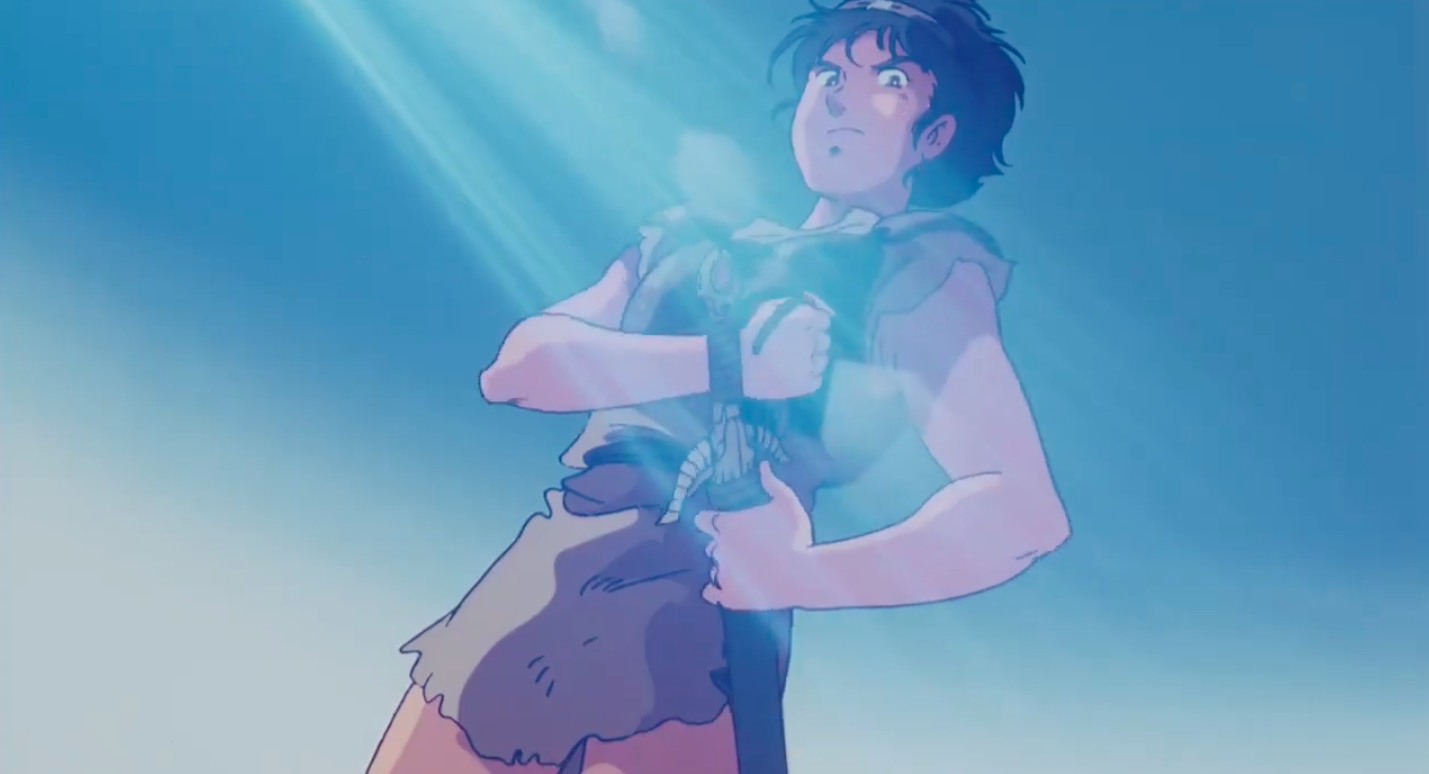
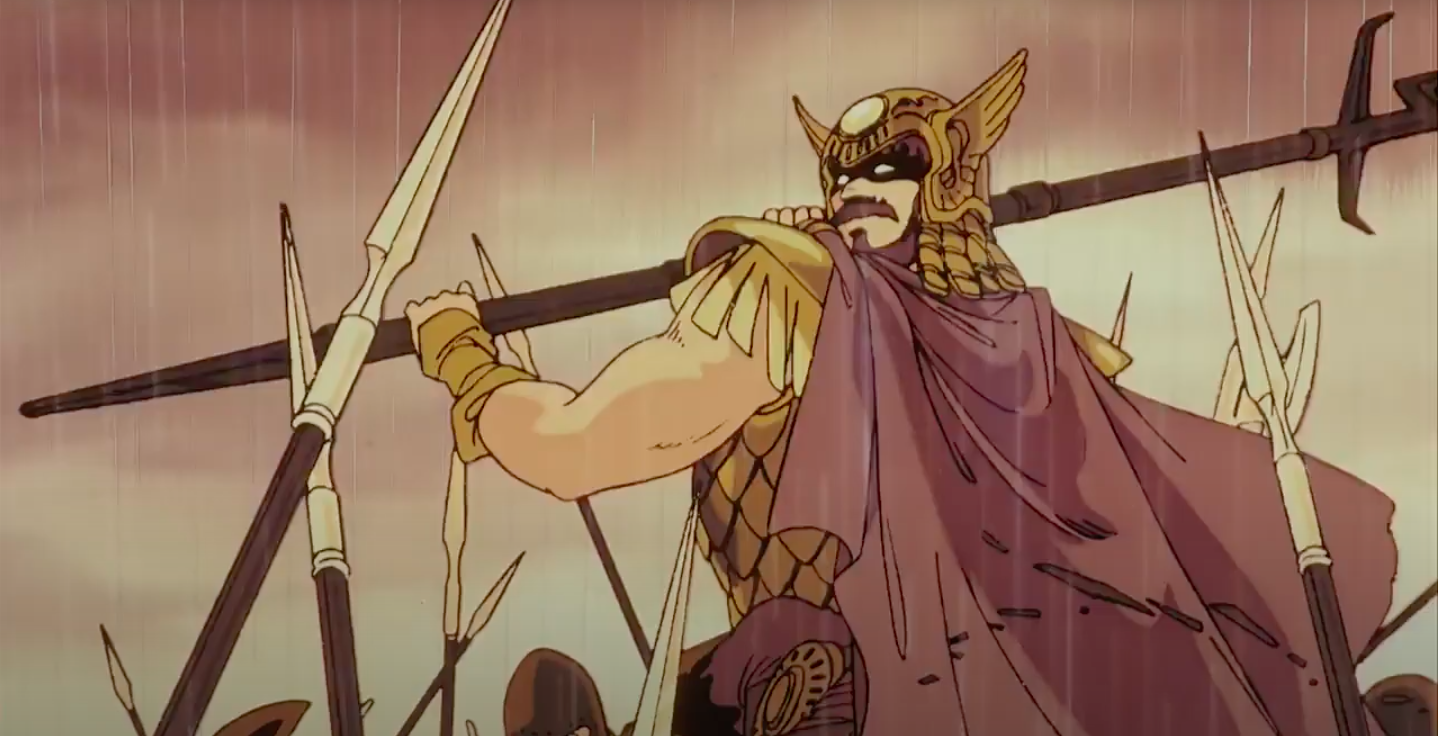
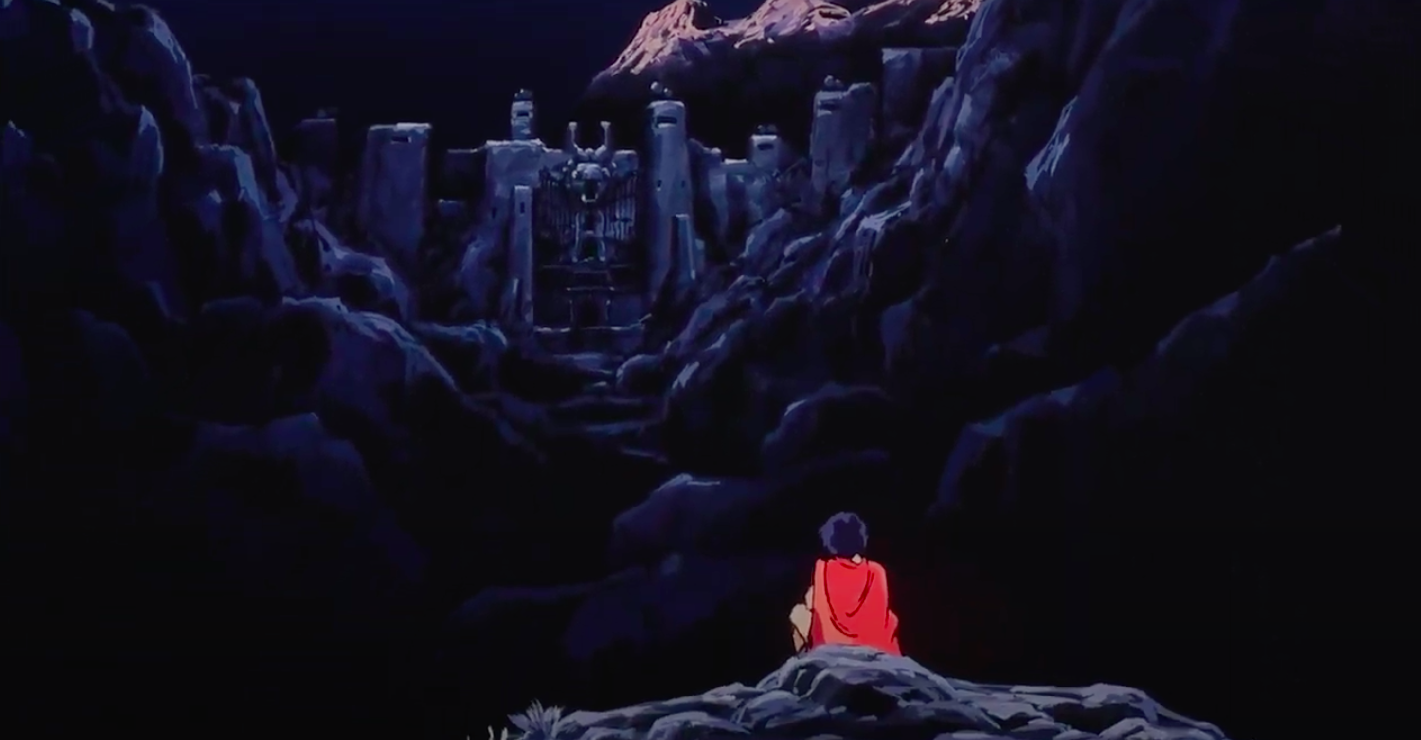
While falling down the YouTube algorithm rabbit hole, a thumbnail for Arion popped up and instantly grabbed my attention. I knew absolutely nothing about it, but as a total sucker for those classic Swords and Sandals epics - especially the glorious Ray Harryhausen films I used to catch on the telly on rainy Sunday afternoons back in my youth—I had to check it out.

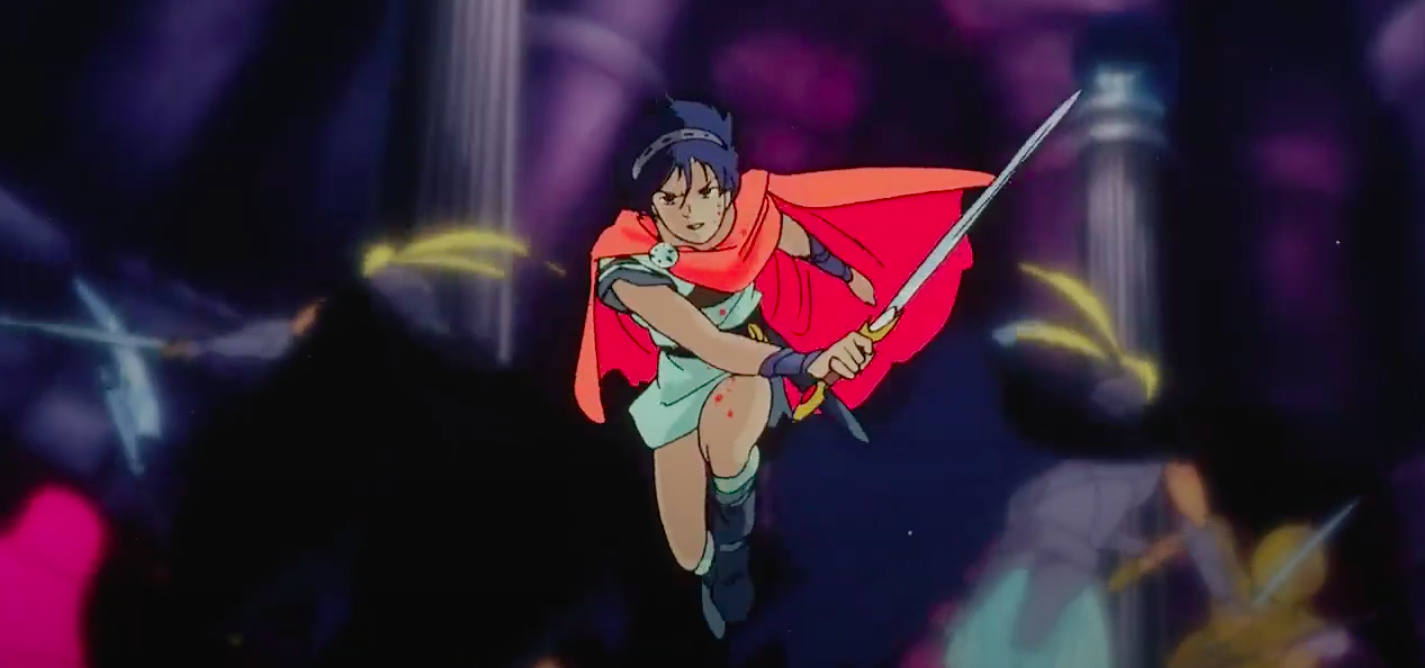
The result? A two-hour animated feature film from 1986 that throws you headfirst into a world of ancient Greek heroes, sweeping battles, and a dramatic clash between gods and mortals. The anime film is based on Yoshikazu Yasuhiko's manga and is an incredible, amalgamated retelling of Greek myths told with a vibrant '80s anime flair. So, how is it?

Well, the story kicks off with young Arion, son of Demeter, being forcibly taken to the Underworld by his uncle, Hades, against his will. Then, after a training montage of sorts, an older, now a capable young warrior, goes forth to remove the curse that has made his mother blind. What follows is a dizzying web of political intrigue and divine machinations as he seeks to destroy the Titans, Zeus and Poseidon. Along the way, Arion travels through a world filled with gods, monsters, and powerful human characters, all vying for control. It's all very heady stuff that moves at breakneck speed through various tales that are very familiar to us Europeans—where things like the Odyssey, Troy and the search for the Golden Fleece are basically core texts. Narratively, it's a complex hodgepodge narrative of epic scope and familiar tropes that blends classic Greek elements with uniquely dark undercurrents. We're talking themes like incest (the classical, implied kind, thankfully—think a slightly darker version of Luke and Leia in A New Hope—though the Olympian Gods are consistently appalling here; imagine Real Housewives of Olympus but with more lightning), deicide, patricide, and all those other heavy -cides. It's a seriously intoxicating mix and I was hooked.

The animation is amazing, and I'm not even going to use the caveat of 'for its time'; it is absolutely stunning with gorgeously detailed backgrounds, amazing fighting scenes, and fluid character movement. I'm not sure how much they spent on this, but they must have thrown a lot of money and talent at it, as it shows—it is a true visual spectacle! The music, by the legendary Joe Hisaishi, is spectacular and complement the tone of the film well.

I thoroughly enjoyed my experience with Arion. Sure, it takes some big liberties with the source material to make its own story flow, but the outcome is a brilliant, action-packed ‘greatest hits’ version of old Greek legend. What’s not to love? Just know that this ain't your Grandpa (or great, great, great Grandpa's) Greek mythos!

LINK: Japan: My Journey to the East

LINK- Battle Angel Alita: And So It Ends

LINK- The Moomins 80's Soundtrack Vinyl Review

LINK- Inspector Gadget Retro Soundtrack Review

LINK- Ulysses 31 Retro Soundtrack Review

LINK- The Mysterious Cities of Gold Retro Soundtrack Review

The Power of Non-Places and My Affection for Them

I find myself drawn to what the French anthropologist Marc Augé termed 'non-places' - the transitory spaces where we spend so much of our lives, such as motorways, hotel rooms and airports. My appreciation for these spaces stems from their lack of historical or relational significance. It is this very absence of 'Anthropological place' that I find so liberating and freeing.

In these spaces, I feel unburdened from the usual societal norms and expectations. The allure lies in the liberating anonymity they provide away from the Hestia and Hermes connection (and commitments) of the hearth, home and threshold. I can shed my everyday roles and responsibilities, if only for a short time. After all, who doesn't enjoy the experience of eating a Burger King meal at 5 a.m. at an airport or buying an oversized novelty flavoured Toblerone and snaffling it all by themselves instead of of buying a balanced meal? These actions are out of sync with my daily routine and offer a psychological departure from my known self. However, it‘s not The Purge rules where anything goes, rather it is that in that moment that I'm not a parent, an employee, or a friend; I am simply a transient figure in a transient space and I can act without the weight or judgement of expectation and can simply reinvent myself anew... at least for a while.

This sense of freedom, however, comes with its own set of rules and challenges. These non-places are defined by their functional and often impersonal design. I’m reminded of this whenever I'm faced with their automated systems.

Case in point: whilst on holiday, I recently had a truly dreadful time at a hotel breakfast buffet in France whilst trying to make eggs with spatulas that were far too small and then navigating a coffee machine that seemed to require an advanced degree. I wanted a cappuccino but ended up with a shot of espresso. I wasn't alone; I saw others struggling with the same complexities but, like me, they styled it out for the sake of embarrassment and no harm was done to the ego as our anonymity allowed us a ‘devil may care’ attitude.

My struggles continued further later that day on a ferry where I had to use a machine to fill my teapot with hot water. Since there was no way to hold the lever down for the right amount, I had to press it multiple times. This filled my teapot to the brim, and the rest poured into the drip tray below. I repeated this awkward process for the second pot of tea too, all while feeling the imagined judgment of those behind me. Yet, there was no elegant way to do it so, once again, I styled it out as there would be no judgement - I was just an anonymous chaotic shadow in a non-place where the usual rules of life did not apply.

These moments of minor, shared struggle with impersonal systems ironically underscore the collective experience of navigating a standardized, 'supermodern' world. While I may have been judged, I know others were likely experiencing their own private frustrations, but my and their anonymity allowed us all some peace.

My enjoyment of non-places, despite these awkward encounters, points to a fascinating adaptation to our current era; the value of a non-place is that it offers a unique and liberating experience for all those who pass through it. In the hyperconnected world we live in, who doesn't want that?

LINK- Twin Peaks: The Return Series Review

LINK- Secret History of Twin Peaks: Book Review

LINK- Twin Peaks: The Final Dossier Book Review

LINK- The Midnight Library and the Idea That You Can’t Go Home Again

LINK- Ulysses 31 Retro Soundtrack Review

LINK- Blood, Sweat and Pixels- Book Review

LINK- The Offworld Collection- Book Review

LINK- Shadow of the Colossus- Book Review

LINK- Japan: My Journey to the East

Before Your Eyes- Videogames As Art

“There are only 27,375 days in the average lifetime—that's just under 657,000 hours, or 40 million minutes. If we're very lucky, we might even get 2.1 billion seconds, but we don't get to keep all of them. Thanks to the limited, finite memory of our brains, we only get to keep a few choice moments to replay over and over again for the rest of our lives. These, however, are the moments that last forever.”

This is all according to Harriet Manners, Geek Girl, model and all-round philosopher extraordinaire.

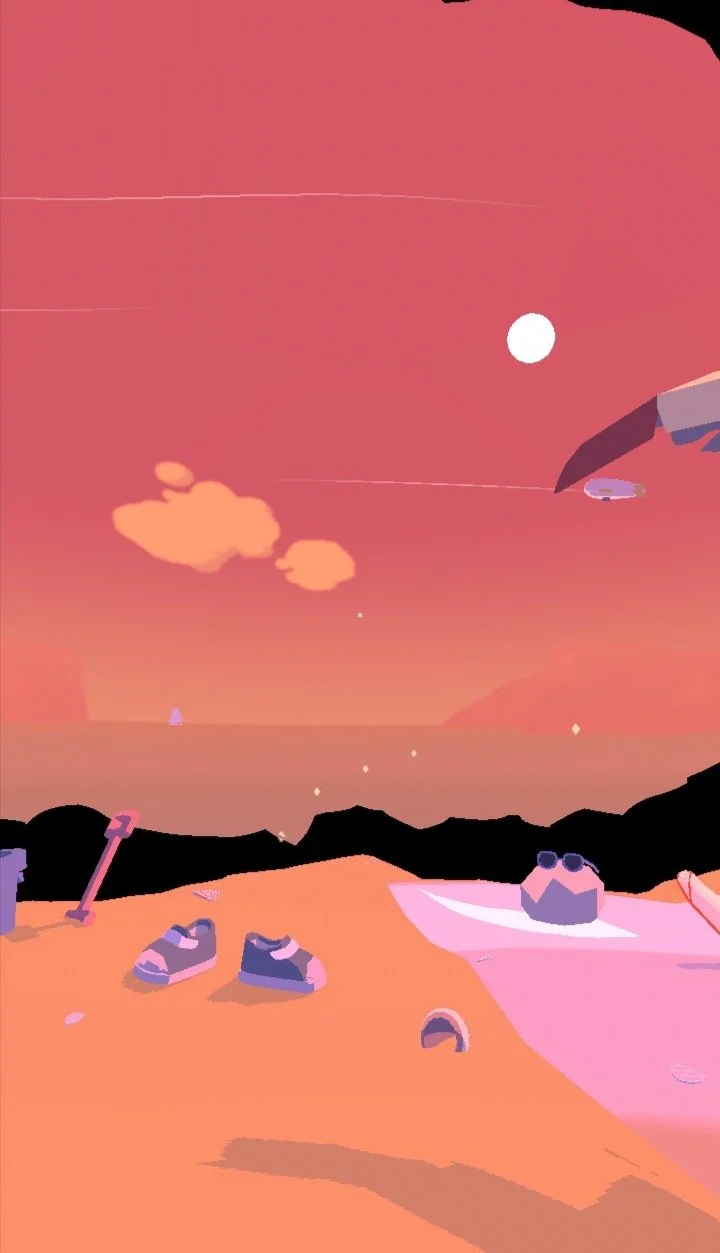
As we get older, time feels increasingly erratic. Things that happened a couple of years ago can feel like a lifetime, while the Nineties—my formative years—feel just like they were last week. Getting older has a way of rearranging your mental furniture, and videogame Before Your Eyes, a beautiful, meditative game about this fleeting thing we call life, had had me reflecting on mine.

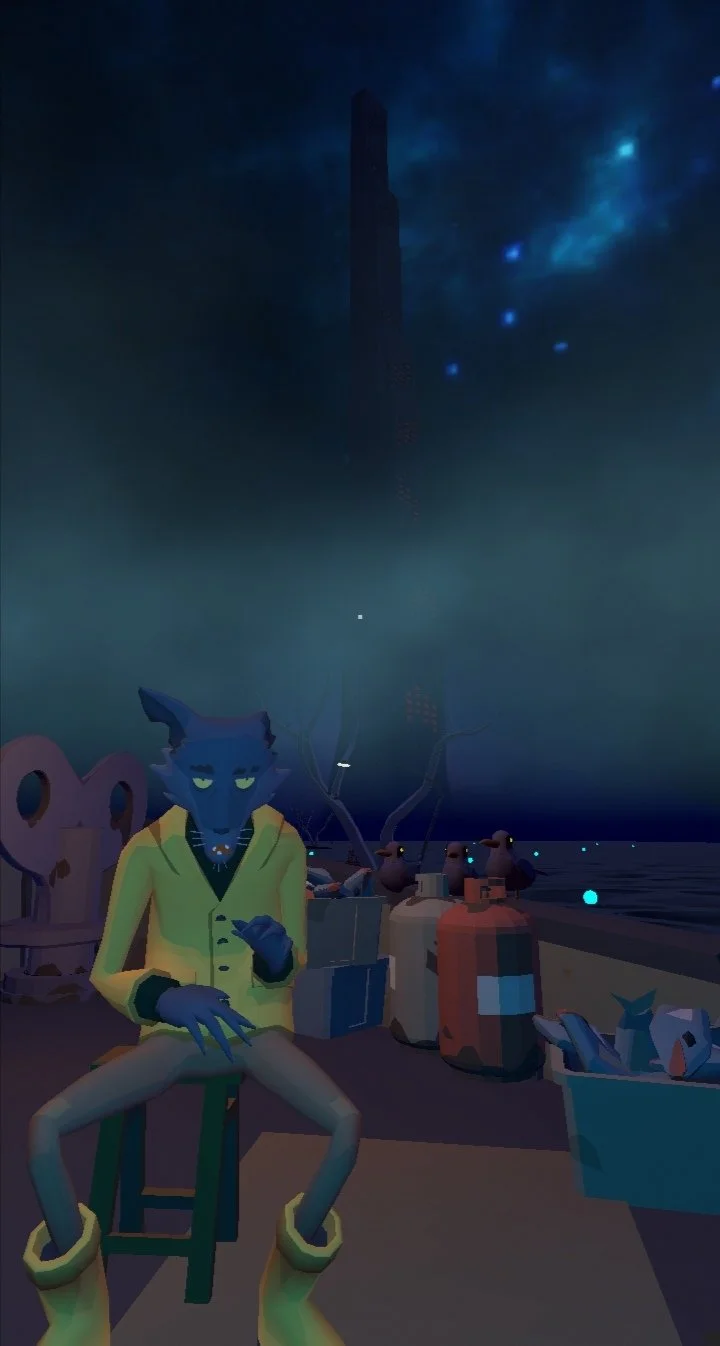
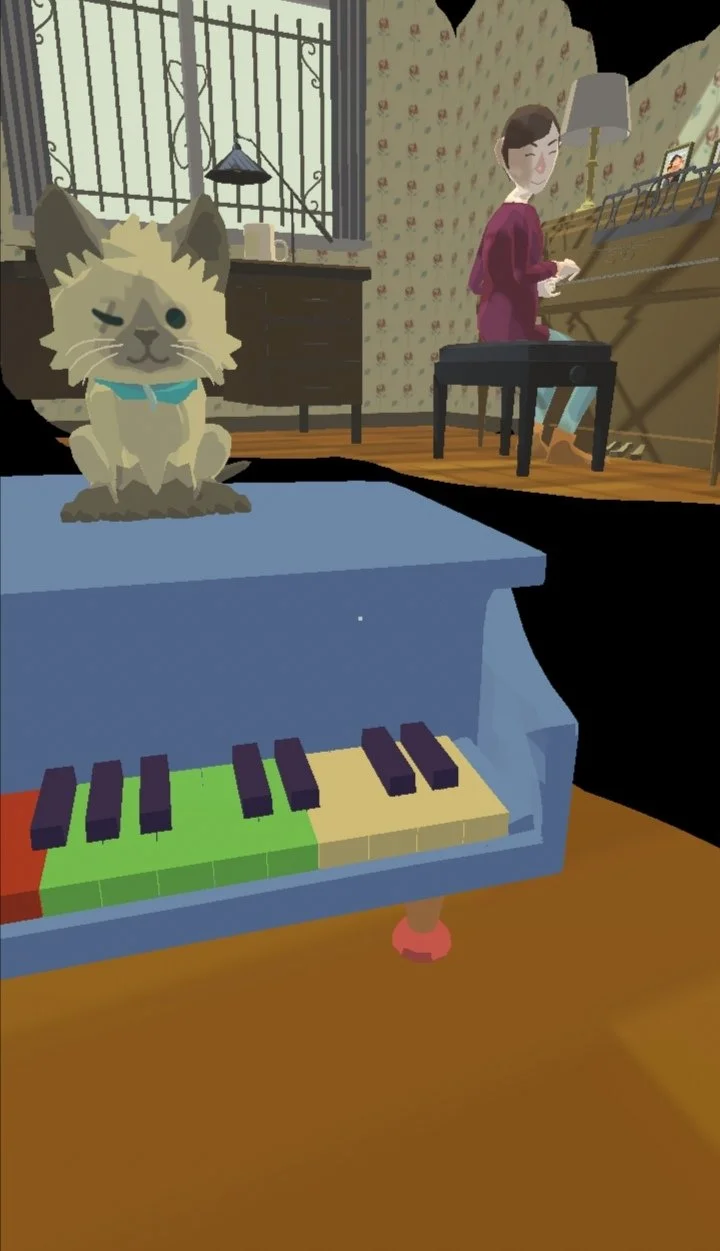
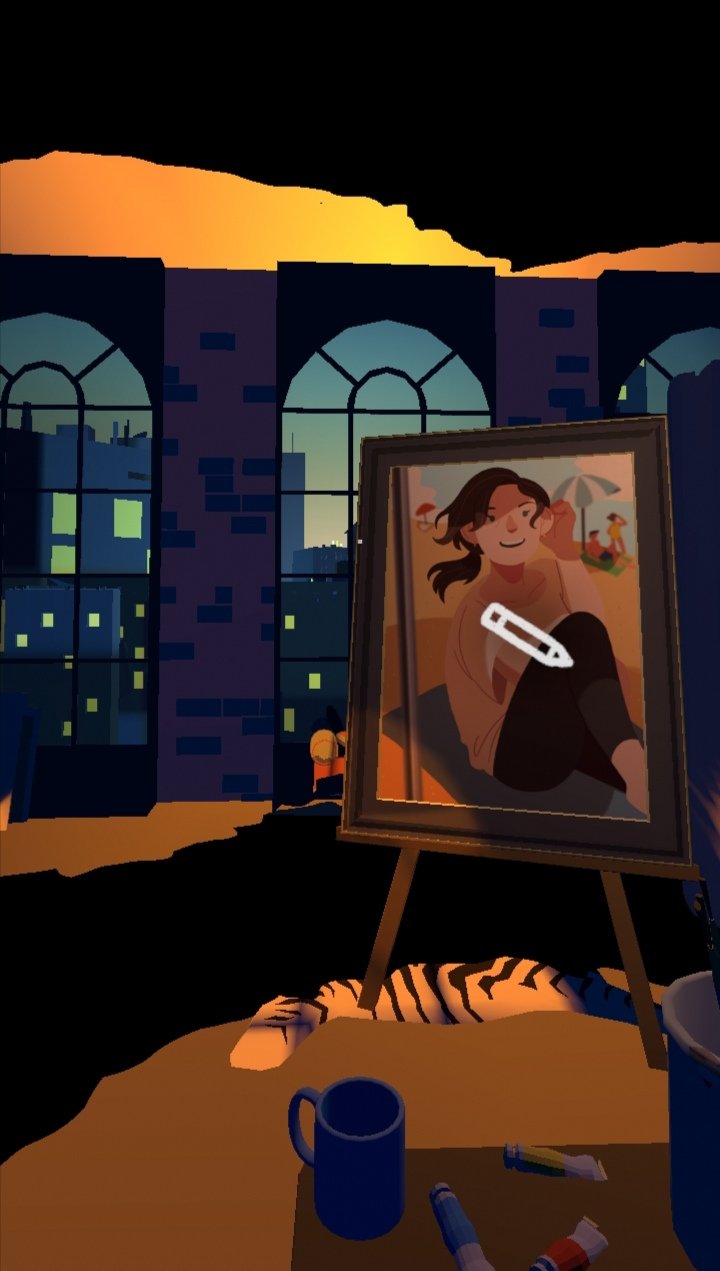
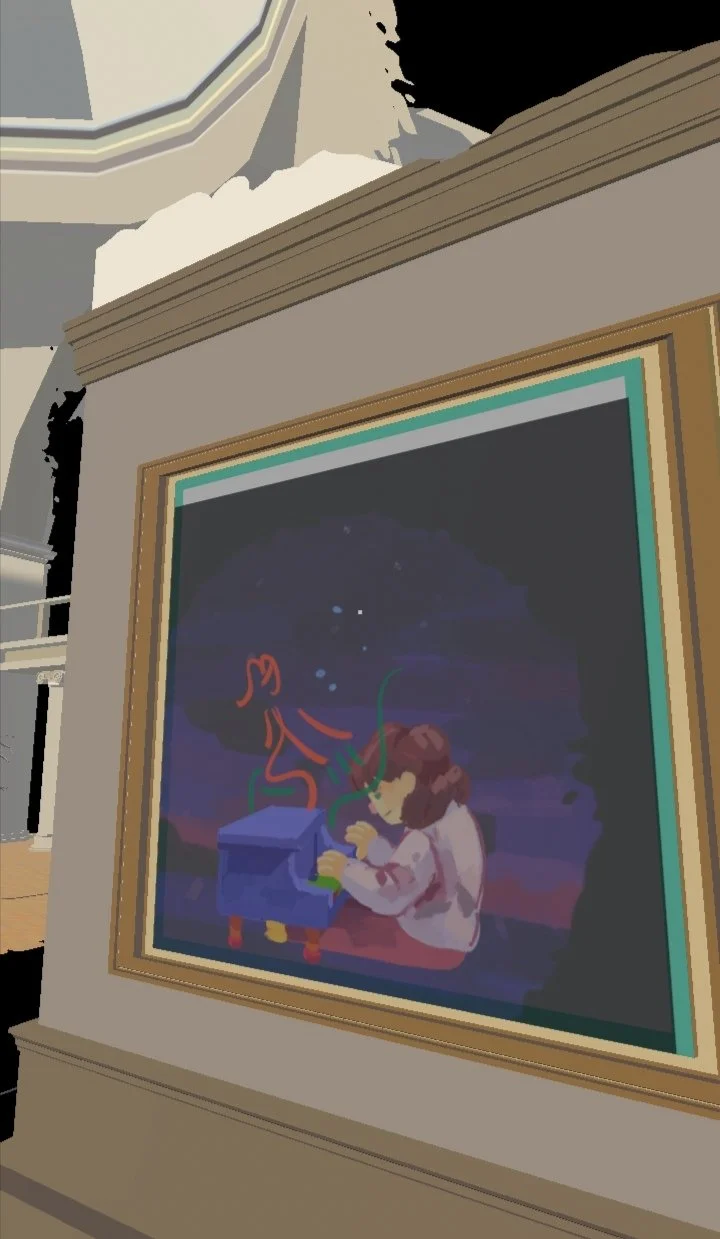
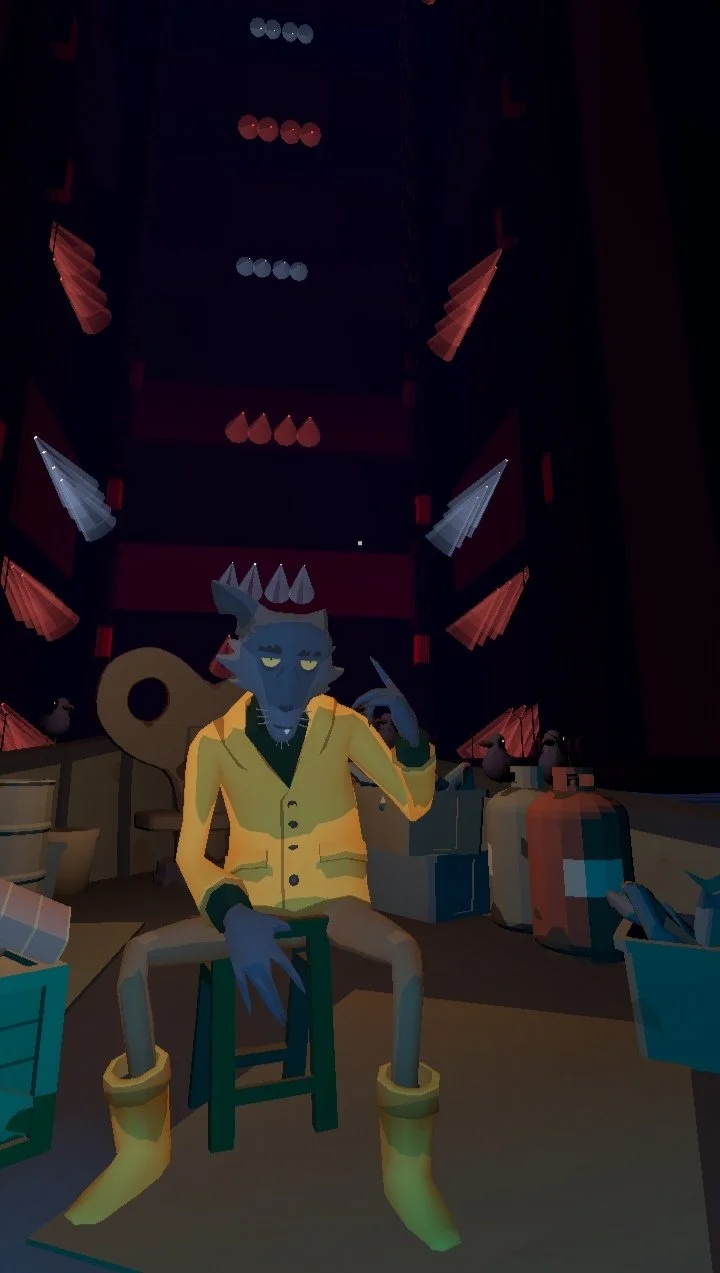
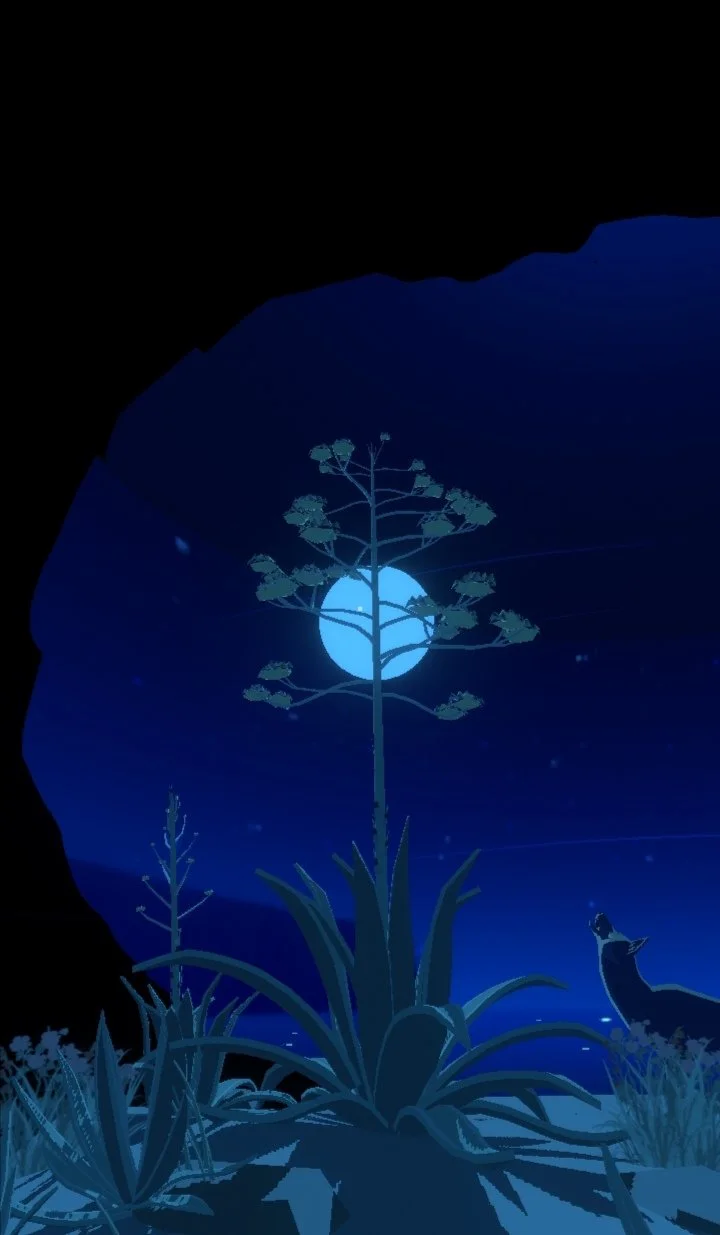
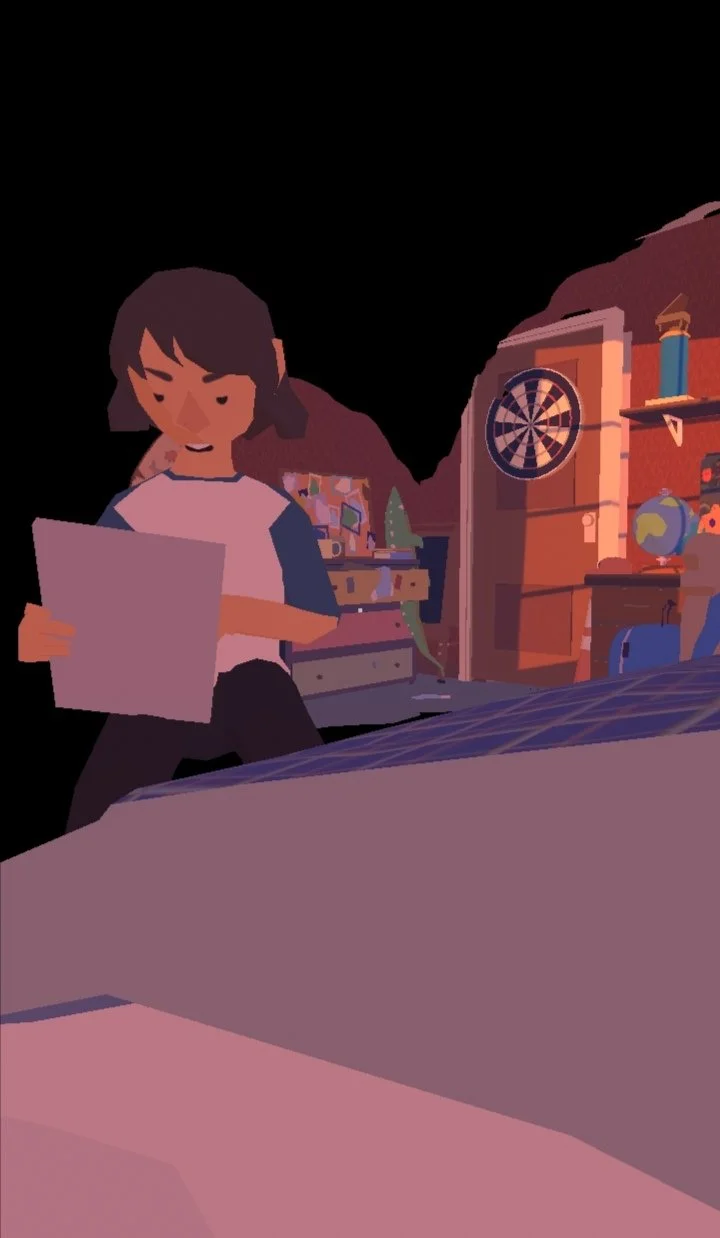
The game opens in the first person as you’re awakened by an anthropomorphic psychopomp wolf who guides you across a river of souls (Styx possibly). He offers you a chance to revisit your life and so, over the course of about two hours, you live as Benny. He’s a well-loved baby boy who shows early musical talent, lives next door to a cool girl, and has the opportunity to make the choices we often get to make, just by living.

The story is presented through a skewed, sometimes unreliable lens, mirroring the way our own memories are often imperfect and fragmented. This clever narrative design makes the experience deeply relatable, capturing the messy, beautiful, and sometimes misremembered nature of human experience.

As a parent and humanist, I found Before Your Eyes to be a deeply affecting experience. Its themes of love, loss, and the passage of time are handled with such sensitivity that it's likely to evoke a strong emotional response no-matter what your beliefs or faith. 

I highly recommend this game to anyone looking for a meaningful and artistic gaming experience, but be prepared for a truly touching, and possibly tear-jerking, journey. It's a game that stays with you, long after the credits roll.

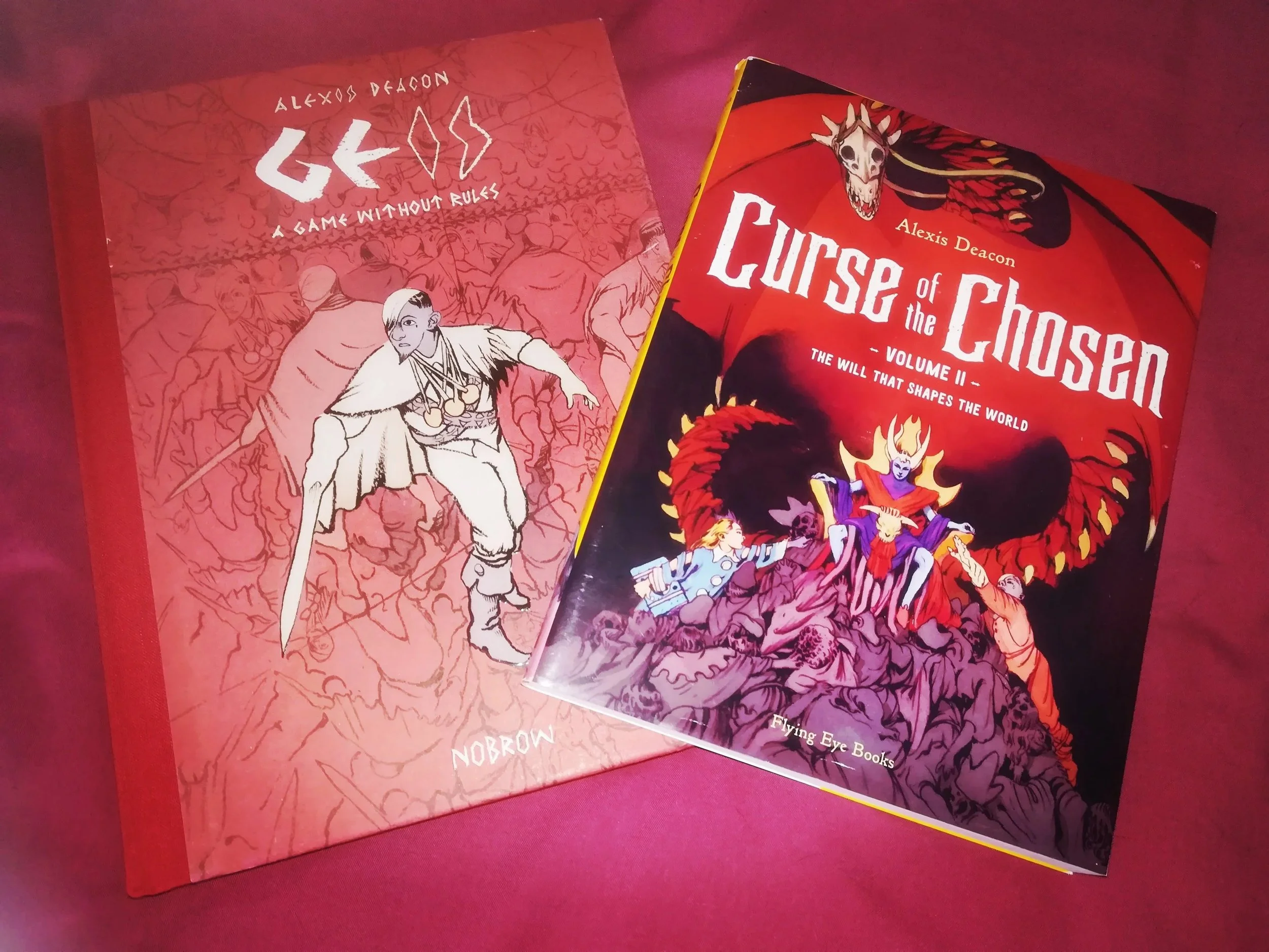
Geis/ Curse of the Chosen - Graphic Novel Series Review

Have you ever picked up a book that immediately pulls you into a world both familiar and utterly unique? Alexis Deacon's Geis: A Matter of Life and Death, Geis: A Game Without Rules and Curse of the Chosen: The Will That Shapes the World, a three part graphic novel series (that confusedly changes its name after 2 books) is precisely that kind of experience.

The narrative is an incredibly compelling premise wrapped within a masterful blend of supernatural fantasy, action and ancient folklore; When a great chief matriarch dies without an heir, a grand contest is decreed to determine her successor. Fifty hopefuls, ranging from powerful lords to unassuming commoners, are summoned. However, what begins as a seemingly straightforward challenge quickly twists into something far more sinister in a Running Man style Battle Royale. A 'geis' for those unfamiliar with this concept (like I was) is a Gaelic curse, a taboo that, once broken, leads to dire and often fatal consequences. The competitors find themselves bound by this unbreakable curse, forced into a series of brutal trials where failure means death, and even survival comes at a steep price.

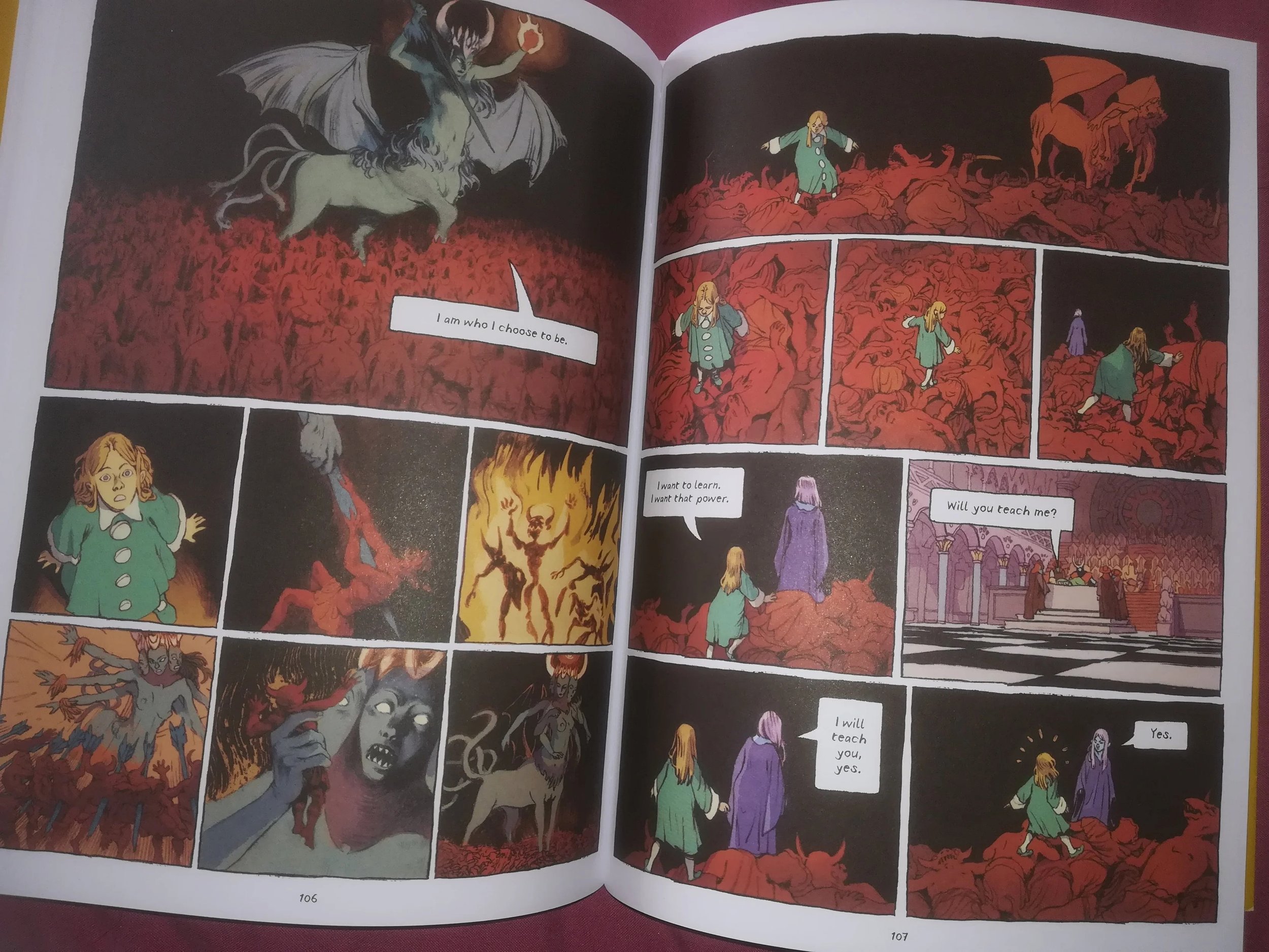
This high-stakes setup keeps the reader on the edge of their seat, as the story seamlessly shifts between intense action sequences and moments of profound suspense and the ink and brush artwork demands your attention.

Deacon brings a distinct and captivating style to this graphic novel. His painted illustrations, often featuring a soft, almost dreamlike pastel palette, imbue every panel with a unique glow. Yet, beneath this gentle aesthetic lies a meticulous ink line that grounds the fantastical elements, depicting environments and characters with both precision and fluidity. Whether it's a sweeping landscape of mountains and castles or an intimate moment conveying raw emotion, Deacon's art is consistently stunning, setting a mood that is at once mysterious, sinister, and utterly riveting. It's a visual feast that truly elevates the storytelling.

Deacon masterfully handles a large ensemble cast, ensuring that each character, even minor ones, feels distinct and contributes to the unfolding drama. While many are introduced, the focus narrows to a handful, allowing for deeper exploration of their motivations and struggles. Characters like the reluctant but clever young girl Io and conflicted Nemas, emerge as central figures, driving the narrative forward.

Beyond the thrilling plot, Geis delves into thought-provoking themes as it explores the nature of power, survival and the choices individuals make when faced with their own inescapable fate. There's a fascinating philosophical undercurrent to the 'geis' itself, a paradox that binds characters to their doom even as they are compelled to act.

Geis is far more than just a fantasy adventure; it's a deeply engrossing experience that resonates long after you've turned the final page. Its unique artistic vision, coupled with a gripping story and compelling characters, makes it a standout in the graphic novel landscape. If you're looking for a graphic novel that is both visually breathtaking and narratively rich, do yourself a favor and pick up Geis and you won't be disappointed.

LINK- ‘Natives: Race and Class in the Ruins of Empire’

LINK- On And On And Colston ( Or, How We Kinda Sort of Learned to Talk About the Legacy of Colonialism and the British Empire)

LINK: Let’s All Create a ‘New Normal’.

LINK- Ms Marvel Can Change the World

LINK- The Rise of Retro Gaming During Covid

LINK- Blood, Sweat and Pixels- Book Review

LINK- The Offworld Collection- Book Review

LINK: Japan: My Journey to the East

The Crisis of Connectivity (Or, How Globalisation, Hyper-Events, and Misdirected Nostalgia are Ruining the Public Discourse)

We are living in the age of the hyper-event, and it has fundamentally broken our experience of reality. This isn’t just about bad things happening; it’s about the non-stop, globally streamed cascade of crises - from climate breakdown and extreme nationalism to a live-streamed genocide - that instantly dominates every news feed and social media timeline. The constant, hyperconnected transmission of these events has created a state of communal anxiety as the sheer volume of information has become an overwhelming burden on much of our collective psyche.

The Malignancy of Misinformation

In this pressurized, frantic environment, the space for a calm, nuanced response has somewhat evaporated. Misinformation, the oxygen of demagoguery, thrives here because it appeals directly to anger and raw emotion. It simplifies complex geopolitical and economic failures into easily digestible, emotionally satisfying narratives of blame or "pwning." Everything becomes a battleground, regardless of necessity. But how do we deal with this evergrowing wave? Well, we can’t just stop at surface-level fact-checking but there needs to be a fundamental overhaul of our civic literacy and critical thinking skills, demanding a thorough examination of our education systems, the structures of our media, and the very language we use to frame public issues.

True intellectual integrity - the search for truthfulness through honesty, fairness in your thinking, reasoning and expression,—requires relentless scrutiny, self-examination and empathy. This is something the BBC and other purportedly truthful news outlets should have done over the past couple of years in their coverage of certain events.

The Erasure of the Digital Village

The paradox of this hyperconnected world is that the cultural and technological globalisation that gives us instant information also acts as a powerful agent of cultural erasure. Our world has become a digital village, but this global embrace is driven by the relentless pursuit of corporate revenue - the "Moloch Trap" of modern capitalism - which often leads to the destruction of local identity by a race to the bottom where everyone loses by trying to win. This global force is frequently synonymous with Americanised cultural capitalism. As our choices trend toward ubiquitous, globalised brands - McDonald's, Starbucks, Nvidia, Amazon - we are unintentionally starving the homegrown alternatives that once defined local distinctiveness. This is a subtle yet relentless form of colonisation, where cultural borders aren't invaded by armies, but commercially and technologically hollowed out.

Hauntology and Misdirected Blame

This economic and cultural homogenisation creates a deep, unsettling social void: a sense of loss for something authentic and distinct. This feeling is hauntology: the pervasive sense of a lost future, a ghostly presence of a potential that never materialized, manifests as a profound, directionless nostalgia. The rise of extreme nationalism and associated street unrest in the UK and elsewhere is a symptom of this deep cultural wound. Here, in England, many people feel the loss of something "English" and, in their frustration, seek an identifiable culprit to blame for this lost potential.

Tragically, this anger is almost always misdirected. The target isn't the technological and cultural Americanisation that eroded local distinctiveness or the techno-feudalist fiefdoms but it’s the visible "other" - the person of colour, the immigrant - who represents change without being the structural cause of the loss. Many extremists are blaming diversity for the cultural vacuum created by global finance and unchecked consumerism. They forget that Britain was, and still is for many, (although milage may vary due to the past couple of decades of these right showers in politics) respected across the world as a beacon of opportunity, equality, and fair play, which is precisely why many from the old colonies sought to come (and were, in fact invited) to the "Motherland".

Moving Forwards

To heal this profound societal fracture, we must shift our focus from identity to introspection. We must look at ourselves as a nation—our political choices, our economic priorities, and our cultural consumption—and accept that the loss of a distinct culture is a consequence of our own uncritical embrace of global capitalism, not the fault of our neighbors. Only by demanding a renewed sense of responsibility from both our leaders and ourselves can we hope to define a twenty-first-century identity that embraces the modern world without sacrificing the joy and distinctiveness of the local.