Jett: The Far Shore- Videogames As Art

Over the past month I’ve been working my way through gaming pile of shame, you know, the pile of stuff you want to work your way through but may never have the time to actually do. Just before Christmas, my family and I were isolating as we had fallen like dominoes to Covid. We’d been through lockdown like everyone else but this was the first time that we had tested positive and so had to isolate.

It was a challenge to keep the kids busy and engaged with activities away from Netflix and also to keep myself active. I’d used the time to read loads and, in the evening whilst everyone is sleeping, play videogames. I’d been working my way through 80 Days on the Switch and Final Fantasy VII Remake on the PS4, however I have a sense of gaming overwhelm as I had a huge pile of games to work through and bought some more in the Nintendo e-sale which occurred just after Christmas. So what, you may think? Well, I managed to snag a PS5 but haven’t even got around to setting that up or buying any new games. I’ve decided to wait until I’ve finished a few more games before buying any more as my guilt overwhelms me and I feel that I should complete what I already have before buying any more.

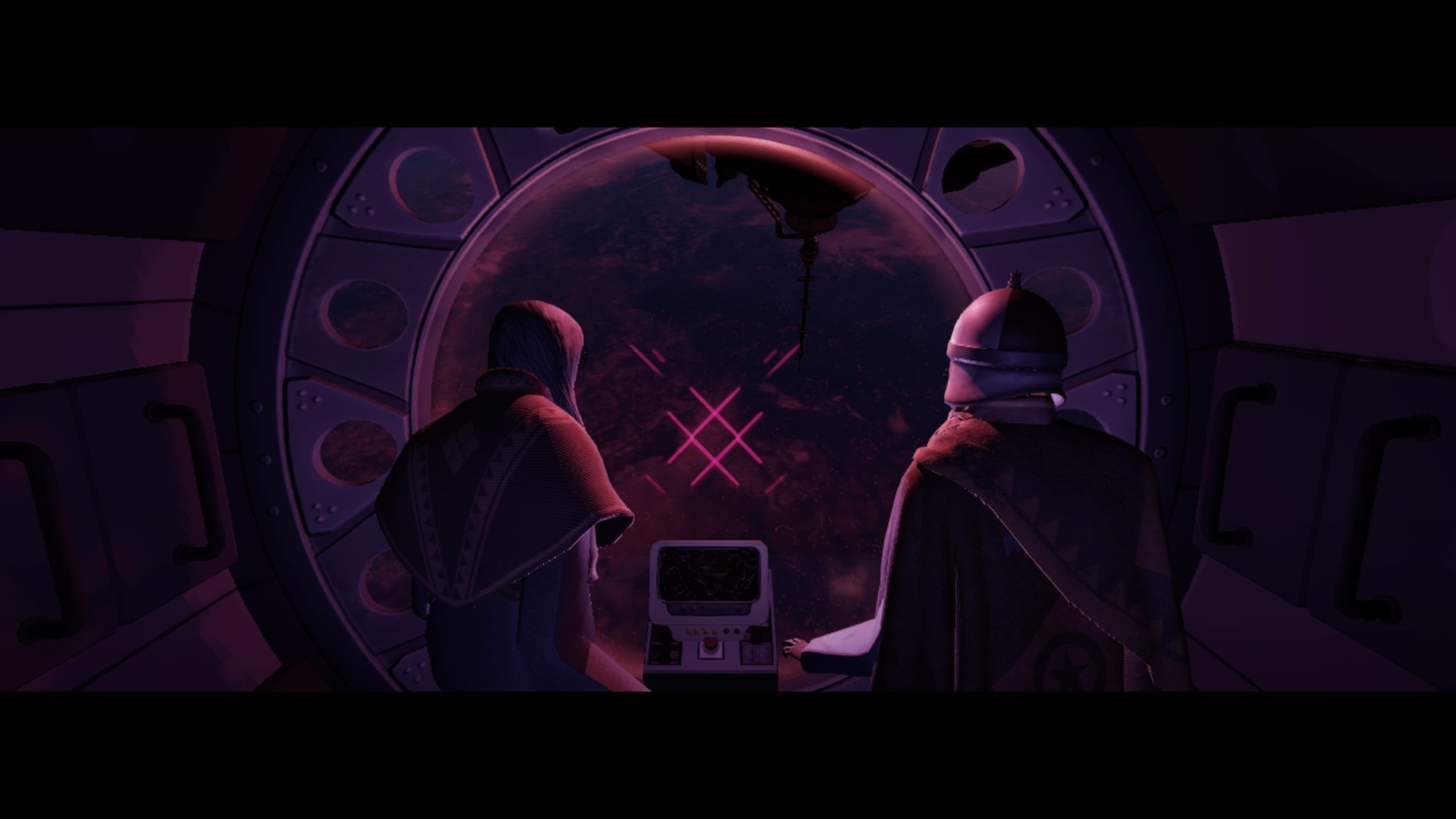
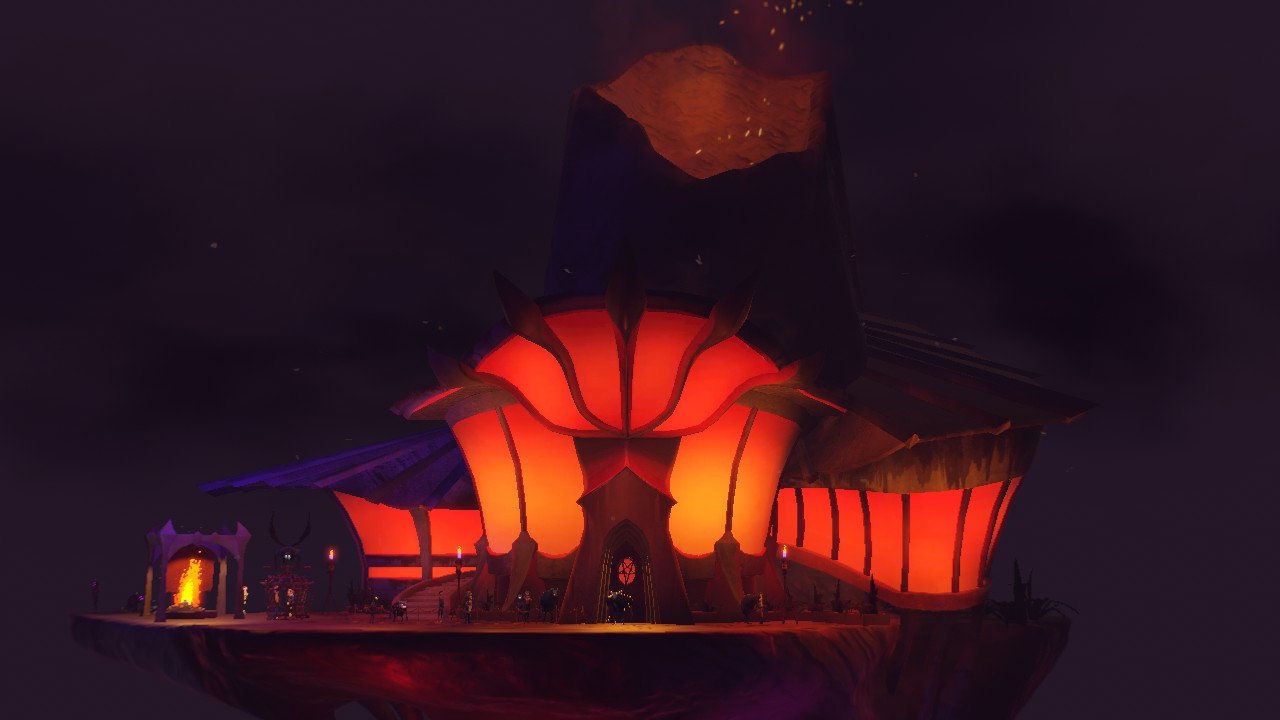
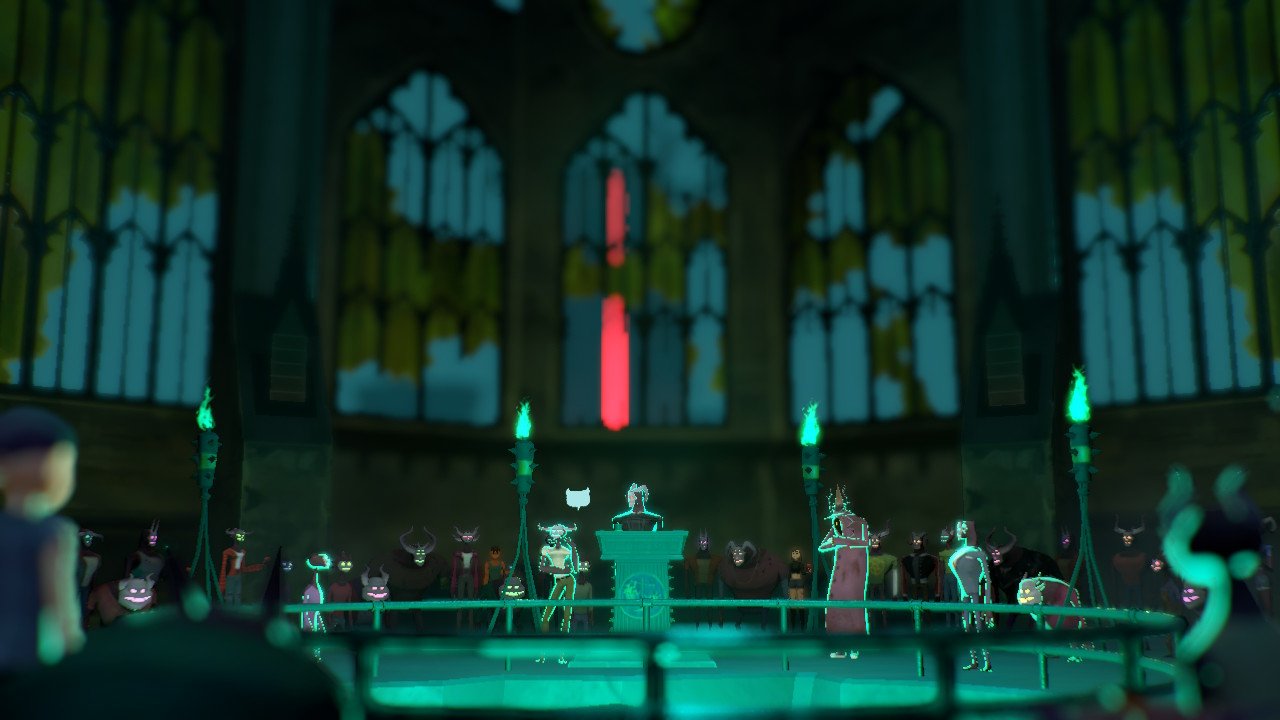
The new games out there sound amazing and I can’t wait to play Deathloop, Returnal and many more ‘must play’ titles but I want to complete the last few games I’ve downloaded onto my PS4 before moving on. This bring me to Jett: The Far Shore by Superbrothers and Pine Scented. I loved Swords and Sworcery (as you can probably tell by the aesthetics of this website) and the idea of the new game by the same guy excited me. I read the book about the game and learned about the imposter syndrome he suffered and saw the so-so Metacritic rating but that didn’t deter me; I went all in and bought the game on sale.

I recently finished Jett and boy was it an intriguing game that reached for the stars but sputtered before reaching orbit. It had high aspirations but failed ultimately due to fiddly controls and poor way-pointing, which meant hours of time lost figuring out what to do. I don’t need hand holding but I like games that respect my time and I didn’t always feel this did. However, with this monkey off my back I’m hoping to finally crack open the PS5 later this week and finally jump into Astro’s Playroom and Miles Morales.

The Black Angel- Cult Film Review

I first heard of The Black Angel short film whilst flicking through my monthly issue of Infinity, a wonderful cult and geeky pop culture magazine. What drew me in was the fact that it was based off of Arthurian myth, was created as a short film project with just a £25,000 budget and the director, Roger Christian, made it as a dream project with no oversight and the backing of George Lucas during the release of The Empire Strikes Back.

What emerges is a passion project with an economy of design that leans into the dreamlike work of Andrei Tarkovsky and the stunning panorama of Akira Kurosawa, both influences accredited by Christian. However, it starts like Werner Herzog's masterpiece Aguirre: Wrath of God in the way that it feels like a hypnotic dream as the first 5 minutes are silent as we see a lone traveller, Sir Maddox, slowly trotting on his white horse across gorgeous dreamlike rocky landscapes covered in morning dew and fog. He arrives at his castle and family home to find it in ruins and the only people inhabiting it are young children with 'the sickness'.

When he nearly drowns but is saved by a young maiden in white, Sir Maddox is determined to save her from The Black Angel, a mysterious figure who seems to have a hold in her.

The film itself is a strange and entrancing journey and reminds me of a film I saw recently, The Green Knight starring Dev Patel. That film also reminded me of the Bravo Channel in the mid to late 90s when they'd show strange culty films late at night. It really was a hodgepodge of content and this film would have fit in that slot before channel drift set in.

The film is available to view on YouTube on the official Famous First Films page and I look forward to the upcoming full length movie.

The Kirlian Frequency- Cult TV Review

As the cold winter nights set in and the rainy weather makes outdoor exploration uninviting, I've been on the lookout for some strange and quirky shows. During one of these explorations I happened across The Kirlian Frequency. I decided to give it a go and wasn't disappointed as it reminded me of another show I like, the podcast Welcome to Nightvale. Similar to that podcast, the central protagonist is a radio host who talks about the strange goings on in the local town, in this case Kirlian, Buenos Aires, Argentina. Kirlian pre-dates Nightvale according to some sources so it really does seem to be a case of simultaneous invention.

Over the course of five episodes, of about 10 minutes in length, we encounter the weird and wonderful inhabitants of this land.

The animation is very Flash and reminds me of another show Broken Saints, which featured gorgeous art. This shows art is rough and ready but is effective in setting the mood, having the prerequisite level of spookiness and janky charm. At under an hour, it's a short series and well worth your time and it is a curio from web-series times past. The show is available here on YouTube on the official channel or on Netflix.

Final Fantasy 7 Remake- Videogames As Art

I’ve just finished Final Fantasy 7 Remake and I have to say that it's a gorgeous game. You are taken down some beautiful but linear tubes which has its pro’s and cons. I enjoyed the streamlined focus of the game but I felt disappointed in this stunningly realised world where much was heavily walled off.

An area the game really develops is the characterisation. I loved the earnestness of the characters, the camaraderie that grew and the consequences of Avalanche's actions and the sense of guilt they felt when ordinary citizens died or were put in harms way by their actions against Shinra. When Biggs and Jessie die (apparently) I felt a sense of sadness as I'd known them for 20 or so hours whereas in the original they'd come and gone in about a couple. I'm not saying this game is amazing but in an age of edge-lordy stuff it's lovely to get some emotion and cheesy empathy in your character who isn't a grizzled merc or a wise-cracking sociopath.

Now, if anyone would have a word with the President of Square Enix and say sending a letter which sounds similar to the remit of Shinra about the ‘perks of NFT’s’ is peak dick move, especially after you’ve released a game about fighting against corporate greed and ecological disaster. Oh well.

The Far Shore- Book Review

I started this website in 2013 for a couple of reason, to show my passion for video games and share my thought but also to move the conversation forward on gaming culture. I found that often there was a culture of insularity among many gaming sites, often only covering the big titles. I wanted to cover the weird, quirky, strange and fringe games from the view of an educationalist, a teacher, as I think some games can be a contextual hub for learning. In that vein, I've read (and reviewed) several books about videogames and the creative process and they've given me great insight into the medium.

The book clocks in at under 200 pages but is wonderfully informative and candid.

The Far Shore intrigued me as it is written by an author, Adam Hammond, who is a lecturer, in his day job and doesn't really play videogames much but was interested in Swords and Sworcery. By looking at videogames from an outsiders perspective, Hammond offers keen insight into what motivates Superbrothers (Craig D. Adams) into making games and it isn't hipster like coolness but rather a fight against the 'bloated cross-media confections' which make many AAA games clogged down with awkward cutscenes, cringey dialogue, obtuse menus and systems and patronising tutorials. Hammond discusses how videogames are similar to operas in that they are both a combination of different media merging to make something new.

He discusses how this high minded conversation had Adams consider how art can change the world and it was this belief that led to the creation of Superbrothers and the pixel art form that pervaded advertising and music videos. He got a taste of the ephemeral pop culture ether and sought to change it.

What follows is a great biography about Superbrothers, the creative process and the self-doubt that follows after making such a wildly popular, avant-garde multi-million selling game. As well as the financial and commercial freedom gained from the success of the game and game garnered near universal praise however, there was a small backlash from some calling it too hipster and cool. Adams found he had something of the imposter syndrome but I believe (as did many reviewers and fans) that it was an earnest game with a veneer of cool but the central heroes journey theme is universal. Adams seemed to take this to heart and so his next game would be the polar opposite of Swords; no pixels, no hipster language and a more conventional game. It would be a sci-fi game that would provide otherworldly escapism and hopeful optimism for the future.

Adams' love for Star Trek is obvious as he discusses how back in the day we had visions filled with undimmed optimism; we dreamt of gleaming glass spires, flying cars, natty silver or velour one pieces, world peace, robot maids named Rosie and off-world travel. Now all we see represented of the future in mainstream media is a dystopian misery as Terminator robots take over the planet, zombie hoards proliferate as small bands of humans eke out a living in a resource diminished Earth and humans vie for glory via violent games after cataclysmic climate collapse. Bleak times indeed supported by the popular circumambient (prevailing or common) narrative- It's difficult to dream of a bright optimistic future as the current common story is antithetical to this. He wanted to create a game that showed an optimistic view of the world and had heart and was earnest and true.

Hammond also discusses the indie boom (2007 to 2012) and Indie-pocalypse 2013-18) that occurred when Steam opened the floodgates to asset flips whilst also democratising gaming through resources like Unity, Twine and Game Maker etc. He also discusses #Gamergate and the terrible after-effects of this reckoning of the medium where many 'gamers' in their 'safe space' didn't like the disparate voices now being heard in their power fantasies. Adams discusses his views on this and states that he had a singular vision and, even though he knew Jett would be a boutique-y experience that wouldn't appeal to all or even the mainstream, he wants the punk Riot Grrrl freedom to create what he wanted to create. However, with funds running low and expertise needed a console exclusivity deal with Sony in 2019 shored up funds and ensured that the game would get over the finish line. With the rise of the Epic Store, Google Stadia, Apple Arcade and console exclusivity at an all time high, Jett was optimistically released when AAA games and indies were happily sitting side by side as part of the online store ecosystem. This was the second indie boom and Jett benefitted.

I read the entire book within a day- perfect for when the weather was terrible over Christmas.

The book ends with Hammond offering a truthful and honest evaluation of a game; a game that reaches for the stars but doesn't quite reach there. It is a modernist allegory that tackles themes such as climate catastrophe and colonialism but its gameplay can be clunky and the exposition heavy. This is reflected in the reviews which are mixed with a Metacritic score of 68% and a user score of 70% (as of 2nd Jan 2022).

Overall, this is a fascinating and illuminating book that looks at the creative process of making videogames, the problems that can arise but also the aspiration of creating something that says something. I haven't played the game yet but will do later this week as I have just finished a game in my ‘pile of shame’. I like the discourse and long-form writing around videogames as they offer insight into this relatively new medium and this book has been a great primer to explain the highs and lows of making games.

Hilda and the Mountain King- TV Movie Review

Hilda is an amazing 6 part graphic novel series and Netflix animated show which has run for 2 seasons and now a feature length movie.

The first season, a 13 part animated series, adapted the multi-award-winning and highly acclaimed graphic novel series by Luke Pearson about a young, blue-haired girl who goes on many adventures. Hilda lived with her mother in a cabin near the woods and mountains, away from people. It is in this landscape that Hilda went on her first few adventures filled with magical creatures and magical worlds that co-exist alongside hers/ours.

When their home is destroyed Hilda and her mother left their cabin and moved to the city of Trolberg. Here, Hilda adapted to life in an urban setting, meeting new people and the complexities that brought. She began to understand the beauty that can exist in the city and developed friendships through the Sparrow Scouts group she joined. It was here that the main thrust of the series pushed forward with each episode being an amazing and whimsical adventure. There were elves, stone giants, a Thunderbird and even a nightmare inducing teen thrown into the mix and it all ended up making sense as the world with a tapestry of story and character with its world-building logic.

I loved the original series and felt that the weirdness and slight tinge of unease was reminiscent of Over The Garden Wall, Gravity Falls and Scooby Doo: Mystery Incorporated.

With season 2, Netflix kicked things up a gear as we had lots of new stories which diverged from the comic series as most of this had been covered in the previous season. However, these original tales were excellent and continued the good work done in the previous season. It deepened the relationships between Hilda and the citizens of her world as they tried to navigate the threat posed by Ahlberg, a narcissistic figure who seeks to destroy the trolls and ascend to some form of power. He proved to be a great foil for our heroine over the course of the show and the season 2 cliffhanger finale, The Stone Circle. It was the final and longest episode of the series and featured the story arc of the final graphic novel which was released at the tail-end of 2020.

I reviewed the graphic novel but this episode was a little different as Hilda and her mum get thrown out by an accident occurring in the Nissa No-where Space. They end up inside a mountain inhabited by trolls and must make their way out back to Trolberg. In another plot, The Trolberg Safety Patrol end up stranded outside the walls with David and Frida and must survive the night. Both plots complemented each other as they are about surviving against the odds in perilous circumstances. There are some pretty close calls and squeaky bum moments but it all ends up pretty well, until the final moments which set up the feature long movie where Hilda and the changling swap places with the changling now in Trollberg and Hilda stuck with the trolls in the mountains.

With Mountain King, released a year and a half after that season 2 cliffhanger, we finally get closure and the hopes of a satisfying conclusion. So how does it fare? Firstly, the hour and a half movie shows an uptick in production values and intensity with a Saul Bass style Hitchcock-ian opening credits. The animation has always been beautiful and the production value really high on the series but, for this feature-length movie, you can see they have paid extra attention to the fluidity and scope of the animation.

The story picks up with with Hilda stuck in the mountains. Her mum and friends go looking for her but the Trolberg Safety Patrol put the town into lockdown and go on the media charm offensive, even going so far as to go to schools and showing one of those cheesy infotainment films that were prevalent in the 70s and 80s. Frida and David don't put up with the propaganda that casts the trolls as blood-thirsty monsters and lead a children's rebellion. They lead a protest with classic chanting zingers including 'Ahlberg smells. Silence the bells' and 'We are on the side of peace and communication. The enemies of misinformation and fear'.

Meanwhile, the Trolberg Safety Patrol up the ante with a mobile bell ringing van and a sonic gun turns trolls into petrified stone. When the Mountain King is freed after Hilda fulfills a few errands for him in exchange for her humanity, Hilda and friends must work together with the other trolls to rectify the situation before an all-out war destroys both sides.

When Trolberg is attacked by the Mountain King and his acolytes, the town's people gather together to fight back. Will it be war?

I won't spoil it as the movie is a beautiful and meditative work. It is a very humanist piece as we understand how the trolls live and why they have gathered around Trolberg. We gain empathy and understanding to these much maligned creatures and through troll Hilda, who goes native, we understand the cruelty of the bells being placed on their noses and the impositions placed on them by the humans.
We also see that individuals can have collective power. The protests, supported by the teacher, makes me think of the current real world situation where the youth movements across the world are leading to change and holding those in power to account. Inversely, we also see how charismatic individuals can lie and manipulate the situation to get people to do what they want.

The film ends on a note of hope and there isn't a deus-ex machina to make everything okay, and I like that. Life is messy and things don't always reach a neat conclusion and the graphic novel series, animated series and movie shows that and respects its audience to understand that too. The final 8 minutes in particular are gorgeously emotive and the music heightens the mood, almost bringing a tear to my eye.

Hilda is aimed at slightly older kids, it is a PG after all, but it is excellent for older people too as the central story about facing the challenges the world throws at us and being kind and understanding in the face of it all is universal.

It’s a great time for animation at the moment but Hilda is on a whole different level for me, surpassing much higher profile animations such as Disenchantment, having more heart and earnestness that many of its contemporaries.

Hilda is a masterpiece of storytelling and animation and the movie encapsulates all that makes the Hilda-verse so special.

LINK- Scooby Doo: Mystery Incorporated Season 2 Review

LINK- Scooby Doo: Mystery Incorporated Season 1 Review

LINK- Gravity Falls Complete Series Review

LINK- Resident Evil 7 in VR is a Marvel

LINK- The Last Guardian: Video Game Review

LINK- Shadow of the Colossus- Book Review

LINK- Ms Marvel Can Change the World

LINK- The Rise of Retro Gaming During Covid

LINK- Blood, Sweat and Pixels- Book Review

LINK: Japan: My Journey to the East

Resident Evil Village- Video Games As Art

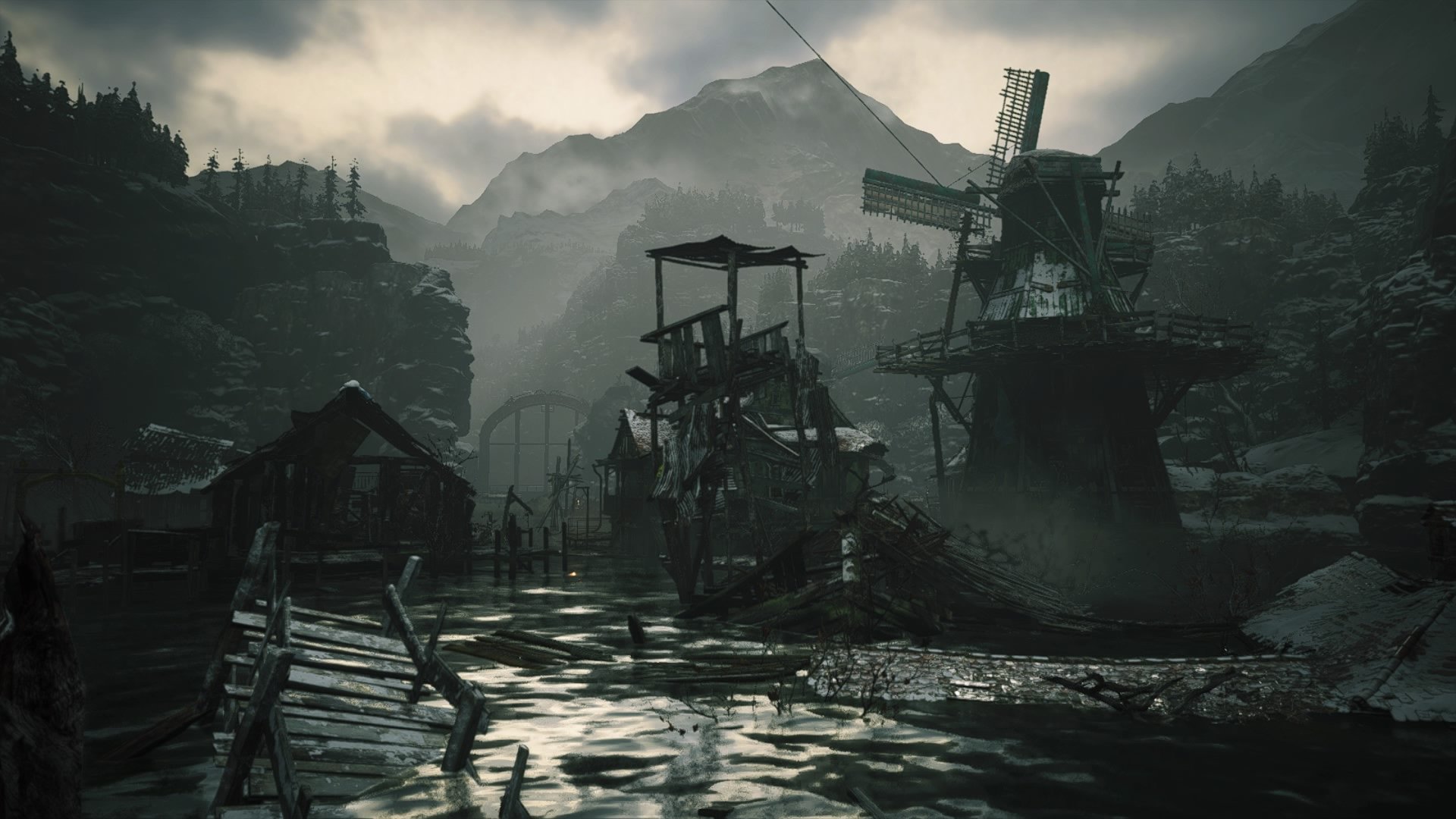
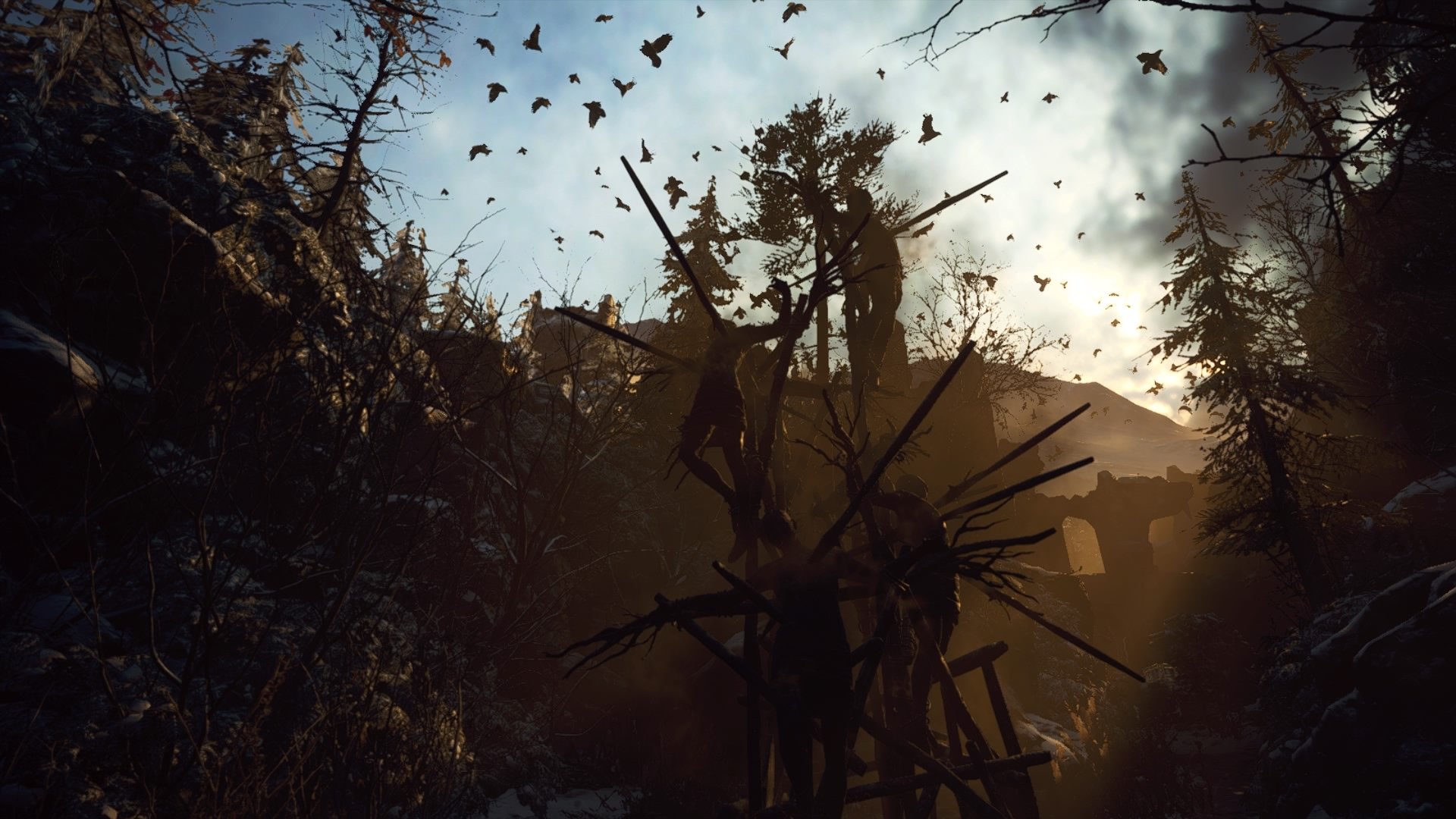
I have a deep love for Resident Evil with RE 4 and 7 being a couple of my most recent favourites from the series. I have fond memories of playing RE 7 in PSVR with a few of my friends, initially after school and then at home and sharing in the scares. Village continues the story of Ethan Winters and his family as he undergoes loads of hand-based trauma whilst battling the 4 Lords of Mother Miranda in an effort to retrieve his daughter and exact revenge for the death of his wife.

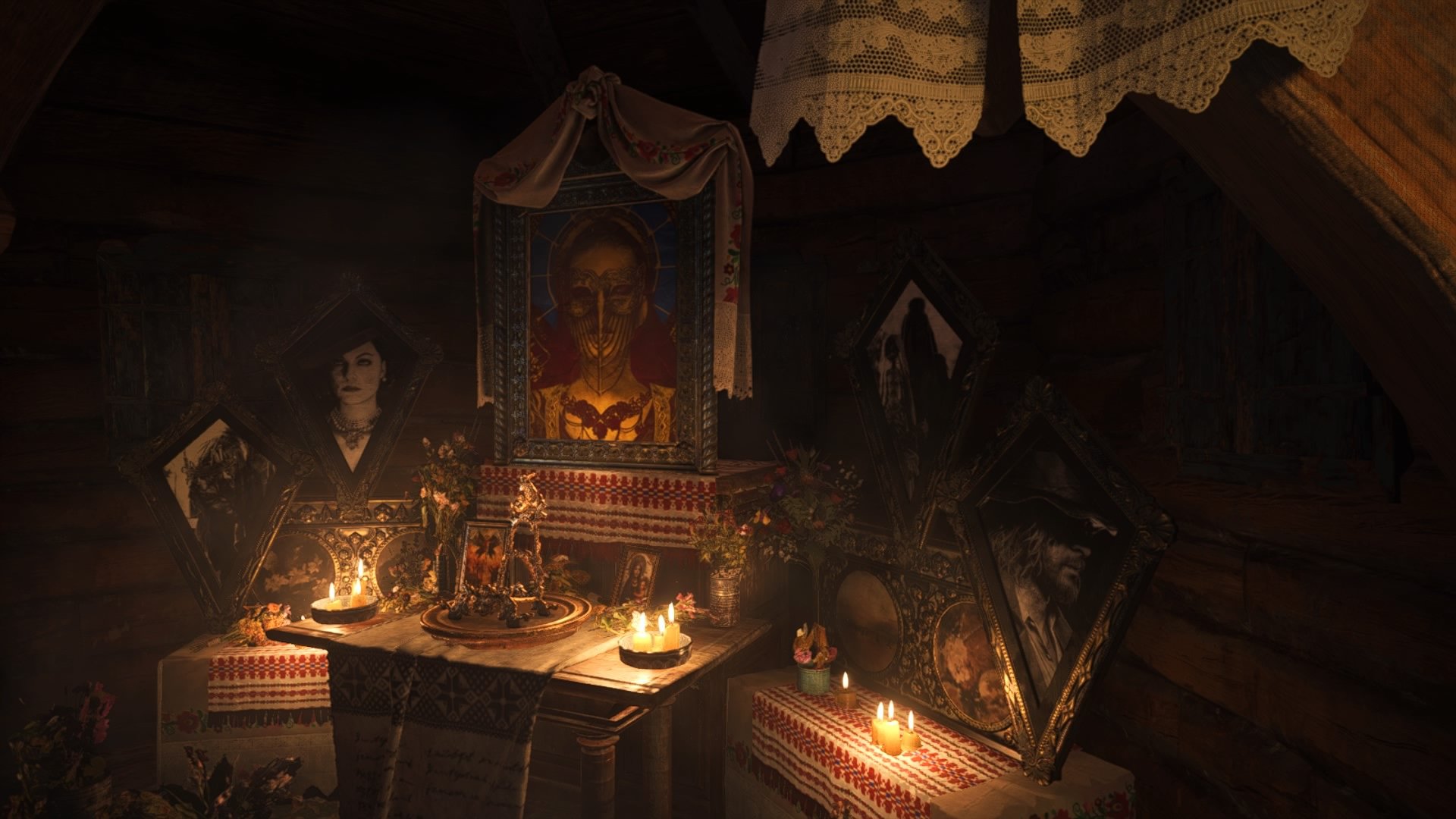
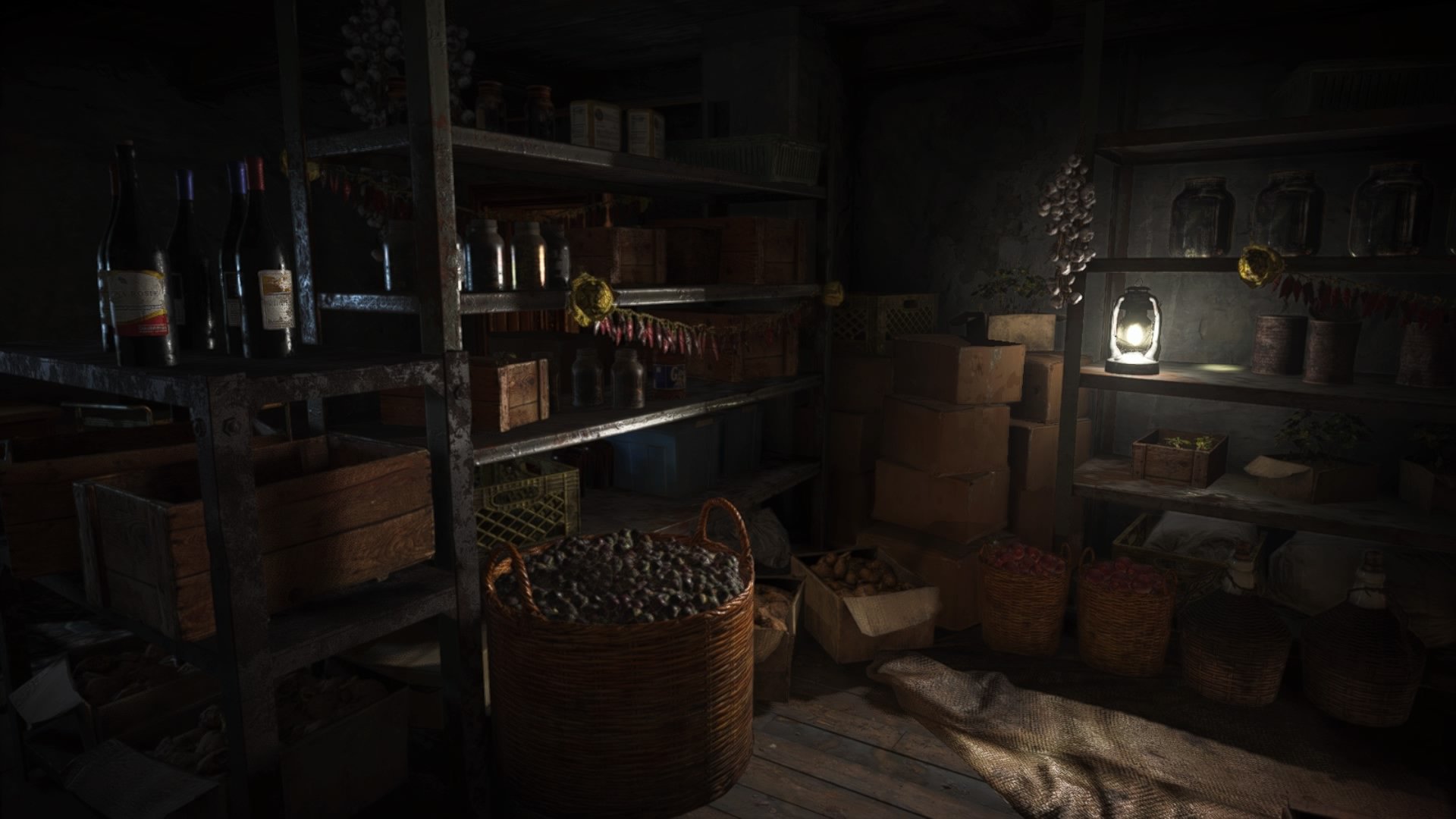
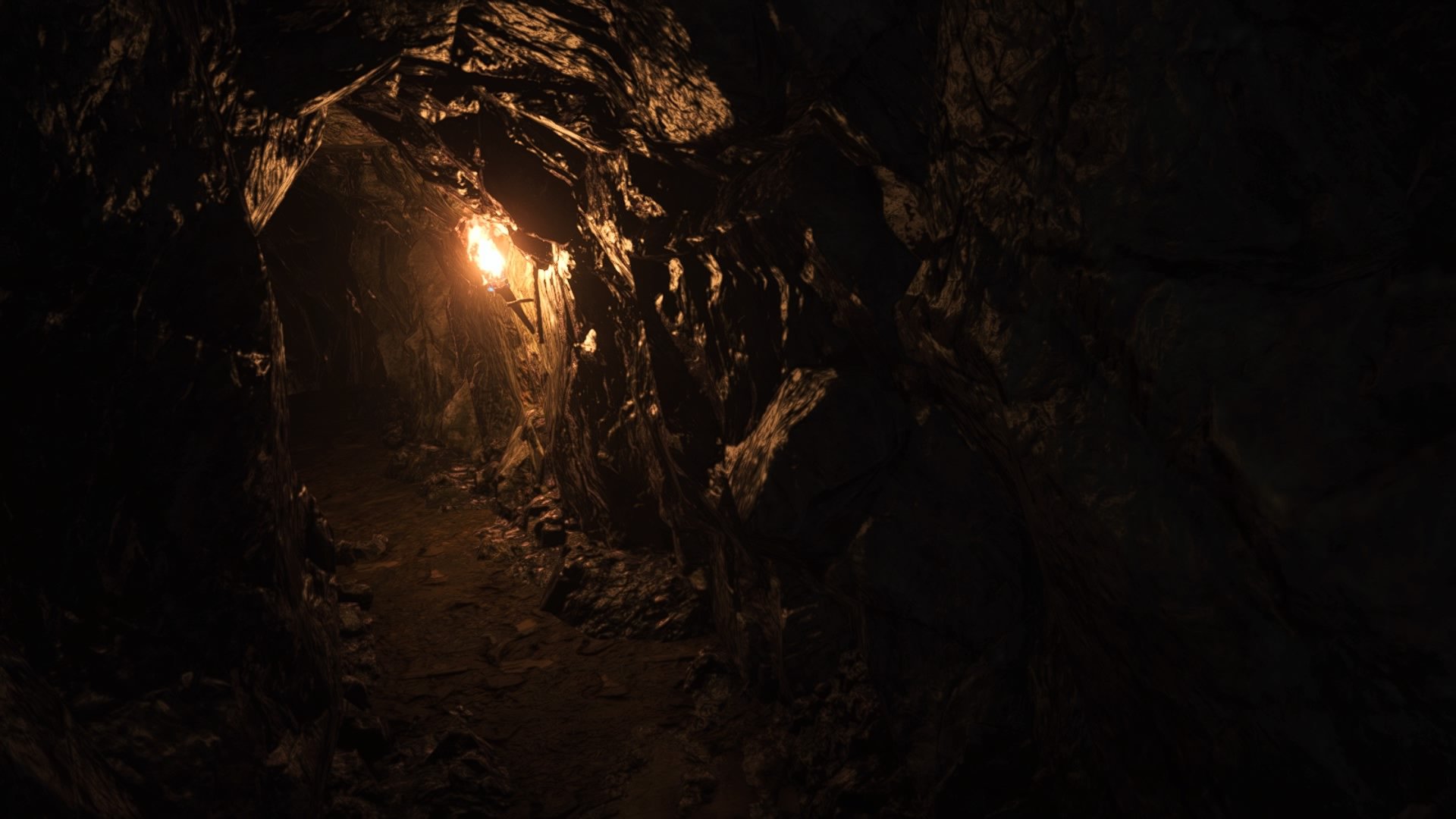
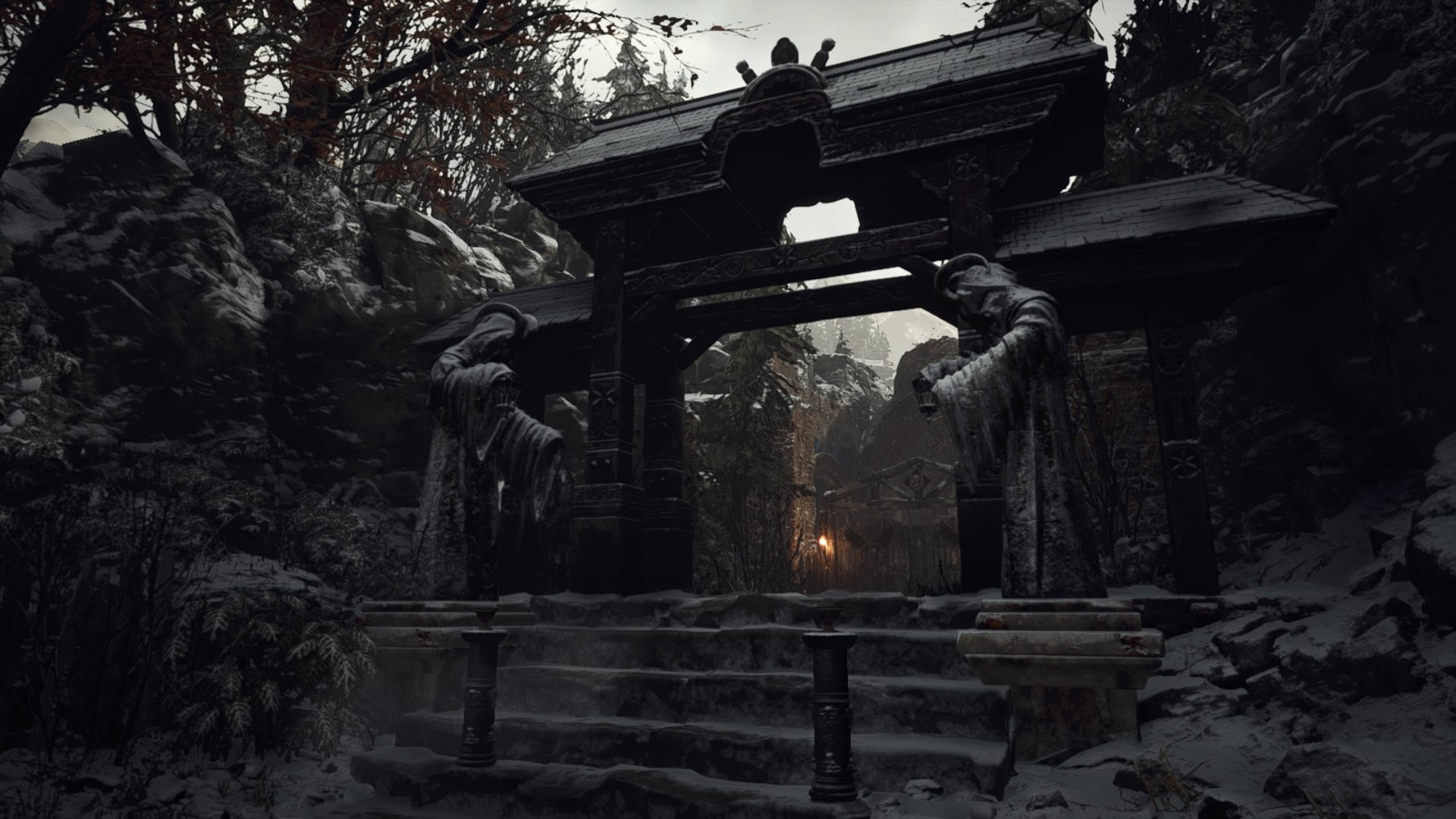
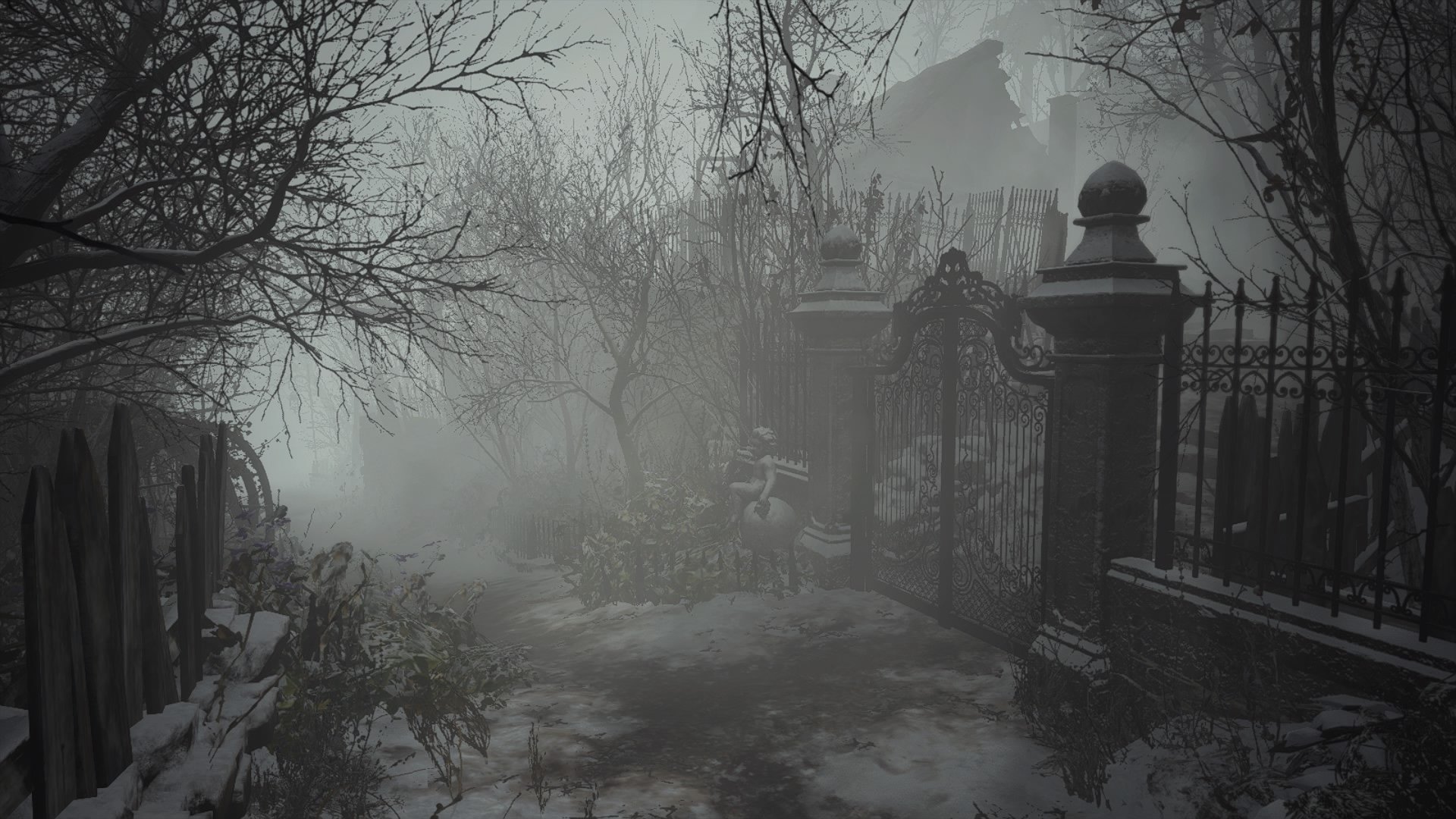
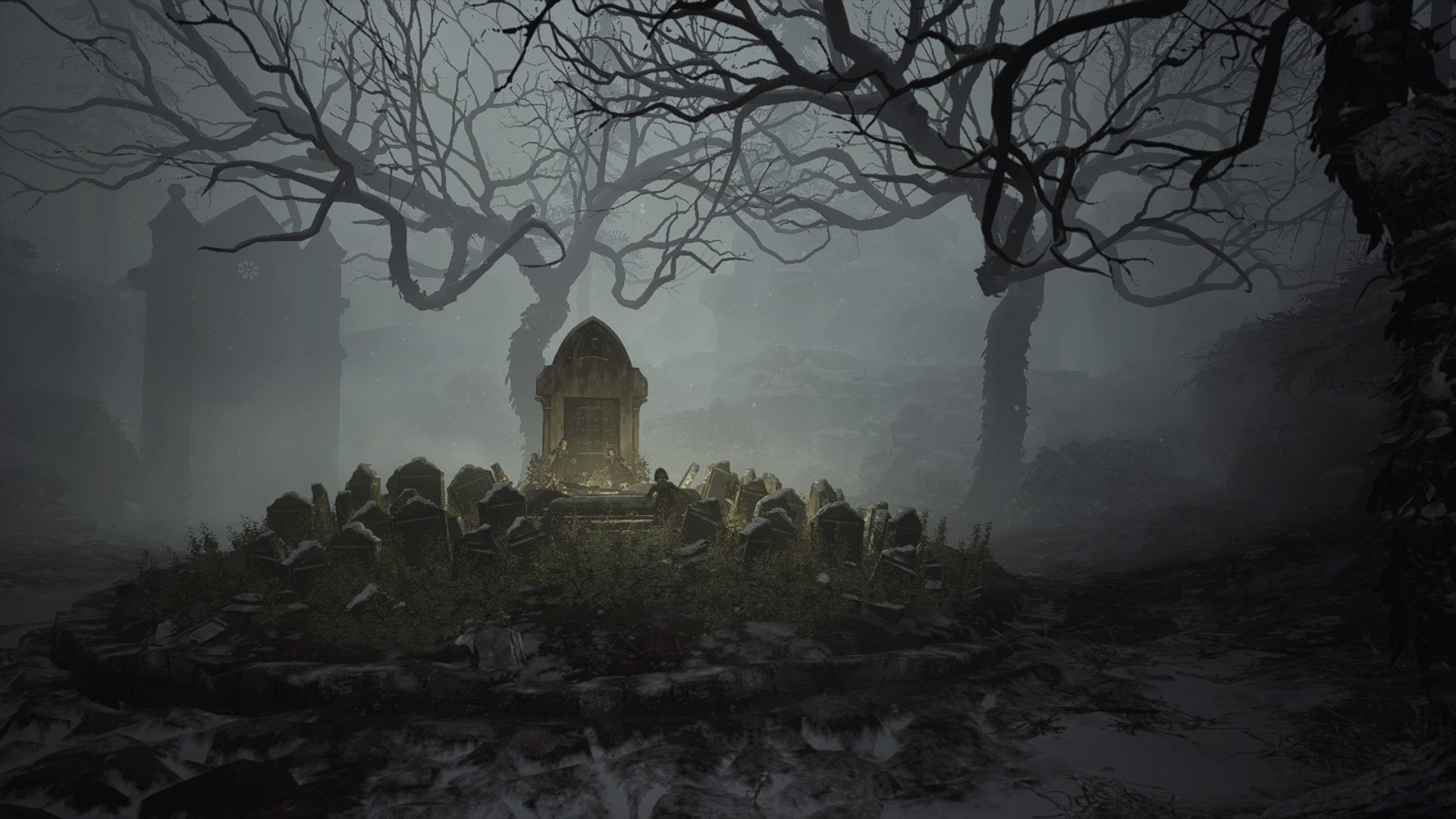
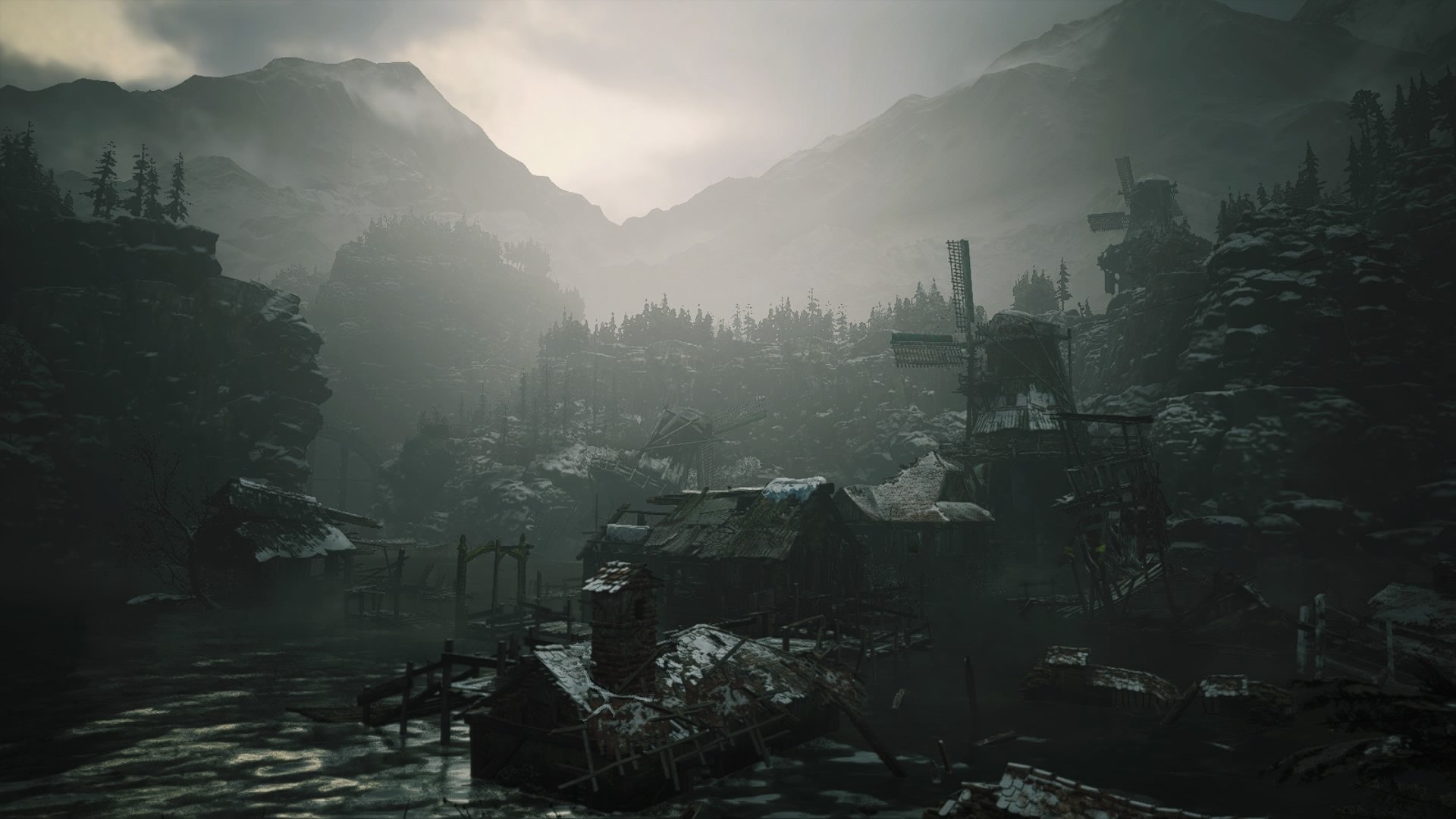
The game is wonderfully chaotic and, even though it is not as memorable as 7 or 4, it is an excellent game full of exciting set pieces. The graphics are gorgeous and the House Beneviento is a particular highlight, scaring the heck out of me. Check out the screenshots from my playthrough.

Hades- Video Games As Art

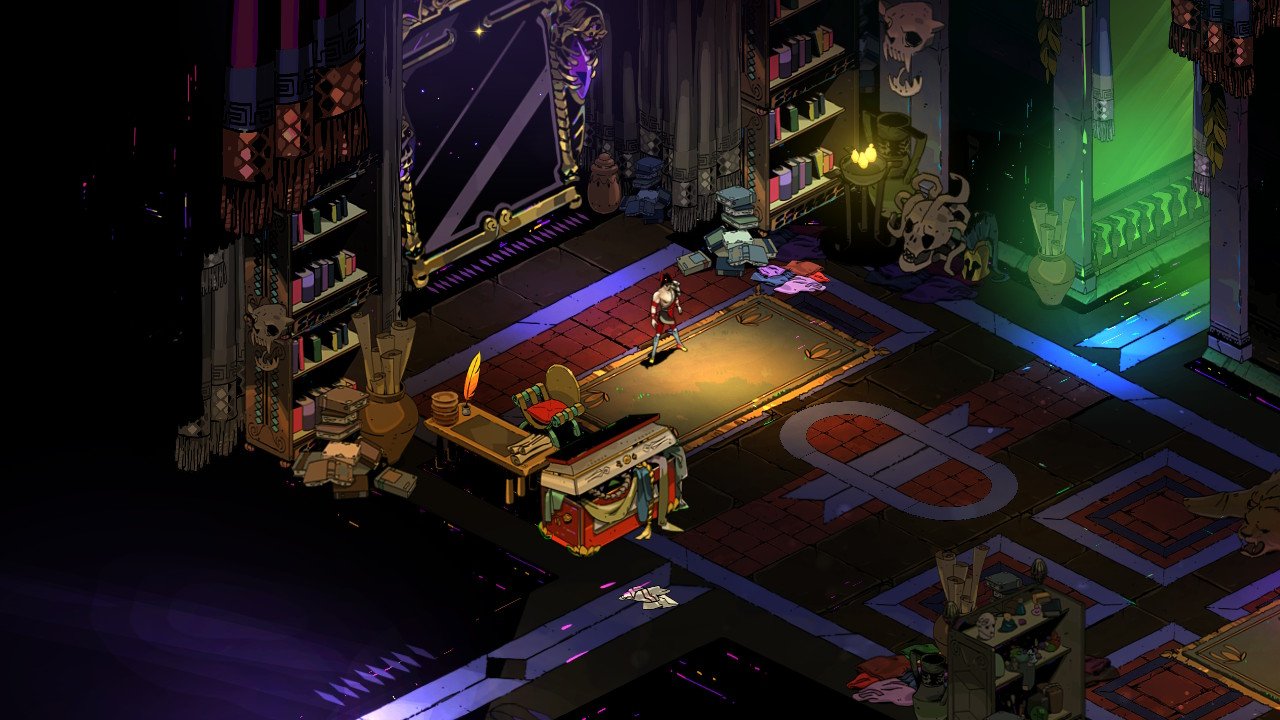
Hades is the multi-award winning and highly regarded rogue-like based on the Greek mythology that told the story of Hades’ son Zagreus trying to escape the underworld. Being Hades though the escape is extremely perilous so you die, a lot, before finally getting through the different levels of Hells.

I bought the game on the Nintendo Switch earlier in the year and alongside Skyrim, it is the game I poured most of my hours into. After nearly 100 attempts I finally managed to escape and see the first ending. I won’t spoil it but it was sweet release.

Now, speaking to a few friends I know you’re supposed to beat it about 10 times to see the ‘true’ ending but forget that… I’ve got my pile of shame building up! However, I loved my time with the game and its gorgeous art style is singularly spectacular.

An Ico Retrospective

It’s hard to believe but Ico was released 20 years ago today in Japan and so I thought I'd do a retrospective on one of my favourite games of all time.

 I had a Nintendo 64 and PS1 and my interest in gaming was waning. It wasn't because the games coming out were bad but rather I was at university, discovering the joys of clubbing and just generally socialising. I worked part-time as a youth worker in a youth center in East London, one of the ones always in the papers because of the spate of regular stabbings, and we were creating gaming collages for our games room. It was through this that I saw a review of Ico and the art style of the game intrigued me.

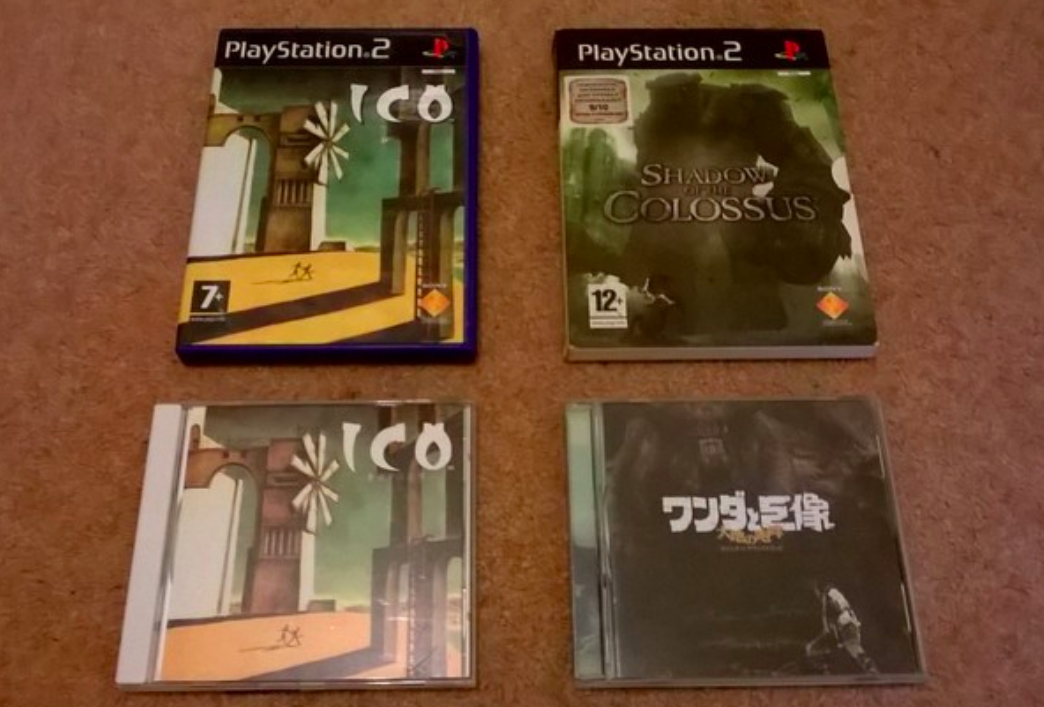
The Ico cardboard cover is in the style of famed artist De Chirico and it was in part this art style that intrigued me. I saw a wrapped copy of Ico for sale at my local second hand video game shop and so I bought the game and a PS2 that same day. The packed cardboard box edition with postcards had me impressed and then I played the game and it blew me away. The first introduction to the character is full of mystery and very little is explained. Why is there a boy with horns? Why is he being taken to the temple? Why is he placed in the sarcophagus? What happened to the people of this land?

The wonderful thing about this game is that very little is revealed to you, even when you finish the game. The world seemed rich and immersed in a history which I didn't know, no lore was presented in Ico but you could create your own narrative through events and the structures within the castle. A lot you had to interpret and guess and for someone who likes media that makes you think and question, that suited me just fine.

Playing the game I fell in love with the simple but powerful mechanic of not understanding my partner Yorda, but knowing that I had to help her escape the castle. The game itself is an escort mission but not annoying; you develop a protective bond with this ethereal girl who you can't communicate with. The bond of holding hands is powerful and later on when you are without her it feels terrible, not many escort missions can achieve that.

When Team Ico released Shadow of the Colossus 4 years later and, after a hefty 11 year wait, The Last Guardian the DNA of Ico was in both. In those games we are given some narrative but events feel bigger than us and the world seems to have existed before our character comes into play, it seems like a lived in world yet so very little is told. There seems to be a connection that you felt if you worked hard enough you could understand, but with the economy of design and lack of voice over work and cut scenes explaining the story, you could create your own narrative based on what you saw and felt.

I have all the Team Ico games but these PS2 original games and soundtracks are my favourite.

There is a majesty to Team Ico games as often there is no ludo-narrative dissonance; the worlds are free to explore as you fulfill your destiny .

These games still resonates with me many years after the release of Team Ico's first game,  and this is in no small part due to their phenomenal soundtracks which were both created by Kou Ootani, who also sound tracked the wonderful Haibane Renmei (one of my favourite anime).

The Ico OST is scarce but perfectly pitched for key events, like the original Prince of Persia game. SOTC has an emotive score full of sadness but also adventure, it suits the mood perfectly and both soundtracks are masterclasses on scoring for a game and how much a score can lend to an overall games impact. The Last Guardian has a sweeping and majestic score and I listen to all three quite often.

So, on its 20th anniversary I want to doff my cap to the stunning Ico, a truly visionary and singular game.

LINK- The Last Guardian: Video Game Review

LINK- Shadow of the Colossus- Book Review

LINK- ‘Natives: Race and Class in the Ruins of Empire’

LINK- On And On And Colston ( Or, How We Kinda Sort of Learned to Talk About the Legacy of Colonialism and the British Empire)

LINK: Let’s All Create a ‘New Normal’.

LINK- Ms Marvel Can Change the World

LINK- The Rise of Retro Gaming During Covid

LINK- Blood, Sweat and Pixels- Book Review

LINK- Streets of Rage 2 OST on Vinyl Review

LINK: Japan: My Journey to the East

LINK- Children of the Stones: Cult TV Series Review

Masters of the Universe: Revelations- Part 2 Review

It's been a few months since part one of Masters of the Universe: Revelations dropped on Netflix to mixed reviews. He-Man was in the show but was not the main focus of the series, being taken out of the equation pretty quickly. Instead what we had was a character study of those left behind with the story centred around Teela.

Similar to Batman: The Dark Knight Rises, part one of Revelations focussed on the deconstruction of what a hero is, looks like and does. The series gave other characters a chance to shine and expanded the lore. We found out the secret contained deep inside Castle Greyskull and Skeletor finally defeated Prince Adam to gain the Sword of Power to achieve Godhood.

To say that the series was devisive would be an understatement as much online vitriol was aimed at Head Writer Kevin Smith and Teela voice actress Sarah Michelle Gellar. I thought the first series was okay as it tried something different and developed a lot more of the characters. So, how does part 2 continue the story and will it bring the naysayers back into the He-Man fold? Well.... kinda.

The series sees the ascent of Evil Lyn to becoming the new Sorceress of Greyskull as SkeleGod continues to try to defeat He-Man and the gang. This is only partially successful as He-Man returns but in his untethered barbarian state. This is not the form we are used to and I like how it shows a hero is more than just power, it is the humanity and humility they use to temper their power that shows real heroes.

As the series progresses we learn more about Evil Lyn and how she first met Skeletor. She gazes into the void and has an existential crisis as she realises that she has more power than she thought imaginable but Skelegod is still only fixated on He-Man so she decides to go it alone and goes full emo with Dark Lyn. In a badass show of intent she destroys Preturnia (He-Man heaven) and brings in the aid of Subturnia (He-Man hell) to destroy Eternia once and for all.

It all comes down to Teela fulfilling her destiny and its a battle for the ages as Dark Lyn and OP Teela battle it out. Meanwhile SkeleGod and He-Man do duke it out and it's pretty satisfying with a good conclusion.

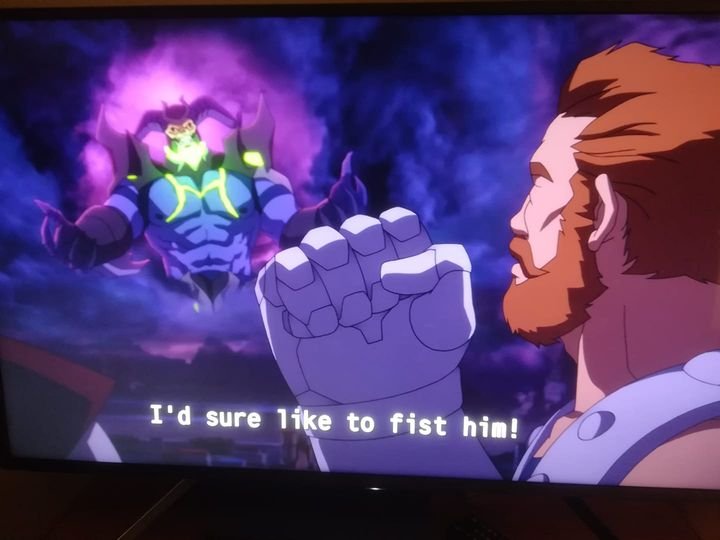
As mentioned in Part 1, the show is excellently voiced and the animation maintains its Castlevania-level detail. The show is uniformly played straight and, whilst there are a few asides and jokey bits, the stakes are high here so don’t expect any pratfalls or Skeletor shaking his fists vowing, “I’ll get you next time He-Man!’ schtick. However, there is an amazing ‘I'd sure like to fist him' line from Fistor as he looks at SkeleGod that I’m sure Smith in there to annoy the more vocal and toxic fanbase. .

Gotta love Smith’s humour.

I enjoyed part 2 of Revelation just fine but it didn’t charm me like She-Ra did and it didn’t wow me like Castlevania. The show definitely picks up in the second season and there is more He-Man involvement but it's not a show I'd recommend to anyone. It truly is a golden age for animation and I'd recommend Hilda, The Hollow, Gravity Falls, Inside Job and so much more before this.

For me it's a definite one and done. Whilst I enjoyed the series, I won't return to rewatch it again but I would like to see where they would go with season 2, especially with that Hordak reveal.

LINK- Masters of the Universe: Revelations Part 1 Review and Critique

LINK- She-Ra and the Princesses of Power Complete Season 1 Review

LINK- She-Ra and the Princesses of Power Complete Season 2 Review

LINK- She-Ra and the Princesses of Power Complete Season 3 Review

LINK- Disenchantment- Complete Series 1 Review

LINK- Gravity Falls Complete Series Review

LINK- Scooby Doo: Mystery Incorporated Complete Series 1 Review

LINK- Scooby Doo: Mystery Incorporated Series 2 Review

LINK- ‘Natives: Race and Class in the Ruins of Empire’

LINK- On And On And Colston ( Or, How We Kinda Sort of Learned to Talk About the Legacy of Colonialism and the British Empire)

LINK: Let’s All Create a ‘New Normal’.

LINK- Ms Marvel Can Change the World

LINK- The Rise of Retro Gaming During Covid

LINK- Blood, Sweat and Pixels- Book Review

LINK- Streets of Rage 2 OST on Vinyl Review

LINK: Japan: My Journey to the East

LINK- Children of the Stones: Cult TV Series Review

LINK- Tom’s Midnight Garden: Cult TV Review

Inside Job Part 1- Series Review

Inside Job is an animated series from a couple of the creatives behind Gravity Falls (Shion Takeuchi and Alex Hirsch) which looks at the working of the shadowy Deep State organisation which is responsible for many of the conspiracy theories that exist.

Over the course of the 10 episodes that make up part 1, we get to see how the organisation functions and how socially awkward genius Reagan Ridley deals with her band of misfits; a milquetoast support colleague in the shape of Brett, a man-dolphin hybrid, a sentient mushroom and sociopathic PR woman. We see Reagan grow and develops as a person as the series progresses. There is a through-line but each episode also feels self-contained as we see how Reagan's broken relationship of her family affects her daily interaction with people. Her team becomes her surrogate family and see opens up and starts to depend on them.

The show is definitely aimed at older teens and adults as it has mature content like violence, swearing and looks at toxic masculinity. It has the humour of Rick and Morty but not the nihilism that some of the more toxic fan base from that show parrot as ‘quirky’ individualism. There are pop culture references aplenty but not annoying cutaways like in Family Guy. So Inside Job is an intriguing show with cryptids, mysteries and conspiracies all swirling together to create a fun show that is quite unique but has a bit of heart at its core.

Reagan is the MPV and has some great one liners like when she talks about James Bond stand-in Rafe Masters with “The only people that think you are cool are dads or people that didn’t have dads”. And when a flat Earther believes that "When You go over the edge it wraps around like in Pacman" it's true *French kiss*

The show is not ground-breaking but it is well worth your time and I can't wait to see where it goes next. It is very 'of the moment' and makes fun of the various conspiracies as well as the followers behind them by throwing in pop culture references that will age it but it is fun while it lasts.

Bowser's Fury- Video Games As Art

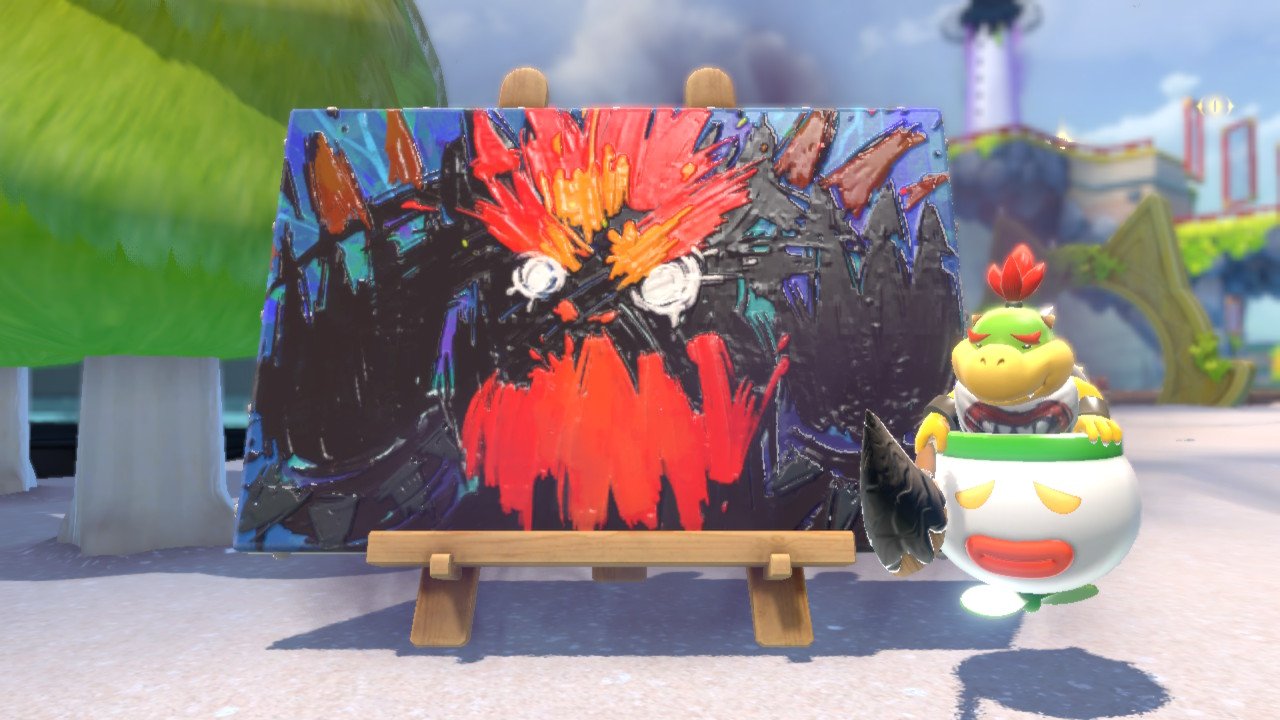
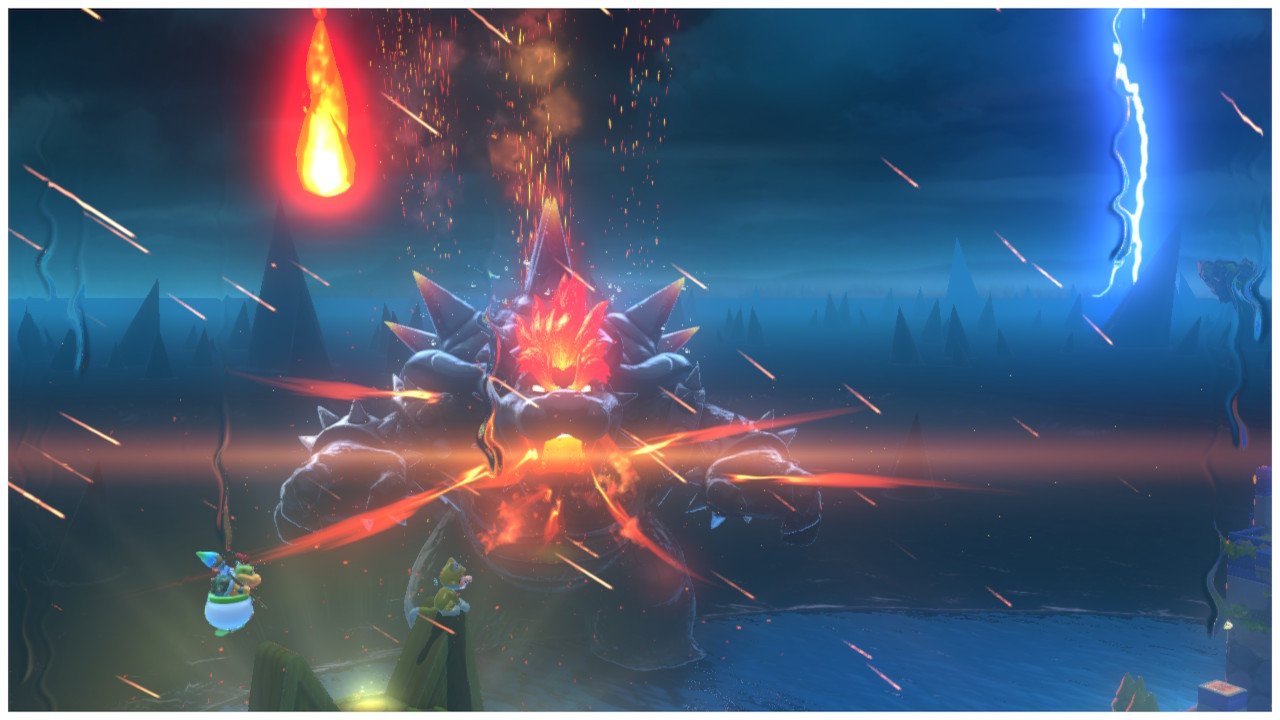
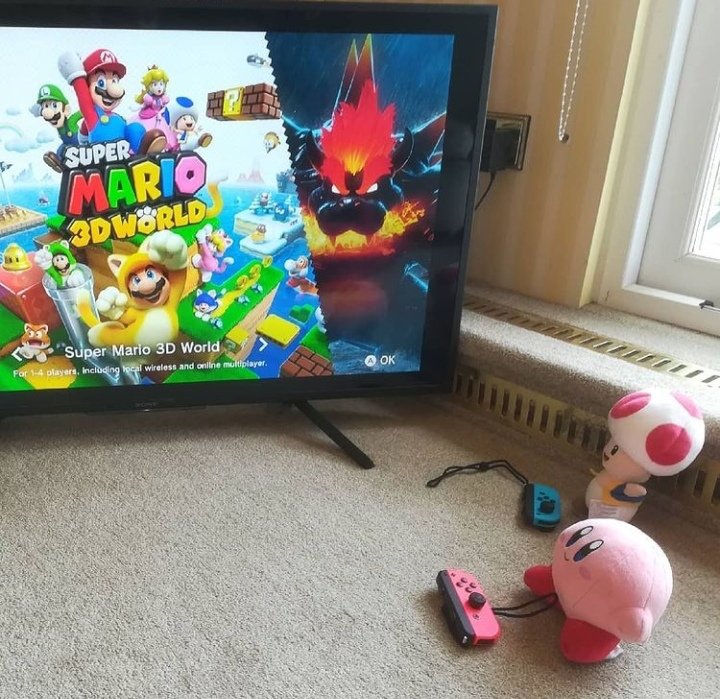
A short while ago, I played and completed Super Mario 3D World on the Switch port with my daughters. It became a weekly ritual as we played for about an hour a week, every week. Seeing the joy on my daughters’ faces as we entered a new world was one of the real pleasures of my life and, when we completed the game, the sheer excitement on their faces was heartwarming. However, as the curtain fell on that part of that game I dived in solo to the Bowser’s Fury expansion game and loved it. The open world gameplay style and Kaiju Bowser were epic and I loved the 5 or so hours it took to complete.

I’ve shared the screenshots from my gameplay below.

The Golden Age of Media

We live in the Golden Age of media and one of the biggest perks of these modern times is the ability to revisiting old films, TV shows, albums and video games or to fill in the gaps from our formative years. The advances in media distribution technology, digital TV technology (be it through online video-sharing platforms, streaming, video-on-demand, and web TV) has made accessibility easier and somewhat more equitable.

Sharing the Nintendo love!

The ease of access to media past and the sheer simplicity with which we can revisit old favourites or check older things out for the first time, has been a boon for sure, especially during Covid when many of us found ourselves with more time on our hands. However, as the saying goes "You can't go back again" and so it sometimes seems.

Over the past and a half, I've bathed in waves of nostalgia and whilst much of the media I consumed has stood the test of time (Mysterious Cities of Gold, Dogtanian, Ulysses 31, Streets of Rage 2, Sonic 2, A Chinese Ghost Story etc) many have not. This is all subjective obviously but have you tried to watch old Care Bears or He-Man episodes, played some old games like Balloon Fight or watched some of the 'classic' movies from the 80s that have casual racism, sexism and homophobia thrown in? Ooof!

It's also been a bit of a mixed bag when experiencing things for the first time I'd heard of but had never got to, whether due to finances, time constraints or simply availability. I've discovered great shows through streaming (The Storyteller: Greek Myths) but also some great old games through the Nintendo e-shop (too many to name to be honest). However, I've also revisited some old games on the older systems, either through the re-release on digital storefronts, Mini Classic Systems or through emulation and boy, some old games were really rough. I love the NES as it was a huge part of my childhood but a lot of the games on the NES mini have not stood the test of time well, nor on the SNES or Megadrive mini but especially on the Playstation Classic where many games look positively ugly now.

The danger is revisiting old games is in discovering that the games are rather bad but, due to a kind of Stockholm Syndrome brought about by only being able to buy games every couple of months, you got used to it and convinced yourself you loved it. I've recently played the Teenage Mutant Ninja Turtles NES game again for the first time in about 30 years and the poor level layout, unfair enemy placement, slow gameplay and lack of save points really grated on me. I'm sure we've all got stories of revisiting something and finding it not like we remember.

The sheer convenience of having most things available at the touch of a button without the old tribal gatekeeping has been amazing. However, with the multiple streaming platforms and walled garden ecosystems that have emerged recently, I'm worried that we are going to have the old fiefdoms emerge like back in the late 80s and 90s when cable, satellite etc each provided specific channels.

I like Ted Lasso and enjoyed watching all of season 1 and part of season 2 whilst housesitting but I want to watch the rest of the season. However, I don't want to subscribe to Apple TV for those 6 episodes, preferring to either buy the individual episodes or preferably the boxset.

I wonder if we are going to go back to the Wild West days of Limewire, Bearshare etc as inconvenience makes pirating an easier option. I hope not as generally people will pay of its convenient but we'll see how it all shakes out. At the moment though, I'm loving the convenience and the fact that there isn't a monoculture but rather a huge miscellaneous mix where people can find the avenue that interests them.

Viva la media revolution!

LINK- The Last Guardian- Video Games As Art

LINK- The Stone Tapes (BBC)- Cult TV Review

LINK- The Secret Garden (BBC 1975 Review)

LINK- Children of the Stones Review

LINK- Dead of Night: Cult TV Review

LINK- The Stone Tapes: Cult TV Review

LINK- Tom’s Midnight Garden: Cult TV Review

LINK- Children of the Dogstar: Cult TV Series Review

LINK- The Rise of Retro Gaming During Covid

LINK- Blood, Sweat and Pixels- Book Review

LINK: Japan: My Journey to the East

LINK- An English Geek in Saudi

LINK- ‘Natives: Race and Class in the Ruins of Empire’

LINK- On And On And Colston ( Or, How We Kinda Sort of Learned to Talk About the Legacy of Colonialism and the British Empire)

LINK: Let’s All Create a ‘New Normal’.

Afterparty- Video Games As Art

I have a bit of affection for Night School Studios as they made one of my favourite game of recent times, Oxenfree. With its follow up game, the studio ups the ante as you control teens Milo and Lola escaping Hell rather than the island of the previous game.

In Afterparty, you play beer pong and other drinking games but the game is an introspective look at what it means to be human and how it feels to face your own mortality. It’s a powerful and emotive game but I felt it didn’t quite stick the landing, and I played it through to get both endings. Its a beautiful game though and well worth a look.

Elidor- Book Review

Author Alan Garner is a well-renown British writer whose stories have fantasy and folk tales intermingle with 'real life' to create uniquely British stories that lean into the legends of these Sceptred Isles. Although most famous for his young adults (YA) work he has written for grown-ups too, however I have never read any of his work. I've known of him since childhood as I saw a lot of his books in the school and public library but only experienced his work through the television adaptation of his book 'The Owl Service' (which I reviewed a couple of years ago here) but that was about it. I wasn't taken with the central premise but thought the show had a brooding atmosphere and so, during the cold nights of October, I thought I'd revisit one of his most well-known and regarded works; Elidor.

The story is quite straightforward, Roland and his older brothers and sisters, find a hidden gateway to the cursed land of Elidor. They meet the King of Elidor, Malebron and learn of a prophecy where they are the `Chosen Ones' who retrieved the treasures and bring light back into the land. The children go on a mission in various locales and retrieve the treasures, bringing it back to their home but it causes electrical interference which alerts the dark forces. Will they be able to protect the treasure, fulfill the prophecy and help Elidor?

Elidor- This is the first edition cover

This is is the first edition cover for Elidor.

The story is all pretty basic fantasy fare and is of its time. The book is set in 1960s Manchester and has the children and their boring inner-city lifestyle detailed. When the children get to Elidor, which occurs right at the beginning of the book, it is intriguing as the children undergo trials to gain access to the treasures. It kind of reminds me of that Dungeons and Dragons cartoon episode where the heroes undergo their own personal trials. However, after this excitement it resumes in Manchester with such events as the television not working, taking the train and avoiding shadows. It all becomes a little anti-climactic. Also the characters are pretty bland and have very few individual characteristics to separate them. Roland is memorable as he is the main lead but you can’t really differentiate his siblings as they don’t really seem to have any real character traits except his annoying younger sister who you’ll remember just because she’s annoying and panics constantly.

Overall, Elidor is a book of its time and as such is fine to read but I definitely would not consider it a classic or essential read. Maybe I’m being overtly harsh as I am a man in my 40s reading a YA book but even so, I can’t imagine many of the pupils I teach now in school being enthusiastic about this book.

LINK- Japan: My Journey to the East

LINK- The 13 Best ‘Are You Afraid of the Dark’ Episodes

LINK- The Secret Garden (BBC 1975 Review)

LINK- Children of the Stones Review

LINK- Dead of Night: Cult TV Review

LINK- The Stone Tapes: Cult TV Review

LINK- Tom’s Midnight Garden: Cult TV Review

LINK- Children of the Dogstar: Cult TV Series Review

Genesis Noir- Video Games As Art

I've never really played a game quite like Genesis Noir before as boy is it a singular experience. The game is a cross between a film noir-style detective movie and a Cliff Notes version of the origins of the Universe and its end. Now, those two things shouldn't go together but they do in a wonderfully stylish and magical surrealist point and click adventure game. The art style in this game is lush looking, at times, like Lascaux cave art with stylised depictions of people, animals and locales. I don't want to spoil the game but there is one moment near the conclusion that will stay with me for a long time.

The game can be obtuse and sometimes confusing as there is very little written or spoken but the majesty of this game truly is artful.

A Chinese Ghost Story- Cult Film Review

Back in the early 90s, Hong Kong cinema (as well as much of world cinema) was still quite niche, cult and difficult to find in England. You'd get the occasional Bruce Lee movie on television and that was about it. I knew Bruce Lee through Enter the Dragon but that was it, my knowledge of the wider genre was very slim. That changed as Channel 4 (and later cable channels) started to show anime, manga and Asian Cinema more frequently and when Crouching Tiger, Hidden Dragon became a worldwide smash the floodgates opened. I may be misremembering but I think I was introduced to this film through Channel 4 or by a close friend who was a huge Jackie Chan fan before he became a 'name' in the West with the success of Rush Hour. However, by whatever means, A Chinese Ghost Story was one of the first HK films I saw and I fell in love with it, purchasing the Hong Kong Legends DVD for the then princely sum of £20 years later (that’s in the early 00s mind you so that’s mega expensive!)

Later I would realise that, whilst incredibly beautifully shot with sumptuous costumes and detailed sets, the film was a sum of the genre parts rather than a truly innovative picture. Another earlier Tsui Hark picture, Zu: Warriors of the Mountain (which I also purchased later, again by HKL) did a lot of what is shown here however, at the time I didn't mind as I didn't know any better and even now it doesn't bother me as the tale of a lowly, down on his luck tax collector falling in love with a spirit and trying to save her cursed soul still captivates me. The leads, played by Leslie Cheung and Joey Wong, are both wonderful with Cheung being awkwardly endearing whilst Wong playing all coyly seductive striking a magnificent chemistry. The swordsman, played by Ma Wu is amazing and his drunken rap is hilariously bad but purposefully so.

The wu xia string kung fu on show is sumptuously shot and the sight of flapping white veils against the dark blue nighttime sets is gorgeous and sets the appropriate spooky mood. The stop motion human husks look cheaply produced but with the tight budget this production no-doubt had, I can't complain as Director Hark makes them creepy and effective to the whole story. The last half an hour is just plain bat crazy with a evil bad who controls trees and has a giant slimy tongue, a trip to the ghost world and a battle to end all battles with the undead.

For those looking for some old fashioned fun horror, A Chinese Ghost Story is great watch, especially as all 3 movies are now on Amazon Prime.

Creeped Out- Complete Season 2 Review

It's that time of year again as the dark nights move in and the Halloween season gets into full swing. It's been a weird year, full of highs and lows, and so I didn't fancy watching anything too scary or contemplate existentialist thoughts such as Ernest Becker's duality of the human condition; the idea that there is the external version of ourselves that we share, either by the way we speak, dress, show our affiliations, and the internal version of ourselves, which is more difficult to describe but includes our thoughts, fears, hopes and dreams. However, ultimately we all have the core anxiety which is the fear concerning our mortality and that our life is fleeting. Instead of contemplating this, I decided to watch all of Creeped Out season 2 instead.

The first series was a 13 episode series of standalone spooky tales but the second series has a shorter 10 episode run. The stories are created for an all ages bracket, so think more 'Goosebumps' or 'Are You Afraid Of The Dark' rather than 'It' or 'Saw'. The tales all start in the same way, a preamble about The Curious, a slight teen figure in a creepy mask who likes to collect tales of dread whilst whistling an unsettling melody. There are a mixture of American and British stories and as such, the cast is quite diverse and the level of acting is pretty standard, so don't go expecting any Oscars or BAFTAs grade performances. However the stories themselves are quite intriguing and do enough to keep the interest up.

The episodes are a plethora of horror tropes including creepy newborn baby, the AI taking over and magic evil maguffin and the episodes recall classic films like 'The Breakfast Club', '2001: A Space Odyssey' and 'Aliens'.

The stories all have a monkeys paw ending of 'be careful what you wish for' but one of most interesting thing to note is that no matter the episode the power of the storytelling and kitchen sink creepy atmosphere made them all worthwhile watching, which is particularly impressive when you consider each episode had a tiny budget of like a fiver.

The episodes include :

The Unfortunate Five- When a group of students has a Saturday detention they are introduced to a mindfulness coach who wants them to share their feelings. The problem is that she's an emotional succubus and gets joy from their misery... So how to deal with this?

Only Child- When a family gets a new baby the older sibling seems jealous but the new baby is not what it seems.

The Takedown- When a female wrestler gets a chain message to get what she wants she requests strength... but at what cost?

Help- When the voice controlled home assistant gains sentience and takes over the house the 2 spoiled kids learn a lesson.

One More Minute- When a young gamer meets an online friend who convinces him to continue playing the game, at the cost of other commitments, the ultimate costs becomes too much to bear. Tempus Fugit indeed.

Splinta Claws- When a boy loses a precious present in a department store he waits until closing time to retrieve it. The problem is an animatronic Santa is after him as he's on the naughty list.

Itchy- When there's a head lice outbreak it seems all pretty low-key. However, these are mutant love and they won't go quietly.

No Filter- After downloading a free filter, a young and vain girl realises that her prized feature is stolen to be sold to the highest bidder.

Tilly bone- A vloggers birthday party gets out of hand as a Tilly Bone (think nightmare creator) is gifted to her.

The Many Places- A group of children get lost in an alternate reality when one of them presses all the buttons in a lift.

The episodes are all pretty solid but for me the standouts are Splinta Claws and The Many Places as they are nerve-wracking, in a kid-friendly way, whilst having an intriguing story.

Creeped Out is a great series that leaves a lot up to the imagination. It's all quite lightweight but covers heavy stuff like parallel worlds, data theft, the rise of AI and errm, evil babies. It's all uniformly solid and worth a watch for tweens looking to be spooked out.

LINK- The 13 Best ‘Are You Afraid of the Dark’ Episodes

LINK- The Secret Garden (BBC 1975 Review)

LINK- Children of the Stones Review

LINK- Dead of Night: Cult TV Review

LINK- The Stone Tapes: Cult TV Review

LINK- Tom’s Midnight Garden: Cult TV Review

LINK- Children of the Dogstar: Cult TV Series Review

Old Man's Journey- Video Games As Art

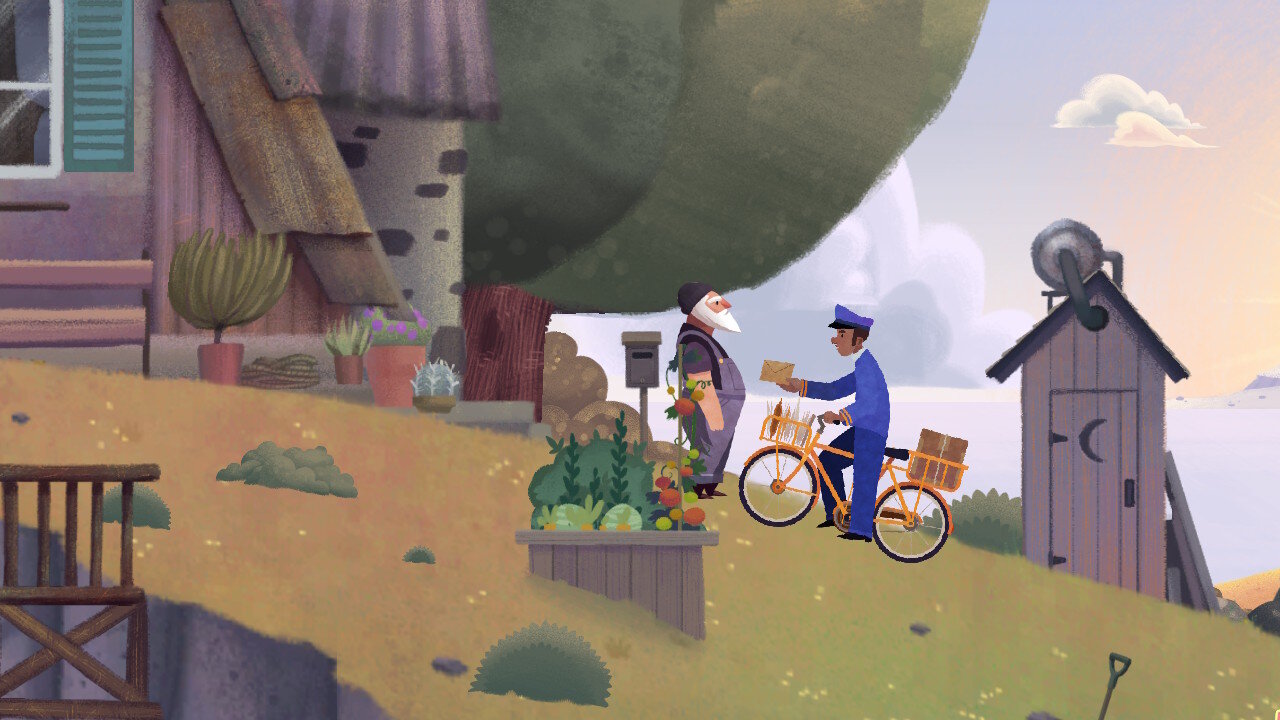
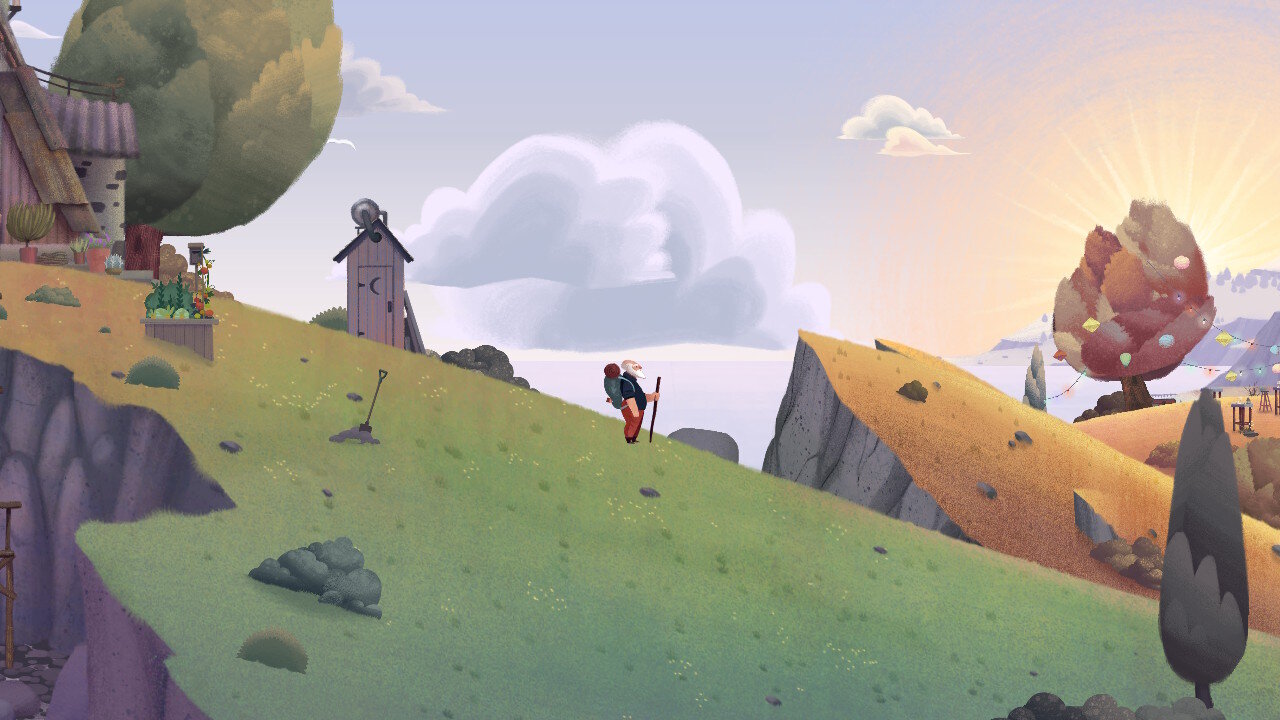
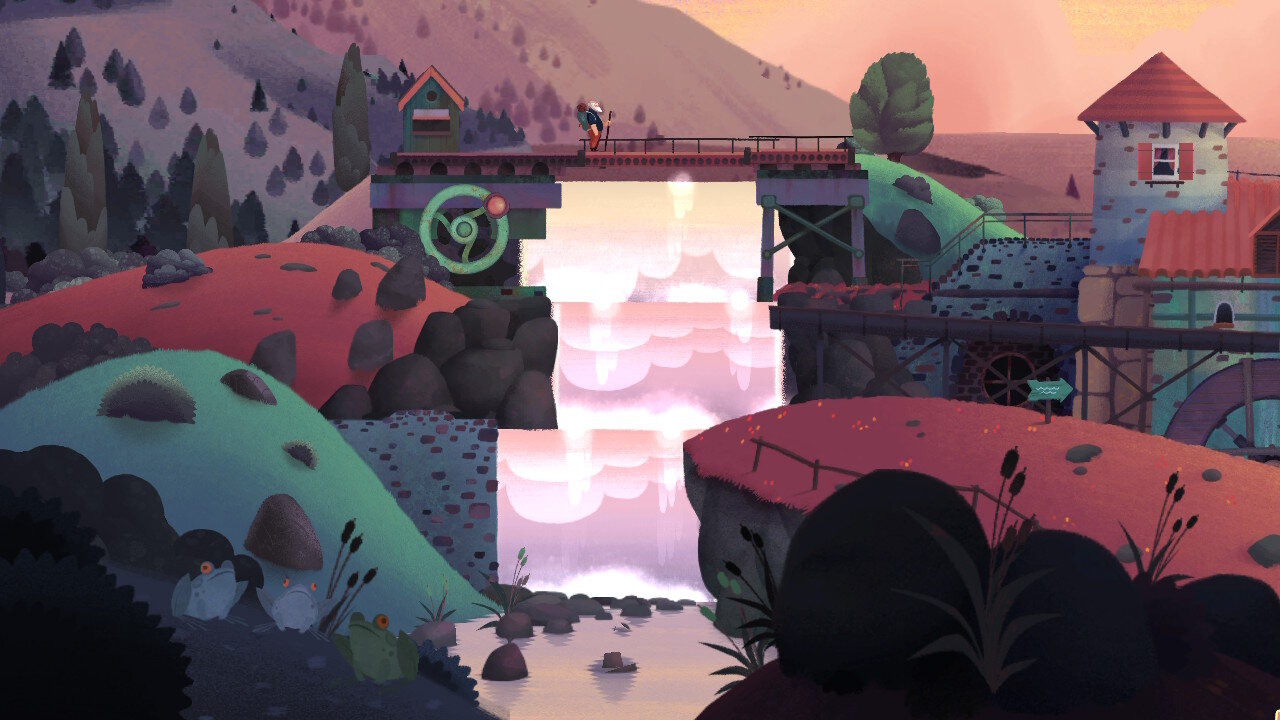
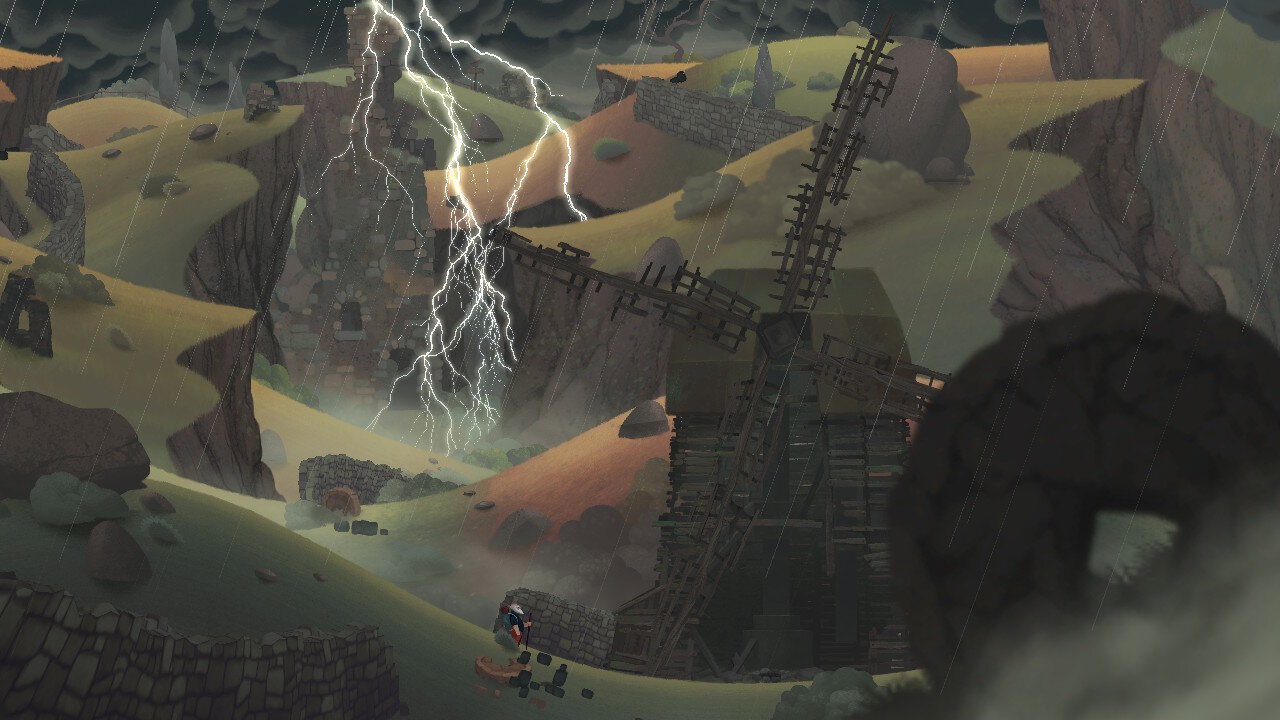
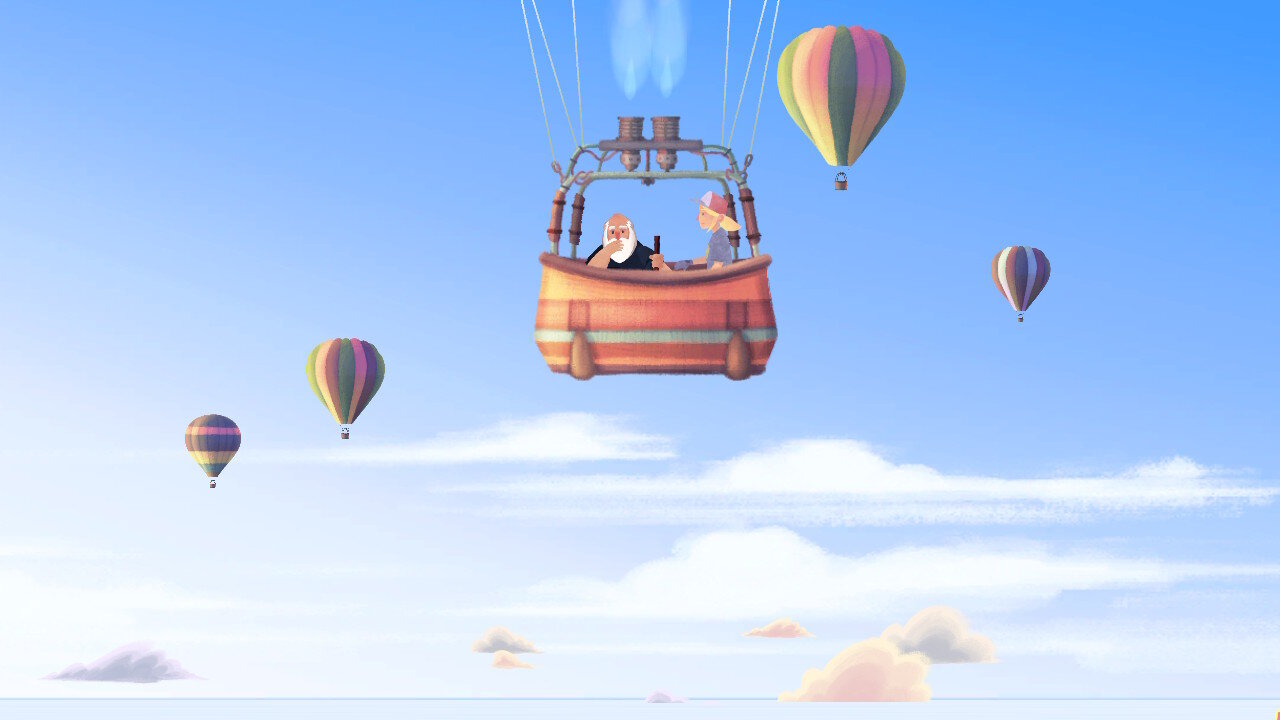
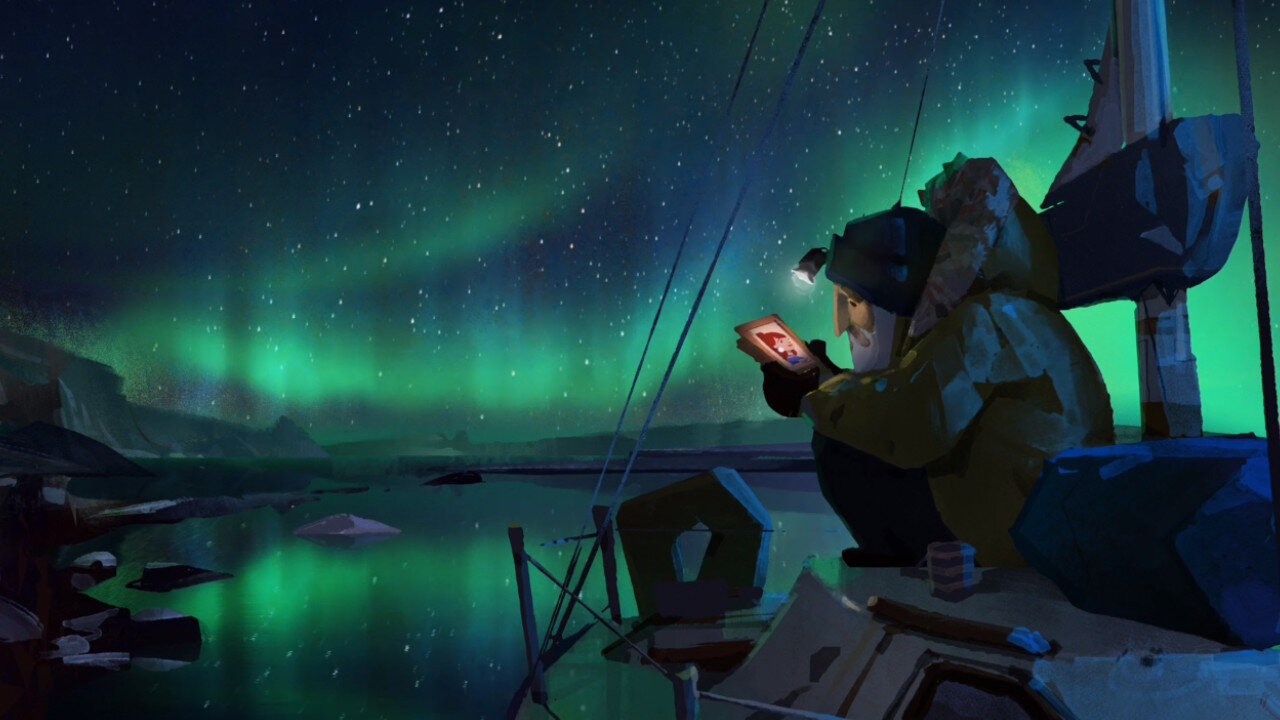
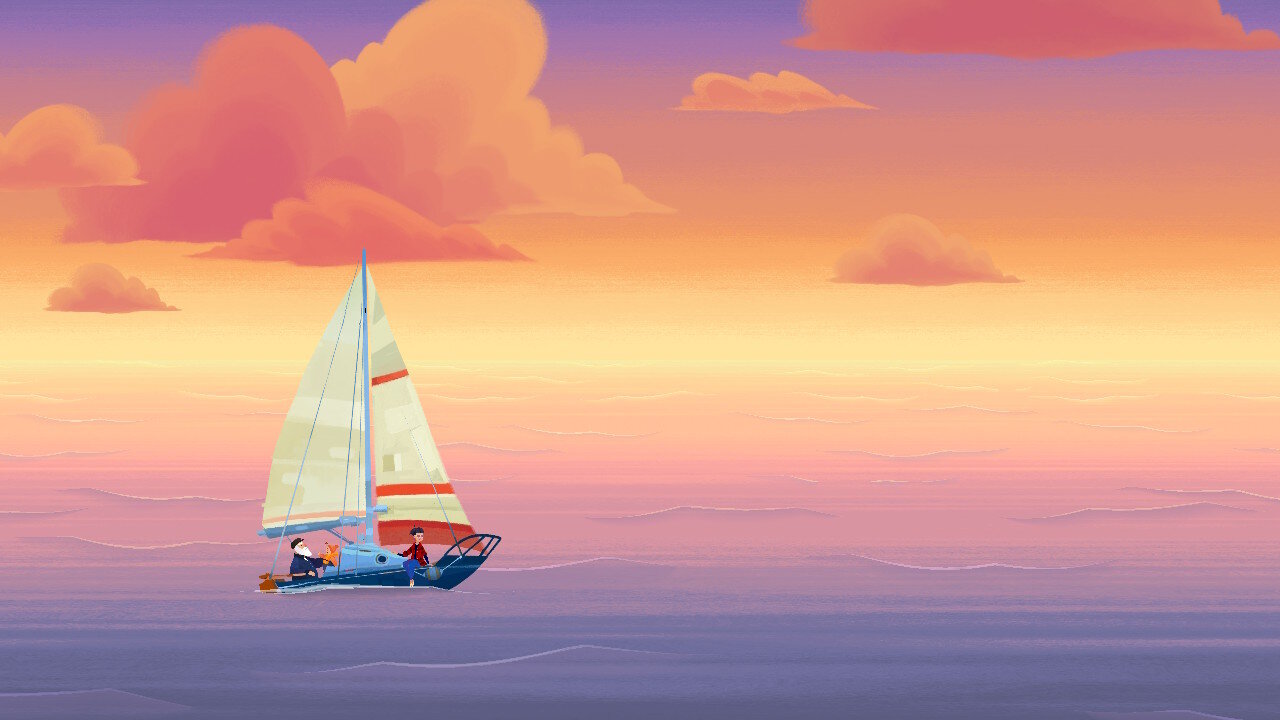
Old Man’s Journey is a slow, meditative game about the decisions we make and the repercussions. In the game you play the titular Old Man who goes on a long journey after receiving a letter. You manipulate the gorgeous landscape and hills as you try to arrive at your destination in one piece. The game is very painterly and the soundtrack is sublime, making up for the simple game mechanics.

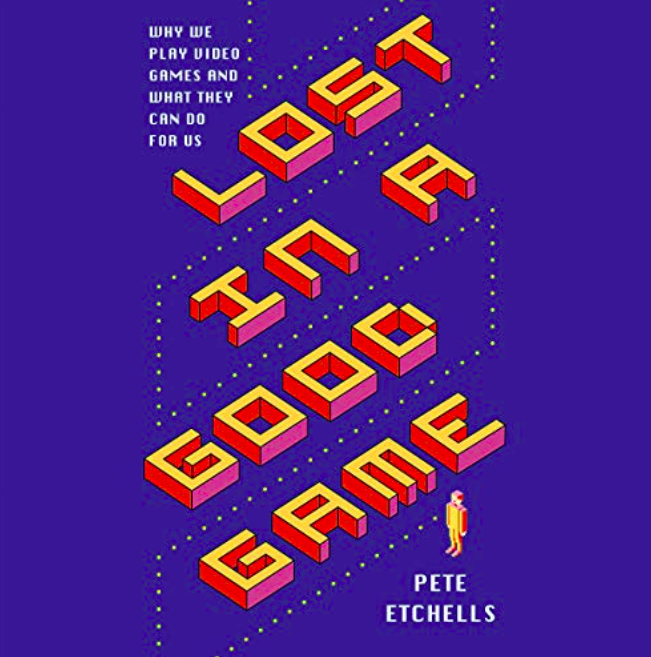
Lost in a Good Game: Why We Play Video Games and What They Can Do for Us- Book Review

'Lost in a Good Game’, by gamer and psychologist Pete Etchells, takes us on a journey through the most pertinent questions facing the video game medium in this part memoir, part exploration of video game psychology, and, surprisingly, part research primer. The book looks behind the various demonising headlines which are often in the tabloids about how video games are leading to the degradation of society (re: violence, addiction etc) and considers if these are true. He also looks at how the research is carried out in these area as well as the broader sciences and identifies the limitations and failures of current research methodologies whilst providing solutions to improve all future research. That’s quite the remit but does Etchells achieve what he sets out to do?

Lost in a Good Game

Well, firstly I going to say that it’s a bit of a novelty that the author is British as most books and podcast I’ve read and heard/listen to are primarily American so there are some significant events that I cannot relate to. The Video Game Crash of 1984 was a huge deal in America but here in Britain, and Europe as a whole, the microcomputer revolution was chugging along just dandy (dandily?), so it's great to get another angle. Etchells is earnest and honest with his stories and this lends the whole book a feeling of relatability and self-reflection. His personal stories about how video games have played important roles in different parts of his life, gives the book an emotional weight. The places and events he mentions from his own childhood were familiar to me and relatable and so I found myself able to empathise with him. However, irrespective of the background of the author the 13 different chapters covered in the book are universal themes that cover the medium across the globe.

Chapter 1, Dungeons and Demons, looks at Warcraft and how there are many ways to play this MMORPG- there are pacifists, mages, warlocks as well as the usual warriors and fighting classes. WOW is more to do with the sense of community and collegiate responsibility than just loners, sitting in their basements. Etchells discusses why WOW was so important for him as it helped him process the death of his father. He says that through video games we live many lives and through death in video games we learn about our own mortality, to take risks and learn.

Chapter 2, A Brief History of Video Games, sees Etchells briefly talk about the evolution of early computers and video games. He discusses the Power Out Video Game Exhibition (which is found in the Science Museum in South Kensington), The National Video Game Arcade (which is found in Sheffield), and the non-linear evolution of video games. It's useful stuff for those who want a quick potted history of the medium.

Etchells talks about how the sounds of the arcade reminds him of his childhood and the holidays he had. He's not wrong, playing Final Fight and R-type always reminds me of Heathrow Airport as it was there I first played these games whilst waiting for my uncles and aunties to arrive from Pakistan in the 80s.

Chapter 3, Why Do We Play Video Games? looks at the different reasons people  play games. For the author, it enabled him to parse the fact that his father was seriously ill. For others it's based on Richard Bartle's anecdotal data that helped him create his work on the 4 archetypes of players: Achievers, Explorers, Socialisers and Killers. Etchells looks at the robustness of the research carried out and argues that there has not been enough good quality research done on the subject and that the scientific process has been left wanting, often with studies already assuming that the player will fill one of these archetypes or a derivative of one. However, Etchells argues, successfully in my opinion, that there are many different reasons why people play games and even within the same individual the reasons they play may change.

I wrote a little about how video games have helped many during the Coronavirus pandemic and me personally to process the new normal (link here). I have had Skyrim for many years and only during Covid did I pour over 200 hours in as I was seeking escape and an openness that was missing in my life. Beforehand, I'd found the game too vast and unknowable, during Covid.... No problem. Now, after Covid, I play it to enjoy the peace and calm afforded by the landscape.

Chapter 4, Control and Imagination, looks at how games are an emergent phenomenon which many moral guardians do not understand and so are vilified. Etchells discusses how Minecraft was a cultural touchstone, enabling unrivalled creativity but how many saw it as being a danger to youth as it was addictive etc. Etchells also discusses how many who look down on the medium have very little to do with it-cherry picking examples of violence to say that this is what games are but obviously there are different genres so it's a very simplistic argument.

Chapter 5, A Brief Interlude, looks at the research which is being done on video games and its influence on society and individuals psychology. Etchells discusses the problem with how scientific studied that are exciting and cutting edge are often brought to the fore and heavily advertised yet replication (repeating the experiment to see that the results track and are accurate) are not, thus you have ludicrous situations such as an experiment claiming psychic abilities exist. The test was fair and carried out well but wasn't possible to replicate but in the wide community there existed the thought that psychic abilities exist. The fact that research is funded and often the outcome will result in further funding and job opportunities means that much of Social Psychology has been found to be based on questionable research and selective data tampering, these are generally called Questionable Research Practices (QRPs). It's this that has affected many of the Sciences and led to a general weariness of headline discoveries. Etchells says that when replication experiments were carried out on hundreds of published papers nearly 3/4 were not replicable. That's means that the data and science that exists in social sciences is based on false data and the whole house of cards topples.

This chapter was particularly illuminating and paints a damning picture of the sciences, especially the social sciences where the replication procedures have shown that most of the claims made and approved in scientific papers were wrong.

Chapter 6, Are Violent Video Games Bad For Us? has Etchells looks at the issue and how scientific methodology to answer this question have not been stringent. Etchells discusses the various studies and explains how they are flawed but mentions that generally, the research shown does not link correlation with causation.

Chapter 7, Moral Panics, talks about how there are periods of time where 'folk devils' are created. This is where a narrative is pushed that an individual, group or idea is deviant and is to blame for societies ills. This occurred with the printing press, women in theatre, books, comics, rock music, Dungeons and Dragons ,
and now video games and the Internet. Etchells says that often moral panics are, more often than not, based on anecdotal data and that the scientists who pursue new media as a 'folk devil' do so because they feel like they want to better society and often have a halcyon view of their morality, childhood as a whole and their childhood. Generally, those who had more experience and interactions with youth and video games were more positive than those who didn't.

Chapter 8, Are Video Games Addictive? looks at how the usual way to measure addiction is by creating a facsimile of alcohol and drug addiction. However, whereas there is plenty of evidence about substance related harm there is very little evidence as regards harm and gaming addiction. Etchells discusses the issues raised by the World Health Organisation (WHO) categorising Gaming Addiction alongside these other addiction- primarily that there is no clear evidence to support this fact. The fact that there are Bootcamps to overcome this 'addiction' is worrying, especially when news of ‘correctional camps’ in China with some suicides comes into play *cough* Uyghur *cough*

Etchells does discuss the worrying trend of loot boxes, gambling mechanics and freemium models entering the gaming space and how, in the long run, this could cause societal problems for those with addictive personalities or neurodivergent. He wrote the book in 2018 and so the recent House of Commons discussion regarding gambling mechanics hasn't been covered but he was very prescient.

Chapter 9, Screen Time, looks at the concerns surrounding screen time. Much like in chapter 8, Etchells argues that the headline grabbing hot-takes dominate the mainstream news media but actually they somewhat misrepresent the data as it is not as clear cut as they are presented. Many of the concerns are based on anecdotal rather than empirical data and this raises concerns as the conversation is affecting policies without careful thought. Etchells isn't saying that there isn't an issue with screen time or addiction but rather than the quality of research and discourse needs to be better.

Chapter 10, Immersion and Virtual Reality, has Etchells looking at the way people see virtual reality- either Matrix style subjugation by the machines, of people plugging in and dropping out of society like in Ready Player One or of a way to play games to deal with real world issues like PTSD. Etchells worries that companies will create exploitative VR worlds that maximises profit rather than build worlds that would be for the embetterment of society. We shall see but I don't disagree with him.

Chapter 11, Wayfaring and Wayfinding, looks at how video games can be used to collect data, not for nefarious means, but for scientific endeavours. Etchells talks about how the data gained from Sea Hero Quest provided lots of data for scientists researching dementia. The findings were fascinating and shows how video games can be a force for good.

I've spoken about how crowdsourcing work has helped solve problems that would have taken many years to resolve. This collective effort to solve problems could have huge real world problem solving implications.

Chapter 12, Digital Spectator Sports, looks at the rise and dominance of esports. Etchells looks at the nascent beginnings in South Korea to worldwide viewing figures surpassing the NFL viewership. He also discusses how schools and organisations are using esports to develop communication and teamworking skills. Etchells discusses how, rather than being a leveller, the leagues often have huge majority of male players, even if there are excellent female players. He cites the exclusion of an outstanding South Korean Overwatch player who wasn't picked up by any team and the lame excuses they gave.

I don't always get esports but then I rarely watch sports except the World Cup and Olympics. However, I can see the attraction of esports as it has heroes and villains in its cast and I don't mean the online avatars. I just wish the homophobic, xenophobic and mysogyny wasn't a huge part of the game. In light of the #MeToo and #BLM movement esports should be a great equaliser but it rarely is.

Chapter 13, Loss, looks at the precarious situation regarding video games. Because they are part of a planned obsolescence many studios don't keep the code or materials and as a result much is lost to time. Where games have been stored they slowly deteriorate, for example many cassettes, carts and cds don't work anymore. Rather than dwell on this Etchells believes that we should be preserving the stories surrounding the games as their cultural relevance and impact lies in this, not just the tangible objects slowly deteriorating behind perspex. I'm reminded of a small local library exhibition I used to often take my pupils to, it shared the story of 5 immigrants into England. Behind the glass were shabby suitcases, old passports and paperwork and faded fuzzy photos but what stuck with me were the phones where you could listen to the people who these items belonged to. It brought the items to life and rathe than just see these things as artifacts they became something more-that dirty old teddy with the eye missing was the most precious thing to this old lady on the phone when she was 5, escaping Austria and the Nazis. Context is everything and so, letting the artifacts die is sad but inevitable with gaming but its the larger story we should be preserving.

I like this attitude as with recent retro games prices it makes the most sense. With YouTube this is happening as some fans have started to create portfolios including Jeremy Parish with his Gameboy series and Frank Cifaldi with the Video Game History Foundation. I've kind of spoken about my personal journey with video games through my ‘Nintendo- My One True Constant’, 'What Video Games Can Teach Us’ and ‘Did Videogames Just Save the World?’

Videogames are an artform whose primary form is agency but, more than that, they offer an escape and some hold up truths within. In some story-based video games, we get to understand people and gain a deeper level of understanding of humanity and ourselves. Etchells’ book looks at a myriad of different issues and eloquently discusses them. I loved the book and would highly recommend it for anyone looking at a deep dive into the medium.

LINK- The Last Guardian- Video Games As Art

LINK- The Stone Tapes (BBC)- Cult TV Review

LINK- The Rise of Retro Gaming During Covid

LINK- Blood, Sweat and Pixels- Book Review

LINK: Japan: My Journey to the East

LINK- An English Geek in Saudi

LINK- ‘Natives: Race and Class in the Ruins of Empire’

LINK- On And On And Colston ( Or, How We Kinda Sort of Learned to Talk About the Legacy of Colonialism and the British Empire)

LINK: Let’s All Create a ‘New Normal’.