Wicked City - Cult Manga Review

In the early 90s UK manga boom, there was a fear that "Japanimation" was corrupting our youth, and Urotsukidōji: Legend of the Overfiend was the absolute poster child for what parents feared we were watching on VHS. Joining this infamous shortlist was 1987's Wicked City by Yoshiaki Kawajiri—the very definition of late-night, top-shelf anime salaciousness and the kind of movie people assumed you’d only find nestled between Ninja Scroll and Akira in a dusty comic shop somewhere in Soho. However, it was everywhere, including Virgin Megastore, HMV and Forbidden Planet, as well as my precious Rodney's Books and Games. I never watched the film at the time but thought I'd give it a look now to correct my old-skool manga knowledge gap. So, how does it fare?

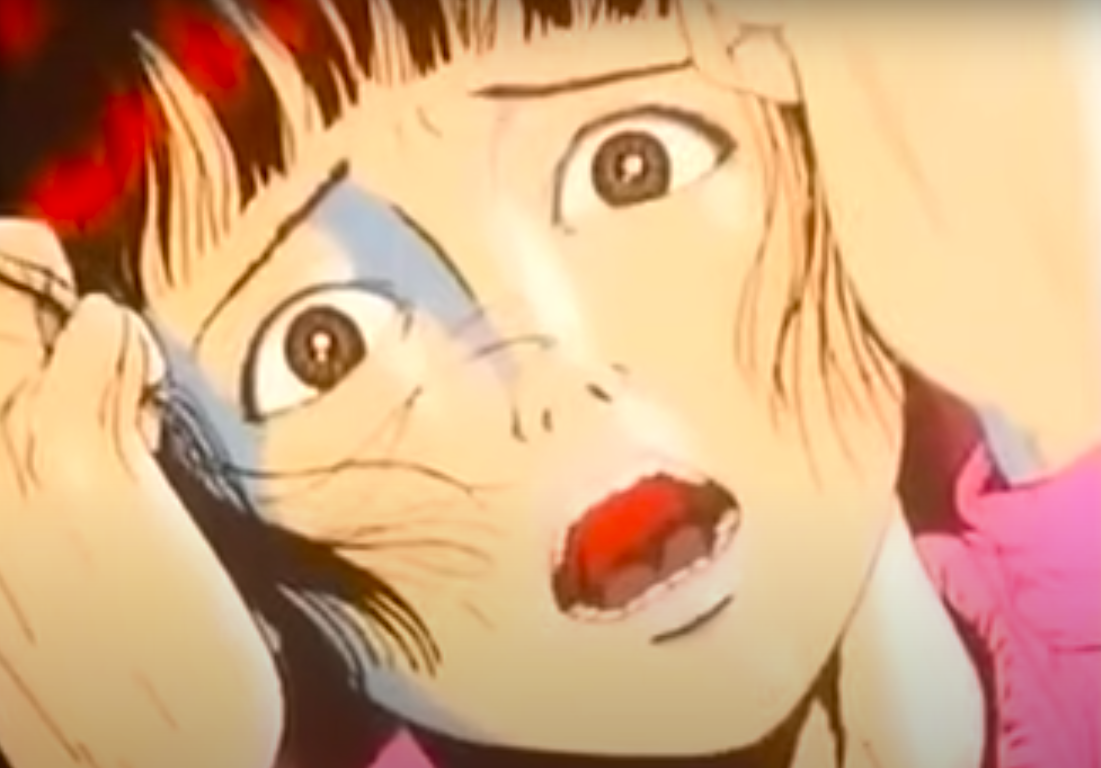
Well, the film wastes no time setting its dark tone, giving us THE iconic spider-woman scene within the first five minutes—one I'd heard about from friends over 30 years ago but had never experienced until now. Our protagonist, Taki, thinks he’s getting lucky with a beautiful woman in a bar, only for her to transform into a terrifying arachnid demon, sprouting massive legs from her torso to pin him down. It’s a legendary piece of body horror that instantly hooks you, setting the stage for a pretty straightforward, hard-boiled noir affair where Taki, a member of the secret "Black Guard," must protect a fragile peace treaty between the human world and the demon realm.

The animation is gorgeous, fluid, and has that signature Kawajiri sense of style that perfectly evokes the era; it looked head and shoulders above most other studios at the time. We get heavy shadows, stark neon blues and purples, and framing that feels incredibly cinematic. While Demon City Shinjuku kept its edge-lord tendencies relatively reined in, Wicked City dives straight into the deep end of problematic territory. The film is packed with gratuitous sex and graphic sexual violence, featuring tentacle assaults and demon violations that definitely push past simple fanservice and into genuinely uncomfortable territory.

It’s a product of its time, and the characters fit those 80s archetypes perfectly: Taki is your quintessential trench-coat-wearing, chauvinistic slacker who happens to be a badass with a gun, while his demon partner, Makie, actually gets some great moments of agency and holds her own in a fight, even if the script constantly subjects her to distress. This is all brought to life by voice acting that is highly indicative of the era's localization quality—which is to say, the dub is gloriously wooden. Taki sounds like a man trying to read a grocery list while doing a flat Clint Eastwood impression, and the ancient mystic they are protecting sounds like a bizarre, screeching caricature. It is stiff, clunky, and completely drains the tension from otherwise horrific scenes, but honestly? I love it. It adds a brilliant layer of unintentional comedy to an otherwise grim, self-serious movie.

Overall, whilst problematic for its gratuitous sexual violence, the lush animation, iconic framing, and that legendary opening five minutes make it almost mandatory viewing for fans of peak bubble-era Japanese animation. It’s well worth the 80 minutes or so of your time... just maybe don't watch it with your other half.

LINK- Fire Tripper- Cult Manga Review

LINK- Akira Soundtrack Vinyl Review

LINK- Monster City- Cult Manga Review

LINK- Japan: My Journey to the East

LINK- The Offworld Collection- Book Review

LINK- Manga Exhibition at the British Museum

LINK- The Midnight Library and the Idea That You Can’t Go Home Again

LINK- The Transportive Nature of Objects (And the Power of Mini Consoles)
Record of Lodoss War - Cult Manga Review

Back in the heady days of the early 90s, when anime was still widely referred to as "Japanimation" in much of the West and finding new titles meant making an expensive pilgrimage to Forbidden Planet or hunting through the back shelves of local comic shops like Rodney's Books and Games in Barking, one series stood above all others as the ultimate gateway to fantasy: Record of Lodoss War.

While this period was famous for cyberpunk dystopias and hyper-violent horror, this 1990 13-episode OVA series took a completely different path, giving us unadulterated high fantasy. I never got around to watching it at the time as it was prohibitively expensive and quite difficult to find but strangely, despite this, it always cast a long shadow. Because it was so formative to the genre, it regularly dominated the pages of the various manga and anime magazines I bought at the time. Decades later, I finally sat down to see if the reality matched the legendary reputation.

The story centres on Parn, a headstrong but incredibly green young warrior eager to clear his late father's dishonoured name. When his peaceful village is attacked by goblins, Parn sets off on a quest to defend his homeland, quickly assembling a classic, ragtag party of adventurers along the way.

What starts as a localised skirmish, however, quickly spirals into a continent-spanning crisis. The dark island kingdom of Marmo is launching a massive invasion of the civilised realms, orchestrated by shadowy conquerors and Karla—a mysterious "Grey Witch" who has been pulling the geopolitical strings of Lodoss for centuries to keep the world in a state of perpetual, balanced warfare. It ultimately falls to Parn and his newfound companions to stop the forces of darkness, solve the riddle of the witch, and prevent the resurrection of an ancient, destructive deity.

Watching the series [null]today, I found it immediately clear that Lodoss War is steeped very much in the high fantasy Tolkien tradition. You’ve got ancient dragons guarding legendary hoards, grumpy, axe-wielding dwarves, majestic but aloof elves, and enough magical doodads and cursed artifacts to fill a D&D dungeon master’s almanac. That tabletop game's DNA runs incredibly thick through its veins as it follows a classic heroic party's journey, but the show treats its lore with a level of sincerity and weight that makes the world of Lodoss feel genuinely ancient and mythological rather than just a collection of tired tropes.

What truly elevates this OVA into the tier of timeless classics, though, is its absolutely beautiful art style. This is peak 90s hand-drawn cel animation, and the visual design is nothing short of breathtaking. The production team went all-out on world-building, and it shows in the amazing attention to detail on the backgrounds. Every moss-covered stone in a forgotten ruin, every flickering torch in a sprawling castle hall, and every sweeping shot of the Accursed Island feels like a living, breathing painting. There is a texture and a lived-in warmth to these environments that modern, sterile digital animation often struggles to replicate. It doesn't just provide a backdrop for the action; the scenery actively tells the story of a war-torn continent.

Holding this vast world together is a deeply likeable crew of characters. While Parn is the naive centre, the show thrives on the chemistry of his party. You have Slayn the wise wizard, Ghim the rugged dwarf, Etoh the loyal cleric, Woodchuck the cynical thief, and, of course, Deedlit—the high elf who practically launched a thousand anime elf tropes with her iconic long ears and fierce grace. Watching this group grow from a localised defence force into a tight-knit found-family tasked with saving the world is incredibly rewarding. You become genuinely invested in their survival, which makes the stakes feel incredibly real when things go sideways—and things do go sideways in quite spectacular fashion.

The show delivers some of the most detailed fight scenes of its era, easily rivalling the kinetic energy of 1986’s Arion. The choreography is top-notch, swapping out the abstract speed-lines of lesser shows for fluid, weighty physical combat. Swords clash with a [null]satisfying metallic crunch, shields splinter, and the spellcasting feels appropriately cataclysmic. Whether it’s a small-scale skirmish against a band of goblins or a massive, multi-army clash against the forces of Marmo, the action is beautifully framed and meticulously animated. The dragon fights in particular are legendary, capturing the sheer, terrifying scale of these beasts as they tear through landscapes.

Overall, the Record of Lodoss War OVA is a masterclass in classic fantasy animation. It’s a warm, comforting blanket of a series for anyone who loves epic quests, beautiful artwork, and a proper old-skool adventure.

If you haven't revisited it since the VHS days—or if you're a newcomer like me, finally looking to see where modern fantasy anime found its footing—it is well worth your time. Grab a cup of tea, dim the lights, and let yourself get lost in Lodoss.

LINK- Fire Tripper- Cult Manga Review

LINK- Akira Soundtrack Vinyl Review

LINK- Monster City- Cult Manga Review

LINK- Japan: My Journey to the East

LINK- The Offworld Collection- Book Review

LINK- Manga Exhibition at the British Museum

LINK- The Midnight Library and the Idea That You Can’t Go Home Again

LINK- The Transportive Nature of Objects (And the Power of Mini Consoles)
Azumanga Daioh - Cult Manga Review

Back in the early 2000s, there was a massive paradigm shift in the world of anime and manga. While the late 90s had conditioned us to expect giant robots, existential cyberpunk dread, or high-stakes shonen battles, a quiet revolution was brewing and leading the charge with pure, unadulterated absurdity was Azumanga Daioh.

Adapted from Kiyohiko Azuma’s brilliant four-panel manga (the massive compendium of which sits proudly on my shelf), this 2002 series practically laid down the blueprint for the modern "slice of life" genre. Looking back at it now, it remains a wonderfully nostalgic, cute, and delightfully quirky masterclass in character-driven comedy. It seemed the perfect fit for the optimistic new millennium that many of us were envisioning... I wonder how that turned out?

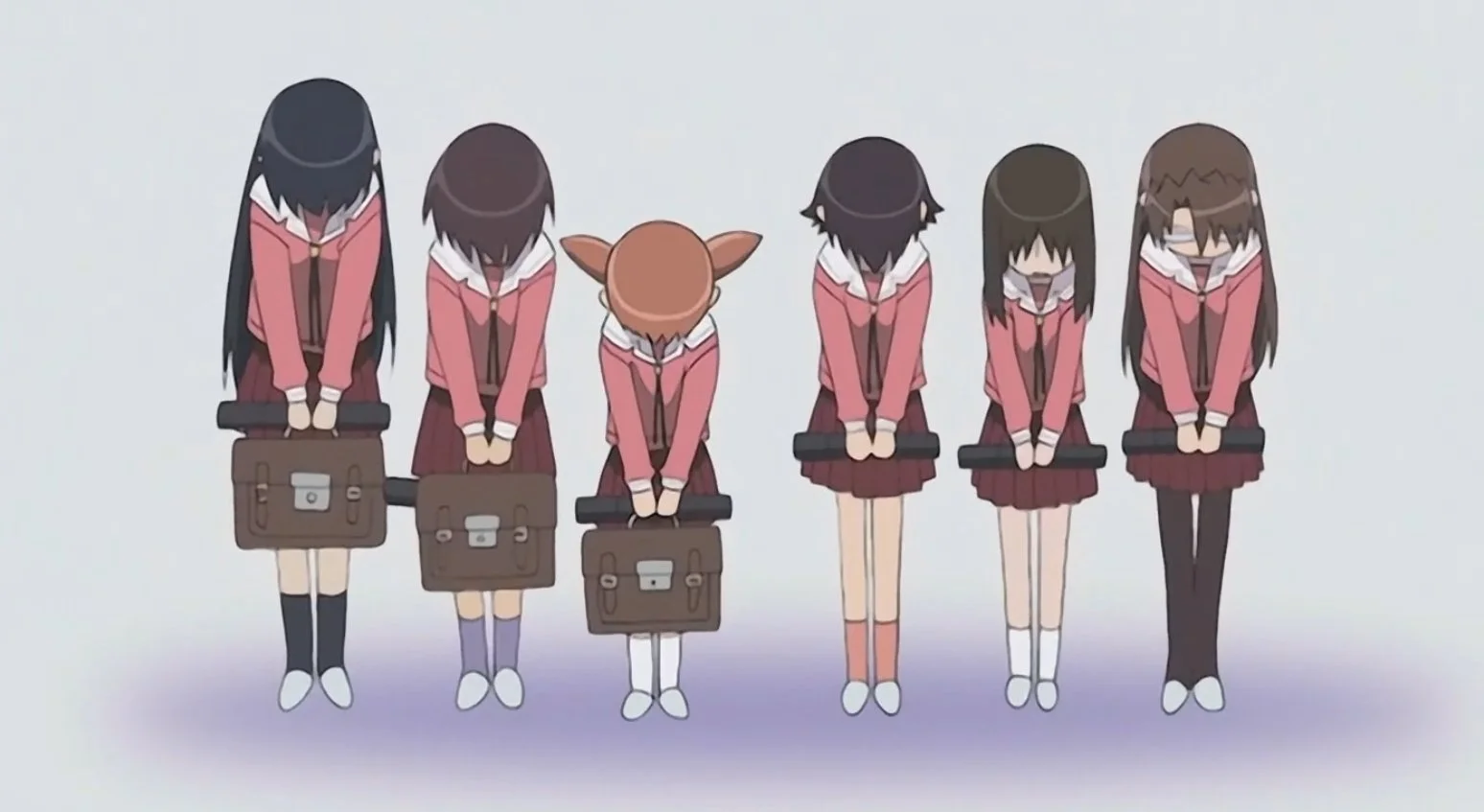
At its core, Azumanga Daioh doesn’t have a plot in the traditional sense. It simply tracks the lives of a few vastly different girls navigating their three years at an ordinary Japanese high school. The magic lies entirely in how these distinct personalities bounce off one another. You have Chiyo-chan, the ten-year-old child prodigy who enters high school early but remains adorably naive; Sakaki, the tall, athletic, and intimidating girl who secretly just wants to cuddle soft cats (who routinely bite her); Tomo, a walking weapon of chaotic energy; and Yomi, her long-suffering, diet-obsessed best friend.

As the show is structurally tethered to its short-form comic roots, the episodes are broken up into bite-sized vignettes and so this format allows the animation to indulge in a barrage of cute non-sequiturs, drifting away from reality at a moment's notice to pivot into bizarre dream sequences or random, disconnected gags. Admittedly, because the humour is so relentlessly surreal and experimental, most of these sketches hit the bullseye—just not quite all of them. A few jokes linger a second too long or dive so deeply into abstract Japanese wordplay that they might leave you scratching your head. But when the comedy lands—which is about ninety per cent of the time—it is absolutely hysterical.

While the entire ensemble is fantastic, the crown jewel of Azumanga Daioh is undoubtedly Ayumu Kasuga, universally known by her nickname, "Osaka." Transplanted from her hometown to Tokyo, she starts out with the classic, quirky country bumpkin shtick, but her regional background quickly takes a back seat to her utterly unique psychological wavelength. Osaka operates on a severe time-delay; her brain exists in a permanent, hazy state of low-battery daydreaming that provides the show with its absolute best moments.

Some of my favourite bits in the entire series stem from Osaka's bizarre internal "contemplations." Whether she is genuinely wondering if Chiyo-chan’s pigtails can be detached to serve as flight propellers, or staring blankly into space imagining the inner lives of stray animals, her logic is as flawless as it is unhinged. And then, of course, there is the legendary hiccup incident. Watching Osaka succumb to a sudden bout of the hiccups, only to instantly terrify herself with the urban legend that having one hundred hiccups in a row will literally kill you, is a masterclass in comedic escalation. Her increasingly desperate, space-cadet attempts to cure them before hitting the fatal number is peak Azumanga, perfectly balancing adorable vulnerability with laugh-out-loud weirdness.

There are other stand out vignettes - be it the Summer holiday break away to Chiyo-chan's pied de terre, the ultra competitive sports day, Osaka's confusion between escalators and elevators, Chiyo-chan's adorable penguin costume for Cultural Festival Day, the meeting place in a crowd being Sakaki as she is the tallest person - that will speak to you and the universal experience of going to school and hanging out with friends.

Rewatching Azumanga Daioh today feels like stepping into a time capsule of a gentler, weirder era of anime. It doesn't rely on high stakes, fan service, or complex lore. Instead, it invites you to sit back and enjoy the mundane, distorted through a beautifully eccentric lens. If you are looking for a comforting, laugh-out-loud slice of life that celebrates the joy of doing absolutely nothing with a group of loveable weirdos, this classic is still mandatory viewing. Pop the kettle on, embrace the non-sequiturs, and mind the cats.

LINK- Fire Tripper- Cult Manga Review

LINK- Akira Soundtrack Vinyl Review

LINK- Monster City- Cult Manga Review

LINK- Japan: My Journey to the East

LINK- The Offworld Collection- Book Review

LINK- Manga Exhibition at the British Museum

LINK- The Midnight Library and the Idea That You Can’t Go Home Again

LINK- The Transportive Nature of Objects (And the Power of Mini Consoles)
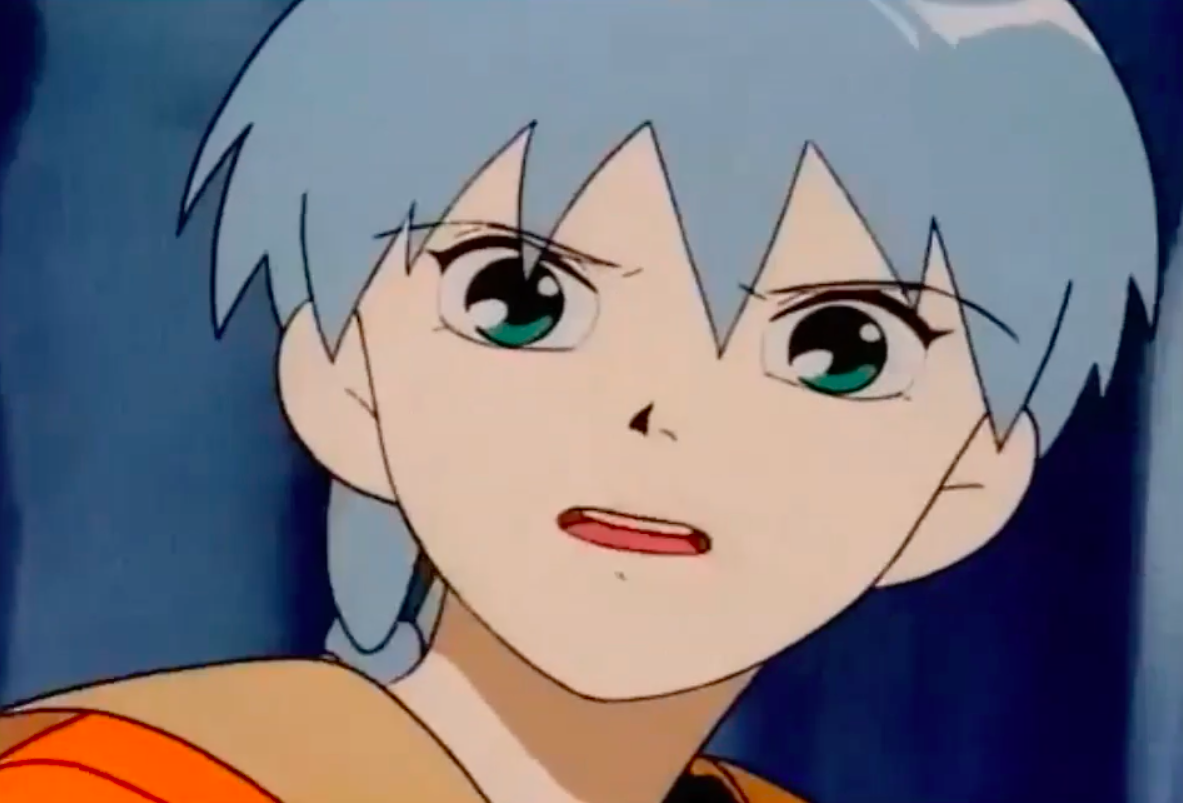
Battle Royale High School - Cult Manga Review

If you're a fan of classic '80s OVAs that throw caution (and coherent plotting) to the wind in favor of non-stop action, gore, and sheer absurdity, then Battle Royale High School is a must-see. This 1987 one-shot anime, not connected to the popular film duology (starring Beat Takeshi) or manga, is an hour-long, unhinged journey that somehow manages to cram just about every genre imaginable into its runtime.

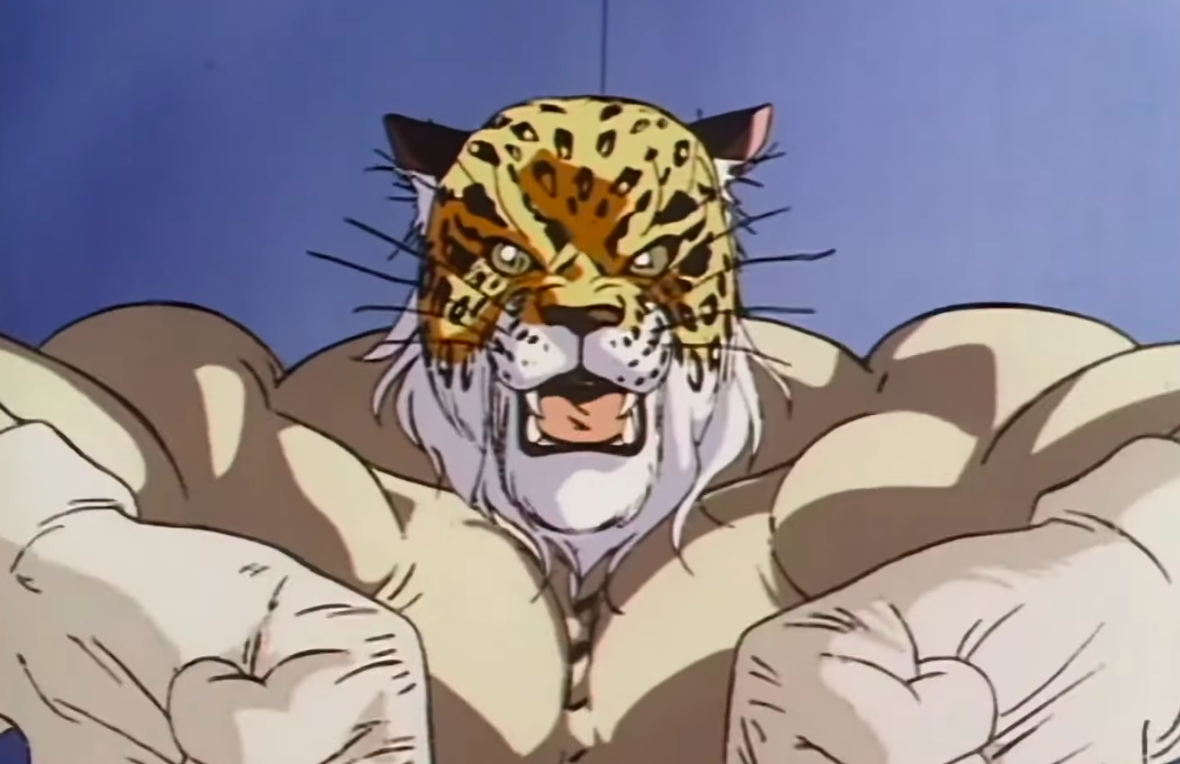
The story, such as it is, centers on Riki Hyoudo, a high school karate champion with a penchant for wearing a leopard mask. Riki's martial arts prowess, it turns out, is tied to an ancient interdimensional prophecy. He's psychically linked to Byoudo, the demon king of the Dark Realm, who, thanks to some fairy mischief and a lightning ball reminiscent of Arnold's first appearance as the Terminator, finds himself on Earth and eventually possesses Riki. From there, things spiral gloriously out of control. We're introduced to a stern demon slayer, a space/time continuum inspector in power armor, a love triangle, grotesque monsters, and enough exploding bodies to make your head spin. The plot is less a cohesive narrative and more a series of escalating, wildly entertaining events designed to facilitate as much over-the-top violence as possible.

This OVA delivers on its promise of ultra-violence as the fight scenes are frequent, well-choreographed, and genuinely brutal. There's plenty of blood, dismemberment and exploding demons. The pacing is a non-stop assault of events and there's rarely a dull moment as the story rushes from one ridiculous scenario to the next.

The animation and character designs are a fantastic blend of '80s and early '90s aesthetics, with Nobuteru Yuki who would later work on the stunning The Vision of Escaflowne, handling character design. Hideaki Anno and Shirō Sagisu, who worked on Evangelion several years later, both worked on this too so there is some pedigree. However, don't go in expecting a deep or logical story as characters appear and disappear, motivations are thin, and the plot often feels like an afterthought to the action. It's less a narrative and more a series of connected set pieces. There's virtually no time for character development; everyone is an archetype, serving simply to move the carnage along. The sheer absurdity of it all, especially in the English dub, can lead to some genuinely laugh-out-loud moments, though not always intentionally.

So, if you can turn off your brain and just enjoy the ride, Battle Royale High School is incredibly fun. It's the kind of "so bad it's good" experience that cult classics are made of.

Battle Royale High School is absolutely worth watching if you appreciate the wild, untamed spirit of '80s anime OVAs. It's not a masterpiece by any means but it's a fantastic example of spectacle and immediate gratification in lieu of any real meaning. It's a loud, bloody, and thoroughly enjoyable hour of anime that embraces its own ridiculousness. It's well worth an hour of your time.

Green Legend Ran - Cult Manga Review

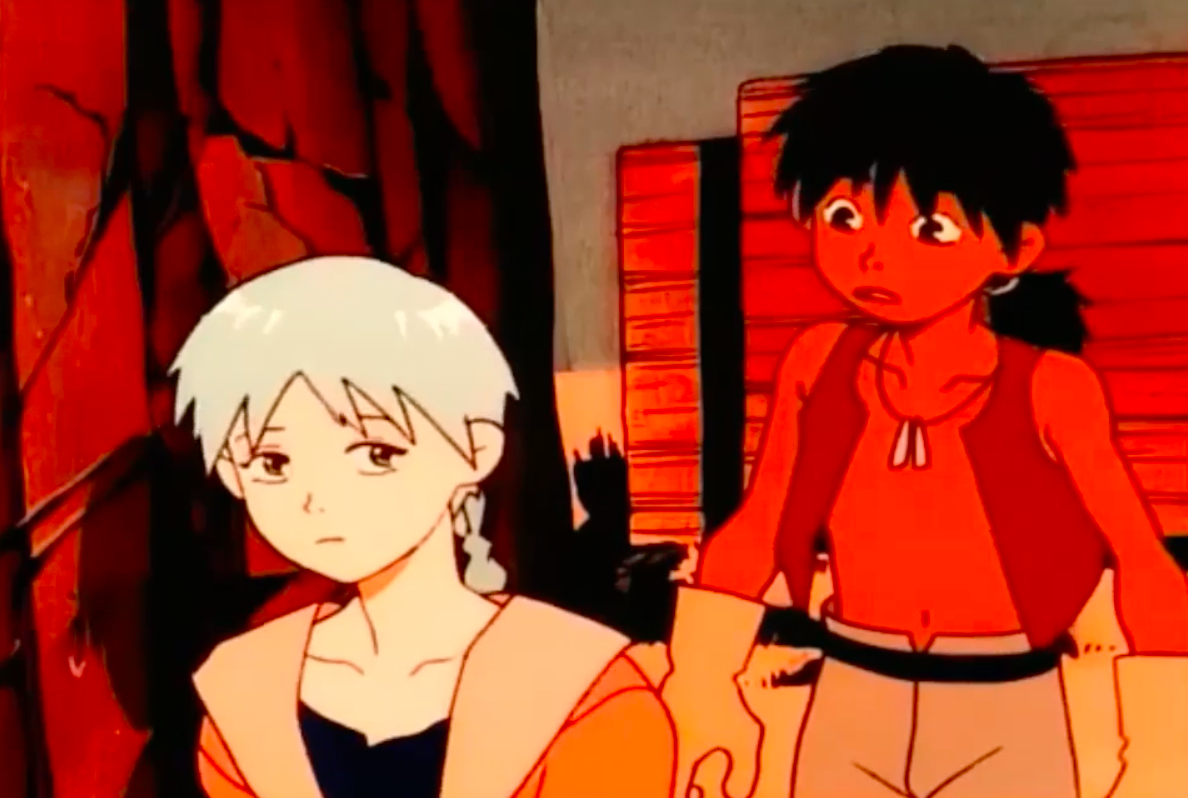
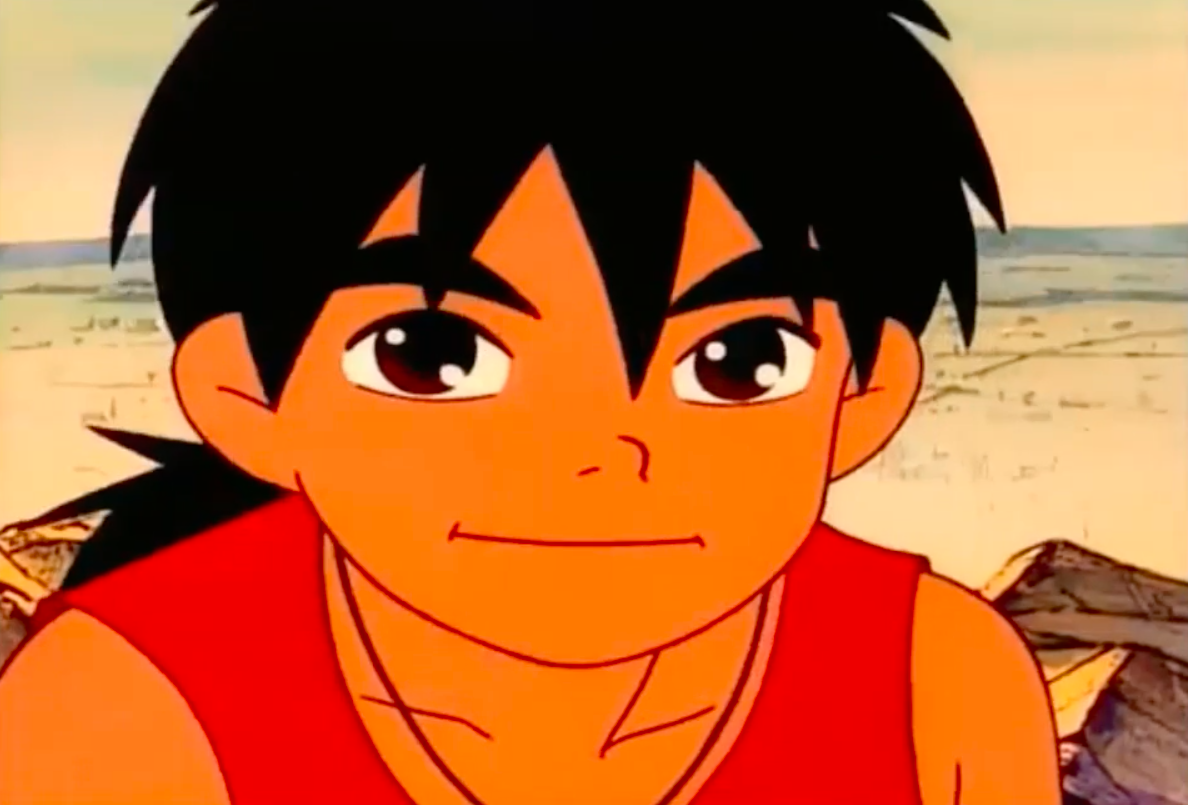
I'm a huge Mysterious Cities of Gold fan and had heard that it was part inspired by a series called Future Boy Conan. I had never seen this series before, as it was never shown in the UK to my knowledge, but had heard that it was definitely worth a watch. When a Blu-ray was released, I jumped on it and ordered it on release day. I found that, even though the series was old and I had no personal attachment to it, I was very impressed. I could see the DNA from Conan to MCOG. I say this because it seems like it wasn't the only one as I heard that it had influenced Green Legend Ran, a three-part anime series that was released way back in 1992. I knew of it but had never got around to watching the series. However, I did have the soundtrack CD by Yoichiro Yoshikawa which I'd bought from the original location of Forbidden Planet back in the mid 90s. It had been on sale so if picked it up and listened to it with no context. So, with some time on my hands, I thought I'd finally give it a watch.

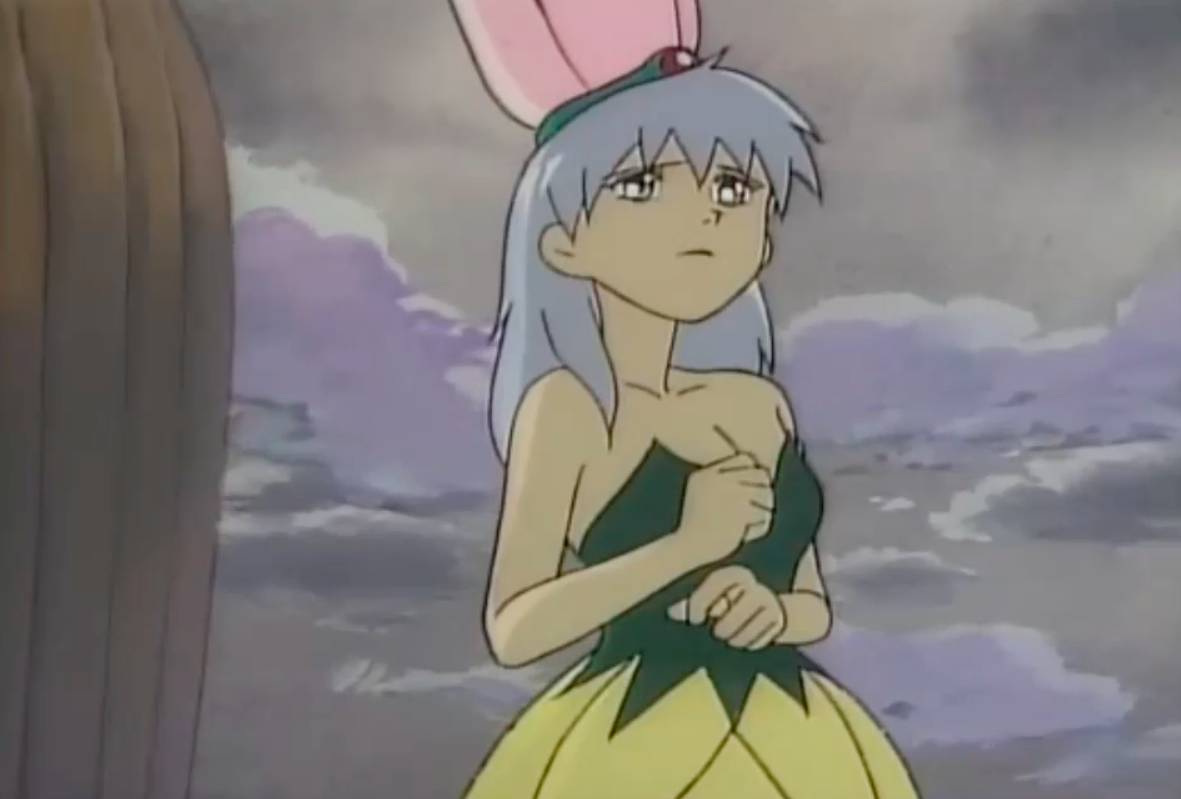
Set on a post-apocalyptic Earth that had been ruined by humans, the world was further transformed into a desert wasteland after alien monoliths, known as the Rodo drained the planet's water and life. The story follows Ran, an angry young man who questions his lot in life. He joins a revolutionary group to track down the scarred man who killed his mother but his personal quest shifts when he meets Aira, a mysterious silver-haired girl with an unknown connection to the Rodo's central monolith, the 'Holy Mother.'

When Aira is kidnapped, Ran pursues her across the desert, becoming entangled in the larger conflict between the oppressive, water-controlling religious cult known as the Rodoists and the anti-Rodo rebels of Hazzard. Along the way he find out what the purpose of the Rodo is and why they have kidnapped Aira.

I have to say that watching this reminded me of the storyline from several Hollywood movies where aliens are terraforming planets by destroying the atmosphere. It happens in The Arrival, Titan A.E, Chronicles of Riddick, Man of Steel and Dune so it's a pretty common trope. Here, it's wonderfully realised as you see the suffering of the people and the disperate societies that have emerged, some seeing the Holy Green Monoliths as a sign from God whilst others see them as oppressors. The Holy Green has its own plans though and it's machinations may not be magnanimous...

I really liked this anime as the animation by AIC is solid, showcasing some creative dystopian scenery of old ruined cities, failing infrastructures and increasing desertification. The soundtrack is great and complements the film well, especially in its more philosophical musing moments.

Green Legend Ran deals with some emotive themes and features swearing, acts of terrorism, violence, gunplay and blood; it is not intended for young kids, which is a shame as I think it has something important to say about blind faith and the environment.

In a world increasingly fragmented and more tribal, at least when looking at online discourse and politics, this story is pretty evergreen as it shows what can happen when fanaticism takes hold on both sides of the divide. This OVA is well worth 150 mins of your time.

LINK: Japan: My Journey to the East

LINK- Battle Angel Alita: And So It Ends

LINK- Fire Tripper: Cult Manga Review

LINK- Akira Soundtrack Vinyl Review

LINK- Manga Exhibition at the British Museum

LINK- The Transportive Nature of Objects (And the Power of Mini Consoles)

LINK- My One True Gaming Constant in Life- Nintendo

LINK- The Mysterious Cities of Gold Retro Soundtrack Review

Shadow Star Narutaru- Cult Manga Review

I knew of Shadow Star as the series ran for a while in Manga Mania back in the late 90s. I liked it's naive, laidback art style that looked different from the other, more stereotypical stuff that we wee getting. Manga-ka Mohiro Kitoh's art and storytelling belies the dark heart of the story underneath. The story was never complete in Manga Mania and, even though I bought the 7 graphic novels, the rest of the series was never released in the UK so I never got closure. Finally, after nearly 30 years, I got access to the 13 part the anime series and had a chance to see if it was as graphic, dark and violent as I remembered.

With the cheerful opening credits I second guessed myself thinking I was misremembering the series. The jaunty theme tune, the colourful paper cut art style and cute characters made it look more like a slice of life comedy series in the vein of Hamtaro or Shin Crayon rather than what we have here.

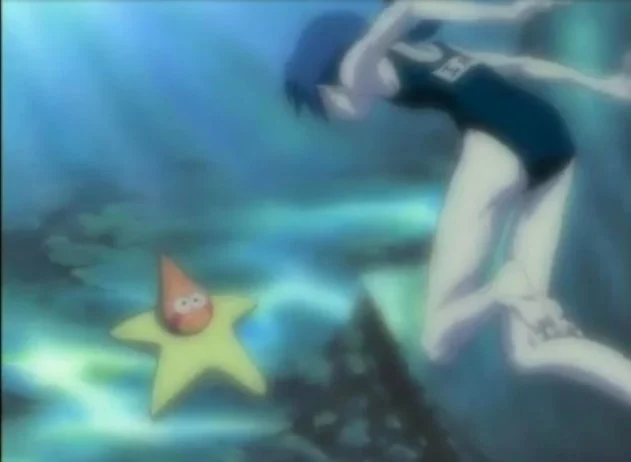
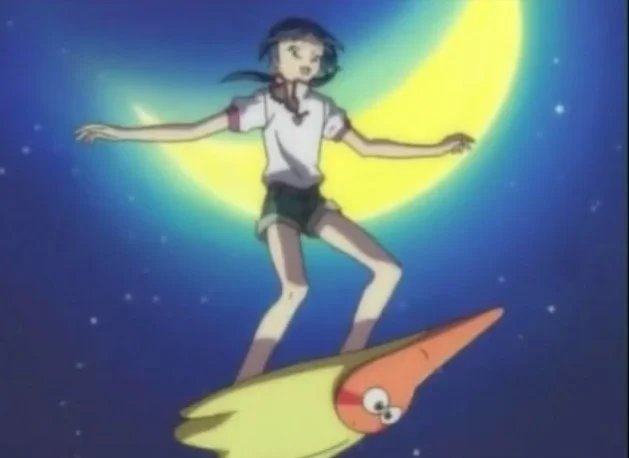
The first episode starts of cheerful enough as Shiina, a young tween sent to holiday with her Grandparents near the coast, finds a strange star-shaped creature in the sea next to a torii gate. She bonds with it as it flies her all around the coast. She names it Hoshimaru and takes it back home with her, keeping it a secret from her father. Great, a buddy story of two new friends from different world, a modern day ET you might think... but no, by episode 2 the darkness of the series is revealed and it gets progressively beaker, violent and misanthropic. There are several of these alien beings and they all have owners who are bonded with them, the problem is that a few of the teenage keepers of the 'Children of the Dragon' ETs are maniacs who want a Khymer Rouge style Year Zero where there is a genocide of the educated elite to allow for a 'peaceful and strong society  that lives off the land'.

Shiina and her friend Akira want to fight back but there are a group of teens who are more bonded with their dragons and in their mind might is right.

Over the course of 13 episodes we have an ongoing battle between Shiina, Akira and Horoko and the Japanese Airforce against  those with evil intent. However, along the way we deal with real big issues such as self-harm, neglect, emotional abuse, mental health,.... it's all pretty heady and heavy stuff and you'd like for it to be handled well but the show is tonally everywhere. It's light and breezy one moment and in the next minute very bleak.

The art style in Shadow Star will not appeal to everyone but I quite like that it is quiet distinctive in the manga space. The characters are all gangly arms and legs but I suppose to convey tween and early teens that'd be accurate. Shiina is a bit of a tomboy so her supposed gracelessness, which her career-driven mum criticises her about in episode 3, is understood to be a trait we can get behind as she is our plucky heroine. Shiina is very endearing and a sympathetic character as she wants to help and do the right thing. The character design of the other people is pretty forgettable, including the dragon children who all look a bit uninspired.

The series asks a lot of questions and is intriguing but the motivation of the evil cabal of teens here is not clear. I get the world is not great so the whole 'let's start afresh' seems like a bold idea... until you take into account the hundreds of millions of people you would need to kill in order to possibly achieve this. These youths don't come across as sympathetic or idealistic, more psychopathic with Stalin's attitude of 'You can't make an omelette without breaking a few eggs'.

It's a shame the series ends where it does as there is definitely something here. Sure, there's a dark heart here but the story of power corrupting youth and lack of impulse control is one we can all understand both in real life and through literary examples like Lord of the Flies. Sure, Shadow Star Narutaru isn't the finest work of anime or manga but I enjoyed the story that was presented. I need closure but I suppose with no chance of a second series being commissioned it'll be a case of finding English translations of graphic novels volume 8 to 12 to get that. Oh well!

Midori Shoujo Tsubaki (Midori: The Girl in the Freakshow) - Cult Manga Review

When the name Midori Shoujo Tsubaki, also known as Midori: The Girl in the Freakshow or Mr. Arashi's Amazing Freak Show, comes up in anime discussions, it's almost invariably accompanied by hushed tones, warnings, and the word 'disturbing.'

I'm an old anime and manga head so have seen my fair share of controversial manga and anime in my time (Urotsokijodi, Genocyber, Kite etc) so I thought I'd see what all the fuss was about. I found the censored version online so, one cold and wet evening, I decided to give it a watch.

Midori is relentlessly bleak and doesn’t really let up.

The story follows young Midori, an orphaned girl forced into a traveling freak show after her mother's death. Here, she endures relentless abuse, neglect, and psychological torment at the hands of the show's bizarre and cruel performers. However, her life seems to change when a magician shows up and falls for her. But, can it last?

This 1992 animated film, based on Suehiro Maruo's manga, struggled to be funded due to its harsh content but, beyond the initial shock value and the undeniable disturbing imagery, one could argue that Midori Shoujo Tsubaki is, at its core, a profoundly sad narrative about trauma and surviving abuse. While the film certainly doesn't shy away from depicting grotesque violence, exploitation, and abject cruelty, these elements often serve to amplify the tragic plight of its protagonist rather than serving as torture porn for the viewer.

The 'disturbing' aspects – the physical deformities, the explicit violence, the dehumanization – are undeniably present and impactful but are designed to make the viewer uncomfortable to reflect the horrific reality Midori inhabits rather than to titillate. Yet, as the narrative progresses, the pervasive sense of despair and hopelessness that envelops Midori becomes the dominant emotion. Her desperate attempts to find kindness, her fleeting moments of hope quickly crushed, and her ultimate resignation to her grim fate are what truly resonate. In many ways, the film is a stark portrayal of the loss of innocence, the resilience of the human spirit under unimaginable duress, and the devastating impact of unchecked cruelty. It forces viewers to confront uncomfortable truths about exploitation and the darker corners of human nature.

I wouldn’t say that I’m glad to have watched Midori as, like Gaspar Noé's Irreversible, it's a difficult watch, to be sure, but it is one that leaves a lasting impression and not just for its disturbing visuals, but for the sheer weight of its protagonist's sorrow. Fair warning, this is not for the faint of heart or the easily triggered.

LINK- Pure Invention: How Japan's Pop Culture Conquered the World- Book Review (and Personal Reflections)

LINK- The Rise of Retro Gaming During Covid

LINK: Japan: My Journey to the East

LINK- Blood, Sweat and Pixels- Book Review

LINK- Utopia for Realists- Book Review

LINK- On And On And Colston ( Or, How We Kinda Sort of Learned to Talk About the Legacy of Colonialism and the British Empire)

LINK- ‘Natives: Race and Class in the Ruins of Empire’ LINK: Elden Ring- Videogames As Art

Ah! My Goddess OVA - Cult Manga Series Review

There are certain anime series that are like a warm, comforting blanket which never lose their appeal. For me, it's Haibane Renmei but I know everyone has their own comfort go to. Ah! My Goddess is one of those comforting manga series that was everywhere in the 90s whilst I growing up. I mean, it wasn't in the public zeitgeist but was in many of the comic shops and superstore like HMV Picadilly or Virgin Megastore Tottenham Court Road. I never got around to watching it as the VHS tapes were £12.99 for each 30 minute OVA but I did read a lot of it in my monthly Super Manga Blast, which features xx pages monthly.

As I continued my journey to catch up on manga and anime series I had missed in my youth, this one came up so I thought I'd dive right in and give it a looksie.

The story is very simple, when student Keichi accidently calls the goddess helpline whilst trying to order takeout, he meets Belldandy, a beautiful Norse goddess. She insists on helping him and hilarity ensues as she gets used to the ways of us mere mortals. Over 5 episodes, we get the start of the magical girlfriend/ harem genre conventions that would prove popular within the medium.

Moonlight and Cherryblossoms
Keiichi rings the wrong number and dials the goddess helpline. Belldandy appears and offers Keiichi and wish and, being skeptical, he wishes for her to be with him forever. The wish is granted but Keiichi is kicked out of his men's only dorm. They find a new home in an old temple and just as they are settled his younger sister Megumi visits.
It's a very sweet introductory episode and you get the lay of the land pretty quickly that this is going to be an ensemble cast piece. Keiichi is sweet and Belldandy says, "It's not the size of the body, it's the size of the heart."

Midsummer Night's Dream
Keiichi considers taking Belldandy to the beach but things get a little complex when Urd, the Cupid of Love and Belldandy's big sister, starts to give Keiichi some poor advice on how to make his move.
Urd is a hilarious agent of chaos, being a bit naughty and impish. She gives Keiichi a love potion but he sees someone else first and declares his love, breaking Belldandy's heart. In the end it all works out and Urd joins the household.

Burning Hearts on the Road
Whilst fixing up a motorbike for an interschool motor club drag racing competition, Keiichi is visited by Belldandy's younger sister Skuld. She doesn't like the fact that her elder sister and Urd are on Earth with Keiichi and resents him. She tries to fix the race against him but starts to see that he has a true heart and starts to come around.
This is a cute episode with lots of team spirit and unity conveyed. Even though Skuld is understandably upset at losing her two sisters, she starts to see that Keiichi's intentions are pure.

Evergreen Holy Night
Belldandy is given a recall notice from her father, the ultimate power, and she only had three days left with Keiichi's before she returns. Whenever the two are close together, the world around them breaks and shatters but will it be enough to keep the two apart.
This episode is melodramatic in the best way as Belldandy and Keiichi are heartbroken that they will be separated. The impact on their friendship group is felt too as they belong together like peanuts and chewing gum.

For the Love of Goddess
As the deadline draws closer, Keiichi and Belldandy try to come to terms with their forced separation. Skuld and Urd scheme for a way to hack the system to allow the lovers to stay together but it's not guaranteed.
This is a wonderful ending with a flashback to Keiichi's childhood that brings the whole piece together. It's a fist pumping ending to a wonderful series that doesn't overstay its welcome.

Watching this anime is like stepping back into a simpler, more innocent time. This anime is sweet but to saccharine at all. The OVA offers a refreshingly pure dose of romance with Keiichi's earnestness and Belldandy's gentle grace being central to the series as they grow together. This is a classy series which doesn't go down the ecchi (pervy) harem aspects many other series did at the time.

One of the reasons I like the anime of this era is that the art is gorgeous; the character designs are beautifully rendered, and the gentle, pastel infused aesthetic perfectly complements the series' lighthearted tone.

At only 5 episodes, this OVA series is brief and can be watched in one evening, clocking in at around 2 1/2 hours. This is a blessing and a curse as it feels like there is more to see of this world but with the manga, the Ah! My Goddess TV series and other iterations it's no biggie to keep on exploring this universe.

Overall, Ah! My Goddess OVA is a timeless classic that deserves a place in any anime fan's collection. Whether your a long-time devotee or a newcomer (like me) the series will charm you with its gentle humour, heartwarming romance and enduring appeal. Sometimes the simplest stories are the best and boy meets girl/ Goddess is a a pretty universal love story.

Sol Bianca 2 - Cult Manga Review

For 35 years, Sol Bianca lingered on my watchlist. Released in 1990, during the golden age of OVAs and distributed by AD Vision, a key player in bringing anime to the West, it remained an elusive gem until recently. Finally, a couple of weeks ago, I experienced the original OVA and found it a surprisingly solid sci-fi adventure.

The original Sol Bianca presented a straightforward narrative with a charmingly quirky crew. Each female character, from the tech genius to the stoic leader, was distinct, and refreshingly, the absence of excessive fanservice allowed their personalities and skills to shine. While the hour-long runtime limited deep character development, their archetypes were immediately clear, making for an entertaining retro anime experience. It wasn’t a masterpiece, but its unique blend of action, humor, and space adventure remianed appealing even after all these years.

Naturally, I wondered if Sol Bianca 2 would build upon this foundation. I never got to see the OVA here in England as I don't think it was ever released. so, having discovered the sequel uploaded in its dubbed format on YouTube I though I'd give it a watch.

Thankfully, I can say that it delivers a high-octane action experience, focusing on escalating set pieces. The plot centers on the crew's heist of an energy-enhancing Pasha doodat, a device of immense power. However, their plan is disrupted by a rival faction, leading to intense conflicts as multiple parties vie for the same prize. The stakes rise when some of the motley crew are kidnapped, and the Sol Bianca faces a physical cyber worm outbreak, a technological virus corrupting its systems. The remaining members pull a Scottie to fix the ship and rescue their colleagues but meet a mysterious figure, intimately familiar with the Sol Bianca crew, who seeks the Pasha for his own evil machinations. Unfortunately, this intriguing cliffhanger plotline remains unresolved due to the series' abrupt end. We never got closure...

Despite the unresolved plot and increasing unnecessary fanservice, Sol Bianca 2 excels as a fast paced space opera with kinetic action sequences within its brief 45-minute runtime. The OVA showcases fluid animation and dynamic fight scenes, highlighting the stylish ship designs and intense firefights while the story builds on the established world and starts to add some backstory to Feb and April's past. 

Ultimately, Sol Bianca 2 stands as a visually impressive but unfinished OVA. While its narrative potential was never fully realized, it remains a worthwhile watch for fans of space opera action and those who appreciate well-animated fight scenes, even amidst a somewhat fragmented and unrealised story.

Video Girl Ai- Cult Manga Review

For years, I'd heard whispers of Video Girl Ai. Reviews in Manga Mania and Anime FX painted tantalizing glimpses of a unique romantic drama with a sci-fi edge. I'd never actually experienced it myself so, seeking to right that wrong, I settled down over the course of an evening and watched all six episodes, each lasting only around 30 minutes, to explore a captivating love square story.

The main protagonist Yota loves Moemi but she loves his best friend Takashi. After an earnest admission of her love for the friend, a depressed Yota rents a Video Girl VHS tape (a kinda video girlfriend tape) but a faulty tape player causes the Video Girl to break through to the real world with some glitches including brashness and bawdiness. With a limited time left before she is erased, Video Girl Ai aims to get Yota and Moemi together, but when she starts to develop human emotions what you get is a whole lotta teen drama.

I thought that this was an interesting premise and the setup was pretty quick. In fact, within the first 3 minutes of the series you see the Ai break through and introduce herself. Over the proceeding episodes, you see the run up to the VHS rental as well as the consequences of Ai's constant interference and burgeoning affections for Yota.

The whole series gives off a cheesy 80s Brat Pack vibe but I loved it as, at its heart, it's a story about developing and becoming more than you were. It's a poignant tale looking at the human condition, what is love and how our emotional attachments are affected by our concept of it. In other words, it's the universal tale of unrequited love and heartbreak.

There are moments of existential dread and the Hedgehog’s Dilemma.

The music is great throughout and forms an integral part of the series, as you often get high school montage scenes set to pop songs that give it that quintessential The OC/ Dawson's Creek vibe of people living their lives soundtracked to cool tunes. The art is beautiful and the way it would change for more sepia or watercolour tone interlude was heartwarming and effective.

This series predates Hatsune Miku and the Vocaloids virtual popstar fandom that would come after but it hits a lots of the concerns that have been raised about falling in love with virtual avatars.

However, I believe that this story is not one about meeting your ideal partner but rather a self-examination of a person trying to grow, become better and persevere with life's difficulties despite all the challenges. It's actually Schopenhauer's old Hedgehog's Dilemma way before Evangelion would bring it to the public consciousness 4 years later.

Overall, I really loved Video Girl Ai, and whilst it does have some pervy ecchi moments, it's not too egregious and doesn't detract from the bigger themes and story it is trying to tell. This is a big of a forgotten gem and I'm glad I've uncovered it for myself.

LINK: Japan: My Journey to the East

LINK- Battle Angel Alita: And So It Ends

LINK- The Moomins 80's Soundtrack Vinyl Review

LINK- Inspector Gadget Retro Soundtrack Review

LINK- Ulysses 31 Retro Soundtrack Review

LINK- The Mysterious Cities of Gold Retro Soundtrack Review

LINK- Sonic Mania Video Game Vinyl Soundtrack

LINK- Thomas Was Alone Video Game Vinyl Soundtrack Review

LINK- Akira Soundtrack Vinyl Review

Fist of the North Star - Cult Manga Review

Fist of the North Star was a huge deal when it came out here in England, selling over 60,000 VHS tapes and being second only to Akira in terms of total manga sales at the time. That's quite an achievement for Manga Entertainment's first ever manga release here.

I saw it all the time of sale as it was pretty ubiquitous but I never watched it at the time, not for any specific reason really but the cover didn't appeal to me as it seemed to be a stupid generic beating up film and that genre had kind of died in the 80s. After snubbing it for so long, I decided to finally give it a watch. Was it any good, even without the rose tinted lens of nostalgia attached?

Starts off with a narration outlining the Yin and Yang of the Universe and how the world was destroyed by a nuclear holocaust. You expect a devastated world to appear but then, as the opening credits roll, you get a 5 minute montage of beautiful imagery and landscapes of our recognisable gorgeous world.

At 5 minutes, we see that there is a nuclear holocaust in 199X and the world as we know it is destroyed as we see the poor huddled masses ripped apart by the nuclear wind. There now exists a survival of the fittest with the poor and weak and the strong headbangers.

Into this world we meet Ken, The Fist of the North Star, a powerful warrior who is betrayed by Shin, the Fist of the South Star. After his beloved Julia is taken as a prize, Ken is thrown into a chasm, believed dead. However, he comes back and, like the Littlest Hobo, goes from town to town fighting hoodlums and protecting the weak and innocent. Along the way, we meet his Iago-like brother, Jagi, who was the one to turn Shin by lying to him of Julia's love for him, and his eldest brother Raoh the Conqueror who wants to rule mankind as a God.

Watching this nearly 40 years after it's release, I can say that it is a proper old skool bits-to-the-wall manga. There is claret everywhere as heads exploded and limbs are sliced off using chi. It's very entertaining and, whilst not highbrow or arty, it is very effective for what it is; a man going through hell to find his one true love. What the manga shows is that families are very complex is alls I'm saying.

Overall, I liked the movie and didn't feel it wasted my time. There are definitely worse ways to spend nearly 2 hours.

LINK- The Anxious Generation: Book Review (and Some Thoughts)

LINK- Utopia for Realists- Book Review

LINK- On And On And Colston ( Or, How We Kinda Sort of Learned to Talk About the Legacy of Colonialism and the British Empire)

LINK- ‘Natives: Race and Class in the Ruins of Empire’ LINK: Elden Ring- Videogames As Art

LINK- Toxic: Women, Fame and the Noughties- Book Review (and Some Thoughts)

LINK- Pure Invention: How Japan's Pop Culture Conquered the World- Book Review (and Personal Reflections)

Crying Freeman - Cult Manga Review

Crying Freeman was one of the big flagship titles from Manga Entertainment from way back in the early 90s. I never got around to watching it even though I did see it on sale frequently, however I do know a couple of my friends did watch it back in the day and praised its depth.

For those not in the know, Crying Freeman is a mature and violent manga written by Kazuo Koike and illustrated by Ryoichi Ikegami from the late 80s/early 90s. It follows Yo Hinomura, a potter transformed into the 108 Dragons' top assassin after being hypnotised. Dubbed 'Crying Freeman' for his post-kill tears, he's a man torn between his past and his violent present but can he break free from his handlers to have true freedom? Over the course of the series, he finds a partner, then wife, who shows him his humanity - artist Emu Hino - whilst dealing with syndicate crime bosses, corrupt police officers and his own 108 Dragon Syndicate. Over 6 episodes of 50 minute OVAs, we get to see the rise of Freeman and his 108 Dragons Syndicate.

Portrait of a Killer
Whilst out painting in a park, painter Emu Hino witnesses a gang land execution. She sees the killers face and knows that she will be targeted next. That night, the killer find her but they make love as he recounts his tragic fate. However, the gang members of the earlier hit seek vengeance and so Hino and Yo escape and wipe out the threat.

This is a dramatic introductory episode which sets the stall out pretty quickly; there is plenty of blood spilt but the kills are stylishly done. There is also a lot of nudity and two sex scenes which have aged about as poorly as most sex scenes from the era but at least the angles are tasteful and it's not too fanservicey as the people are very much adults.

The Enemy Within
When Yo and Emu marry in a private Chinese wedding ceremony, they are attacked. Sensing a traitor within their organisation's ranks, Yo travels to Macau to get to the truth. He gets his man but Kiche, the sharp shooting assassin girlfriend, seeks revenge.

The episode starts with the marriage but the action escalates very quickly as an assassin attempts to kill Yo. From there we have an action packed episode featuring car chases, bombs, submarines and an island base. The battle between Freeman and Kiche is epic as they battle it out on top of the submarine.

Retribution
Emu proves her worth by not breaking after being tested by the 108 Dragons. Later on, Freeman and Bai Ya Shan are caught up in a plane hijacking from the African Tusk, a terrorist gang. When his base is attacked by the African Tusk and many in his leadership circle killed, Freeman goes on the silent offensive as the enemy think he has been killed too. He pretends to be a hairdresser in an exclusive resort and closes in on his enemy.

Meanwhile, Emu obtains the cursed Muramasa sword and goes to train with a master swordsman but Bai Ya Shan is worried about th curse and goes to dispose of it down a well. However, the curse breaks and accepts Emu.

This episode is quite good as Yo has the foresight to predict the enemy seeing his organisation as being weak. They die to protect him and so Yo goes all espionage to avenge their deaths. Africans have not always been portrayed well in anime or manga over the years, often being caricatures with exaggerated stereotypical features but here they are presented in a more complex light. The African Tusk are terrorists but Bugnug is a warrior with a sense of honour and pride. She and Freeman bond over their fighting skills and part as lovers, with him renaming her Dark Eyes.

The episode focusing on Emu becoming stronger by learning the way of the sword is a good one as we see her want to become more independent and a warrior in her own right. The sword dance she does is entrancing and quite beautiful in its own strange way.

The Hostages
When his daughter, granddaughter and son-in-law are kidnapped by the well trained KO (Kidnapper Organisation - which is a bit too on the nose for my liking), Mr Wong asks Yo for help, playing into the KO groups plan. Yo is aware of this and knows that there is a mole in their midst and so lets himself be captured in order to get close to the captives. On the island, he finds a militia and their leader, an erotically charged woman who wants Freeman as she gets off on killers.

The introduction of this is quite something as we get a minute or so of credits rolling over a writhing naked woman moaning gently. I'm glad my wife didn't walk in whilst I was watching that as I'd have a bit of explaining to do. It is the killer Nina but I didn't know that at the time. This is an intriguing episode as it discusses soldiers who arrive back from war but feel lost in a society that doesn't accept their deeds. However, Nina getting off on watching people being killed and her constant exhibitionism is annoying and very cringey. I was glad to see Emu and Bugnug appear and do their stuff to bring the house down.

The Impersonator
After being defeated by a huge and powerful man named Tohgoku, Dark Eyes is brutally abused and thrown into a river. Yo finds and rescues her and sets out in vengeance.
Freeman takes him on in the wrestling ring and is seemingly defeated, whereupon he is taken to the homebase to recover. He finds the real power behind the throne and sees that it is a cult leader who wants power to spread the word. He seeks to replace Freeman with a clone but Freeman kills the clone and pretends to be the clone instead, luring him into a trap and exacting revenge.

This is an exciting episode but one that features sexualised violence against Dark Eyes. She gets her revenge in the end but her abuse is brutal and she is discarded into the sea at the beginning. Surprisingly for such a macho series, Freeman seems to have a deep understanding of what love and trust is and fights against patriarchy and societal norms with his enlightened attitude.

The Russian Connection
When a Russian Mafia and Japanese Yakuza boss do a deal to join their forces and cut out the 108 Dragons, Freeman is not happy and fights back. However, when he sees Tanya, a woman he seems to recall in a past life, he tries to seek out the truth. Little does he know that the woman, Tanya, is a Russian trained as an assassin through the use of her body. When there is a bloody coup within the Yakuza, as a young wannabe takes over, he fights for ascendency amongst the Yakuza in his quest for power to defeat the 108 Dragons and take over as supreme crime lord  of Asia.

The bloody coup is well realised as the old mob bosses are taken out by young up and comer Tsunaike. It's full of kills but, in the end, Freeman is just better organised and prepared than the crazy indiscrimate killing of mob boss wannabe Tsunaike. It's an intriguing plot about trying to squeeze the 108 Dragons out of their weapon sales arm of business but ends badly. Never bet against Freeman though.

Overall, even though the series has aged quite badly as the animation is quite static and the constant nudity embarrassingly gratuitous, the soundtrack is pretty good and the way the series explores the psychological impact of violence and the struggle for identity is compelling. The kills are interestingly done and remind me of Agent 47 in the Hitman videogame series. Additionally, we have a tragic figure in Freeman whilst Emu is a strong female lead which adds another layer of complexity to this ultra violent and hyper-sexualised series.

Crying Freeman is considered a classic for a reason. It's a must-watch for mature anime fans who appreciate complex stories, but be warned: it's not for the faint of heart. Consider yourself cautioned.

Kishin Heidan- Cult Manga Review

Kishin Heidan, a seven-part OAV series from 1993-94, was a name I'd often seen in the pages of Manga Mania, its industrial-looking mecha hinting at something unique. Finally diving into the dubbed version, I discovered why it holds such a revered place within the old-school anime and manga community. The series plunges us into an alternate WWII-era, a fascinating blend of retro sci-fi, political intrigue, and visceral mecha action. Here, the Axis powers, Nazis and Japanese, clash not just for territory, but for control of powerful alien technology. Caught in this struggle is the Kishin Corps, a Japanese force determined to destroy the technology, deeming it too dangerous for any nation.

The narrative unfolds through a diverse cast, each character's motivations and struggles driving the story forward. The relationships, particularly the evolving dynamic between twin sisters Maria and Eva Braun, and their interactions with the protagonist Taishi, add significant emotional depth. We witness their growth, aging across the series, which grounds the fantastical elements in a poignant human experience.

The mecha themselves are a stark departure from the sleek designs of later anime. They're brutalist machines, all rivets, filament bulbs, and pistons, their movements more akin to a mechanical rock ‘em sock ‘em brawl than a graceful dance. This analogue, visceral approach to mecha combat perfectly complements the series' gritty, alternate-history setting.

Kishin Heidan also weaves in fascinating historical lore, exploring Hitler's obsession with the occult and otherworldly artifacts, and even featuring a cameo from Albert Einstein. This intriguing mash-up of historical figures and fantastical elements creates a unique and compelling world. However, the series doesn't shy away from ethical complexity. While the Kishin Corps is presented as a force for good, the backdrop of WWII, with its atrocities committed by the Japanese and Nazi armies, creates a moral tension that cannot be ignored. The series, in some ways, risks airbrushing these historical horrors.

Despite this, Kishin Heidan remains a captivating experience. The storyline is compelling, the battles spectacular, and the characters are well-developed. While the pacing is uneven, with a fast-paced beginning slowing to a more languid middle before a stunning, all-out battle finale, the series' unique blend of political drama, mecha action, and thought-provoking themes makes it a worthwhile watch. It's a recommendation for fans of classic mecha anime, political thrillers, and those who appreciate stories that delve into complex characters and challenging moral questions, but with the understanding that it approaches a sensitive historical period with its own unique, and occasionally problematic, perspective.

They Were Eleven- Cult Manga Review

I heard of this anime by chance when I fell down the YouTube rabbit hole and someone mentioned that this manga was an inspiration for the videogame Among Us. The creator on record said it was the part game Mafia and The Thing that inspired him but this anime is quite likely too - down to the teamwork and sci-fi setting. Intrigued, even though I don't really play the game, I thought I'd check it out as the premise sounded intriguing.

Centuries after humanity discovered warp drive, Cosmo Academy brings together a class of promising cadets from across the galaxy. Think Galaxy High, but with a twist. Ten cadets are assigned to a 53-day mission aboard a spaceship. However, eleven cadets arrive. Someone is an imposter, and their goal is sabotage. As the days tick by, tensions rise within the already fractious crew. Who is the saboteur? What are their motives? Can they be unmasked before it's too late?

Come on, this is an amazing whodunnit... in SPAAACE! (Imagine that in your best Tim Curry voice, a la Command and Conquer). This early 80s anime, based on a 70s manga by the legendary Moto Hagio, offers a deceptively simple yet compelling premise: who do you trust when your life is on the line? The 90-minute runtime is perfectly paced, building suspense and shifting your suspicions as you follow the investigation. The conclusion is satisfying, and the ending, while featuring the then-common (now cliché) montage of character futures, feels surprisingly fresh and fitting here.

We Are 11 isn't just a thrilling mystery; it also explores themes of prejudice, the difficulty of intercultural communication, and the fragile nature of trust. The character designs and animation, while clearly products of their time, have a certain retro charm.

I thoroughly enjoyed We Are 11 and highly recommend it. It's a quick, engaging watch that's well worth your time.

Sol Bianca - Cult Manga Review

This animation has been on my watch list for a long time, about 35 years. It came out in 1990 and was released by AD Vision but I just never got around to it, until now. Clocking in at just under an hour, it's a quick watch but was it worth the wait?

Whilst stowing away in a space frigate, a young boy is captured (along with the booty) by a 5 woman team of space pirates. They are trying to find the legendary gnosis (a repository of all the knowledge of the world from before the galactic era) which is said to exist on the mythical Earth. However, the problem is that the treasure is held by an evil dictator. Will they be able to get it? Well, they're gonna give it a try, even if it means a rescue attempt whilst the citizens are in the midst of a revolution. It's all very dramatic!

I enjoyed my time with the film and felt that it was a pretty solid and straightforward sci-fi adventure with a quirky cast. The female crew are all pretty well characterised and are not at all fanservicey which is a truly pleasant surprise, as this lets their skills and personality shine. Sure, within the hour there's no time to really know the characters that well but it moves at a quick pace and you get the gist of who they are and their motivations from the off. The English dub is good as I am usually a subs guy but the voice actors really did give it their all.

The animation is solid and, whilst it was not going to win any awards, pretty consistent. The space dogfights fare better and are more exciting and dynamic but this is not a showcase of powerhouse animation. It feels like a more mature Plastic Little but without the etchiness of that OAV *shudders*

Overall, Sol Bianca is a fun and entertaining watch for fans of retro anime and space opera. It may not be a masterpiece, but its charm lies in its unique blend of action, humor, and a touch of sci-fi adventure.

Rhea Gall Force - Cult Manga Review

Rhea Gall Force is a 1989 anime OAV film which is set in a bleak future where humanity is on the verge of extinction after resurrecting an alien life force hidden inside the Moon. The film follows the last remaining human soldiers as they fight for survival and a desperate chance to escape to Mars. Will they succeed in saving humanity or will the aliens take over?

The film is quite gritty for a short anime and its post-apocalyptic setting and the conflict between humans and machines creates a compelling backdrop for the story. The main characters, though somewhat archetypal, are distinct and have their own motivations. Sandy, the hopeful young soldier, is the epitome of spirited and hopeful young lady who seems to draw people to her with her earnestness and honesty.

The animation is striking, with detailed character designs and impressive mech battles. However, the film suffers from a slow pace and some clunky exposition. Also, the dialogue and character interactions can feel a bit dated and stereotypical at times but it is a product of its time and, once again, isn't too egregious even with our modern sensibilies. Sure, there is the obligatory gratuitous shower scene for no real reason but unfortunately that was late 80s anime.

Overall, Rhea Gall Force is a visually appealing but flawed OAV. It explores themes of survival, hope, and the conflict between humanity and technology well and despite its shortcomings, it is an enjoyable watch for fans of mecha anime and post-apocalyptic stories.

The Curse of Kazuo Umezu- Cult Manga Review

Kazuo Umezu is a legendary figure in the world of horror manga, with a career spanning decades. His influence on subsequent generations of horror creators, including Junji Ito, is undeniable. I had heard of Umezu but never read or seen any of his work. Seeking to right this wrong, I thought I’d go check out the work of this respected creative and watchedThe Curse of Kazuo Umezu, an OVA that delves into the disturbing and grotesque world of Umezu's imagination by retelling two of his tales.

The first tale is What Will the Video Camera Reveal? and introduces us to Rina, a new student who joins our protagonist Masami's class. Rina seems to have a strange effect on people, and Masami becomes increasingly frightened of her. In her dreams, Masami sees a horrifying creature that seems to be attached to Rina. She uses the videocamera to record herself sleeping, hoping to capture evidence of the creature but the the video reveals a horrifying truth.

The second tale is The Haunted Mansion and is a classic tale of youthful curiosity leading to terrifying consequences. During a sleepover, a couple of horror fans visit the local haunted mansion before it is torn down but they encounter a terrifying force that threatens to destroy them.

I have to say that I thoroughly enjoyed my time with The Curse of Kazuo Umezu as it is a disturbing and unforgettable horror story that beautifully showcases the dark and twisted imagination of its creator. The animation is beautiful and detailed as Umezu’s experience with shoujo illustrations shines through; the girls have fine, frilly almost gothic lolita like-designs and eyelashes aplenty. The delicate shoujo art style and body horror is a great contrasting combination. The beautiful art and creepy storyline is complimented by the music which is eerie, creating a truly unsettling atmosphere. The stories are both thought-provoking and disturbing, and they will stay with you long after you've finished watching. This feels like an anime version of Tales from the Crypt or Tales from the Dark Side and both stories are thoroughly spooky and engaging

LINK- Japan: My Journey to the East

LINK- Blood, Sweat and Pixels- Book Review

LINK- The Offworld Collection- Book Review

LINK- Shadow of the Colossus- Book Review

LINK: Manga Exhibition at the British Museum

LINK- The Midnight Library and the Idea That You Can’t Go Home Again

LINK- The Transportive Nature of Objects (And the Power of Mini Consoles)
LINK- My One True Gaming Constant in Life- Nintendo

Lupin III: The Fuma Conspiracy- Cult Manga Film Review

I knew of Lupin III through its run in Manga Mania and the stunning Ghibli film Castle of Cagliostro but I did not have that much experience of the character. Whilst looking down the retro anime and manga rabbit-hole, I came across this and remembered an old review of it I’d once read that praised it. With some time available, I thought I’d give it a go.

Whilst not the greatest film ever, The Fuma Conspiracy is a fun and jaunty film.

This film starts at breakneck speed as Goemon is about to get married to Murasaki of the Suminawa Clan in a traditional Japanese wedding ceremony. However, when his bride-to-be is kidnapped within the first five minutes of the film, it's up to Lupin and the gang to get Goemon's betrothed back whilst also protecting her clan’s treasure. The crew quickly rescue Murasaki and then it's a race against time as the Fuma Clan close in the treasure. What follows is a Goonies/ Indiana Jones-type adventure with puzzles, traps and labyrinths.
The tenacious Inspector Zenigata joins proceeding, coming out of retirement as a monk to once again try to apprehend the gentleman thief. Things reach a spectacular head in a cavern under the mountain where the hidden treasure trove is kept.

The first thing to say is that, even though the film is nearly 40 years old it has aged extremely well. The opening animation is stunning with the Japanese temple and scenery beautifully realised in a detailed painterly style. The period costumes and style are wonderfully evocative of a side of Japan we don't often get to see in many modern manga and anime.

There is also one of the best car chase sequences ever animated as Lupin and Zenigata battle it out through a local town. The chaos that ensues is hilarious, like some right out of the old Herbie films or The Italian Job (the good old one, not the travesty of the Mark Wahlberg one).

The strength of Monkey Punch's manga work was his characterisation of this lovably roguish group and this portrayal of the group in this anime film is all pretty spot on from what I know. Lupin is his usual charming self but it is Goemon, usually the stoic swordsman, who gets a chance to share his gentler side as we see how he met and grew the love of his life through flashbacks to his youth. Murasaki is a likeable addition in this story, she is rescued early on and shows her mettle during the rest of the film. She is plucky, fiesty and a strong woman who knows how to tease her straight-laced beloved.

The music is jazzy and jaunty, effortlessly stylish and cool without trying to be. The end credit sax jazz is sooo smooth and groovy!

Overall, I really enjoyed this film; it's an enjoyable romp and at just over 73 minutes, doesn't overstay it's welcome.

Maris the Wondergirl- Cult Manga Review

I do love the works of Rumiko Takahashi and her Rumik World anthology series. Her Fire Tripper run in Manga Mania was the first complete manga series I read and I purchased quite a few of the OAV adaptations including Fire Tripper and Laughing Target. One of the OAVs I had not seen was Maris the Wondergirl so, with 50 minutes to spare, I sat down and watched this short film.

Maris is a super strong lieutenant in the Intergalactic Space Patrol but when she damages her third ship through her super Thanatosian strength, she has to take on part time jobs to pay the organisation back. When the playboy son of a  billionaire is kidnapped Maris dreams of romance as well as a big payday. The only thing standing her way is fellow super strong warrior Sue, who defeated Maris in a wrestling match once by cheating. As Maris makes her way to the fortress where the hier is kept all is not what it seems in the final showdown.

The 1986 animation is very impressive.

This is a cute and disposable OAV. It doesn't really stay long in the memory but is fun with good animation and great 80s hair rock music complementing the fight scenes. The opening two minutes are impressive as the Maris is involved in a dramatic dogfight. Maris is a goofy and flawed character and the moral of 'money doesn't buy happiness but it does make life easier' is a message I can get behind in this humorous 50 minute diversion. This is a great slice of mid 80s animation and is well worth a watch.

LINK: Fire Tripper- Cult Manga Review

LINK- Akira Soundtrack Vinyl Review

LINK- Monster City- Cult Manga Review

LINK: Japan: My Journey to the East

LINK- The Offworld Collection- Book Review

LINK: Manga Exhibition at the British Museum

LINK- The Midnight Library and the Idea That You Can’t Go Home Again

LINK- The Transportive Nature of Objects (And the Power of Mini Consoles)