
When the name Midori Shoujo Tsubaki, also known as Midori: The Girl in the Freakshow or Mr. Arashi's Amazing Freak Show, comes up in anime discussions, it's almost invariably accompanied by hushed tones, warnings, and the word 'disturbing.'
I'm an old anime and manga head so have seen my fair share of controversial manga and anime in my time (Urotsokijodi, Genocyber, Kite etc) so I thought I'd see what all the fuss was about. I found the censored version online so, one cold and wet evening, I decided to give it a watch.
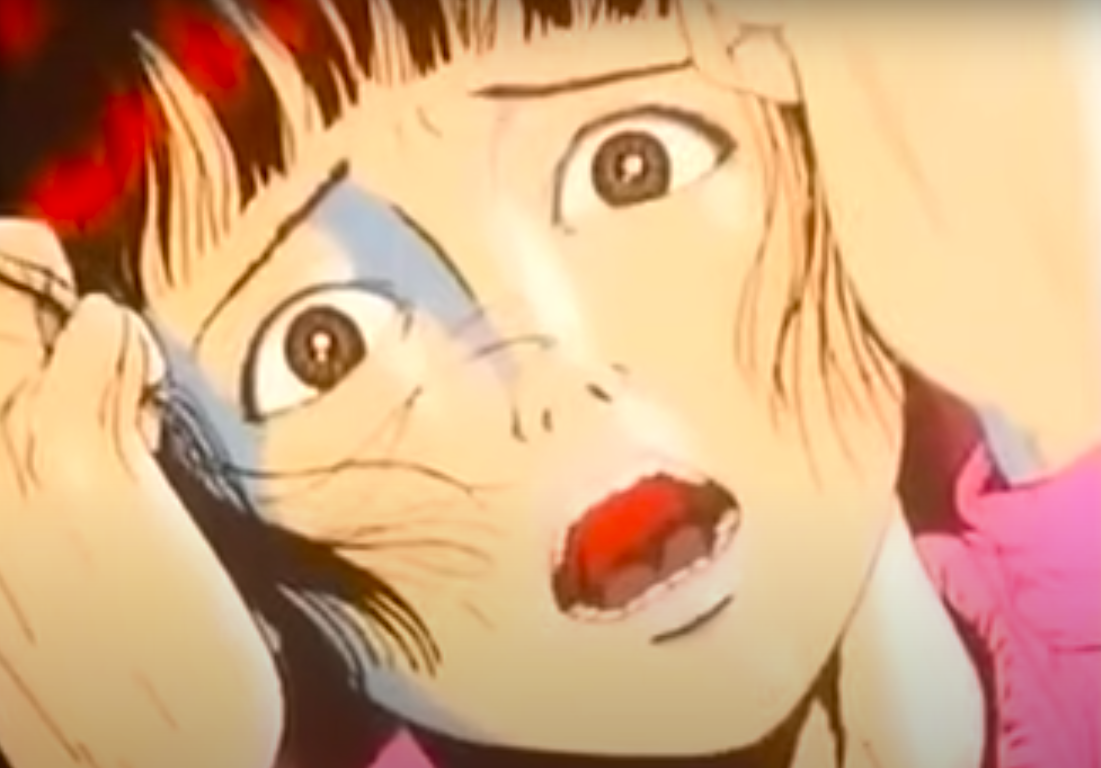
Midori is relentlessly bleak and doesn’t really let up.
The story follows young Midori, an orphaned girl forced into a traveling freak show after her mother's death. Here, she endures relentless abuse, neglect, and psychological torment at the hands of the show's bizarre and cruel performers. However, her life seems to change when a magician shows up and falls for her. But, can it last?
This 1992 animated film, based on Suehiro Maruo's manga, struggled to be funded due to its harsh content but, beyond the initial shock value and the undeniable disturbing imagery, one could argue that Midori Shoujo Tsubaki is, at its core, a profoundly sad narrative about trauma and surviving abuse. While the film certainly doesn't shy away from depicting grotesque violence, exploitation, and abject cruelty, these elements often serve to amplify the tragic plight of its protagonist rather than serving as torture porn for the viewer.
The 'disturbing' aspects – the physical deformities, the explicit violence, the dehumanization – are undeniably present and impactful but are designed to make the viewer uncomfortable to reflect the horrific reality Midori inhabits rather than to titillate. Yet, as the narrative progresses, the pervasive sense of despair and hopelessness that envelops Midori becomes the dominant emotion. Her desperate attempts to find kindness, her fleeting moments of hope quickly crushed, and her ultimate resignation to her grim fate are what truly resonate. In many ways, the film is a stark portrayal of the loss of innocence, the resilience of the human spirit under unimaginable duress, and the devastating impact of unchecked cruelty. It forces viewers to confront uncomfortable truths about exploitation and the darker corners of human nature.
I wouldn’t say that I’m glad to have watched Midori as, like Gaspar Noé's Irreversible, it's a difficult watch, to be sure, but it is one that leaves a lasting impression and not just for its disturbing visuals, but for the sheer weight of its protagonist's sorrow. Fair warning, this is not for the faint of heart or the easily triggered.
LINK- The Rise of Retro Gaming During Covid
LINK: Japan: My Journey to the East
LINK- Blood, Sweat and Pixels- Book Review
LINK- Utopia for Realists- Book Review
LINK- ‘Natives: Race and Class in the Ruins of Empire’ LINK: Elden Ring- Videogames As Art