
For many of us who grew up with a controller in our hands, the world of retro gaming holds a special, nostalgic charm. But what happens when that charm is locked behind language barriers, unreleased titles, ridiculous scalped pricing or obsolete hardware? This is the dilemma that led me down the path of buying knockoff reproduction cartridges, a decision I'm ready to discuss, if not entirely condone.
My most recent acquisition, and perhaps the one that truly highlights my predicament, is a repro cartridge of the Game Boy game The Frog For Whom the Bell Tolls. This title has been my personal white whale for years. Despite sharing a strikingly similar style to the beloved Zelda: Link's Awakening, it was never officially released in English.
I've yearned to experience this game, patiently waiting for an official localization that never materialized. Then, a recent discussion on Retronauts reignited my desire, and I finally decided to bite the bullet and get a knockoff cart.
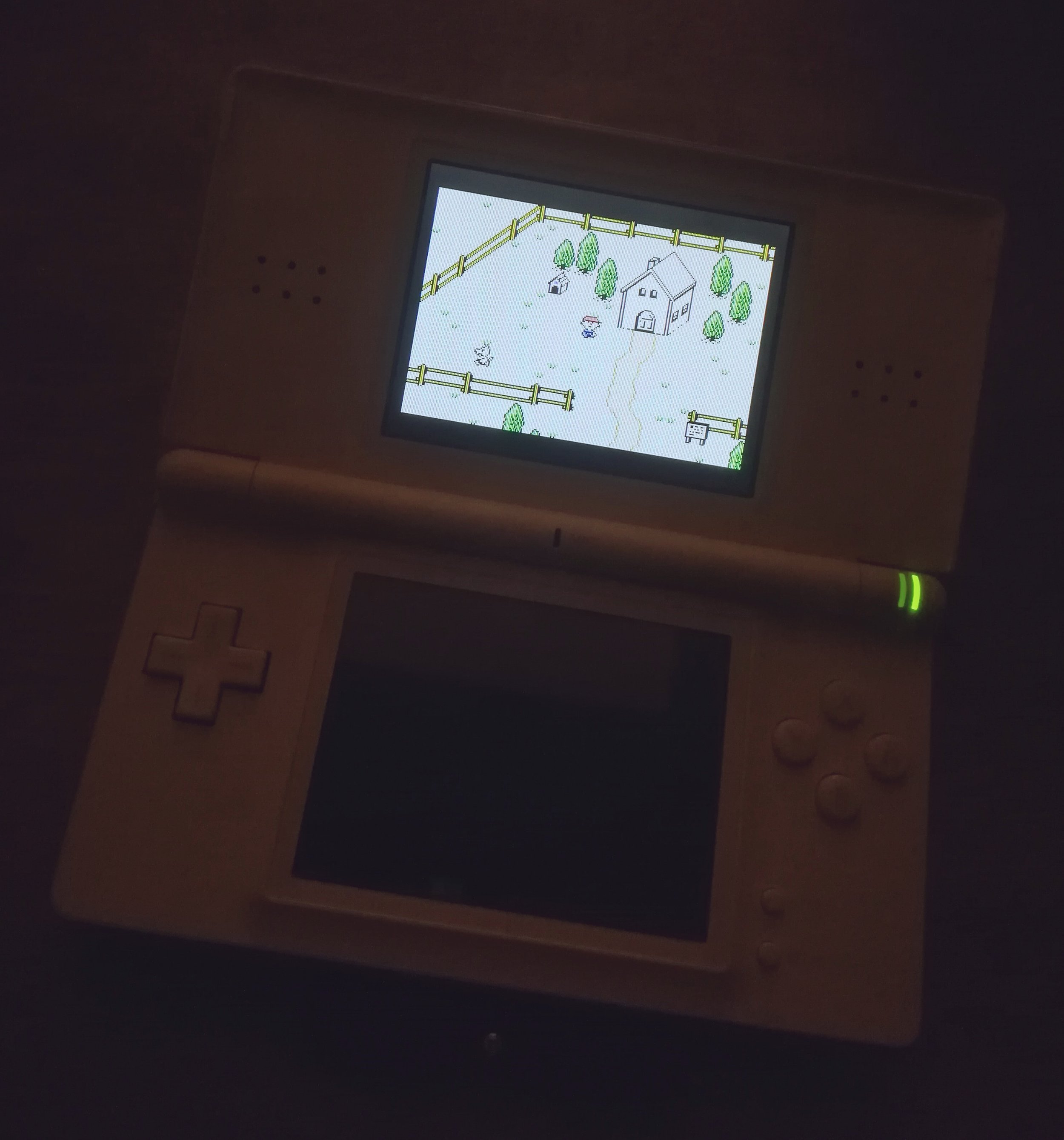
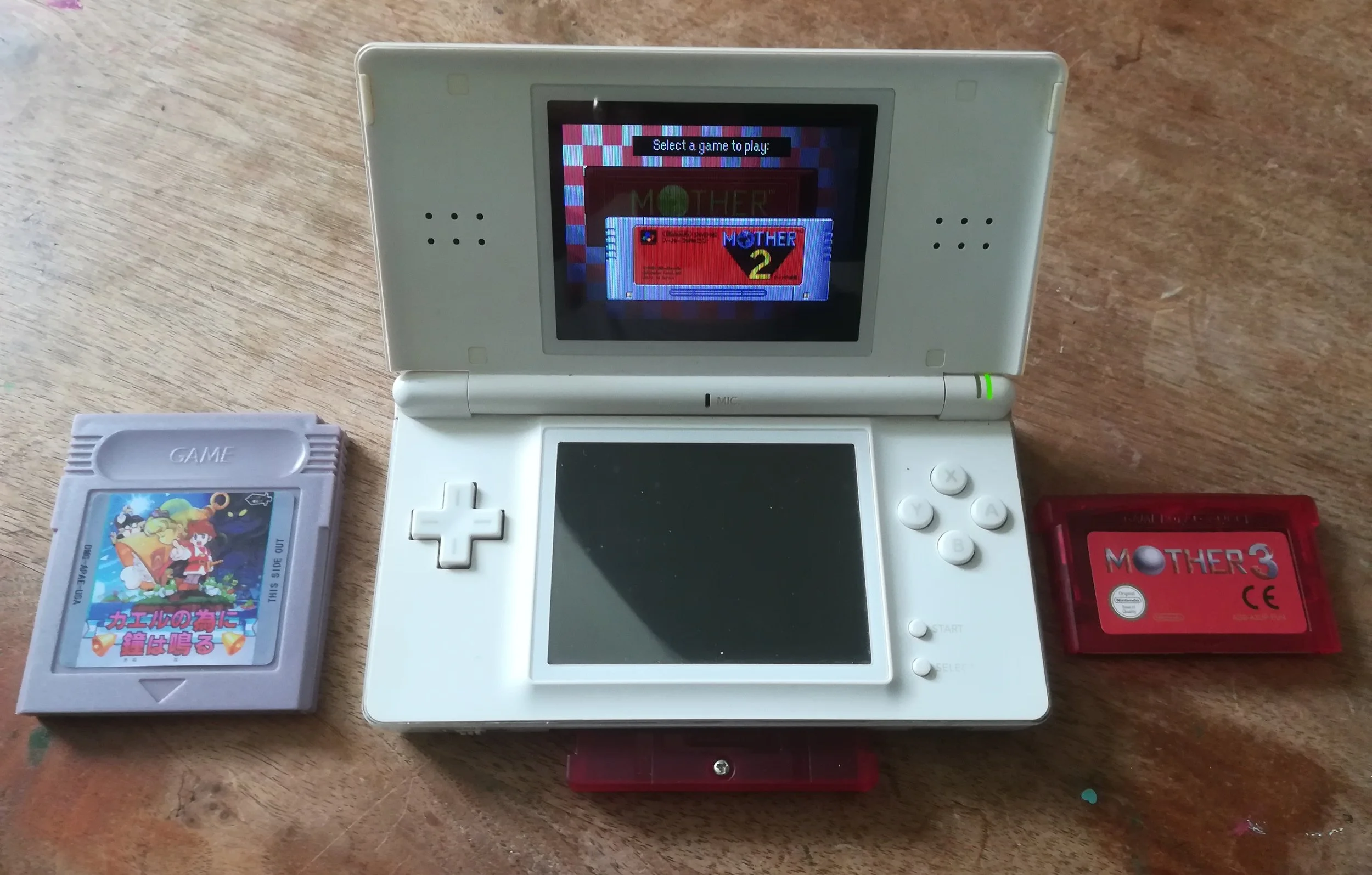
Now, let me be clear: I'm not advocating for the rampant production or sale of pirated goods. However, when a game has been out for over 25 years, with no official English release – physically or digitally – what's a dedicated gamer to do? The alternative is to simply never play it, and that feels like a loss for both the gamer and, in a way, the game itself.
This isn't an isolated incident either. I recently picked up repro carts of Mother 1, 2 and 3 for the Game Boy Advance. Again, my reasoning was simple: these titles are either completely unavailable in English or, where they are available digitally (like Mother on the Wii U), it was on hardware I'm unlikely to pull out of the loft anytime soon or on a digital storefront that is now closed.
As someone who has witnessed the evolution of the gaming industry firsthand, from motherboards to cartridges to cassettes to cartridges to CDs to digital downloads and streaming, the current landscape of game preservation and accessibility is a source of both wonder and frustration. We now have a multitude of means and methods to release videogames, from emulators to digital storefronts. Given these advancements, any form of gatekeeping, especially for titles that have been out of print for decades, truly grates on me; there are punters williing to pay for these items and acquire them by legal means, allow people to do that!
There's clearly a market for these classic retro games, especially if they were made readily available and, crucially, in English. Imagine the joy of legitimate, accessible digital releases for these long-lost gems. Until then, however, for those of us who simply want to experience these pieces of gaming history, the murky world of reproduction cartridges sometimes feels like the only viable option. It's a compromise, for sure, but one born out of a deep love for the games themselves.
LINK- Looking Back at the Switch
LINK- The Rise of Retro Gaming During Covid
LINK- Japan: My Journey to the East
LINK- Blood, Sweat and Pixels- Book Review
LINK- Utopia for Realists- Book Review