Gaming Can Be Good For The Soul

In a digital realm often defined by a relentless pace—by sprawling maps to conquer and epic foes to vanquish—a revolution has been underway for many years. These aren’t the blockbuster epics that demand hundreds of hours of your life but instead shorter games built on the simple, yet profound, act of slowing down. These are not games about saving the world or defeating epic bosses, but rather about the quiet, introspective moments of life. Titles like Venba, A Short Hike, Alba: A Wildlife Adventure, Beyond Your Eyes and And Roger are a few of the games that I've played that are part of this movement, proving that video games can be a powerful medium for exploring the profound depths of the human experience.
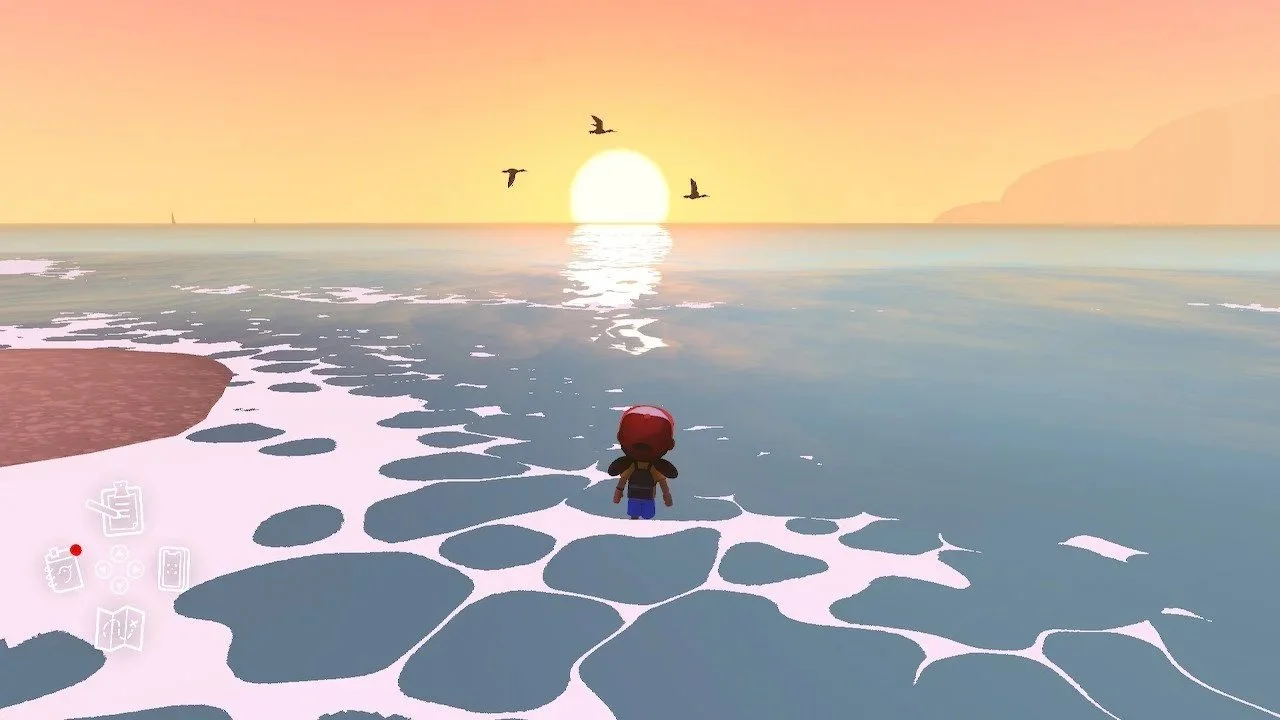
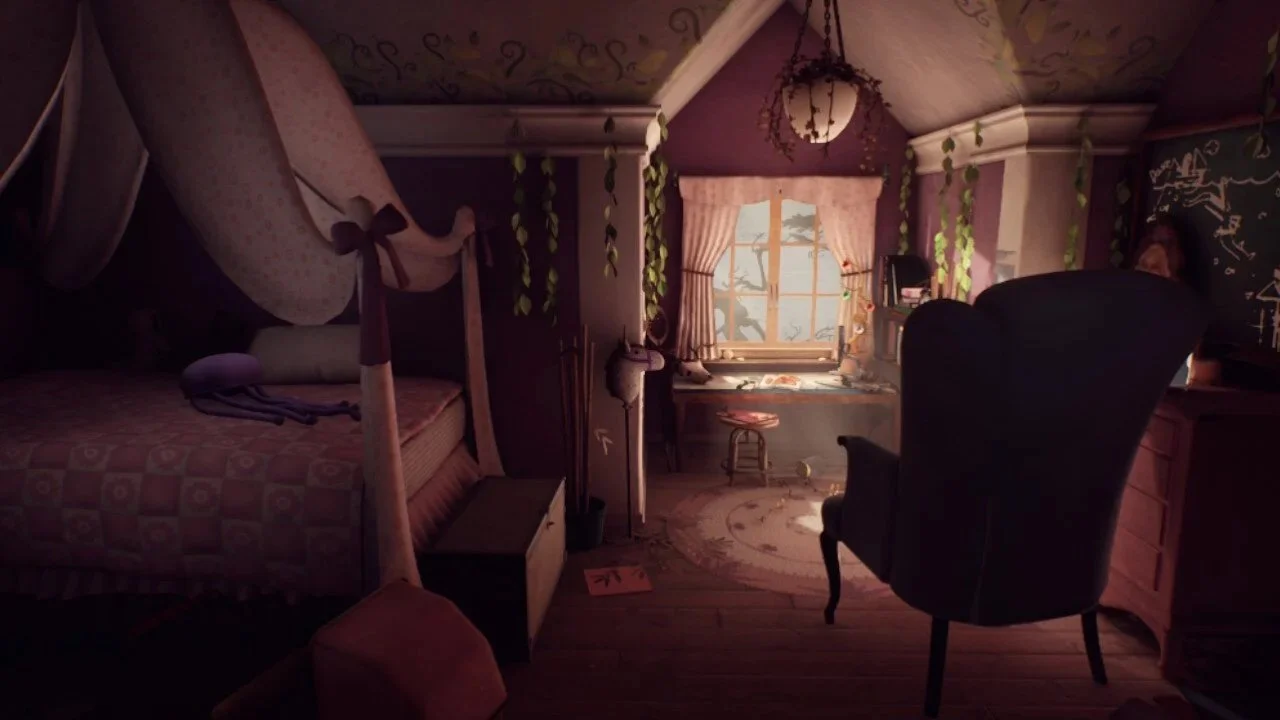
I recently found myself completely engrossed in these narrative-driven gems, and what struck me most was their ability to tackle complex, emotional themes with a gentle touch.

Venba is a beautiful exploration of emigration, identity, and the power of food which speaks volumes without ever feeling heavy-handed.

And Roger uses the backdrop of old age and dementure as a poignant, fantastical journey to explore the fear of death and forgetting.

Alba: A Wildlife Adventure reminds us of the importance of community and our connection to the natural world.

A Short Hike is a game that, on its surface, is about a simple walk up a mountain, but beneath its charming exterior lies a meditation on friendship, self-discovery, mental health and the value of taking a break.

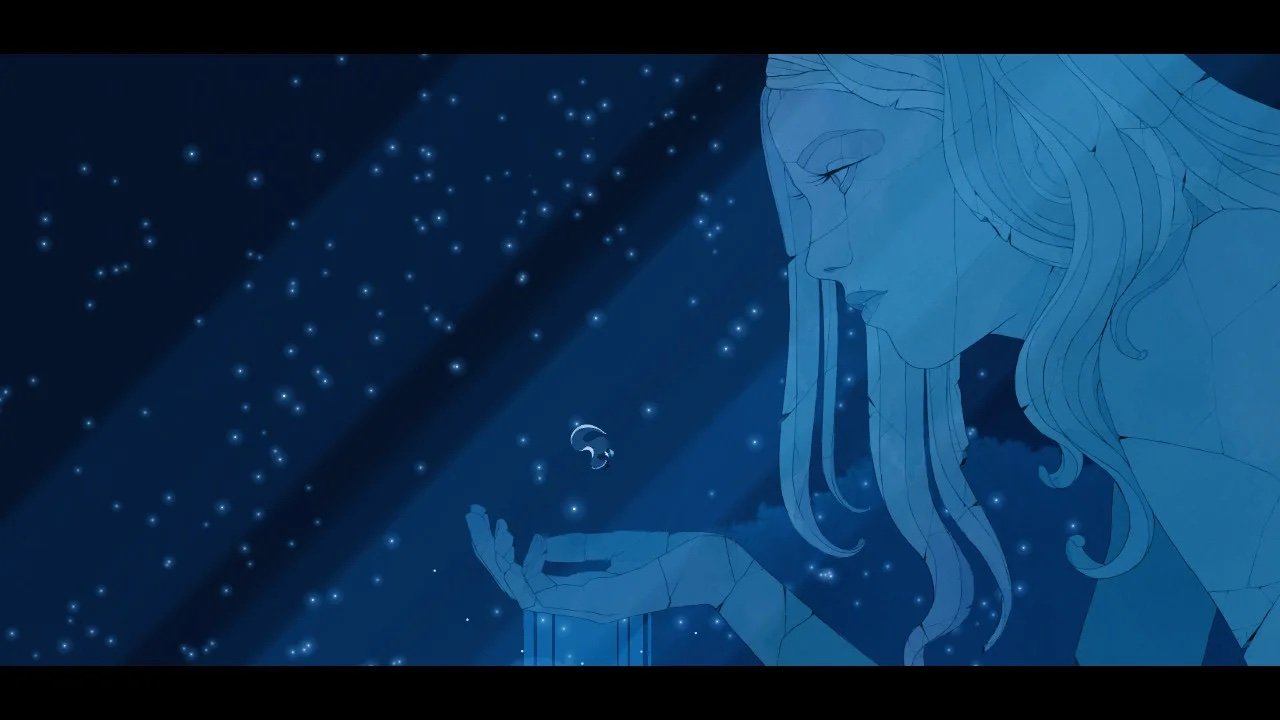
Beyond Your Eyes has you playing a soul crossing the River Styx and reflecting on your life, including the unreliable narrator trope.

These games resonate so deeply because they embrace introspection. They give us space to reflect on our own lives and emotions, much like a good book or a moving film. They understand that a compelling story isn't always about grand, sweeping gestures, but can be found in the small, intimate moments that make us human—the memory of a family recipe, a chance encounter with a stranger, or the simple act of taking a deep breath and looking at the stars.

If you're drawn to games that prioritize emotional resonance over a high score, there's a world of incredible titles waiting for you. For those who appreciate the quiet beauty of these experiences, you might find a new favorite in games like Spiritfarer, a cozy management sim about saying goodbye; Gris, a stunningly beautiful platformer that tells a metaphorical story of grief and recovery; or my favourite What Remains of Edith Finch, a collection of interconnected tales about a family's legacy. Each of these titles offers a unique and memorable journey into the heart of what it means to be alive.

Ultimately, these games remind us that the most meaningful adventures aren't always found in a fantasy realm or on a distant planet. Sometimes, they are found within ourselves. They are a testament to the fact that video games, at their best, are not just a form of entertainment, but a powerful art form capable of inspiring empathy, fostering reflection and can help us understand the human condition, one quiet story at a time.

The Melodic Time Machine (or: How Videogame Soundtracks Take Us Back)

There is a very specific kind of magic in the hum of a CRT television - that static-charged air and the low-frequency thrum that preceded the light. For a certain generation, the sounds that followed, be it the Sega chorus, the ethereal swell of the PlayStation startup, or the playful bounce of the GameCube, unlock core memories.

Psychologists call this Music-Evoked Autobiographical Memory (MEAMs) - it acts as a uniquely potent trigger, often bringing back vivid, emotionally rich, and nostalgic memories. It is a clinical term for something that feels profoundly soulful: the way a handful of synthesized notes can bypass your logical brain and trigger a Proustian flashback so vivid you can almost smell the carpet of your childhood bedroom and taste the Angel Delight. It hits what researchers call the reminiscence bump, that formative era where our identities were being forged in the glow of 16-bit adventures.

The Digital Sanctuary

You can see this phenomenon in real-time if you spend five minutes in the comment section of any retro videogame soundtrack on YouTube. These pages have quietly evolved into digital sanctuaries. In a corner of the internet usually defined by noise and chaos, these comment sections are strangely reverent.

You’ll see thousands of check-in posts: 2024 check-in, May 2026, still here, Who else is listening to this to feel okay? These aren't just spam; they are flags planted in the sand. They are people proving to themselves - and to a community of strangers - that they still exist, and they still remember the version of themselves that first heard those notes thirty years ago.

The Aquatic Ambience Effect

Among these digital artifacts, David Wise’s score for Donkey Kong Country on the SNES holds a nearly legendary status. With Aquatic Ambience, Wise famously pushed the Super Nintendo’s limited sound chip until it did things it wasn't supposed to do, creating a soundscape that felt vast, fluid, and strangely eternal.

For many, this track is a mental safe space. The comments here often read like quiet confessions. People share stories of using these chords to navigate modern grief, burnout, or the simple, heavy loneliness of adulthood. There is a surreal ability in these textures to act as a tonic, smoothing out the jagged edges of a world that has become much louder and more complicated than we ever expected it to be.

There are hundreds of comments which are beautiful and touching.

Then there is the longing sadness of Stickerbush Symphony. It captures a very specific 90s mood: a blend of melancholy and hope. It triggers a nostalgia that isn't just about a video game, but about a feeling of safety. Back then, the biggest weight on our shoulders was a difficult platforming level, not the crushing velocity of adult life. Wise’s music gave those pixels a soul, creating something that felt ahead of its time while perfectly preserving the grainy, warm texture of the era.

Personal Echoes: From the Master System to the Mega Drive

While the SNES often takes the cultural spotlight, my own digital sanctuaries are flavored with a different kind of synthesis. My closest friend and I grew up in the glow of the NES, Master System, and Mega Drive, and it is those FM-synth landscapes that truly vibrate in my memory.

For me, the check-in happens during the opening notes of Streets of Rage 2, where Yuzo Koshiro’s club-inspired beats made a living room feel like a gritty, neon-soaked metropolis. Or the frantic, optimistic energy of Sonic the Hedgehog 2, and the soaring, metallic intensity of Thunder Force III and IV. These weren't just background tracks; they were the anthems of our shared youth.

Why Do We Keep Coming Back?

We keep returning because these soundtracks represent a period of perceived simplicity. In an age of always-on connectivity and digital exhaustion, a 16-bit melody or a PS1 chime offers a rare moment of singular focus.

These games were our first real adventures, and their soundtracks became the scores to our lives. By building these collective time capsules in the comments, we’re making sure those experiences don't just fade into the background noise of history.

We aren't just listening to old music; we’re visiting our younger selves - making sure they know we’re still here, still listening, and still remembering what it felt like to be a hero in a world made of light and sound.

The Untold History of Japanese Game Developers: Volume 3 - Book Review

Japan has an incredibly rich video game history, yet it has rarely been documented in depth—neither in the West nor in its home country. While myriad books discuss the industry’s legacy, they often adopt a Western viewpoint, focusing on the impact of gaming in the Americas and Europe (such as David Sheff’s Game Over, Blake Harris’s Console Wars or Chris Kohler’s Power Up).

With so many legendary Japanese developers entering their later years, it is a case of "now or never" to record these stories for posterity. Retro video game journalist and historian S.M.G. Szczepaniak - who has written for publications including Retro Gamer and Gamasutra - launched a Kickstarter for this ambitious endeavor in 2015. His goal was to pull back the curtain on the often-secretive Japanese development scene.

After completing Volumes 1 and 2, Szczepaniak returns for Volume 3. In a raw foreword, he details the immense personal and financial toll the project has taken. The books had not been profitable, and he describes a harrowing ordeal involving doxxing, sabotage, and blackmail from online trolls. It sounded like a genuine nightmare; one cannot help but feel sympathy for him, even if his occasionally prickly attitude had reportedly strained some professional relationships. Regardless, by capturing this firsthand documentation, Szczepaniak has ensured the history of the Japanese industry is preserved. This work grants him a legacy that will outlast his current hardships.

Beyond the author’s personal travails, the book is packed with knowledge bombs spread across 35 interviews. Szczepaniak’s deep reserve of knowledge makes him an expert interviewer, capable of opening up a traditionally closed industry. This volume was particularly illuminating for me, as it features interviews regarding Technosoft, Squaresoft, Enix and other legendary names that defined my youth.

Highlights and Key Takeaways:

  • Henk Rogers (of Tetris fame) is a skilled gemstone cutter who once almost drowned while surfing in Hawaii. He now runs a green energy business with plans for terraforming the moon.

  • Yuichi Toyama pushed for cutscenes in M.U.S.H.A. because he was a massive Gundam fan and loved the drama of those manga-style shows.

  • Developers from Technosoft and Compile hint at significant behind-the-scenes animosity between management and staff, explaining the frequent staff shuffling between companies during that era.

  • The Naikon Zoku were a subculture of computer-less hobbyists who coded games on display computers in department stores, saving them onto punch paper. Because computers cost roughly £1,500 in 1984, this was a thriving fandom; some middle-schoolers from this scene were actually offered professional jobs at Compile.

  • Technosoft was financially stable, but the mainstream success of Thunder Force II, III, and IV brought intense pressure and fan expectation for every subsequent sequel.

  • The first level of Thunder Force V was originally designed for the Mega Drive, but production moved to the Saturn and PlayStation to better utilize 3D polygons.

  • Kotori Yoshimura, a coding genius behind Thunder Force, transitioned after surgery and continues to have a successful, well-regarded career in the industry.

  • Former Technosoft employee Naosuke Arai describes head of development Tomio Ozono as a shy, misunderstood man whose social struggles were often mistaken for arrogance.

  • The SNES shooter BioMetal was one of the first games to feature licensed music—specifically from the techno band 2 Unlimited.

  • Manabu Yamana (coder for Dragon Quest) believes Metroid was inspired by the Apple II game Aztec, noting similarities in the gameplay and the design of Ridley.

  • Takashi Tokita (Final Fantasy IV, Chrono Trigger) recalled that during a sound-mix bug in FFIV, the team wasn't allowed to go home—or shower—for days until it was resolved.

  • Live A Live and Chrono Trigger were produced concurrently.

  • Hironobu Sakaguchi (Final Fantasy) decided to adapt Parasite Eve after reading the novel. Square opened an American studio to handle the CG, moving the game's setting to New York to help the US team ground it in reality.

  • Tokita believes the fields of manga, anime, and video games are unique in Japan because they were "industries formed by young people getting together and creating whatever they wanted."

  • Aziz Hinoshita (formerly of Square) notes that in the late 2000s, the Japanese industry was obsessed with selling to the West, which led to the infamous US Ico box art and the poorly received Ninja Gaiden 3.

  • Yosuke Hayashi (Team Ninja) used a great analogy: "It seems like we made a Japanese hamburger for the West. As a Japanese developer, we need to make good Japanese food... we’re going to offer you damn good sushi."

  • Kouichi Yotsui (Strider) predicted the Mighty No. 9 Kickstarter disaster, noting the "gulf between one’s fame and one’s actual ability."

  • Toshinari Oka (Metal Gear 2) recalled Konami company outings to play laser tag (Quazar). Everyone used nicknames; Hideo Kojima, naturally, called himself "Snake."

  • Youji Ishii (Sega) revealed that for OutRun research, he and Yu Suzuki drove a BMW 3 Series (not a red Ferrari) from Frankfurt to Rome over three weeks. He still has the VHS tapes to prove it.

  • Yutaka Sugano (Shinobi, Sonic Adventure) is actually a trained mining engineer.

  • Naoto Ohshima (Sonic) claims an acapella tape of Michael Jackson humming tunes for Sonic 3 exists somewhere in the Sega archives.

  • Kotaro Hayashida (Alex Kidd) revealed the character was created after they lost the Dragon Ball license; they originally intended for the protagonist to be Goku.

  • Mark Cerny helped develop the Master System’s 3D glasses at the Sega Technical Institute.

  • Yasuhide Kobayashi (Ico, Shadow of the Colossus) predicted in 2013 that game-only hardware would eventually phase out as users lost interest in dedicated machines.

  • Konami is notorious for its "aggressive patents," including one for the camera logic that makes walls invisible in 3D games. This patent is often cited as the reason many Japanese games had disorienting camera angles during the 2000s.

  • Street Fighter II cabinets cost £820 to make, and Capcom sold 144,000 units. In 1992, the Champion Edition made $257 million for Capcom, but generated a staggering $1.63 billion in arcade coin revenue.

  • An anonymous Microsoft Japan source claimed the company hired middle managers from Konami who "moaned about their old jobs" rather than being creative, leading to mass layoffs.

  • Hironobu Sakaguchi reportedly spent over $10,000 in one night at a hostess club, prompting Microsoft to institute a $200-per-person entertainment limit worldwide.

  • Yu Suzuki had a windowless "throne room" in the Sega building where Enya music played on a loop. He once pitched an idea to Microsoft execs for a version of Swan Lake featuring heavy metal music.

The Strange Works of Yoko Taro: From Drakengard to NieR: Automata - Book Review (and Some Thoughts)

Yoko Taro is a true auteur. He produces singular, philosophical video games that leave you questioning the big questions: life, the universe, and everything in between. While he occasionally appears on the publicity circuit, he does so famously wearing a giant Emil moon mask to hide his face. So, when I discovered there was a dedicated book exploring this enigmatic creator, I knew I had to pick it up.

Emil’s face is quite a startling visage but is the guise Taro wears for interviews.

The book opens with an introduction by Taro himself, where he expresses a characteristically dry surprise at being the subject of such a work. He playfully questions the sanity of the author before rolling with it in his usual philosophical style:

"In the end, we find ourselves in the following situation: some eccentric wrote a book on games designed by another eccentric and played by people who are equally eccentric. Frankly, I worry about the future of our planet."

Preface

We are treated to a short history of games as an essential pillar of human development, referencing Jean-Jacques Rousseau. Turcev argues that games represent the world more clearly than the world represents itself because they strip away the "background noise" of reality to isolate meaning.

While most popular games focus on the visceral thrill of violence, Turcev argues that Taro stands out because his work is inherently existential. The author suggests that Taro "...perceives entertainment as a hope, a horizon, a bulwark against evil." He even goes as far as to say that by creating these games, Taro is "trying to save the world." I’m not sure I’d go quite that far, but it’s certainly a provocative thought to ponder while slashing through robots.

Chapter 1: Creation

This chapter provides essential context on the Japanese gaming industry in the early 2000s—a landscape of economic stagnation and studio mergers. It was during this period of consolidation that the idea for Drakengard was born: Ace Combat, but with dragons.

We get a brief, self-deprecating biography of Taro, who describes himself as a "dark, short otaku" who wasn't exactly part of the "in-crowd." This outsider perspective clearly fueled his writing, which often explores the dangers of tribalism. The development of Drakengard was a struggle; feature creep from management pushed a modest team to their breaking point. The result was a buggy, glitchy mess, yet it possessed a spark of something special—a mature, complex story influenced by Evangelion and Berserk.

The book then tracks the series' evolution through the 2008 economic crisis, leading to the original NieR. Taro’s inspiration for NieR was the aftermath of the September 11th attacks—the idea that killing often stems from a conviction that one is doing the right thing. This led to the game's famous multiple-ending structure, which forces players to view the conflict from the perspective of their enemies. I’ve linked a couple of videos below that explain the story and themes of the Nier games in detail (all credit goes to their awesome creator)

Chapter 2: Music – Monaca’s Angels

The soundtrack to NieR: Automata sold over 30,000 copies in its first week, catapulting composer Keiichi Okabe into the spotlight. As someone who owns the vinyl boxset (the jewel of my collection), I appreciated the focus here. Turcev notes that JRPG soundtracks are often more scrutinized because players spend dozens of hours immersed in them.

We learn about Okabe’s background in pop music and his work on Tekken, and how he teamed up with the Monaca collective to create a sound that is poppy yet baroque. A major highlight is the discussion of the "Chaos Language" used by singers Emi Evans and Nami Nakagawa. By using a made-up language, the music transmits pure emotion directly to the listener, unburdened by the specific meaning of words.

Chapter 3: Universe

Taro’s worlds are a pell-mell of medieval fantasy, sci-fi, eugenics, and otaku culture. Interestingly, the book notes that much of this was built on vibes and floating ideas rather than a rigid master plan—much like Hideaki Anno’s approach to Evangelion.

The book dedicates over 100 pages to breaking down the interconnected lore of Drakengard and NieR. Even for a fan, the Gestalt and Replicant projects can be a headache, but Turcev’s retelling clarified several points I hadn't thought about in 15 years. It was a joy to revisit characters like Kainé; her foul-mouthed, aggressive exterior remains one of the most memorable character designs in gaming history.

Chapter 4: Analysis

In the final section, Turcev peels back the trickster persona Taro adopts in public. He argues that Taro is a humanist at heart who believes games can influence the real world. His work isn't mature because of the blood or the character designs, but because he puts his characters under extreme pressure to unveil truths about the human condition.

Turcev uses the Socratic maieutic method to describe Taro’s style: breaking and converging perspectives until the player reaches an aporia—an intense dilemma where there is no easy right answer. We see this through the lens of various philosophers:

  • Freud: The struggle between Life and Death drives.

  • Gestalt Psychology: How society functions as a system that dominates the individual.

  • Sartre & Camus: The struggle for meaning in a deterministic world.

Final Thoughts

Nicolas Turcev has done an incredible job of synthesizing the chaos of Taro’s career into something academic yet accessible. The Strange Works of Taro Yoko is more than just a making-of book; it is an interrogation of why we play games and what they say about our soul.

Whether you are a person who has played every ending, or a newcomer who just liked the combat in Automata, this book offers a profound look at a creator who dares to use a "silly" medium to ask the most difficult questions. It reminded me that even in a world that feels like a never-ending spiral of life and death, there is beauty in the struggle—the Agaku. If you’ve ever finished a Taro game and sat in silence as the credits rolled, wondering what it all meant, this book is the companion you’ve been looking for.

LINK: Videogames As Art - Nier: Automata

LINK: The Evolving Fears of a Horror Gamer

LINK: The Power of Stories and How They Are Manipulated

LINK: The Message by Ta-Nahisi Coates - Book Review (and Some Thoughts)

LINK: The Anxious Generation: Book Review (and Some Thoughts)

LINK: Utopia for Realists- Book Review

LINK: Toxic: Women, Fame and the Noughties- Book Review (and Some Thoughts)

LINK: Pure Invention: How Japan's Pop Culture Conquered the World- Book Review (and Personal Reflections)

LINK: Japan: My Journey to the East

LINK: Blood, Sweat and Pixels- Book Review

Videogames as Empathy Engines: 13 Games With Something Profound to Say

Videogames are a phenomenal medium, capable of transporting us to fantastic realms and engaging our minds in ways we might not otherwise experience. Yet, some games have a unique ability to forge a profound emotional connection, leaving a lasting impact long after the screen goes dark. They don't just entertain us; they cultivate empathy and introspection, acting as a mirror to our shared humanity.

Here are thirteen games that have resonated with me deeply, showcasing the power of this medium. Each of these games, in its own unique way, acts as a sophisticated empathy engine. They use their specific mechanics—from wordless co-op to environmental storytelling—to bypass intellectual understanding and go straight to emotional resonance.


1. Flow

This elegant exploration of the evolution of life reminds us of the interconnectedness of all beings. As you navigate a primordial soup, absorbing other life forms to grow, the experience is meditative and humbling, a quiet reminder that all life is part of a grand, continuous cycle. It is accompanied by Austin Wintory's majestic score that envelopes you in a spiritual hug.


2. Gone Home

Stepping into an empty house, you feel an immediate sense of unease. This game masterfully builds a narrative through environmental storytelling, allowing you to piece together the story of a young woman's journey of self-discovery. It's a poignant exploration of identity, family and the challenges of being true to oneself, particularly within the queer experience.


3. Dear Esther

This game is less an adventure and more a piece of interactive art told through the walking simulator process. A man wanders a desolate Hebridean island, his voice narrating fragments of text that reveal a deeper story of loss and memory. Its enigmatic narrative and hauntingly beautiful landscape evoke a sense of profound melancholy and introspection. The score by Jessica Curry is beautifully stark and reaches a beautiful crescendo at the journey's end.


4. Journey

Journey is a powerful testament to the meaning of life and the connections we make along the way. Without any dialogue, you can forge a bond with a fellow traveler as you embark on a trek across a vast desert. The wordless co-op experience is deeply moving, teaching us that even brief connections can leave a lasting impression. Once again, Austin Wintory's multi-award winning score elevates the experience to a spiritual level.


5. Everyone Has Gone to the Rapture

Exploring a deserted English village, you uncover the stories of its vanished inhabitants. The game builds an eerie atmosphere as you piece together what happened, forcing you to confront the unsettling thought of what lies beyond our mortal understanding. It’s a beautiful and unnerving look at faith and the end of the world. The music by Jessica Curry is beautiful and reminds me of Vaughan Williams or Elgar.


6. Monument Valley II

This puzzle game is a visually stunning and emotionally resonant portrayal of the mother-daughter relationship. Guiding a mother and child through Escher-like architectural puzzles, the game becomes a gentle meditation on the journey of a parent letting their child go and the beauty of independence.


7. Before Your Eyes

Before Your Eyes is a touching narrative about the afterlife and the chance to confront past regrets. The game is a metaphor for reflection, suggesting that even in death, there can be an opportunity for redemption and peace by revisiting and correcting past mistakes.


8. Wandersong

In a world of heroes and epic quests, you play as a simple bard who believes in the power of song. Wandersong is a beautiful reminder that you are enough just as you are. The protagonist doesn't need to be a mighty warrior; their true power lies in their ability to connect with others and spread joy. The soundtrack is also beautifully eclectic and deeply touching in places.


9. Nier: Automata

This game is a masterclass in philosophical storytelling. Nier: Automata delves into concepts like existentialism and humanism, compelling you to question the very definition of humanity through the eyes of androids. The narrative, inspired by thinkers like Camus and Nietzsche, uses sacrifice and loss to create a profound and beautiful emotional arc, especially in its poignant final act. The soundtrack is also an all-timer!


10. Clair Obscura: Expedition 33

This is the most recent game to deeply affect me and was the main prompt for this post. Clair Obscura made me ponder the profound concept of 'those that come after.' The game raises a critical question: what do we owe future generations? It serves as a reminder that our legacy isn't just for ourselves but for the people who will inherit the world we leave behind. This also has an amazing soundtrack!


11. What Remains of Edith Finch

The curse of the Finch family isn't just a plot device; it's an inescapable sense of fate. As you step into each family member's story, you feel the weight of their lives and their tragic ends. The story of the baby, in particular, renders a simple, joyful moment of imagination so beautifully that its abrupt, tragic end hurts all the more. The game doesn't just show you grief, it helps you feel the devastating finality of it.


12. To the Moon

This pixel art game beautifully pieces together a dying man’s wish. It breaks down a life into its most fundamental components: a memory, a promise, a feeling of being unfulfilled. It’s the perfect medium for a story as fragile as a memory, making every conversation and flashback feel significant. It allows us to understand the weight of a promise, even an unspoken one, and the quiet beauty of a peaceful end.


13. Brothers: A Tale of Two Sons

This game uses dual-stick controls not as a gimmick, but as the physical manifestation of a relationship. It is the bridge between two controllers and two hearts, ensuring the cooperation feels natural and the separation feels wrong. The final moments are a culmination of every shared step and challenge, delivering a gut punch of an ending that reminds us that even though we lost a character, we gained a powerful memory.


Boneyard Arcade Brings Back the Memories

Arcades have changed a lot over time and, even though they are not as prevalent as they once were, there has been a steady rise in small centres where you pay an admission fee and get the machines on free play or a contactless pay system on the machines. Whatever model these arcades use, it's fine with me to be able to play original and refurbished machines which give the feel and create the atmosphere of the arcades of my youth.

Living in London, these arcades or barcades were easy enough to find but here, in the South West, the only machines I would find would be the odd ones here and there or ticket redemption spitting machines. The piers and coastal arcades around here would have the occasional arcade machine but that would be the more modern machines with the occasional Guitar Hero machine thrown in.

Boneyard Arcade in Exeter is different though. Run by two brothers with a love for gaming, it features original and refurbed machines. Importantly though, it contains many vintage and classic arcade and pinball machines including:
Tempest
Galaga
Centipede
Asteroids
Sega Rally
Ms. Pacman
Star Wars: Arcade
DDR

and various Mame enabled compilation machines.

I went with my daughters for the first time for my birthday and we had a blast. The atmosphere was family friendly (we did go at 2pm though) and the noise was a nostalgic rush of memories. The £5 contactless card for 20 credits system worked well and, with nearly all the games costing 1 credit, actually incredibly reasonably priced.

With £10 of credit to hand we played most of the machines but our favourites were Star Wars Arcade, Asteroids, Galaga and Tempest.

I've still got about 18 credits left on my card so will definitely visit again. I think this is going to become a part of my bi-monthly comic shop, videogame shopping and arcades routine. Boy, that kinda takes me back to my youth in Barking with the library, Cash Convertors and Rodney's comic shop trinity.

LINK- Vintage Arcade Machines in the Wild

LINK- The Golden Voyage of Sinbad- Cult Movie Review

LINK- The 7th Voyage of Sinbad- Cult Movie Review

LINK- Into the Unknown Exhibition Shines Bright at the Barbican

LINK- Ray Harryhausen: Titan of Cinema Virtual Exhibition Experience- Review

LINK- Children of the Stones: Cult TV Series Review

LINK- Tom’s Midnight Garden: Cult TV Review

LINK- On And On And Colston ( Or, How We Kinda Sort of Learned to Talk About the Legacy of Colonialism and the British Empire)

LINK: Japan: My Journey to the East

Making Time for Gaming and Difficulty Modes

I probably won't get to play Starfield, Buldur's Gate 3, FF16 and many other games anytime soon, if ever. These games are being called genre-defining or ‘all-timers’ by many yet there's not a chance I'll play all of them because the time-sink would be too great. So, I’ve played the games that I know I didn’t want to miss like RE4 Remake, Zelda, Mario Wonder, Goodbye Volcano High and other quirky indie games that don't take tens of hours to complete. It's just such a shame as 2023 was one of the best years ever for videogames and 2024 could be looking pretty good too. Will I ever catch up? No. No, I won’t.

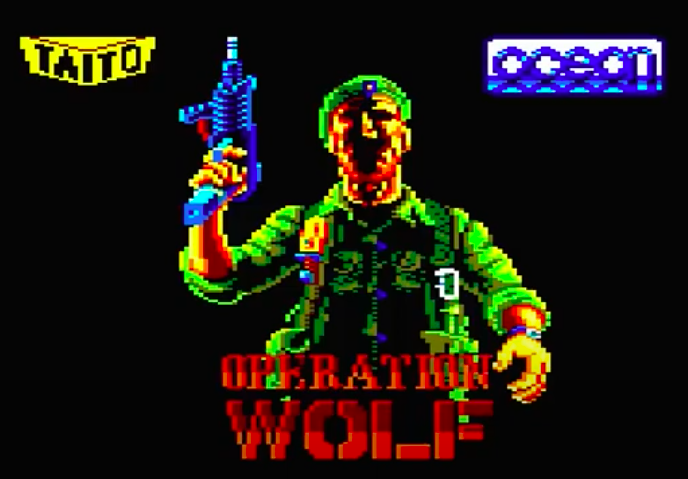
As a 43 year old married man, I only have a finite amount of time and I want to feel like I'm progressing. If it were my uni student days, where I had all that free time between lectures, then that would a different matter. For me, who completed Operation Wolf on the green monochrome screen of the Amstrad CPC 464 on the keyboard, the idea of challenge is nothing. No, facing enemy combatants in a jungle setting on a green screen was my #Legend moment. Additionally, as you get older your reaction times slow and, whilst they don't calcify, they are definitely significantly slower than they used to be- it's simple biology. Thus, some games become incredibly challenging but that doesn't mean I don't relish the fight. 

One of my greatest (and earliest) gaming achievements.

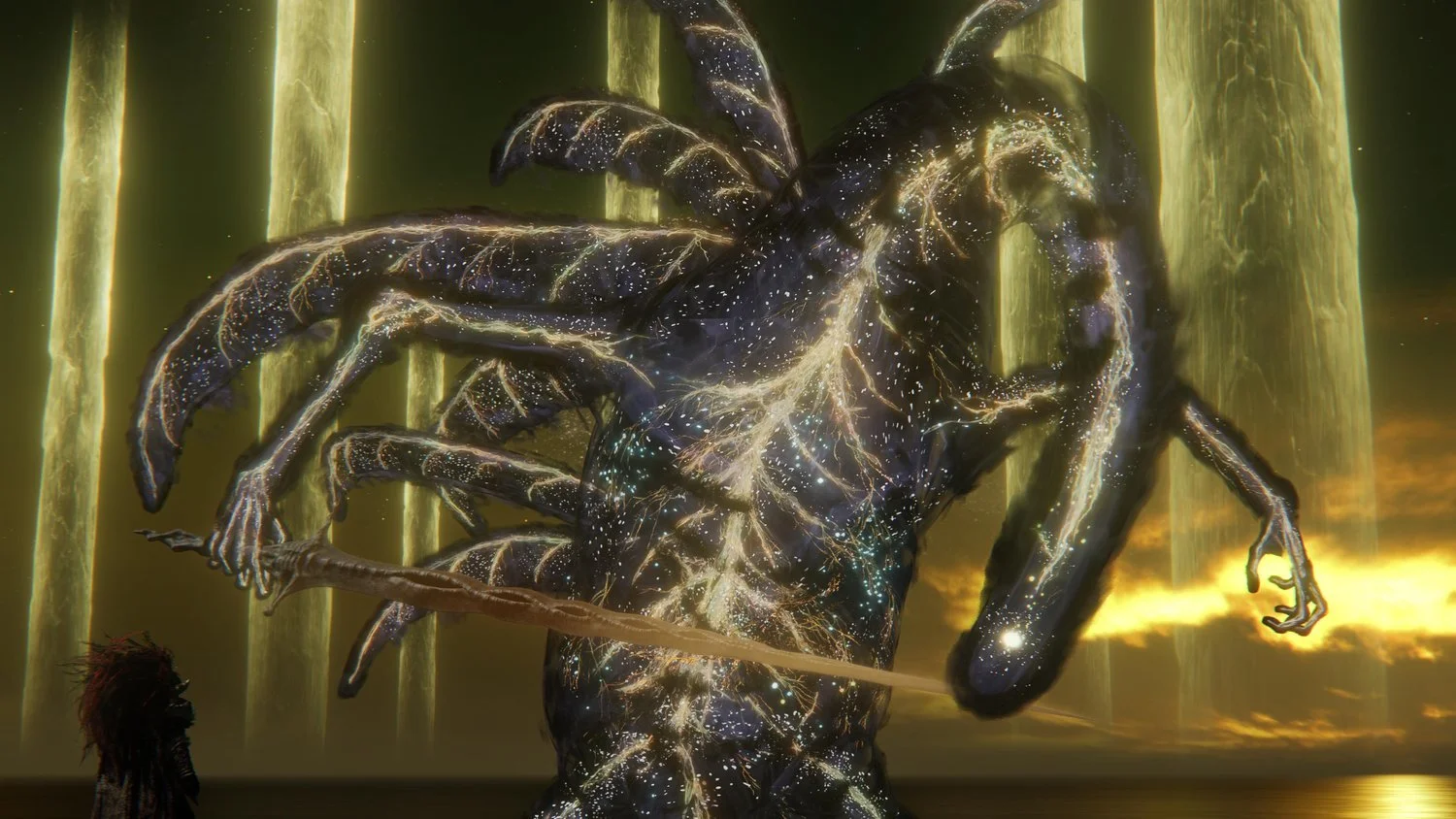
I've never understood the 'Git Good' tribalism that exists for some of these games. Life is hard enough so for many videogames are a leisurely escape in their downtime. I always start on the regular mode but, when there are unfair difficulty spikes or the need to resource farm to progress, I slide down to easy to progress before reverting to the regular mode again. I'm a child of the 80s and I did my time on incredibly hard or borderline unfair games in the arcades and on the home computers of the time. I've completed Katana Zero, Nier: Automata and many other recognisably 'hard' games but I can swallow my pride when needed and alter the challenge. For when I am feeling particularly hardcore, I play From Software games but I haven't completed any except Elden Ring, due to the farming needed when there is a huge difficulty spike. I only completed Elden Ring due to the fact that I could wander around a huge world when I met a creature that was too powerful and get OP-ed in the process.

Elden Ring is my most played game and took me over 160 hours to beat.

I am already saturated with so much media; if it's not games it's books, audiobook, magazines, podcasts, music albums, YouTube short and long form video essays, graphic novels etc without the added complication of playing all these videogames too. Gaming would dominate all my free time and, when you are a teacher with a young family, manage this level of gaming would be detrimental to my family life not to mention mental health.

My gaming pile is quite high and that’s before I account for digital games like Alan Wake 2, A Highland Song and a few others.

I have a huge backlog across all media forms and the Backlog Guilt Spectrum is real. I look at my 'to do' pile then inexplicably proceed to purchase more. I regularly go through massively productive periods where I make a dent in this backlog. Traditionally, I have a calm January where stay away from games and read or watch films and TV series. Usually, that is followed by the Summer holidays where I read prodigious amounts to make good on my promise to finish all the books I've purchased over the past year. I did that this year and felt immensely proud, before buying a load more books and feeling that tension rise again.

I have a real choice paralysis as I have always been quite informed about a lot of pop culture so not having experience of certain things seems anathema to me but that's what age, work and life does to you, it forces you to face your commitments to other things and realise that there is too much media to be consumed so slow down and enjoy the ride.

The Year Ahead in Gaming

Okay, I've joined the fray- after the usual flurry of end of year gaming reflections there's the typical 'looking to the year ahead' SEO thing, and I'm no different so here's my version of that, strictly tongue in cheek mind. Now, no-one can predict exactly what is going to happen but why let that stand in the way of an article? Let me gird me loins and let's get cracking.

In January, I abstain from any form of videogaming and usually catch up on the books, comics, graphic novels, podcasts, films and TV series that I've been meaning to get to but haven't. It has been building up quite a lot after the Summer holidays last year, where I went on a massive reading binge whilst in Cape Verde for the week and inhaled a load of books.

I read through a lot but this January my plan is to go through this lot... I'm sure I'd have a good old go and finish a lot though so I've probably bought more by the end if the month and given myself another huge to do list... Anything to ignore the fact that life is entropy and we are all slowly one step closer to death. Ahem. Onwards!

So, February will see me hitting the games big time. Catching up on this sweet stash. Finally I'll finish Mario Wonder and pause to think what the mustachiod err wonder will do next. Also, I'd have bought the Another Code: Remake Collection, which would have come out on Jan 19th, and will lose my mind over how they translate *that* puzzle which used the reflective power of the DS screens.
Final Fantasy Rebirth will also come out at the end of the month but the £70 price tag won't sit right with me so I'll probably get it near the tail end of the year, after the hype and zeitgeist has worn off and get it at the second hand or sale price of about £30. That and I still have FF7: Crisis Core Reunion to finish off.

This is my ‘to do’ list.

I'm sure by the time March hits there'll be loads of games in my digital store and pile from the sales where I would have scooped them up. Heaven's Vault, a game I bought over 3 years ago on the Switch will have to wait, yet again... alas.

Summer will brig the release of Llamasoft: A Jeff Minter Joint-a film about the singular Jeff Minter. I love the games the guy makes and, with the exception of Tetsuya Mizuguchi, the only guy who really gets synaesthesia in the game space.

PlayStation Foamstars will come out, riding in the coattails of Splatoon but, like PlayStation All Stars compared to Smash Bros, will lack the charm, finesse and flair. I predict it will be short lived and by Winter, we will hear of a dwindling player base numbering in the tens.

By now, Switch 2 model predictions would have gone nuts. I'm guessing that it won't start too far from the current model but will be higher powered, more like a PS4, but it will have the ability to play a screen on the TV but have the pad play as the touch control screen like we had in the DS and 3DS- this would allow Nintendo to port over or virtual store hundreds of old DS and 3DS games onto the library.
I would have pre-ordered one as Nintendo casually announce it in a Direct whilst I'm teaching in class. Game will have one and I will reorder but the gits will let me down (yet again) as they can't fulfill the order... sods!

The Autumn season will see the release of the Elden Ring DLC and, as usual, the totally rational and not at least elitist Git Gud crew will discuss the merits of having a rock hard game which doesn't take into account accessibility needs. This conversation will be coherent, logical and not in any way excluding to those who are colour blind, have difficulties with gross motor control or are women. I will buy it of course and love it with all my heart as Elden Ring is my most played game ever with 168 hours of play.

To coincide with Halloween, Silent Hill 2 will be released to much disappointment as all that made the game a masterpiece will be removed. Fog? Gone as now we can see where we are going! Nuanced writing? Gone as AI made the whole endeavour cheaper and better! It will also have DLC where James can wear amazing hats and you can buy different shapes heads for Pyramid Head... Dodecahedron Head? Sign me up!

The year will be peppered with AI, NFT and Games As a Service nonsense and when it doesn't work out, executives will say targets have not been met, award themselves huge pay rises and deals and sack a lot of the workers who actually produce the work. The whole failing upwards trend will continue.

The next Ubi sandbox game is released and, in a surprise move that astounds everyone, has even more icon splooged nonsense it has an over and underworld as well as a usual map: that's three layers of icon filled definitely essential to story beats and not time wasting nonsense. They have played Zelda: TOTK and have learned the lessons built on from that Zelda-like Greek gods themed Immortals: Fenyx Rising.

Also, COD is announced by Activision and in no way consistent with real world politics features a story containing an entirely fictional country called Falestine where the evil women and children must be killed for some totally legit reasons. It will take into account complex legalese framework to sympathetically put geopolitical questions under a microscope… psych! It’ll be the usual ‘do this and shoot that POC.’

Overall, I'm looking forward to the year ahead and predict it will be amazing. I don't foresee Silksong and Metroid 4 coming out but look forward to all the Nintendo Directs and the other not-E3 shows getting blasted for the fact, even though no-one announced a date for either game.