
The modern era of the internet, particularly with the advent of social media, has fundamentally transformed how niche interests grow and accelerate. What once took years or decades to build a dedicated following can now be supercharged into a global phenomenon almost overnight. This acceleration, while creating vibrant communities and a wave of genuine enthusiasm, has also cultivated a fertile ground for market speculation and scalping—creating a complex, often frustrating dynamic for both long-time enthusiasts and newcomers alike.
I've spoken about this before with regards to retro gaming (The Transportive Nature of Objects and the Power of Mini Consoles), but there are a couple of other personal interests I'd like to look at. This isn't an exhaustive list by any means, but rather a look at a few examples close to my heart.
Take the recent resurgence in pulpy horror paperbacks. The more artistic, bizarre, or outlandish the cover art, the better. Before the internet, you had to hunt through libraries, charity shops, or dusty secondhand bookstores to discover these cult gems. However, Paperbacks from Hell by Grady Hendrix completely blew open interest in this once-quiet corner of the genre. What might have remained a niche passion enjoyed by a small, dedicated group of collectors scouring conventions has, in today's hyper-connected world, gone viral—turning an obscure subculture into a semi-mainstream trend.
A similar shift occurred with the appreciation for anime background art. Once confined to a tiny circle of collectors, appreciation for the medium exploded in popularity, driven by online communities and high-profile publications like Anime Architecture by Stefan Riekeles. The book shone a spotlight on a long-neglected art form—the hand-painted cityscapes and backdrops of classic Japanese animation—framing it as fine art in its own right. While this fostered genuine artistic appreciation, the finite supply and inherent scarcity of physical, hand-drawn production cels created a perfect storm for massive price spikes and aggressive market hype.
Moving beyond print and animation, the recent matcha craze offers a contemporary, fast-moving example of viral demand. Matcha has existed for centuries, its health benefits and distinct flavour known to a small, dedicated following for generations. Yet a single viral TikTok trend can introduce millions of new consumers to the drink in a matter of days. This sudden, massive influx of demand places an immense strain on supply chains, causing prices to skyrocket almost overnight. The wild obsession with Labubu dolls—effectively this generation's Garbage Pail Kids—further illustrates how a trend can be turbocharged in seconds by viral content, turning a designer toy into a high-stakes, scalped collectible.
This turbocharged growth is a double-edged sword. On one hand, it’s a fantastic way for people to discover new hobbies, products, and communities. The internet provides an accessible platform for sharing passions and connecting with like-minded enthusiasts. Someone who stumbles across matcha through a short video can quickly dive into online forums, blogs, and social groups to learn about its rich history, grades, and traditional preparation methods. The same goes for new collectors inspired by Paperbacks from Hell or those who began admiring Japanese background art after seeing a stunning layout online—creating authentic, lasting appreciation that outlives the initial trend.
Manga has become more mainstream - and that is a good thing!
On the other hand, this rapid acceleration creates prime conditions for scalpers. Unlike the Tickle Me Elmo or Tracy Island frenzies of the past—where seasonal hype was somewhat contained—the internet allows resellers to operate with unprecedented speed and efficiency. Automated bots buy up limited-edition stock the millisecond it drops, only for it to appear on secondary marketplaces at exorbitant markups. It’s an intensely frustrating reality for genuine fans who simply want to enjoy their hobby without battling predatory pricing. When internet-fuelled hype meets finite vintage items like anime cels or out-of-print books, those markets become especially vulnerable to extreme speculation.
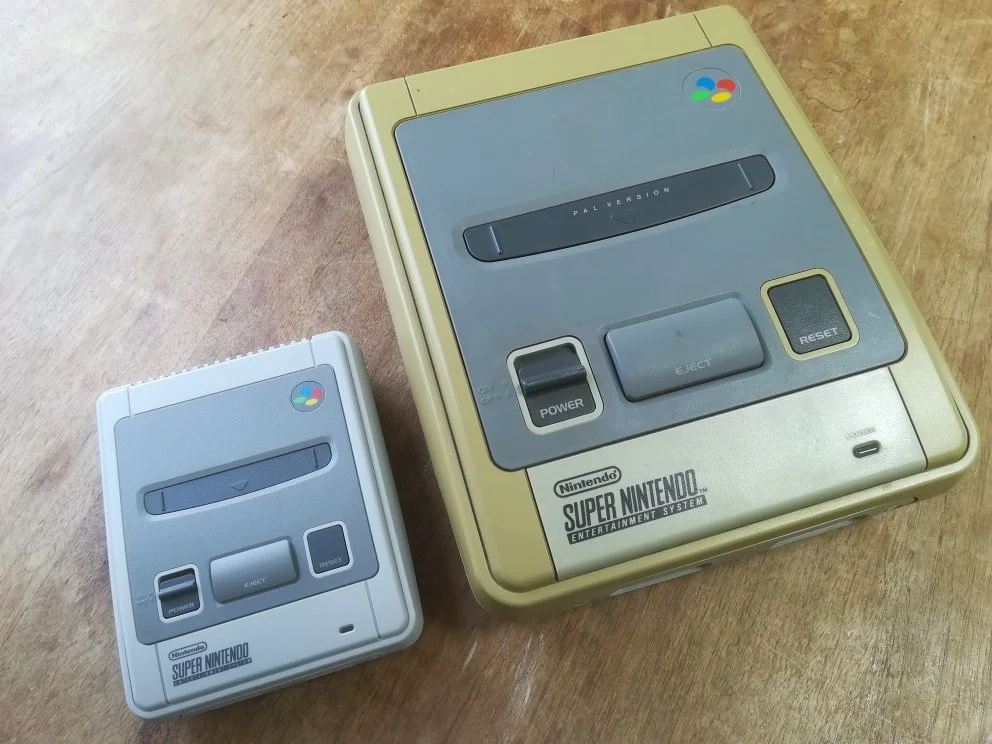
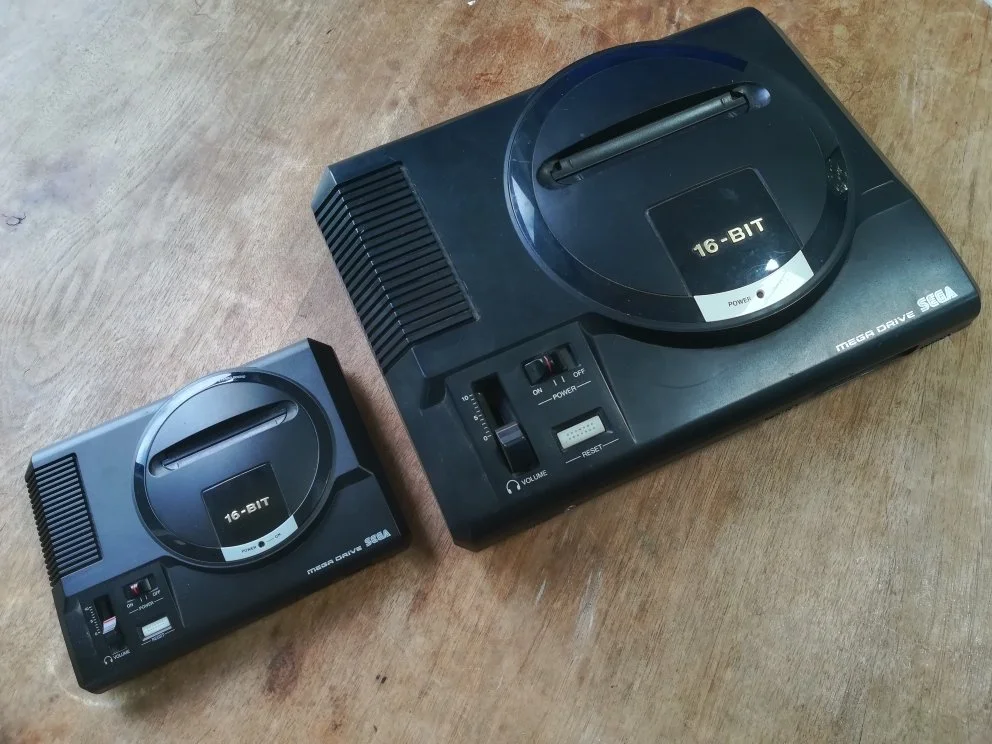
Ultimately, the internet has become a powerful accelerator for niche passions, breaking down the geographic and temporal barriers that once limited their reach. It has democratised discovery, allowing anyone with a smartphone to stumble upon a new obsession. Yet this democratisation comes at a cost. The sheer speed and scale of online hype create a volatile ecosystem where genuine passion and predatory profit-seeking exist in an uneasy, constant tension. The challenge for these communities going forward is navigating this new landscape—celebrating newfound interest while finding ways to protect their hobbies from the disruptive practice of scalping.
LINK: The Evolving Fears of a Horror Gamer
LINK: The Power of Stories and How They Are Manipulated
LINK: The Message by Ta-Nahisi Coates - Book Review (and Some Thoughts)
LINK: The Anxious Generation: Book Review (and Some Thoughts)
LINK: Utopia for Realists- Book Review
LINK: Toxic: Women, Fame and the Noughties- Book Review (and Some Thoughts)