As the Sony PlayStation Portable turns twenty-one this year, I thought it would be an opportune time to reflect on the device that shifted portable gaming expectations. In an era where handhelds were largely defined by Nintendo’s utilitarian aesthetics, the PSP arrived as a sleek, sophisticated monolith. It promised a semi-PS2 visual experience in the palm of your hand and fundamentally altered our expectations of what mobile technology could achieve—four years before the iPhone and App Store released and changed everything.
I remember the impact of seeing a friend’s unit for the first time; a relative had given him an imported model brought over from America. Back then, handling an imported console felt like dealing with a rare artifact from the future—it just didn't happen, until it did. Holding the device, the contrast against the original, utilitarian Nintendo DS (which was frankly ugly until the refreshed Lite arrived a couple of years later) was stark. The PSP boasted a premium black shell that exuded luxury and a widescreen display that, to our eyes, appeared to be high-definition LCD perfection. It was a device that demanded to be taken seriously and left me blown away.
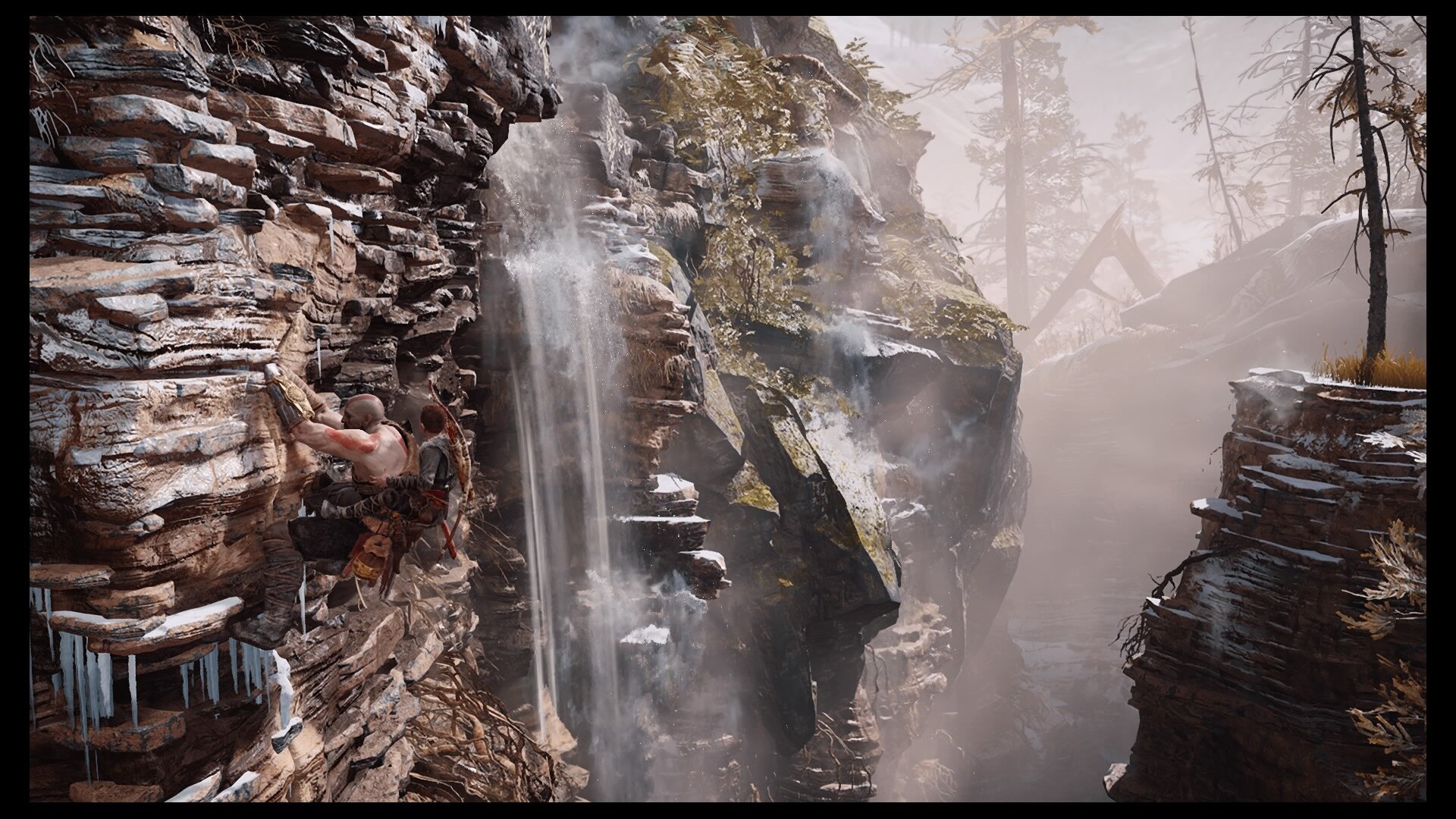
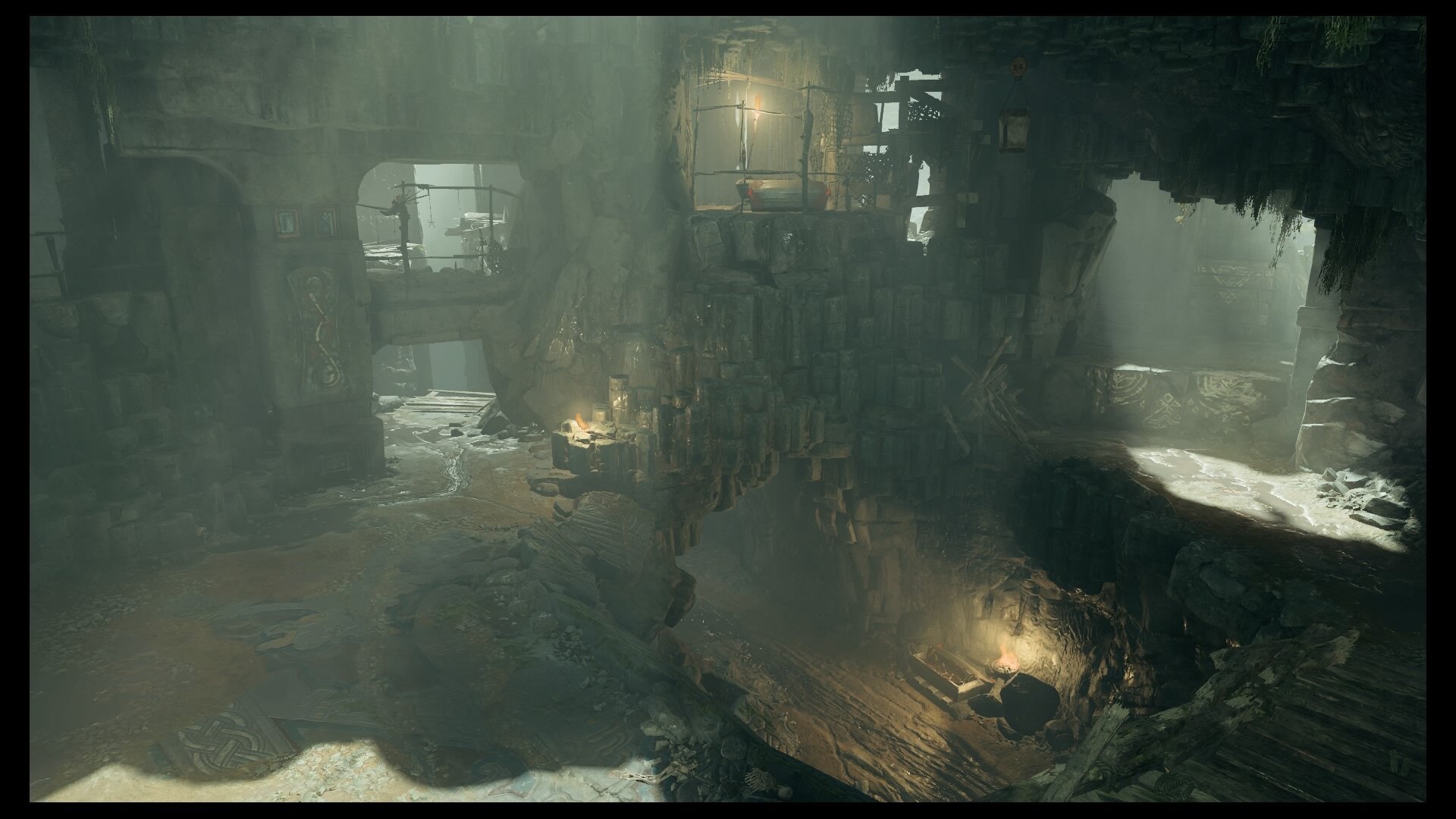
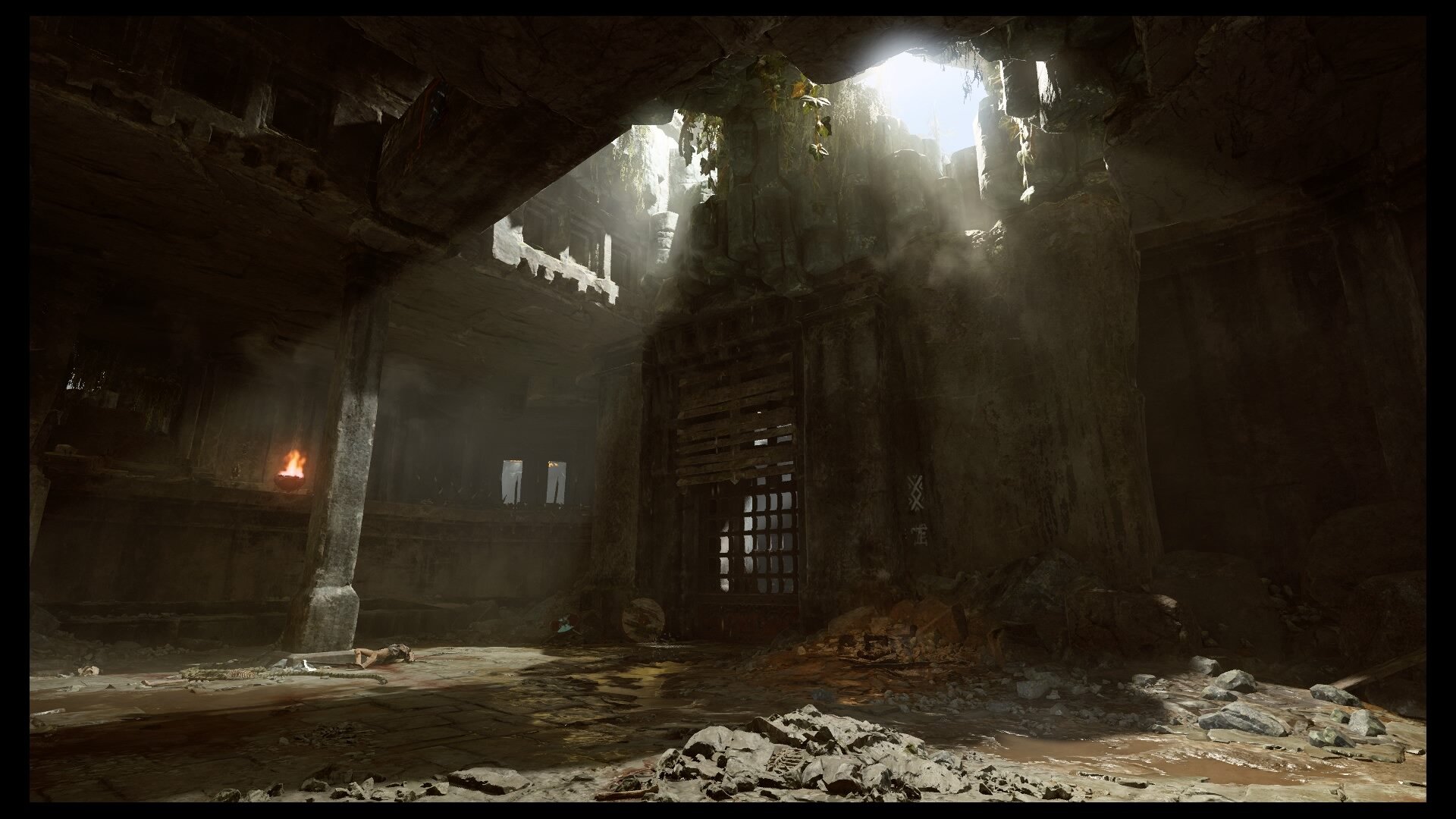
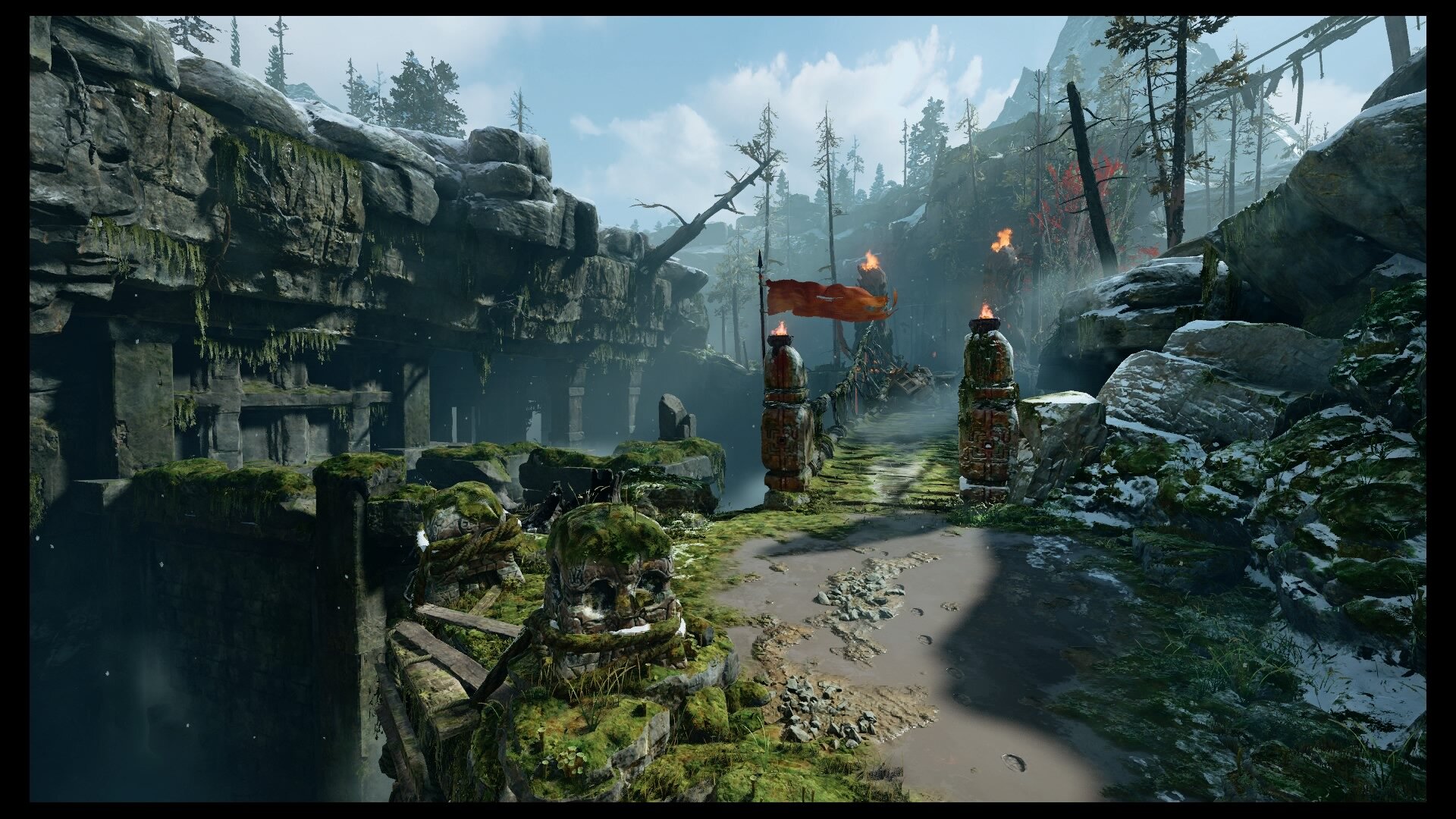
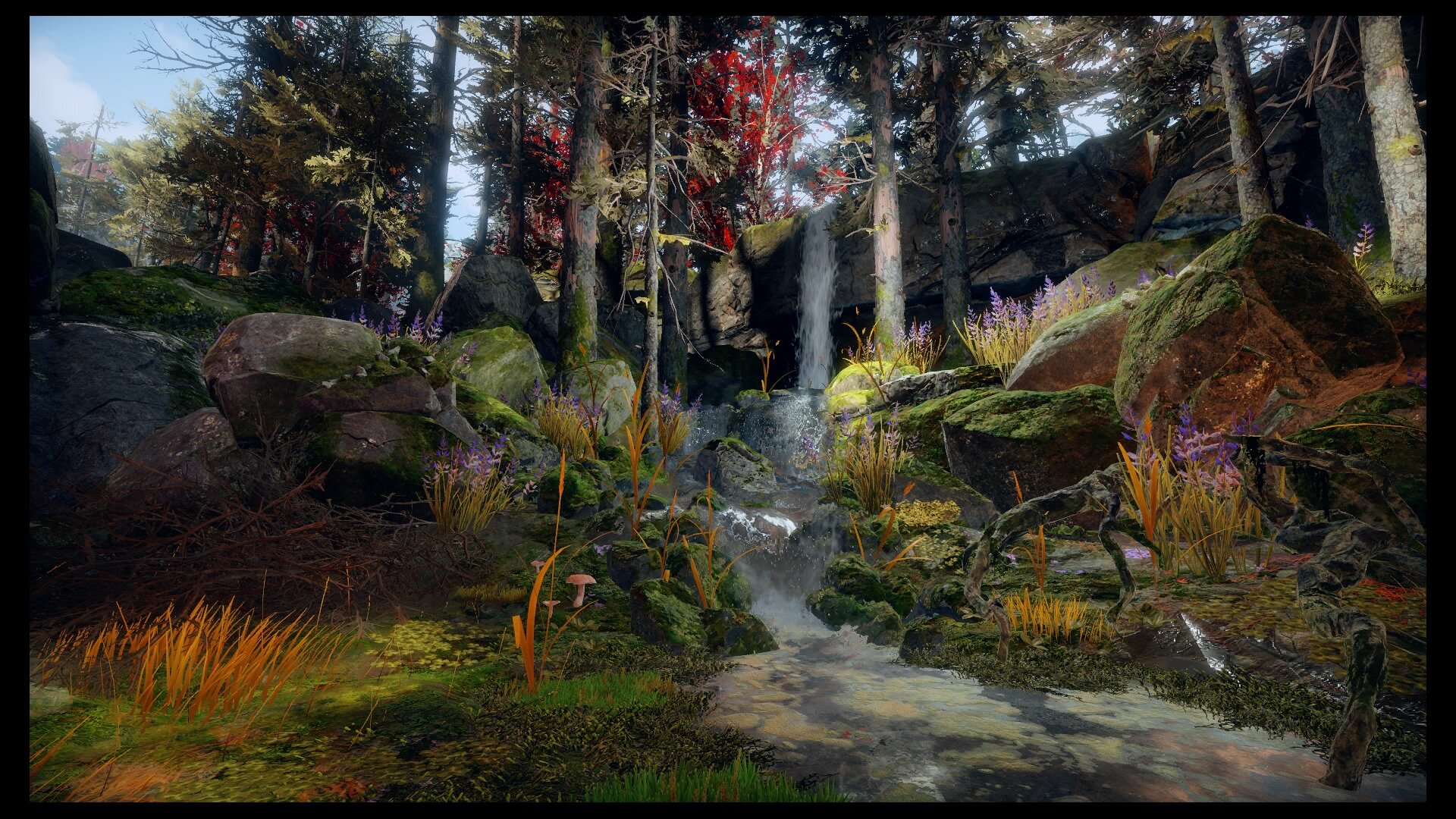
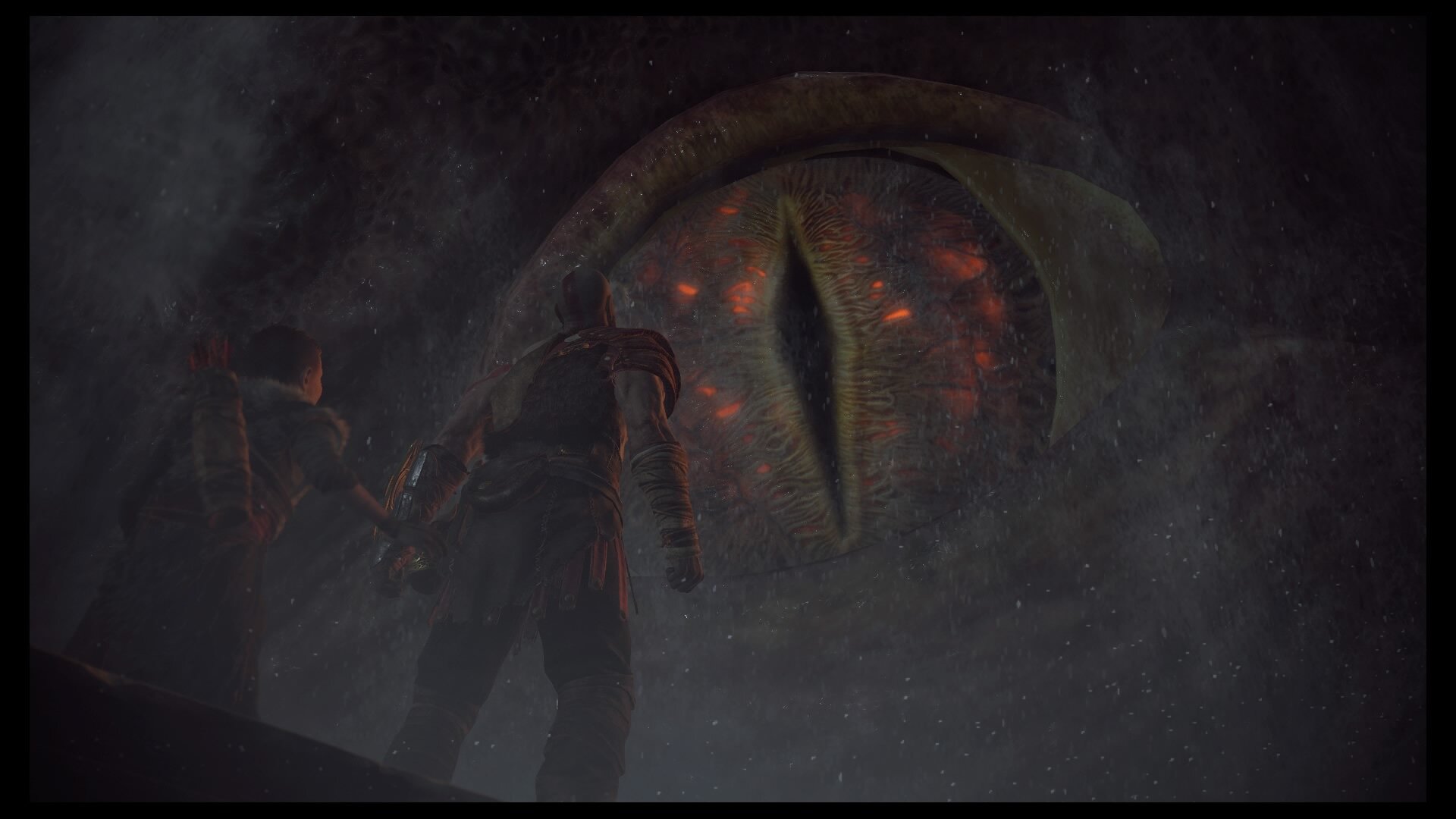
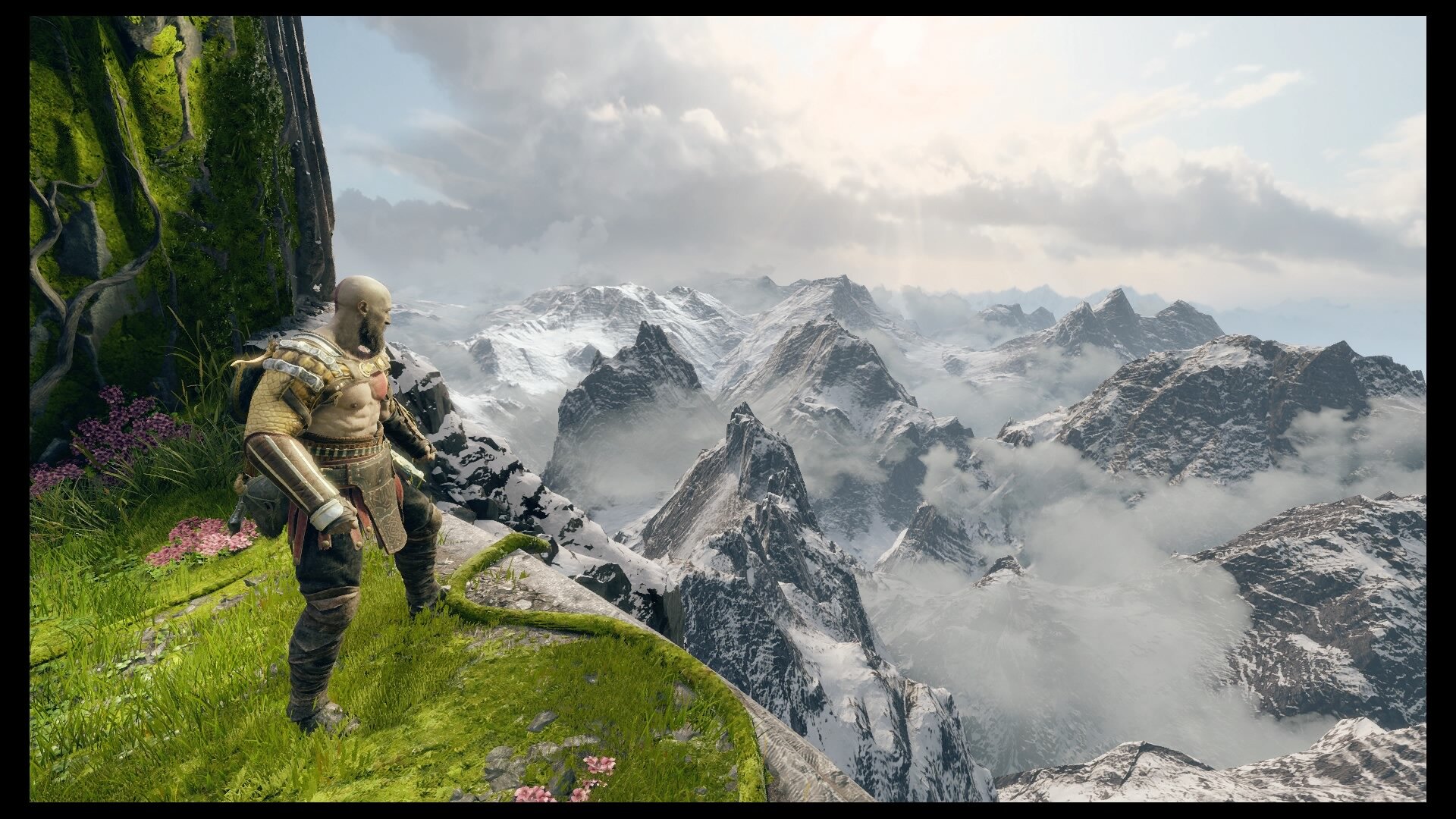
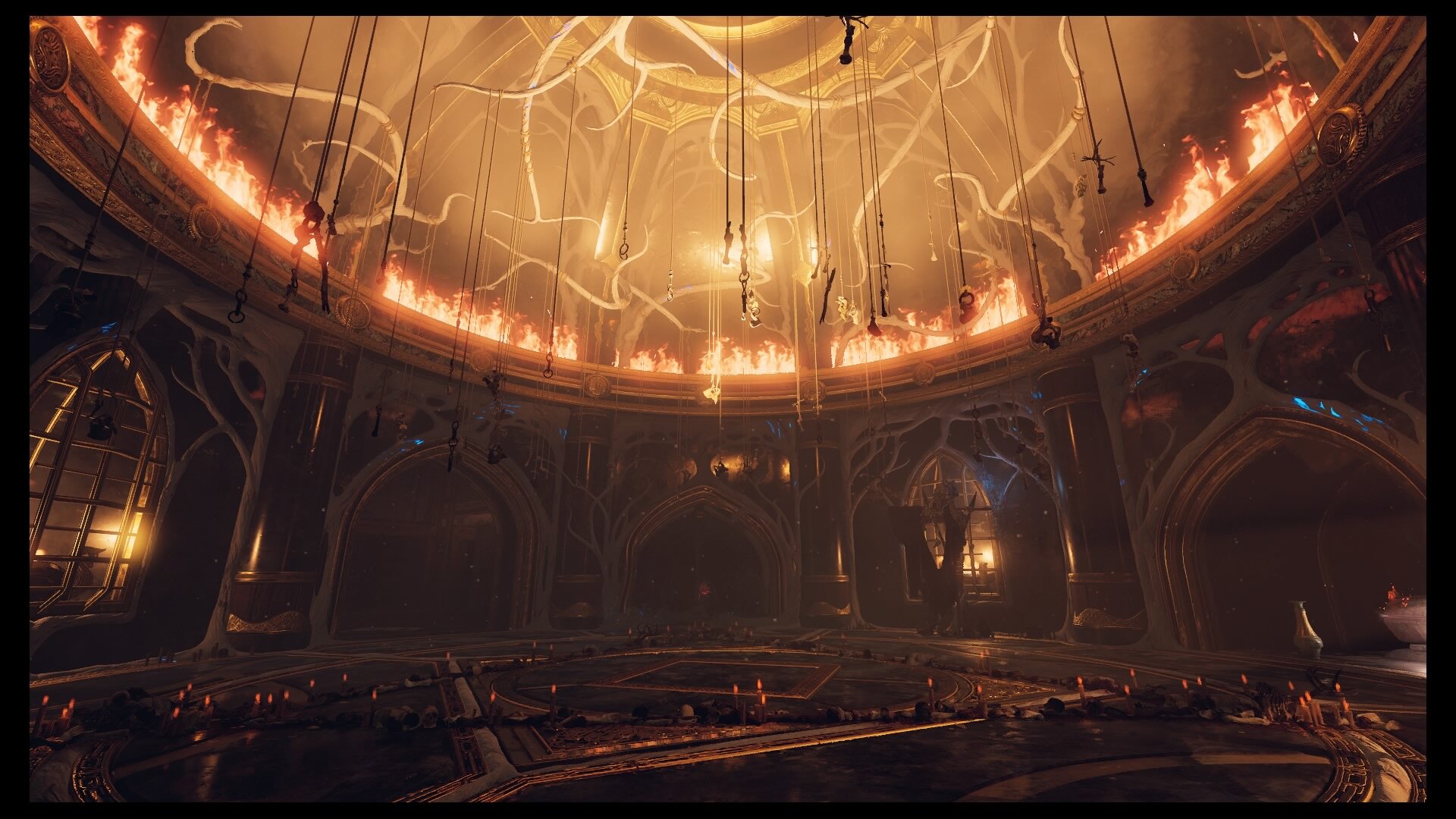
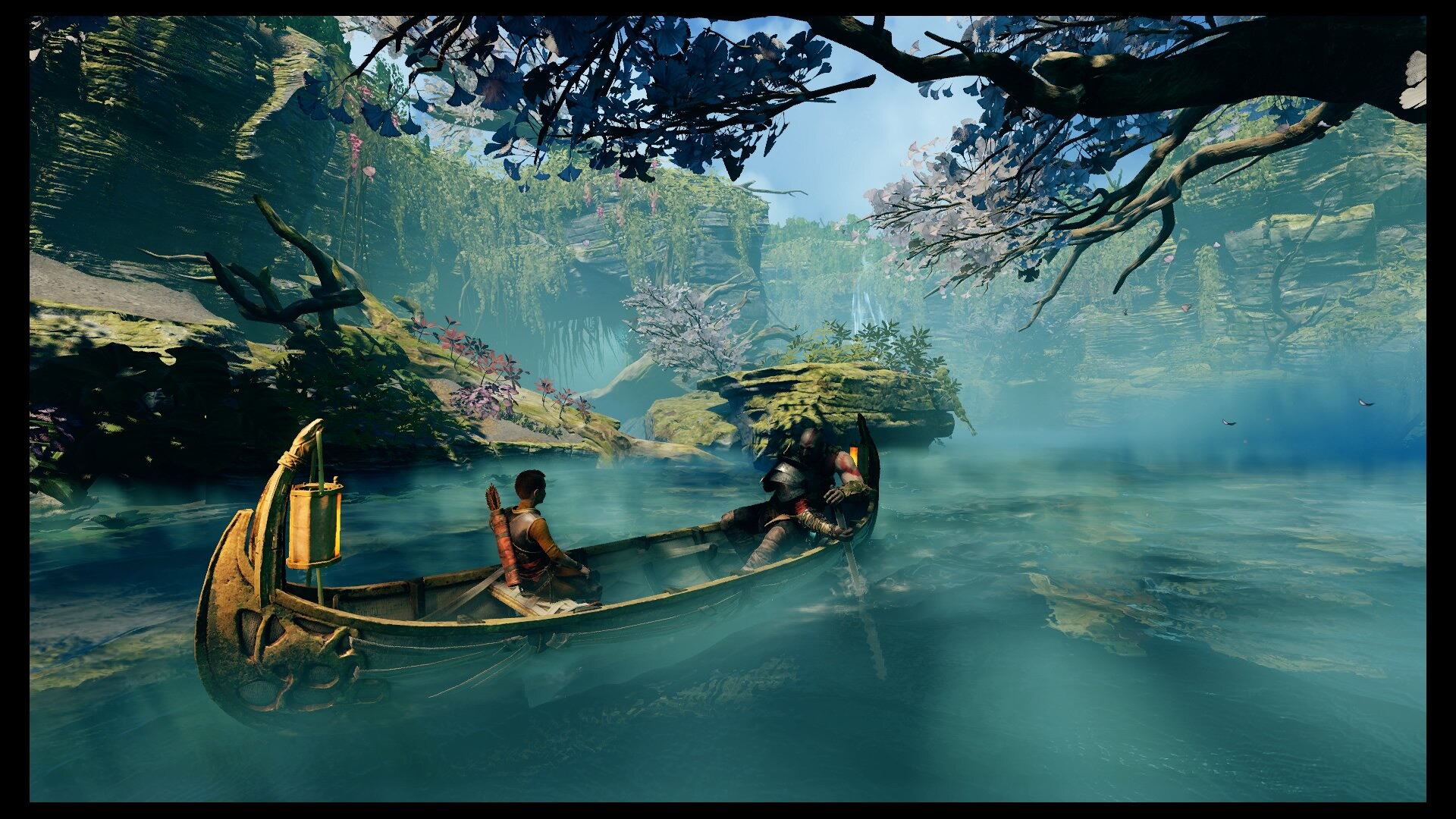
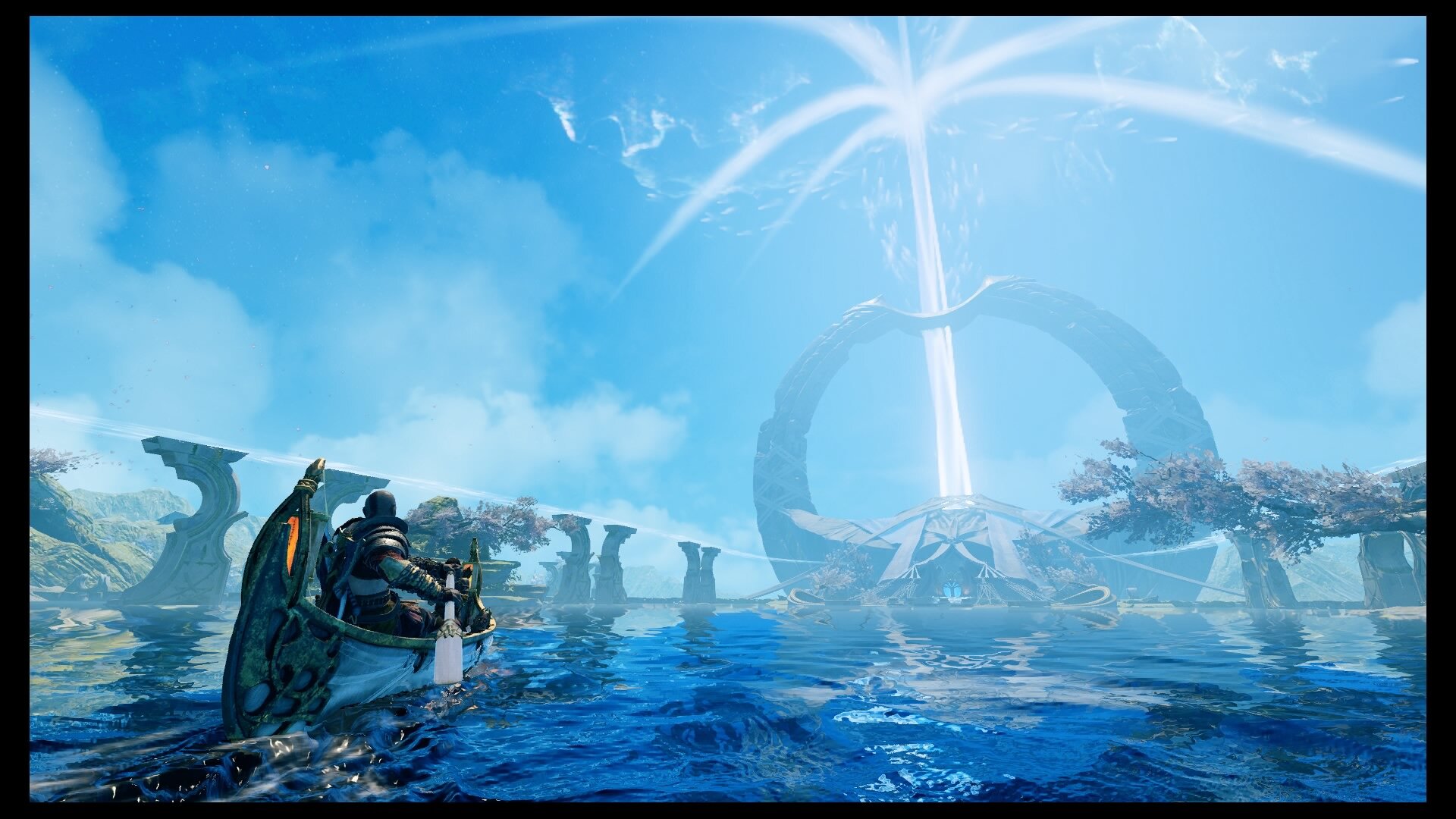
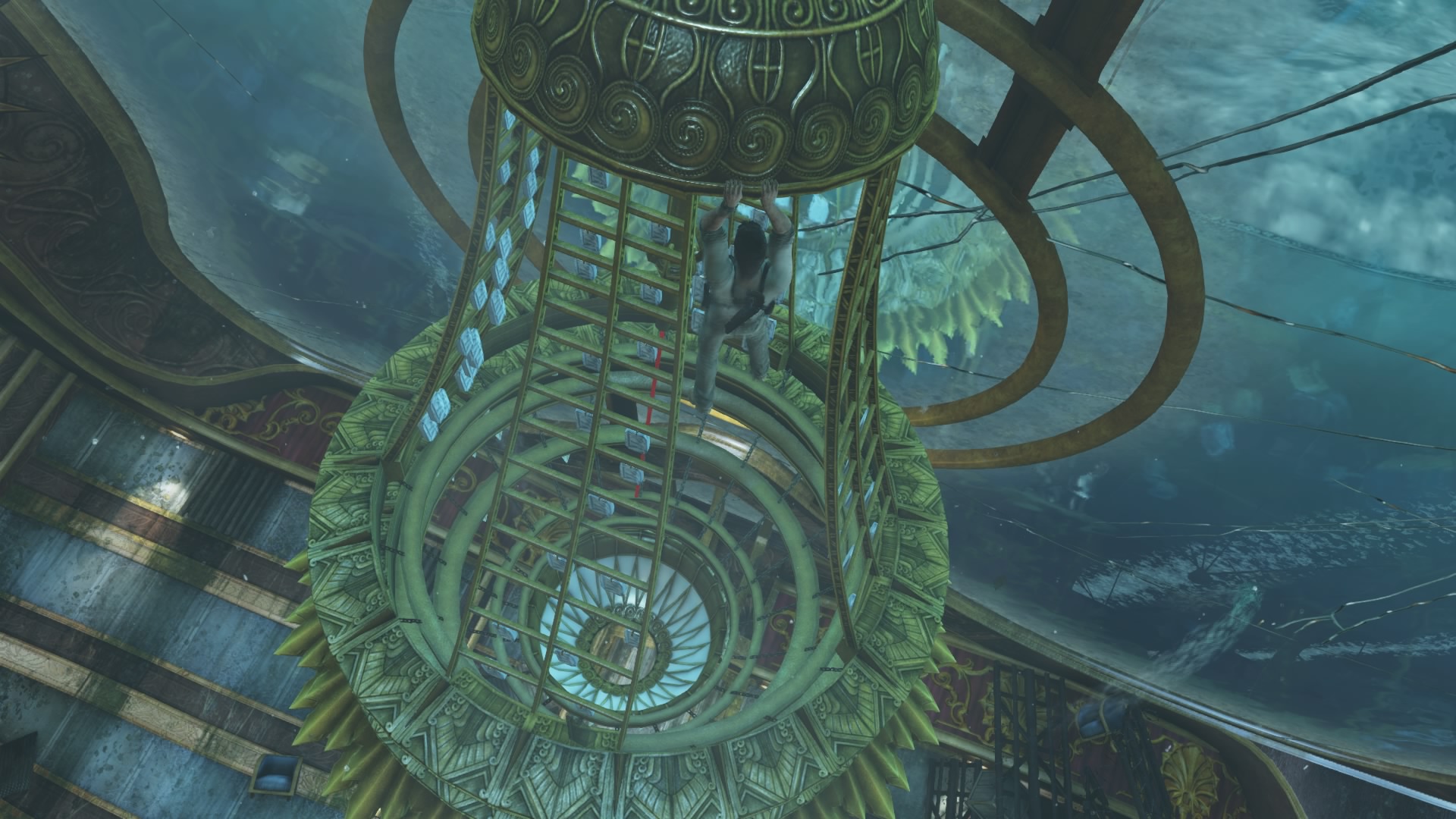
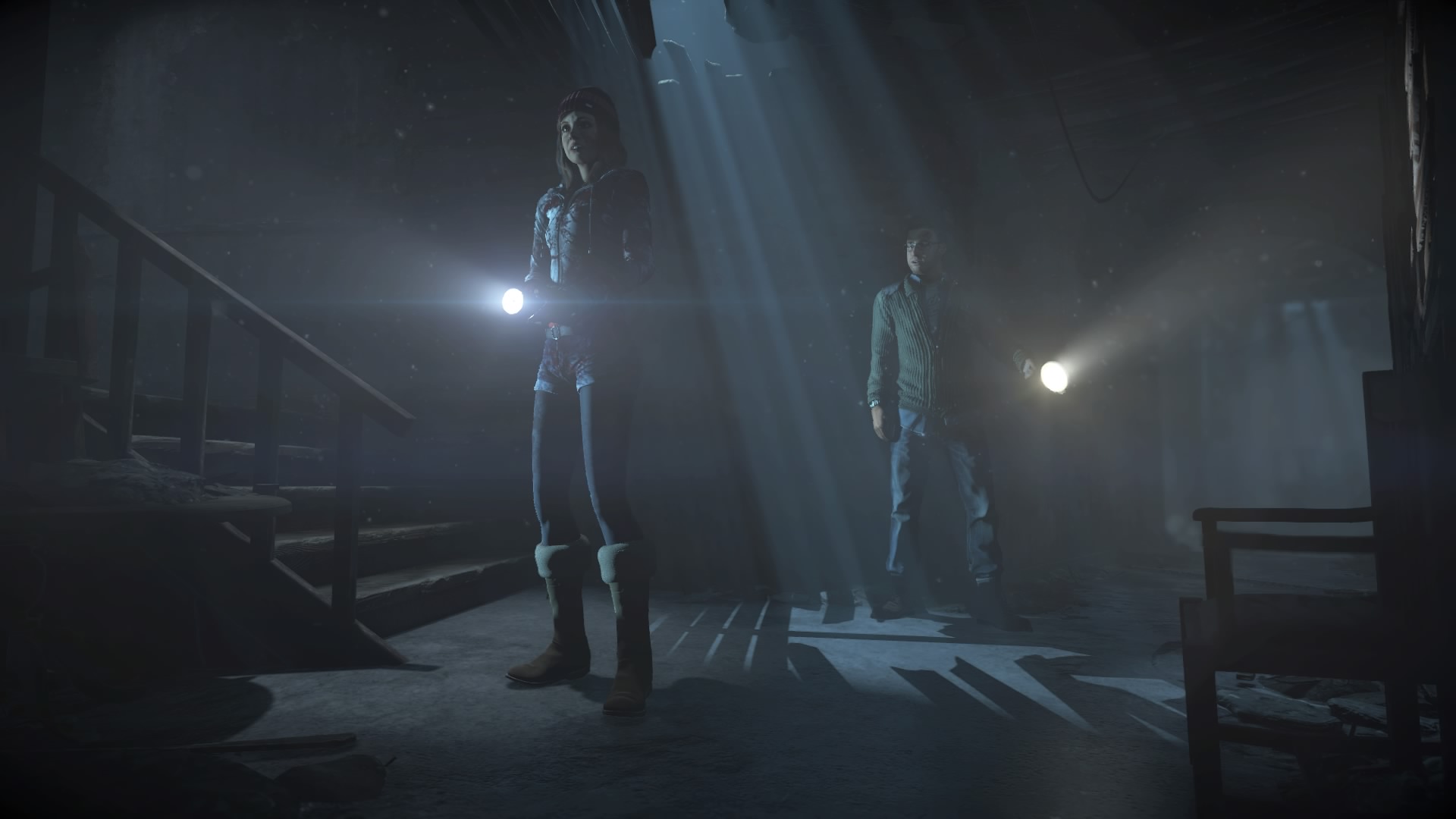
This impression was immediately cemented by its launch software: Ridge Racer! This was not merely a racing game; it was a statement of intent, running with a fluidity and visual fidelity that had previously been restricted to living room televisions. The system’s library quickly expanded to include technical marvels that defined the generation. Wipeout Pure demonstrated the hardware's capacity for futuristic speed and style, while Lumines offered a mesmerizing fusion of light and sound. Franchises like God of War and Syphon Filter successfully translated complex, cinematic gameplay to a portable format, and Final Fantasy: Crisis Core delivered a narrative and visual depth that remains impressive to this day. Meanwhile, original titles like LocoRoco and Patapon proved that the system could produce unique and quirky ideas to rival Nintendo.
However, the legacy of the PSP is also complicated by rampant piracy and the innovative modding scene. With the assistance of a tech-savvy cousin, my PSP was transformed from a locked ecosystem into a gateway for international gaming. This allowed me to play unreleased titles and fan-subbed Japanese imports, bridging the cultural gap and preserving games that might otherwise have been lost to me and others here in the West.
The system also became a haven for retro gaming collections—it was where I first really played many of the Gradius titles via the Gradius Collection. Later in its life, it engaged with Minis like Angry Birds and Plants vs. Zombies, effectively bridging the gap to the modern smartphone era.
Some of my favourites on the system include: Jeanne D'Arc, Tekken: Dark Resurrection, Shadow of Memories, OutRun 2006: Coast 2 Coast, Castlevania: The Dracula X Chronicles, Burnout Legends and The 3rd Birthday.
It speaks to the enduring quality of the hardware that these devices are still in operation today—even if the UMD casings are crumbling apart and the UMD movie library is remembered as quirky and pretty awful (Viva La Bam or a couple of episodes of Lost, anyone?).
While the PSP is sometimes looked at as a folly or failure, I feel this is a massive mischaracterization. It was up against the DS, which sold at a much cheaper price point and targeted a casual, family-wide demographic. The PSP sold an impressive 80 million units; a testament to its massive appeal and commercial success.
I loved the PSP because it was a pioneer—a brave attempt to bring high-fidelity multimedia to the pocket. At twenty-one years old, it deserves to be celebrated as a triumphant piece of gaming history.
LINK- The Rise of Retro Gaming During Covid
LINK- Blood, Sweat and Pixels- Book Review
LINK- The Offworld Collection- Book Review
LINK: Japan: My Journey to the East
LINK- Battle Angel Alita: And So It Ends
LINK- The Moomins 80's Soundtrack Vinyl Review
LINK- Inspector Gadget Retro Soundtrack Review