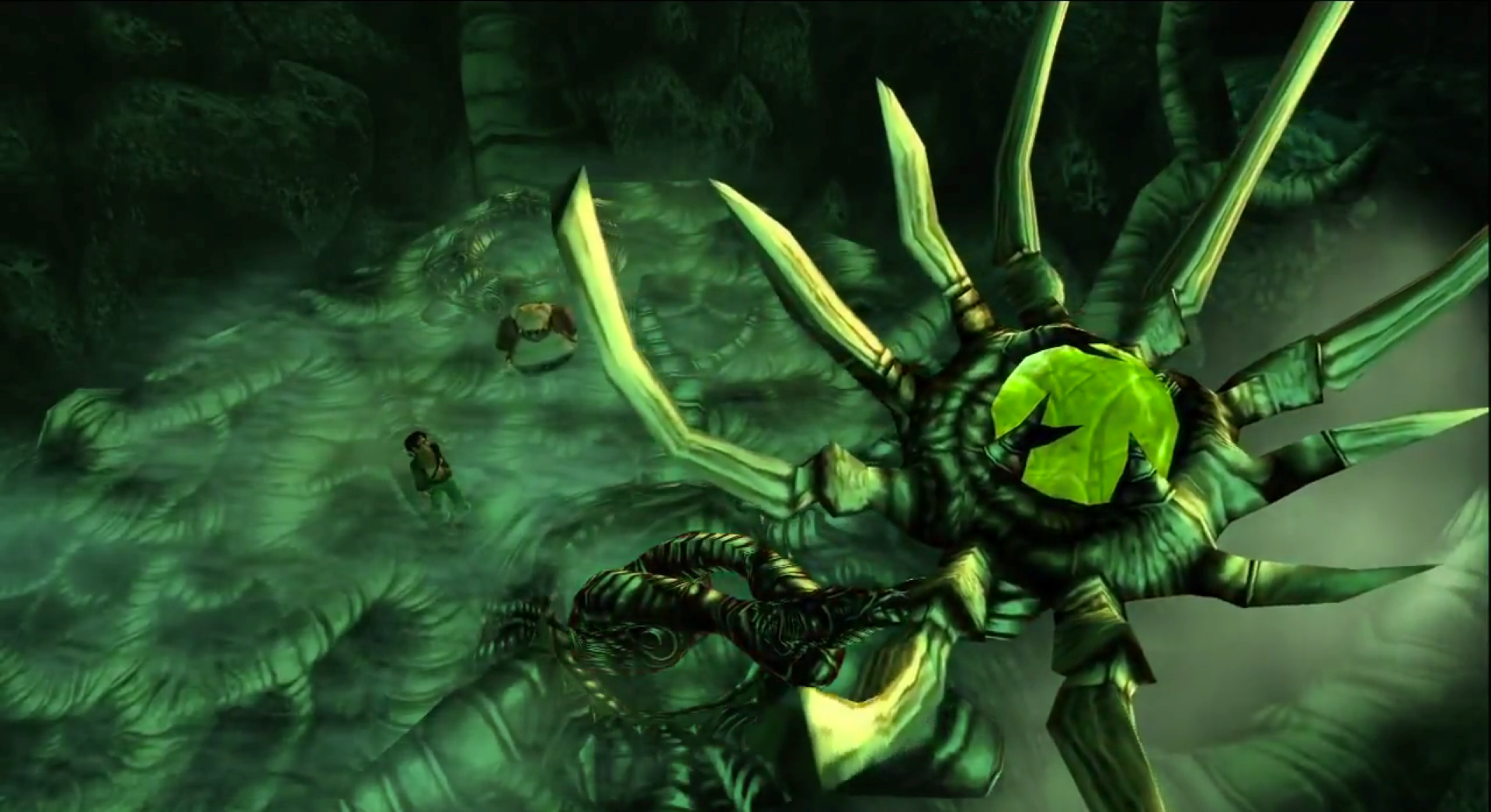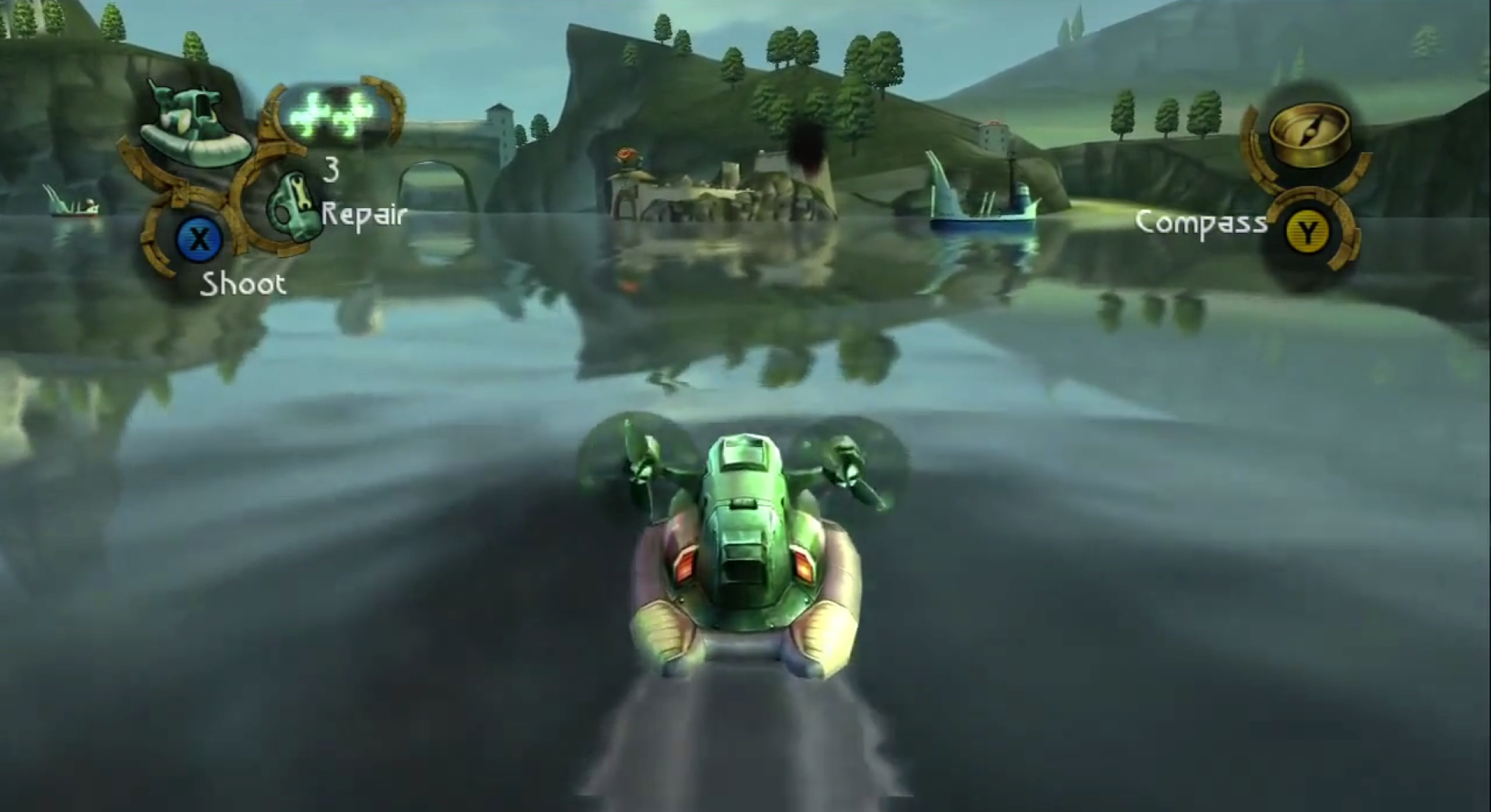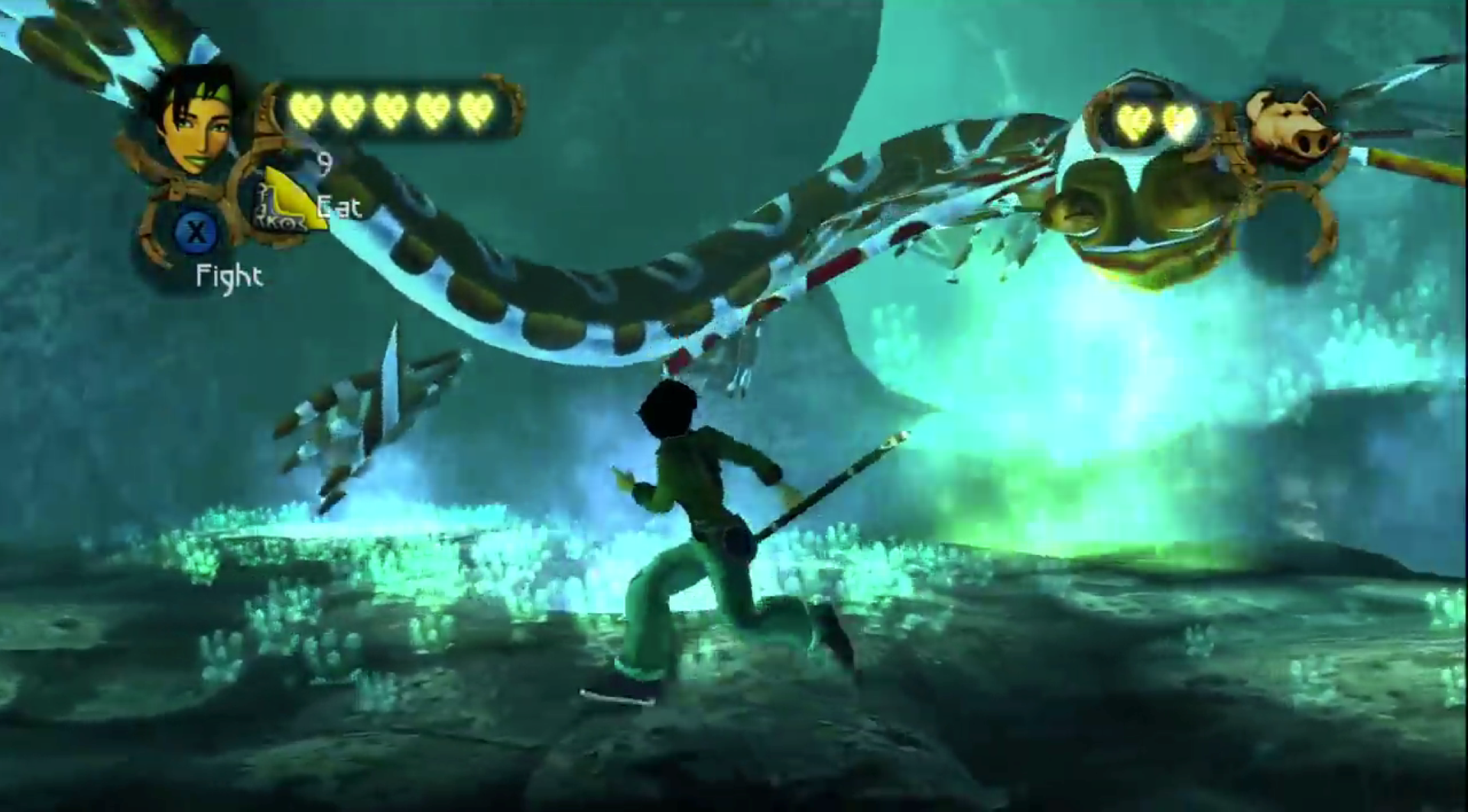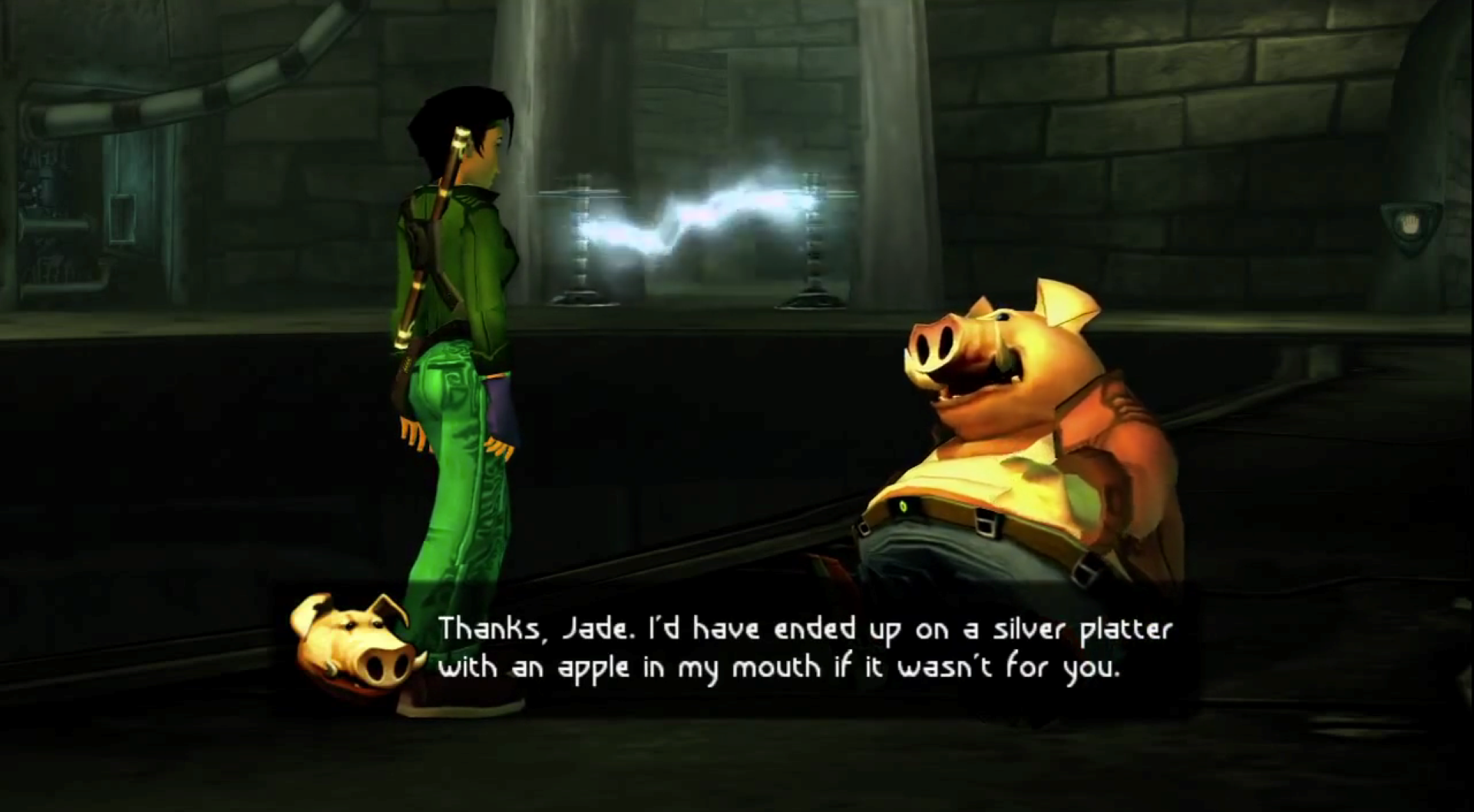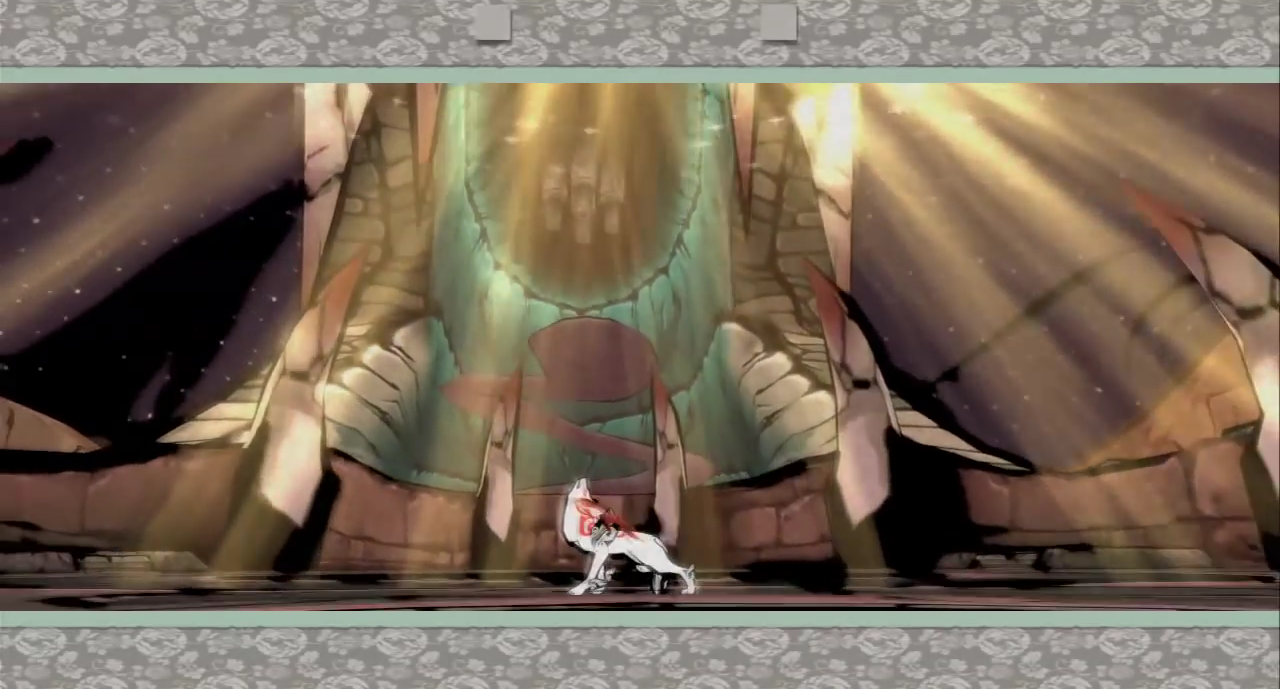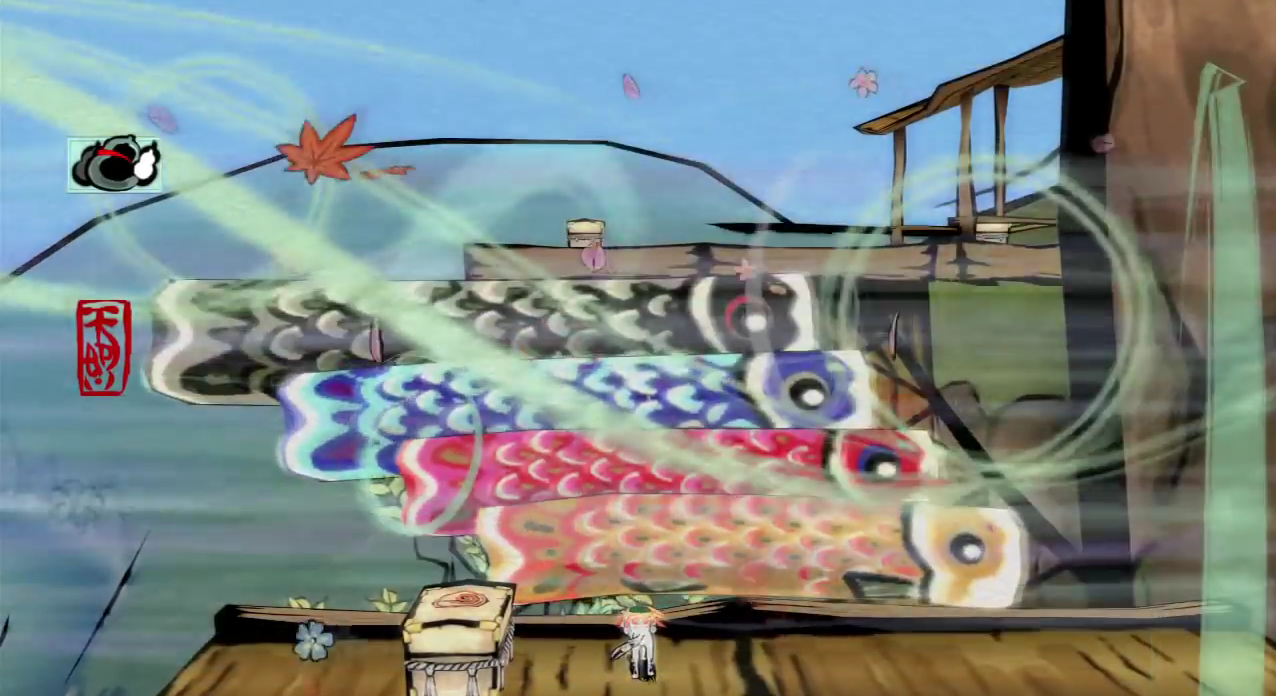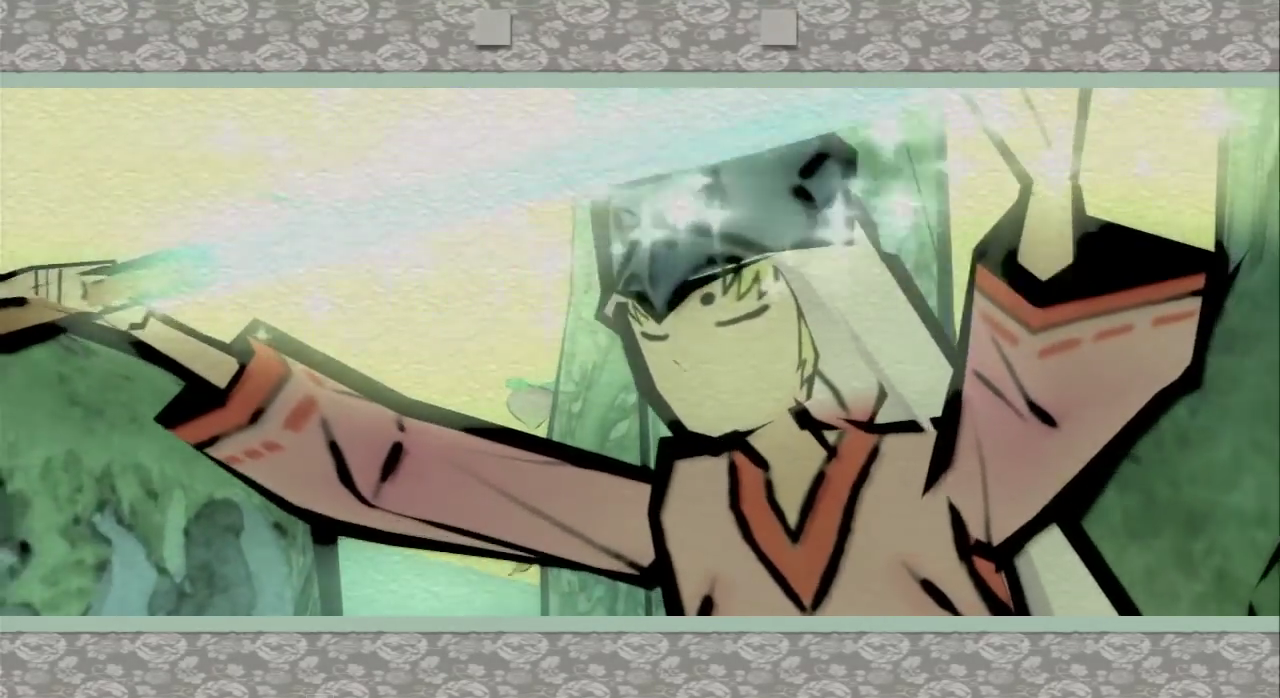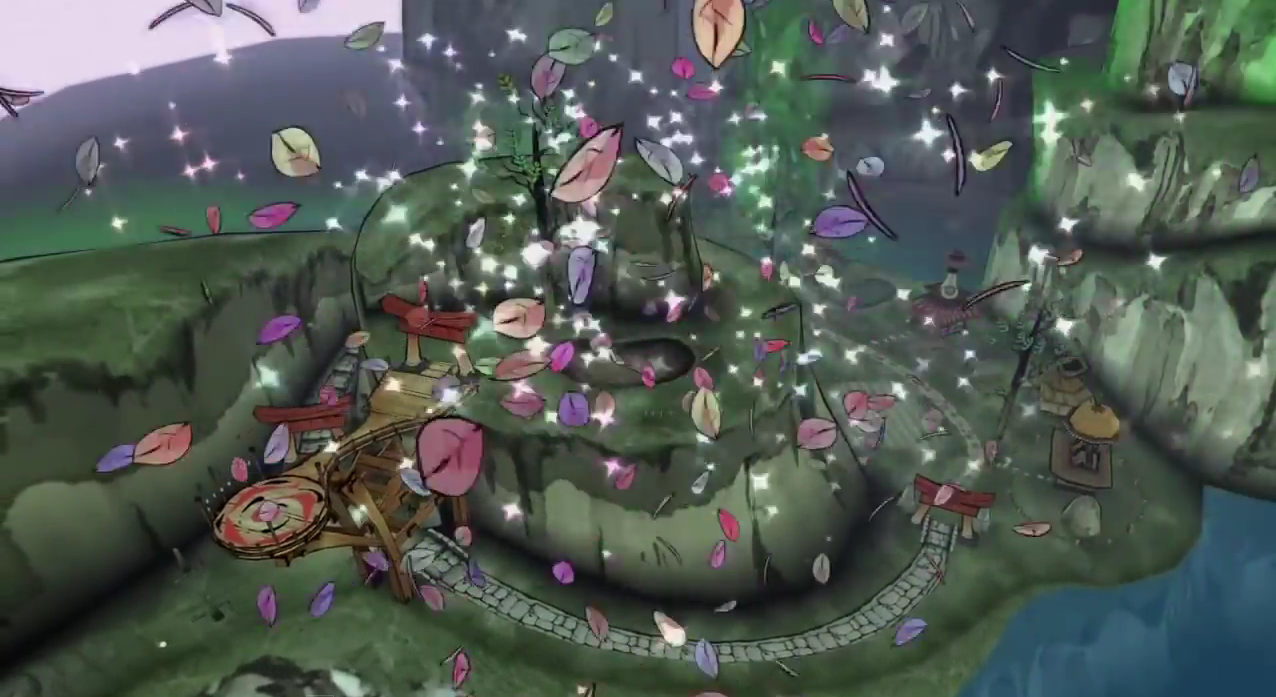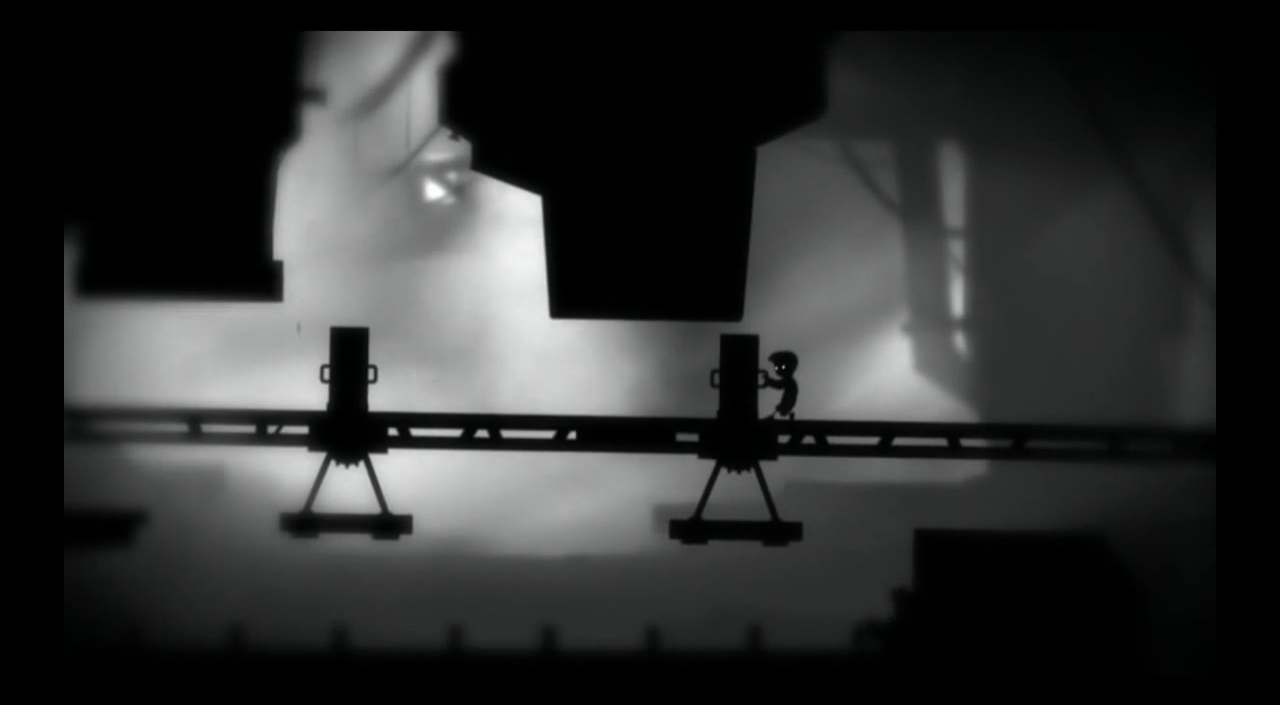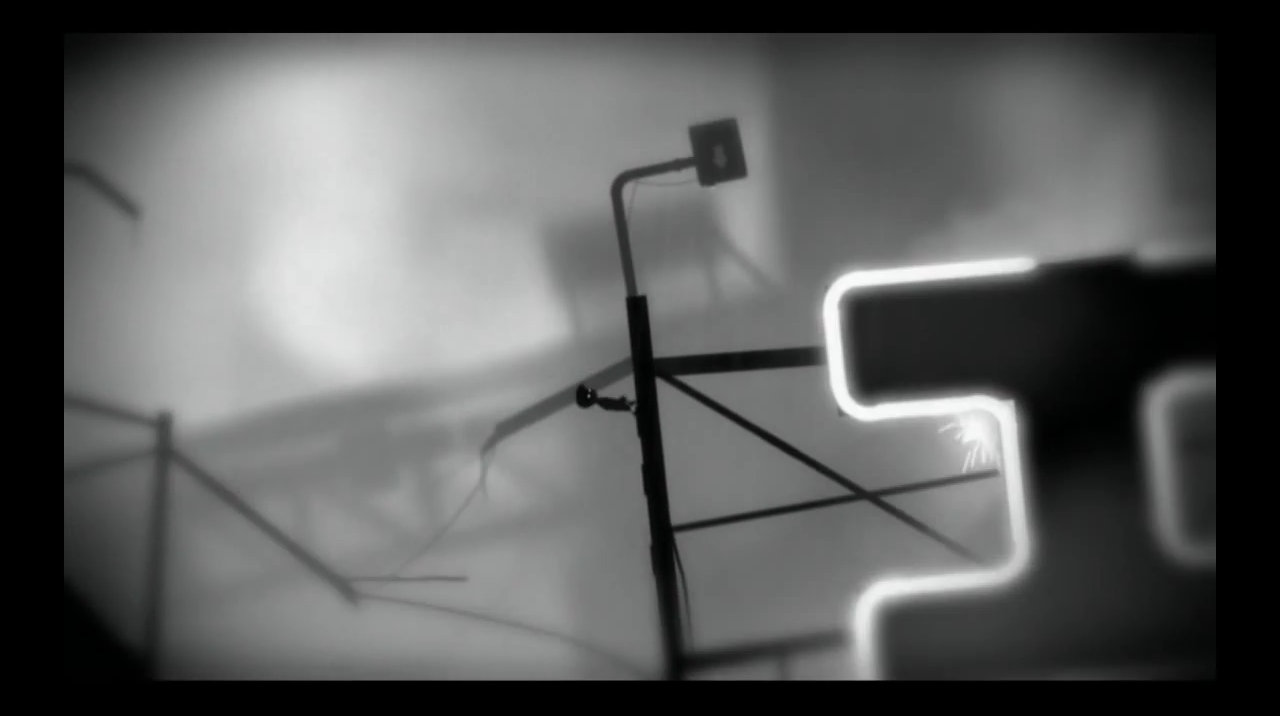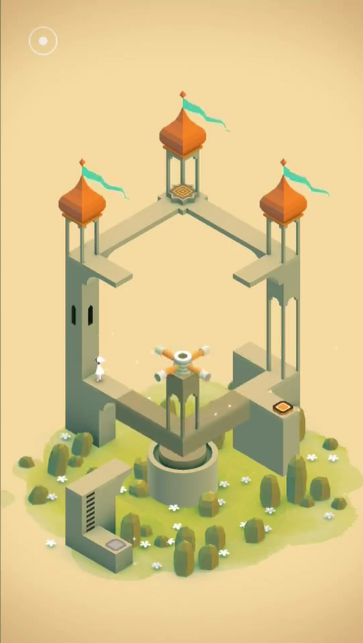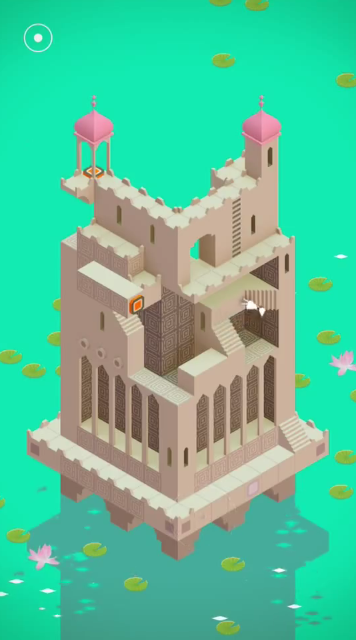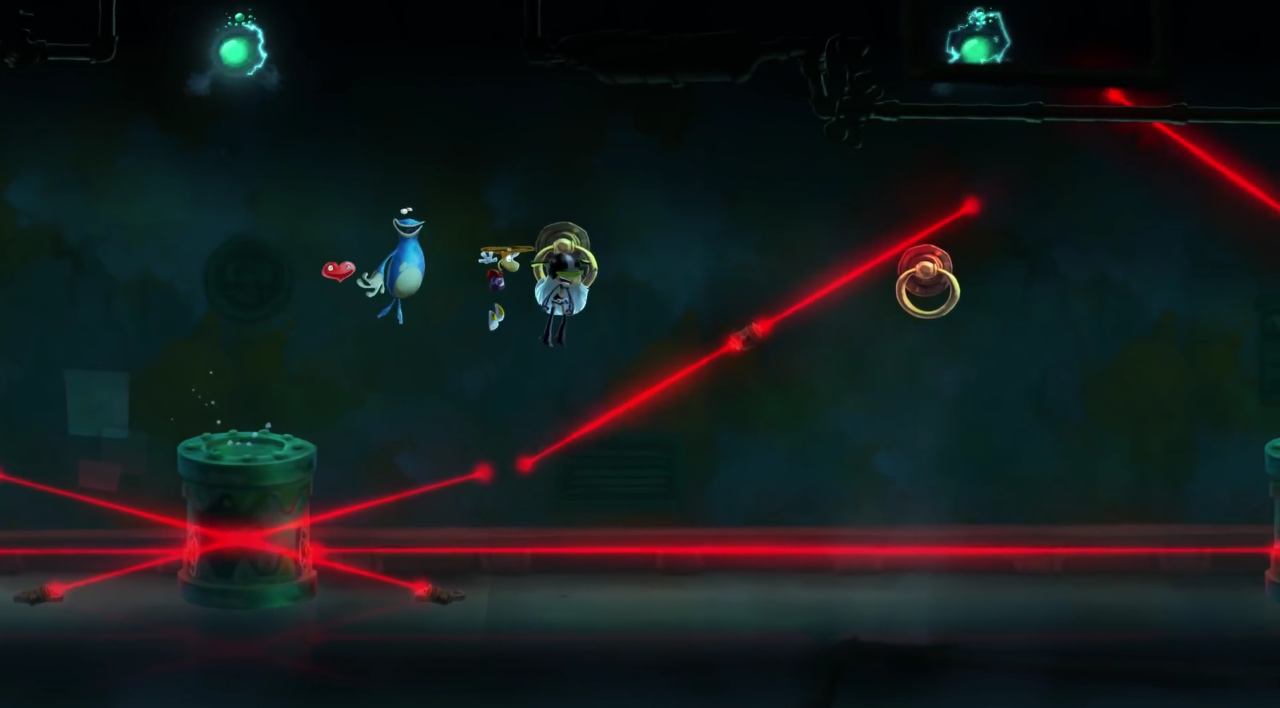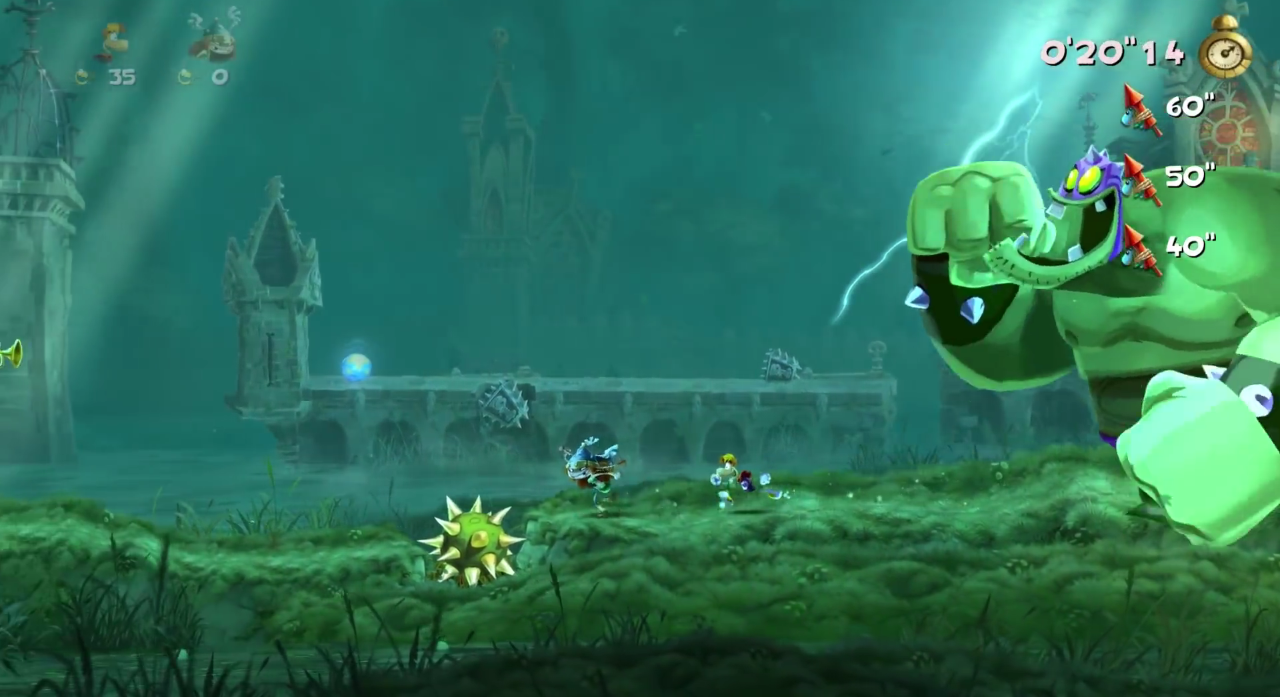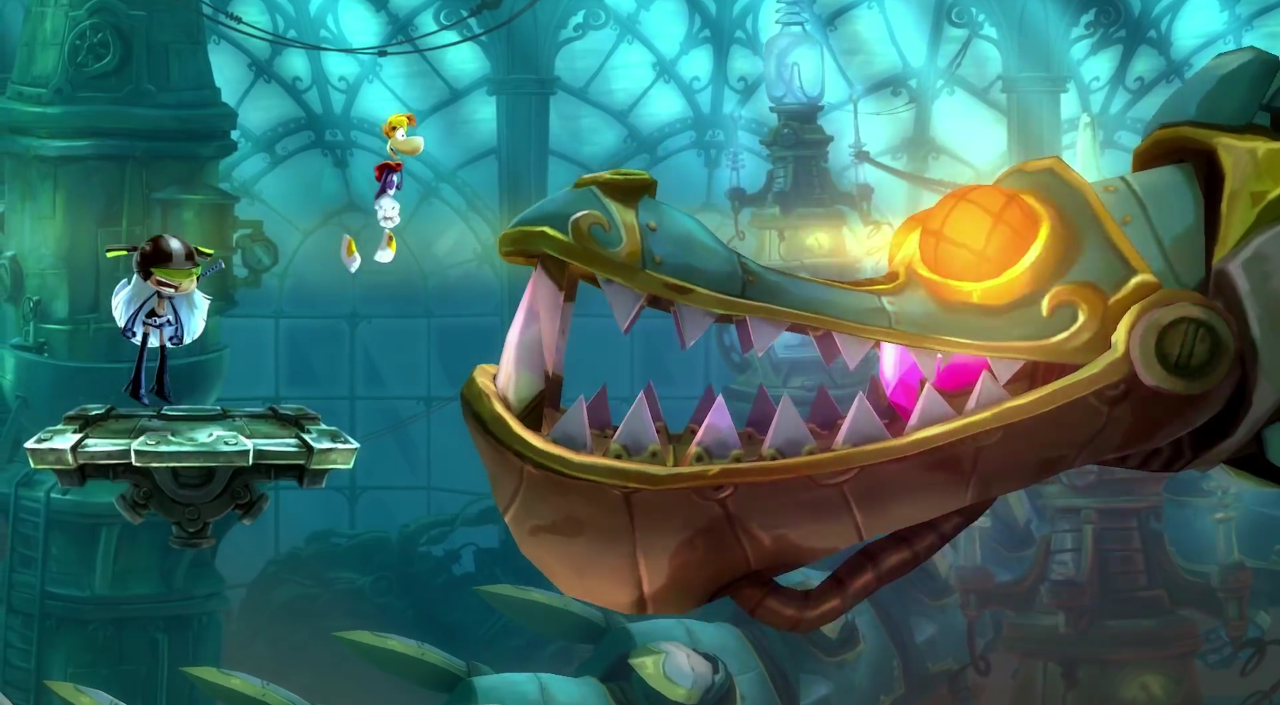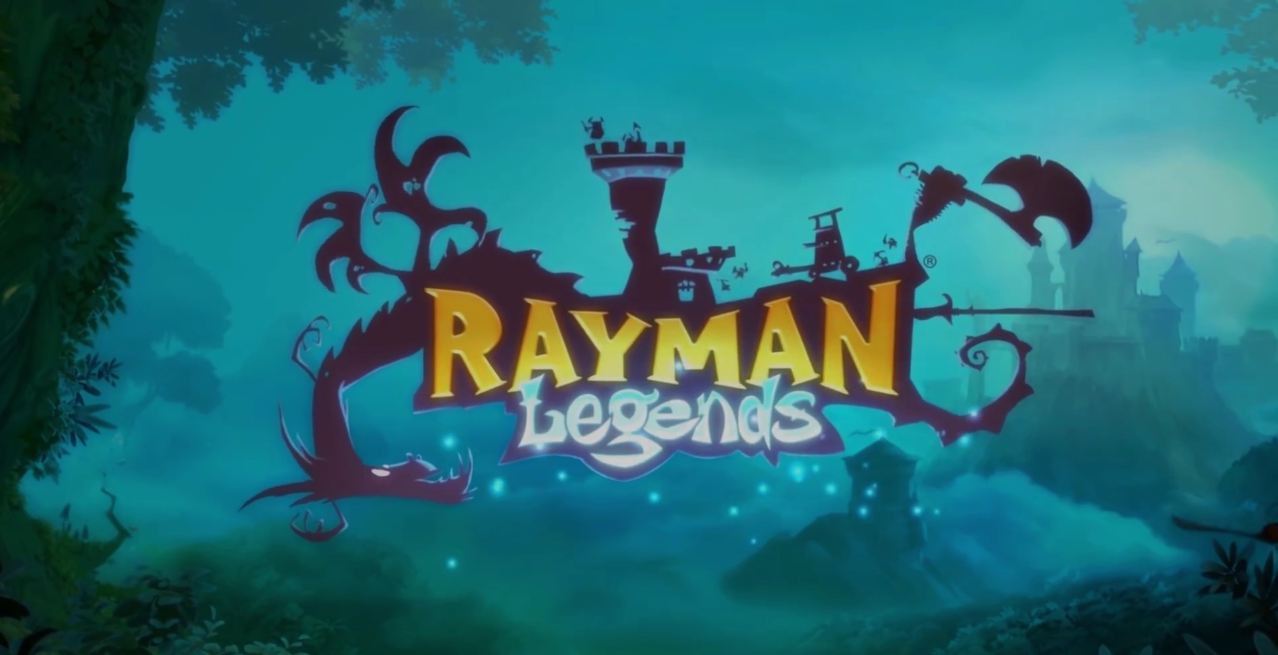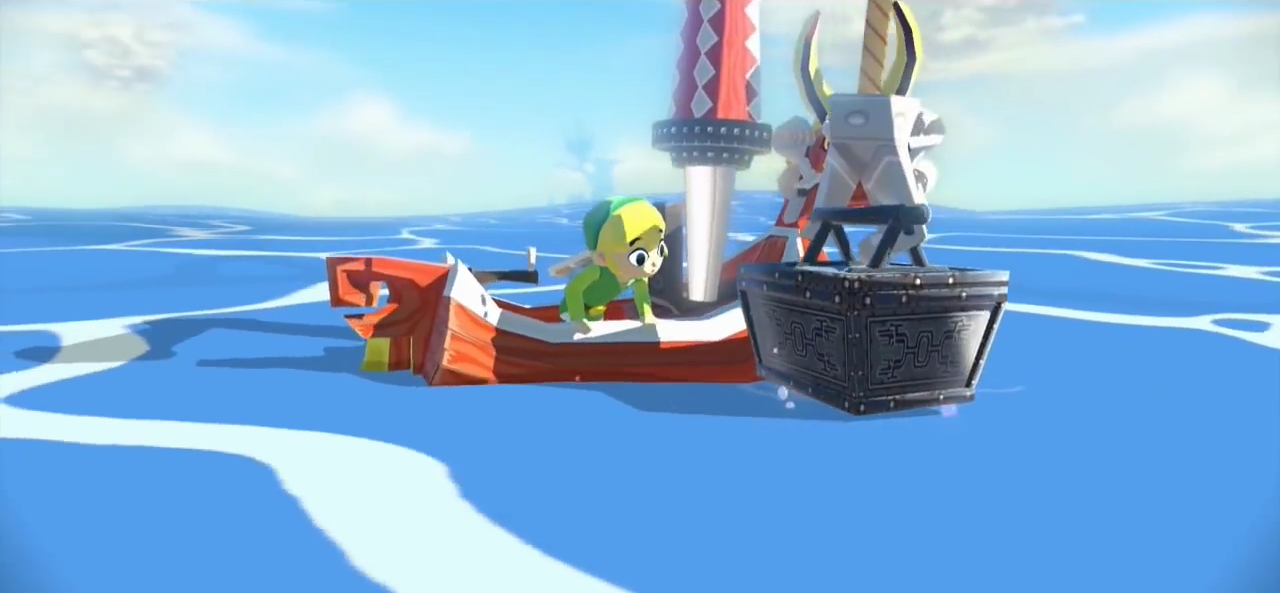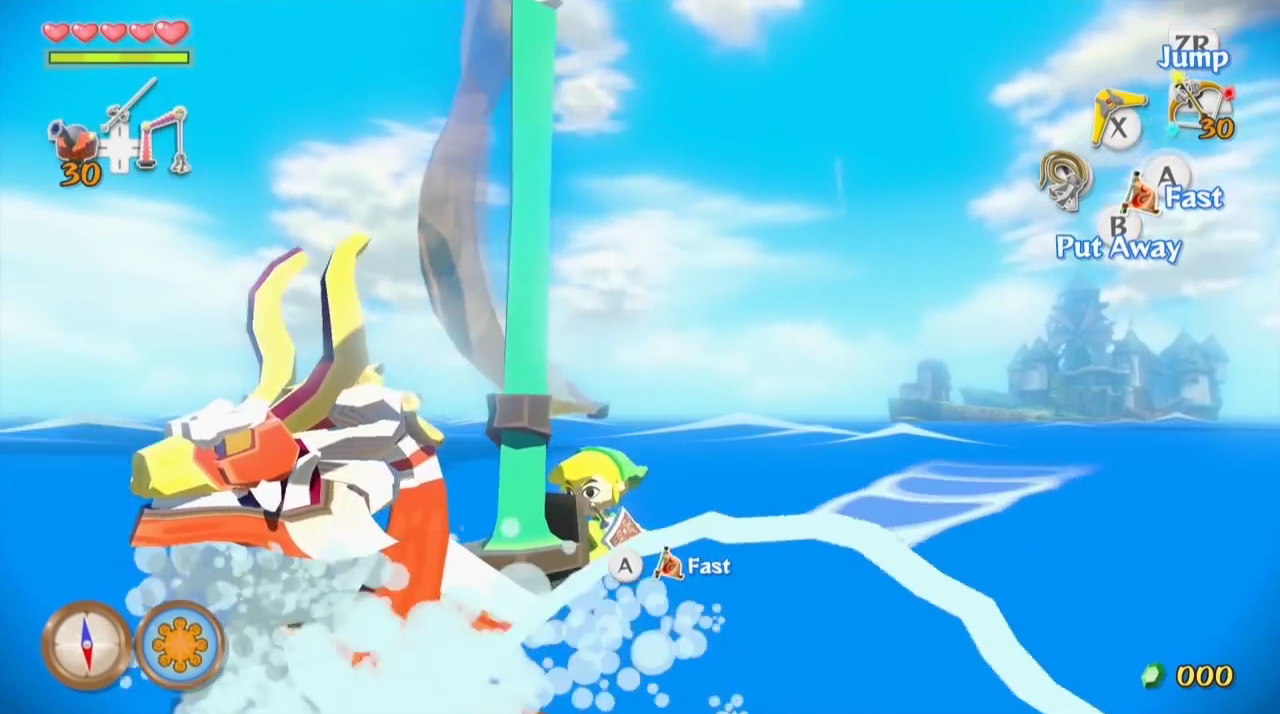
As an elder statesman of gaming (I’m in my mid-40s), I believe that videogames are magic; they are a modern form of alchemy that combines narrative, art, music and agency into a singular experience that no other medium can replicate. Composer (and problematic Right Wing favourite) Richard Wagner called his works Gesamtkunstwerk as he thought of his operas in this way. For me, however, there is a profound power in the interactivity of videogames that I simply cannot find anywhere else. While a book describes a world to me and a movie shows me a world, a videogame asks me to exist within it.
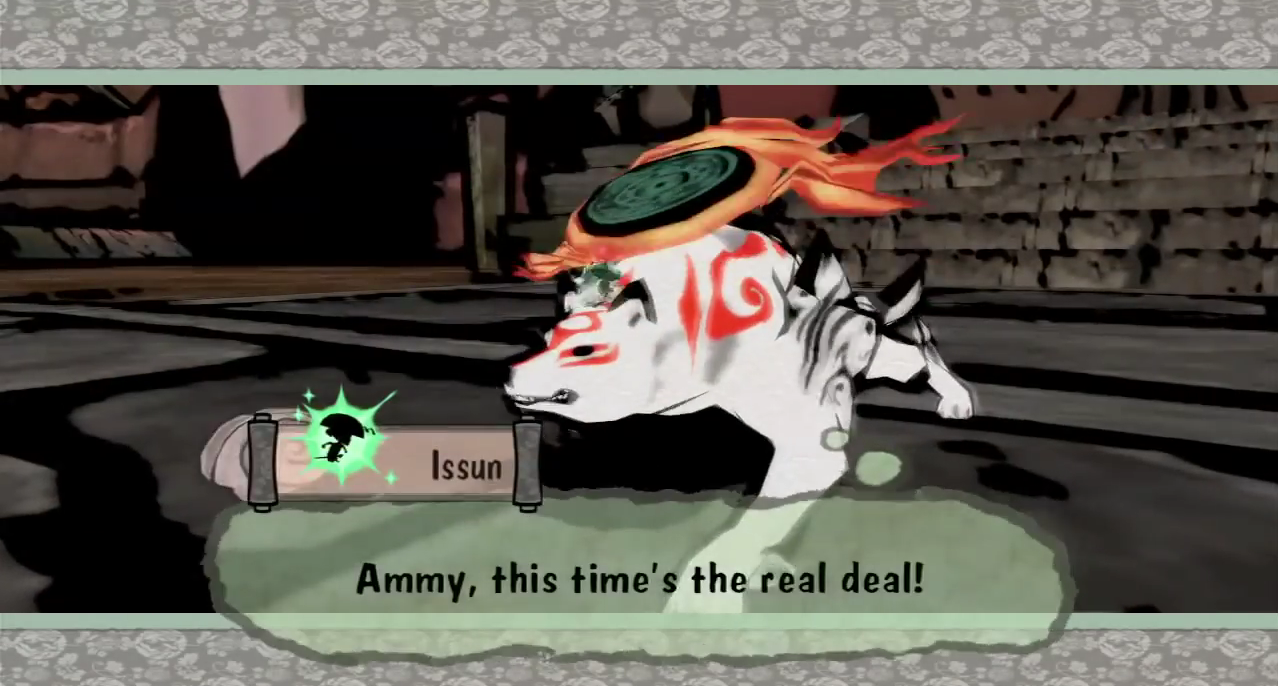
The capacity to transform into someone else, and walk in their shoes, is perhaps the medium’s greatest miracle. I often feel trapped in the singular perspective of my own life, bound by my specific geography, history and body. Videogames break these chains and allow me to inhabit the skin of a grieving father, a wandering samurai, a mythical creature or a soldier in a forgotten war. This is not just passive observation but active participation- when the character struggles, my hands sweat, when they triumph, my heart races. This creates a bridge of empathy that connects me to experiences I would never otherwise understand, curing the empathy fatigue of the real world by recharging my ability to feel for others through a safe, structured environment.
Videogames also give me the ability to forget the state of the world - at least for a while. This is scientifically backed with the concept of the Flow; when a game engages me, and the challenge perfectly matches my skill, my brain enters a state of cognitive absorption. The noise of reality fades. The physical pain, the heartbreak, or the grief that occasionally hums in the background is temporarily silenced because my brain is fully focussed on the task at hand - it is a balm, smoothing over the jagged edges of my anxiety.
They do not let me escape forever and nor should they but the majesty of videogames lies in their ability to serve as a way station. When the weight of the world threatens to overwhelm me, a game offers a place to set that burden down for an hour or so. It is a momentary suspension of gravity, a pause button for my soul. I return to the real world not just distracted, but restored. I bring back a piece of that digital bravery, that puzzle-solving resilience, and that quiet peace.
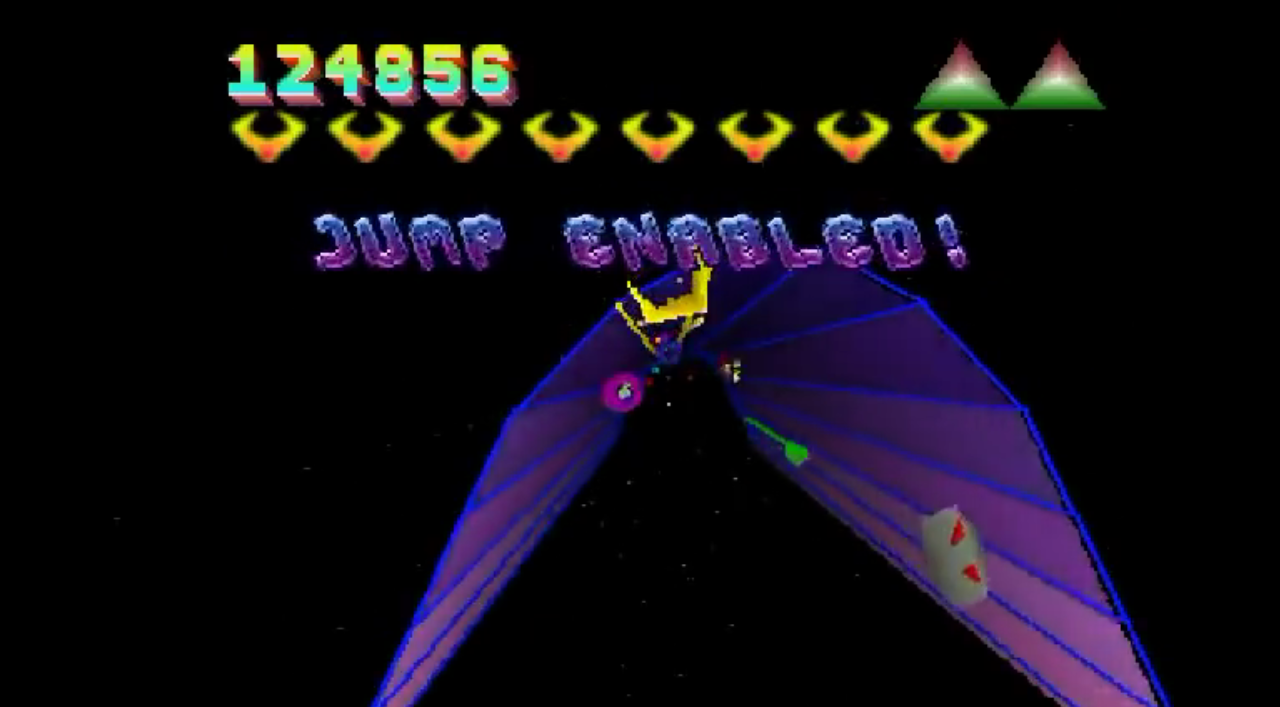
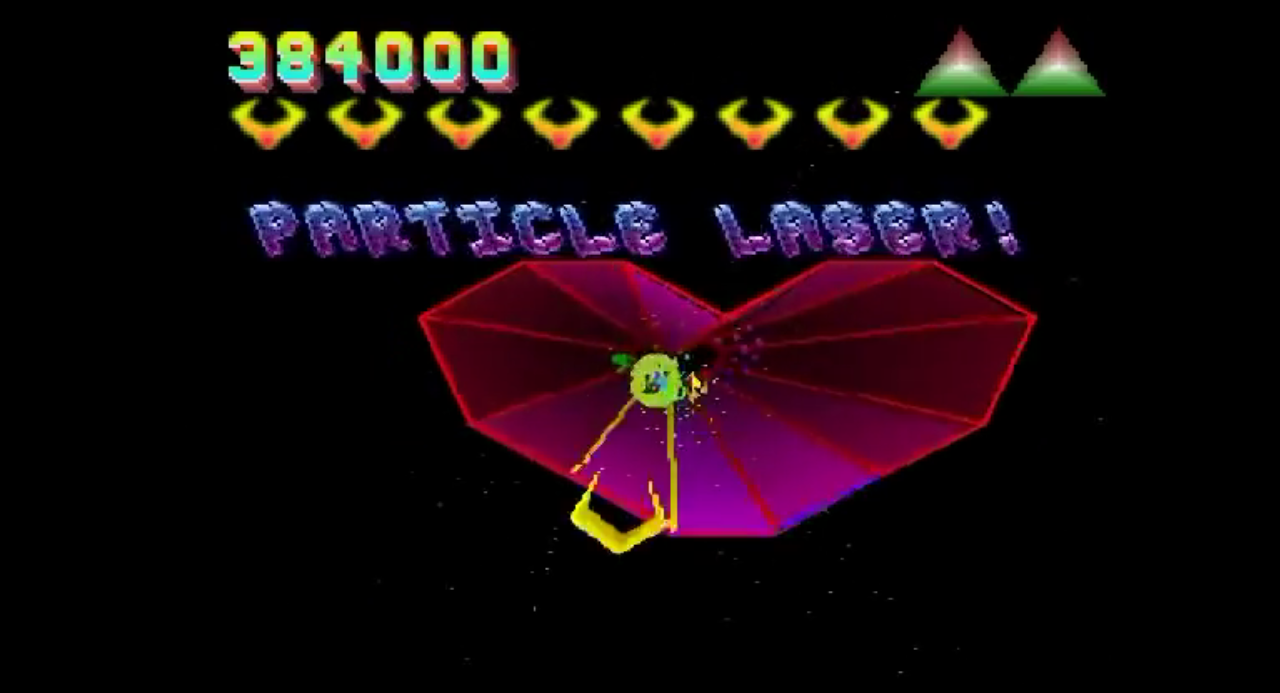
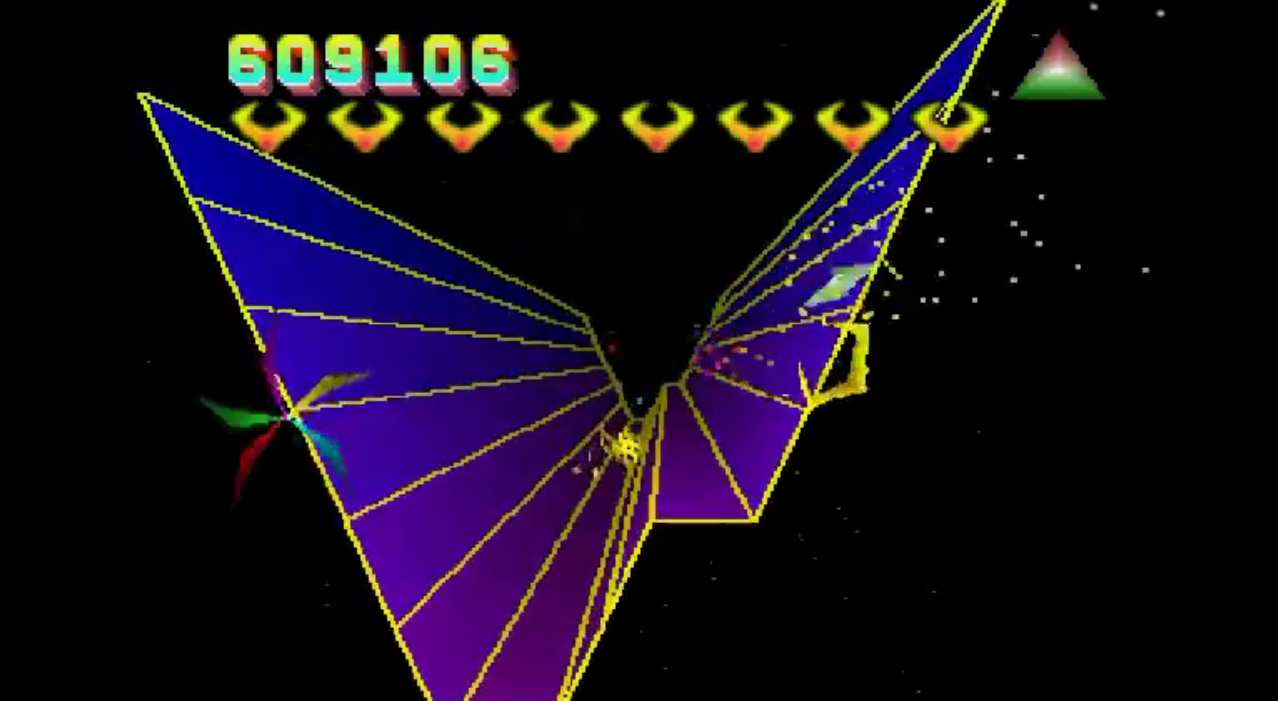
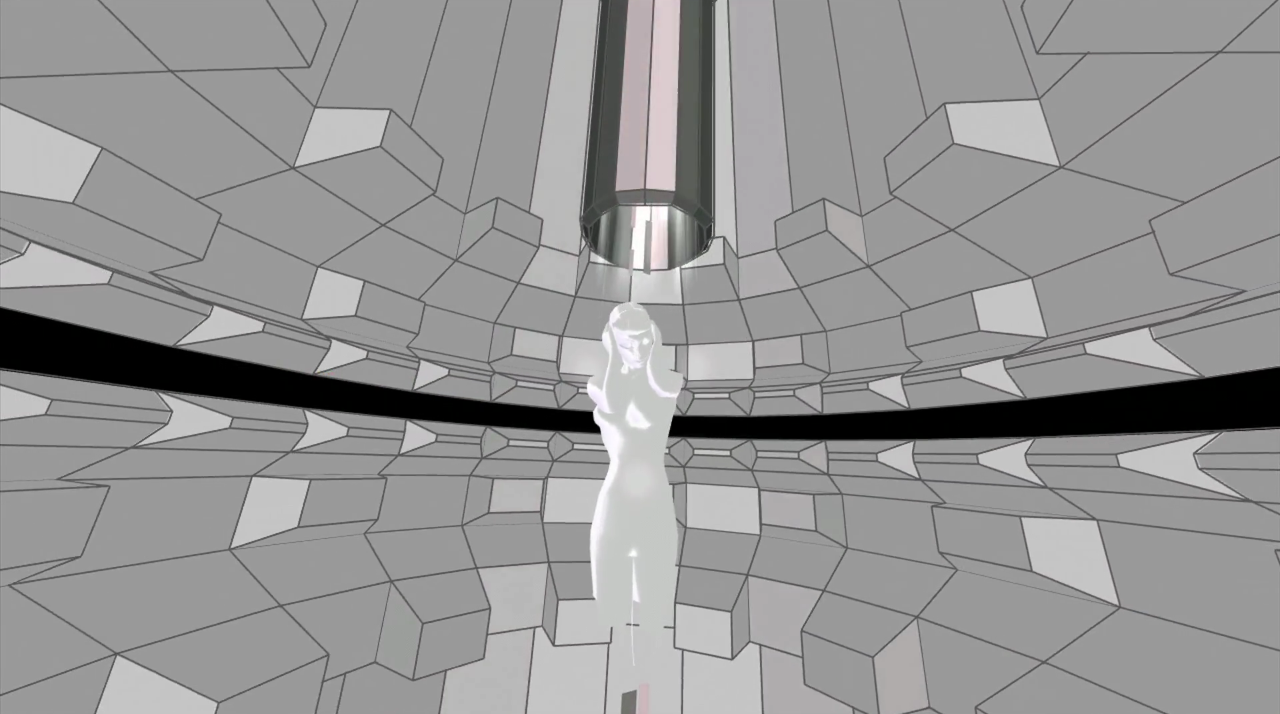
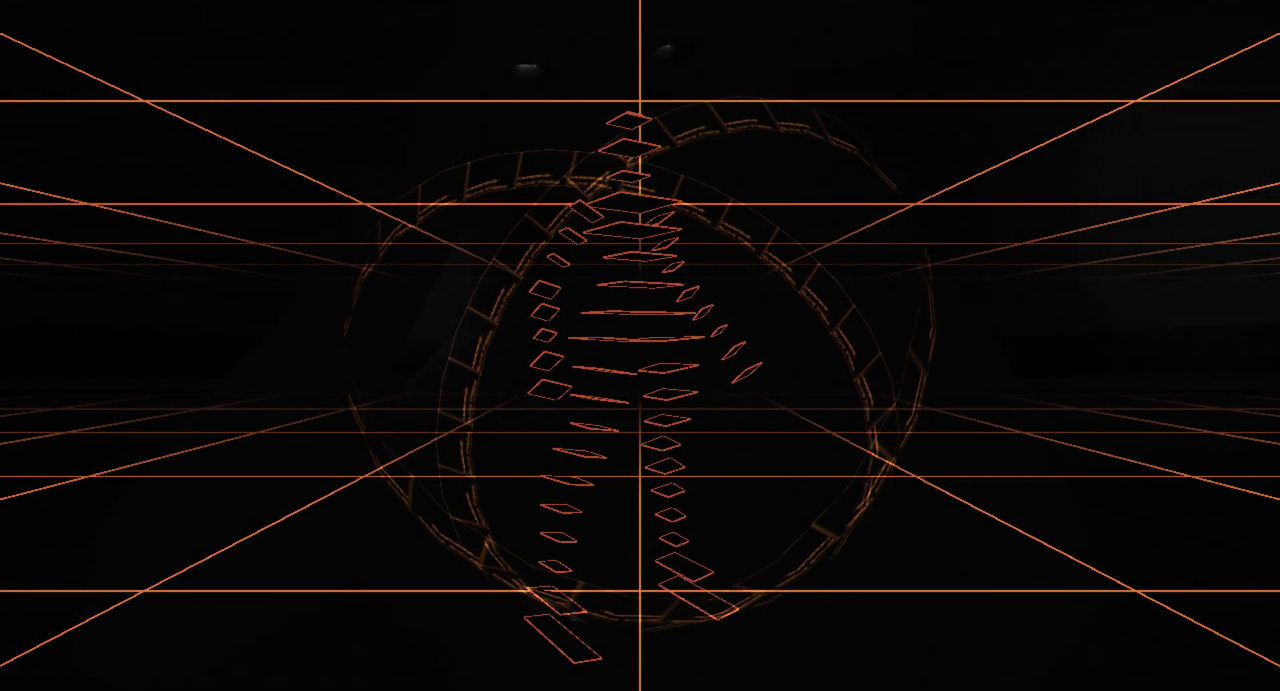
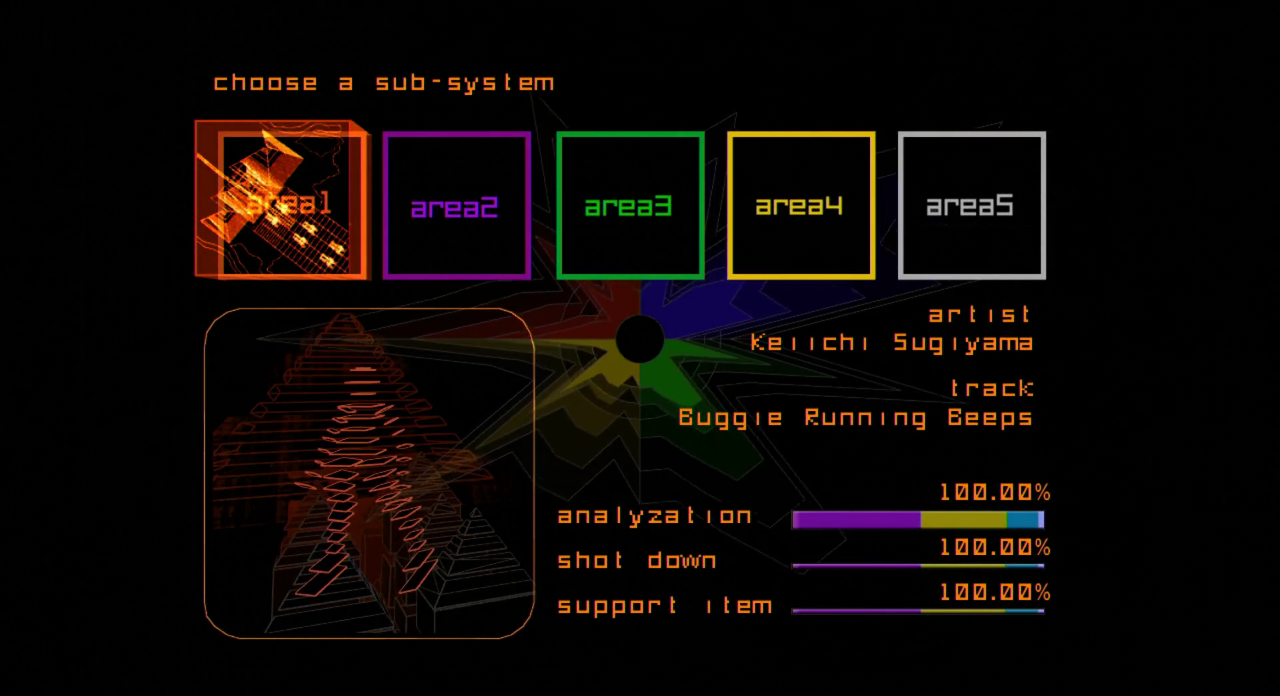
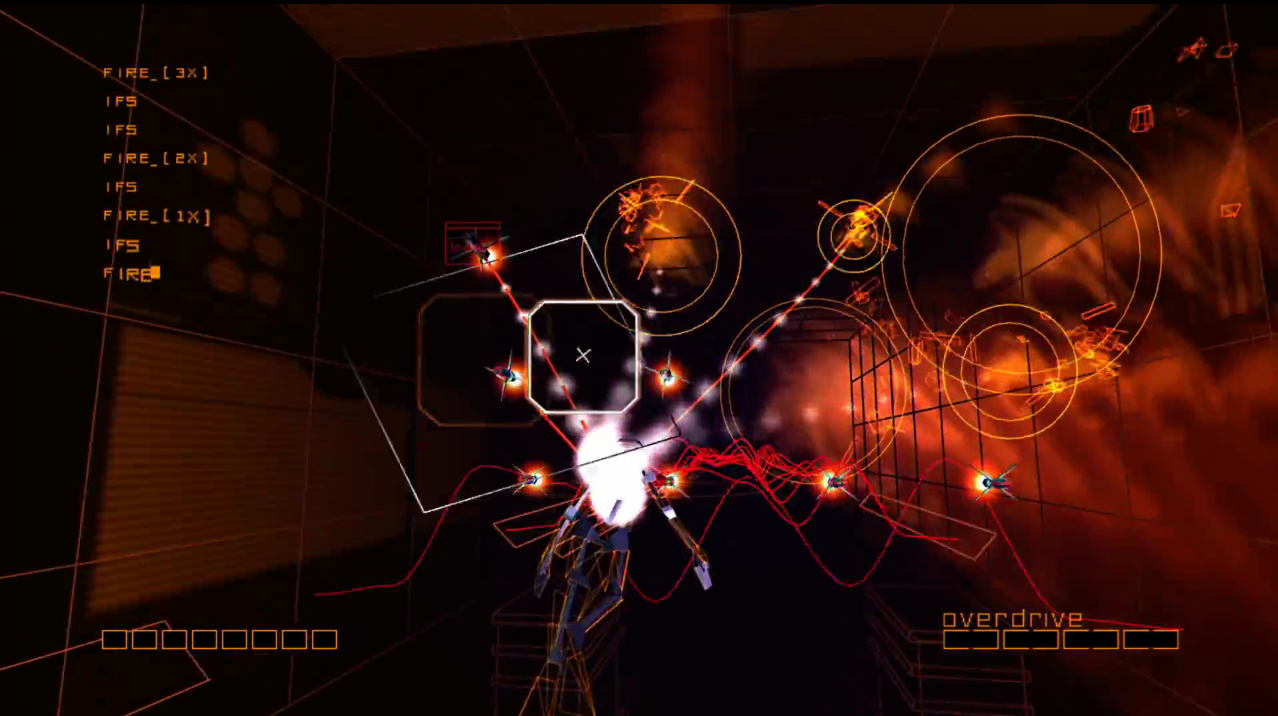
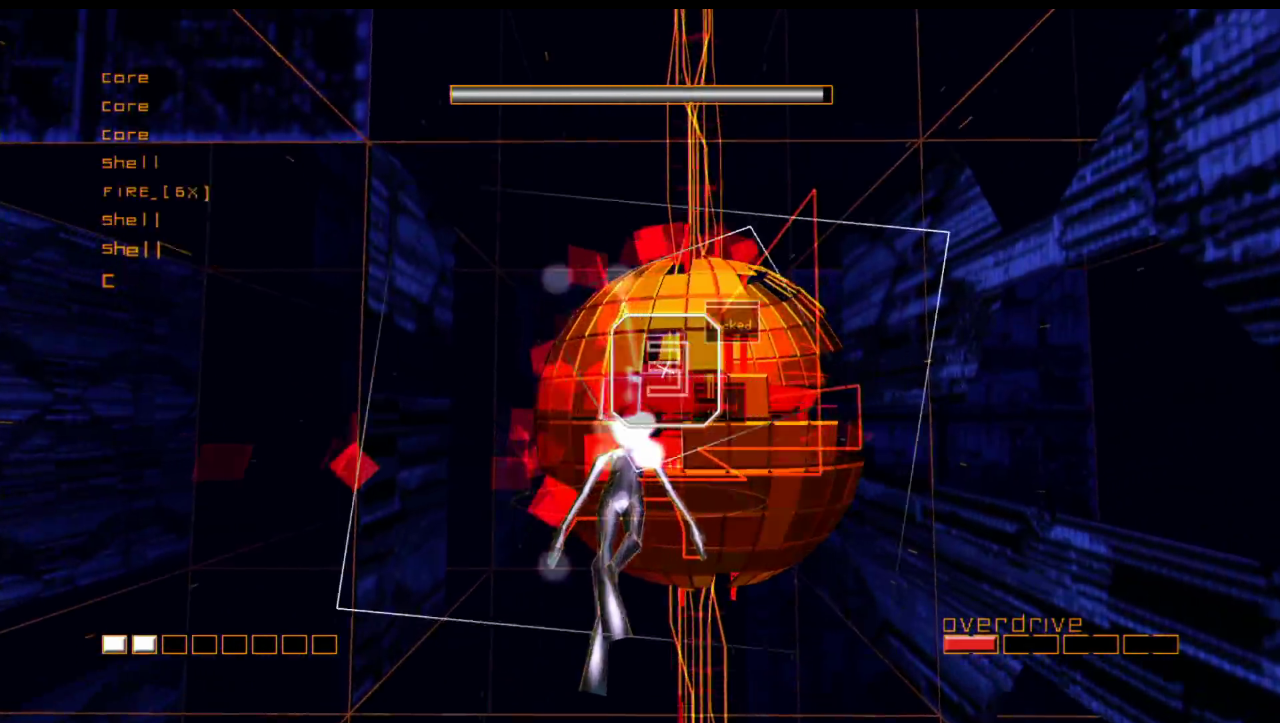
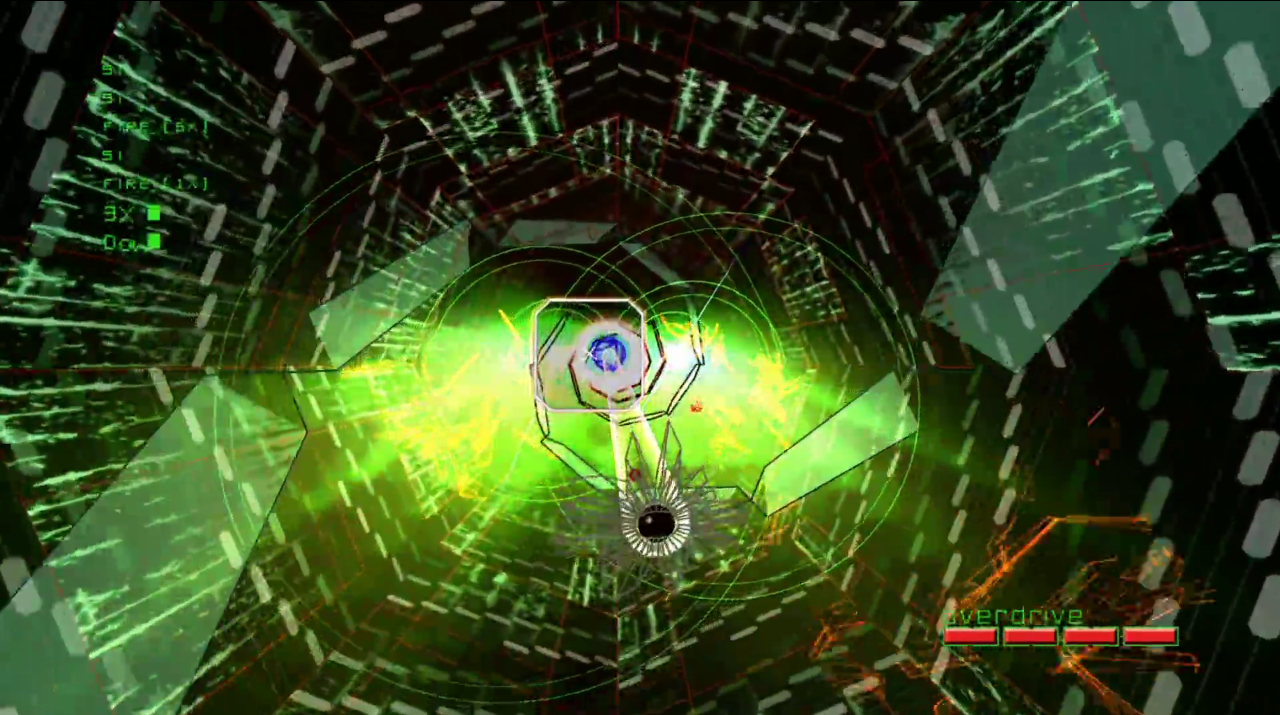
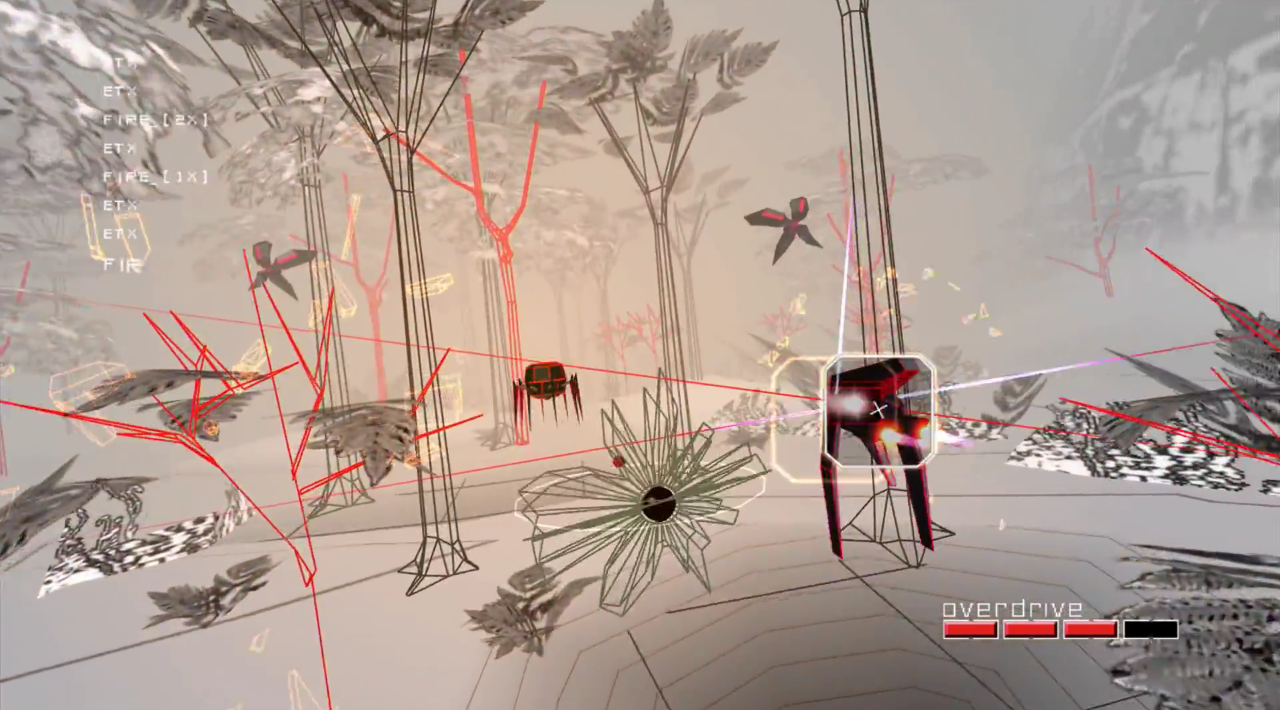
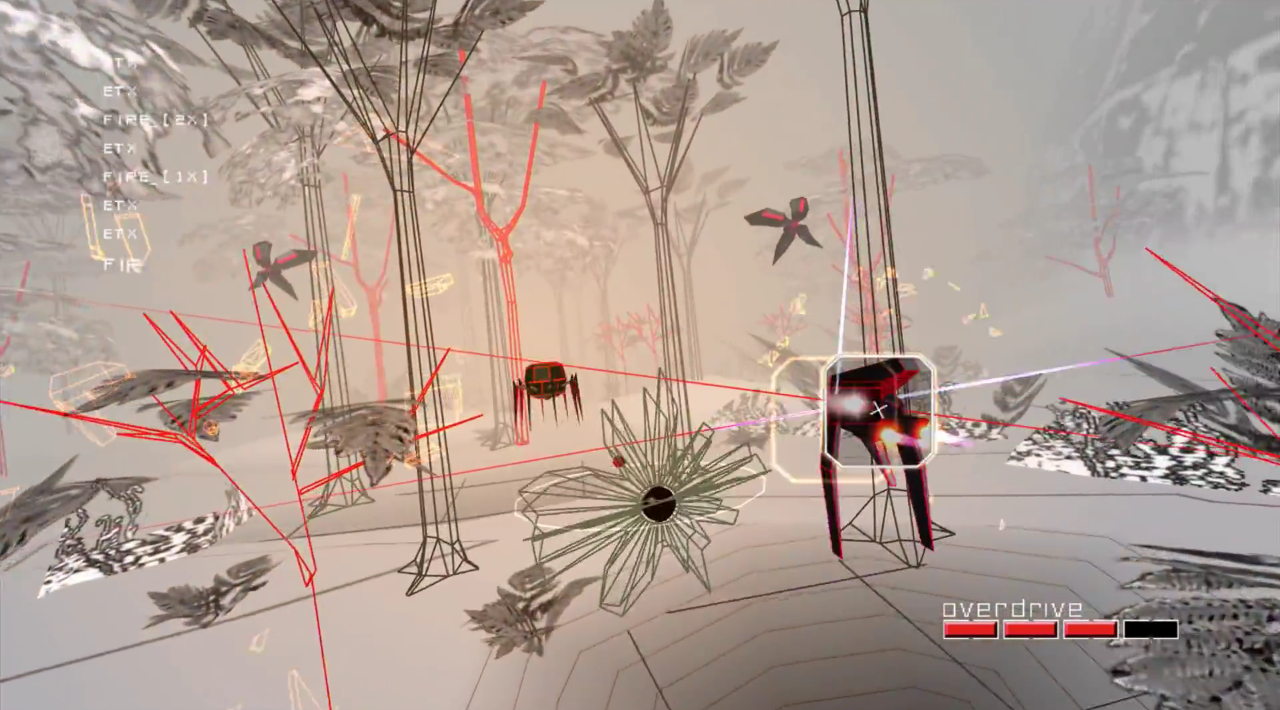
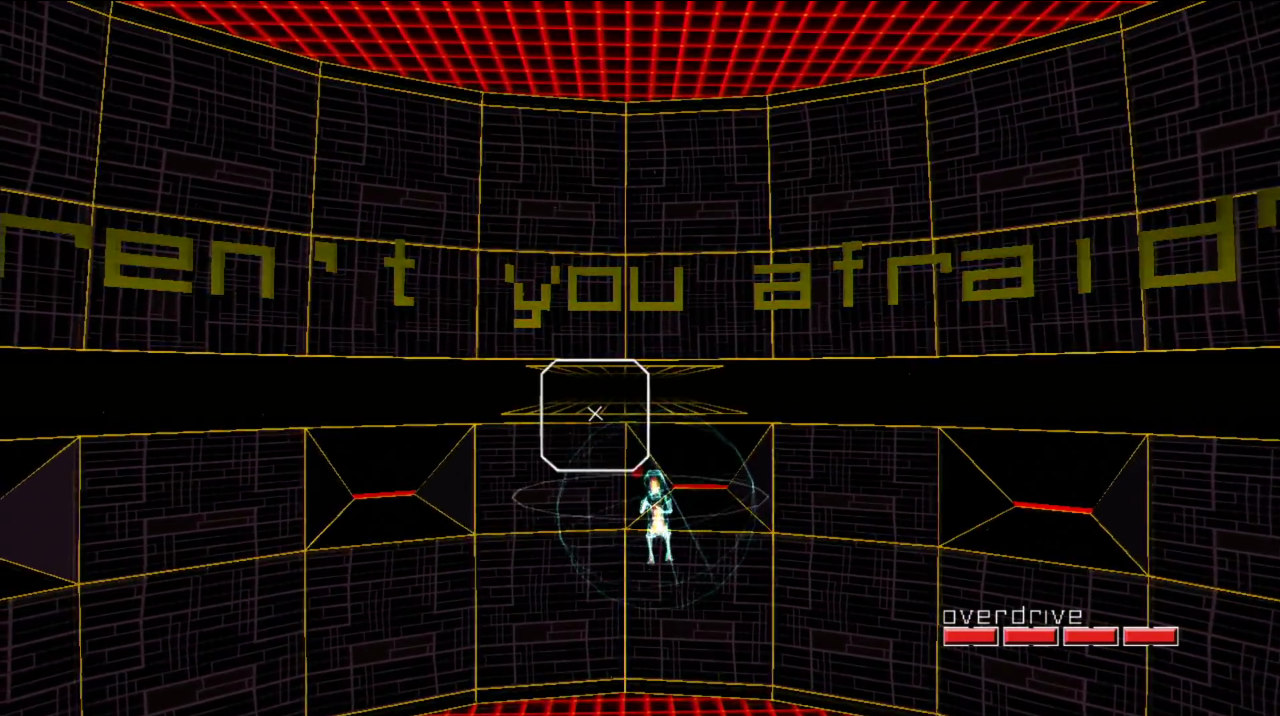
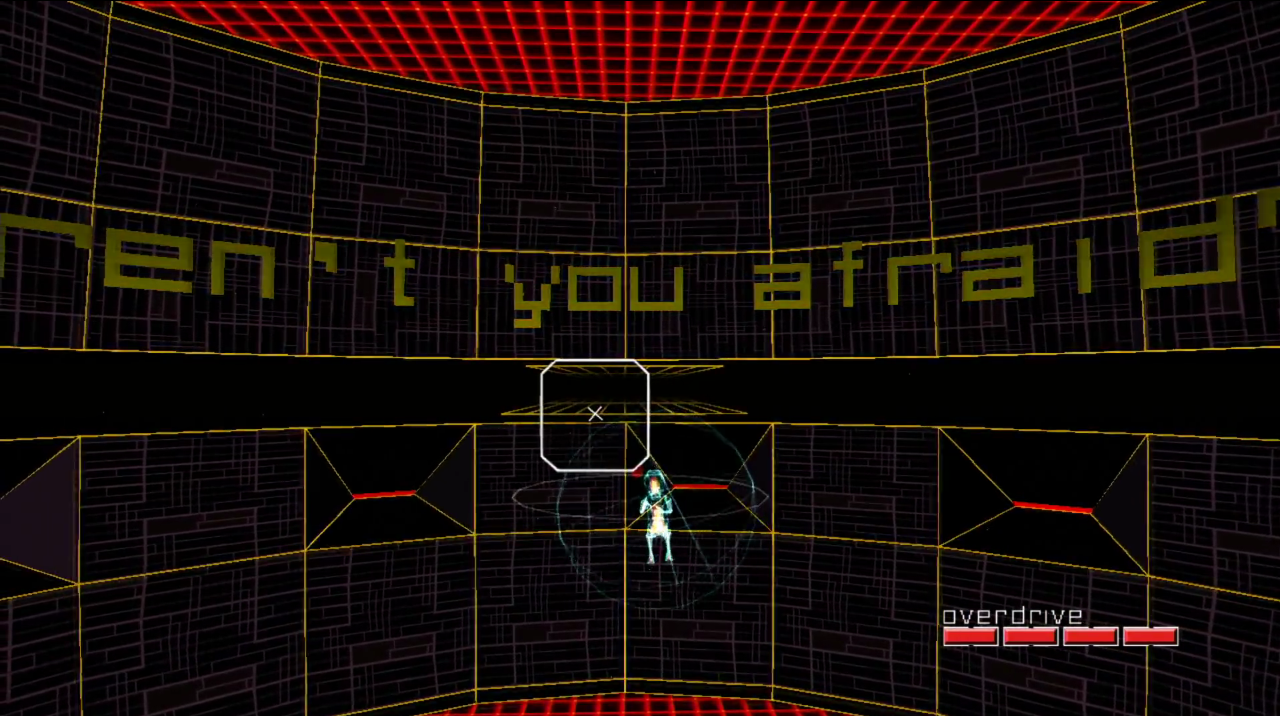
The Japanese concept of "Kando" is all about experiencing emotions and feelings of euphoria and some games have taken me there to a higher plane, usually it's been Cave bullet hell games or synaesthesia-themed games like Tetris Effect or Rez Infinite.
Life often feels chaotic, unfair, and devoid of clear rules. Existential dread creeps in when I feel I have no control over my destiny and, for those who have the Black Dog of depression over their shoulder, videogames offer a miraculous counter-balance: Order.
In a game, problems have solutions. If I try hard enough, learn the patterns, and apply my skills, I will overcome the obstacle. This loop of effort and reward provides a sense of agency that the real world often denies me. It reminds my subconscious mind that I am capable, that I can affect change, and that I can survive.
To play is not merely to waste time; it is to engage with a miracle of human creativity that offers solace to the wounded. It is a magic spell cast in code, offering me a chance to be more than I am, so I can face who I must be. With that said, I'm off to explore the platforming challenge of Bubble Bobble.
LINK- The Rise of Retro Gaming During Covid
LINK: Japan: My Journey to the East
LINK- Blood, Sweat and Pixels- Book Review
LINK- The Argument for Videogames As Art in the Age of Mechanical Reproduction
LINK: The Evolving Fears of a Horror Gamer
LINK: The Power of Stories and How They Are Manipulated
LINK: The Message by Ta-Nahisi Coates - Book Review (and Some Thoughts)