
In his seminal work on supermodernity, the French anthropologist Marc Augé coined the term "non-places" to describe the transitory zones where we spend a staggering portion of our lives - motorways, hotel rooms, and airports. Under normal circumstances, these spaces offer a strange, liberating form of anonymity. Stripped of historical or relational significance, they allow us to shed our everyday roles, step out of our routines, and exist as transient shadows. However, the arrival of the COVID-19 pandemic fundamentally warped this dynamic.
As global lockdowns abruptly emptied out transit hubs and city centers, these functional zones lost their human hum and they became weirdly liminal, uncanny, and exposed. Without the comforting distraction of crowds and purpose, we were forced to confront the raw, architectural hollows of our modern world, pushing the phenomenon of liminality from an academic observation straight into collective existential dread.
This shift in the cultural zeitgeist found its perfect digital manifestation in the "Backrooms" meme. While early digital folklore and creepypastas like Slenderman relied on the traditional horror tropes of a monster lurking in the shadows, the Backrooms tapped into something far more cerebral and intriguing: the lingering sense that reality itself isn't quite right. Born from a simple, viral image of an empty, yellowish, fluorescent-lit office space, the Backrooms represents a narrative of pure existential dread. It resists definitive resolution; there is no monster to defeat at the end of a traditional hero's journey. Instead, the void itself is the antagonist. The horror stems entirely from the realization that you have slipped through the cracks of the map, trapped in an environment where the rules of reality are unstable, monotonous, and utterly incomprehensible.
This terrifying architectural subversion has deep roots in our creative history. It echoes the labyrinthine, shifting logic of Jorge Luis Borges’ The Garden of Forking Paths and the structural enigmas found in classic ‘Puzzle House’ mystery films and books. It finds its modern literary peak in Mark Z. Danielewski’s masterful novel House of Leaves, where a shifting house defies the logic of Euclidean space. Danielewski famously utilizes "ergodic design" - unconventional page layouts that demand unusual effort and active agency from the reader - to make the physical act of reading a visceral echo of navigating a claustrophobic, impossible maze.
Unsurprisingly, the medium of video games has become the ultimate laboratory for exploring these non-Euclidean spaces. Hideo Kojima and Guillermo del Toro's legendary P.T. masterfully mined this concept by trapping players in a looping domestic corridor that subtly altered itself with every turn, fracturing the player's sense of time and linearity. Remedy's Control used the ever-shifting Old House to create a constantly changing structure that moved and shifted beneath your feet. Even older titles like Nintendo GameCube’s Eternal Darkness used psychological isolation and incomprehensible, cyclopean structures to make players feel completely alone against forces beyond human comprehension.
More recently, and accessibly, the indie hit Exit 8 stripped horror down to its purest liminal essence, tasking players with escaping an uncanny, recursive subway station by hunting for minute, unsettling anomalies. This game itself was turned into a very recent film.
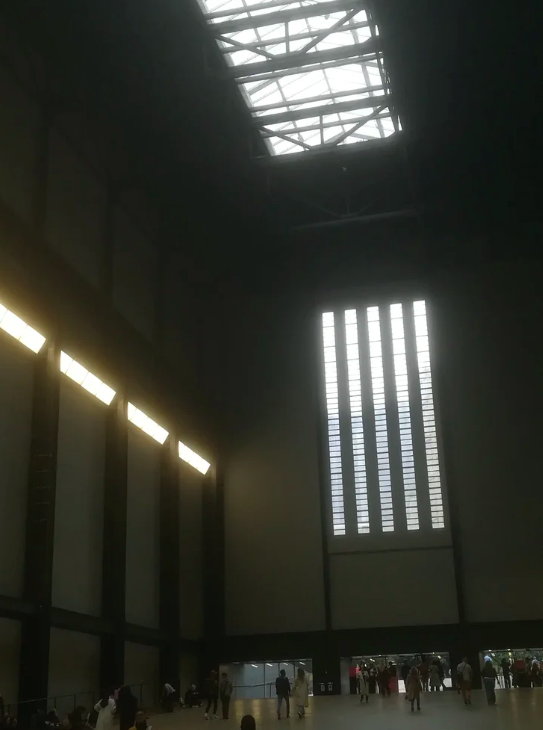
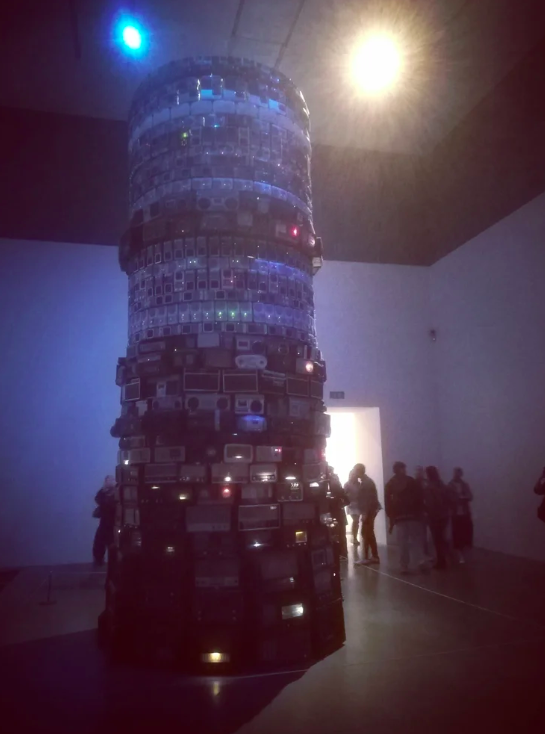
Yet, we do not need an experimental novel or a gaming console to encounter these existential slips; they frequently bleed into our real lives. Anyone who has ever gotten turned around in a museum or an art gallery during a quiet hour knows this exact feeling. You turn a corner, the murmurs of other patrons vanish, and a sudden, profound worry creeps in. It feels as though you have fallen clean out of space and time—marooned in an in-between world where non-Euclidean rules apply, and the familiar boundaries of reality have quietly dissolved.
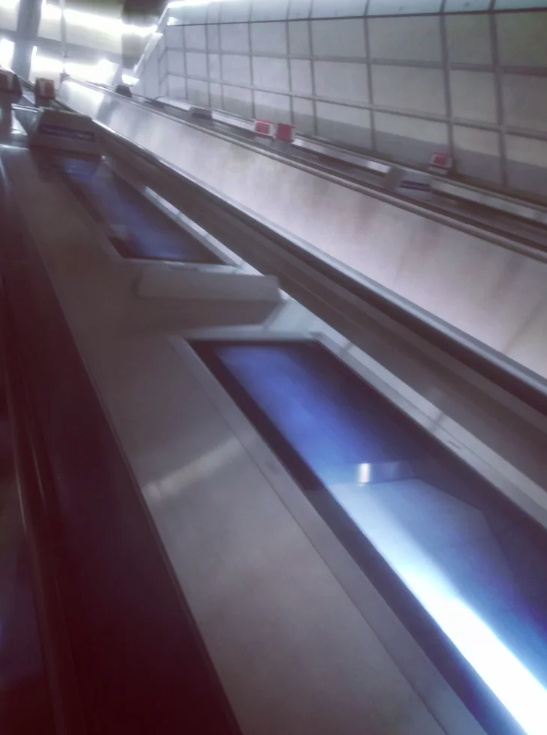
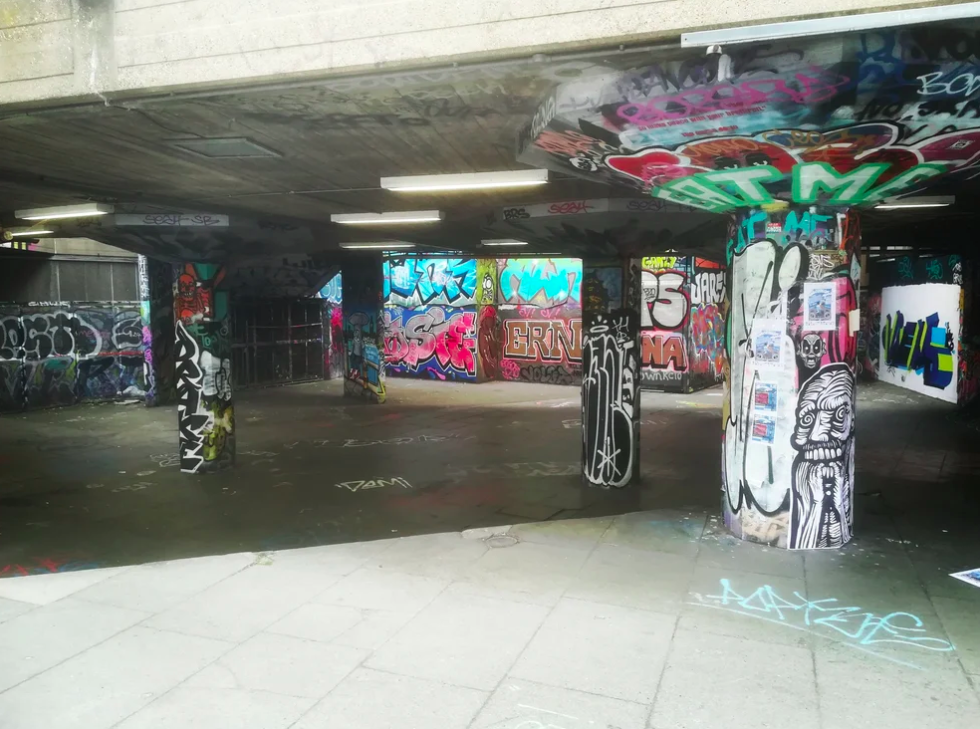
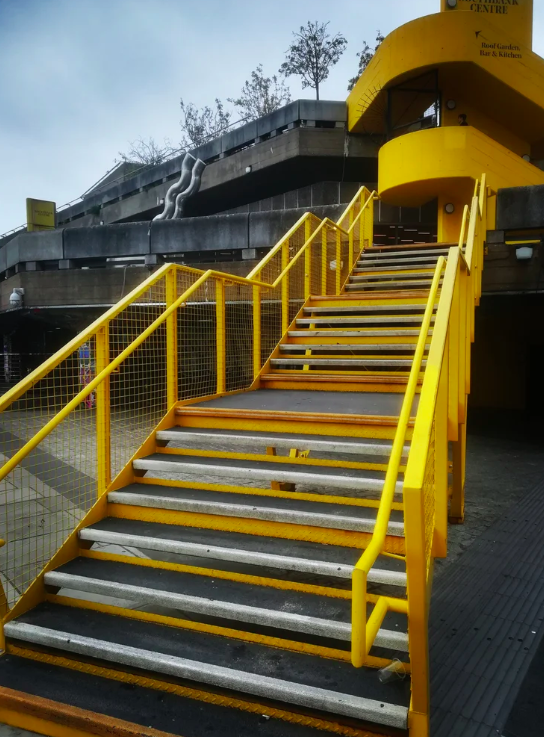
Far from just repelling us, however, our collective exposure to the uncanny has sparked a strange, magnetic desire to actively explore the liminal spaces that surround us. There is a haunting, nostalgic beauty to be found in the quiet thresholds of our everyday lives: underground car parks with their cold concrete echoes, abandoned shops, and old pubs with dusty windows where vibrant life once hummed. This fascination extends outward into nature too, drawing us toward ancient paths leading to silent mountains, deep caves, and mist-covered lakes.
Ultimately, the Backrooms meme and our pandemic-induced isolation did not invent our fascination with the void; they simply gave us a language to articulate it. They reminded us that beyond the routine veneer of daily life lies a captivating, unsettling world of thresholds just waiting for us to step through.
Now… After you, dear reader!
LINK: The Power of Ergodic Design
LINK: The Evolving Fears of a Horror Gamer
LINK: The Rise of Retro Gaming During Covid
LINK: Japan: My Journey to the East
LINK: Blood, Sweat and Pixels- Book Review
LINK: Toxic: Women, Fame and the Noughties- Book Review (and Some Thoughts)
LINK: The Power of Stories and How They Are Manipulated
LINK: The Message by Ta-Nahisi Coates - Book Review (and Some Thoughts)