
Whilst scrolling through the feed of a Facebook group I follow, Incredibly Strange Films, I heard of a stop motion animated film based on the story of The Pied Piper. I knew of the story of course, and had seen a haunting interpretation of the film in The Sweet Hereafter, which starred a young Sara Polly, that used the motiff as its main through-line. I've spoken before about how Channel 4 and BBC 2 used to show world animation during the daytime, stuff I'd get to see when I was ill at home. I remember unearthly jerky character movement which weirded me out at the time but with time I've come to appreciate the stop-motion art form. So, suitably intrigued by the premise of this short film, I thought I'd jump in and give this a view... but was it worth it
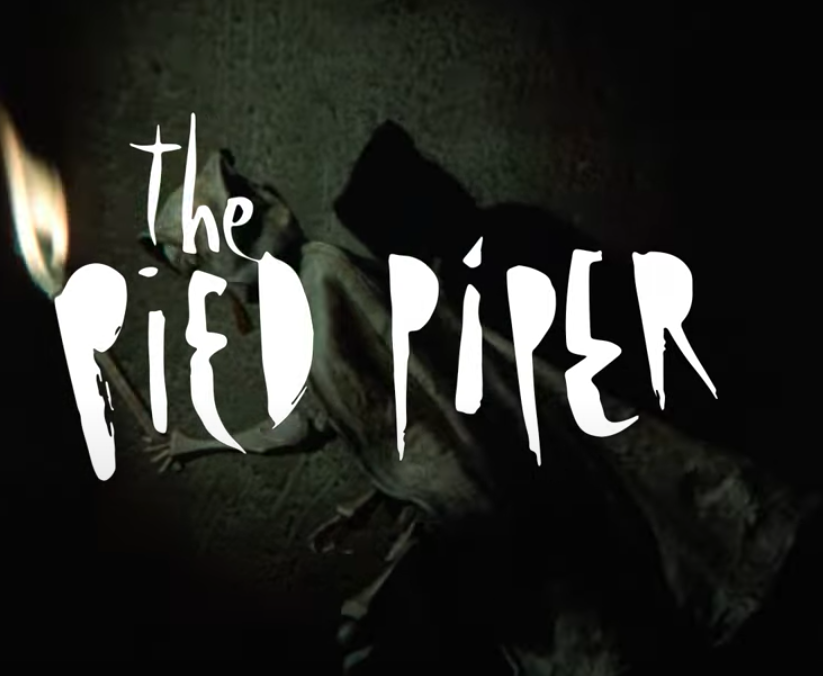
Well, I have to say Jiří Barta's 1986 stop-motion film Krysař (known in English as The Pied Piper of Hamelin) is an animated masterpiece which distinguishes itself with its unsettling atmosphere and profound reinterpretation of the classic folk tale.
From the first frame, the film establishes a somber tone. The town of Hamelin is portrayed as a decadent place, inhabited by grotesque and selfish characters whose lives are dominated by greed and gluttony. The rats infesting the city seem a natural extension of the moral decay of its inhabitants. When the Piper is called to help resolve the issue he does so but is betrayed by the petty people. As a consequence, he exacts a terrible revenge.
Throughout the 50 minute runtime, the stop-motion animation is exceptional; every movement is deliberate and expressive, and the use of materials like wood and fabric gives the characters and environment a tangible, almost tactile texture that enhances the sense of disturbing realism. The German Expressionism, in the style of The Cabinet of Dr. Caligari, portrays the sharp higgledy piggledy houses as threatening, looking giants for the rats.
The character design is also particularly striking. The faces of Hamelin's inhabitants are exaggerated, almost Cubist, caricatures of avarice and ugliness, while the Piper is an enigmatic and almost spectral figure, with a pale prophetic face and empty eyes that hint at a nature beyond human. His flute is not just an instrument, but an almost organic object that seems to come alive when played, emitting sounds that are both seductive and hypnotic. The stop-motion animation truly excels at portraying the horde of rats; their sharp teeth and twitchy tails create an amazing visual, and the manic fury of their wave-like attacks on the people strongly evokes the feel of A Plague Tale: Requiem.
The narrative has little verbal dialogue, opting instead for a powerful combination of images, music and sound effects. Michael Kocáb's soundtrack is fundamental in building the atmosphere, with minimalist and dissonant pieces that accentuate the tension and mystery. The absence of words forces the viewer to fully immerse themselves in the film's visual language, interpreting emotions and motivations through gestures and expressions.What truly elevates Krysař is its treatment of underlying themes.
The film is not limited to telling the story of a rat-infested town; it is a scathing critique of societal corruption, irresponsibility, and complacency. The Piper's arrival is not just a solution but a judgment, and his revenge is a logical consequence of the villagers' lack of empathy and pettiness. The chilling final sequence, with the town's people blindly following the Piper to their watery fate, leaves a lasting impression about judgement.
Overall, Krysař is a gem of animation, an artistic work that transcends the format to offer a dark and fascinating meditation on human morality. Barta's critique of Western decadence from his communist Czechoslovakia home is pointed in its criticism of greed and decadence and, with the excess of the billionaires and rich, who would disagree?
The films visual style, wordless narrative, and profound thematic resonance make it an essential piece for lovers of more experimental and provocative animated cinema. It is a film that lingers in the memory, inviting reflection long after the credits have rolled.
LINK: Japan: My Journey to the East
LINK- Battle Angel Alita: And So It Ends
LINK- The Moomins 80's Soundtrack Vinyl Review
LINK- Inspector Gadget Retro Soundtrack Review
LINK- Ulysses 31 Retro Soundtrack Review
LINK- The Mysterious Cities of Gold Retro Soundtrack Review
LINK- Sonic Mania Video Game Vinyl Soundtrack