The Uncanny In-Between (or, 'How the Pandemic Awakened Our Obsession with Liminal Spaces and the Backrooms')

In his seminal work on supermodernity, the French anthropologist Marc Augé coined the term "non-places" to describe the transitory zones where we spend a staggering portion of our lives - motorways, hotel rooms, and airports. Under normal circumstances, these spaces offer a strange, liberating form of anonymity. Stripped of historical or relational significance, they allow us to shed our everyday roles, step out of our routines, and exist as transient shadows. However, the arrival of the COVID-19 pandemic fundamentally warped this dynamic.

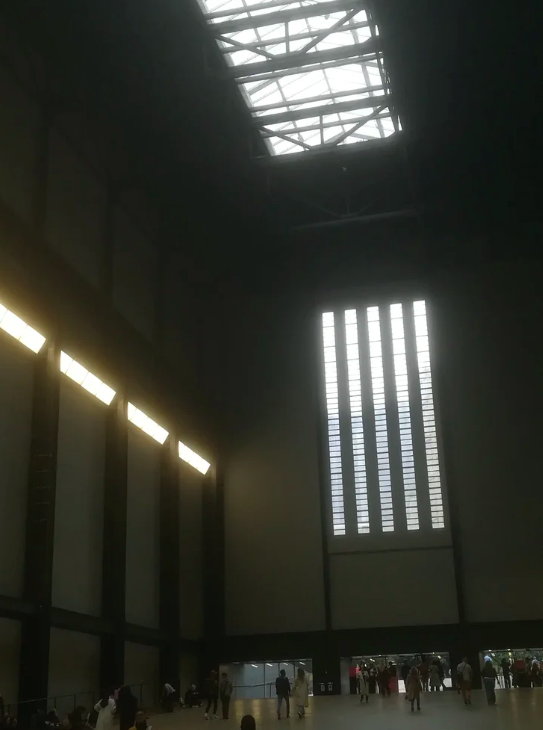
As global lockdowns abruptly emptied out transit hubs and city centers, these functional zones lost their human hum and they became weirdly liminal, uncanny, and exposed. Without the comforting distraction of crowds and purpose, we were forced to confront the raw, architectural hollows of our modern world, pushing the phenomenon of liminality from an academic observation straight into collective existential dread.

This shift in the cultural zeitgeist found its perfect digital manifestation in the "Backrooms" meme. While early digital folklore and creepypastas like Slenderman relied on the traditional horror tropes of a monster lurking in the shadows, the Backrooms tapped into something far more cerebral and intriguing: the lingering sense that reality itself isn't quite right. Born from a simple, viral image of an empty, yellowish, fluorescent-lit office space, the Backrooms represents a narrative of pure existential dread. It resists definitive resolution; there is no monster to defeat at the end of a traditional hero's journey. Instead, the void itself is the antagonist. The horror stems entirely from the realization that you have slipped through the cracks of the map, trapped in an environment where the rules of reality are unstable, monotonous, and utterly incomprehensible.

This terrifying architectural subversion has deep roots in our creative history. It echoes the labyrinthine, shifting logic of Jorge Luis Borges’ The Garden of Forking Paths and the structural enigmas found in classic ‘Puzzle House’ mystery films and books. It finds its modern literary peak in Mark Z. Danielewski’s masterful novel House of Leaves, where a shifting house defies the logic of Euclidean space. Danielewski famously utilizes "ergodic design" - unconventional page layouts that demand unusual effort and active agency from the reader - to make the physical act of reading a visceral echo of navigating a claustrophobic, impossible maze.

Unsurprisingly, the medium of video games has become the ultimate laboratory for exploring these non-Euclidean spaces. Hideo Kojima and Guillermo del Toro's legendary P.T. masterfully mined this concept by trapping players in a looping domestic corridor that subtly altered itself with every turn, fracturing the player's sense of time and linearity. Remedy's Control used the ever-shifting Old House to create a constantly changing structure that moved and shifted beneath your feet. Even older titles like Nintendo GameCube’s Eternal Darkness used psychological isolation and incomprehensible, cyclopean structures to make players feel completely alone against forces beyond human comprehension.

More recently, and accessibly, the indie hit Exit 8 stripped horror down to its purest liminal essence, tasking players with escaping an uncanny, recursive subway station by hunting for minute, unsettling anomalies. This game itself was turned into a very recent film.

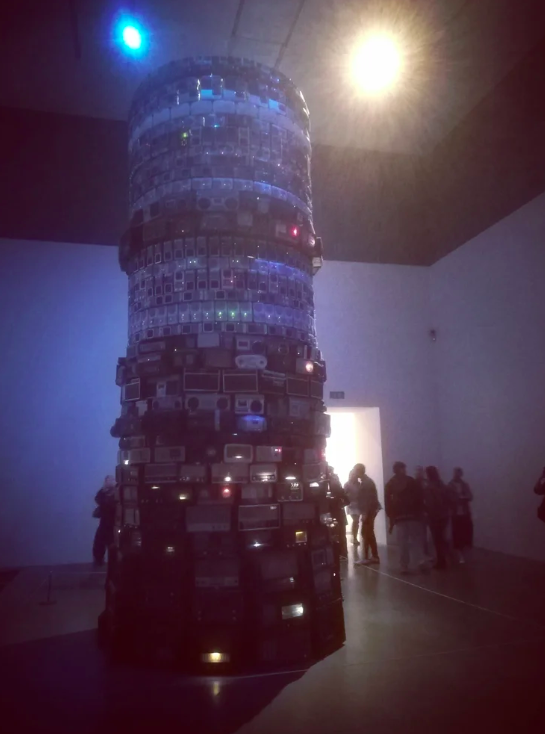
Yet, we do not need an experimental novel or a gaming console to encounter these existential slips; they frequently bleed into our real lives. Anyone who has ever gotten turned around in a museum or an art gallery during a quiet hour knows this exact feeling. You turn a corner, the murmurs of other patrons vanish, and a sudden, profound worry creeps in. It feels as though you have fallen clean out of space and time—marooned in an in-between world where non-Euclidean rules apply, and the familiar boundaries of reality have quietly dissolved.

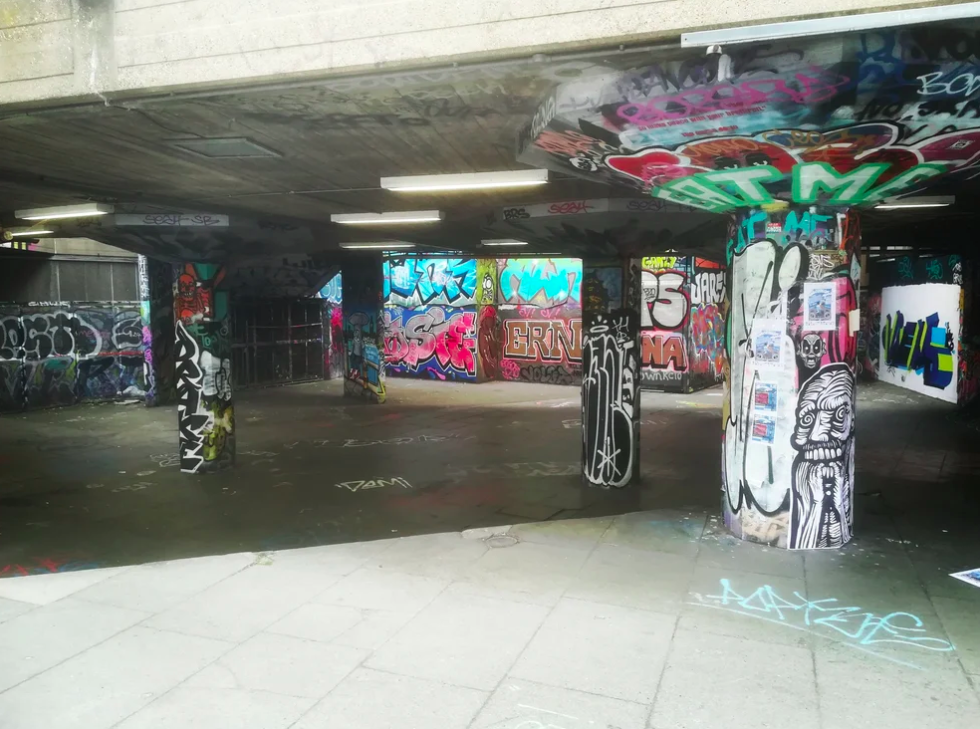
Far from just repelling us, however, our collective exposure to the uncanny has sparked a strange, magnetic desire to actively explore the liminal spaces that surround us. There is a haunting, nostalgic beauty to be found in the quiet thresholds of our everyday lives: underground car parks with their cold concrete echoes, abandoned shops, and old pubs with dusty windows where vibrant life once hummed. This fascination extends outward into nature too, drawing us toward ancient paths leading to silent mountains, deep caves, and mist-covered lakes.

Ultimately, the Backrooms meme and our pandemic-induced isolation did not invent our fascination with the void; they simply gave us a language to articulate it. They reminded us that beyond the routine veneer of daily life lies a captivating, unsettling world of thresholds just waiting for us to step through.

Now… After you, dear reader!

LINK: The Power of Ergodic Design

LINK: The Evolving Fears of a Horror Gamer

LINK: Pure Invention: How Japan's Pop Culture Conquered the World- Book Review (and Personal Reflections)

LINK: The Rise of Retro Gaming During Covid

LINK: Japan: My Journey to the East

LINK: Blood, Sweat and Pixels- Book Review

LINK: Toxic: Women, Fame and the Noughties- Book Review (and Some Thoughts)

LINK: The Power of Stories and How They Are Manipulated

LINK: The Message by Ta-Nahisi Coates - Book Review (and Some Thoughts)

The Art of Castlevania: Lords of Shadow - Book Review

Whilst scanning the sale section at Forbidden Planet, London, I picked up the Castlevania: Lords of Shadow Art Book by Martin Robinson for £4.99. The book usually cost £30 so it was a heck of a discount, but was it worth it even at this low, low price?

The Castlevania videogame series has always been a bit of a sumptious visual feast, and this stunning art book delves deep into the Lords of Shadow trilogy's artistic soul. I played and completed the original LoS, played a little of LoS 2 but fell off after the whole 'you're a rat' insta-kill stealth section early on but I never got around to the handheld offering Mirrors of Fate on the 3DS as I never owned the system. Whatever the case though, the sheer artistry of the game from MercurySteam was clear from that first game this art book highlights the intricate details and the sheer imagination that went into their creation.

Art Directors Juan Antonio Alcazar Redondo, Jose Luis Vaello Bertol and Rafael Jimenez Rodriguez show and explain how they masterfully created the gothic mood in the settings, captured the grotesque beauty of the creatures, and personified the cursed legacy of the intricately designed Belmont clan.

The heavy stock pages are filled with high resolution printings of the gorgeous concept art and sketches that show the evolution of the design to the final game. The commentary included beside the artwork provides invaluable insights into the developers' minds. We learn about the influences that shaped the game's art style, from classic horror films to gothic literature as the developers openly discuss their design choices, explaining the reasoning behind specific monster behaviors and the challenges they faced in bringing these creatures to life. The influences of Guillermo Del Toro, Goya, Spanish architecture and the Spanish light are freely explained.

One particularly interesting aspect is the acknowledgment of the intentional homages to games like Shadow of the Colossus. The book clarifies that the similarities in certain boss encounters were not accidental but rather a conscious effort to pay tribute to a game that had a profound impact on the development team.

With crisp, full-page spreads showcasing the artwork, this book is a must-have for any Castlevania fan. It's a visual treat that offers a deeper appreciation for the artistry that has made the series so iconic.

The Creative Gene by Hideo Kojima- Book Review

Hideo Kojima is a videogame auteur, famous for creating the Metal Gear series as well as Death Stranding. He is quite a singular voice and his games wear their influences on their sleeves, from Snake in Metal Gear being an homage to Snake Plissken from John Carpenter's Escape From New York to the Diamond Dogs being a link to David Bowie's alter ego to even more esoteric references from various pop culture influences. To have a series of short essays that has the man talk about his influences as well as they became a formative part of his oeuvre is fascinating.

I have only played a few of Kojima's games but he casts a long shadow so I know a lot more about the man and his works than I normally would any other creative in my area of interest, even if only peripherally.

What you get here is a series is well written, eloquent essays which act as short form reviews about what makes the work so fascinating and formative. A lot of these pieces were written in the wake of the 3/11 earthquakes that devastated Japan so are rather wistful and timestamped but the main themes Kojima covers remain ever potent. There are many pieces but I particularly enjoyed his thought on these few:
- Woman of the Dunes by Kobo Abe, which I read in my teens and found strangely compelling, had me thinking about what we value in freedom.
- Inherit the Stars by James P. Hogan makes it sound like an impressive sci-fi with a intriguing central puzzle-box murder mystery which I have placed on my 'Wish' list.
- The Drifting Classroom by Kazuo Umezz is a Lord of the Flies type book where an earthquake separates a school from the mainland. Teachers and students break into factions as the social bonds that bind us snap. Kojima compares this dystopian vision with what occured on 3/11.
- Columbo: Publish or Perish was a novelisation of an episode from the first season of the show. Young teen Kojima picked it up on the way home from tutoring and it was the book that ignited his passion for reading.
- 2001 Nights by Yukinobu Hoshino attracted Kojima as it was a hard sci-fi manga that made him feel brave and strong. I own and have read the comic run and loved it.
- Blade Runner was a formative film for Kojima and is one of his top 10 films. He saw it as a teen and it blew his mind. When there was a re-release in cinemas to celebrate its 30th anniversary he felt ecstatic to be surrounded by fellow fans.
- Space Battleship Yamato was a revelation in Japan at the time and when the movie was released on the day of Kojima's father's funeral, he saw it in memory of him (not on that day, I mean that would be a bit wrong probably).
- His favourite film is 2001: A Space Odyssey and his favourite band is Joy Division.

What I found surprising is that he does not mention John Carpenter or Escape From New York... an oversight, surely.

Overall, I enjoyed the book as it offered a fascinating look behind the curtain, now I'd like to see a similar book by Swery (creator of Deadly Premonition) and Suda 51 (Grasshopper Manufacture). I don't really fancy one about Ken Levine though as I think I've got his influences figured- Ayn Rand. Called it!

Anyway, my reading pile of shame has just become a lot bigger but that's no bad thing when what I am reading is so thought-provoking.