My name is Anjum, I am 45 years old and I am a gamer. This sounds like the declaration of an addiction of some kind but it’s not. Sure, I really love the medium, but I simply don't have as much time to dedicate to it as I’d like. Between books, podcasts, television series and films, I have to balance my time carefully, meaning gaming takes a significant—though not dominant—share of my limited free hours.
So, why do I love video games? It’s complex. I adore storylines that are mature and embrace intricate themes, but I am equally fond of plain, stupid fun where the narrative is laughably B-movie but delivered with complete earnestness. I love the sheer diversity the medium offers, from massive AAA blockbusters to sweet little indie titles crafted by a lone developer in their bedroom. I love exploring digital worlds and stumbling across moments of quiet, contemplative beauty.
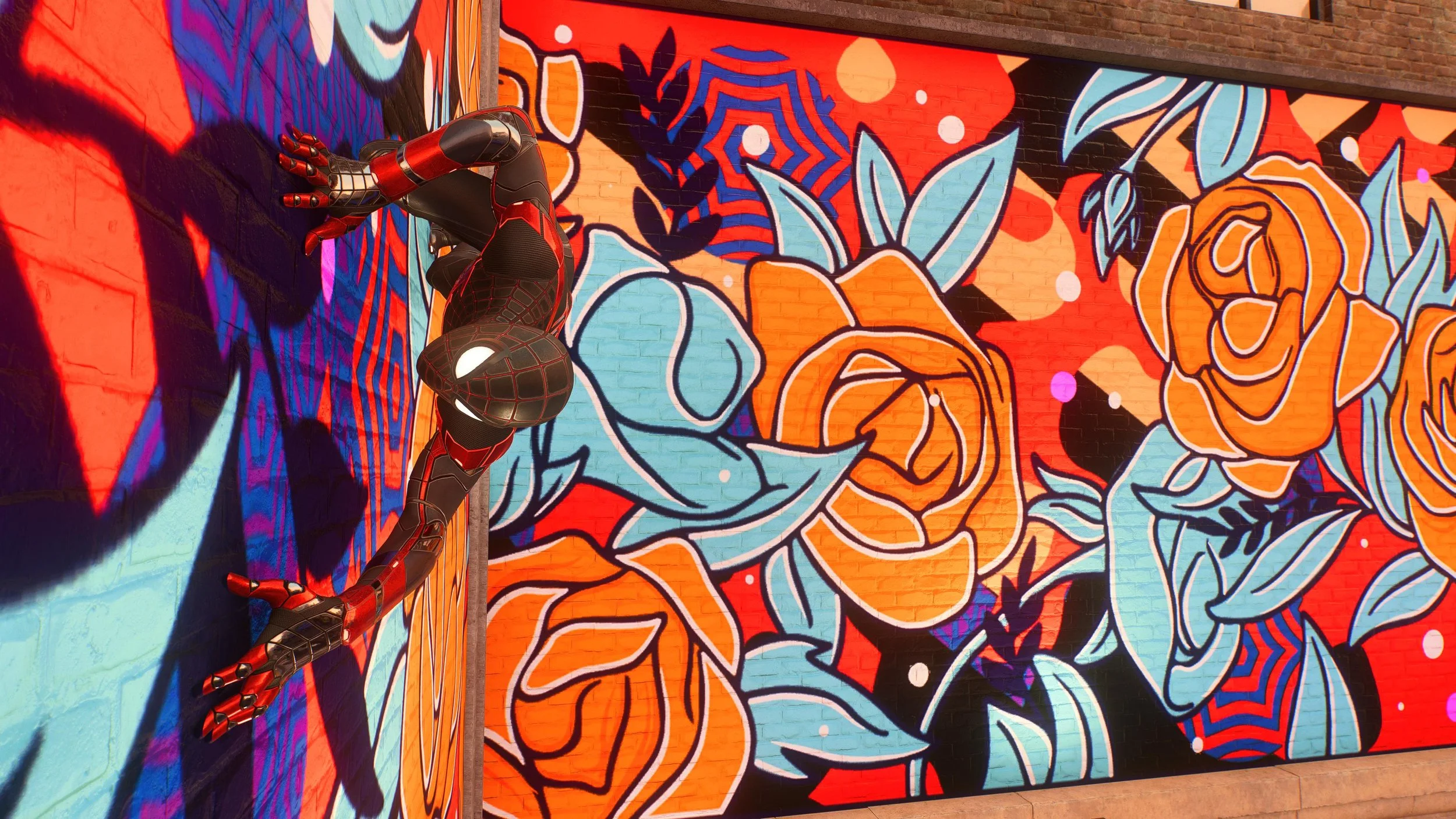
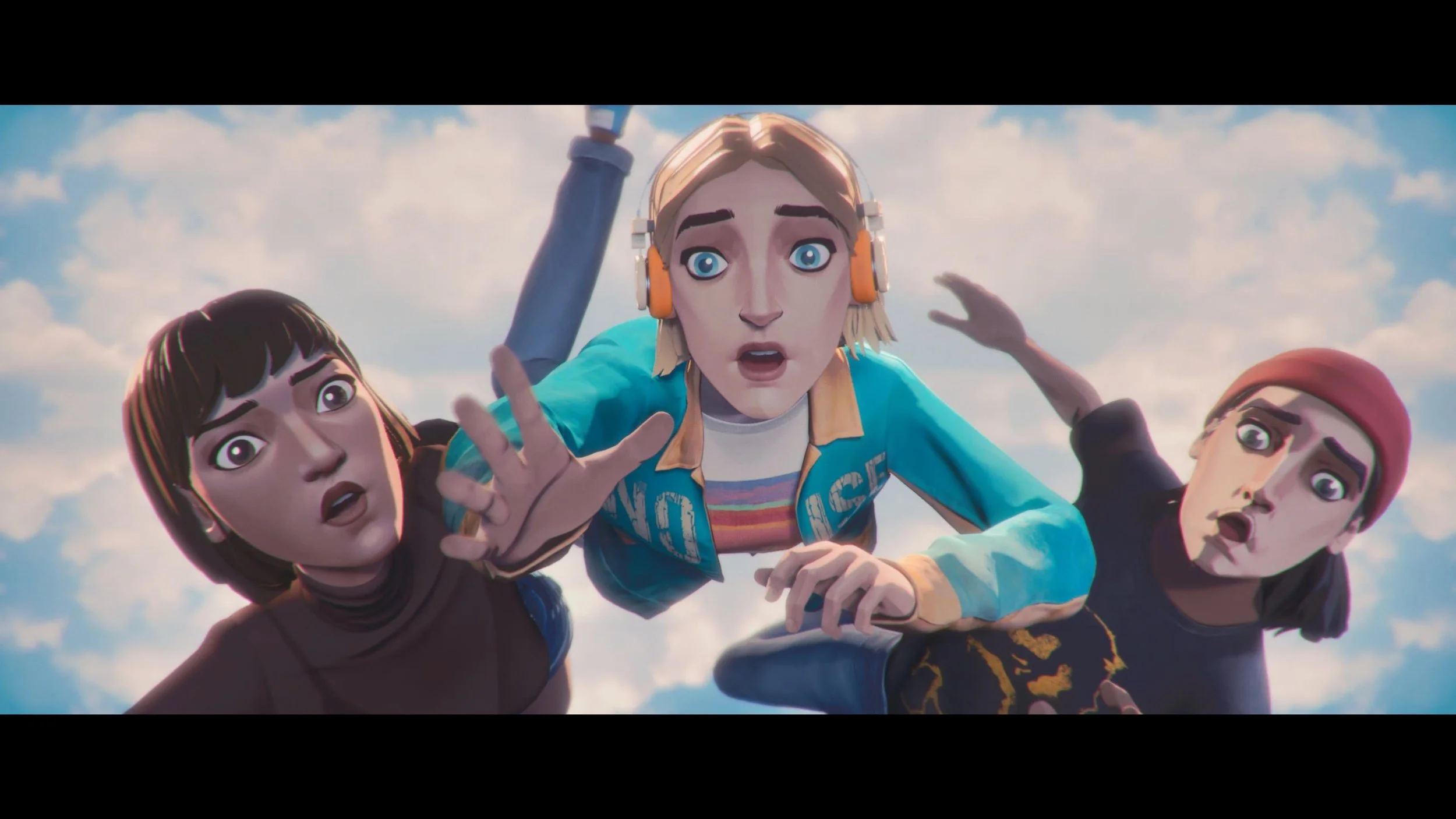
However, over recent console generations, a more uniform design ethos has crept into the AAA industry—one designed to constantly overstimulate the player from one narrative beat to the next with no room to breathe. I want the ability to explore at my own pace, not to be confronted by hundreds of icons slathered across a map (I'm looking at you, Ubisoft). It is precisely what The Legend of Zelda: Breath of the Wild executed so brilliantly, and where imitators like Immortals: Fenyx Rising stumbled.
The £70 Dilemma and the Cost of Hype
This shift in design has occurred alongside a turbulent period for the industry. Between systemic crunch, toxic workplace cultures and massive executive bonuses contrasting with cyclical layoffs, gaming’s corporate underbelly has faced a well-deserved reckoning. Yet, right in the middle of these revelations, the industry pushed through a price hike, raising baseline game prices to £70—and in some cases £80 or more for premium editions.
The arguments in favour of the price increase sound reasonable on the surface; Gamers (with a capital G) routinely demand 100-hour experiences, cutting-edge graphical innovation, and vast open worlds. Production budgets have ballooned into the hundreds of millions, team sizes have expanded exponentially, and base game prices hadn't risen substantially in real terms for over two decades. Also, proponents for this price rise also point out that the second-hand market offers no return for the original developers, making higher initial launch prices necessary to keep the studio lights on and ensure workers receive a living wage.
However, consumers have every right to be cynical. Predatory monetisation—from loot boxes to aggressive microtransactions—continues to rake in billions annually. When digital distribution did away with physical manufacturing, printing, and shipping costs, those savings were never passed on to the buyer. Even simple touches, like illustrated instruction booklets, were quietly stripped away while prices remained firm. Once publishers realised they had a captive audience willing to pay more, they simply kept testing how far they could push the envelope.
Code in a Box: GTA VI and PlayStation’s Digital Mandate
This pricing escalation has collided head-on with a rapid, alarming shift away from physical media. A key tipping point arrives with Grand Theft Auto VI. Launching at a baseline £80 price point, physical retail copies of the game carry a quiet catch: store shelves host nothing more than a "code in a box"—a plastic shell containing a digital download voucher rather than an actual disc.
This trend was cemented when Sony officially announced that physical disc production for new PlayStation games will be phased out entirely starting January 2028. Going forward, new titles will exist exclusively on digital storefronts or as boxed download codes.
This transition poses severe financial and practical issues for players. Without physical discs, the second-hand market disappears entirely and gamers will lose the ability to trade in old titles, lend games to friends or buy pre-owned copies at discounted rates. Furthermore, it hands platform holders an absolute digital monopoly. On a closed digital storefront, publishers dictate the price indefinitely, removing the healthy price competition historically driven by physical retailers clearing shelf stock. And we can all see how monopolies are NOT a god thing - just look at the water and energy industry here in England!
The Preservation Crisis: Gaming as an Archived Art Form
Beyond the economic impact, the death of physical media presents a catastrophic threat to game conservation and historical preservation. When you purchase a digital game, you do not own the piece of art; you hold a temporary licence to access it on a server. History has already shown us what happens when digital storefronts shut down or licensing agreements expire—games vanish instantly. Entire libraries of digital-only titles on legacy platforms have been rendered inaccessible overnight. If cinema or literature operated under this model, priceless cultural artefacts would routinely be erased at the whim of corporate strategy or legal contract end-dates.
Sure, physical discs are not always immune to required day-one patches but at least they provide a permanent, tangible archive. They ensure that a playable version of a work exists independently of a company's servers. Denying players physical media strips away consumer ownership and reduces videogames from a preserved art form to an ephemeral, rented utility.
The Verdict
Videogames remain one of the most exciting, emotionally resonant art forms in modern culture. However, the industry's financial model and distribution strategies are in desperate need of a reality check.
As the industry continues to navigate post-pandemic realities, remote working options, and changing consumer habits, it must address these foundational flaws. Elevating prices while simultaneously stripping away physical ownership, consumer rights, and long-term art preservation is an unsustainable trade-off. If gaming wishes to be treated with the same cultural respect as film or literature, its custodians must protect its history—and that starts with ensuring players truly own the games they buy.
LINK: The Evolving Fears of a Horror Gamer
LINK: The Power of Stories and How They Are Manipulated
LINK: The Message by Ta-Nahisi Coates - Book Review (and Some Thoughts)
LINK: The Anxious Generation: Book Review (and Some Thoughts)
LINK: Utopia for Realists- Book Review
LINK: Toxic: Women, Fame and the Noughties- Book Review (and Some Thoughts)