The Wolf Among Us - Videogames As Art

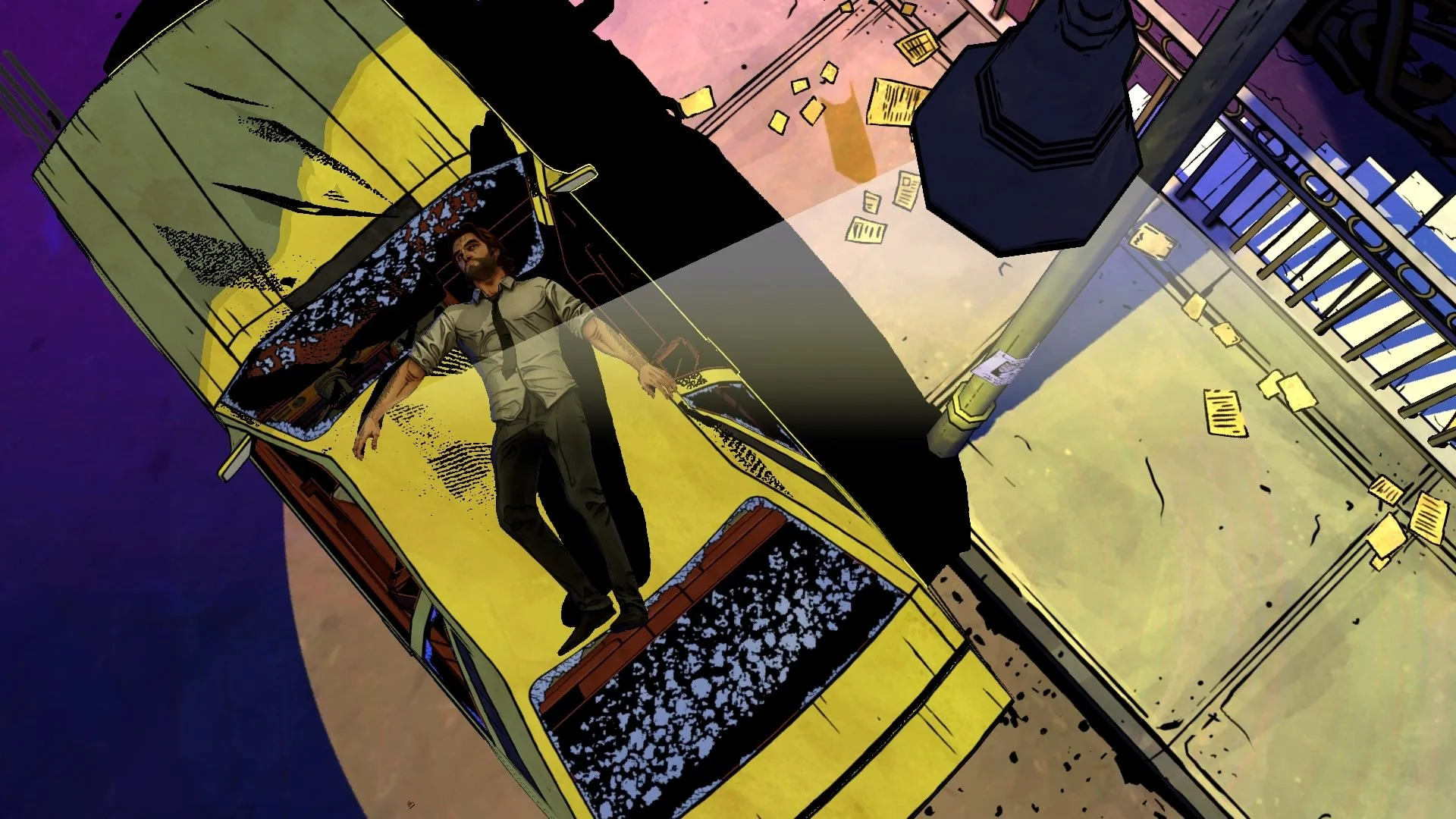
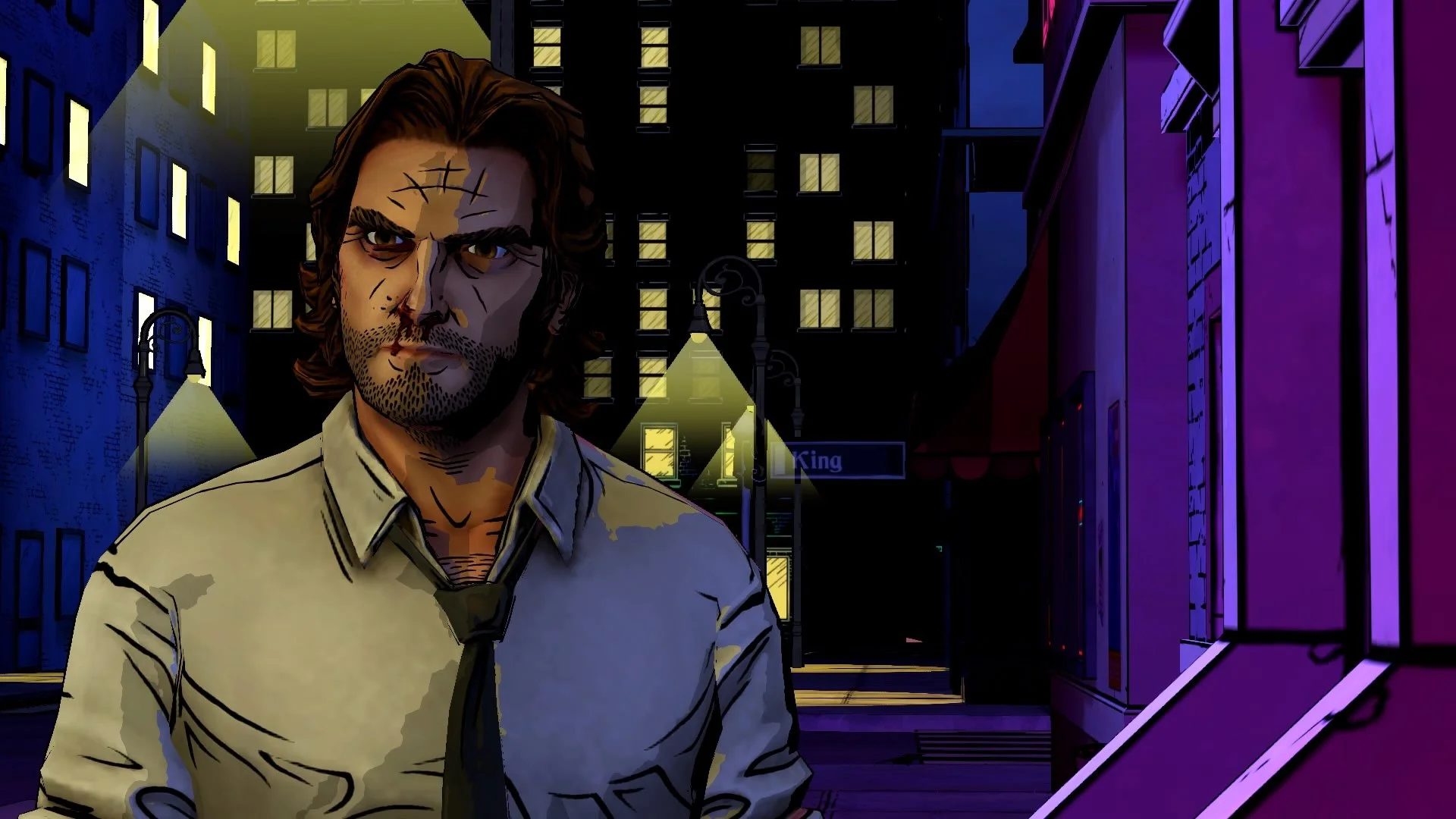
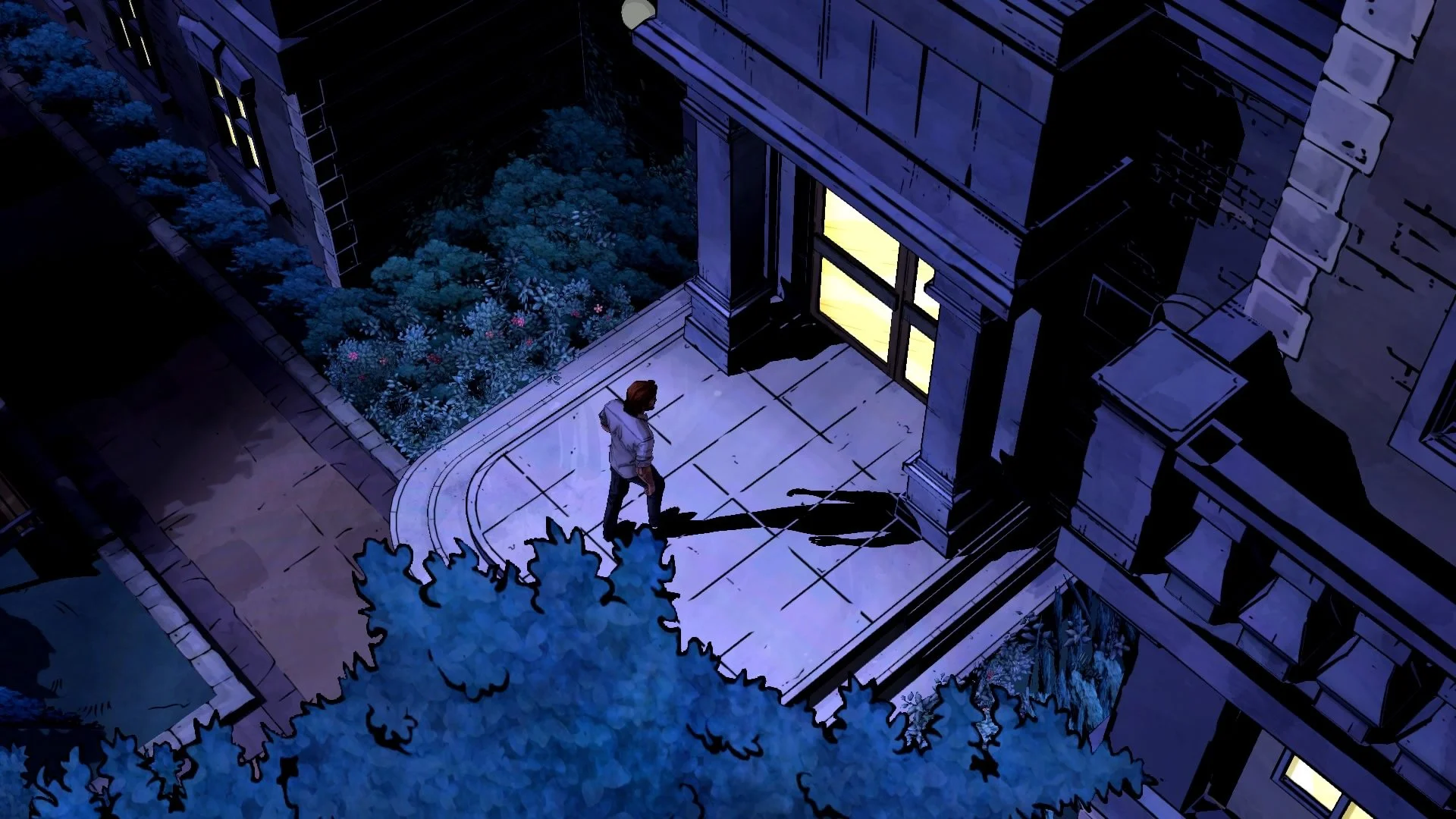
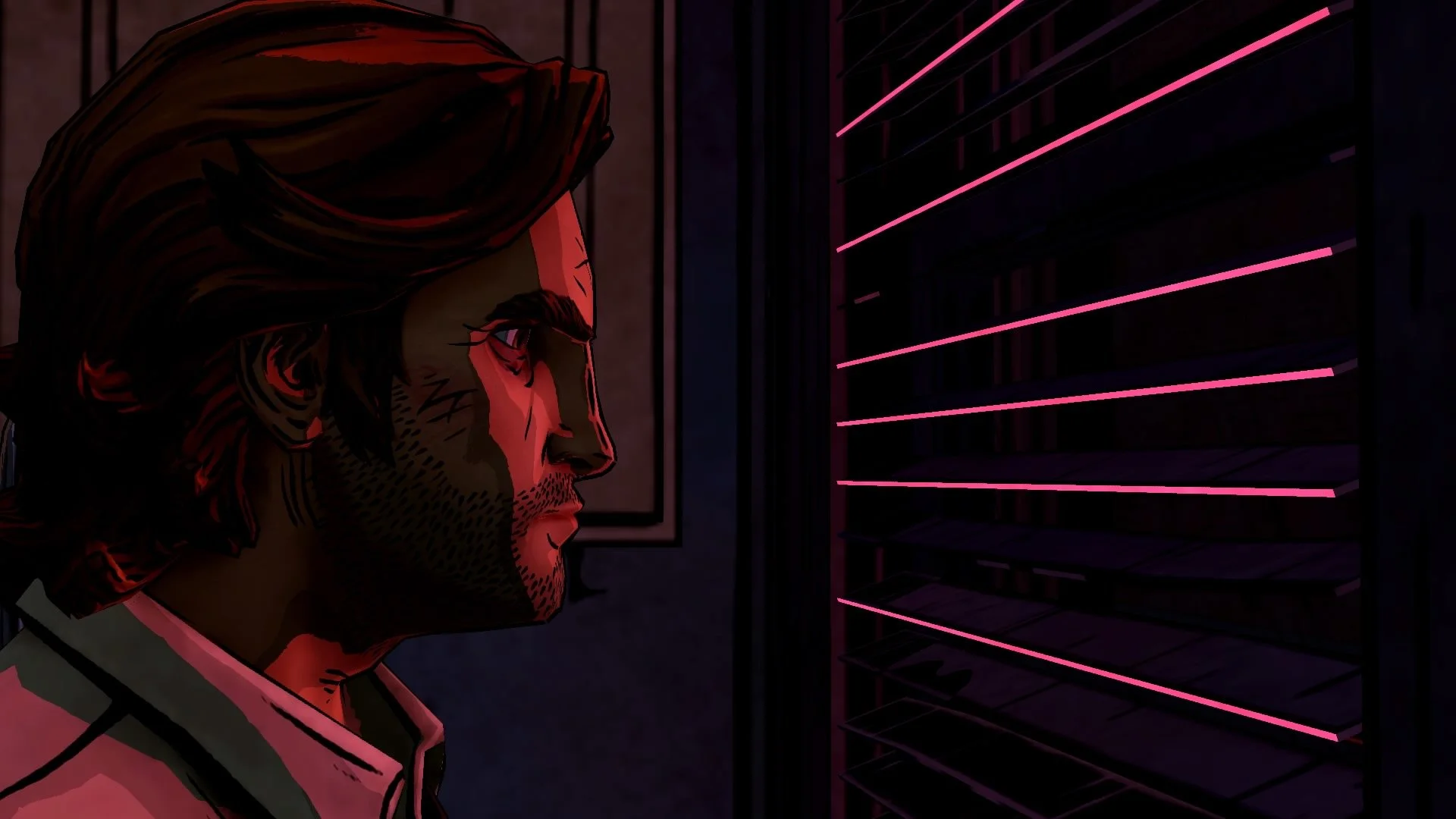
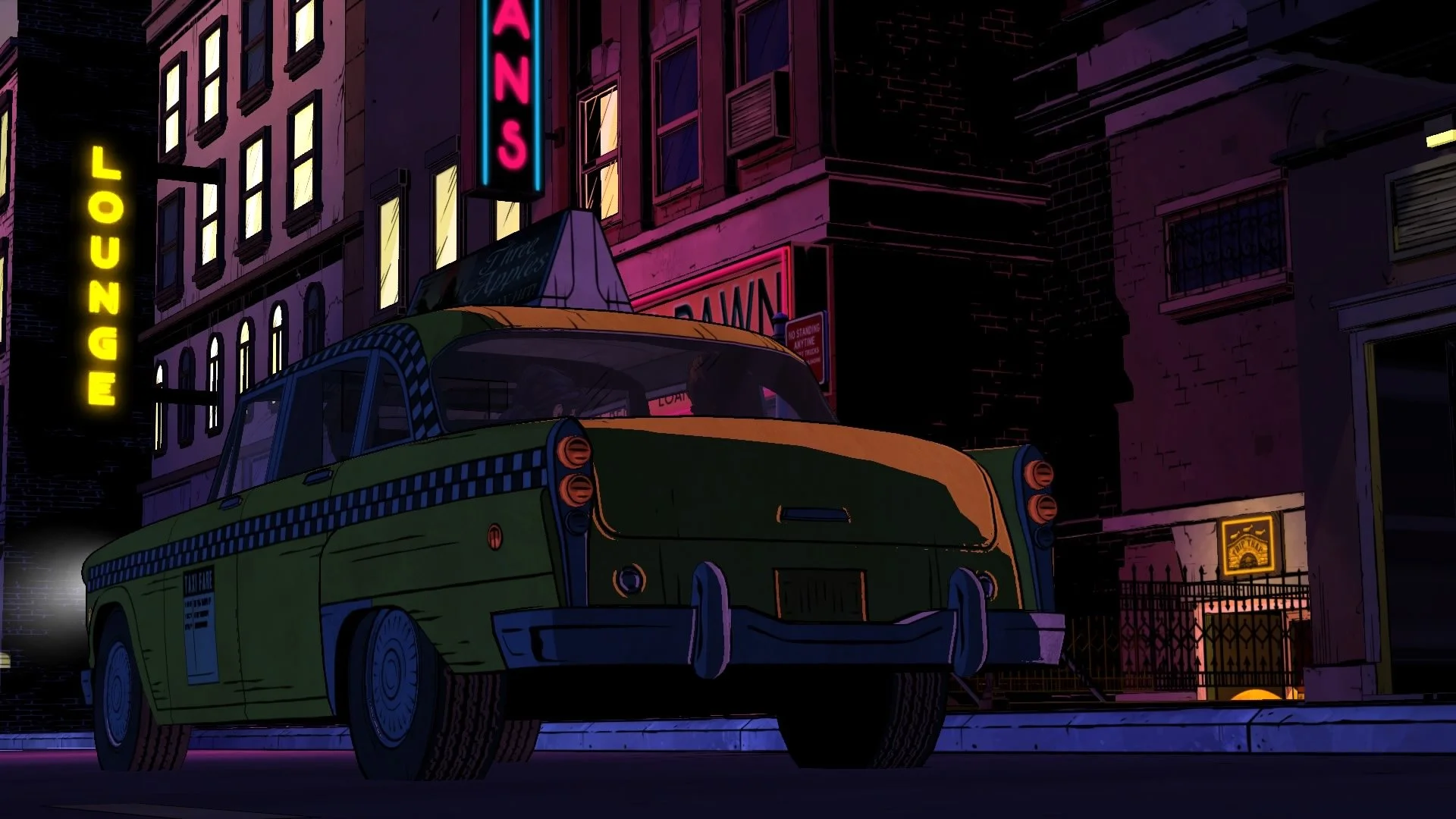
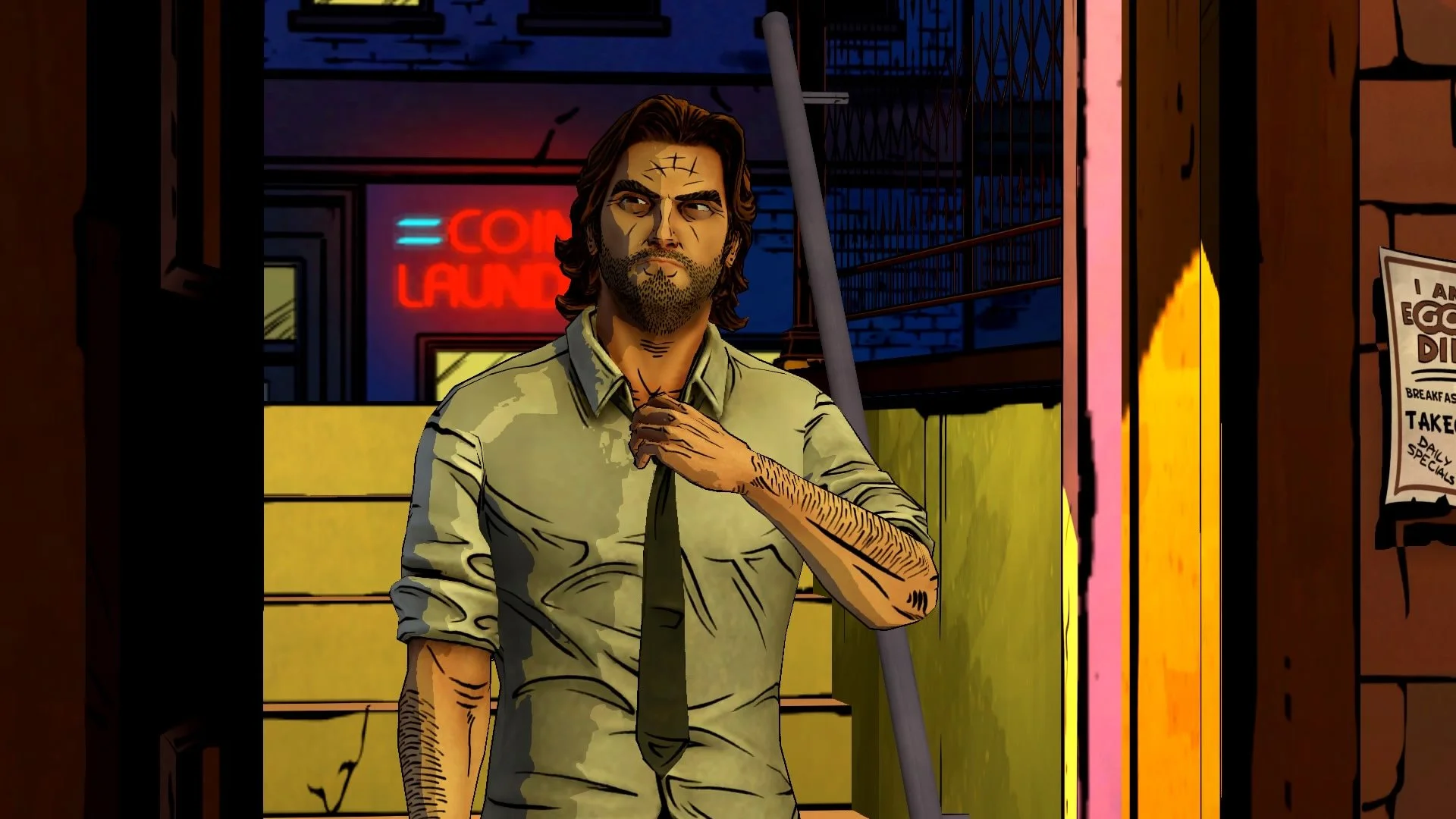
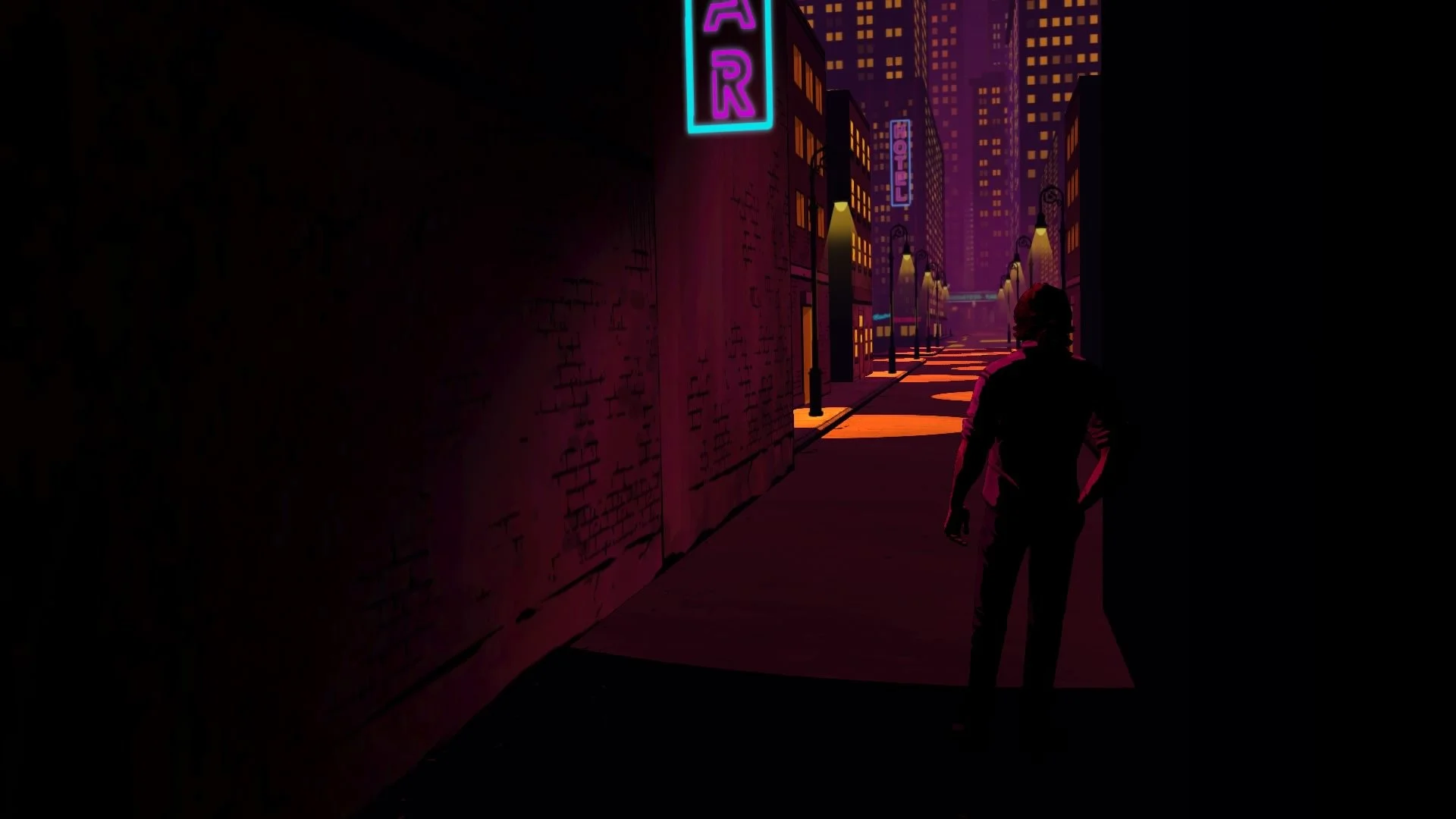
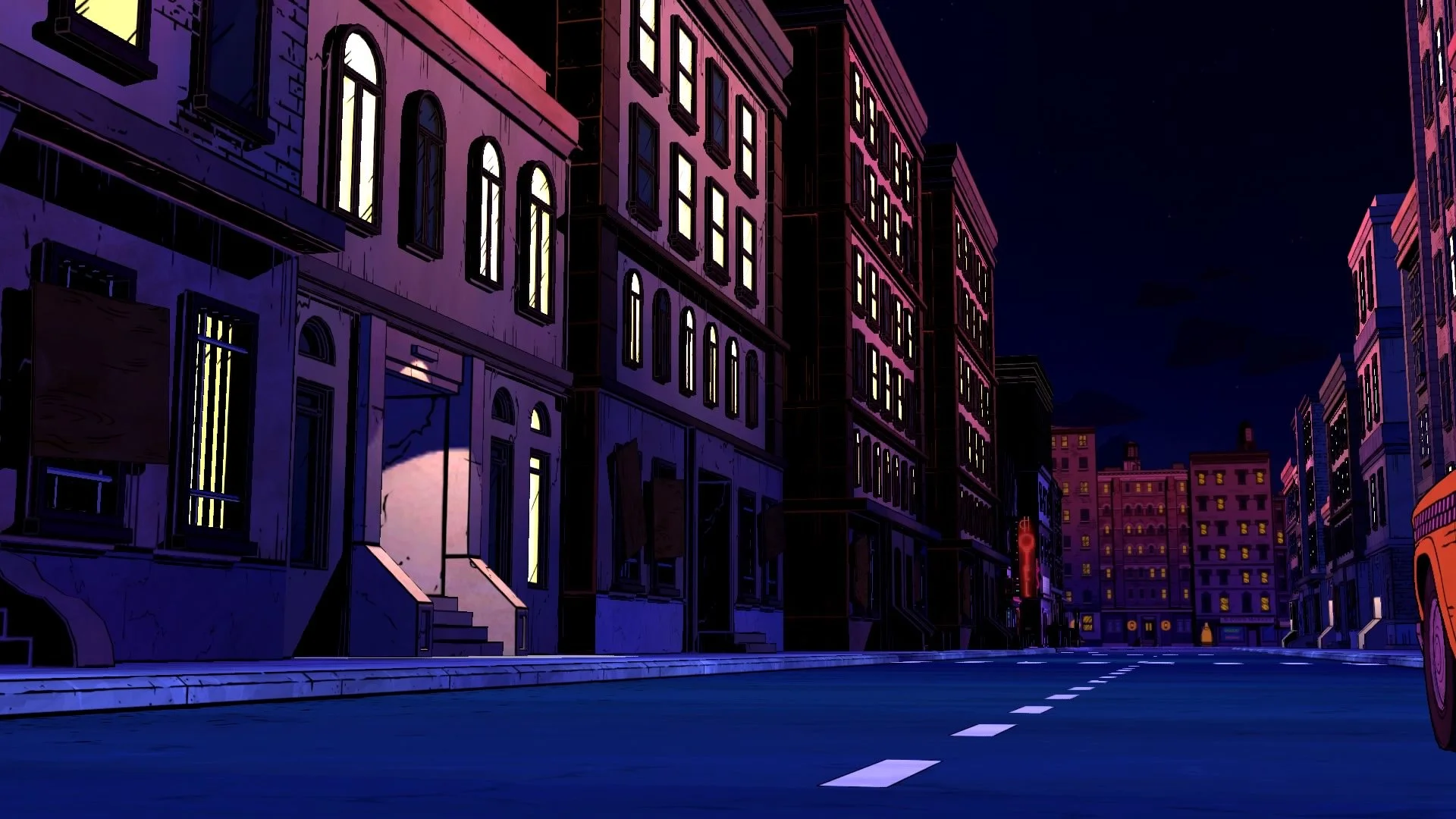
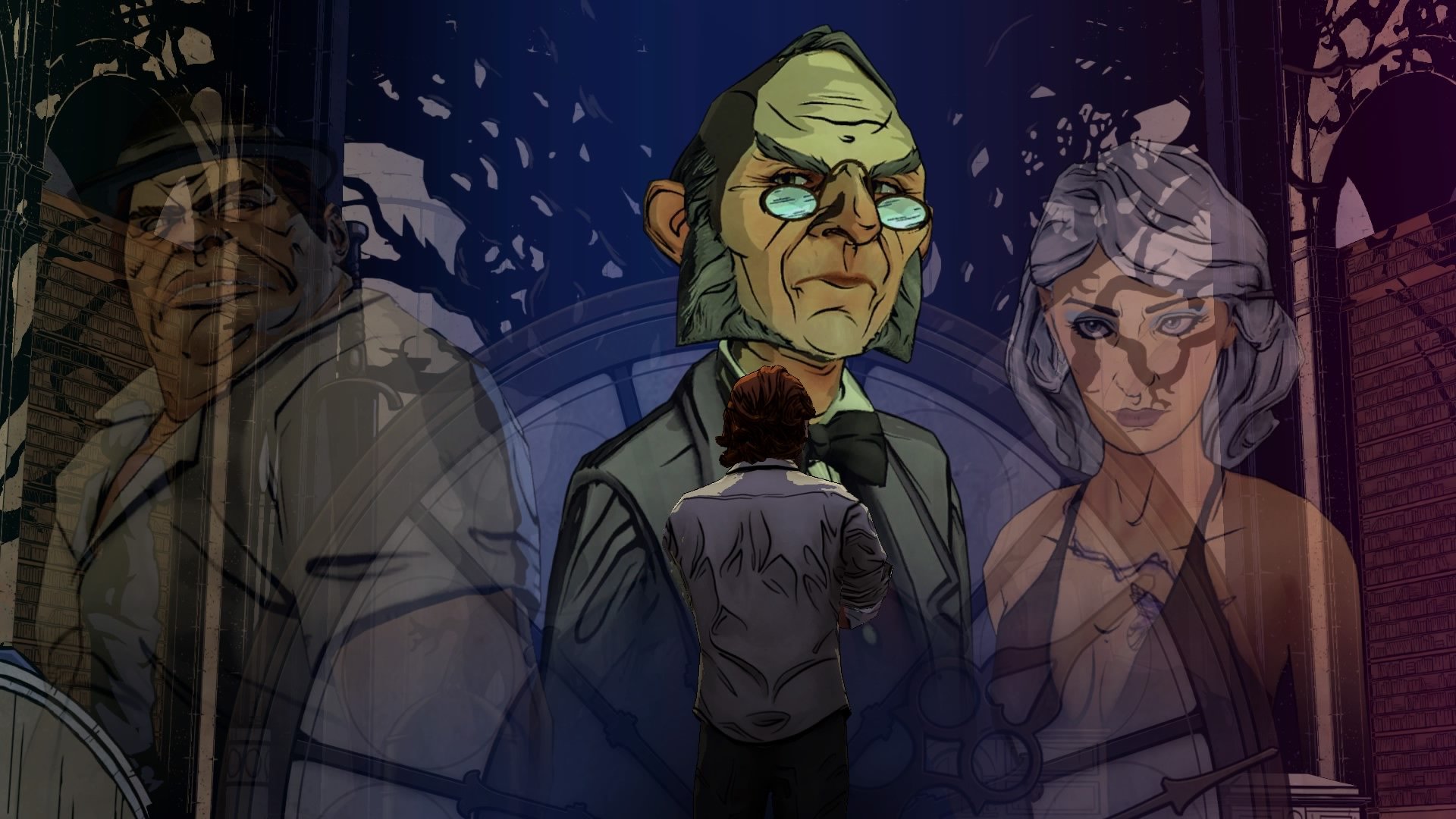
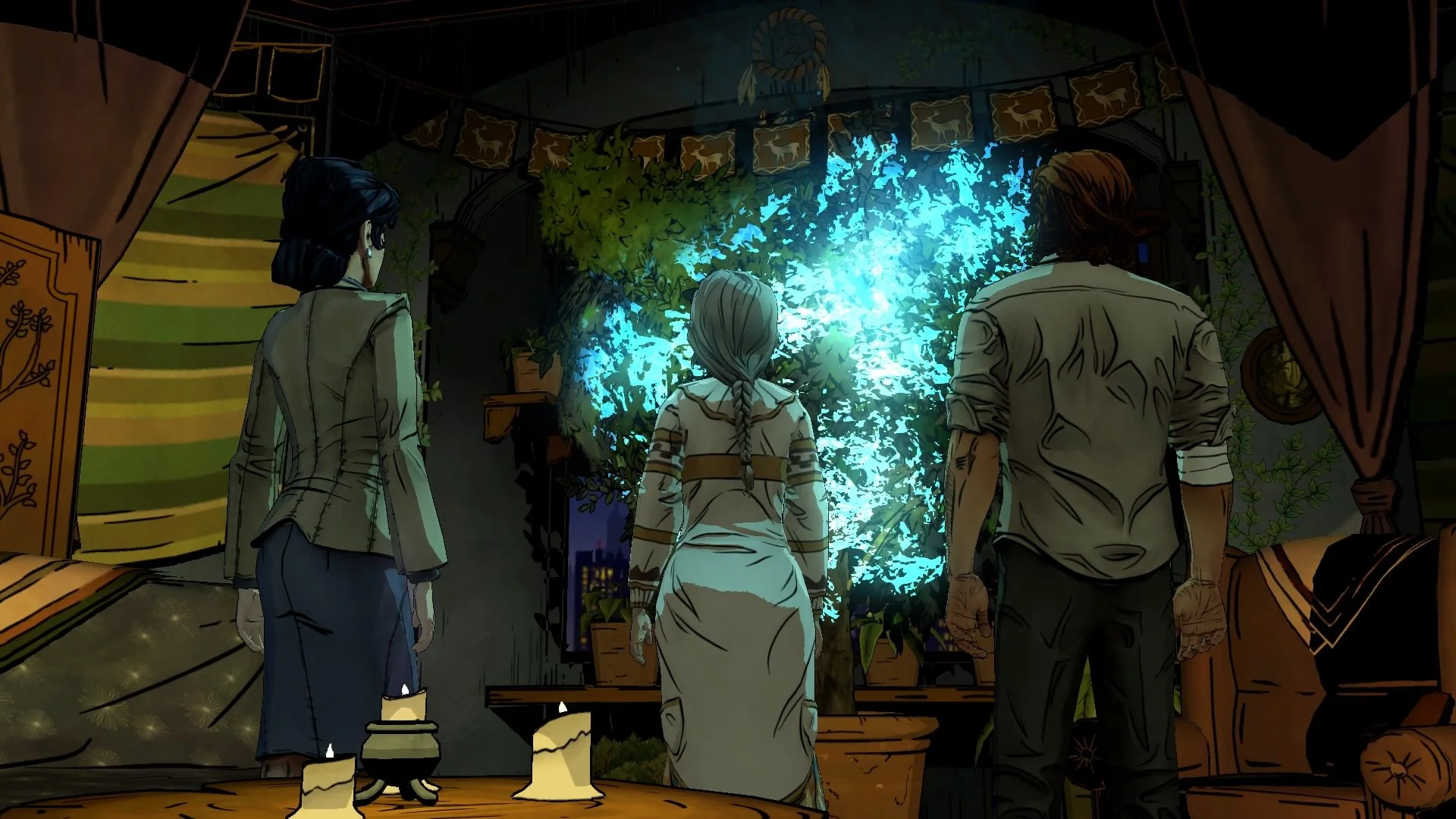
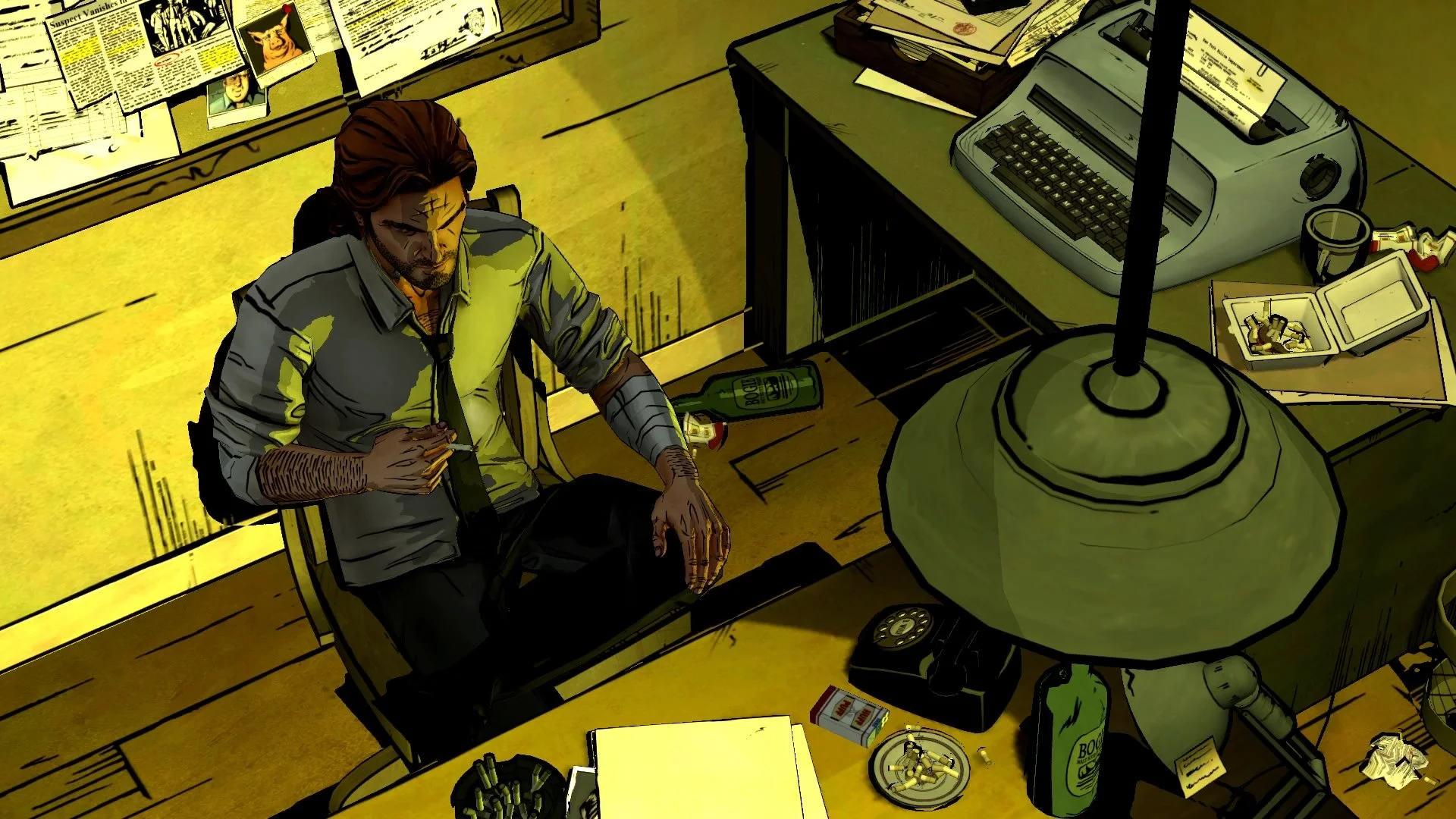
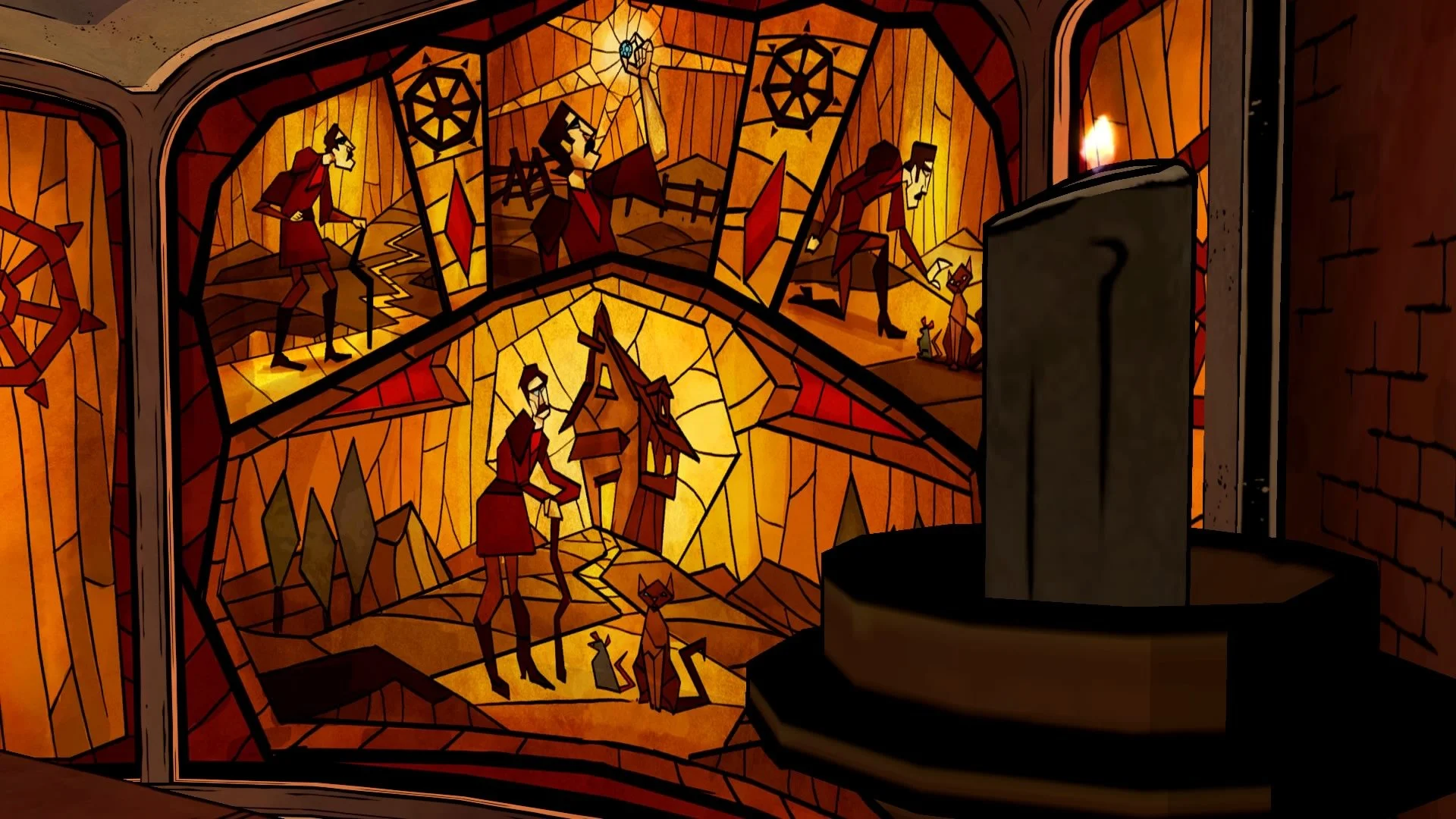
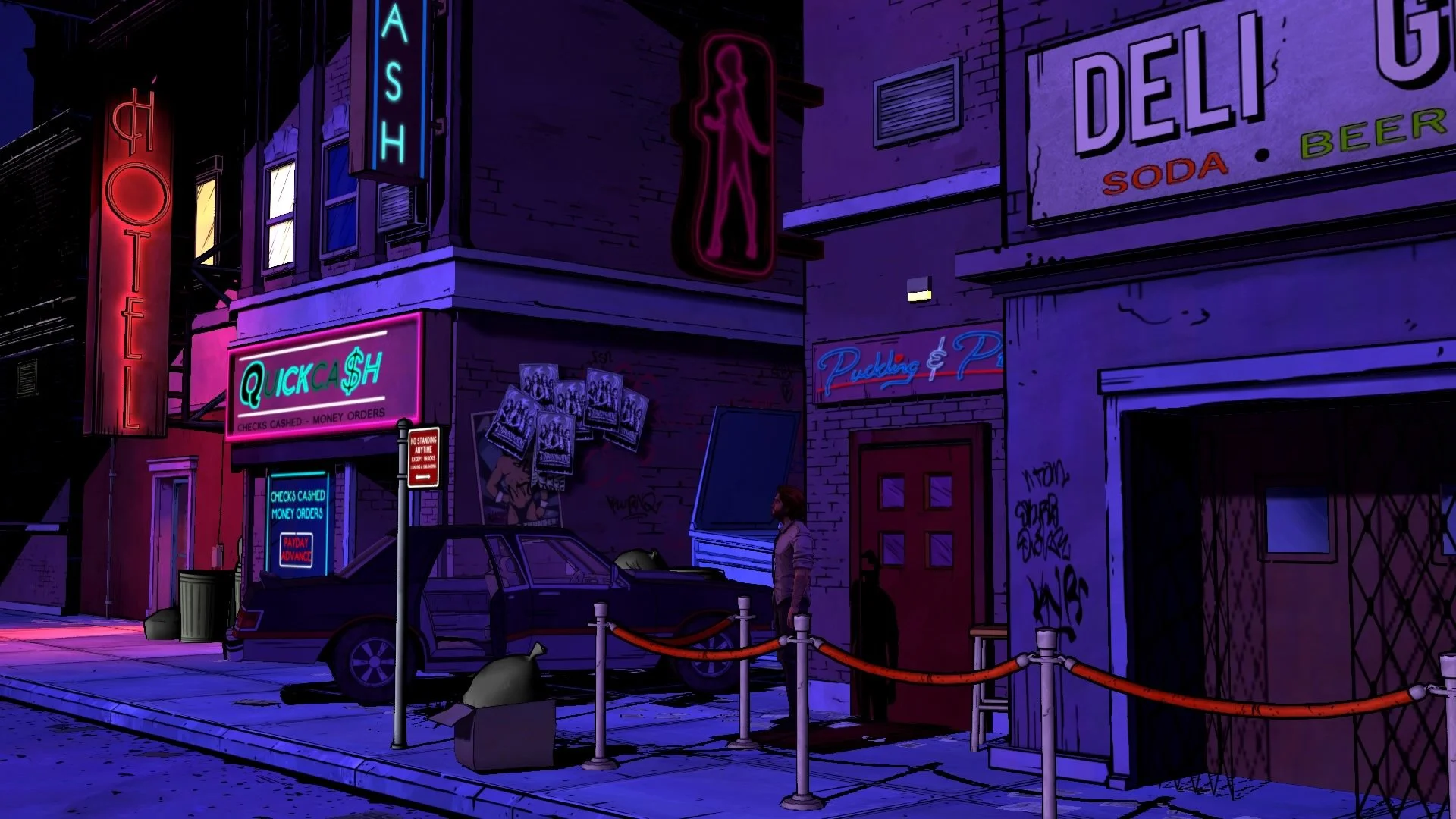
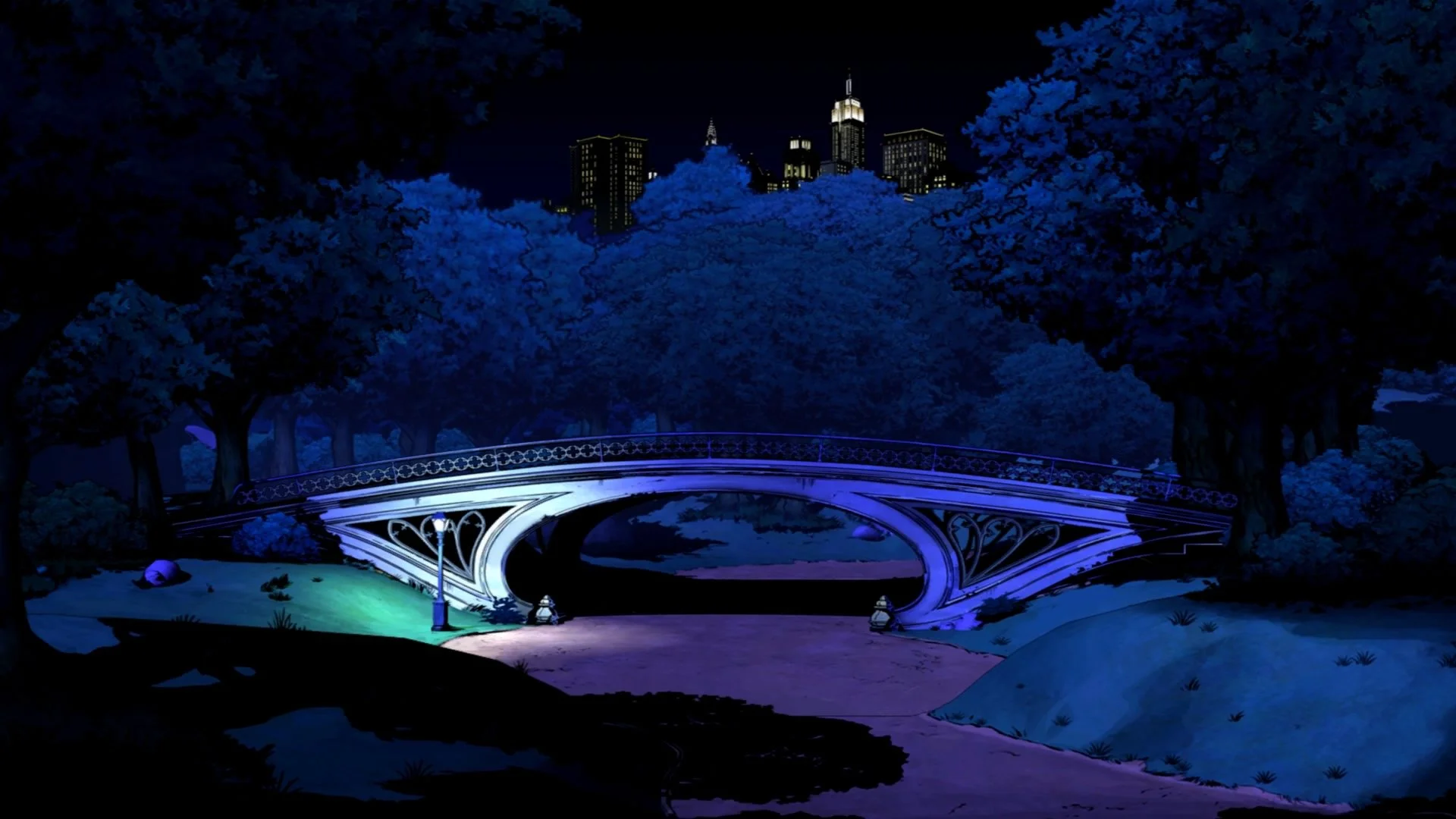
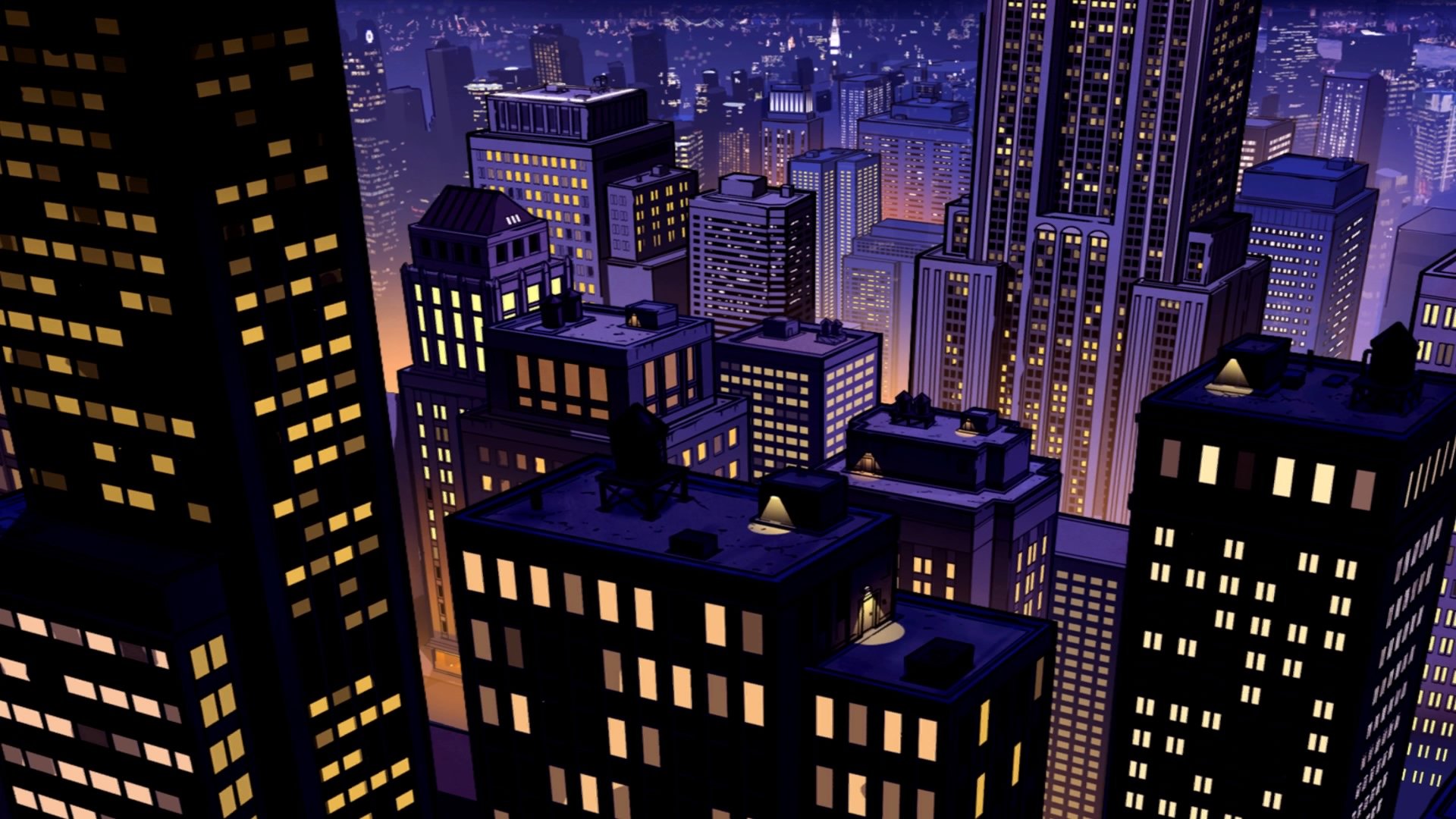
I am a huge fan of Bill Willingham’s Fables graphic novel series which is the epic saga of fairytale legends in exile. Telltale’s The Wolf Among Us is a gritty, street-level detective story that reimagines Bigby Wolf not as a mythical general, but as a weary Private Investigator navigating the rain-slicked neon of 1980s New York to solve a murder case.

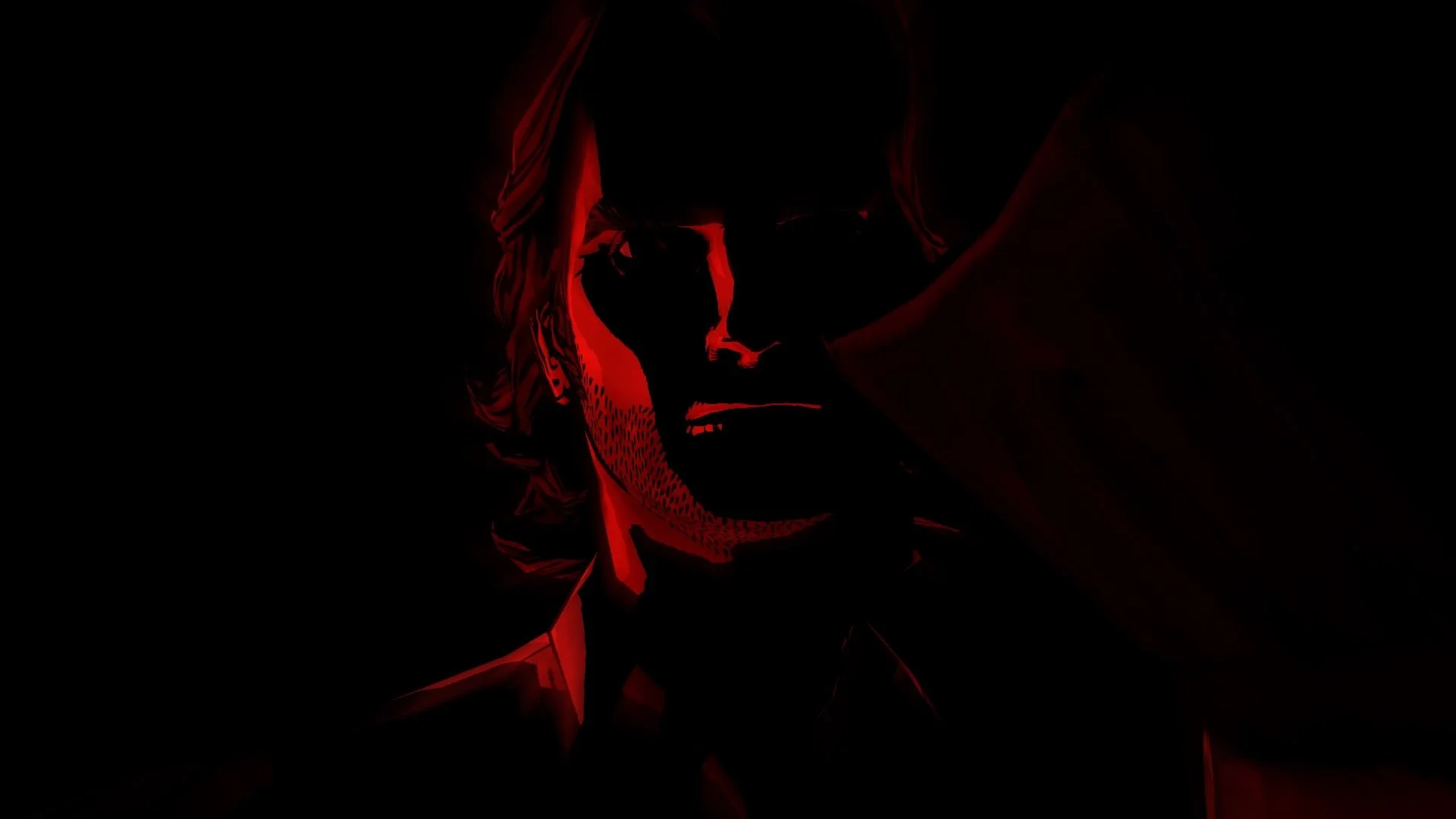
The artistry here is pure noir: a high-contrast "inked" aesthetic where deep shadows hide the desperation of characters like Snow White and Mr. Toad. This intimate focus transforms the sprawling fantasy into a claustrophobic mystery, trading world-ending stakes for the quiet, simmering tension of a smoke-filled interrogation room.
Humanist Perspectives in Videogames

Our identities are complex tapestries woven from our genetics, culture, interests, experiences, and memories. Among these threads, the media we love, especially the stories we encounter, plays a part in shaping who we are but it doesn't have to define us entirely.

Long before the printing press, libraries, or even writing itself, stories were the bedrock of human connection. Myths, legends, fables, and folklore have been passed down through generations, across vast stretches of time and space. We create and share these narratives, and in turn, they shape us, becoming the fundamental building blocks of our cultures. They instill our values, inform our beliefs, and bind us together across diasporas and against the relentless march of time. Through the stories our ancestors left behind, we remember their lives, their worlds, and their convictions.

Many myths are universally familiar - those shared across entire cultures or religions, narrating the creation of our world, the origins of life, and the tales of gods, goddesses, and spirits. Though now often enshrined in books, these narratives originated in the oral tradition, stories told around crackling campfires or sung in stirring ballads.

Stories are powerful because they’re how we remember where we came from. They take root in our families and become part of our own personal history, helping us define who we are and what we value—whether on a global scale or in our private lives.

But too often, stories about marginalized groups focus almost entirely on trauma. While this is often done to build empathy, it shouldn’t be the only perspective we see. It’s just as important to share the lighter, more joyful moments that shape a person’s life. There is so much more to the human experience than just hardship, and those other parts deserve to be celebrated too.

When people from these backgrounds challenge the status quo, it can often lead to defensiveness. However, if we want to treat videogames as a serious art form, we have to be open to critique and different points of view. Like any other medium, games only evolve when we’re willing to have an honest dialogue about them.

I believe humans are naturally wired to cooperate. At some point, we seemed to drift toward a more self-centered individualism, but I think art is the antidote to that. Real art requires a certain level of vulnerability; it’s about showing your authentic self to connect with others. That connection is what creates a true sense of belonging.

As we get older, we usually develop a better appreciation for nuance. We might have less patience for trivial things, but we also gain the ability to see the complexity in life. This kind of maturity inevitably changes the stories we choose to tell and the ones we find most meaningful.

Some videogames stand out for offering alternative, often less-accepted, historical views or deeply humanist perspectives:

  • Assassin's Creed (Especially the Ezio Trilogy and Black Flag)

  • Valiant Hearts: The Great War

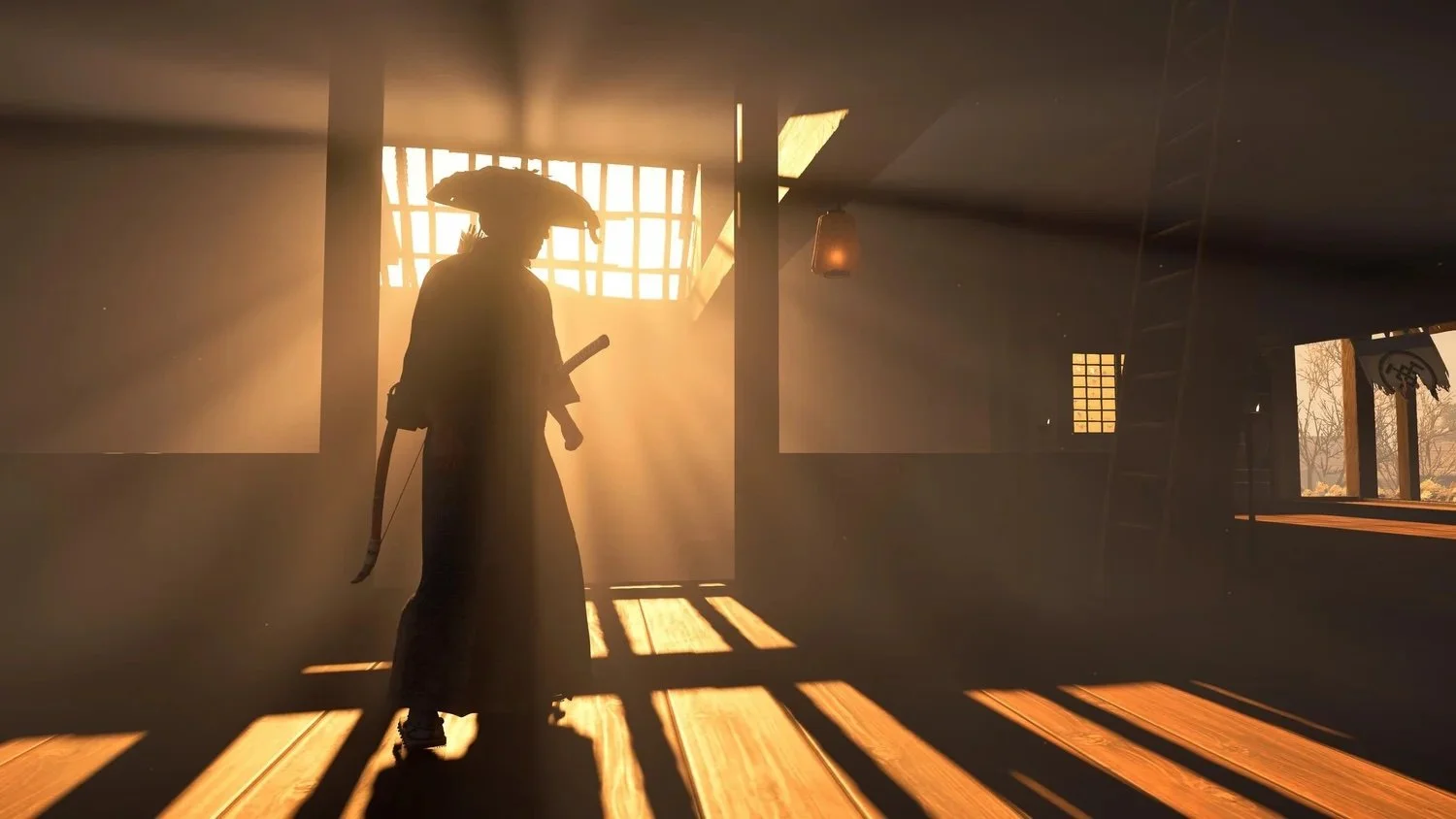
  • Ghost of Tsushima

  • Red Dead Redemption

  • Oregon Trail

  • Nier: Automata

  • SOMA

These titles, among others, demonstrate the capacity of videogames to transcend mere entertainment, becoming powerful vehicles for diverse storytelling and deeper human understanding.

LINK- The Good Place and Philosophy - Book Review (and Some Self-Reflection)

LINK- The Future Starts Here: An Optimistic Guide to What Comes Next- Book Review

LINK- Children of the Stones: Cult TV Series Review

LINK- On And On And Colston ( Or, How We Kinda Sort of Learned to Talk About the Legacy of Colonialism and the British Empire)

LINK- Japan: My Journey to the East

LINK- Pure Invention- Book Review