Red Sonja - Cult Film Review

I have a real affection for the classic sword-and-sorcery genre, having grown up on a diet of Harryhausen fare. However, good recent films have been more difficult to find. Could the latest iteration of Red Sonja be a robust addition to the genre? There was only one way to find out!

Many people might know of the character only as offshoot of the Conan mythos, or through the lens of Brigitte Nielsen’s 1980s portrayal. While her iconic aesthetic remains a staple of the character's identity -retaining its legendary, if historically unprotective, visual flair - this version focuses more on the internal evolution of the warrior beneath the armor.

The narrative follows a classic trajectory, beginning with the destruction of Sonja's village and her subsequent quest for vengeance against a King driven by the pursuit of a sacred MacGuffin. This ancient book of secret knowledge serves as the primary catalyst for a journey that eventually sees Sonja captured and thrust into a brutal colosseum. Throughout the nearly two-hour runtime, the film meticulously tracks her transformation from a vulnerable child of the forest into a respected commander of the arena. This progression feels earned; the script allows her the space to develop the tactical and emotional resilience required to lead her fellow warriors into battle.

The success of this arc is largely due to the central performances, particularly that of Matilda Lutz. Lutz demonstrates a rare ability to anchor high-octane stunt sequences with a soulful, quiet intensity. Her kinetic expressiveness allows her to convey a complex history of trauma and survival through body language and gaze alone, ensuring that her prowess in the action scenes feels like a natural extension of her character rather than mere choreography.

Opposite her, Robert Sheehan provides a masterclass in unpredictable charisma. Sheehan has always possessed a fluid, high-energy magnetism—as seen in his early breakout in Misfits—that allows him to inhabit outsider roles with ease. He maintains a unique ability to shift between comedic absurdity and genuine sincerity. The animosity between their characters feels authentic and grounded, providing the film with an emotional core that keeps the audience invested in their shared destiny.

Overall, the film succeeds because it understands its own identity as a well-shot and thoughtfully scripted romp. It doesn't aim for the existential depth of a filmmaker like Kieslowski; instead, it embraces the value of a high-energy, "smashy-bashy" adventure. It captures much of the same joyful, adventurous spirit found in the recent Dungeons & Dragons film, albeit with a much leaner budget and a less recognizable ensemble. For those seeking a fun, escapist experience that respects both its lead character and its genre roots, this film serves as a reminder that a well-executed action movie can be both thrilling and deeply satisfying.

LINK: Japan: My Journey to the East

LINK: The Argument for Videogames As Art in the Age of Mechanical Reproduction

LINK: Akira Soundtrack Vinyl Review

LINK: The Power of Stories and How They Are Manipulated

LINK: The Message by Ta-Nahisi Coates - Book Review (and Some Thoughts)

LINK: The Anxious Generation: Book Review (and Some Thoughts)

LINK: Utopia for Realists- Book Review

LINK: Toxic: Women, Fame and the Noughties- Book Review (and Some Thoughts)

The Power of Dungeons and Dragons.

Over many years, I've heard many videogame developers and designers talk about how Dungeons and Dragons helped influence their game design philosophy. I've read with interest but have no grounding in this as I have never played a D and D game in my life, despite owning the game for over 25 years! I bought it on a whim on one of my many shopping trip to Forbidden Planet in London as I’d heard so much about it, especially during the Satanic panic that swept across America.

Over the subsequent decades, I've heard much more about it through the various pop culture podcasts I have listened to, hearing the hosts talk about their formative years with the board game and then, of course, through Stranger Things where it gained pop culture traction.

My only context in my youth was the cartoon and the various shops I saw, as well as the Dragon Lance book series I read as a tweenager. Anyways, here's my D and D complete box which had never been played and I hope to organise a game as I have a board gaming group here in Devon who I play Ticket to Ride, Brass and Eclipse with on occasion. A friend informed me that my set might be worth something as they change the ruleset quite often so there's that I suppose.

Maybe I'll get my crew into D and D... We'll see, eh?

London Gaming Market Hits the Spot

Today was the first of hopefully many more London Gaming Markets, which was held at the Royal National Hotel.
I have been to the Hotel before on a few occasions when they used to do the Comic Expo but this was a new thing entirely. I expected it to be busy but oh boy was it rammed!
There were people of all ages and backgrounds and it was heartening to see so many female gamers, a high percentage of gamers are females bur not they are not always present in events so it was great to see such a large female turnout here.
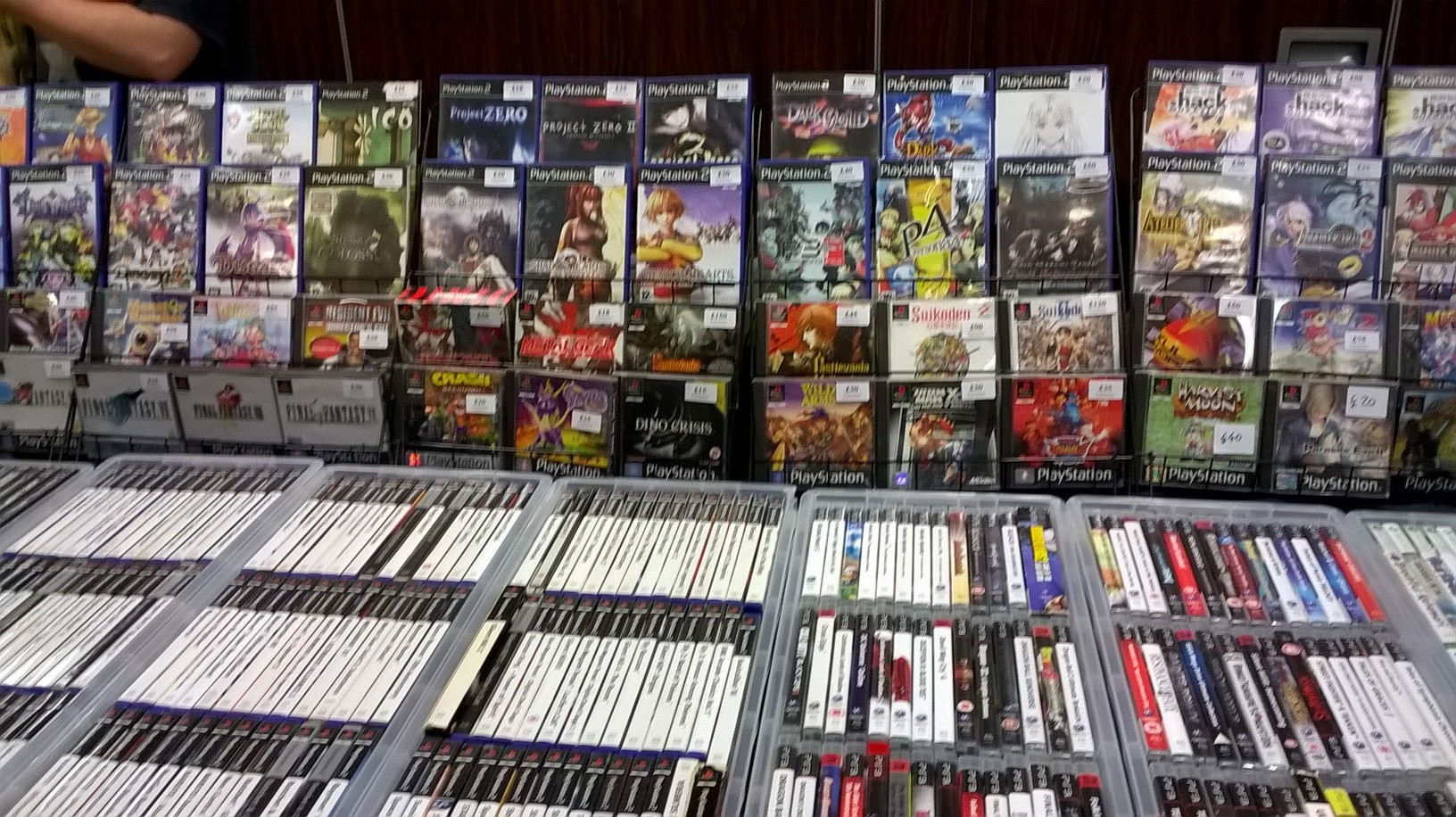
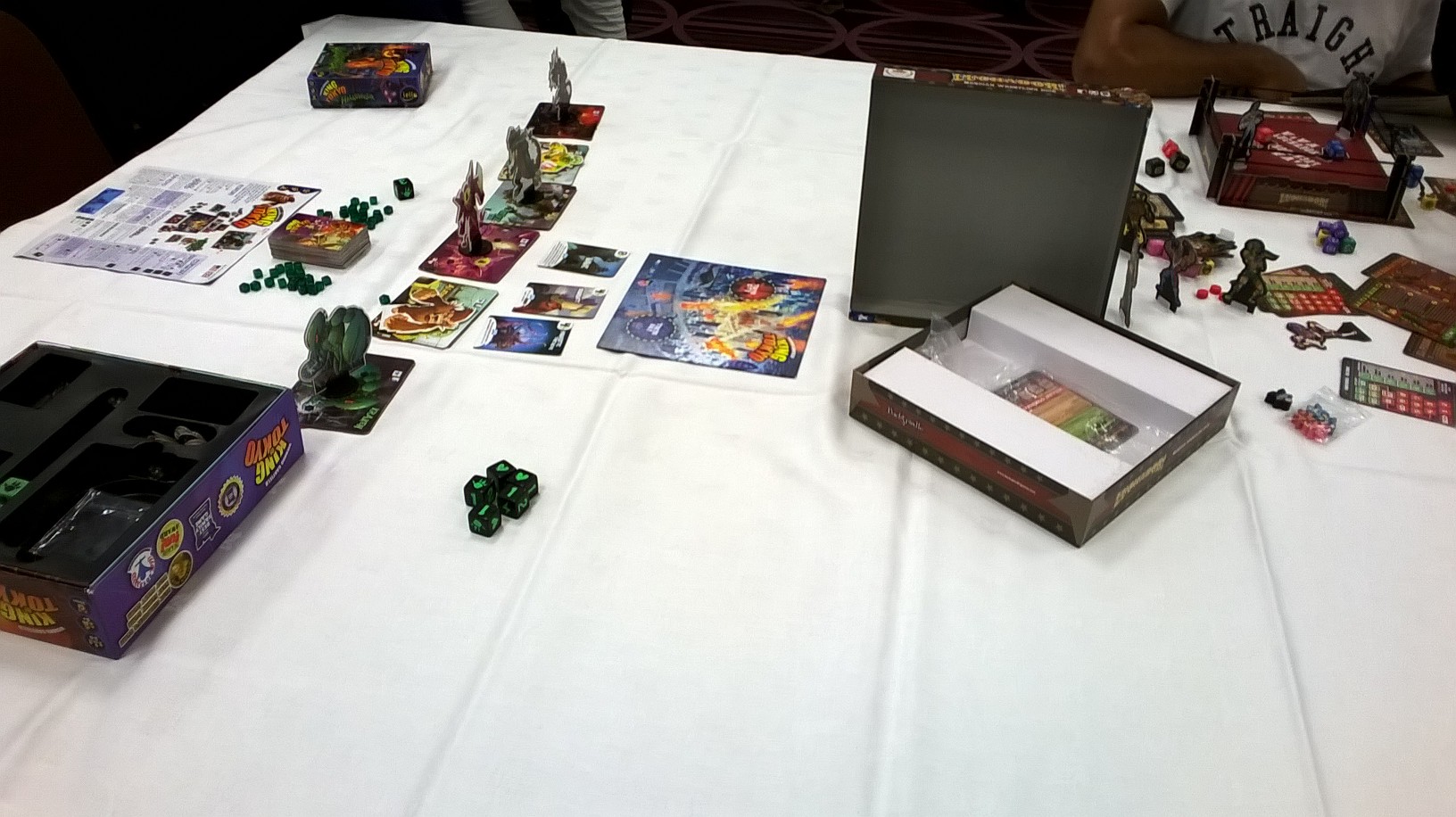
The Market itself took the space of 2 halls, with one focused on retro gaming and systems and the other more focused on board and card games like Magic or Dungeons and Dragons.
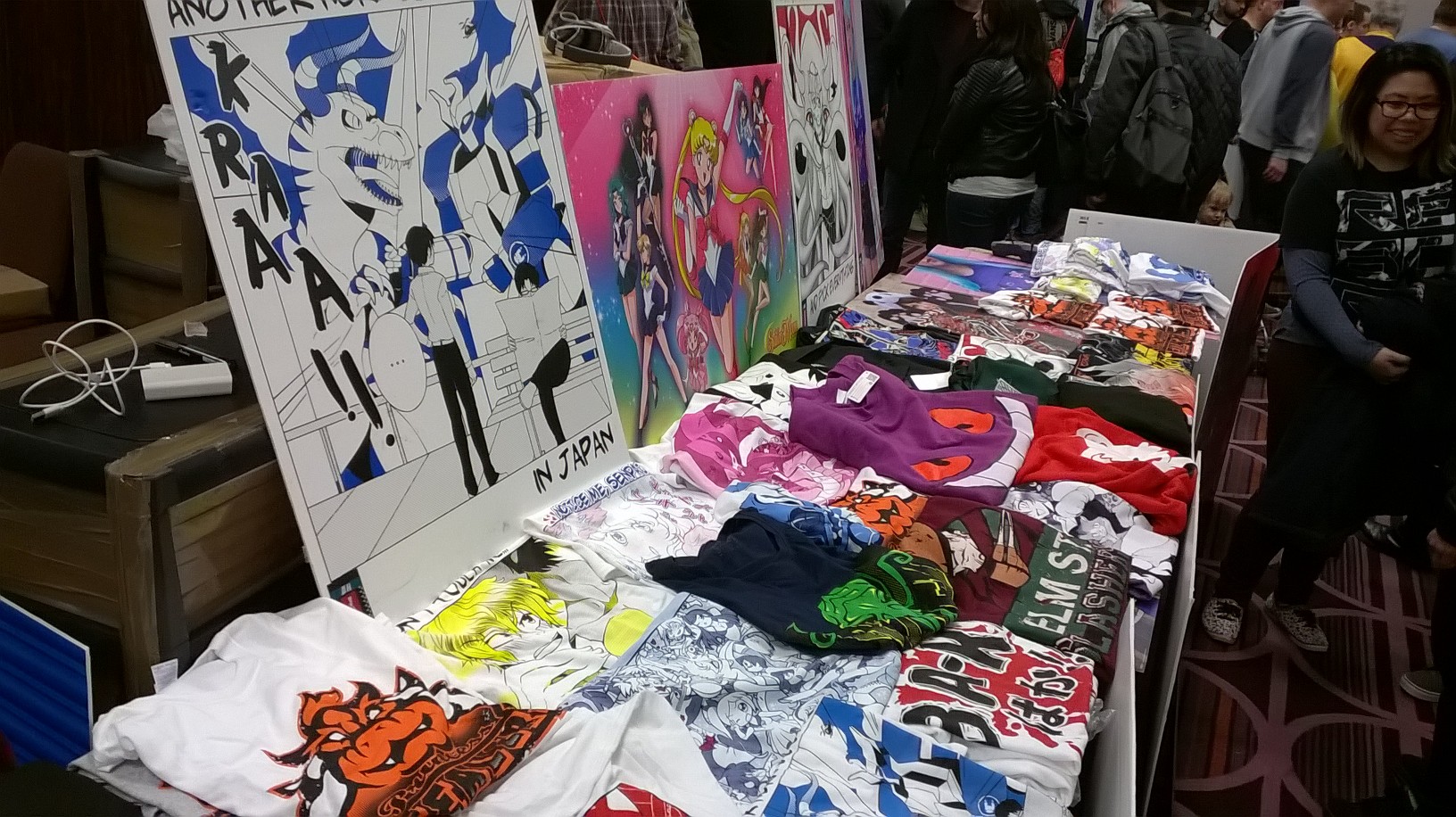
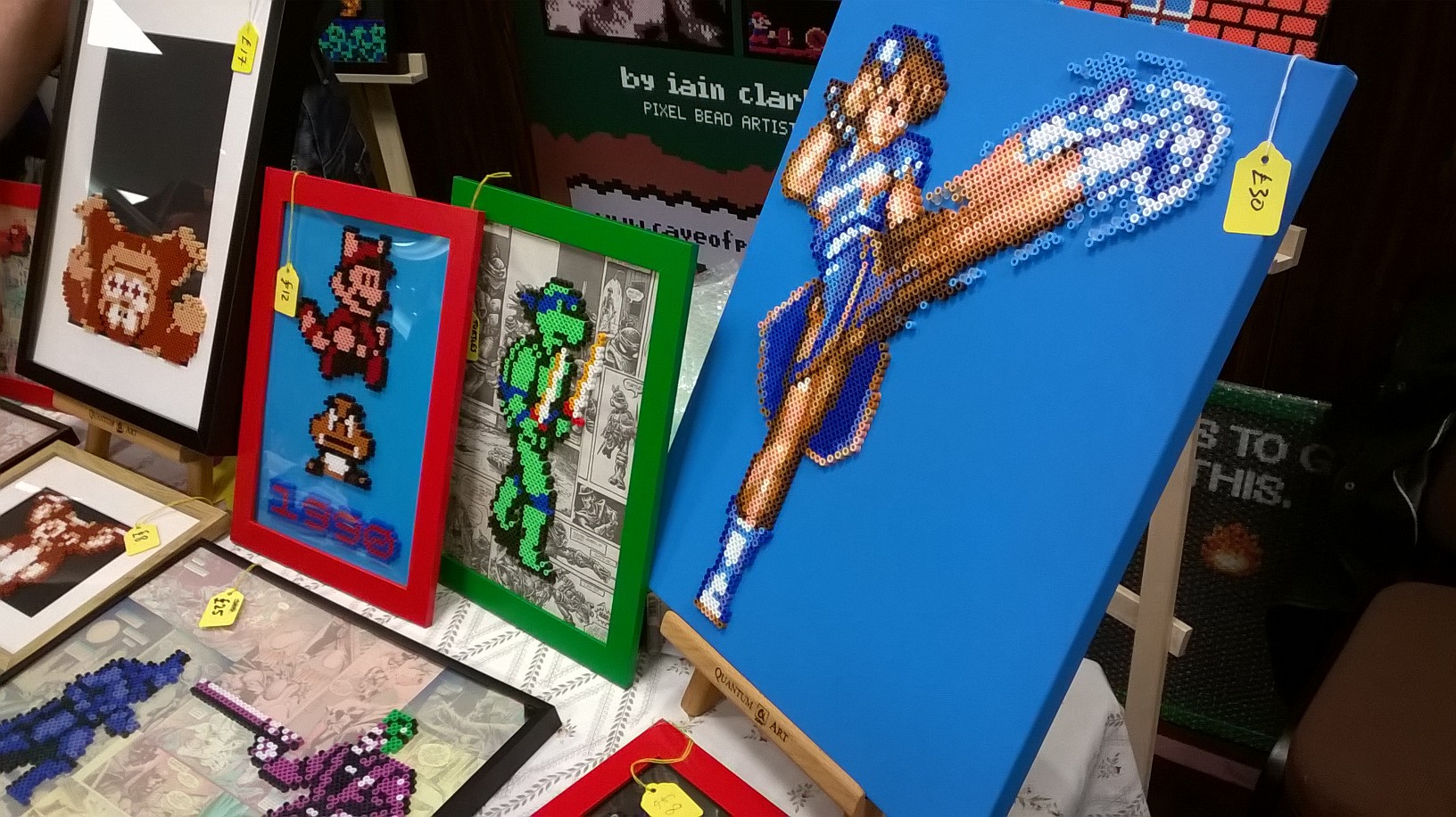
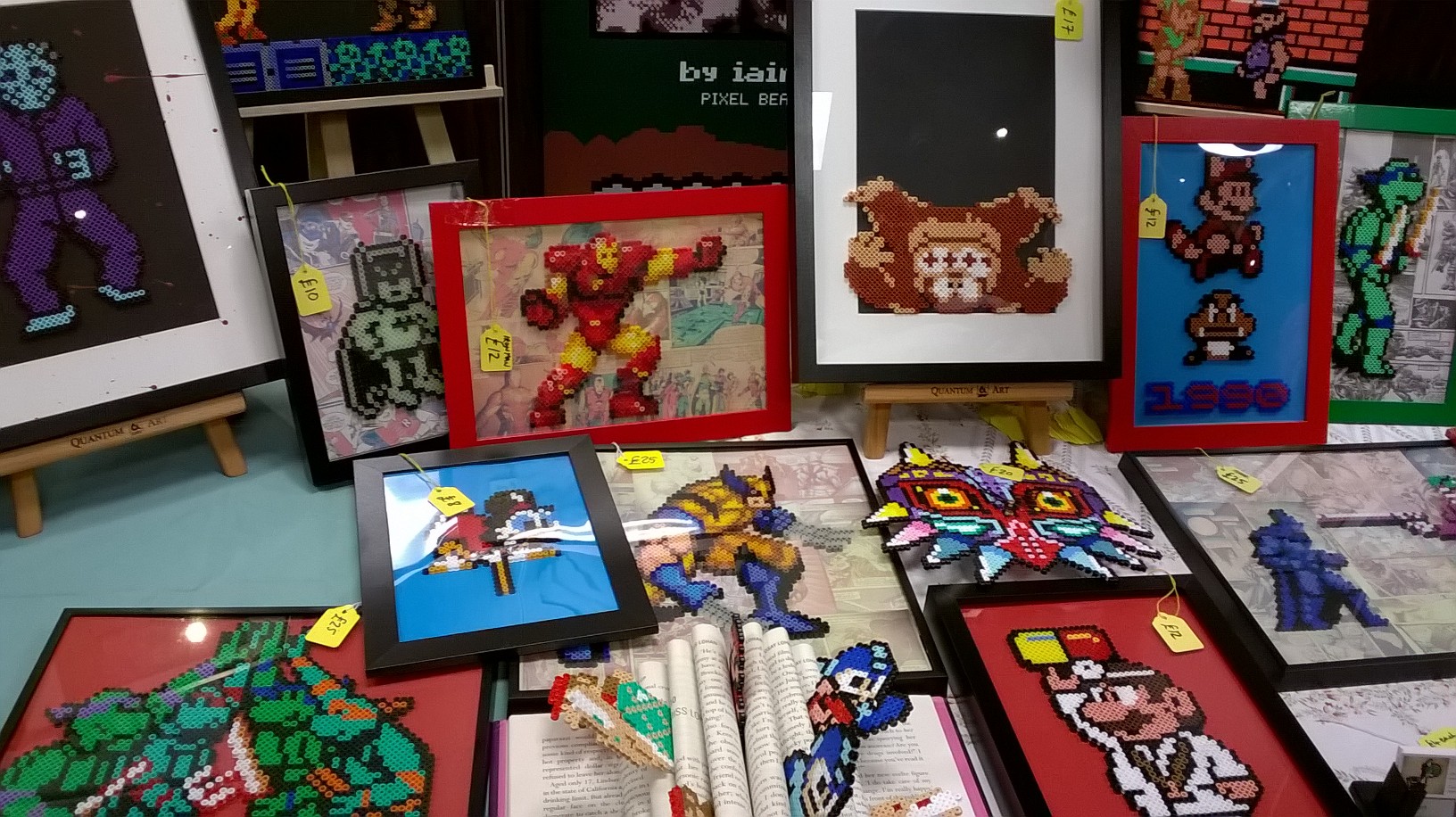
The main hall was packed tight with sooo much stuff to buy, it wasn't all just games either. There were perler bead stalls with amazing 8 and 16-bit art pieces, t-shirts, fanzines and magazines.

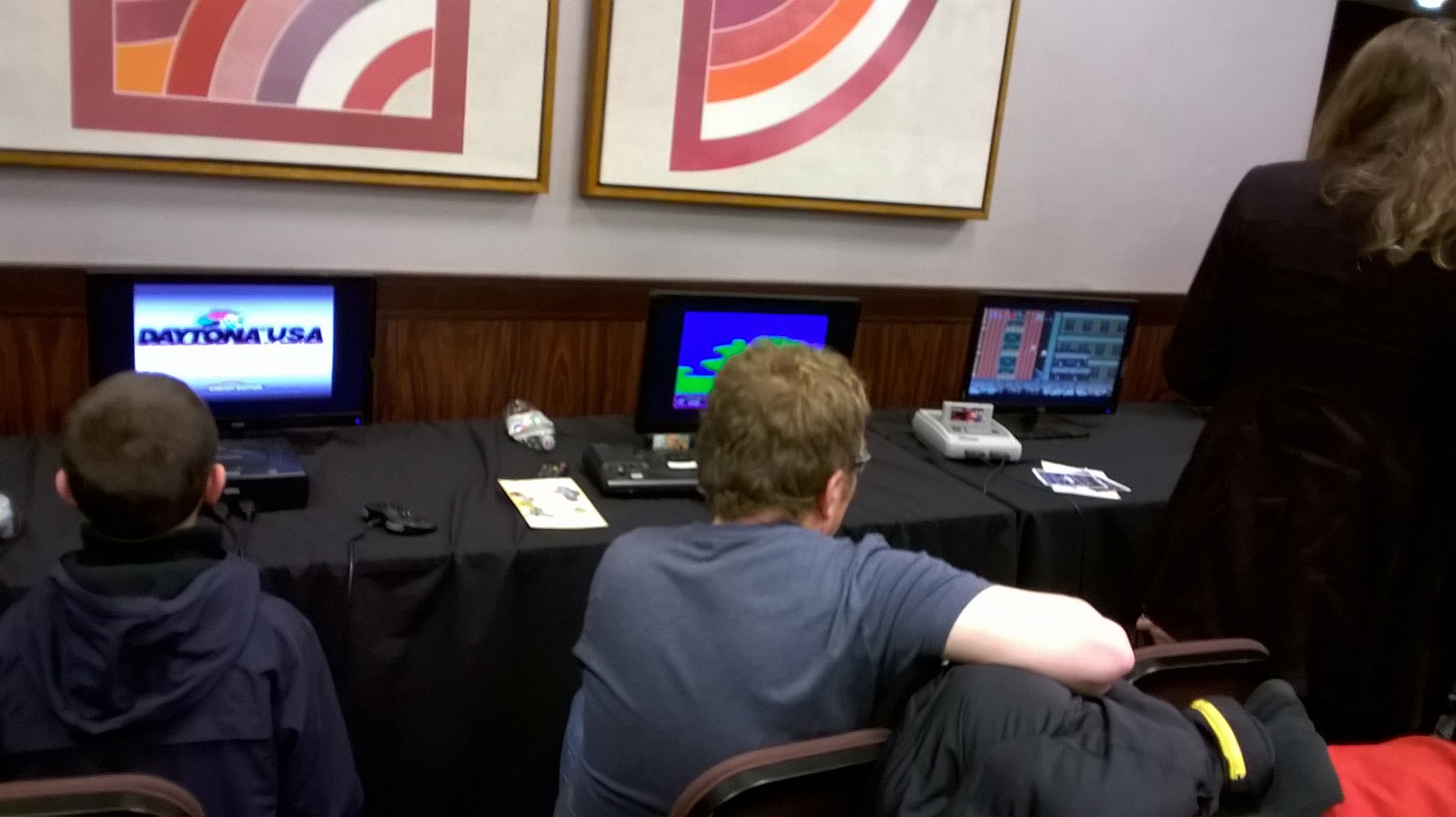
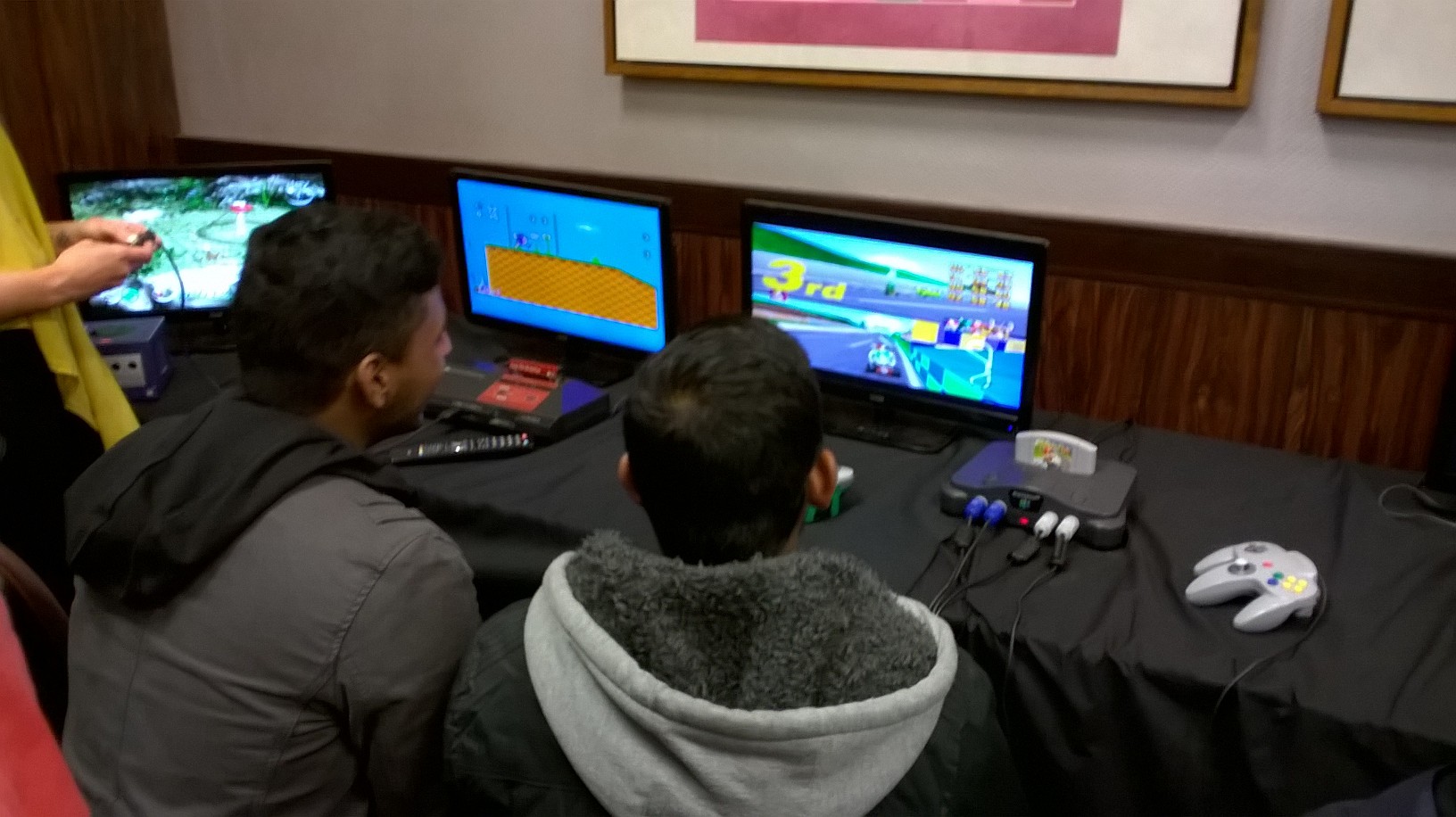
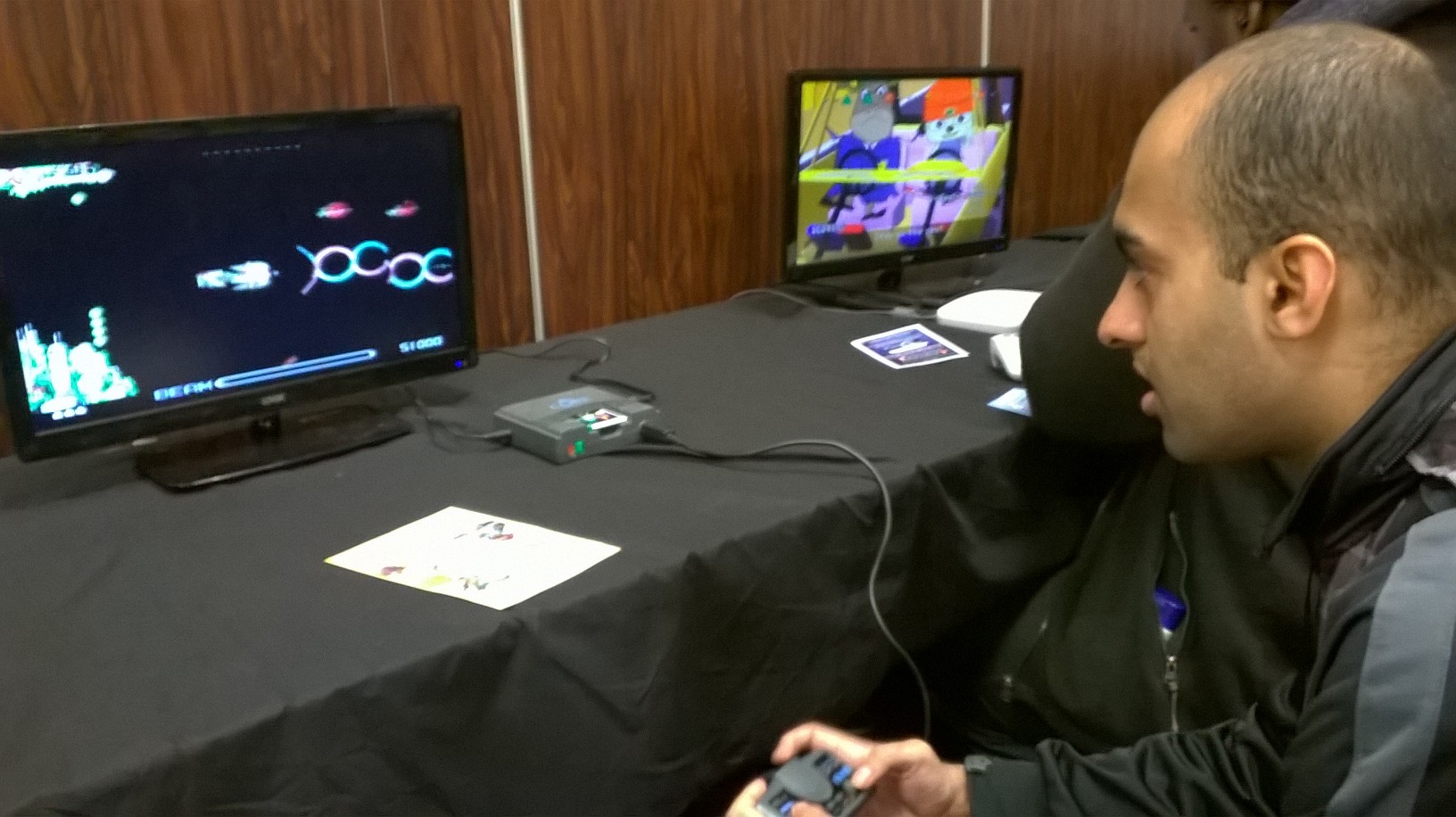
There were also many systems set up around the edge of the hall so people could play for free including Micro Machines 2, Goldeneye, Mega Bomberman, Mario Kart on the SNES and R-type. My cousin and I played R-type as we have fond memories of this game from the arcade and Master System. It was great to see lots of children playing on the games that their parents probably played in their youth.
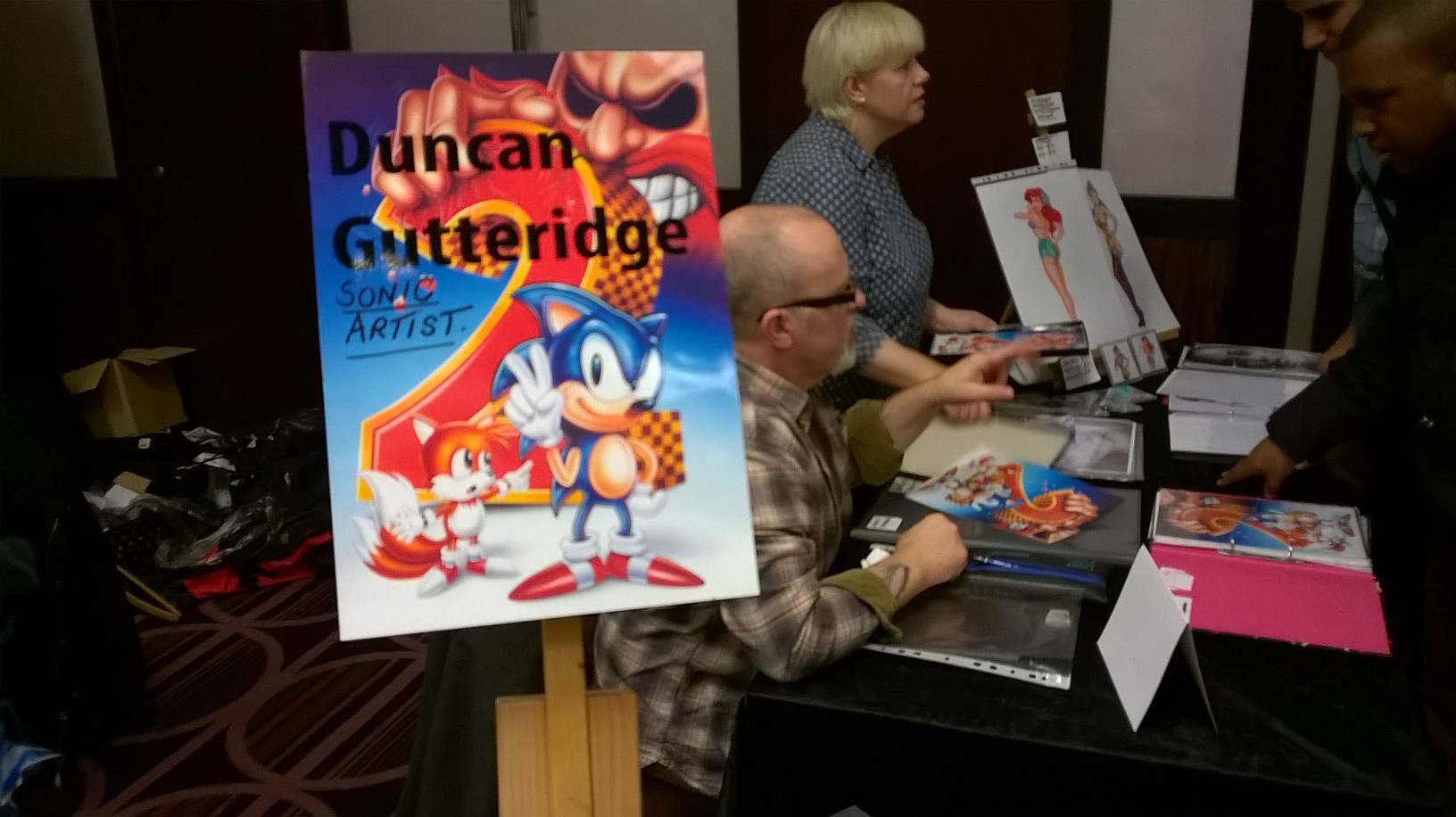
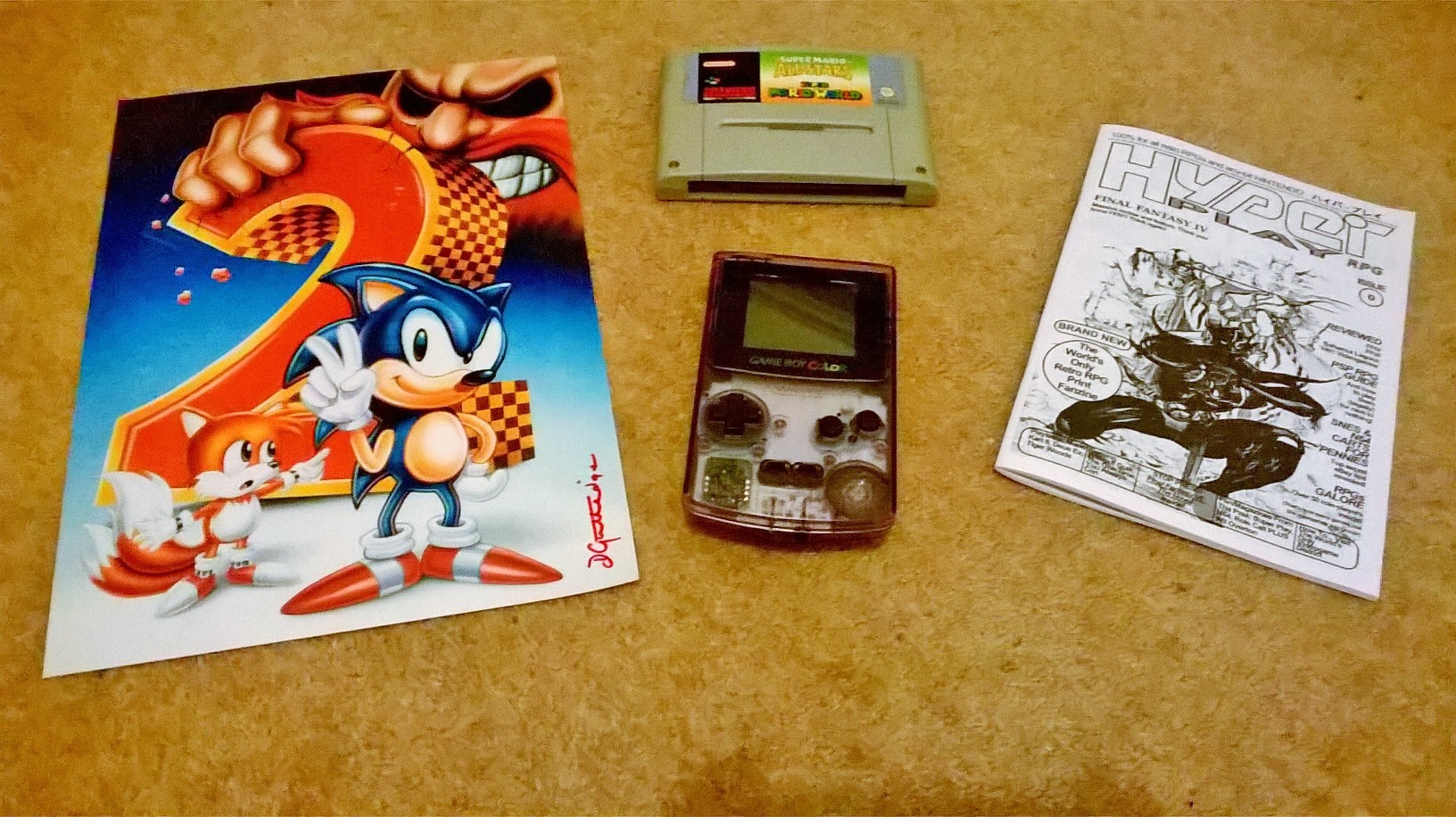
To be honest if I didn't have priorities (family) and a spending limit (£80) I could have bought so much more but as it was I bought Super Mario World and Allstars on one cartridge for the SNES, a see-through Gameboy Colour for my wife's nephew (I know he was interested in getting one when I saw him a few weeks ago to play Pokemon) and a signed Sonic 2 art print by the game artist who drew the iconic image in 1993, Duncan Gutteridge.
As a whole the Gaming Market was brilliant,
It was all very busy and polite, lots of different games and systems represented... But I still had no luck in finding Thunderforce V on the PS1; my white whale. I could eBay it but I like the thrill of finding it in the wild. Oh well, maybe at the next Gaming Market!

Dungeons and Dragons and Storytelling

For over 40, 000 years, since the first cave paintings were discovered, telling stories has been one of our most fundamental communication methods. I wrote an article a while back discussing Storytelling With Games. I discussed how as teachers we can use games to provide children with a deep emotional and exciting experience. We do not have to use the whole game but sections as children with their innate skills to weave stories may make an infinitely more nuanced story. Computer games allow the pupils to become stimulated in the same way text and film can, but have a benefit over these other media in that they can interact with these worlds. If we want to go left we can, the world is literally our oyster, full of endless possibilities and the children know this. It taps into their innate ability to tell stories but provides a rich context for doing so. However before the evolution of gaming there was another gaming form which encouraged thought, creativity and interaction. This gaming form was table top gaming, specifically Dungeons and Dragons (D&D).

Now when I tell people I play D&D or that I’m a gamer I know that the first thing that pops into their minds is not a flattering image but rather a stereotype of fat Cheetos eating virgins who live in their parents basements. In the 80's and early 90's there were even Pastors and many people from the church warning against the evil of demons and spirits in the game.

However I want to challenge the stereotype. For those unfamiliar with D&D the core of the game lies is storytelling. You and your friends tell a story together, guide your heroes through quests for treasure, battle with deadly foes, take part in daring rescues, participate in courtly intrigue, and much more. The beauty of D&D lies in the fact that the medium itself incorporates the numerous books, computer games and board games (of which there are many iterations).

D&D offers an outlet for groups of people to form, develop a commonly created story, and develop rules including character creation and conflict-solving. The storytelling element is key here as the Dungeon Master must employ the skill of narrative and world building in order to move the game along. Storytelling is a very useful skill for individuals to have, as it helps the development of writing ability and oratorical skills. This skills are useful for employment but also society as a whole. There must be mutual trust for the players to succeed in their missions,  and so players are able to get out a lot of their own emotions, fears and belief in a cathartic release, in a game session through their characters. This provides them with an introspection that improves their self-knowledge and strengthens their behavior and beliefs.

Within D&D players are constantly asked to pit their wits against complex puzzles, this requires players to employ logic in critical thinking and problem solving. These puzzles help hone these skills which could be useful in all types of jobs. This benefits society through improving the creative problem solving skills of the players. D&D helps us develop skills as a people and encourages us to think laterally and on the fly.

In D&D players must take on a role and assume the part of their character, this helps teach the art of acting. Acting is a great skill as it encourages oratory skills but also develops the vocabulary. D&D builds an immersive and engaging world, to fully realise the game the Dungeon Master must offer detailed information on locales, characters and scenarios. To play D&D you need to meet other players and play face to face, this teaches socialisation. Typically D&D was played by introverts so for many it was a way for them to emerge out of their introspection and engage with others.

D&D is a useful tool to transform ourselves, to improve our personal development and become a more well-rounded person. Writers create worlds through vivid description, often these works provide lessons in moral and ethics to their readers through the imaginary experiences that compose their works- readers experience failure, pain, death and happiness. And in the end isn't that what being human is all about. In the end D&D teaches use to confront our humanity by imagining to be someone else.

LINK- Pastor Warns Against Dungeons and Dragons