
Lost Records: Bloom & Rage, from Don't Nod, has worked its way under my skin in the best possible way. Rooted in the early to mid-90s, the game captures the specific ache of being a teenager in a new town with startling accuracy. It portrays the fragile reality of finding your "tribe" - a world where your entire social existence feels in constant flux as you navigate high-pressure situations in real-time.
While many games attempt to bottle nostalgia, this title manages to capture the internal monologue of the outsider; it gamifies social anxiety. It understands that for many, a hang out isn't a passive experience but a high-stakes performance. You can be surrounded by people who genuinely adore you, yet the game forces you into that uncomfortable headspace where you rehearse a sentence three times in your head, only to stay silent because the moment has already passed. The story follows a group of young teen girls as they navigate the awkwardness of puberty, their love of music and their own family dramas. Recording it all is Swann, a newby in town who tries to fit in.
Even when Swann is firmly "in" the group, the narrative preserves that feeling of being one step behind the beat. It resonates with anyone who has ever felt like they were watching their own life through a viewfinder, waiting for the "right" moment to finally press record.
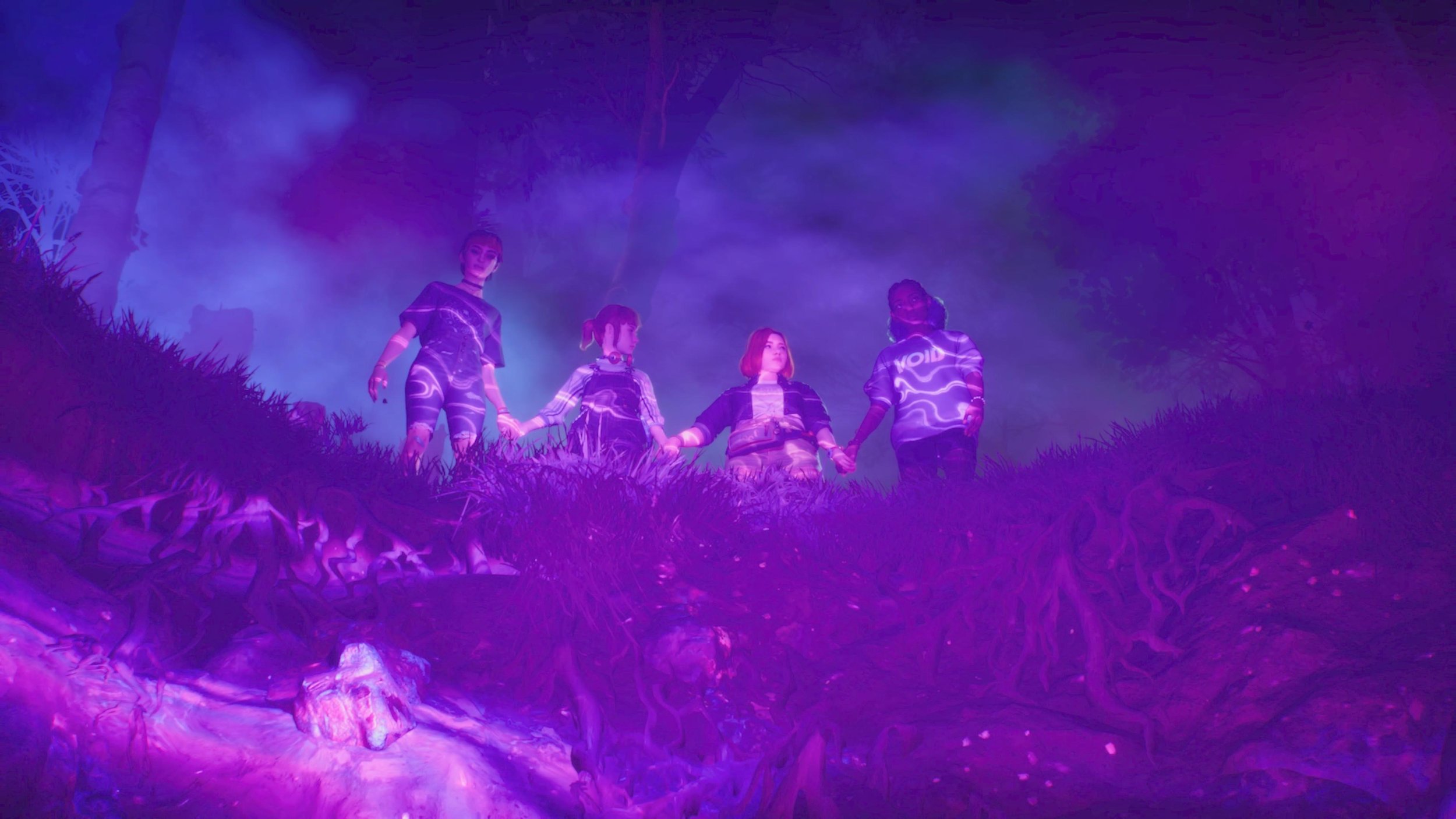


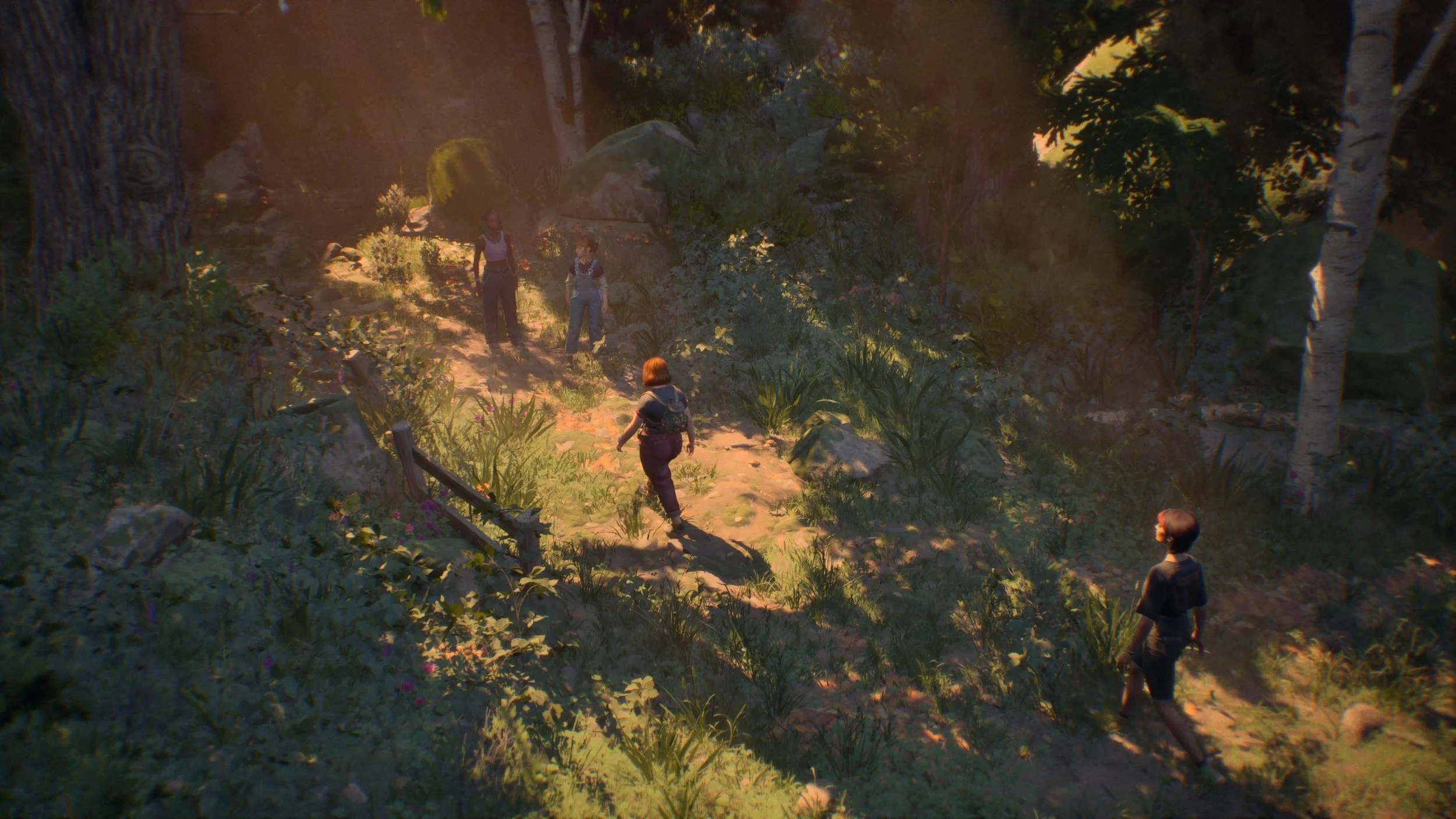
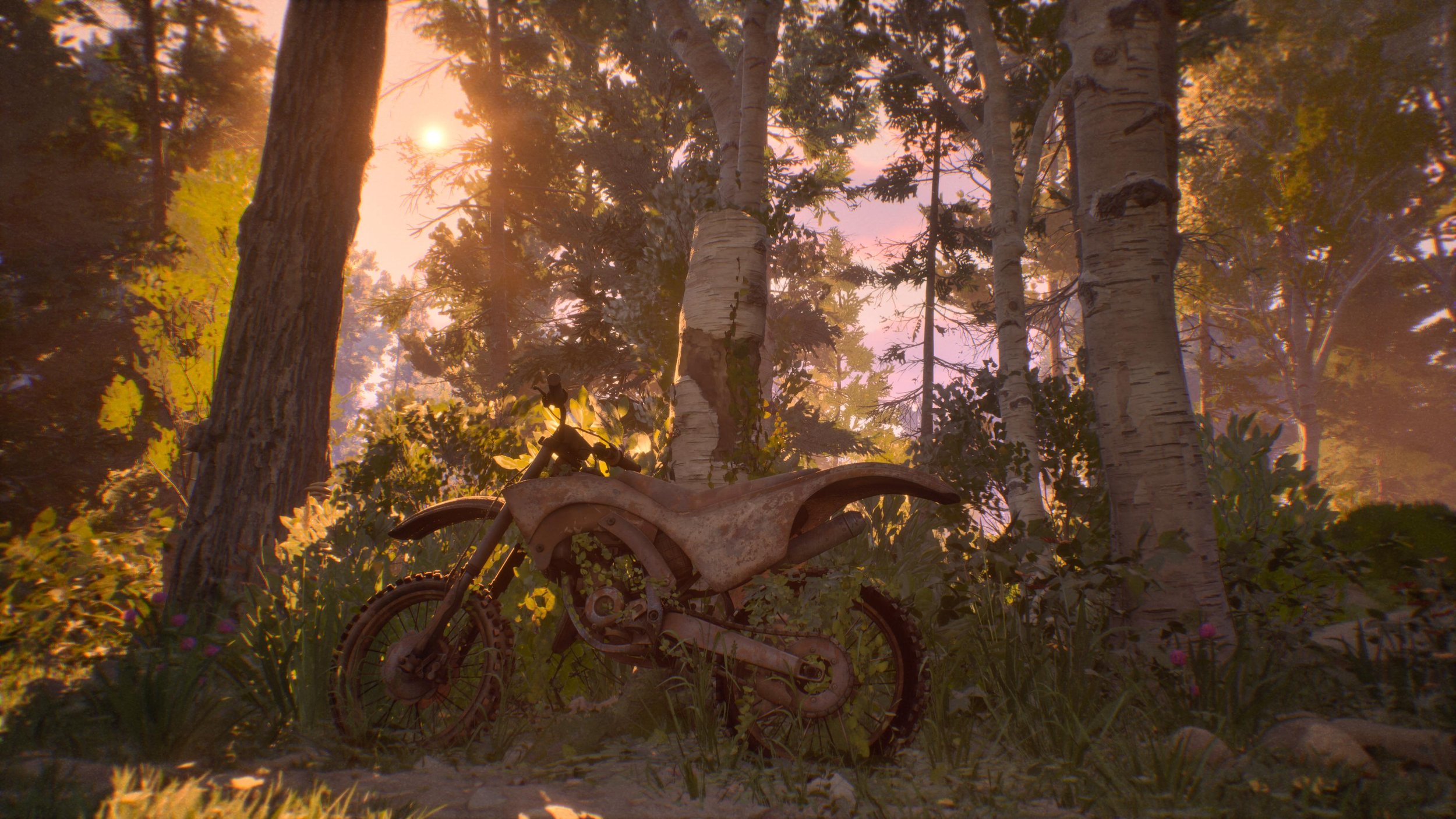


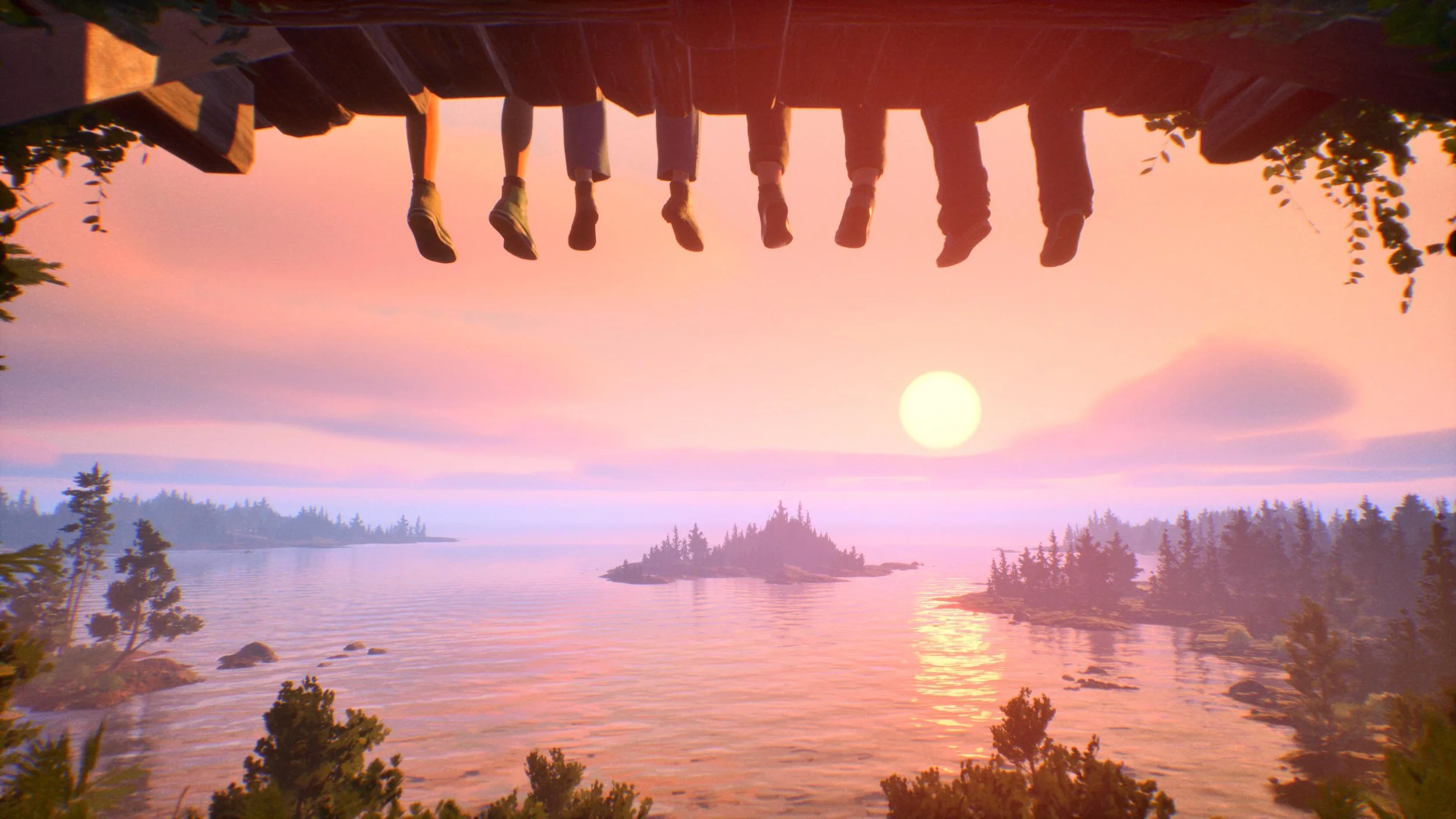
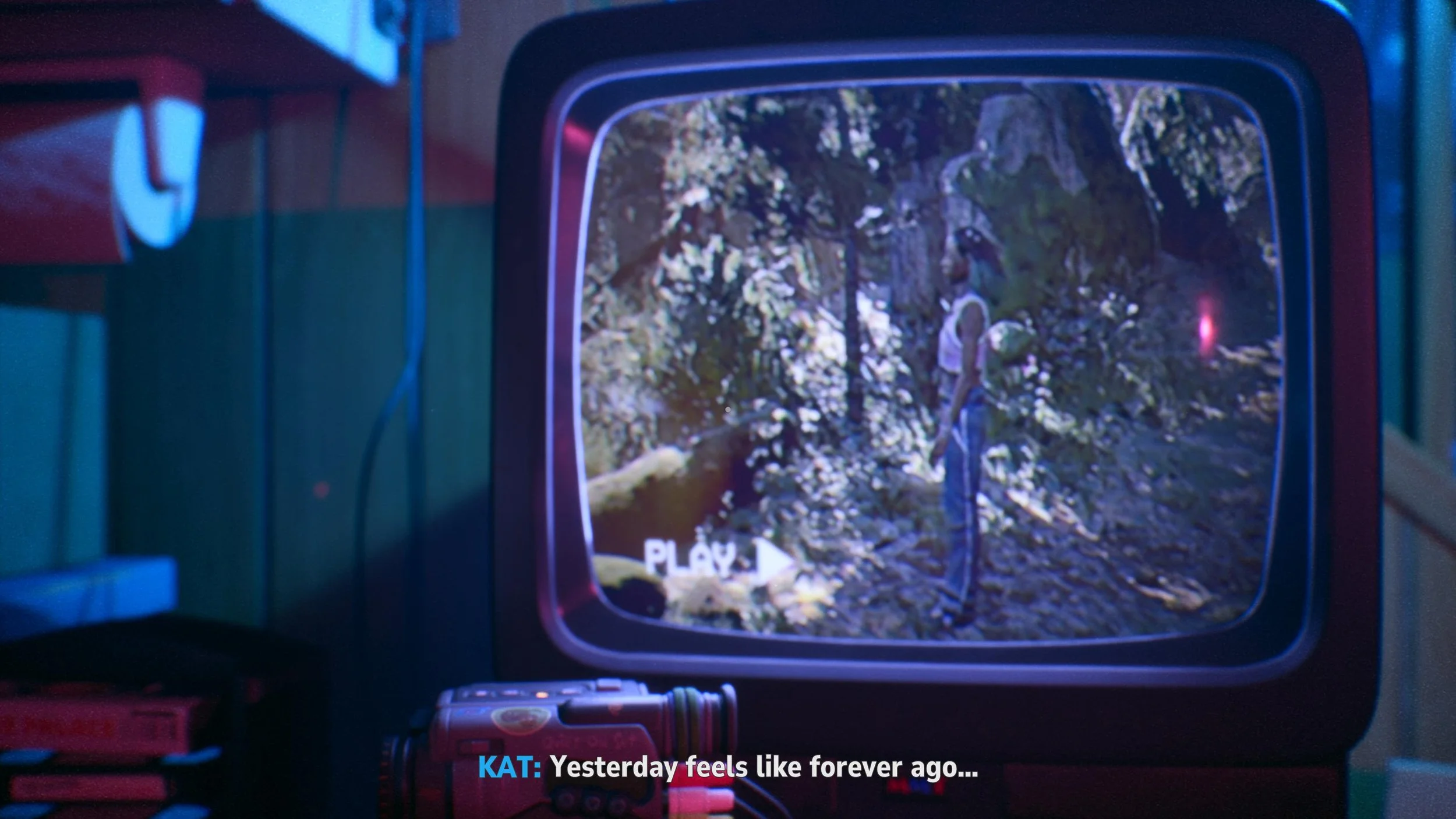


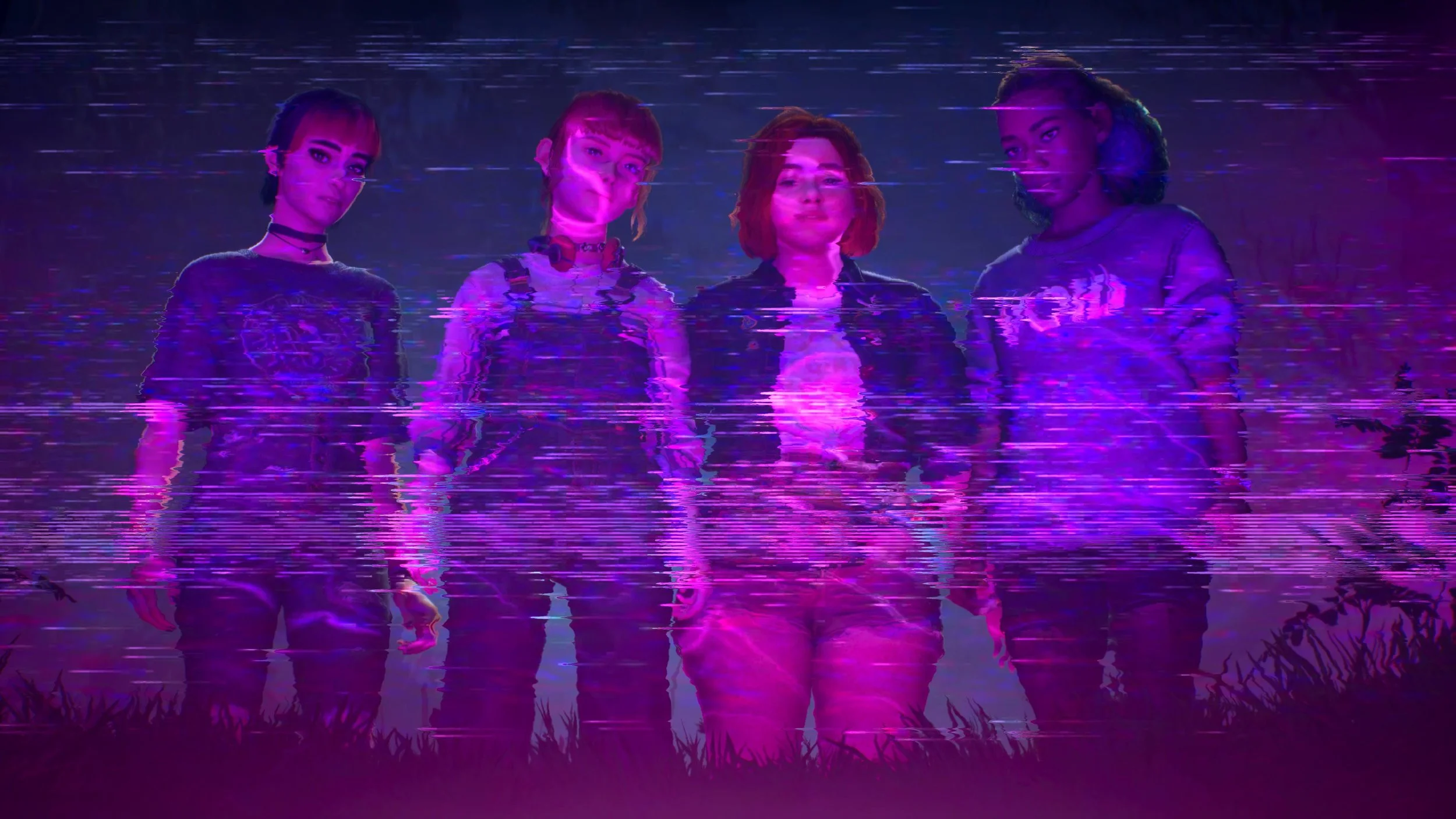
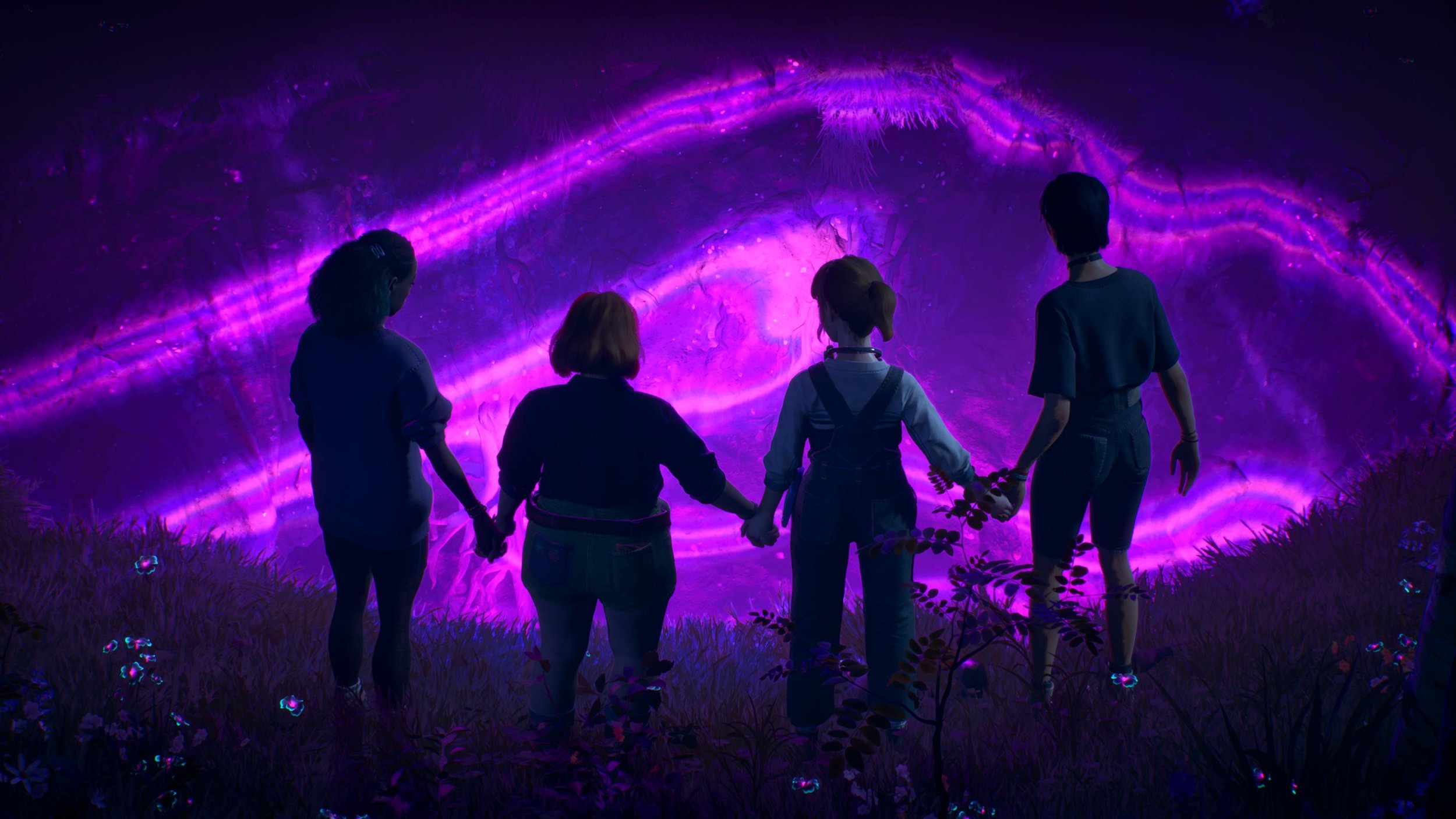





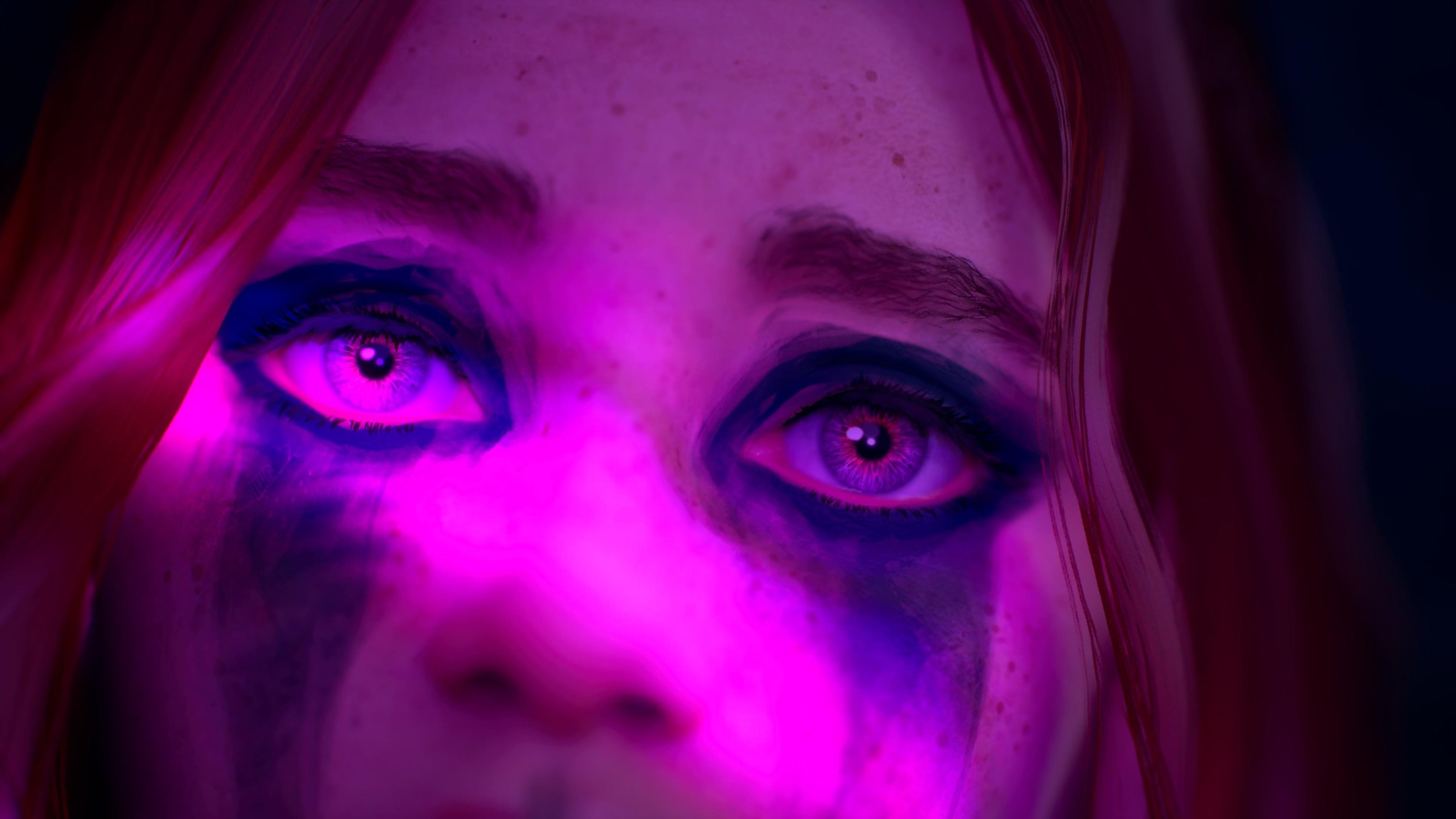
The game hits the beats of our formative years by focusing on the high stakes of everyday life:
1) The High Stakes of Small Moments - In your teens, a misinterpreted look or a joke that falls flat feels like a social death sentence. Lost Records mirrors this by making the dialogue feel organic and unpredictable. The playable "interruption" and "overthink" mechanics perfectly simulate the frantic mental math required to fit into a group dynamic.
2) The Shared Secret as Glue - Using a dual-timeline structure, the game explores how the bonds of our youth—forged in shared secrets and late-night vulnerability—define the adults we become. It captures that specific era of "firsts": the first time you felt truly understood, and the first time you realized that connection could vanish in an instant.
3) The 90s as an Emotional Backdrop - The setting isn't just about camcorders and grunge; it’s about a world that existed before the norm of always being online. In this analog era, if you felt like an outsider in your small town, you were truly an island. This sense of isolation heightened the need to find your tribe, making the fear of losing them feel visceral.
In short, I think Lost Records succeeds in its mission because it acknowledges a painful truth: being loved doesn't automatically mean you feel like you belong. The game acts as a mirror for the "quiet ones" - those who held the camera so they didn't have to be in the frame, who listened more than they spoke, and who still, decades later, wonder if they said the right thing at a party in 1997. It is a beautiful, aching tribute to the messy process of growing up and the ghosts we carry from our most influential friendships. As a man fast approaching his 50s, I contemplate who I was and where my life is taking me a lot more and this videogame is a fine version of that sentiment.
LINK: The Rise of Retro Gaming During Covid
LINK: Japan: My Journey to the East
LINK: Blood, Sweat and Pixels- Book Review
LINK: Utopia for Realists- Book Review