Go With the Flow: Shmups as Digital Transcendence

To the uninitiated, the screen of a shoot 'em up looks like chaos—a kaleidoscope of neon death where survival seems mathematically impossible. But to those of us who grew up gripping a joystick or gamepad, this is not chaos; it is a precise, rhythmic ceremony of survival.

This genre holds a unique power to bridge Mihaly Csikszentmihalyi’s psychological concept of Flow with the Japanese philosophy of Kando—that deep, emotional resonance of shared spirit. However, for me, the path to this feeling has shifted over the decades, evolving from the strategic memorization of the classics to the trance-like Zen of modern bullet hell.

My love affair with this genre is rooted in memory and mastery. In the classic era, Flow wasn't just about reaction time; it was about learning. These games have always held a special place in my heart because once the enemy patterns were memorized, you could execute a perfect run, looking like a total badass as you dismantled the machine on a single 20p credit.

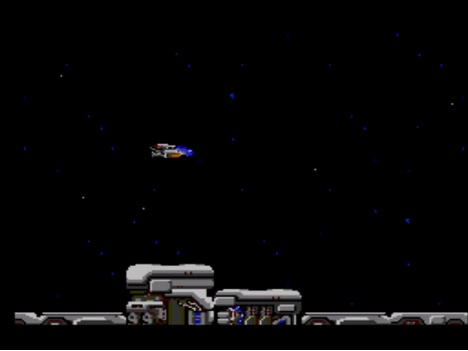
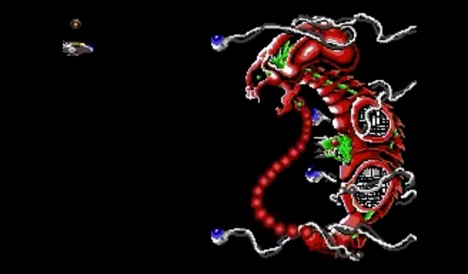
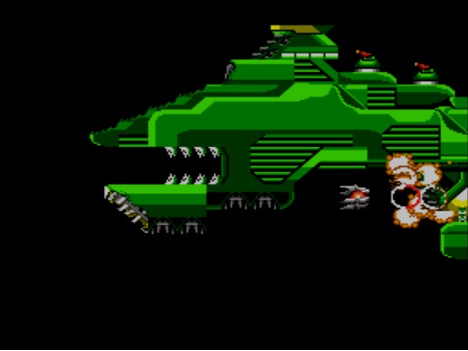
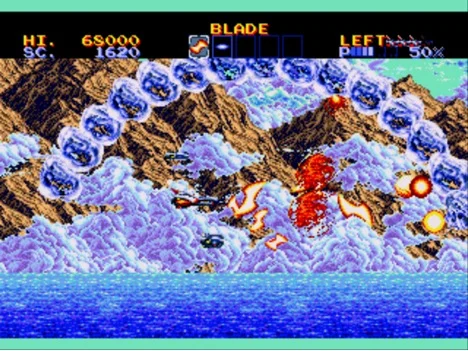
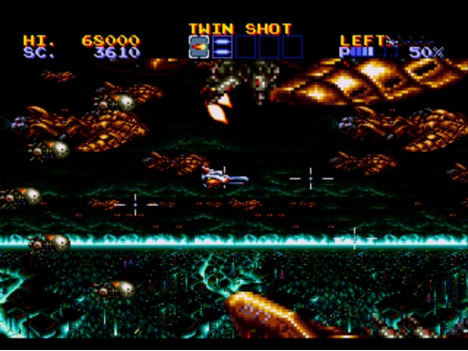
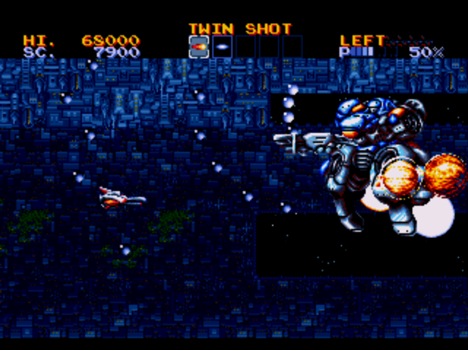
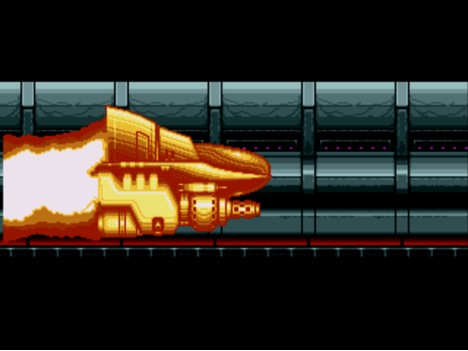
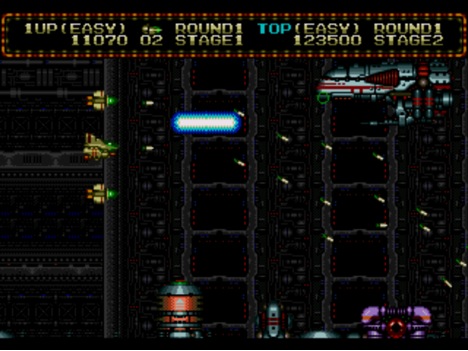
My defining moment occurred at Heathrow airport. I have a vivid memory of standing before an R-Type cabinet, reaching Level 3—the Giant Battleship stage. Unlike other games where the boss was a sprite at the end of the level, here the warship was the level. I bought the game on the Amstrad CPC 464 and felt like a total legend as my tiny fighter took down a Bydo warship that was bigger than the screen. It was a feeling of empowerment that followed me as I bought R-Type again on the Master System and eventually progressed to the Megadrive and the Thunder Force series. In these classics, the Kando—the euphoria—came from the tangible sense of conquering a massive, mechanical obstacle through sheer grit.

As the years passed, the genre evolved into Bullet Hell, or Danmaku. Games like DoDonPachi and Ikaruga didn't just add more bullets; they changed the psychology of play.

I respect these innovators. Ikaruga, with its polarity-switching mechanics, creates a genuine state of Zen. However, I have felt a growing disconnect. While I enjoy the Zen state of exports like Deathsmiles or Akai Katana, they can feel stagnant compared to the originators. They lack the momentous weight of that R-Type battleship. Generally, bullet hell games have a different feel and mechanics; they prioritize a hypnotic dodge over the heavy, tactical destruction of the past.

Despite these differences, when either sub-genre is played at the highest level, they achieve the same result: a higher state of consciousness. This sensation is perfectly mirrored in the anime Macross Plus. There is a scene where the pilot Isamu Dyson flies the prototype YF-19 fighter through a never-ending sky, bewitched by the virtual idol Sharon Apple. As her music swells and the atmosphere turns into a psychedelic tunnel of light, Isamu is no longer just piloting; he is transcending. He pushes the machine past its limits while in a trance-like state of bliss. Simon Critchley would consider this a mysticism of sorts, as the spirit or soul transcends the body to be free from pain or anguish.

This is the ultimate promise of the shmup, whether it is R-Type, DoDonPachi, or Ikaruga it is the Isamu Dyson effect. The screen becomes a blur of color, the self vanishes, and the player reaches a zenith where fear of failure is replaced by the pure, euphoric joy of flight.

Ultimately, we chase the same ghost. We are looking for that specific Kando where the world melts away. Whether it is the memorized destruction of a giant warship or the hypnotic weaving through a curtain of lasers, we seek the moment where we stop thinking and start being—flying through our own digital, never-ending sky.

LINK- Pure Invention: How Japan's Pop Culture Conquered the World- Book Review (and Personal Reflections)

LINK- The Rise of Retro Gaming During Covid

LINK: Japan: My Journey to the East

LINK- Blood, Sweat and Pixels- Book Review

LINK- Utopia for Realists- Book Review

LINK- On And On And Colston ( Or, How We Kinda Sort of Learned to Talk About the Legacy of Colonialism and the British Empire)

LINK- ‘Natives: Race and Class in the Ruins of Empire’

LINK: Elden Ring- Videogames As Art

DoDonPachi Resurrection- Videogames As Art

My initial encounter with the arcade world happened when I was just 6 years old. It took place in the cozy confines of my local video shop which housed iconic games like Pacman and Space Invaders . These captivated my young mind but I found myself drawn to the allure of shoot 'em up games, with their pulse-pounding action and excitement. I vividly remember my fascination with the compact, sit-down cocktail cabinet Space Invaders game.

They've always held a special place in my heart as once the enemy patterns are learnt and memorised you can look like a boss completing a game. I have a vivid memory of playing R-Type at Heathrow Airport and getting to level 3, that huge base ship. I bought the game on the Amstrad CPC 464 and felt like a bad-ass as my little ship  took down a warship that was bigger than a screen, in fact it was a whole level in and of itself. Over the years I bought R-Type again on the Master System and then progressed to the Megadrive where I continued my love of shoot 'em ups with the Thunder Force series.

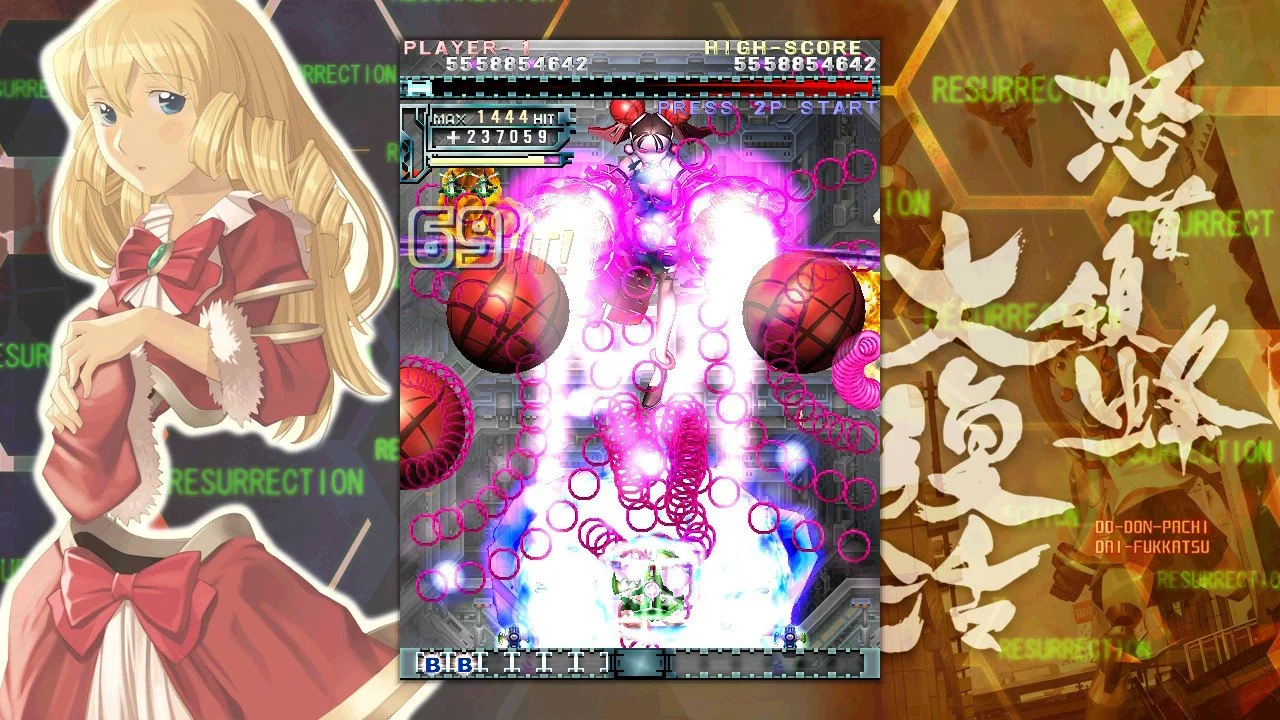
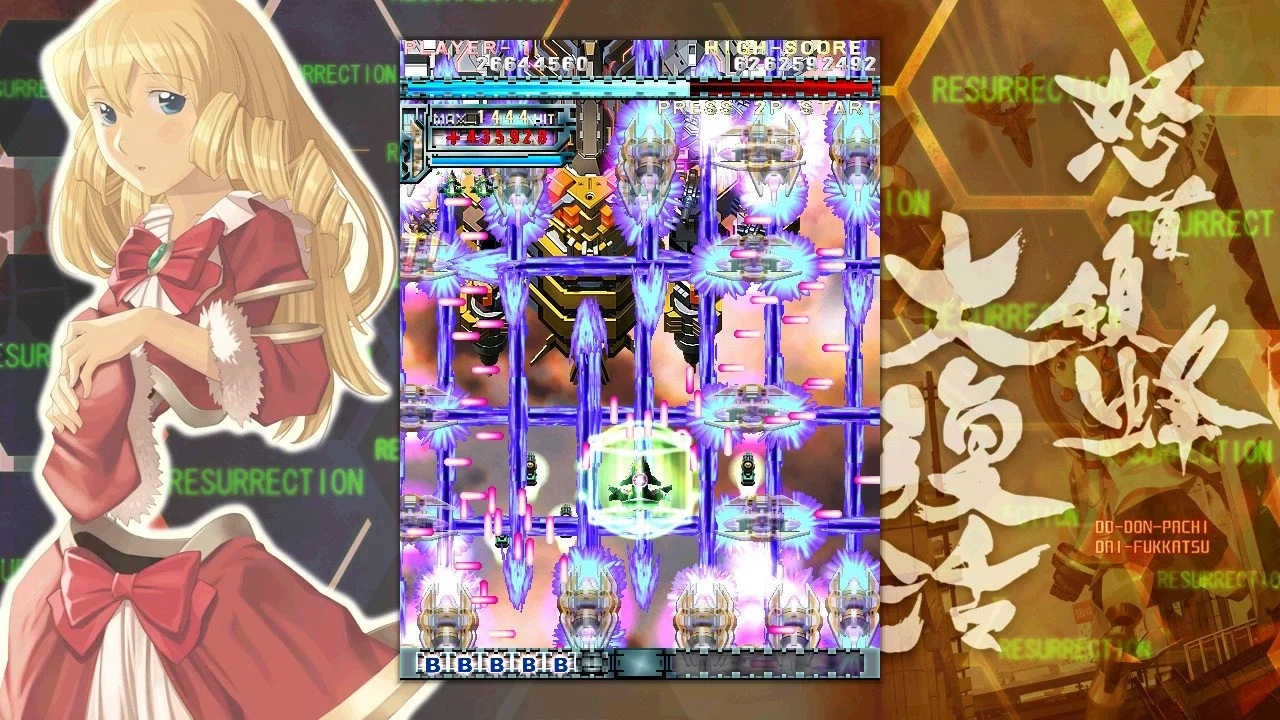
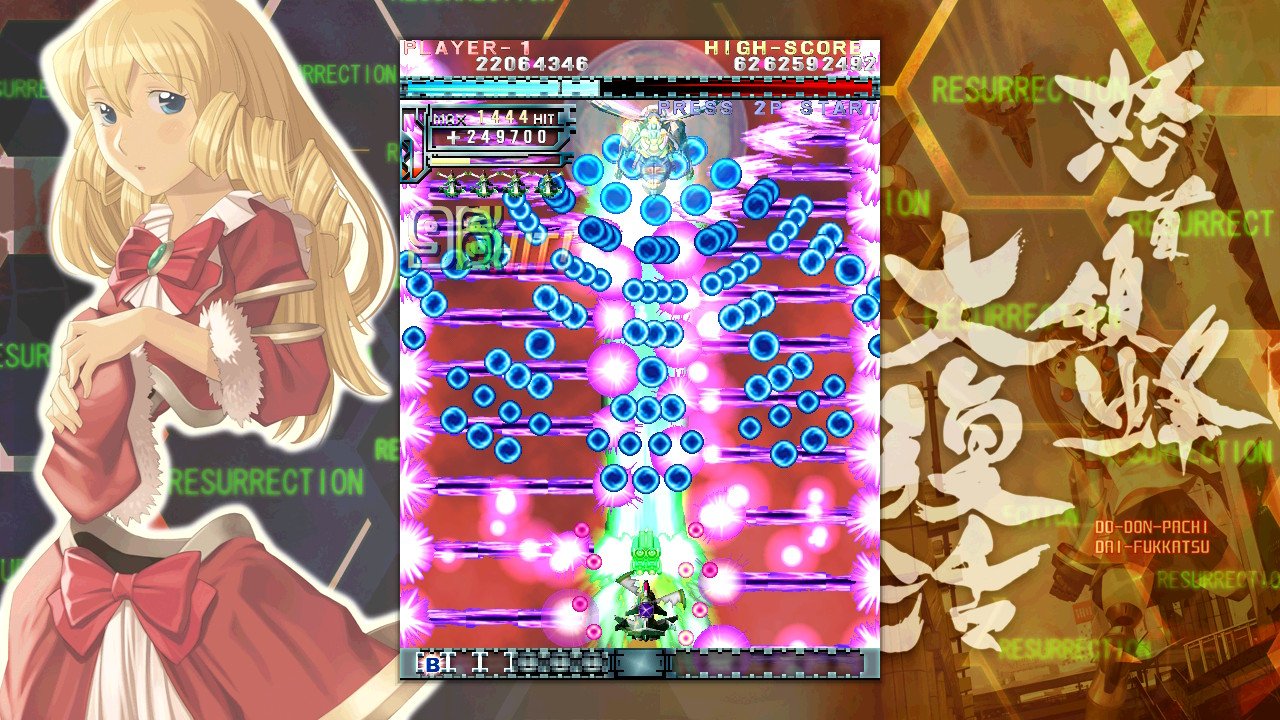
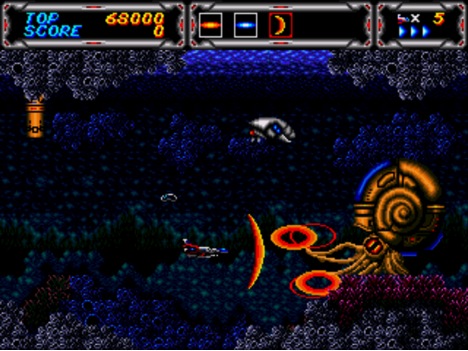
However, with time, bullet hell games took over. I liked them as I felt zen when I played them but they were not the same as the shoot 'em ups I grew up with. Bullet hell games made their way West in larger numbers during the reign of the Xbox 360 Live Arcade and included games like Deathsmile and Akai Katana (both of which I owned and still have). They have a place in my heart but, according to aficionados of the genre, they were stagnant compared to Dodonpachi and Ikaruga, the true exciting innovators of bullet hell. Luckily, I was able to buy Ikaruga on the Switch and recently purchased DoDonPachi Resurrection. It is a brilliant game and rock hard are Cave shooters usually are. Anyways, here are screenshots of my playthough.
Bullet Heaven- Shoot 'em Up Games

I picked up the latest issue of Retro Gamer and was excited to see that as well as featuring awesome art by Oliver Fray (who I have really like)  it had an article on shoot 'em ups. Whilst reading the article and munching on old skool treats I got to thinking about the genre. My first experience at the arcade was when I was 6 and it was at my local video store, there was Pacman and Space Invaders. I suppose that was my first intro to shoot 'em up games, that little sit down cocktail cabinet.

Retro Gamer and retro sweets, a winning combination.

They've always held a special place in my heart as once the enemy patterns are learnt and memorised you can look like a boss completing a game. I have a vivid memory of playing Rtype at Heathrow airport and getting to level 3, that huge base ship. I bought the game on the Amstrad CPC 464 and felt like a bad-ass as my little ship  took down a warship that was bigger than a screen, in fact it was a whole level in and of itself. Over the years I bought RType again on the Master System and then progressed to the Megadrive where I continued my love of shoot 'em ups.
Unfortunately over the last few years bullet hell games have taken over, I like them as I feel Zen when I play them but they are not the same as shoot 'em ups. Bullet hell games, especially the ones that have made their way West in the last few years on console including Deathsmile and Akai Katana have a place but they do feel stagnant compared to Dodonpachi and Ikaruga, the true exciting innovators of bullet hell. But generally bullet hell games have a different feel and mechanics.

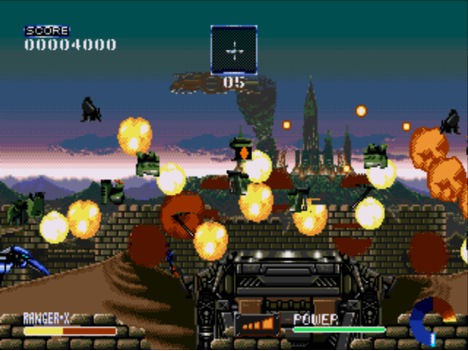
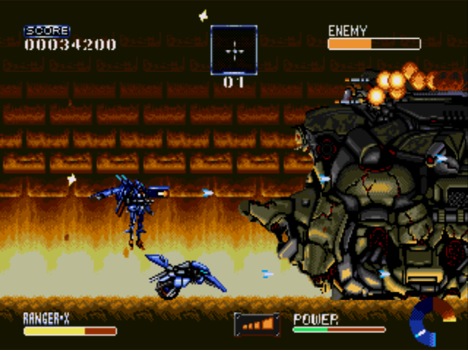
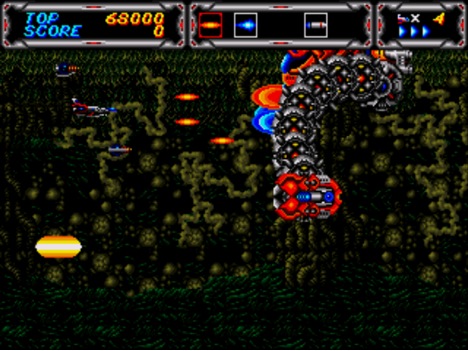
So here these are some of my favourite shoot 'em ups, there are no SNES shoot 'em ups as I only had a Master System and Megadrive growing up and only got a SNES later in life. I'm playing some of the SNES shoot 'em ups now so this list will be updated later.

RType

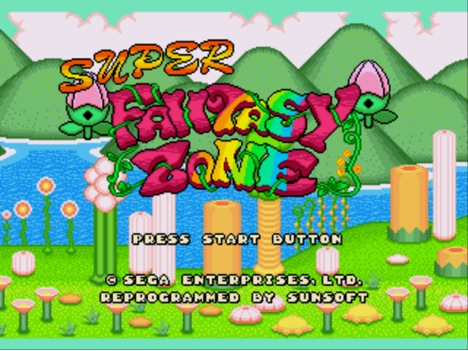
Fantasy Zone

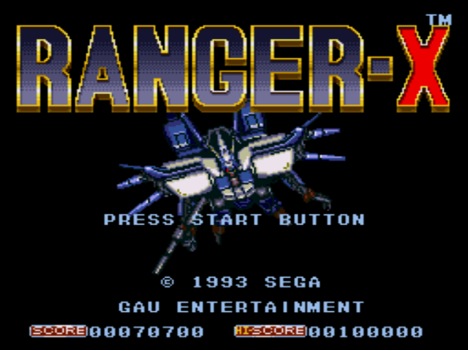
Ranger X

Thunderforce III

Thunderforce IV

Zero Wing