The Juniper Tree - Cult Film Review

I stumbled across The Juniper Tree while scrolling through the BFI Player, and the blurb immediately hooked me: a Grimm Brothers retelling, shot in black and white and starring a 21-year-old Björk? Sign me up! This is the Björk before the world knew her as a Sugarcube, the Debut era pixie, the infamous swan dress egg laying savant, or the emotional wreckage of the abuse lead in Dancer in the Dark. Seeing her here is like watching a proto-icon in the wild; she has the raw feel of ethereal whimsy and wonder which feels totally unforced, like she just wandered onto the set from a different dimension. So, how is the film?

Well, the story is a slow-burn meditation on survival and the supernatural. After their mother is burned for witchcraft, two sisters—Margit (Björk) and the older, more calculating Katla (Bryndis Petra Bragadóttir)—flee across the rugged Icelandic landscape. Katla uses a bit of "magic" to charm a grieving widower, Jóhann (Valdimar Örn Flygenring), into taking them in. While Katla tries to secure their place in the home, Margit forms a gentle, fragile bond with Jóhann's young son, Jónas, all while being haunted by spectral visions of her mother.

Visually, the film is arresting, even if the film is a bit of an endurance test story wise. The stark black and white cinematography strips Iceland of its "Land of Fire and Ice" postcard vibes and replaces them with something primordial and punishing. It gives the glacial acting style an evergreen, timeless feel - like you’re watching a folk memory rather than a 1990 movie. This film wouldn't feel out of place in some fever dream you might have had in the 80s after watching one too many of those eerie Eastern European stop-motion animations that used to show on Channel 4 when you were ill and at home recovering but looking for something on daytime tv.

To be totally honest, I feel like I "experienced" this film more than I "enjoyed" it: it’s heavy, somber, and the pacing is as slow as a retreating ice sheet but the visuals and the soundtrack are breathtakingly beautiful, creating a vibe that’s both claustrophobic and vast. If you want to see where Björk’s cinematic DNA began, it’s all right here in this strangely beautiful film.

As Above, So Below - Cult Film Review

As Above, So Below is one of those rare found-footage films that actually uses its ‘shaky-cam’ style to tell a smart, high-concept puzzle house-type story. It feels like a cross between The Blair Witch Project and Indiana Jones, seasoned with the claustrophobic dread of The Descent. While that sounds like a lot to juggle, the film blends these influences into a surprisingly effective, low-budget gem.

The story centers on Scarlett Marlowe, a character who plays like a modern, more obsessed version of Lara Croft. She is highly educated, dangerously driven, and entirely unafraid to drag her reluctant "frenemy" and a small film crew into the mouth of madness in her search for the legendary Philosopher’s Stone. The relic was said to turn base metals into gold but to attain it their search leads them from ruins in Iraq to the dark catacombs of Paris.

What sets this film apart is its commitment to historical detail. It doesn't just use the Paris Catacombs as a spooky backdrop; it weaves in actual alchemical lore and history to ground the supernatural chaos. By the time the crew is navigating the literal and metaphorical circles of hell, the film has successfully blurred the lines between archaeology and the occult. The shift from intellectual puzzle-solving to a fight for survival is jarring in the best way possible.

The film’s greatest strength lies in its namesake. I did some research after the film and found that the ancient axiom "As above, so below" suggests that the universe mirrors the individual. In Scarlett’s world, this translates to a terrifying reality where the physical traps of the catacombs reflect the internal demons and guilt of the explorers. The deeper they go into the earth, the deeper they are forced to go into their own fractured psyches. The tunnels aren't just haunted; they are responding to the characters' past mistakes.

Sure, the film isn't without its flaws like some of the acting is a bit over-the-top and iverly-dramatic, and it leans heavily on typical found-footage tropes, but for a film of its scale, it punches well above its weight class.

Overall, As Above, So Below is an ambitious, though-provoking horror movie that proves you don't need a massive budget to be both intellectually stimulating and genuinely terrifying. It’s a descent well worth taking, even if it doesn't totally pull it off.

LINK: Japan: My Journey to the East

LINK: Please Save My Earth - Cult Manga Review

LINK: Thomas Was Alone Video Game Vinyl Soundtrack Review

LINK: Akira Soundtrack Vinyl Review

LINK: The Power of Stories and How They Are Manipulated

LINK: The Message by Ta-Nahisi Coates - Book Review (and Some Thoughts)

LINK: The Anxious Generation: Book Review (and Some Thoughts)

LINK: Utopia for Realists- Book Review

LINK: Toxic: Women, Fame and the Noughties- Book Review (and Some Thoughts)
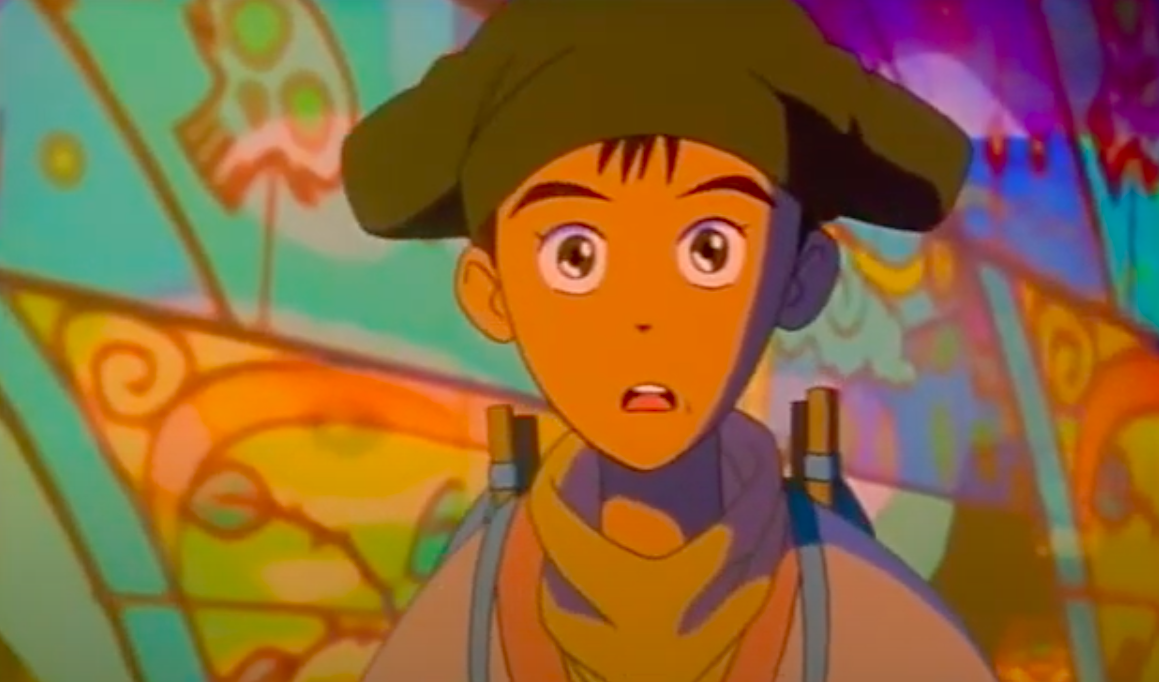
A Chinese Ghost Story: The Animated Film - Cult Film Review

Back in the early 90s, Hong Kong cinema (as well as much of world cinema) was still quite niche, cult and difficult to find in England. You'd get the occasional Bruce Lee movie on television and that was about it. I knew Bruce Lee through Enter the Dragon but that was it, my knowledge of the wider genre was very slim. That changed as Channel 4 (and later cable channels) started to show anime, manga and Asian Cinema more frequently and when Crouching Tiger, Hidden Dragon became a worldwide smash the floodgates opened. I may be misremembering but I think I was introduced to this genre through Channel 4 or by a close friend who was a huge Jackie Chan fan before he became a 'name' in the West with the success of Rush Hour. However, by whatever means, A Chinese Ghost Story was one of the first HK films I saw and I fell in love with it, purchasing the Hong Kong Legends DVD for the then princely sum of £20 years later (that’s in the early 00s mind you so that’s mega expensive!)

Later I would realise that, whilst incredibly beautifully shot with sumptuous costumes and detailed sets, the film was a sum of the genre parts rather than a truly innovative picture. Another earlier Tsui Hark picture, Zu: Warriors of the Mountain (which I also purchased later, again by HKL) did a lot of what is shown Hark's oeuvre and the Wuxia genre, however, at the time I didn't mind as I didn't know any better. Even now, the tale of a lowly, down on his luck tax collector falling in love with a spirit and trying to save her cursed soul still captivates me.

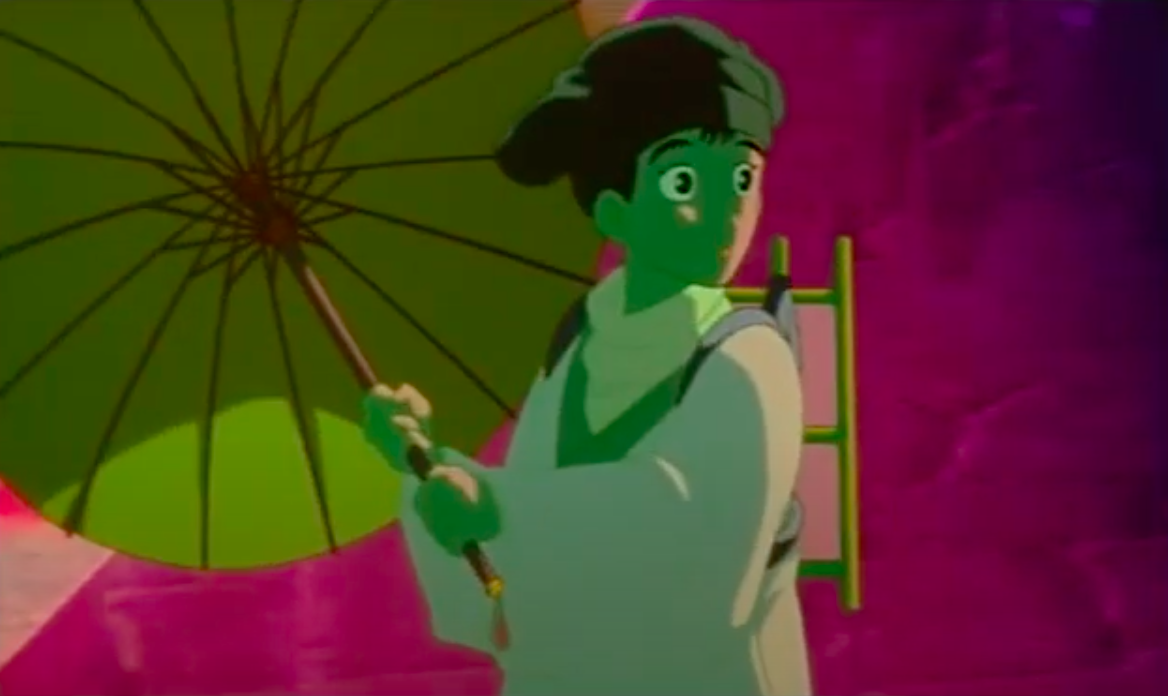
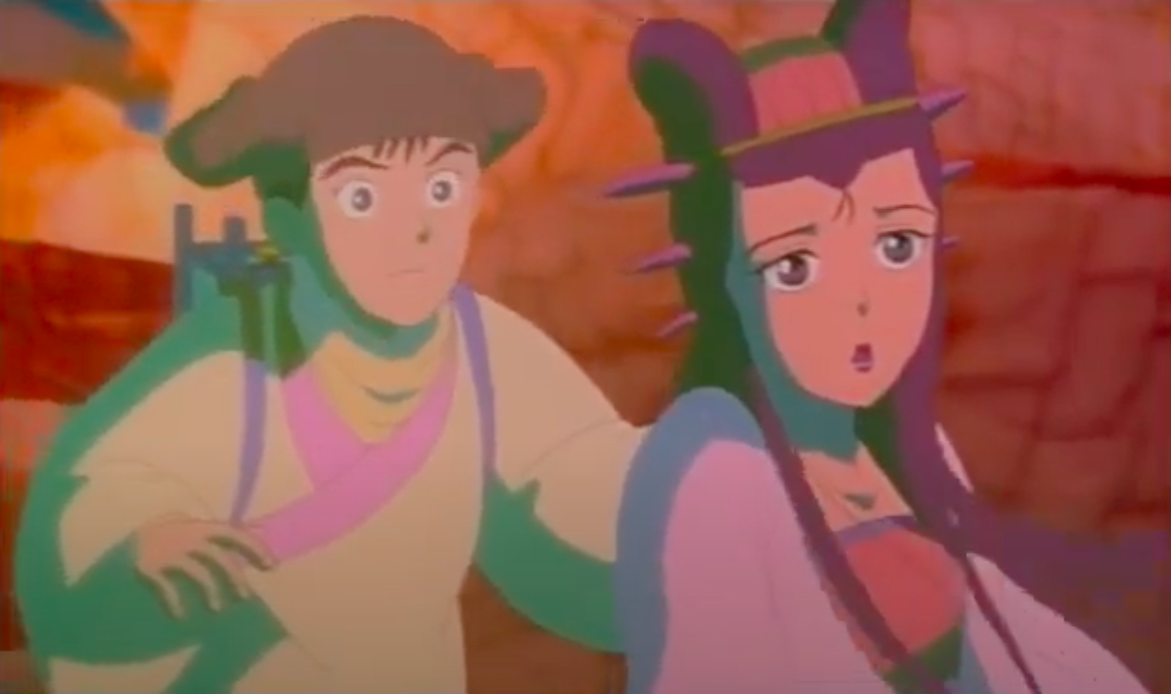
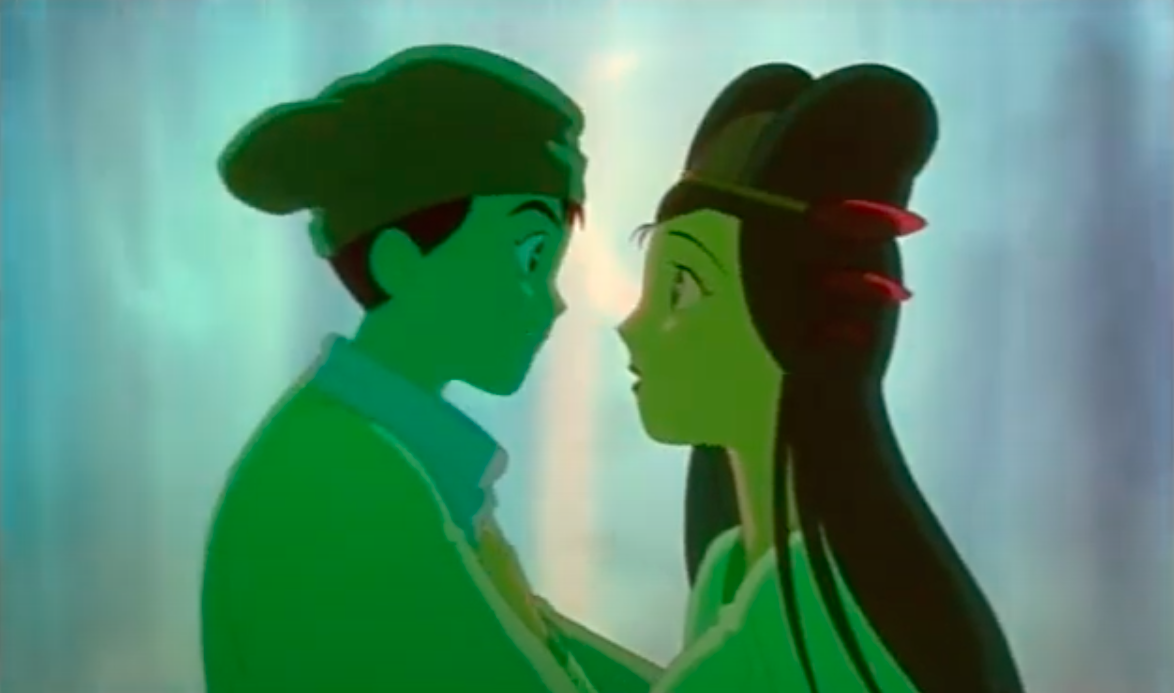
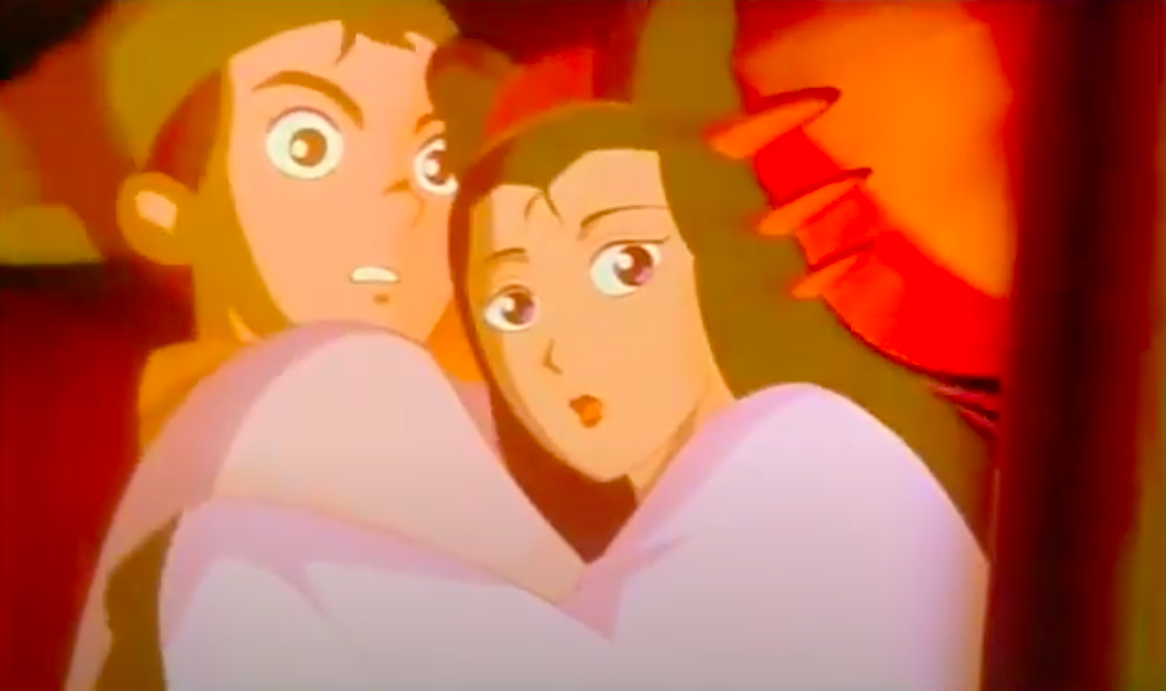
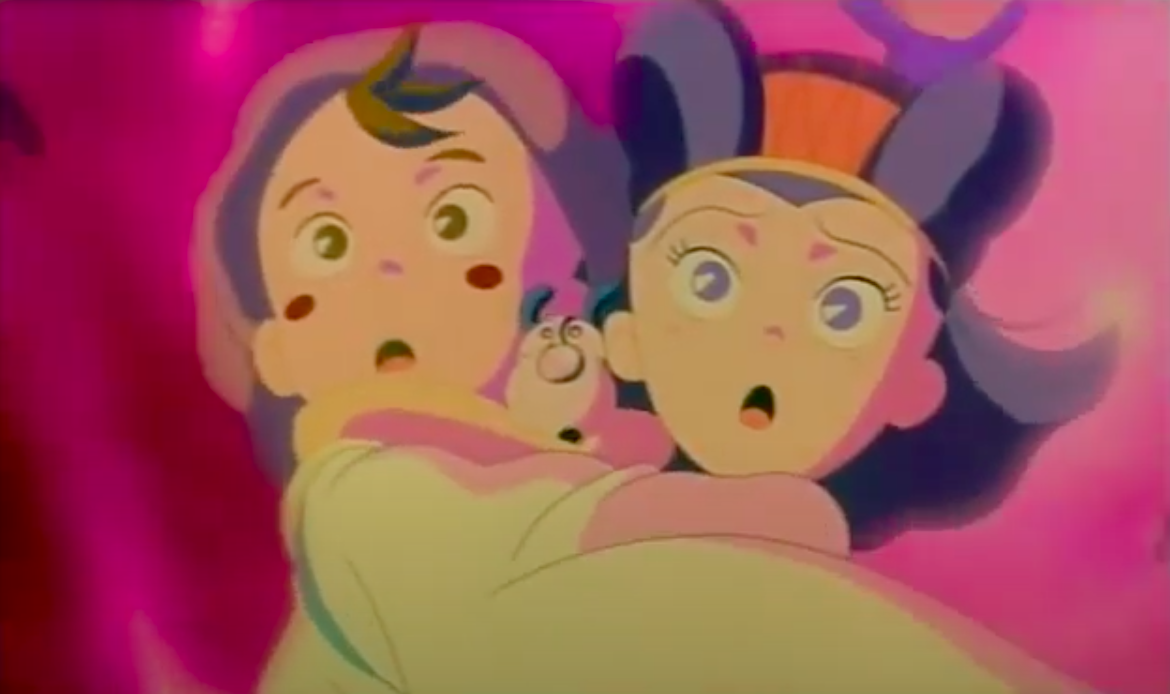
Released in 1997, A Chinese Ghost Story: The Animated Film was something I sought after seeing it mentioned in Manga Mania but I never found it... until now, where it came up serendipitously in my YouTube feed.

Under the direction of Tsui Hark, who also produced the original films, this animated film ventured into new territory, aiming to translate ethereal romance and supernatural action into a fresh medium. So, did Hark succeed in this endeavour?

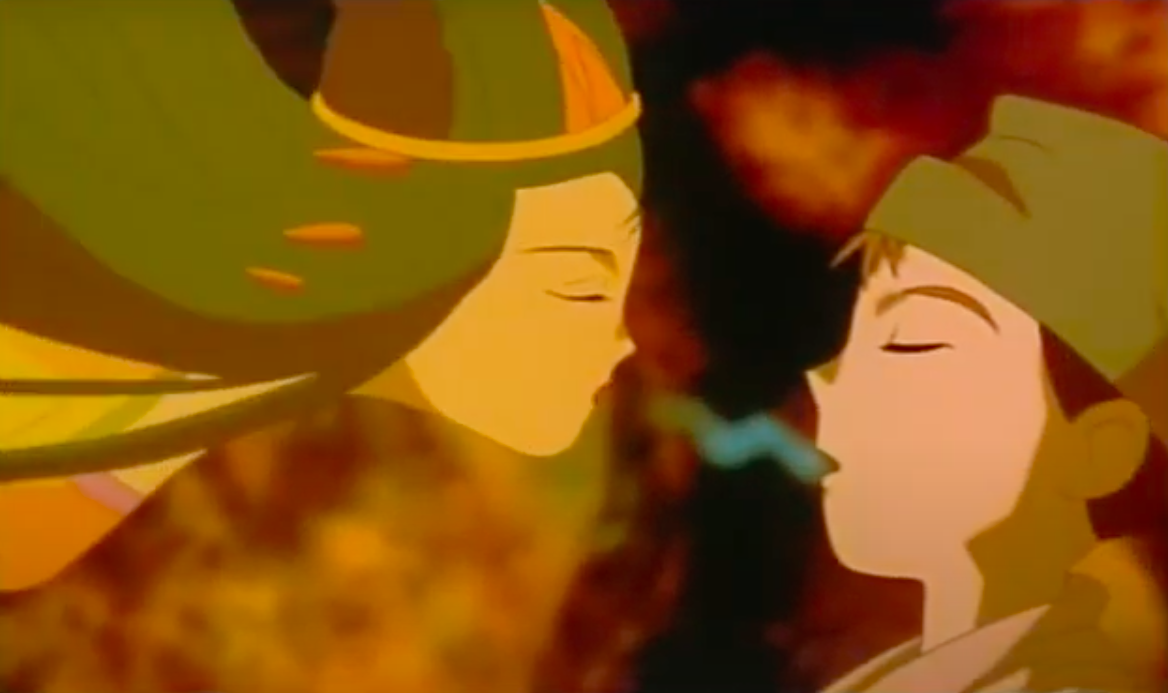
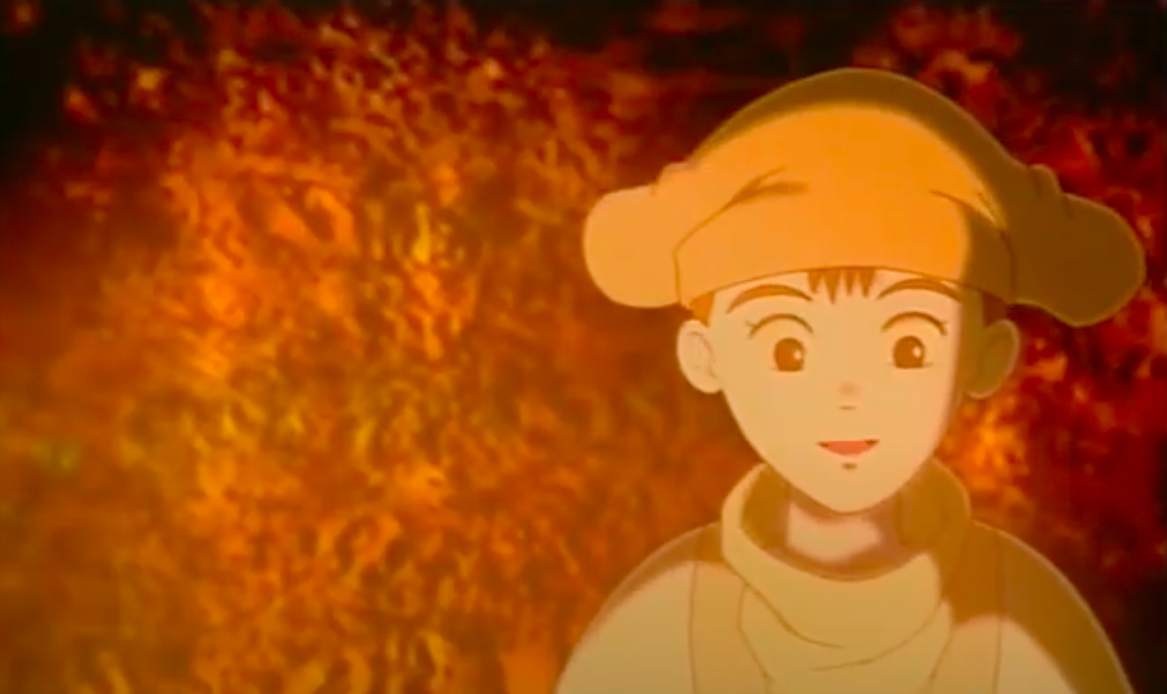
The narrative mirrors its live-action predecessor, following Ning, a young and somewhat naive tax collector and scholar, who is heartbroken and adrift in ancient China. However, his spirits are lifted by an encounter with Siu Lan, an ethereal beauty with whom he instantly falls in love. The significant complication, however, is that Siu Lan is a soul stealing ghost. Their blossoming romance quickly finds itself at odds with the formidable supernatural powers that govern their world. Ning's unwavering devotion forces him to confront a gauntlet of challenges, from undead beasts and mad exorcists to powerful chi blasts and even spectral trains. Despite these perilous obstacles, his determination to fight for his one last chance at happiness forms the emotional core of the film.

I really enjoyed my time with the film as it is an ambitious fusion of animation techniques. It is a testament to the artistry of fluid, hand-drawn animation. This traditional approach masterfully captures expressive character designs and creates dynamic action sequences, imbuing them with a timeless cel-animated charm. Characters move with a grace and exaggerated flair difficult to achieve in live-action, allowing for more fantastical and emotionally charged performances. Complementing this, meticulously detailed backgrounds depicting misty forests, ancient temples, and bustling marketplaces are rendered with impressive depth, often evoking the beauty of traditional Chinese painting. However, the film also serves as a fascinating snapshot of animation in the late 1990s, venturing into the then-nascent realm of GCI and live film, a real mixed media prodution of you will. The integration of CGI is arguably the most experimental aspect, and at times, the least seamless. While employed effectively to depict certain magical effects, spirits, and elaborate transformations, the early 3D animation occasionally contrasts sharply with the more organic hand-drawn elements. This visual disconnect can momentarily pull the viewer from the immersive experience, a common challenge for films of this era that pushed the boundaries of new technologies. While some CGI elements hold up better than others, they are undeniably a product of their time. However, despite these experimental quirks, the film largely succeeds in delivering a beautifully animated and engaging narrative.

The story admirably retains the melancholic romance and tragic undertones that defined the original live-action trilogy, while adapting the action for the animated medium, allowing for more exaggerated and visually creative battles against various demons and spirits. The voice acting, which I experienced as an English dub, breathes life into the characters, and the score effectively underscores the film's emotional beats and supernatural tension.

In conclusion, A Chinese Ghost Story: The Animated Film is a captivating curio in the history of animated cinema, especially for aficionados of Asian animation. Its unwavering commitment to traditional hand-drawn techniques remains its greatest strength, delivering vibrant characters and dynamic action sequences. While its pioneering use of CGI and live-action elements can at times feel dated or disruptive, they also serve as a valuable testament to the era's innovative and exploratory spirit.

So, for those keen to witness a beloved tale retold with creative ambition and a truly unique visual approach, this animated feature is well worth a watch.

Dolls (1987) - Cult Film Review

Every spooky season, I have a tradition which is to revisit the classics of horror - Halloween, The Nightmare on Elm Street - you know the drill. But occasionally, I stumble upon a lesser-known cult film that punches well above its weight and this year, my happy accident was Dolls. This is my review of that film.

The premise is pure, unadulterated '80s horror camp: A deadbeat father, his sweet young daughter and the new evil stepmother find themselves stranded during a sudden storm and so are forced to take shelter in a massive, remote English mansion. Inside, they find elderly dollmaker Gabriel Hartwick and his wife, Hilary, along with a spectacular collection of meticulously crafted, antique dolls. It doesn't take long for the visitors to realize that these aren't just display pieces; they come alive with lethal, tiny intent.

Premise set, the film moves with brisk efficiency clocking in at a tight 77 minutes. Director Stuart Gordon (fresh off his success with Re-Animator) wastes no time setting up the isolation and dread, making sure that every minute serves the narrative or delivers a jolt of creature-feature fun. What elevates Dolls beyond a simple B-movie premise is the sheer commitment of the cast and crew. The film is beautifully framed by the toxic father and new girlfriend, whose ascerbic and darkly comedic relationship is played with entertaining, biting banter and clever wordplay. However, the standout performance is undeniably from Guy Rolfe as Gabriel Hartwick. Rolfe masterfully pivots from a seemingly kind, grandfatherly figure to the chilling, proprietary dollmaker, providing the perfect grounded menace that the film needs to sell its fantastical horror.

The entire cast is uniformly solid, ensuring that you're invested in the fate of everyone trapped inside. The two punk girls, who are actually British, have the most dodgy 'Cockerny' accents this side of Dick Van Dyke's but that only adds to the earnest cheesiness of it all.

No great cult film is complete without a memorable soundtrack, and Fuzzbee Morse's score is absolutely pitch-perfect. It carries a distinctive, creepy lullaby tone—playful enough to match the tiny toy killers, yet underscored by a deep, reverberating strings section that signals genuine threat.This music, paired with the opening credit roll of those unblinking, horrifying doll heads staring out at you, instantly cements the film's reputation for great, campy fun.

Gordon clearly knows his onions, orchestrating a truly delightful piece of macabre cinema on a shoestring budget that feels like a dark fairy tale come to life. So, if you’re looking for a low-stakes, high-fun piece of horror with practical effects, genuine atmosphere, and a great central conceit, Dolls is an absolute must-watch. It’s earned its cult status, and now it’s earned a permanent spot on my spooky season re-watch list.

The Straight Story - Cult Film Review (and Some Thoughts on Entropy and Mortality)

The death of David Lynch affected me deeply. I have been a huge fan of his work and I found his Art Life philosophy quite singular and unique. There are some scenes from his ouvré that will remain indelibly linked with my personal history, especially the formative Twin Peaks.

However, Lynch's The Straight Story stands out as a unique entry in his filmography, diverging sharply from the surreal and often disturbing imagery that defines much of his work. This quiet, almost meditative road movie chronicles the remarkable journey of Alvin Straight, an elderly man who, propelled by a desire to reconcile with his estranged brother, undertakes a 240-mile trek on a riding lawnmower.

Beneath its seemingly simple premise, the film delves into profound themes, most notably that of mortality. Alvin, contending with a heart condition and the physical limitations of old age, directly confronts his own impending death. His arduous journey becomes a powerful metaphor for life's ultimate passage, a slow and deliberate progression toward an unknown destination.

Lynch, with an uncharacteristic gentleness, beautifully captures the expansive American Midwest. He highlights the sheer vastness of the landscape, underscoring the delicate insignificance of human existence within its grand scale. The film's pervasive peace, punctuated by the rhythmic chugging of the lawnmower, creates an atmosphere conducive to deep contemplation and introspection.

The Straight Story serves as a poignant reminder of the vital importance of human connection and the enduring strength of love and forgiveness, even when faced with the inevitability of death. It is a film that resonates long after viewing, a quiet yet powerful testament to the beauty and inherent fragility of life.

Angelo Badalamenti's score is a significant element, beautifully weaving through a spectrum of emotions, including a deep sense of yearning, which perfectly complements the film's reflective tone. The episodic encounters Alvin has with various individuals along his journey lend themselves to a comparison with Forrest Gump, positioning The Straight Story as a more introspective, ‘thinking man's’ version of that film, where the meetings serve as opportunities for reflection and quiet human connection rather than broad societal commentary.

The overall message is that life is fleeting; there's so much we'll never fully grasp in our brief time here. We simply have to accept that some mysteries will remain unsolved in our lifetime yet, with a little insight, we might just unravel a few before we shuffle off this mortal coil. But, the present moment, in its purest form, truly is a gift—one we should acknowledge and appreciate as well as those around us before it is too late.

LINK- Reflections on Twin Peaks: The Return

LINK- Twin Peaks Retrospective

LINK- Twin Peaks: The Return Series Review

LINK- Secret History of Twin Peaks: Book Review

LINK- Twin Peaks: The Final Dossier Book Review

The King and the Mockingbird - Cult Film Review (and links to Ico)

Paul Grimault's The King and the Mockingbird endured a tumultuous production, finally gracing screens in its completed form in 1979 after decades of legal battles and studio interference. While I had never before experienced this film, its formidable reputation preceded it. Its influence has echoed through animation history, most notably in the works of Studio Ghibli's luminaries, Hayao Miyazaki and Isao Takahata, both of whom readily acknowledge it as a key inspiration. Intriguingly, its tendrils of inspiration have also stretched into the realm of video games, particularly the evocative and emotionally resonant experience of Fumito Ueda's Ico, which, in turn, provided a spark for Hidetaka Miyazaki's Dark Souls series.

The narrative, a loose adaptation of Hans Christian Andersen's The Shepherdess and the Chimney Sweep, unfolds in the tyrannical kingdom of Takicardia, ruled by the grotesque and insecure King Charles V + III = VIII = XVI. His towering, multi-layered palace, which serves as a character in itself, sets the stage for a whimsical yet poignant tale of forbidden love between a charming chimney sweep and a beautiful shepherdess, both escaping from their painted portraits. Their flight from the King's clutches, aided by the sardonic and wise Mockingbird, who also acts as a raconteur and narrator, takes them through the bizarre and often menacing levels of the palace and the sprawling city below.

What makes The King and the Mockingbird so enduring is its unique blend of visual poetry and thematic depth. The animation is fluid and expressive, shifting seamlessly between moments of slapstick comedy and breathtaking beauty. The architectural designs, inspired by the works of Gérard Trignac mixed with the Parisian and Venetian influences of artists like de Chirico and Magritte, create a sense of otherworldly grandeur and underlying unease. This very atmosphere, where the familiar is twisted into something dreamlike and slightly unsettling, finds a clear echo in the world of Ico. The connection is not in direct plot points but in the shared atmosphere and visual language. There are many parallels including:

  • the towering architecture acting as a character; King Charles's colossal palace dominating Takicardia and the enigmatic castle in Ico serving as a central, almost sentient location,

  • both labyrinthine structures emphasizing the protagonists' vulnerability,

  • the unlikely partnership between the chimney sweep and shepherdess against the King, reflecting Ico and Yorda's reliance on each other for survival,

  • a shared sense of melancholy and isolation permeating both works, highlighting the protagonists' outcast status,

  • a minimalist narrative style favoring visual storytelling and environmental clues over heavy exposition and the pervasive surrealism and dreamlike quality present in Takicardia's illogical elements and the abstract nature of Ico’s castle.

Overall, I thought that The King and the Mockingbird was a triumph of animation. It is a film that defies easy categorization and I can see why it continues to inspire generations of artists, even those who do not have nostalgia attached to it; it's a shimmering, surreal dreamscape wended with poetic dialogue and striking visuals that lingers long after the final frame. It is filled with both wonder and a touch of melancholy which lasts long after the film has ended. It was a wonderful experience and stands as a testament to artistic vision triumphing over adversity.

Vampire Circus- Cult Film Review

My love for old horror films started in my formative teen years. The BBC would show cult horror films late on Friday and Saturday nights in the early to mid-90s and, when we got Sky, late 90s/ early 2000s Bravo Channel. Some were the more salacious films of 60s and 70s European cinema, often in the horror genre but not always-  some were experimental pieces which had a deeply ethereal feel and long moments of quiet where the gorgeous scenery and silence would wash over you. It was here I first saw Circus of Horrors, Vampiros Lesbos, The Witchfinder General and many, many more.

Whilst flicking through the ITVX app, I saw the image for Vampire Circus. I vaguely remembered the film so decided to revisit it for the first time in 30 or so years.

Vampire Circus was produced in 1971 which was the start of the period of decline for Hammer. Hammer had risen to prominence in the two decades before with its gothic top tier b-movie films which were rich in detail and storytelling. However, by the 70s the audience’s tastes were changing and the drop in production quality led to a glut of poorer Hammer movies that seemed to be poorer imitations of what had come before. Luckily, Vampire Circus is not one of these films as it still stands as a great film- maybe one of the last great Hammer films before its decline. Taking inspiration from post-modern European films, it is an erotic dreamlike venture with lashings of gore thrown in for good measure.

The film is about a small town in a forest which is beholden to the evil Count Mitterhaus (played in bohemian Byronesque fashion by Robert Tayman). He feasts on the blood of children and preys on the beautiful women within this community. When the people rise up and kill him he curses them, saying that they and their children, and their children’s children etc will die. Cue the title card and the beginnings of an intriguing story.

We fast forward 15 years and see that the village is in decline as the neighbouring villages know about the curse and do not want the isolated village to spread the curse further. However, a travelling circus troupe, The Circus of Night, visits the village and performs for the people whilst secretly exacting revenge by killing the children of the families and dripping their blood onto the corpse of their cousin Count Mittterhaus. Will the village discover what is happening or will all the children of the village die and the Count resurrect?

I throughly enjoyed the film. Even though any film with child death is challenging to watch the overall plot of the story and the sheer sense of place in this Germanic town is well realised. Sure, there are bare bodies aplenty and lots of gore but the story at its heart of a class battle between the aristocratic class against the poorer and middle classes is still a relevant one even today. This film is not for the faint of heart but is well worth your time.

LINK: Kolchak: The Night Stalker- Cult TV Series Review

LINK- Dead of Night: Cult TV Review

LINK- The Stone Tapes: Cult TV Review

LINK- Twin Peaks Retrospective

LINK- On, and On and Colston (Or, ‘How We Learned to Talk About the Legacy of Colonialism in GB’)

LINK- ‘Natives: Race and Class in the Ruins of Empire’

The Blood on Satan's Claw- Cult Film Review

My love for old horror films started in my formative teen years. The BBC would show cult horror films late on Friday and Saturday nights in the early to mid-90s and, when we got Sky, late 90s/ early 2000s Bravo Channel. Some were the more salacious films of 60s and 70s European cinema, often in the horror genre but not always-  some were experimental pieces which had a deeply ethereal feel and long moments of quiet where the gorgeous scenery and silence would wash over you. It was here I first saw Circus of Horrors, Vampiros Lesbos, Twins of Evil and many, many more.

For this dark season, I thought I'd watch the Unholy Trinity of British folk horror; The Witchfinder General, Blood on  Satan's Claw and The Wicker Man.

I saw Witchfinder General on Bravo back in the late 90s/ early 00s I believe. I watched it again recently (read my review here) and still found it a powerfully violent film with something important to say about the violence wrought against women in the name of faith and power. However, I had never seen Blood on Satan's Claw so I decided to watch it on a cold, rainy day.

It is a typical English folk horror tale: a farmer finds the remains of a mysterious creature whilst tilling the soil. After the discovery, much evil is unleashed on the village. The locals start to act strangely and the youth are particularly susceptible to the powers of darkness.

The typical genre elements are all present and correct: rural setting, isolation, and themes of superstition, folk religion, paganism, sacrifice and the dark aspects of nature. The old trope of an outsider who comes into the community but doesn't understand the old ways is present, in this case the judge does not believe in witchcraft and superstition, leaves the village to carry out his duties elsewhere leaving the innocent locals to fend for themselves against the evil infected peers.

Director Piers Haggard has a wonderful eye for period detail and the cinematography of the English countryside is beautifully represented. The title music by Marc Wilkinson is playfully haunting, it sounds olde English but has a sinister woodwind string wending it's way through.

Even after nearly 50 years, the film is still a indictment about the power of suggestion, mob rule and religious paranoia. Even though it is set several hundred years ago, the collective ideology and influence of a few to change the society they exist seems prescient. The small town, local people mentality shows how quickly people will turn against people they consider outsiders.

The cast overall are great and the fact that it doesn't have a big name attached lends the whole affair a sense of mystery and uniquenessall its own.

Linda Hayden (left) plays the malevolent and precocious Angel Blake extremely well.

The actors and actresses all do a wonderful job but special mention must go to Linda Hayden, who plays malevolent Angel Blake, as she is only 17 at the time of filming yet seems to command a screen presence beyond her years. Patrick Wymark is effective as the judge who becomes the jury and executioner at the end of the film when he fights the Devil with a secret weapon. The scene is presented in slow motion and this gives the finale a nightmarish, surreal feel.

Overall, I can see why the film is held in such high regard and can see that it definitely earns it place amongst the Unholy Trinity.

LINK- Children of the Stones: Cult TV Series Review

LINK- Dead of Night: Cult TV Review

LINK- The Stone Tapes: Cult TV Review

LINK- Tom’s Midnight Garden: Cult TV Review

LINK- Children of the Dogstar: Cult TV Series Review

The Witchfinder General- Cult Film Review

My love for old horror films started in my formative teen years. The BBC would show cult horror films late on Friday and Saturday nights in the early to mid-90s and, when we got Sky, late 90s/ early 2000s Bravo Channel was a real boon. Some were the more salacious films of 60s and 70s European cinema, often in the horror genre but not always-  some were experimental pieces which had a deeply ethereal feel and long moments of quiet where the gorgeous scenery and silence would wash over you. It was here I first saw Circus of Horrors, Vampiros Lesbos, Twins of Evil and many, many more.

For this dark season, I thought I'd watch the unholy trinity of British folk horror; The Witchfinder General, Blood on Satan's Claw and The Wicker Man. No, not the Nic Cage remake. Now, say it after me…

A true crime against nature.

I saw Witchfinder General on Bravo back in the late 90s/ early 00s I believe. I hadn't seen it since then but remember the violence being quite disturbing at the time.

It starts off with a quiet countryside scene with lush green grass and lolling sheep. It quickly cuts to a hangman setting up a gallows on a hill whilst  a mob drags an old lady up to it. Whilst the priest recites the last rites the noose is put around the old lady and the stool is kicked away from underfoot, she swings and it smash cuts to Vincent Price as Matthew Hopkins, the Witchfinder General, watching from astride his white horse. For a cold open, this scene is brutal and it doesn't stop there. The statement of intent has been set and it's not backing down.

The smashcut of Vincent Price is brilliant and the beginning is brutal.

The music by Paul Ferris kicks in to offer a brief moment to catch your breath as the credits roll. When the narrator sets the scene about 1665 and the English Civil War, we see that the rule of law is broken and cruelly inequal- dispensed without due process.

When a Roundhead soldier, Richard, is given leave after saving the life of his captain, he goes to see his lady love, Sarah. Her uncle gives him permission to marry his niece but wants him to take her away as the threat of being accused of witchcraft hangs over the area. The soldier returns to his regiment but, unfortunately, the following day the Witchfinder General comes to town and falsely accused the priest. He makes advances against the niece and, in exchange for a night with her, promises to free the priest. When Hopkins goes to a nearby town, his second in charge, John Stern, assaults the niece too. The priest is then dunked in the water and hanged for witchcraft as the niece's sway is lost.

The soldier returns to his love and promises to avenge the priest's death and the loss of her innocence by killing the witchfinders. What follows is a cat and mouse chase as the soldier looks to catch up to the witchfinders whilst they continue to carry out their dreaded executions.

The film is brutal in it's portrayal of violence done against the innocent and voiceless but the threat of cynical Puritanism and greed that underline this dark tale, still persist in today's world. The cinematography by John Coquillon is stunning shot as the beautiful greens of the beginning  contrast against the autumnal colours when Hopkins comes to town and brings his brand of justice. The costumes are on point and whilst you can tell that this isn't an expensive production, the economy of design lends it a charming period look.

Even after nearly 50 years, the depravity shown is still shocking but the tale of systemic violence done against women whilst the community watches is still relevant and prescient even of the rise of the far right and populism where hardwon womens' rights and liberties are being rolled back for a similar puritanical zealousness, underpinned by greed and power. Director Michael Reeves, who died tragically young, has created a film that has stood the test of time and is prescient.

LINK- Children of the Stones: Cult TV Series Review

LINK- Dead of Night: Cult TV Review

LINK- The Stone Tapes: Cult TV Review

LINK- Tom’s Midnight Garden: Cult TV Review

LINK- Children of the Dogstar: Cult TV Series Review