I've always preferred local, cooperative gaming over the competitive online stuff as I have a desire for connection, not conflict. Some of my happiest memories are rooted in the camaraderie of couch co-op classics like Micro Machines and Streets of Rage 2, or that shared emotional rollercoaster of "pass-the-pad" single-player games like Resident Evil VII and Amnesia: The Dark Descent. That spirit of collaboration continues now with my daughters, whether we’re trash-talking over Mario Kart 8 or working together in Kirby and the Forgotten Land or Mario 3D World.
However, sometimes I like to experience a game at my own pace—no anxiety about having to "git gud", prove anything to strangers or even talk to anyone. That's why I gravitate toward narrative-driven games; they give me a clear end goal but the journey lets me explore things on my own terms. As a teacher, my life is constantly full of people, so my mental bandwidth often needs a genuine chance to recalibrate.
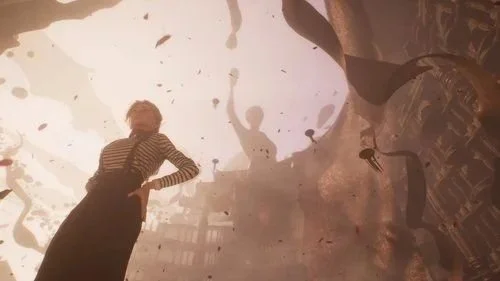
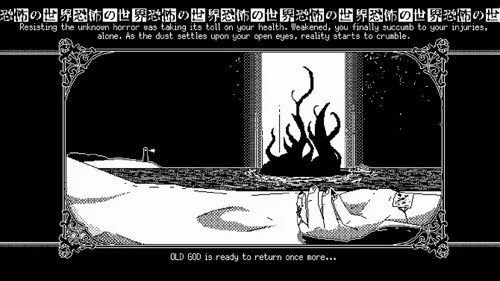
But here's the kicker: the real, subtle power of these solo experiences lies in a weird, thematic irony. I'm trying to escape the depressing cycle of global news - all the wars, genocides, and political noise - but I end up playing games like Clair Obscur: Expedition 33 (trying to revive a blighted world against an all-encompassing enemy) or World of Horror (confronting cosmic evil). These aren't simple escapist fantasies; they're narratives about desperation, grief and inhumanity.
I suspect that these games aren't providing an escape from the void but rather a structured way to look into it. The act of engaging with these fictional struggles, where I have agency and a defined objective, feels like a genuine form of cognitive processing and emotional regulation - a kind of therapy. We saw this clearly during the early days of Covid, when those structured digital worlds offered routine and a sense of mastery during a time of utter chaos. Now, facing the deep emotional toll of current events, like the ongoing tragedy in Gaza, that need for solace feels even more critical for me.
Gaming provides a controlled emotional container. By parsing the fantastical horrors in a safe space, I may be subconsciously processing the real-world chaos and existential unease that constantly permeates my news feeds. The entire spectrum of human emotion - vulnerability, sadness, pain - is covered in these games.
Just recently, while dealing with the emotional weight of the situation, the simple act of playing Island of Illusion with my daughters offered a vital, momentary distraction and a precious connection. The immersive nature of a videogame, regardless of its theme, creates a world where complexity and loss can be understood and momentarily set aside, offering genuine solace during these challenging times.
LINK: Japan: My Journey to the East
LINK: Please Save My Earth - Cult Manga Review
LINK: Thomas Was Alone Video Game Vinyl Soundtrack Review
LINK: Akira Soundtrack Vinyl Review
LINK: The Power of Stories and How They Are Manipulated
LINK: The Message by Ta-Nahisi Coates - Book Review (and Some Thoughts)
LINK: The Anxious Generation: Book Review (and Some Thoughts)
LINK: Utopia for Realists- Book Review
LINK: Toxic: Women, Fame and the Noughties- Book Review (and Some Thoughts)