The Uncanny In-Between (or, 'How the Pandemic Awakened Our Obsession with Liminal Spaces and the Backrooms')

In his seminal work on supermodernity, the French anthropologist Marc Augé coined the term "non-places" to describe the transitory zones where we spend a staggering portion of our lives - motorways, hotel rooms, and airports. Under normal circumstances, these spaces offer a strange, liberating form of anonymity. Stripped of historical or relational significance, they allow us to shed our everyday roles, step out of our routines, and exist as transient shadows. However, the arrival of the COVID-19 pandemic fundamentally warped this dynamic.

As global lockdowns abruptly emptied out transit hubs and city centers, these functional zones lost their human hum and they became weirdly liminal, uncanny, and exposed. Without the comforting distraction of crowds and purpose, we were forced to confront the raw, architectural hollows of our modern world, pushing the phenomenon of liminality from an academic observation straight into collective existential dread.
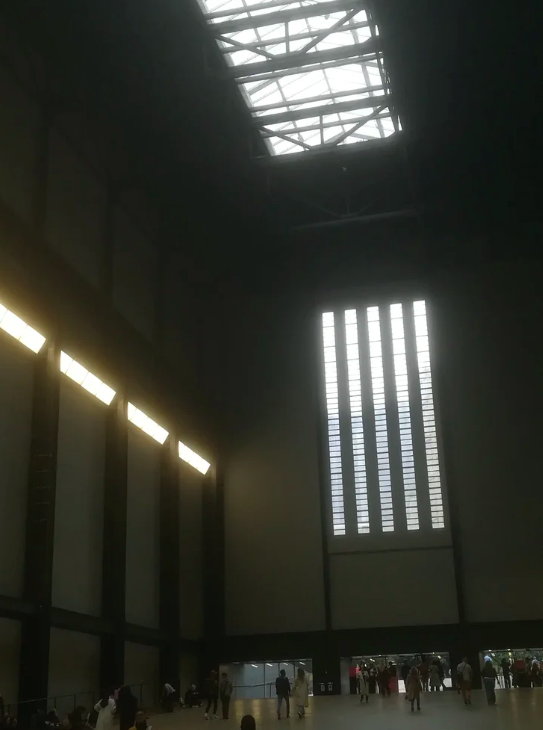
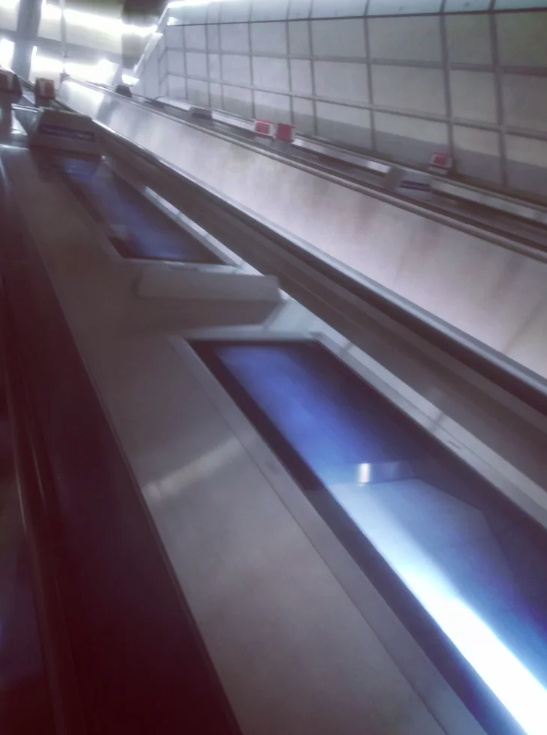
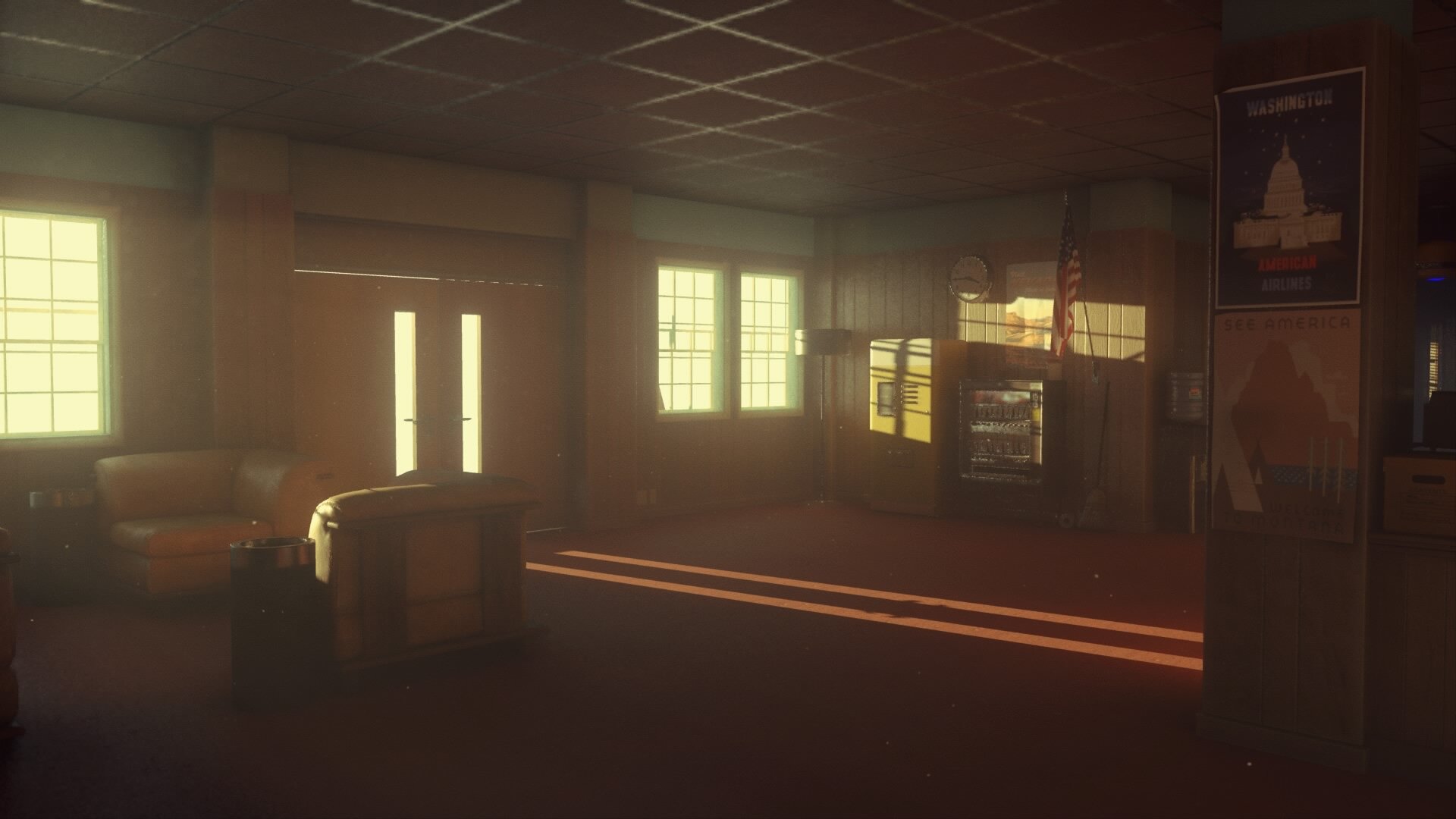
This shift in the cultural zeitgeist found its perfect digital manifestation in the "Backrooms" meme. While early digital folklore and creepypastas like Slenderman relied on the traditional horror tropes of a monster lurking in the shadows, the Backrooms tapped into something far more cerebral and intriguing: the lingering sense that reality itself isn't quite right. Born from a simple, viral image of an empty, yellowish, fluorescent-lit office space, the Backrooms represents a narrative of pure existential dread. It resists definitive resolution; there is no monster to defeat at the end of a traditional hero's journey. Instead, the void itself is the antagonist. The horror stems entirely from the realization that you have slipped through the cracks of the map, trapped in an environment where the rules of reality are unstable, monotonous, and utterly incomprehensible.

This terrifying architectural subversion has deep roots in our creative history. It echoes the labyrinthine, shifting logic of Jorge Luis Borges’ The Garden of Forking Paths and the structural enigmas found in classic ‘Puzzle House’ mystery films and books. It finds its modern literary peak in Mark Z. Danielewski’s masterful novel House of Leaves, where a shifting house defies the logic of Euclidean space. Danielewski famously utilizes "ergodic design" - unconventional page layouts that demand unusual effort and active agency from the reader - to make the physical act of reading a visceral echo of navigating a claustrophobic, impossible maze.

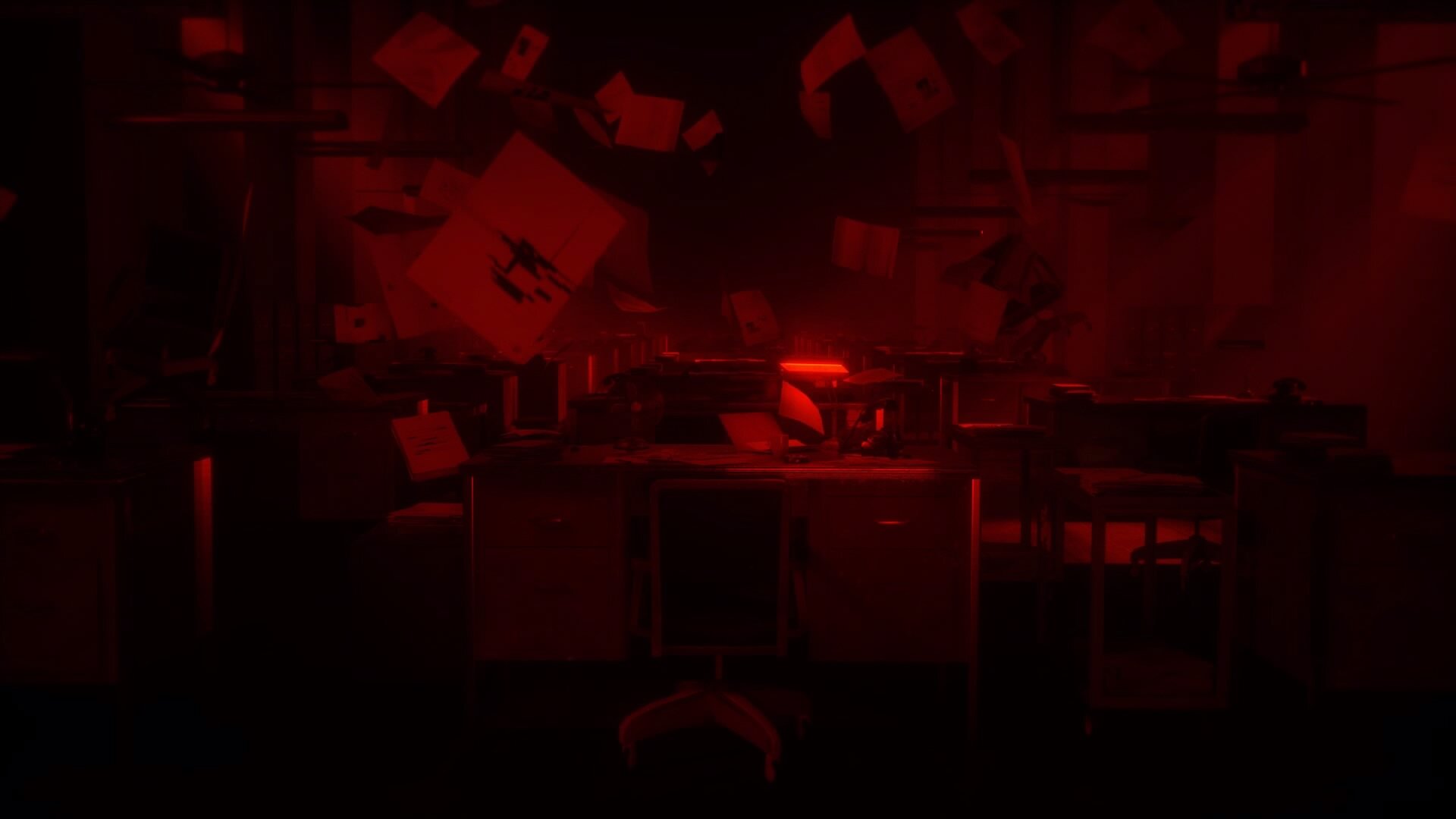
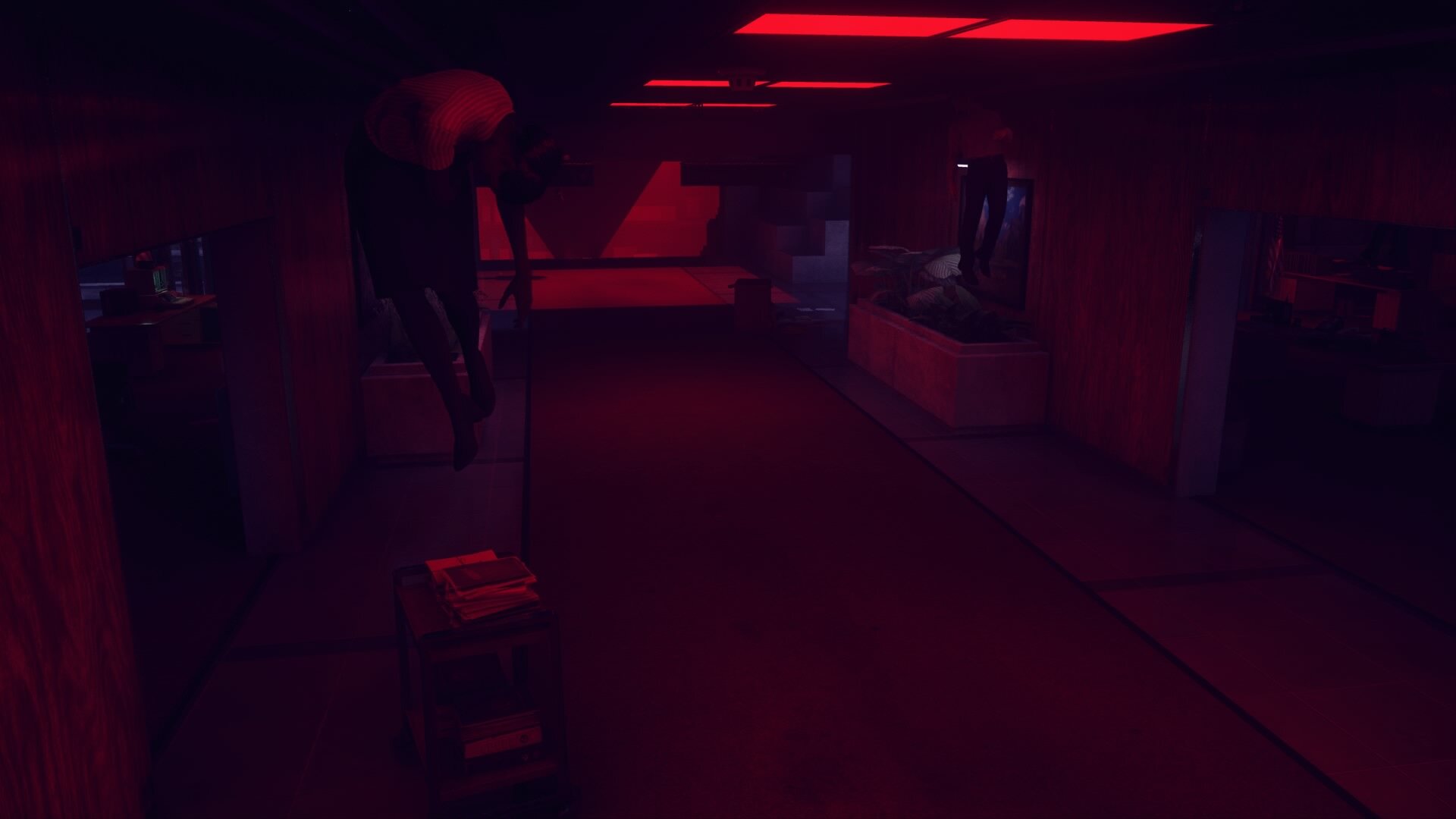
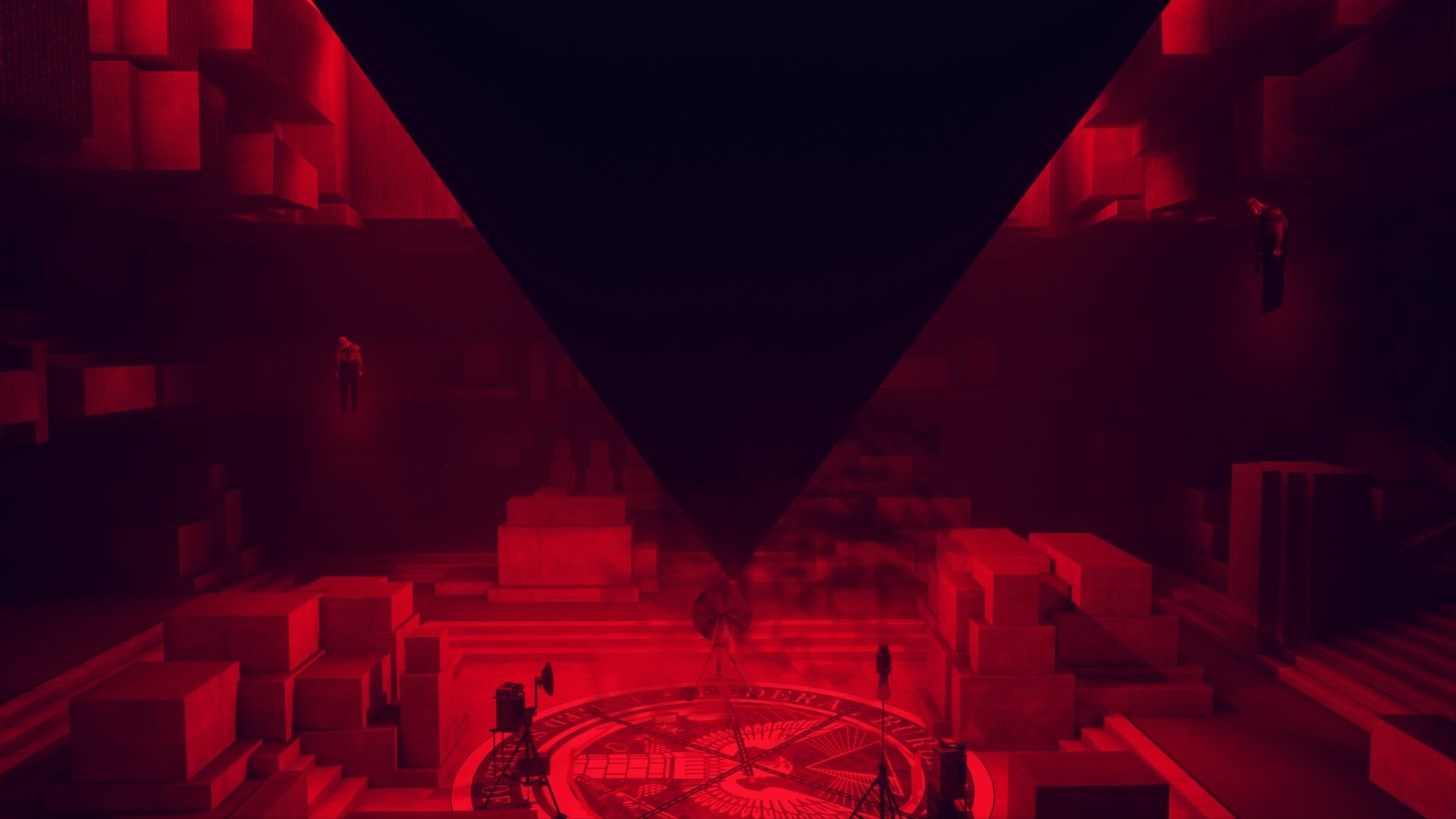
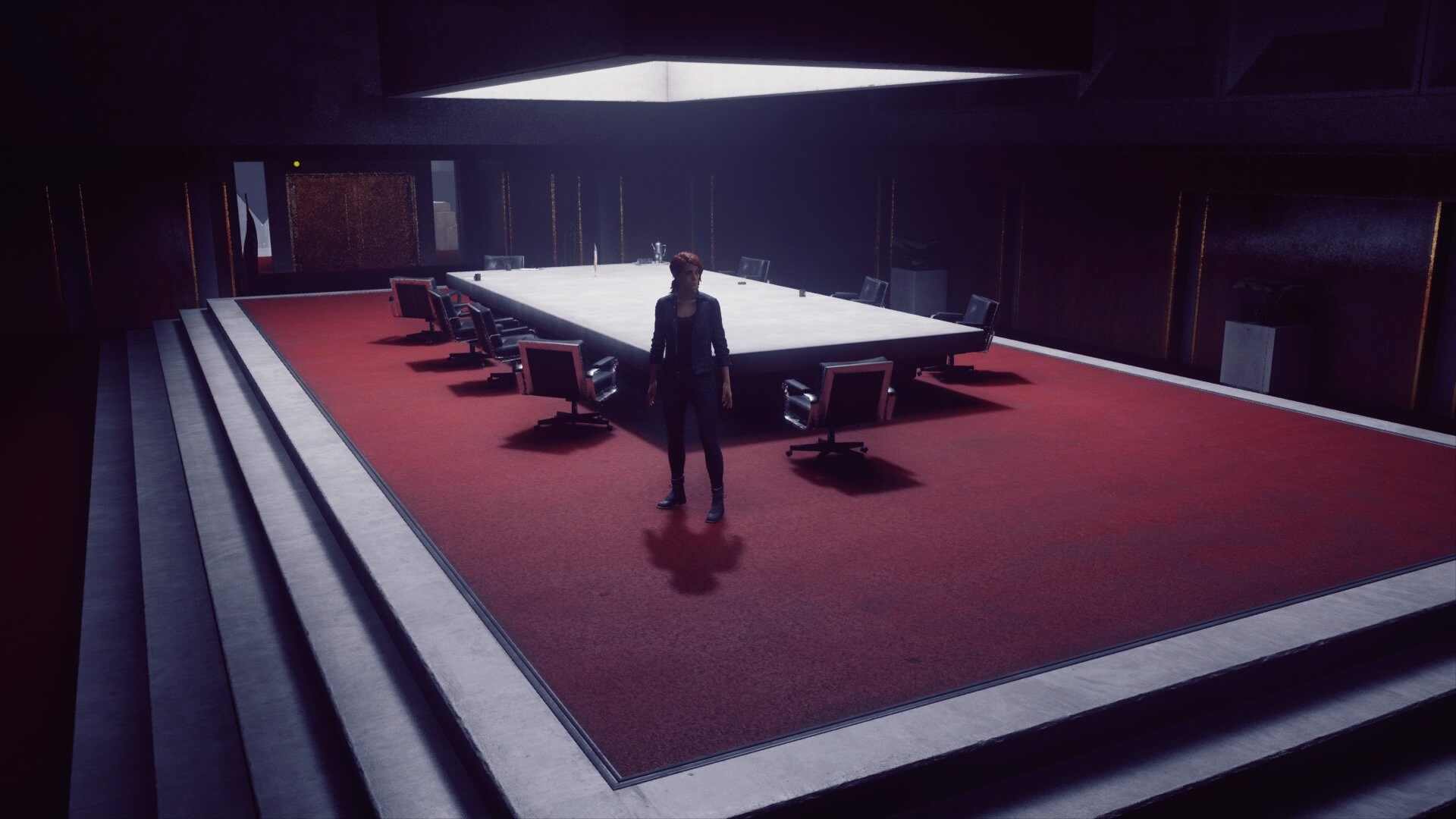
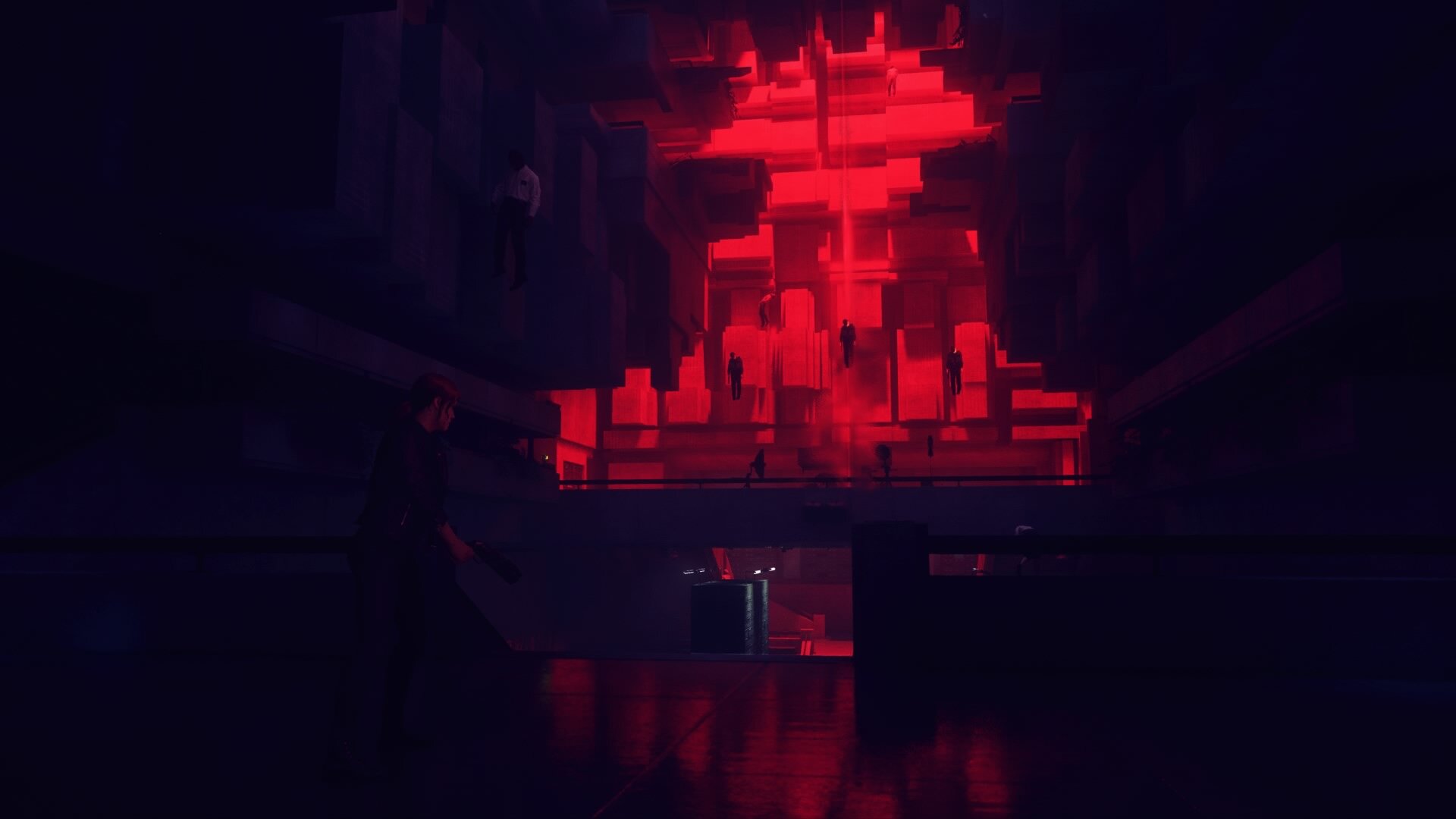
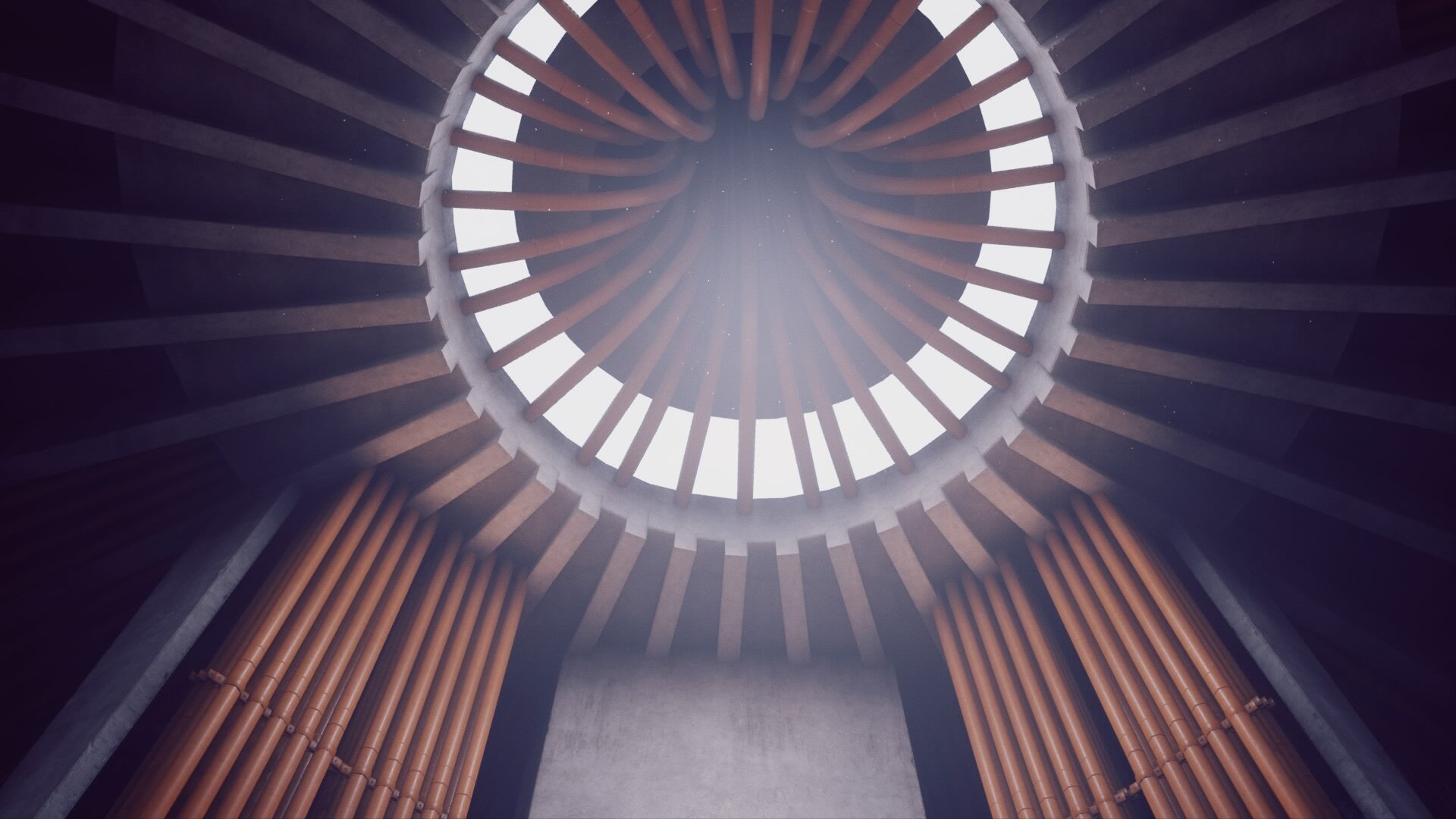
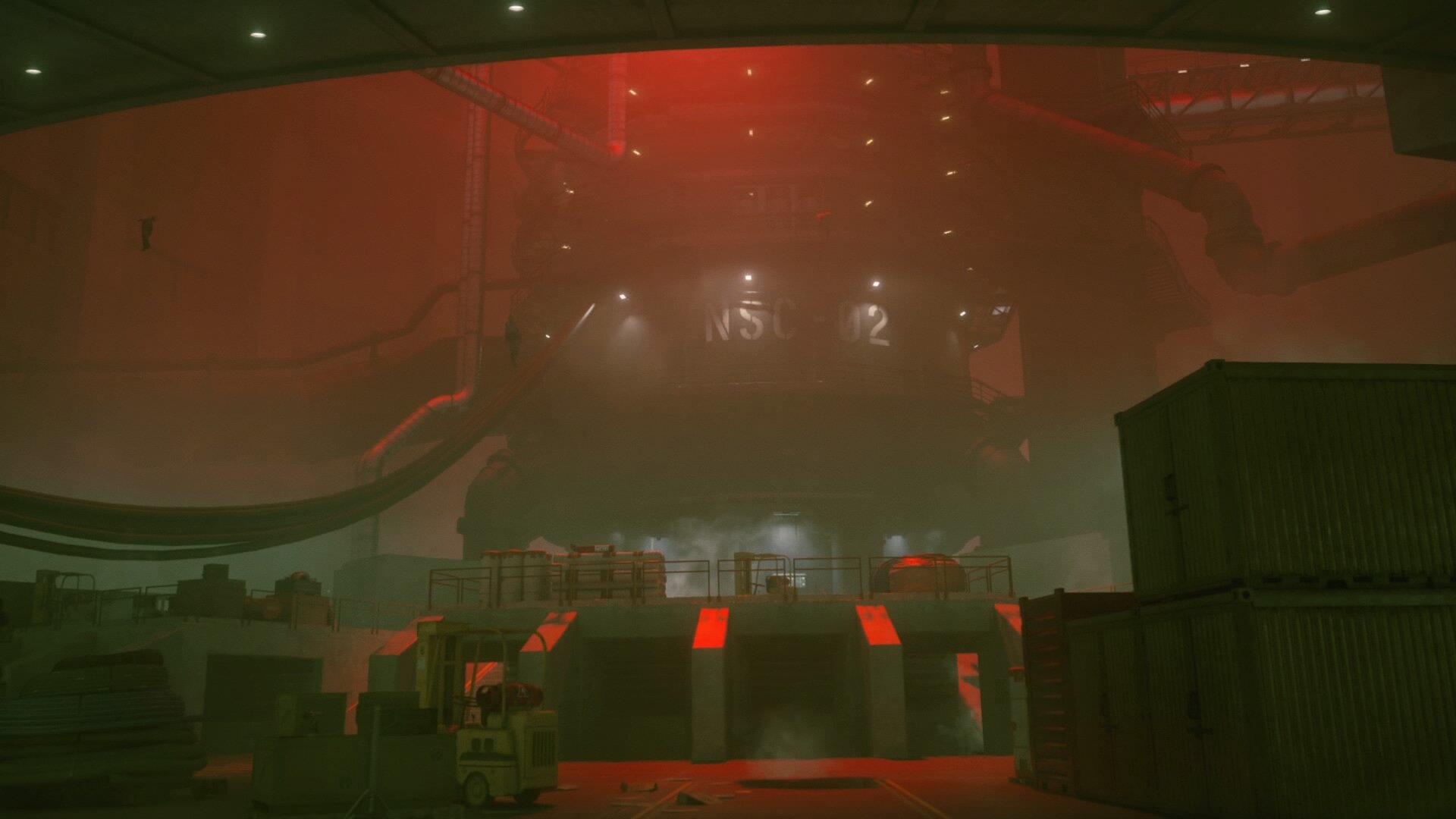
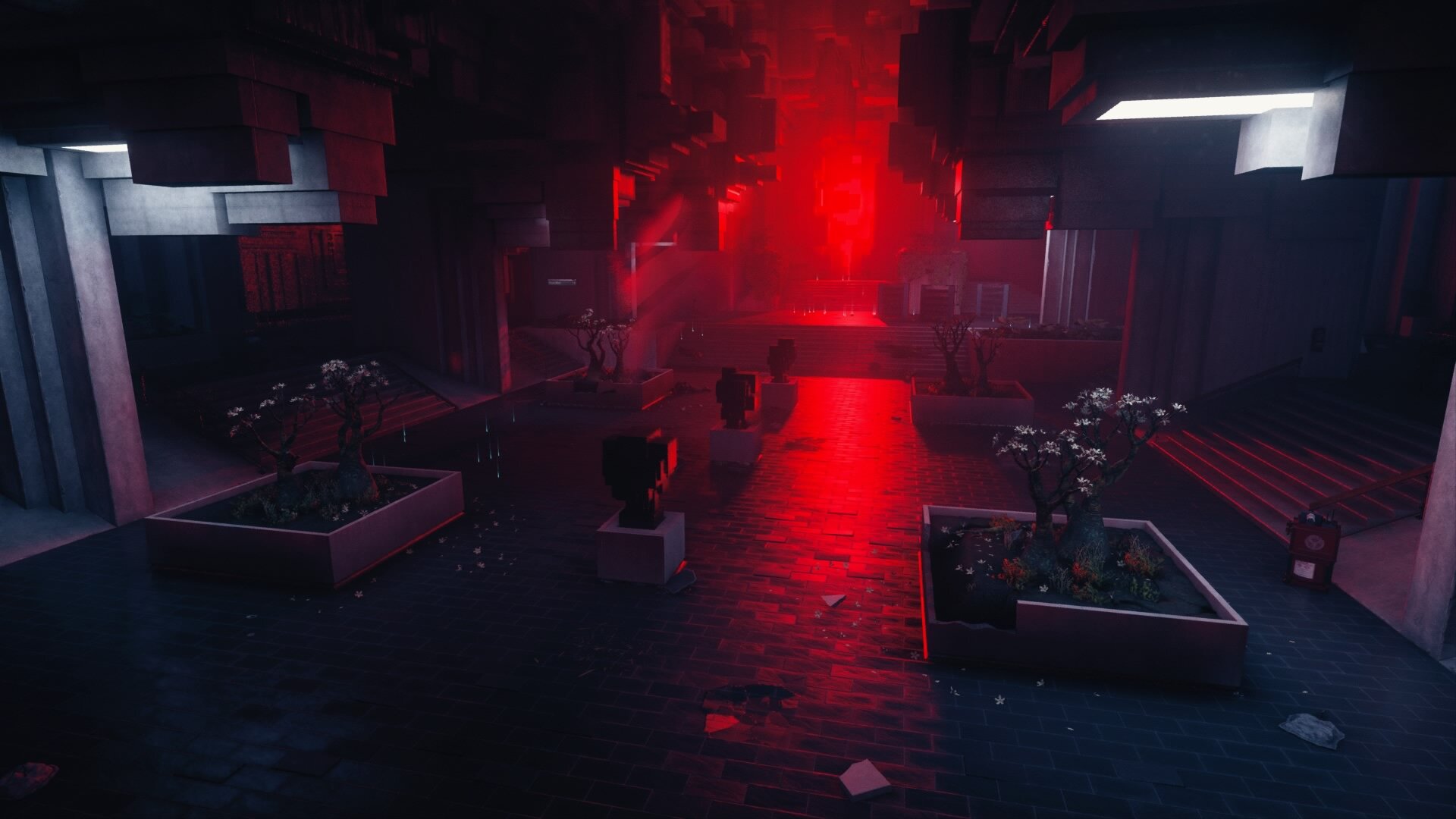
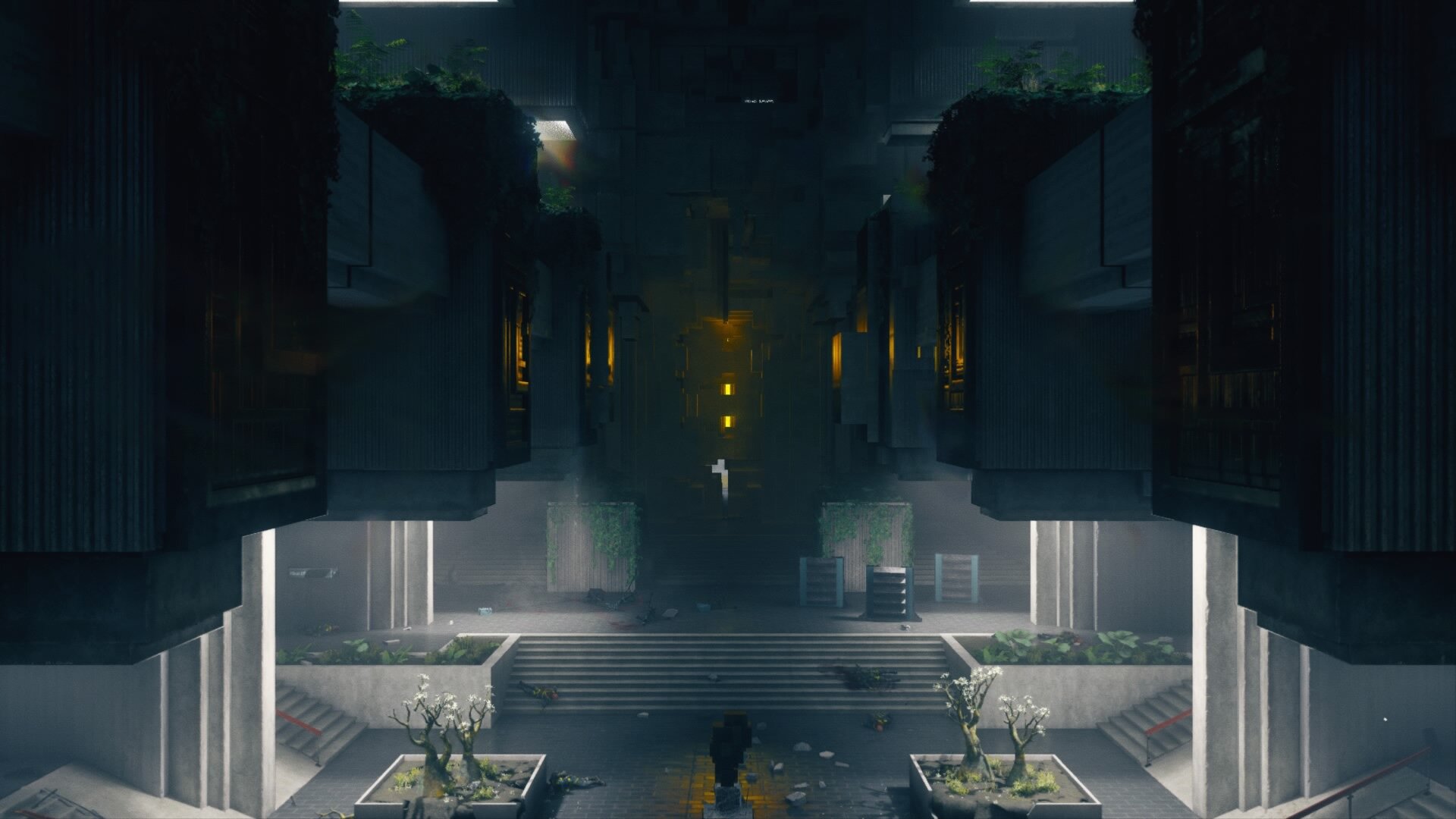
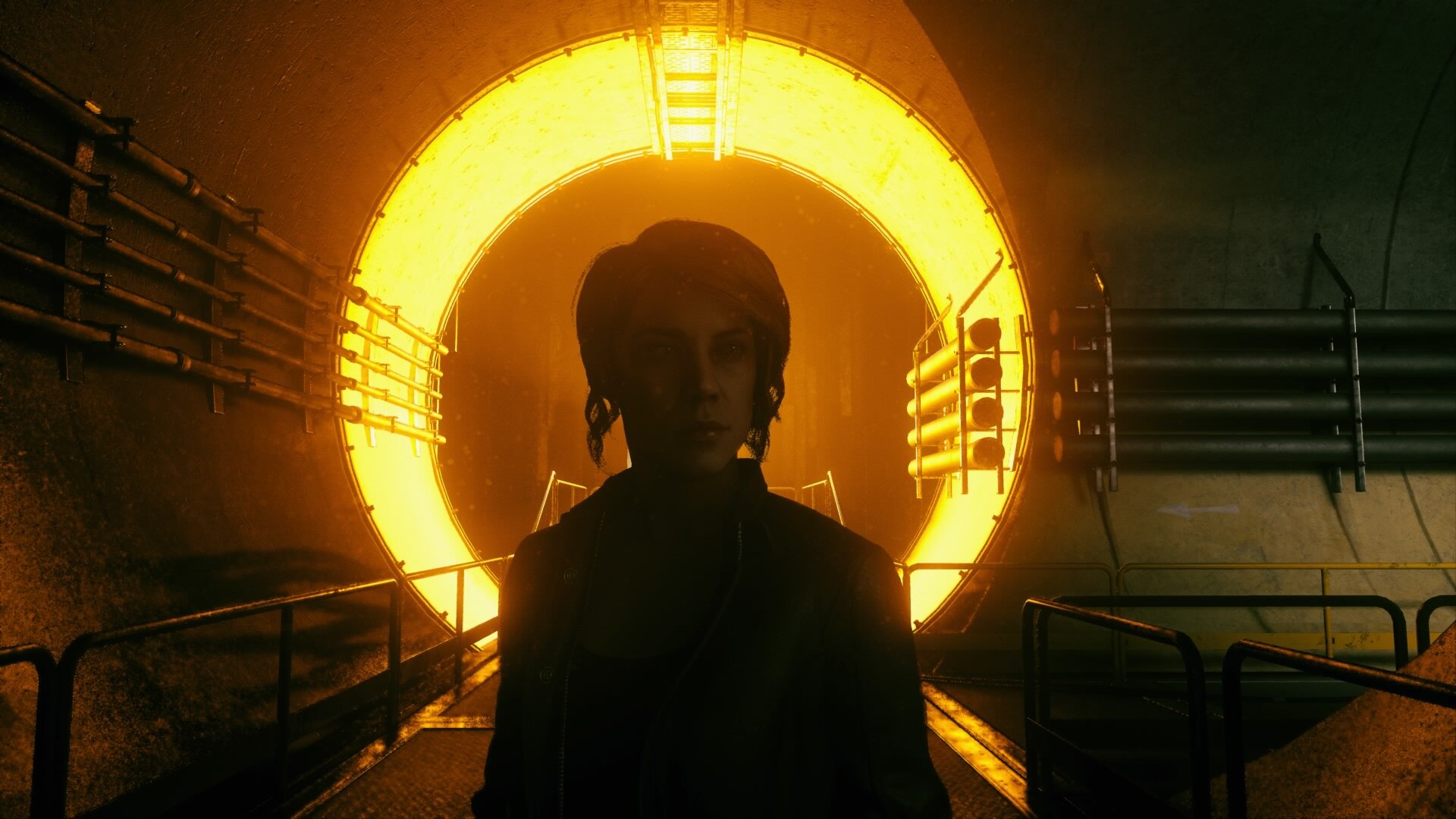
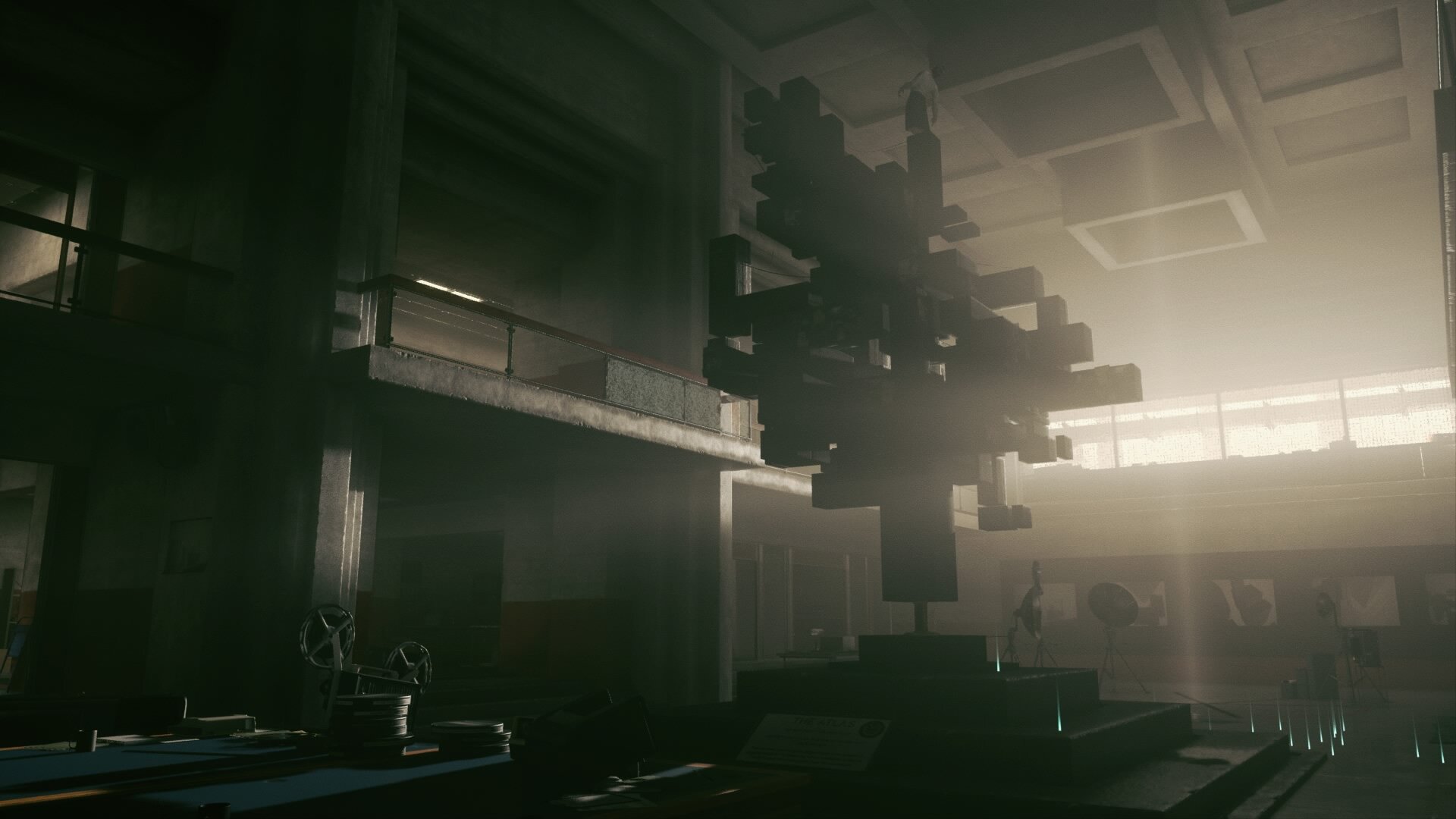
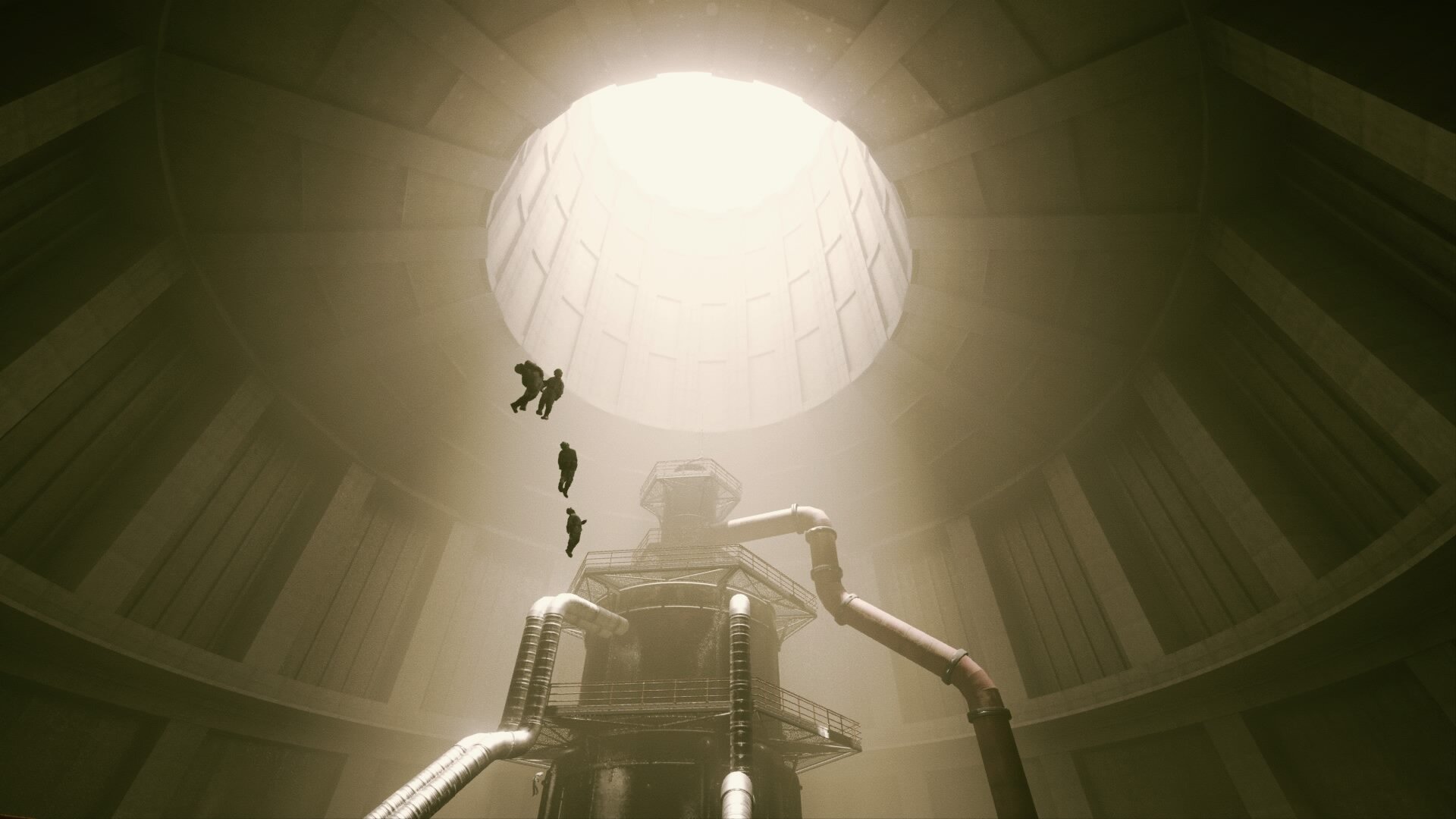
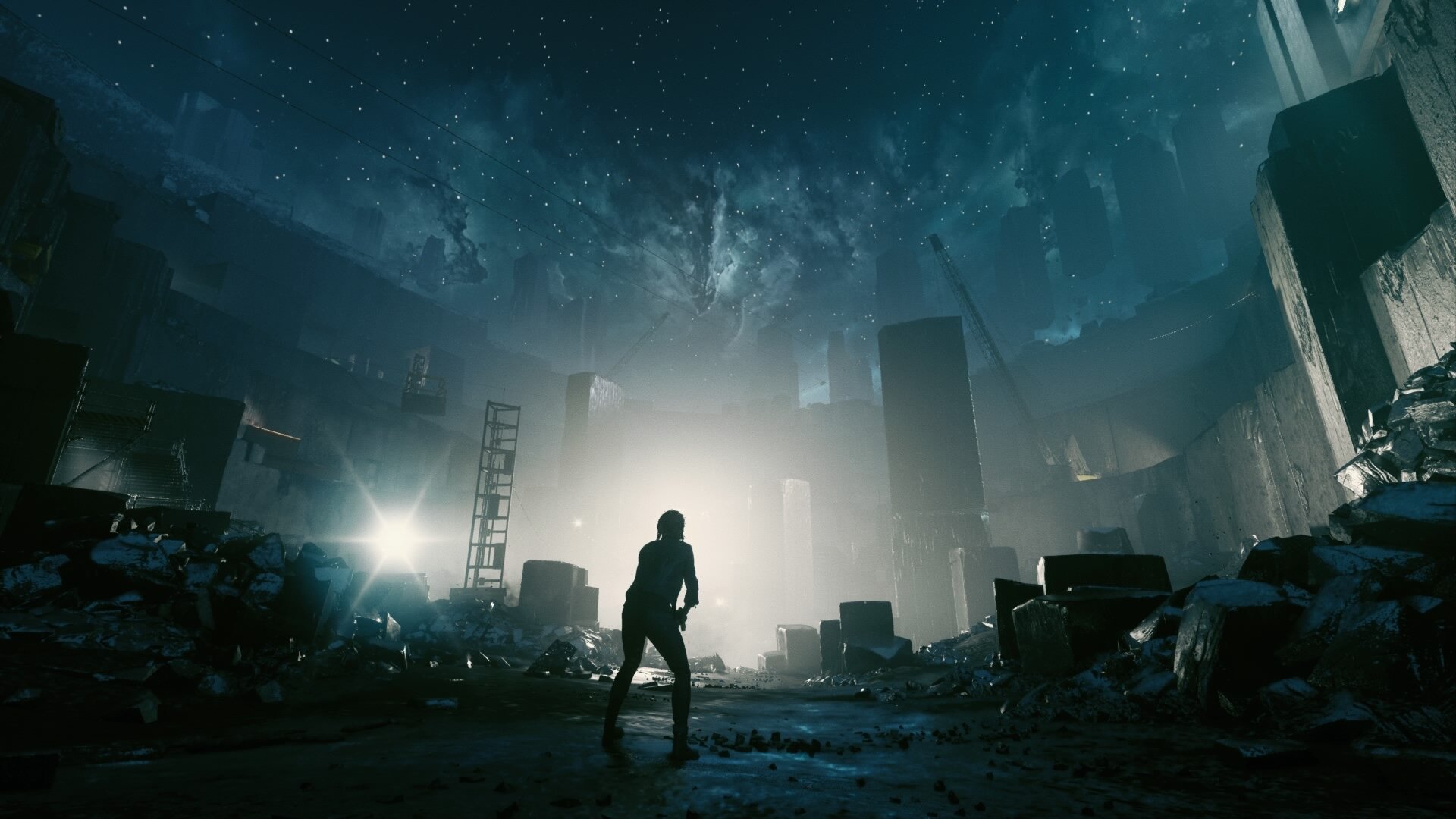
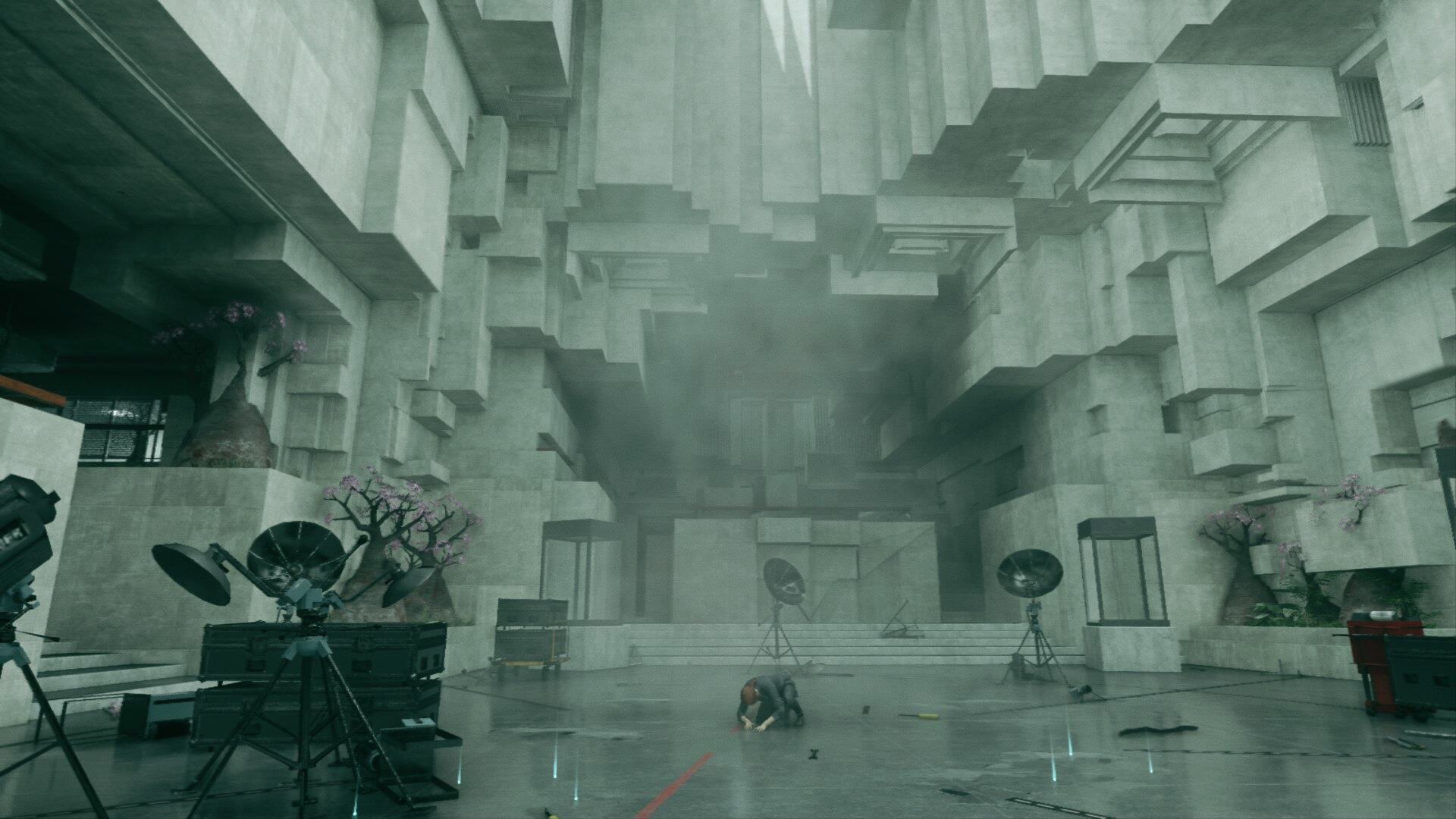
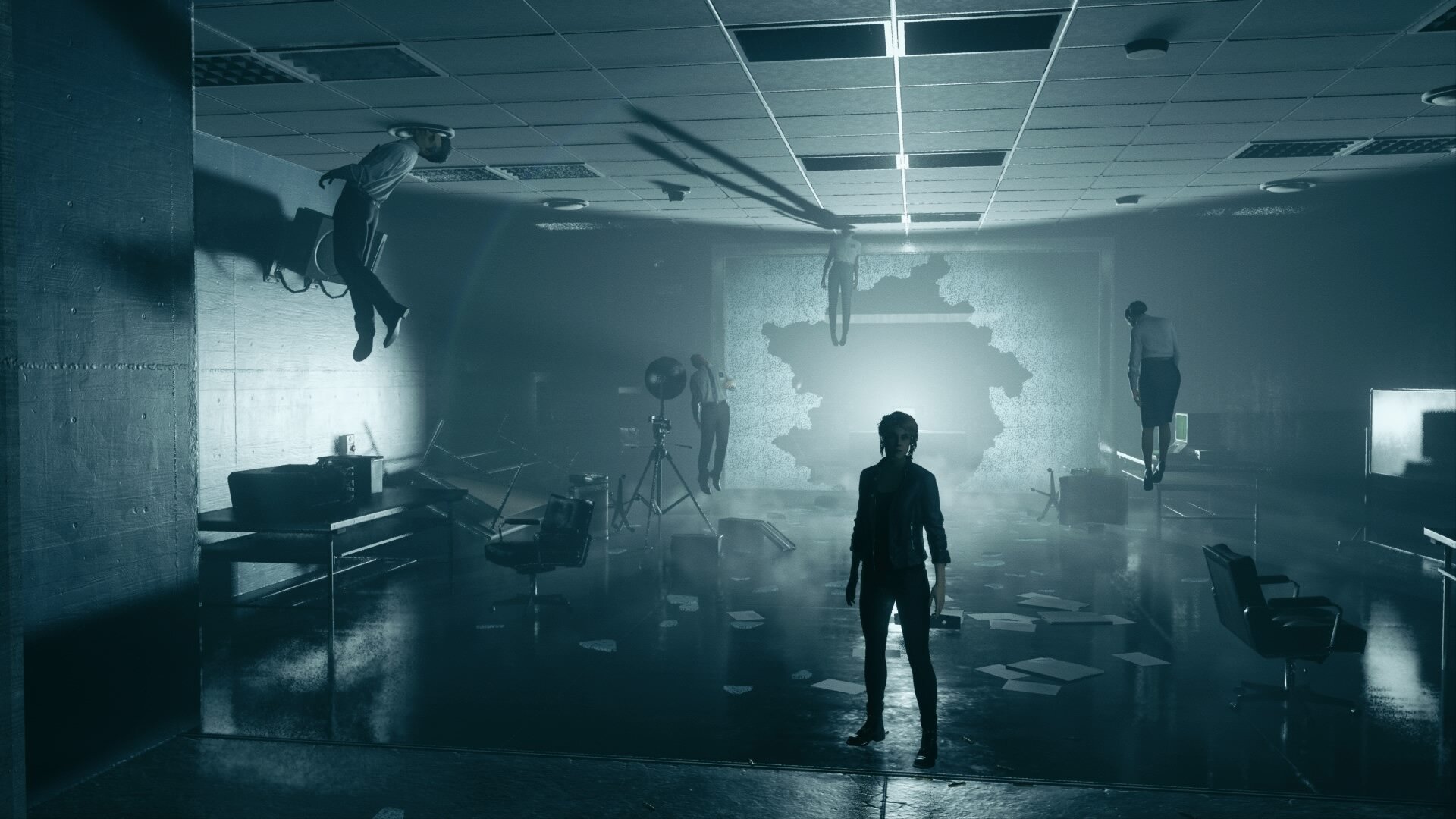
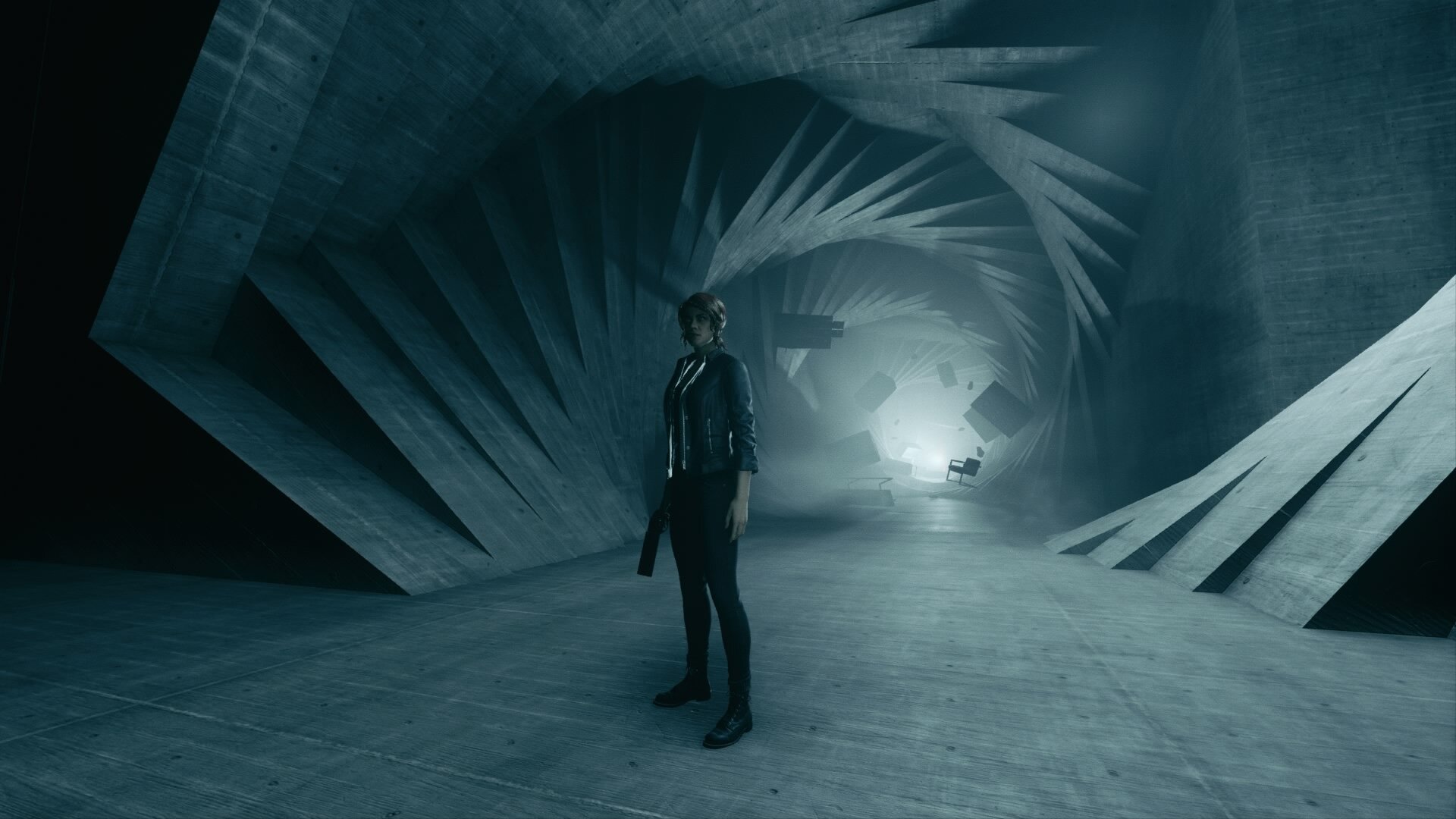
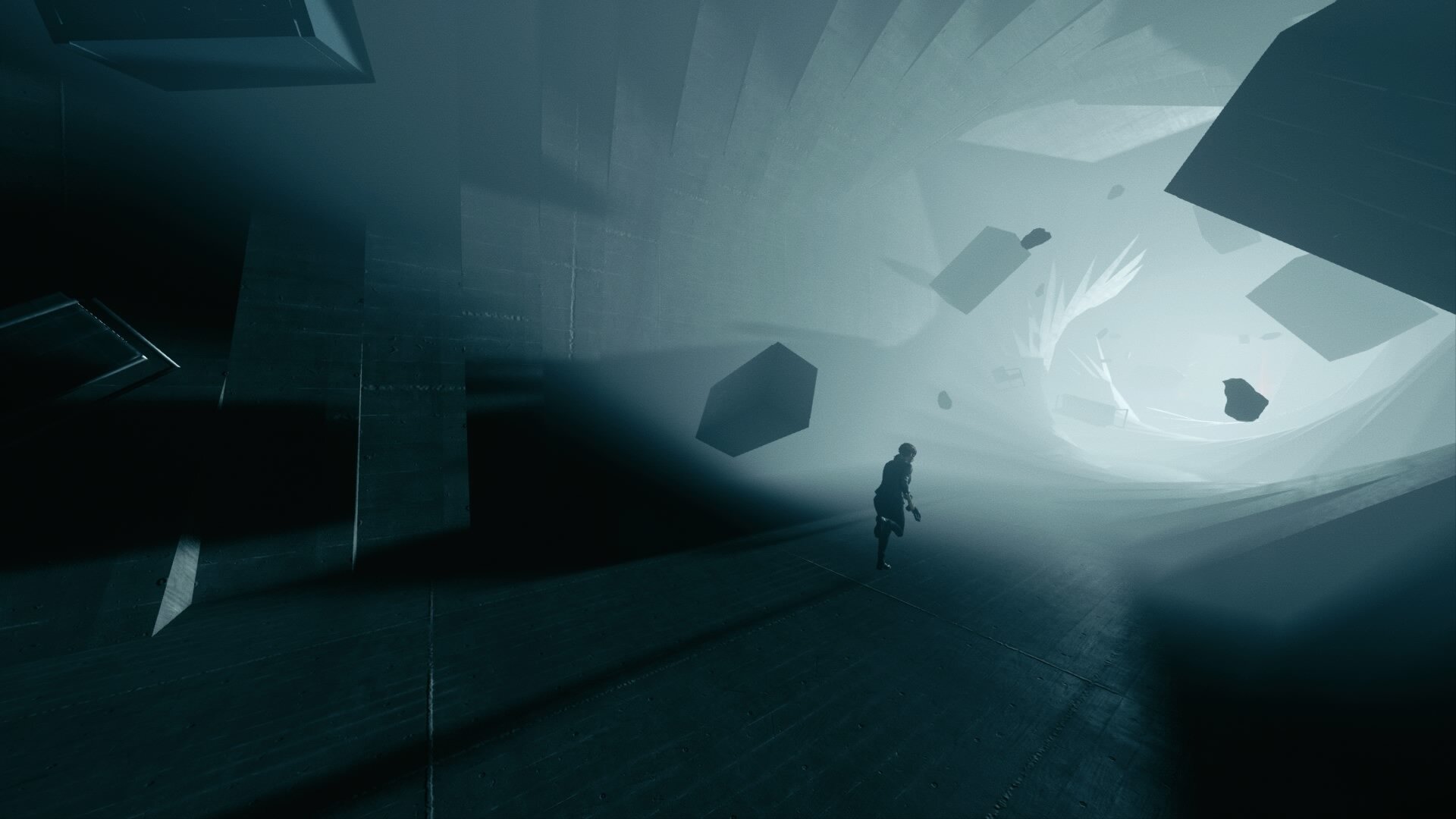
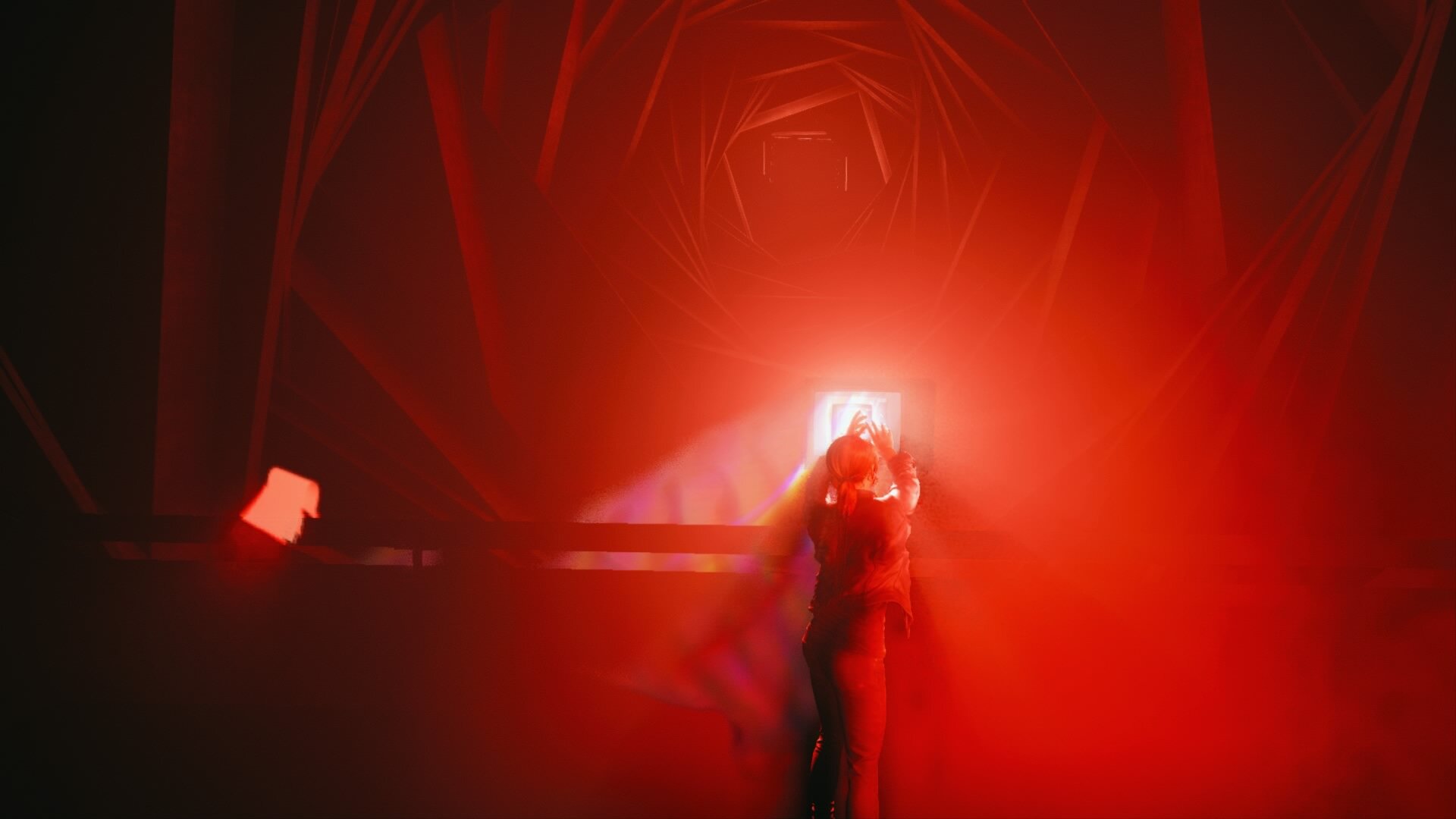
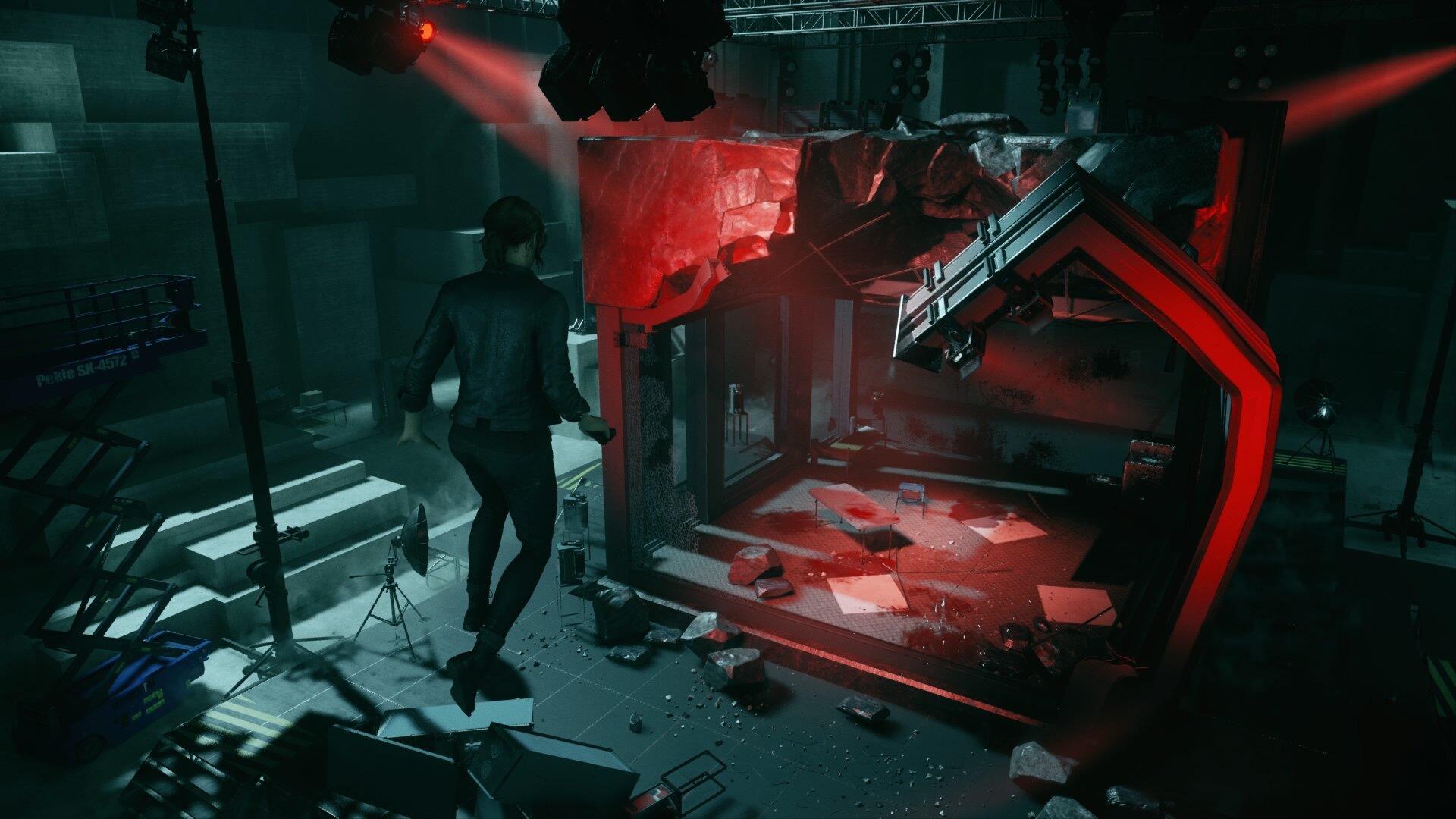
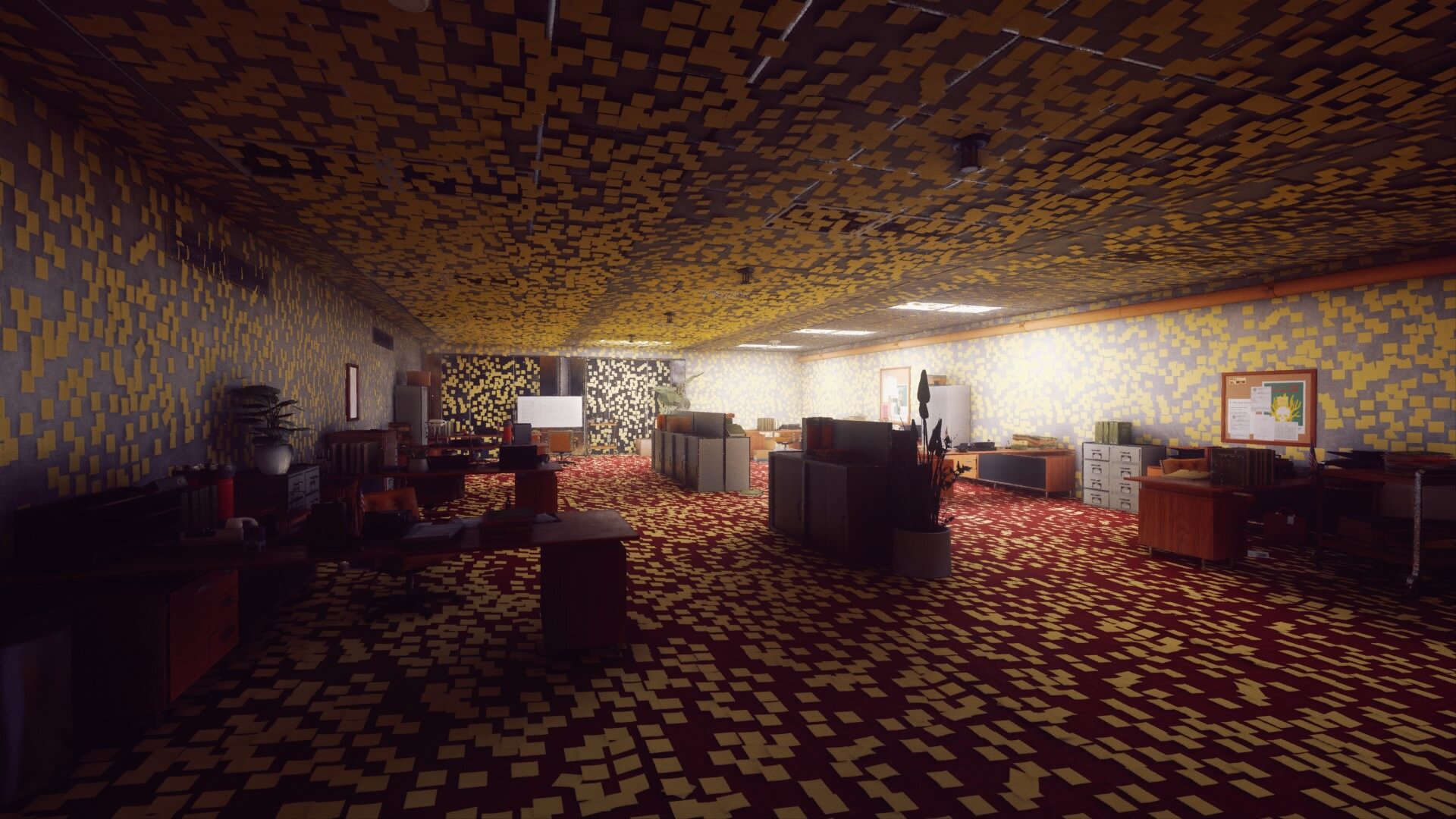
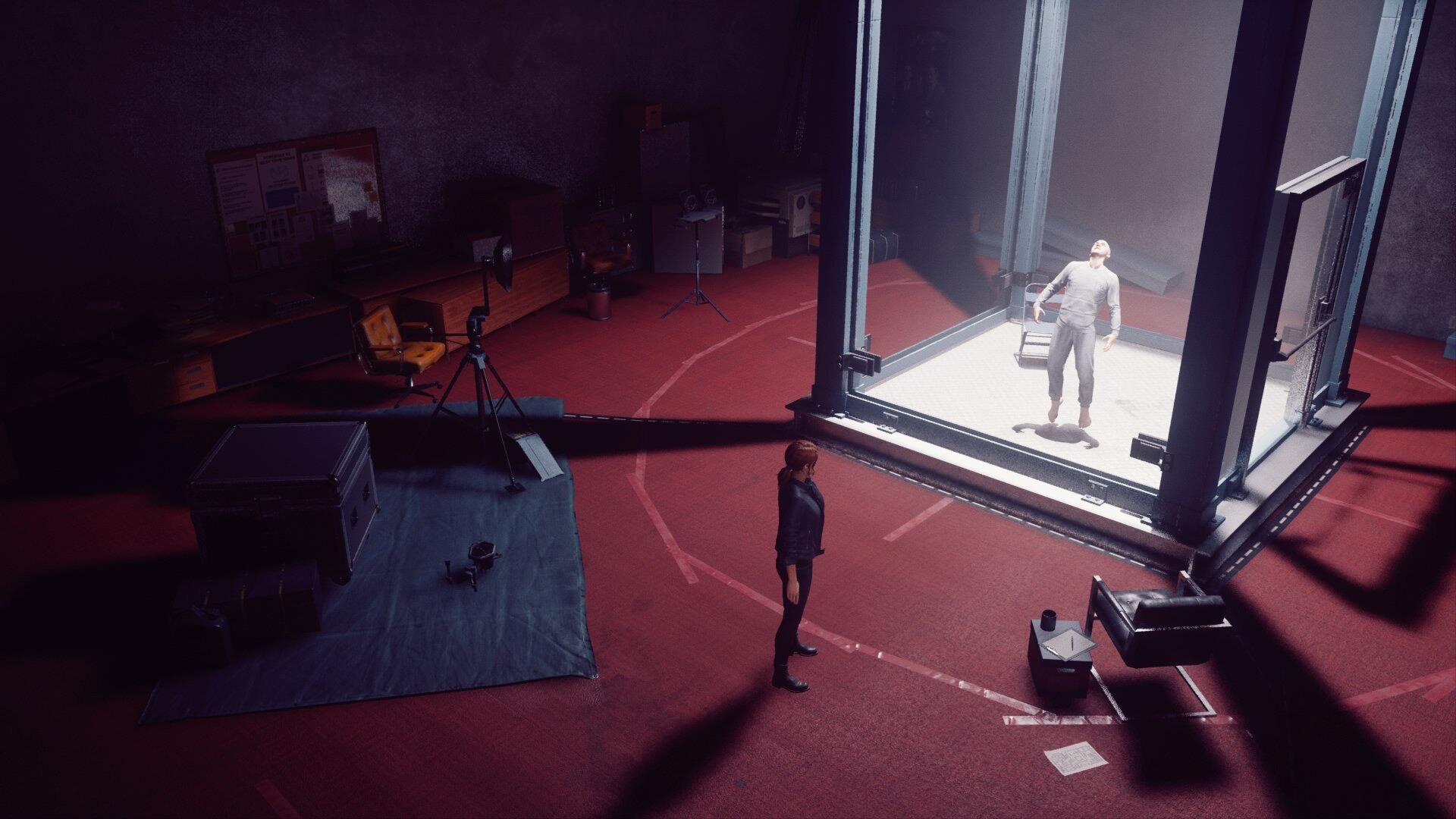
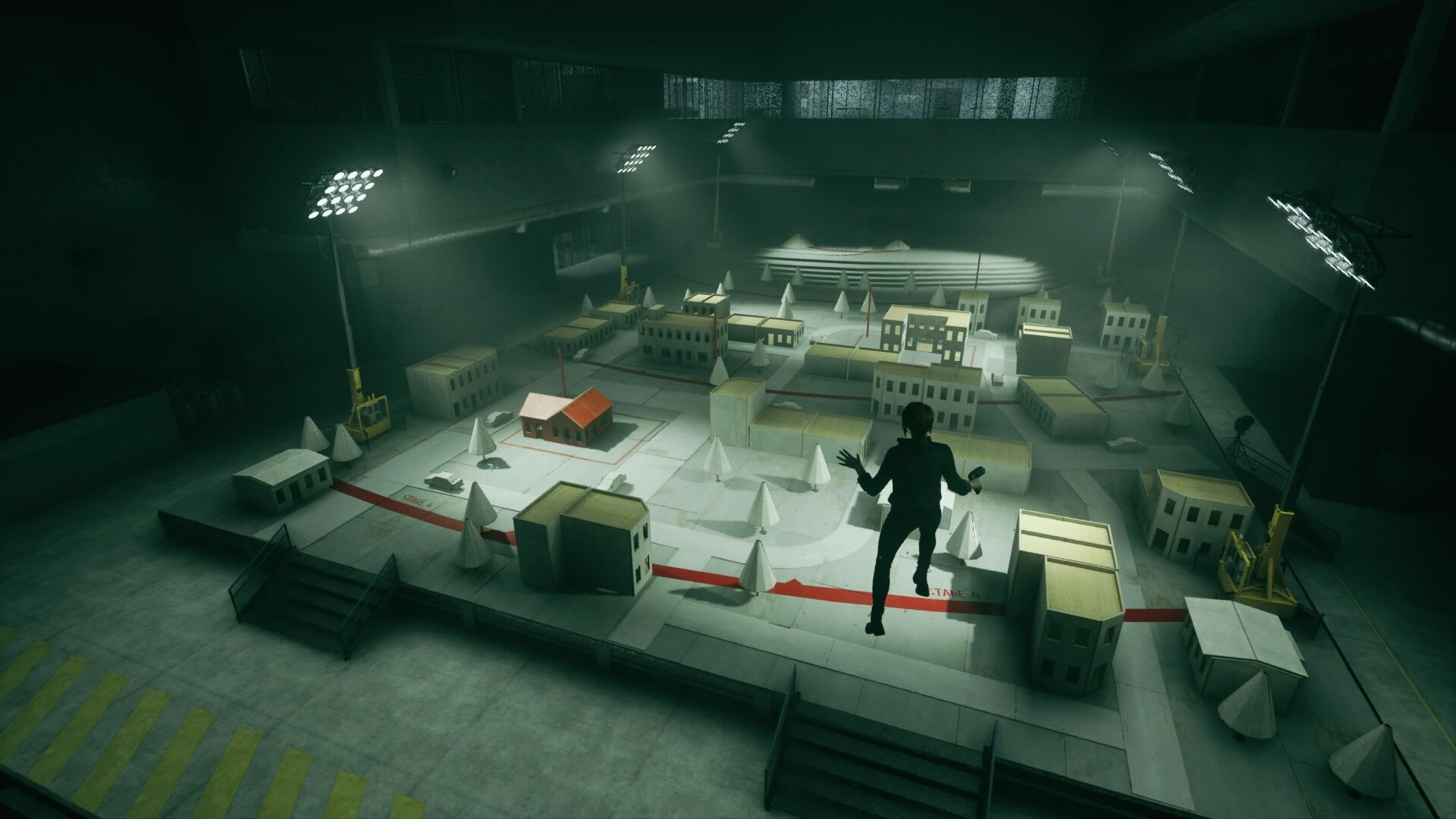
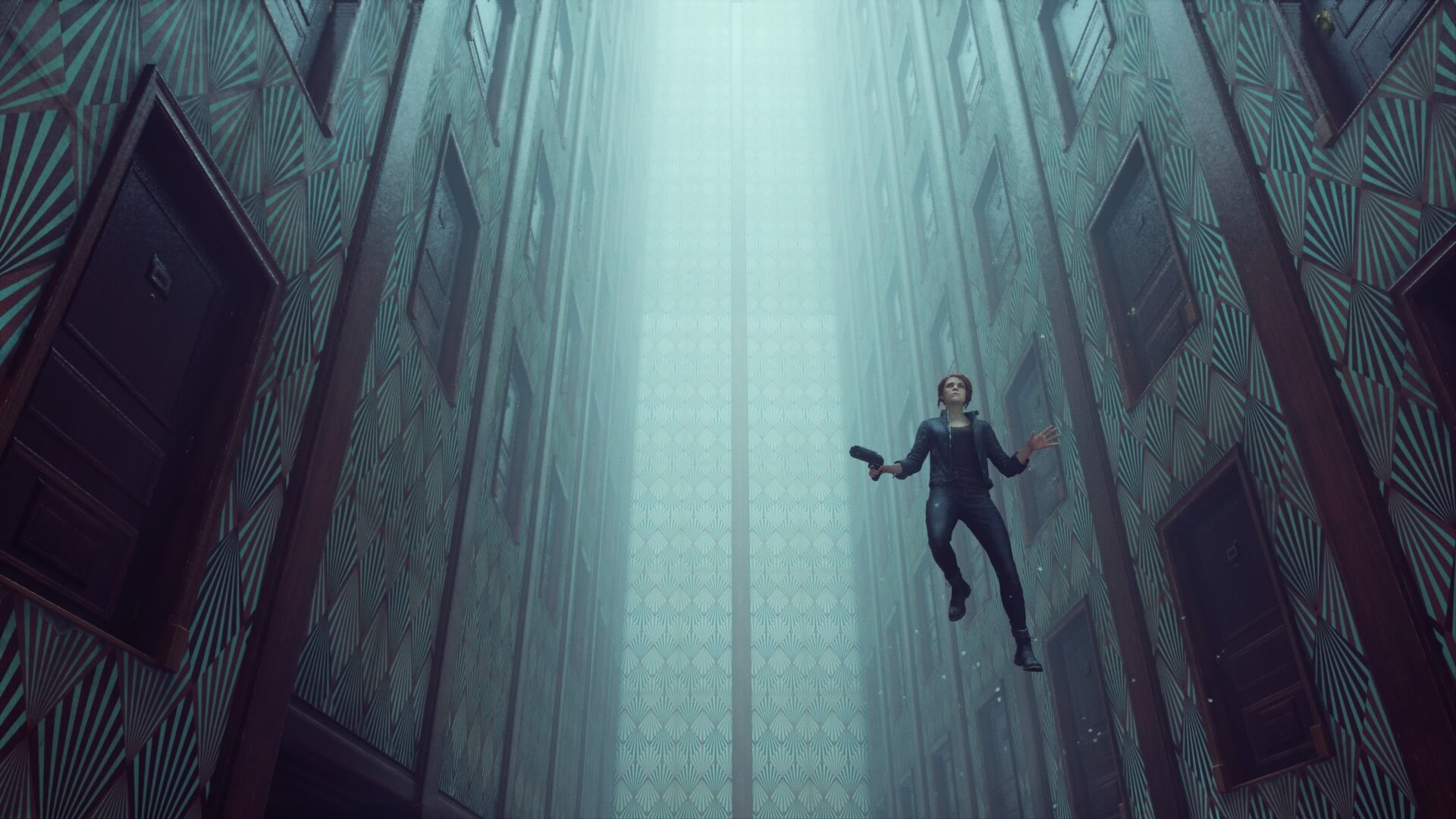
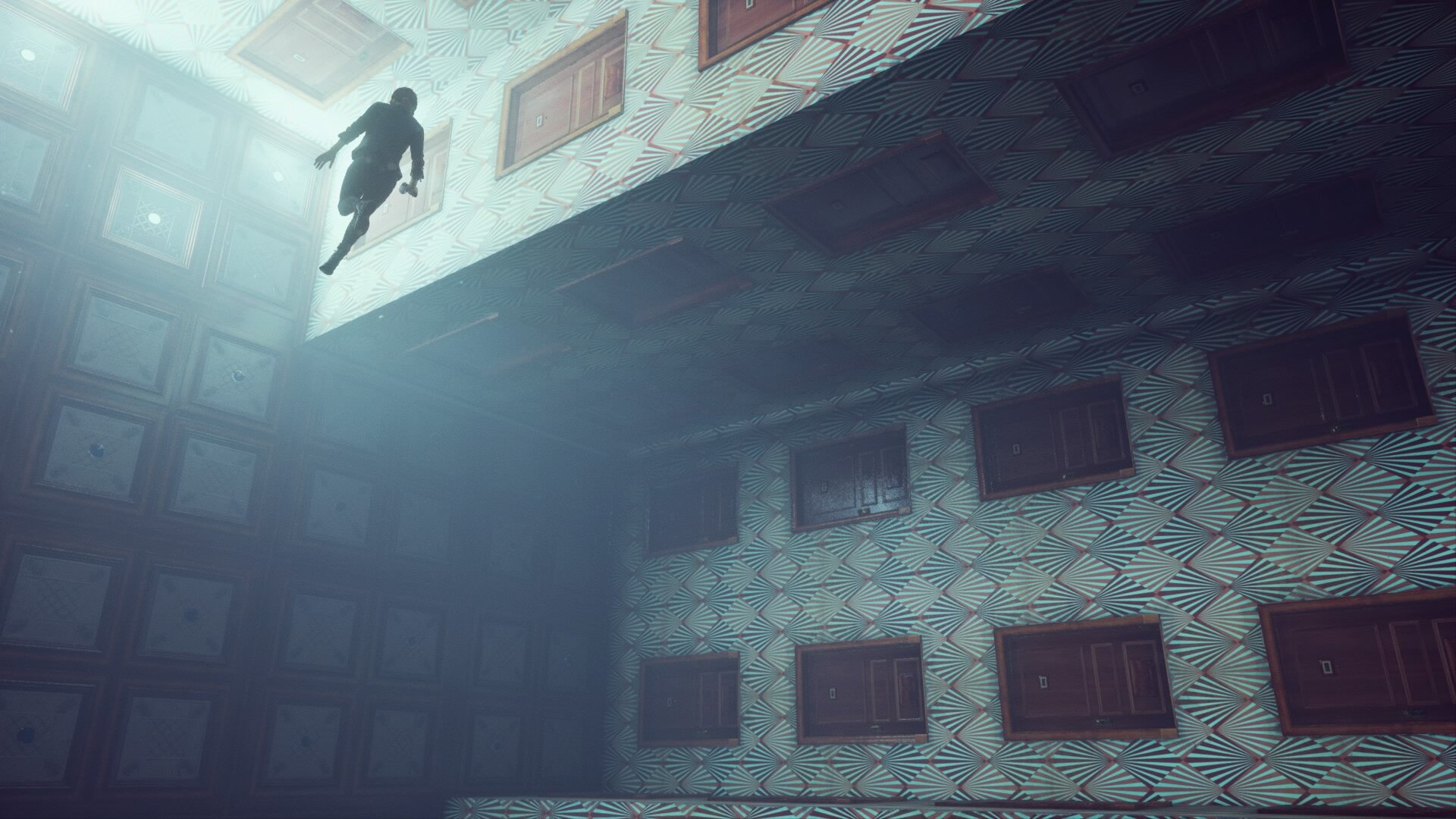
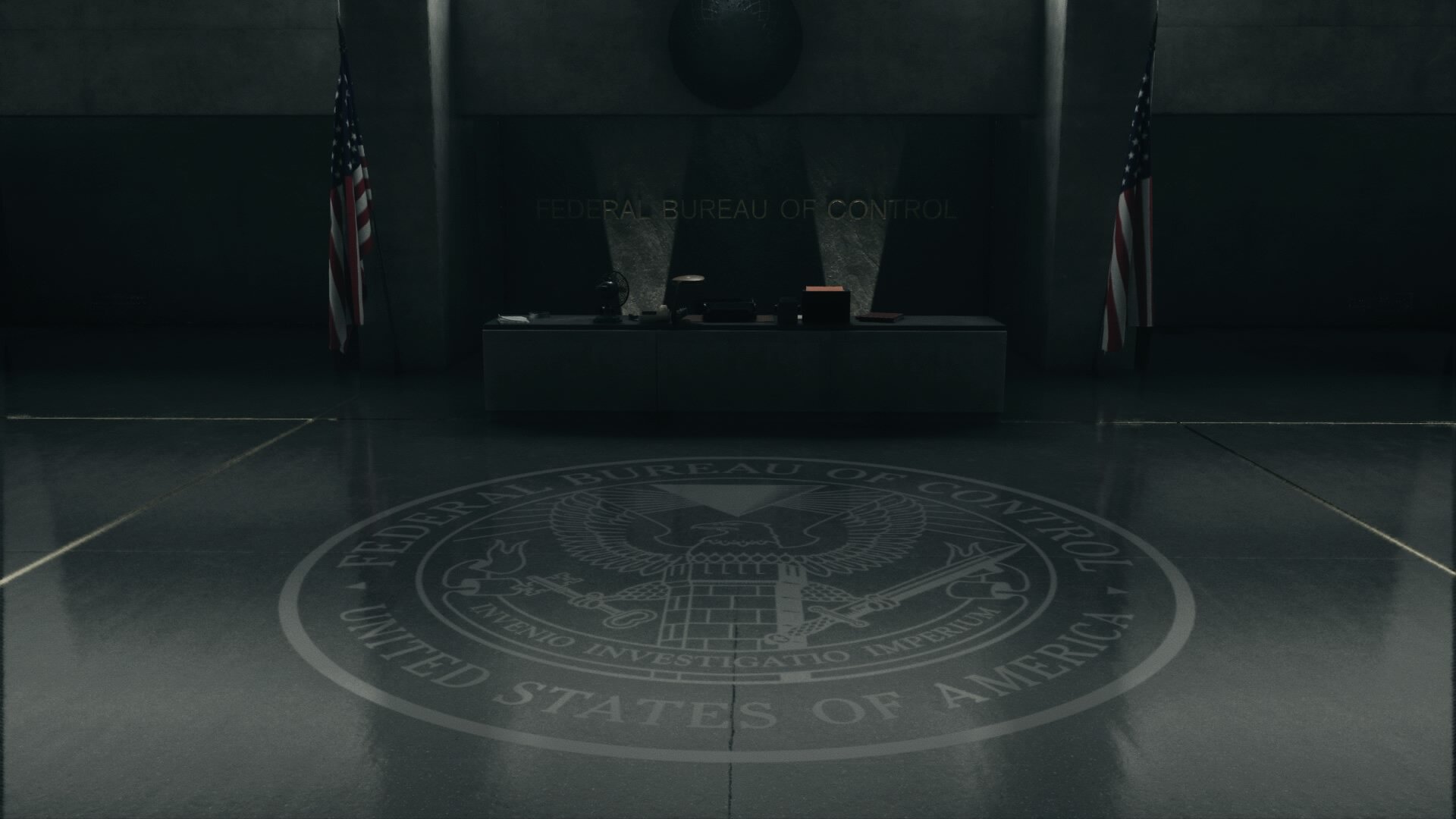
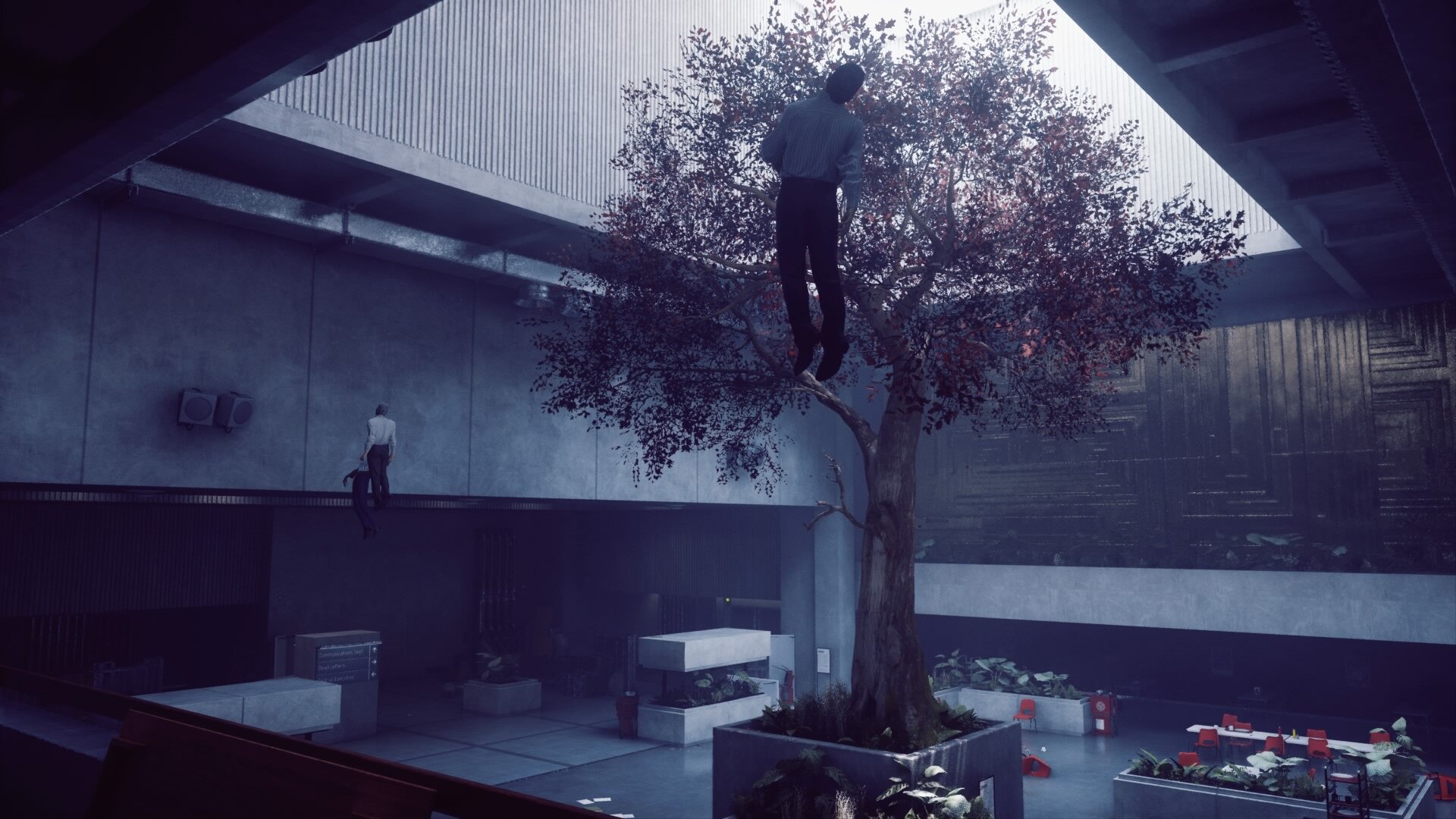
Unsurprisingly, the medium of video games has become the ultimate laboratory for exploring these non-Euclidean spaces. Hideo Kojima and Guillermo del Toro's legendary P.T. masterfully mined this concept by trapping players in a looping domestic corridor that subtly altered itself with every turn, fracturing the player's sense of time and linearity. Remedy's Control used the ever-shifting Old House to create a constantly changing structure that moved and shifted beneath your feet. Even older titles like Nintendo GameCube’s Eternal Darkness used psychological isolation and incomprehensible, cyclopean structures to make players feel completely alone against forces beyond human comprehension.

More recently, and accessibly, the indie hit Exit 8 stripped horror down to its purest liminal essence, tasking players with escaping an uncanny, recursive subway station by hunting for minute, unsettling anomalies. This game itself was turned into a very recent film.

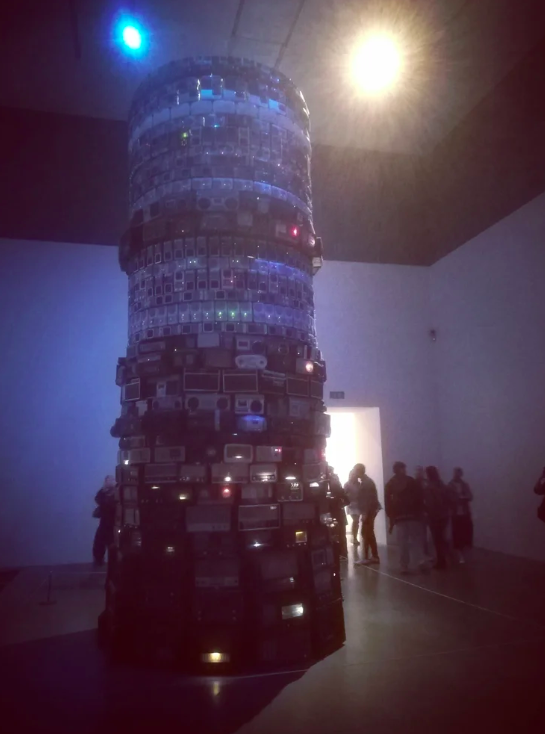
Yet, we do not need an experimental novel or a gaming console to encounter these existential slips; they frequently bleed into our real lives. Anyone who has ever gotten turned around in a museum or an art gallery during a quiet hour knows this exact feeling. You turn a corner, the murmurs of other patrons vanish, and a sudden, profound worry creeps in. It feels as though you have fallen clean out of space and time—marooned in an in-between world where non-Euclidean rules apply, and the familiar boundaries of reality have quietly dissolved.

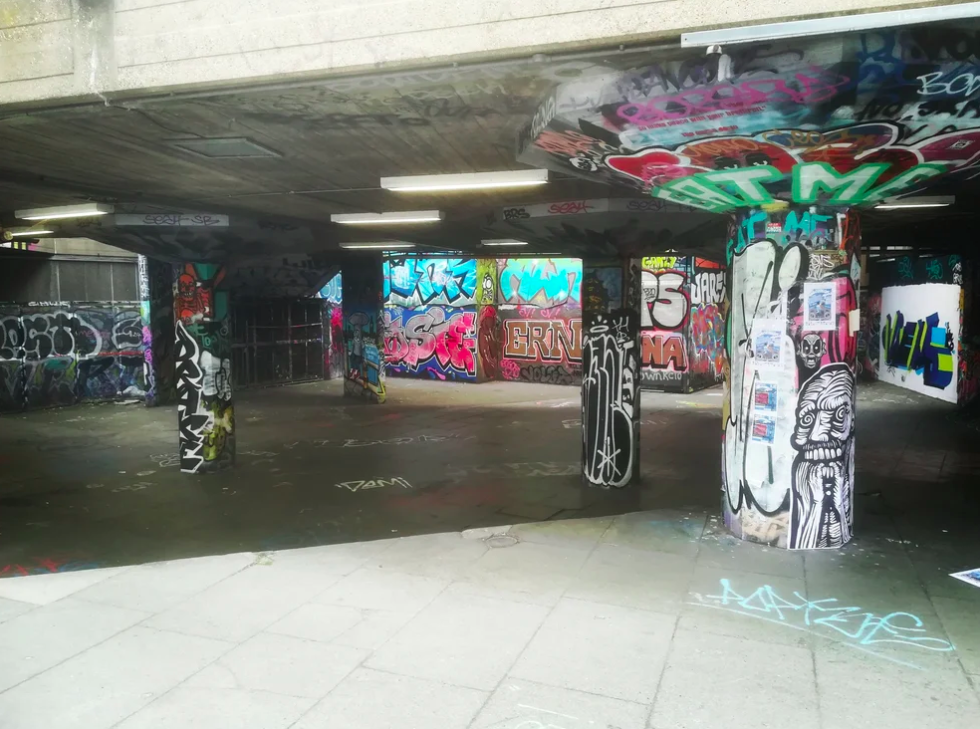
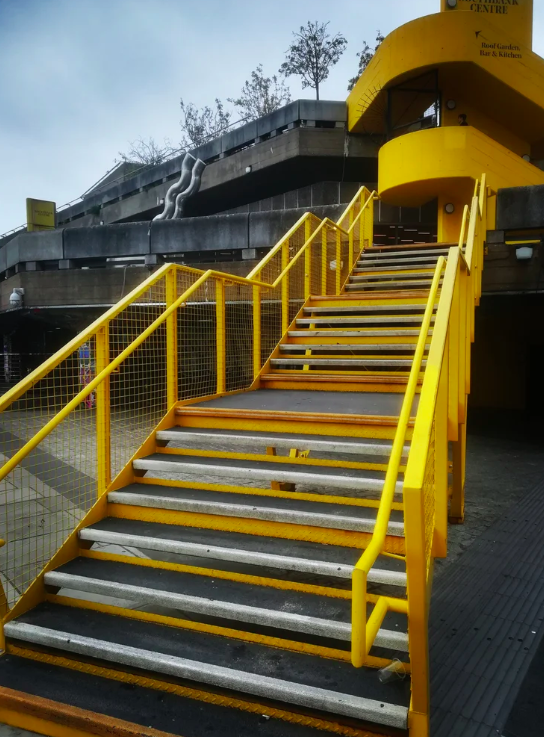
Far from just repelling us, however, our collective exposure to the uncanny has sparked a strange, magnetic desire to actively explore the liminal spaces that surround us. There is a haunting, nostalgic beauty to be found in the quiet thresholds of our everyday lives: underground car parks with their cold concrete echoes, abandoned shops, and old pubs with dusty windows where vibrant life once hummed. This fascination extends outward into nature too, drawing us toward ancient paths leading to silent mountains, deep caves, and mist-covered lakes.

Ultimately, the Backrooms meme and our pandemic-induced isolation did not invent our fascination with the void; they simply gave us a language to articulate it. They reminded us that beyond the routine veneer of daily life lies a captivating, unsettling world of thresholds just waiting for us to step through.

Now… After you, dear reader!

LINK: The Power of Ergodic Design

LINK: The Evolving Fears of a Horror Gamer

LINK: Pure Invention: How Japan's Pop Culture Conquered the World- Book Review (and Personal Reflections)

LINK: The Rise of Retro Gaming During Covid

LINK: Japan: My Journey to the East

LINK: Blood, Sweat and Pixels- Book Review

LINK: Toxic: Women, Fame and the Noughties- Book Review (and Some Thoughts)

LINK: The Power of Stories and How They Are Manipulated

LINK: The Message by Ta-Nahisi Coates - Book Review (and Some Thoughts)
The Power of Ergodic Design

The novel House of Leaves by Mark Z. Danielewski has an enduring quality; it has remained in my consciousness long after I first read the book about 20 years ago. This strange, haunting tale - where a shifting house defies the logic of Euclidean space, detailed through a scientist's discovered manuscript - is made uniquely powerful by its ergodic design. Ergodic literature demands unusual effort and thought from the reader due to its unconventional layout and formatting, which in Danielewski's case, perfectly mirrors the non-Euclidean, maze-like space described within the narrative. This device effectively disorients the reader, making the act of reading a visceral echo of the story's unsettling atmosphere.

Unconventional layouts might be familiar from childhood picture books or playful works like Captain Underpants but encountering them in adult literature can be disconcerting. Typically most adult books rely on a linear reading flow but ergodic books are challenging and require active reader agency to navigate the text. Sometimes, it can be a lot of work but the intentional effort required often leads to a more rewarding, deeper form of engagement.

This design philosophy finds its natural realization in videogames. Games such as Control, P.T., Device 6 and Kairo and, to a spatial degree, Monument Valley, all borrow heavily from the principles of ergodic literature and Danielewski's architectural subversions. These games explore liminal spaces and non-Euclidean geometry, deliberately playing with established gaming conventions. The medium of videogames is uniquely suited to this design as the multitude of options can effectively manipulate and subvert concepts of time and linearity. Also, it is worth noting that the thematic resonance with works that predate House of Leaves, such as Twin Peaks, which explored the concept of the White and Black Lodges and their own warped temporal logic, or Louis Borges Garden of Forking Paths, may be possible sources of inspiration for Danielewski’s unsettling spaces.

This same thematic approach permeates many modern television shows. Series like The Returned (the French original), Lost, Dark, and The OA all utilize subtle alterations to the familiar and routine to generate a pervasive sense of eeriness. They investigate the familiar, only to then question the very nature of reality.

This leads to a critical consideration of the established frameworks for storytelling. According to Christopher Booker, all stories can be categorized into seven basic plots: Overcoming the Monster, Rags to Riches, The Quest, Voyage and Return, Comedy, Tragedy, and Rebirth. While his Jungian archetype theory builds upon Joseph Campbell’s monomyth, it is constrained by its Euro-centric, male-centered approach, often dismissing narratives that do not fit neatly into its established, resolution-focused structure. This constraint is particularly evident when analyzing ergodic works, which often resist definitive resolution. I propose that existential dread should be considered an essential narrative category that is not sufficiently covered by Booker's framework. His categories rely on an arc of conclusion—even tragedy offers a finality—but stories focused on existential dread intentionally refuse resolution. This narrative drive focuses instead on the absurdity of the universe, the meaninglessness of human effort, and the inherent alienation of the individual. In House of Leaves, for example, the horror stems not from fighting a defined entity, but from the realization that the rules of reality itself are unstable and incomprehensible. This sense of profound, unsettling disorientation—driven by the reader's active, ergodic engagement - cannot be simply shoehorned into a quest or a tragedy. The void, rather than a monster, becomes the true antagonist.

Overall, I believe that ergodic design is often more than just a stylistic choice; it is a fundamental narrative device that demands active participation to generate profound thematic impact. By connecting the reader's effort to the character's experience of non-Euclidean spaces, this methodology is perfectly suited to conveying modern narratives centered on ontological uncertainty and existential dread across literature, video games, and television.

LINK: Japan: My Journey to the East

LINK: Please Save My Earth - Cult Manga Review

LINK: Thomas Was Alone Video Game Vinyl Soundtrack Review

LINK: Akira Soundtrack Vinyl Review

LINK: The Power of Stories and How They Are Manipulated

LINK: The Message by Ta-Nahisi Coates - Book Review (and Some Thoughts)
LINK: The Anxious Generation: Book Review (and Some Thoughts)

LINK: Utopia for Realists- Book Review

LINK: Toxic: Women, Fame and the Noughties- Book Review (and Some Thoughts)
The OA- Cult TV Review

Brit Marling is an indie darling who, after having cut her teeth on the chin-stroking Another Earth and Sound Of My Voice, has always chosen intriguing roles that make you question yourself and was unafraid to ask the big question. When I heard that she had written and starred in The OA on Netflix, I was excited but then sadly learned that it had been culled after two seasons. I wasn't sure if I should invest in a show that didn't have closure but, after continuous rave reviews from publications and pop culture people I respected I thought I'd take the plunge. Boy is this series a wild ride.

The OA concerns the return of kidnapped teen Prairie Johnson, who returns home after 7 years away. During that time a miracle has occured and the once blond girl can now see. She adapts to life in the outside world with the media scrutinising this miraculous turn of events but she has a mission to save the others who were trapped with her at the hands of a crazy man. By forging friendships with 4 other people, she narrates her life story which features near death experiences, a mad scientist and multiverses. The question throughout it all is: is this all true or is she an unreliable narrator or mythomaniac?

The first series has a great ensemble cast that are a bunch of misfits, even the Principle says that as a social anthropologist he doesn't get the dynamic but that's what makes this series to interesting. Everyone has their own issues they are dealing with: the stoner who is struggling to look after his family after their mother passes and dad is nowhere to be seen, the Valedictorian with a substance abusing mother, the lonely middle-aged teacher who lost her addict of a brother and the rebellious bad boy. The story is intriguing and keeps you guessing throughout and whether Marling's OA (Original Angel) is a figure of good or a delusional false prophet is open to interpretation right up to the end.

The second series changes tack and starts off as a police procedural with a Vietnamese girl going missing in San Francisco. As a P. D. investigates the case he comes across a videogame where he must solve riddles using augmented reality. It's nearly 30 minutes before we see OA but she's her alternate world Russian version, the one who wasn't adopted and cared for by the parents in the first series. It throws the whole series on its head and you anticipate the moment she reconnects with her group of misfits from season one.

As a fan of Twin Peaks, The Prisoner, Evangelion, Haibane Renmei and many other cult television shows as well as movies like Pi, The Fountain, Mr Nobody, Donnie Darko, Three Colours Red, The Double Life of Veronique, Memento, The 12 Monkeys and The Second Coming and books like House of Leaves, The Wind Up Bird Chronicle and The Raw Shark Texts, I can say that this series was most definitely up my street. It mixes cool sci-fi elements with wobbly wobbly timey wimey stuff with a slight dash of interpretive dance.

There are some great actors in here and the ones I recognised from other work include the amazing Riz Ahmed, Zendaya, Jason Isaacs and, my favourite actress, Irene Jacobs. They really give the series a sense of prestige and present an acting masterclass. Jacobs is an extremely shrewd get as in her role as Veronique in Kieslowski's masterpiece, where she plays a double role as characters who are connected without knowing how and why, seems to fit in with her character of Elodie who states she has travelled to different dimensions where she played actresses who had roles that considered the human connection. Very meta indeed and I doff my cap to Marling and Batmanglij

The show covers a lot of ground including ethics in science, madness, the nature of reality, near death experiences, Afrofuturism, anime style tentacle stuff, Lovecraftian eldritch elder gods, and so much more. The fact that it remains pretty cohesive and compelling way is a testament to the creators and writers, Marling and Batmanglij. Sure, we may never get to know what was intended in the overarching narrative as some of these threads will likely never be resolved but that's okay as what we have is a worthwhile transcendent journey worth taking. The highlight for me me was season 2 episode 5, The Medium and the Engineer which turns the episode into a mystery box as OA and Karim try to figure out the truth about a creepy gothic style puzzle mansion. It had elements of gothic horror, Control and PT-style creepy corridors and mystery puzzles and House of Leaves non-Euclidian geometry.

For me, the show has elements of ecstatic truth. Werner Herzog equates ecstatic truth very much to the sublime which allows us to experience moments of enlightenment through deference of truth to truthiness... it just feels right even though we know it's not. It not lying but rather the feeling gets to the core of the message. I find this with David Lynch and his ouvre; the stories he has to tell don't always have to make sense but he gets to the spirit of good and evil, right and wrong, light and dark.

I'm aware that this series will definitely not be for everyone but I personally like the bold vision it has and the conviction of telling a story in such a novel way. I am gutted that the show ended on such a cliff hanger and broke the 4th wall but man was it a trip!

LINK- Twin Peaks: The Return Series Review

LINK- Secret History of Twin Peaks: Book Review

LINK- Twin Peaks: The Final Dossier Book Review

LINK- The Midnight Library and the Idea That You Can’t Go Home Again

LINK- Ulysses 31 Retro Soundtrack Review

LINK- Blood, Sweat and Pixels- Book Review

LINK- The Offworld Collection- Book Review

LINK- Shadow of the Colossus- Book Review

LINK- Japan: My Journey to the East

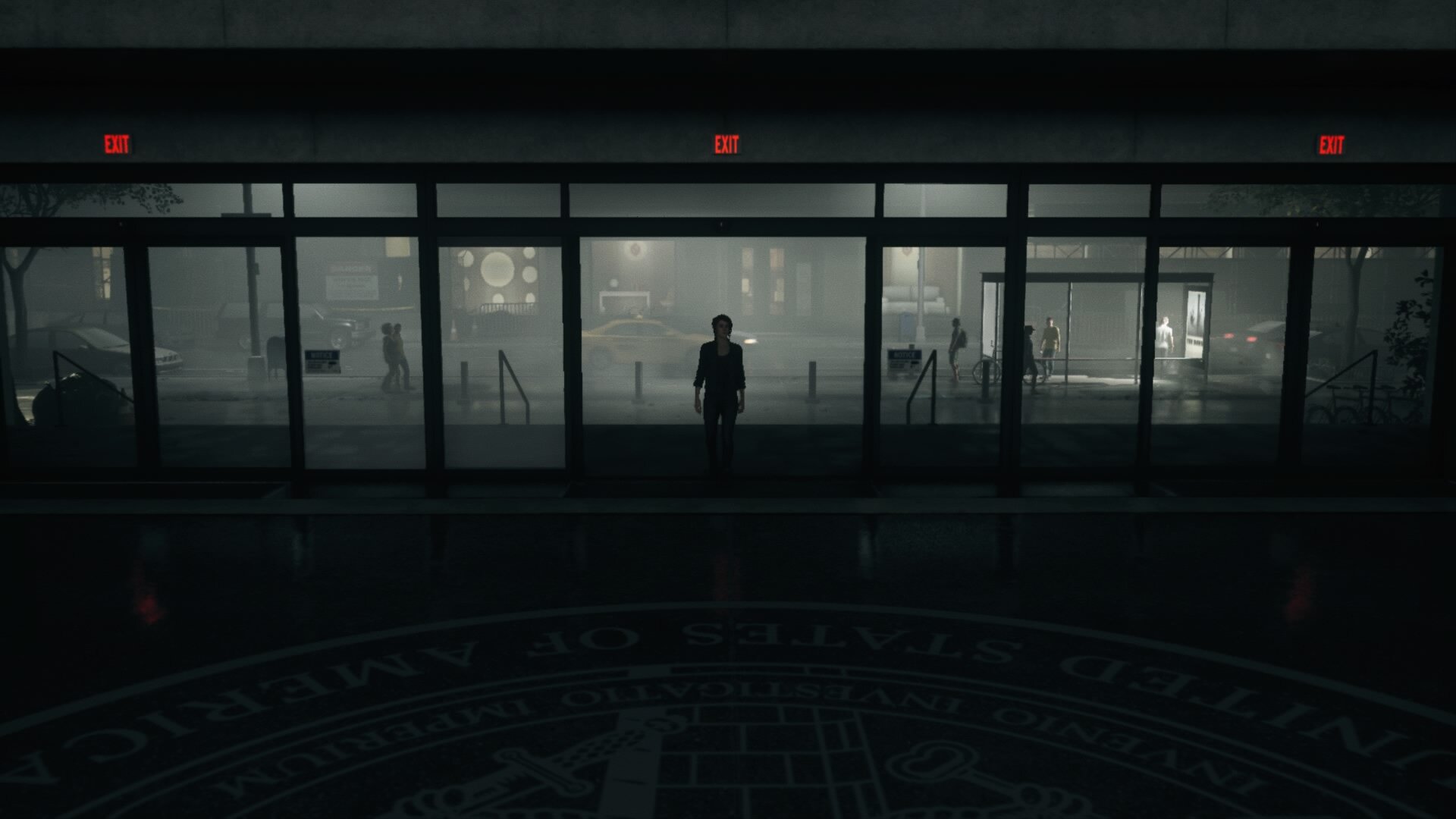
Control- Video Games As Art

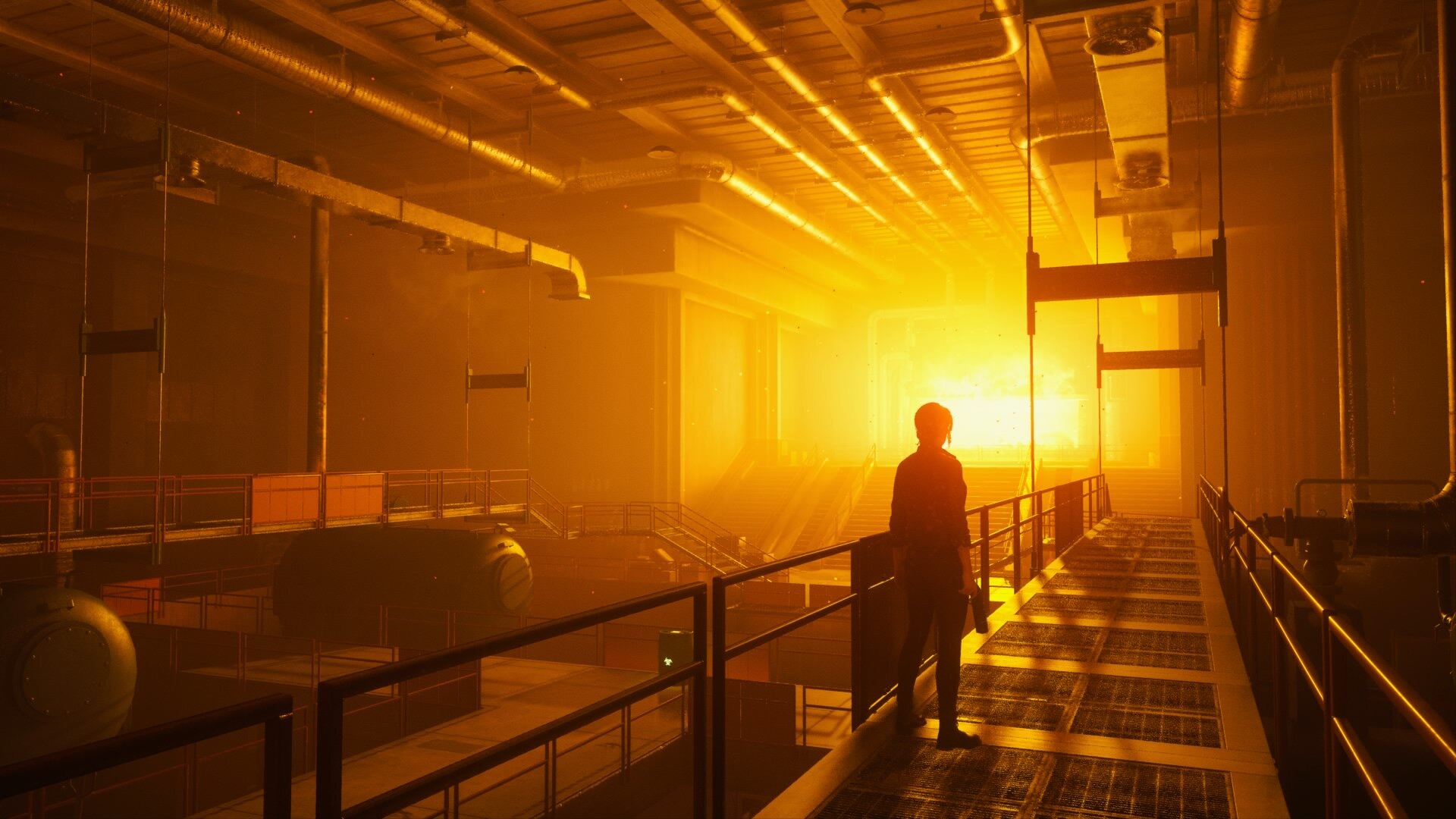
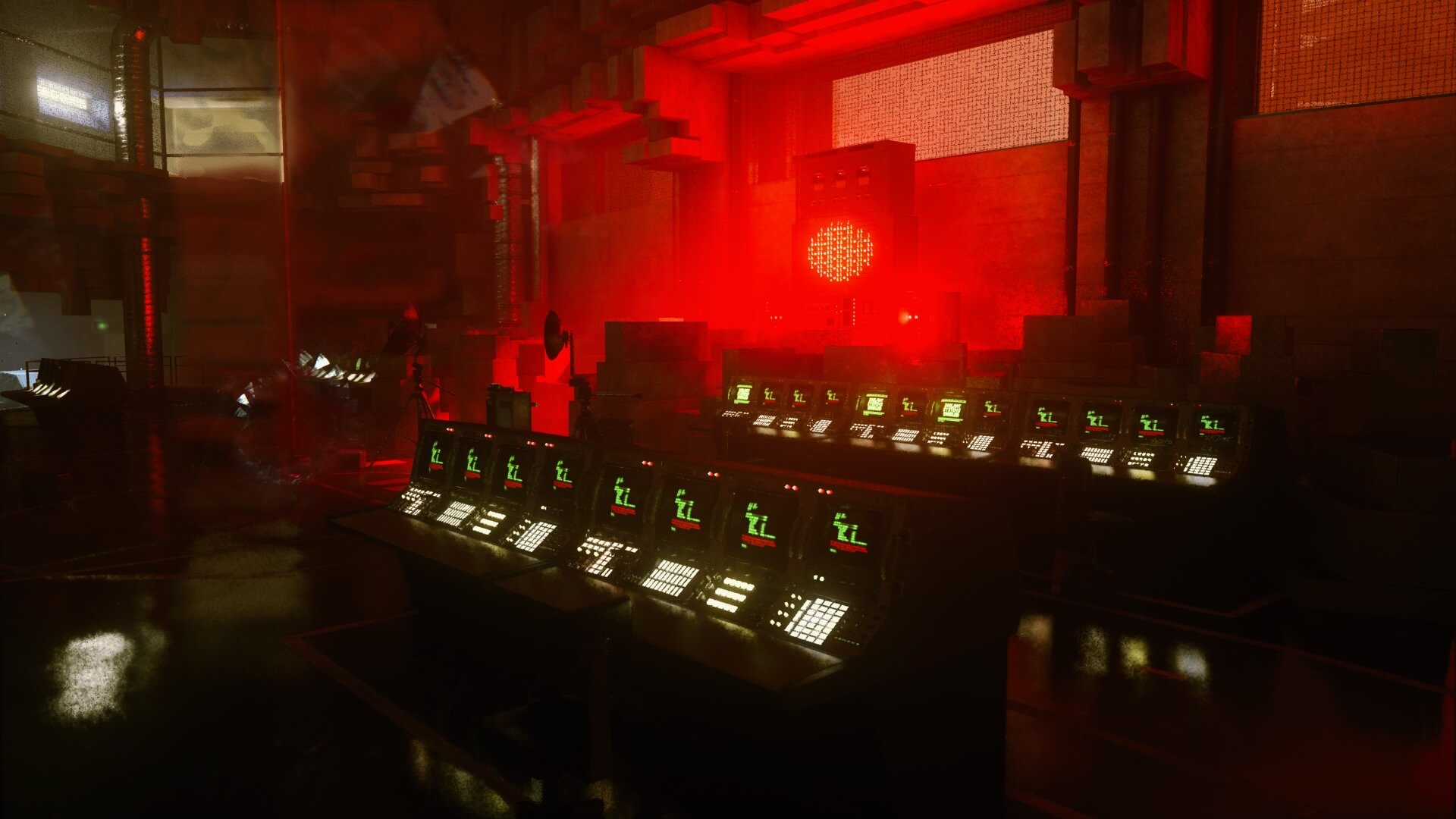
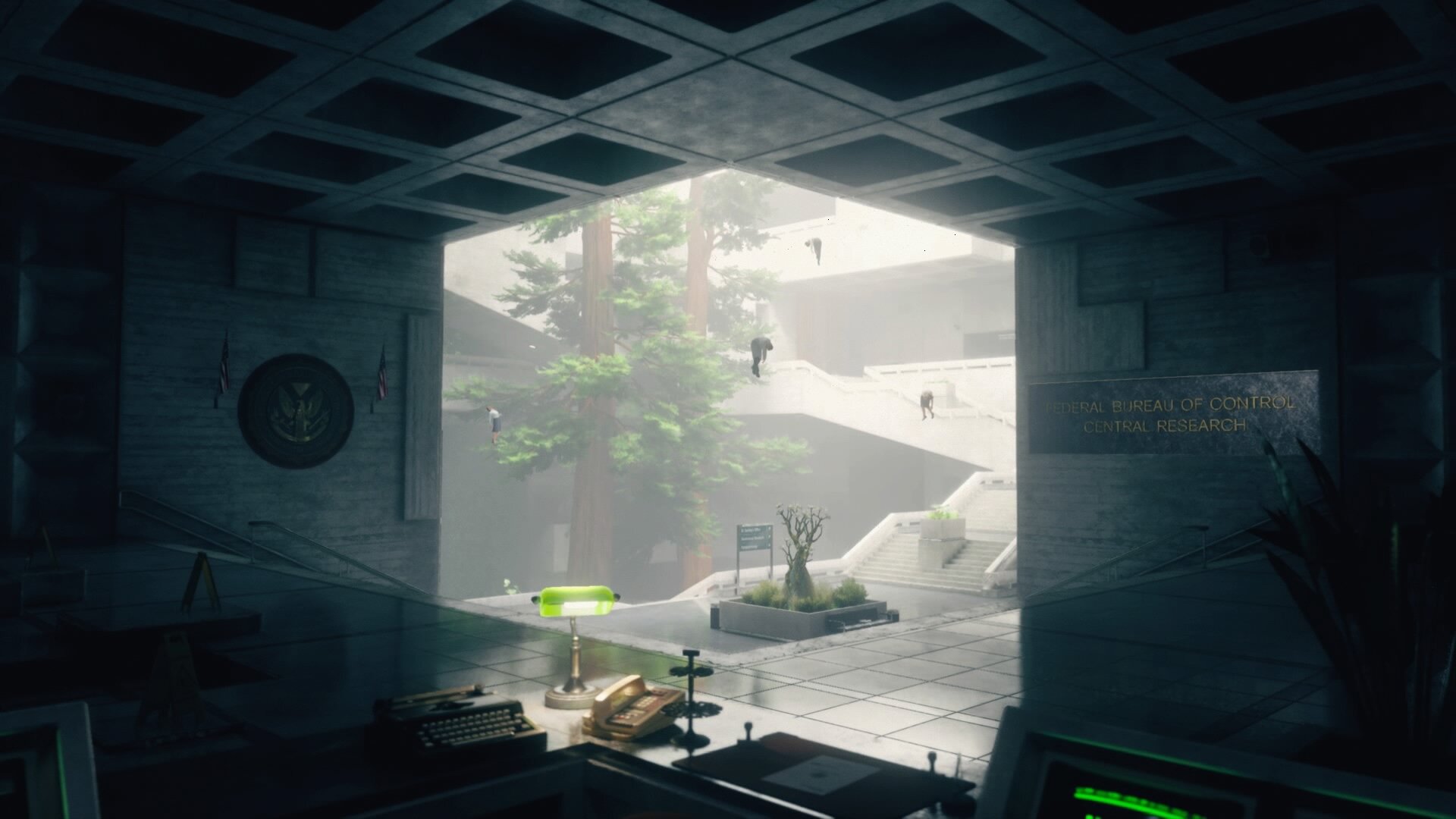
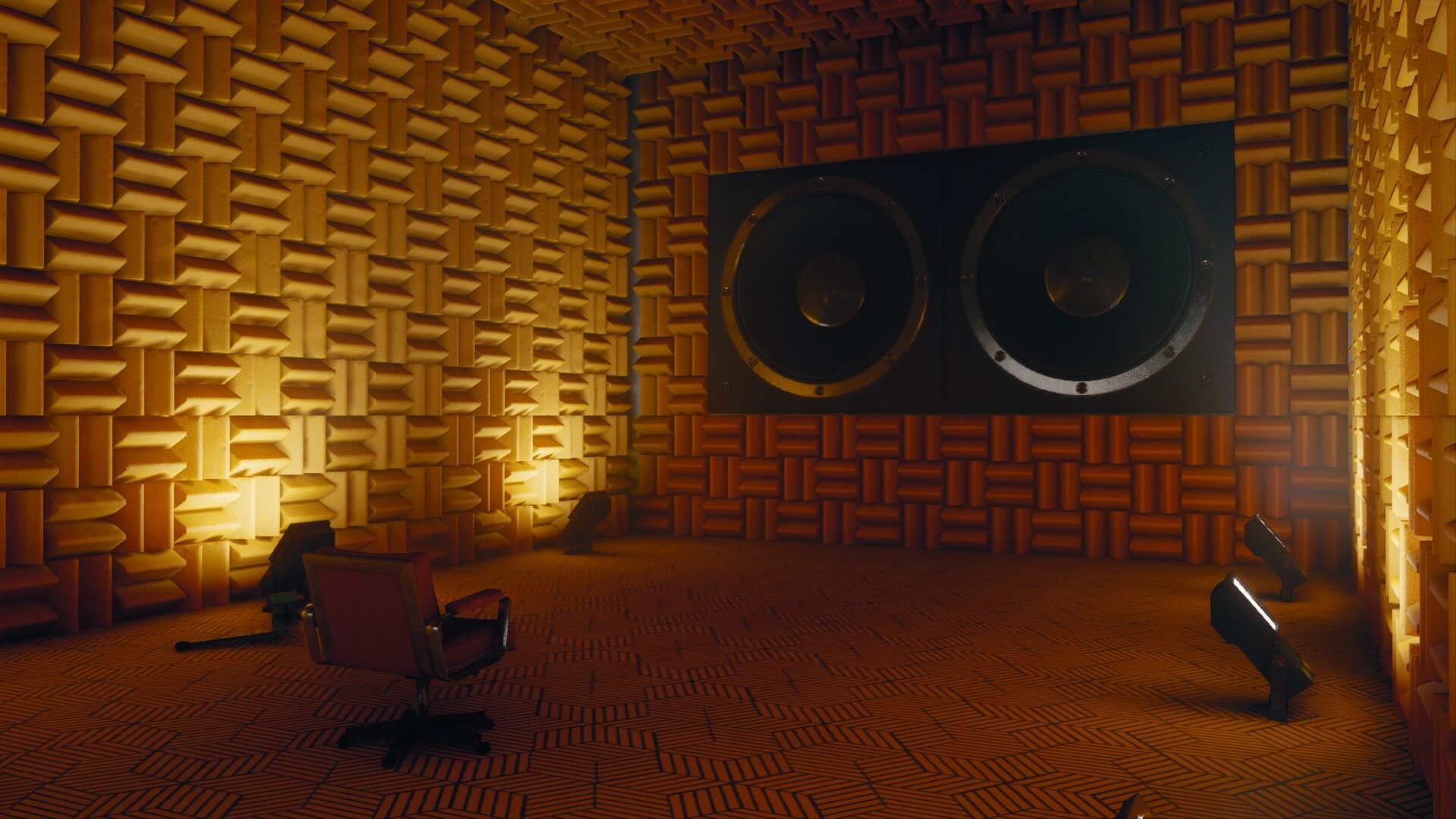
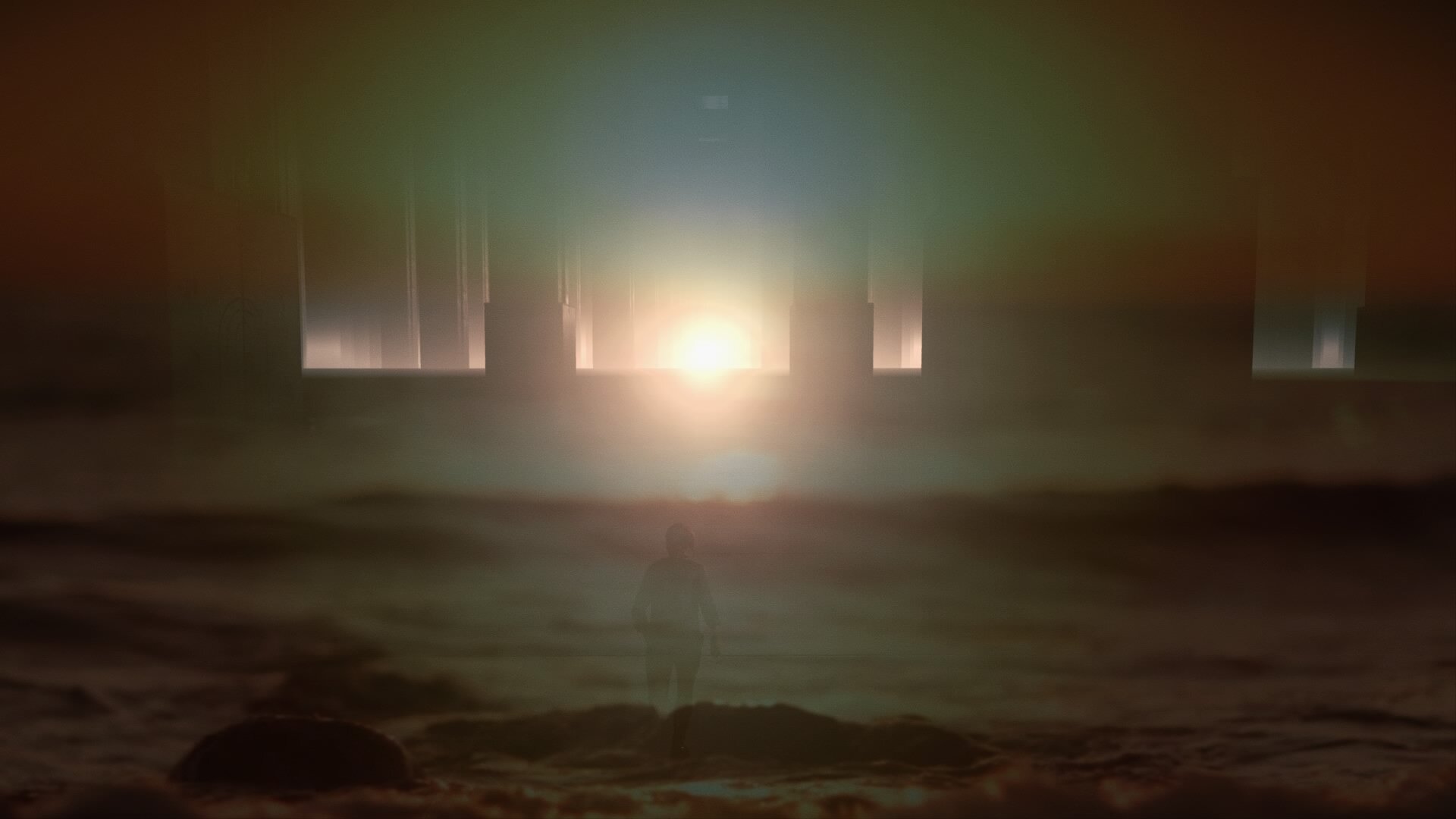
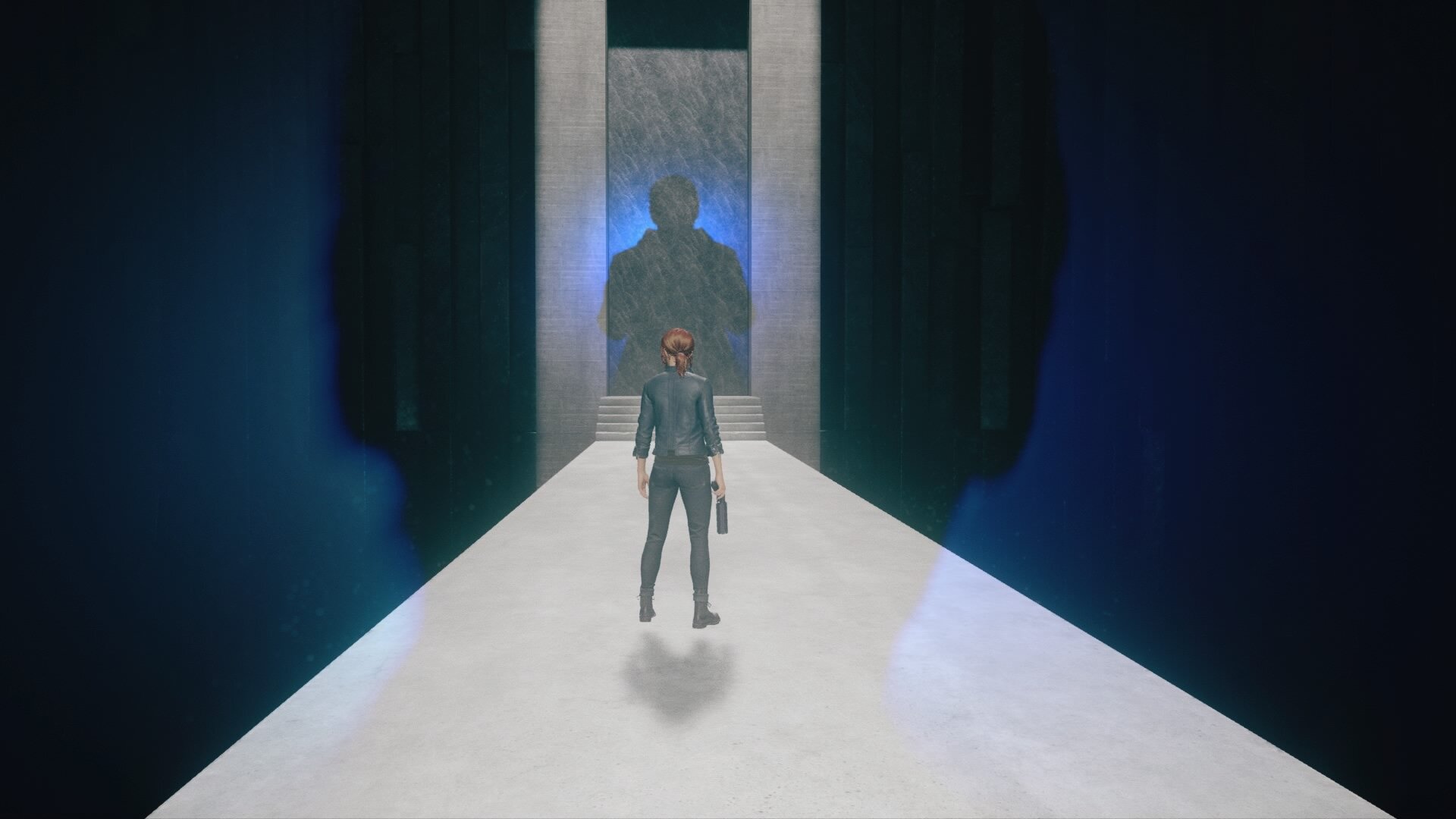
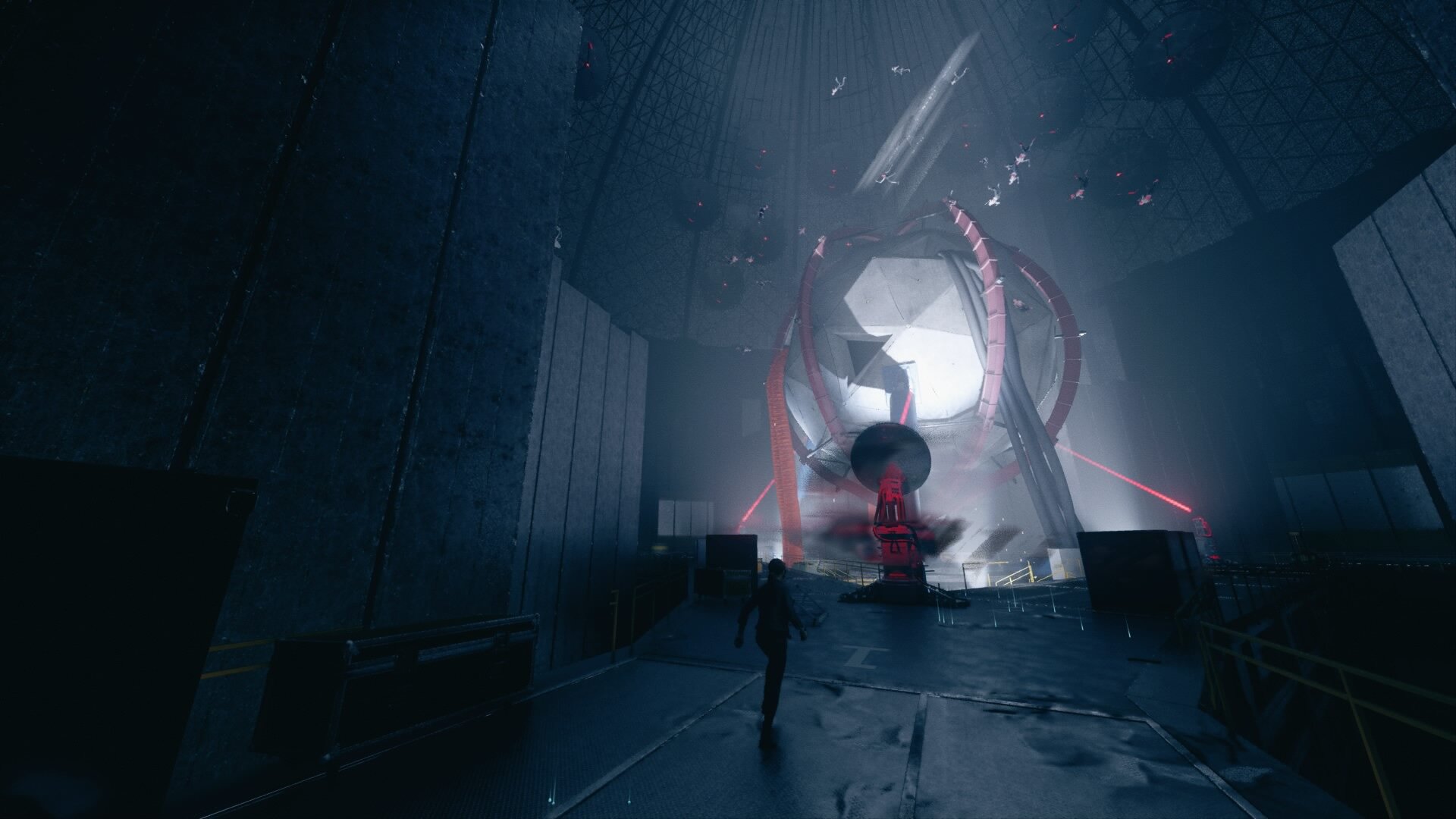
Control is an intriguing game in which you play as the Director of a secretive New York agency tasked with keeping a supernatural force at bay. So far so videogamey, but what seperates this game from others is the strange dynamic Old House, the building that changes, grows and moves. This makes the play space intriguing and constantly in a state of flux, adding to the sense of confusion. It reminded me of Mark. Z. Danielewski’s stunning ‘House of Leaves’ with hints of ‘Twin Peaks’. The game is stunning and on my playthrough I took some great shots.