
Back in the early 90s, Hong Kong cinema (as well as much of world cinema) was still quite niche, cult and difficult to find in England. You'd get the occasional Bruce Lee movie on television and that was about it. I knew Bruce Lee through Enter the Dragon but that was it, my knowledge of the wider genre was very slim. That changed as Channel 4 (and later cable channels) started to show anime, manga and Asian Cinema more frequently and when Crouching Tiger, Hidden Dragon became a worldwide smash the floodgates opened. I may be misremembering but I think I was introduced to this genre through Channel 4 or by a close friend who was a huge Jackie Chan fan before he became a 'name' in the West with the success of Rush Hour. However, by whatever means, A Chinese Ghost Story was one of the first HK films I saw and I fell in love with it, purchasing the Hong Kong Legends DVD for the then princely sum of £20 years later (that’s in the early 00s mind you so that’s mega expensive!)
Later I would realise that, whilst incredibly beautifully shot with sumptuous costumes and detailed sets, the film was a sum of the genre parts rather than a truly innovative picture. Another earlier Tsui Hark picture, Zu: Warriors of the Mountain (which I also purchased later, again by HKL) did a lot of what is shown Hark's oeuvre and the Wuxia genre, however, at the time I didn't mind as I didn't know any better. Even now, the tale of a lowly, down on his luck tax collector falling in love with a spirit and trying to save her cursed soul still captivates me.
Released in 1997, A Chinese Ghost Story: The Animated Film was something I sought after seeing it mentioned in Manga Mania but I never found it... until now, where it came up serendipitously in my YouTube feed.
Under the direction of Tsui Hark, who also produced the original films, this animated film ventured into new territory, aiming to translate ethereal romance and supernatural action into a fresh medium. So, did Hark succeed in this endeavour?
The narrative mirrors its live-action predecessor, following Ning, a young and somewhat naive tax collector and scholar, who is heartbroken and adrift in ancient China. However, his spirits are lifted by an encounter with Siu Lan, an ethereal beauty with whom he instantly falls in love. The significant complication, however, is that Siu Lan is a soul stealing ghost. Their blossoming romance quickly finds itself at odds with the formidable supernatural powers that govern their world. Ning's unwavering devotion forces him to confront a gauntlet of challenges, from undead beasts and mad exorcists to powerful chi blasts and even spectral trains. Despite these perilous obstacles, his determination to fight for his one last chance at happiness forms the emotional core of the film.
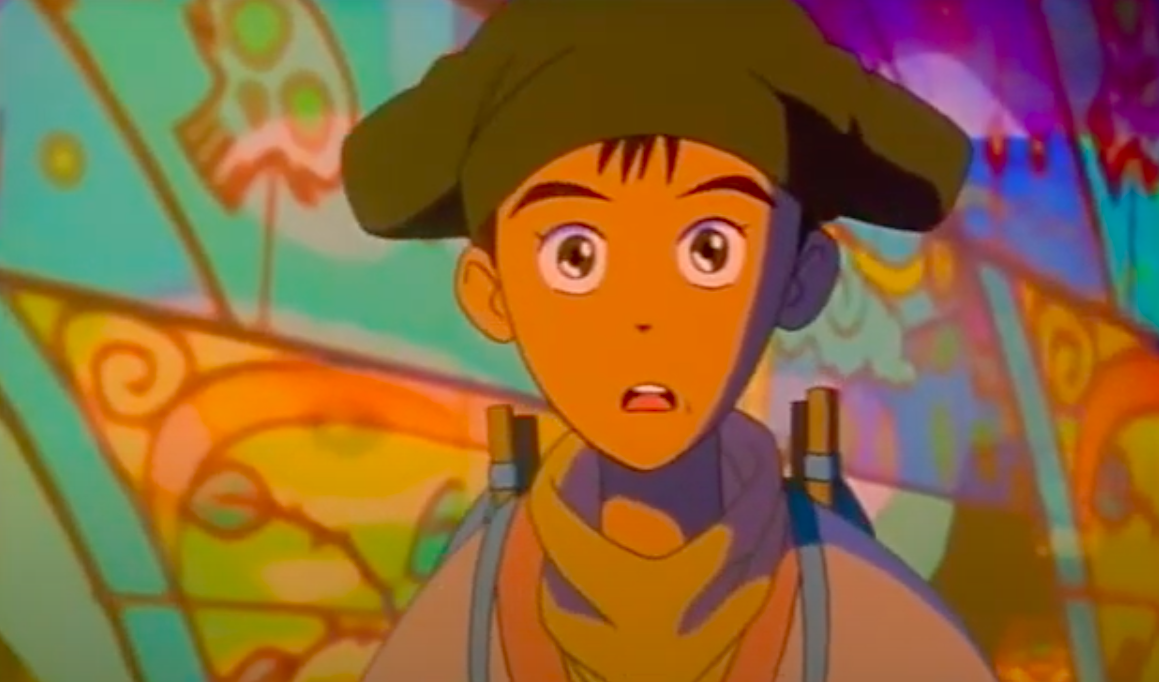
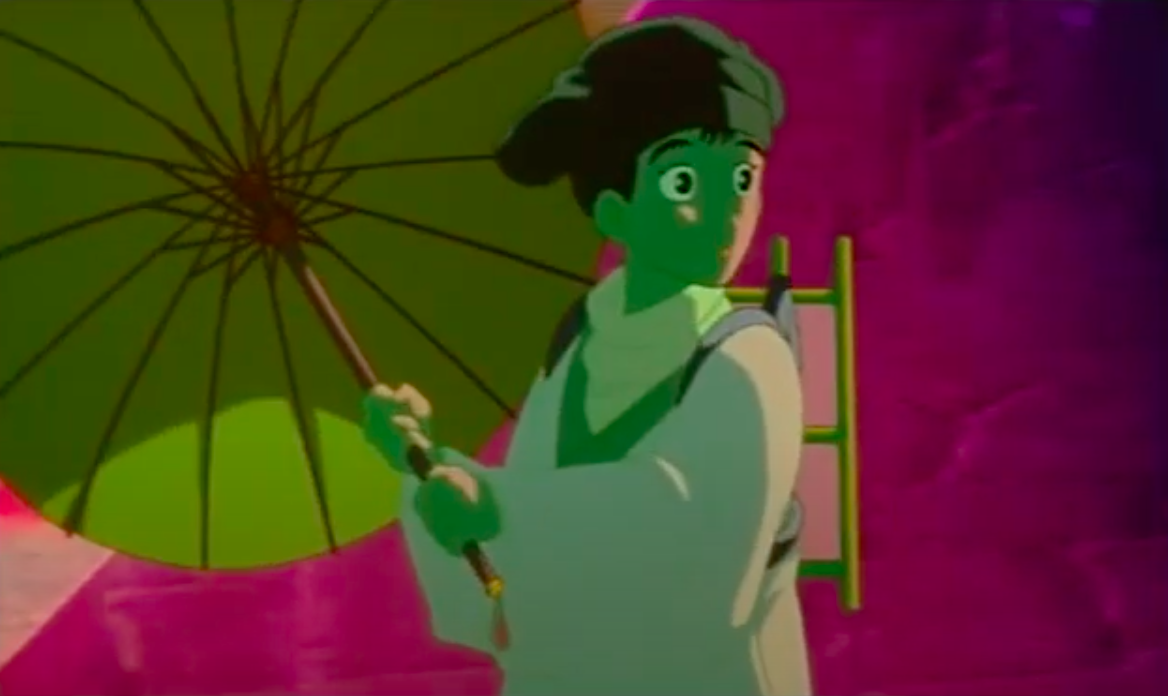
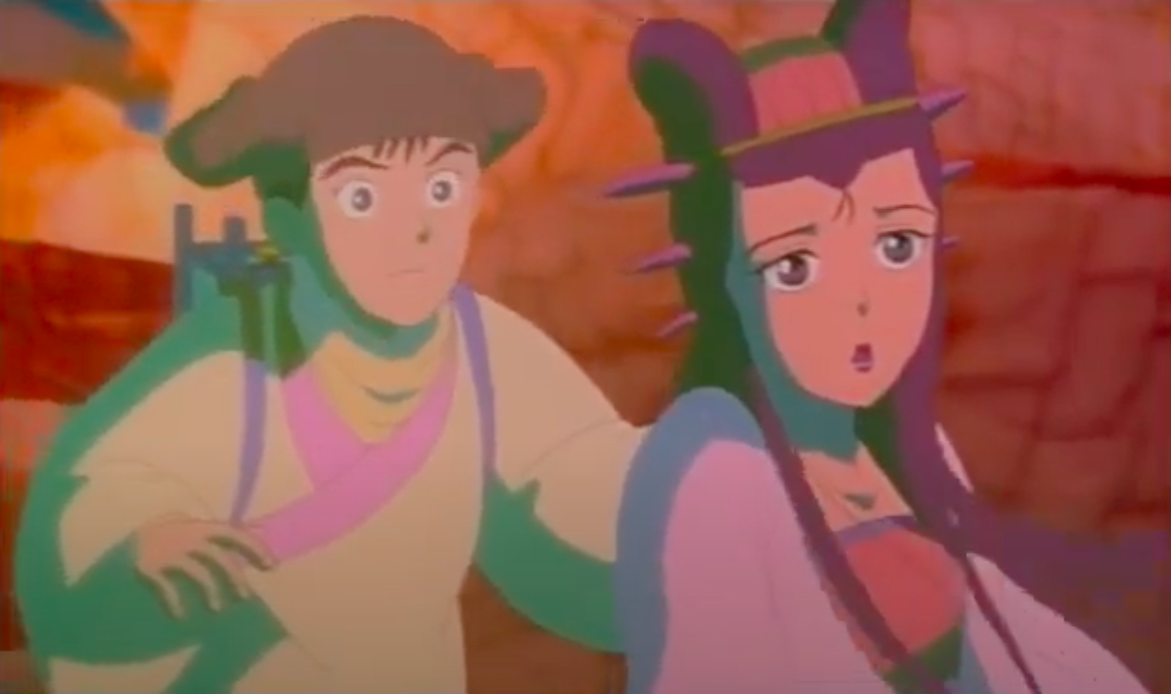
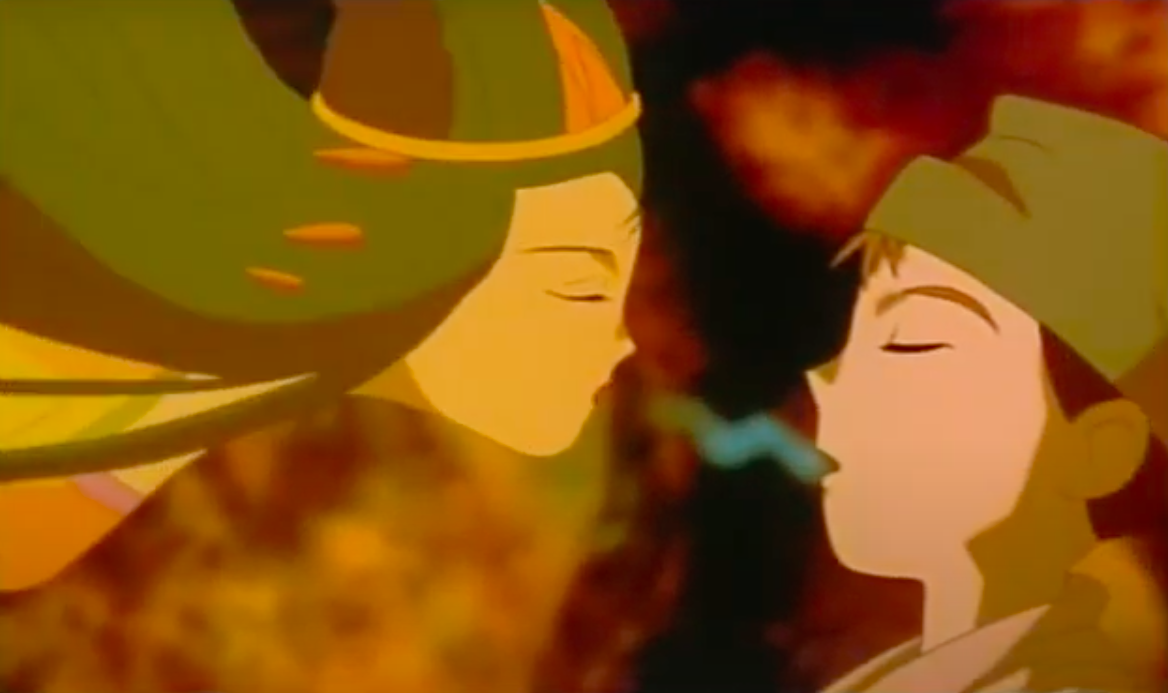
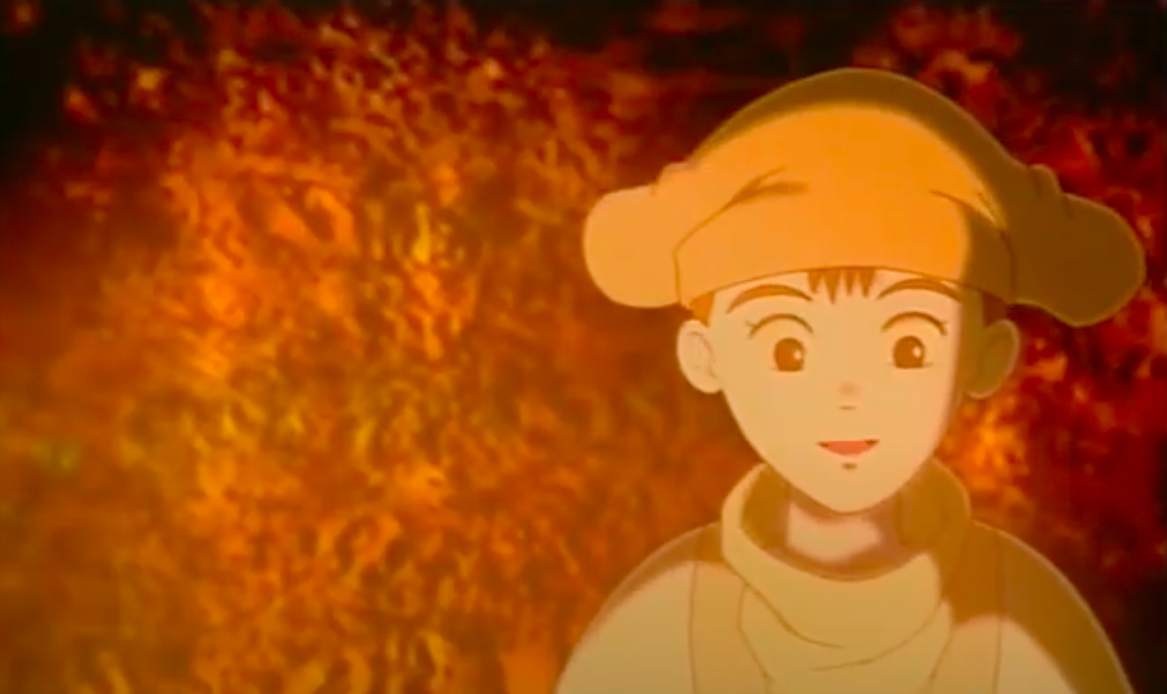
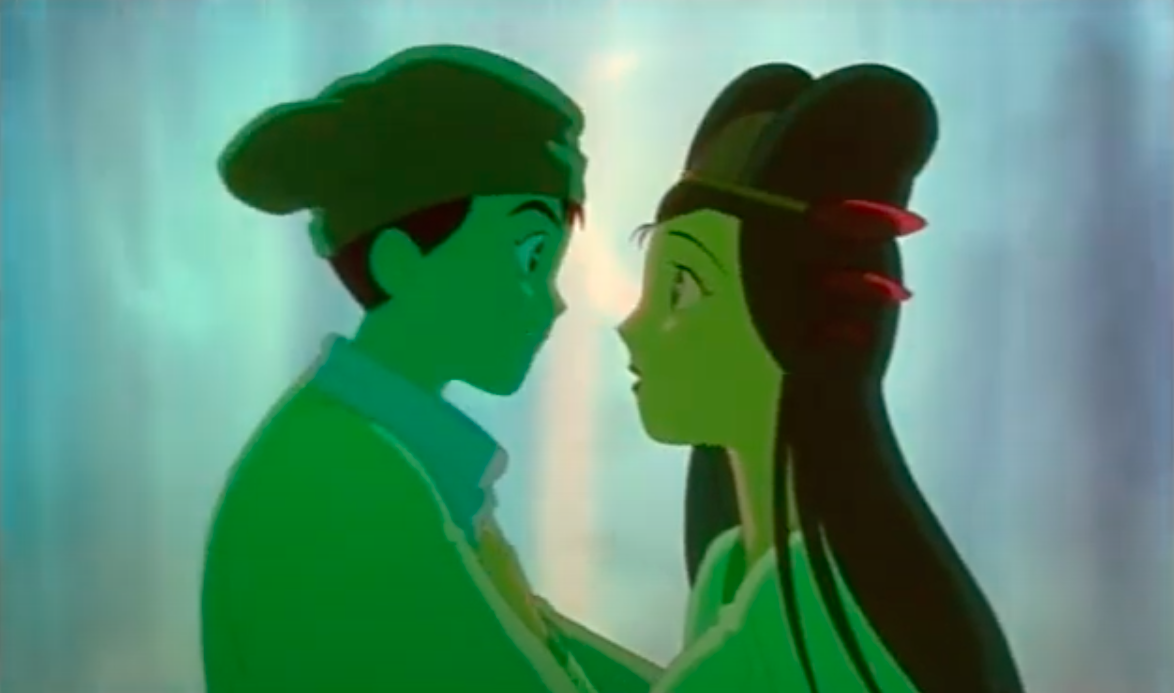
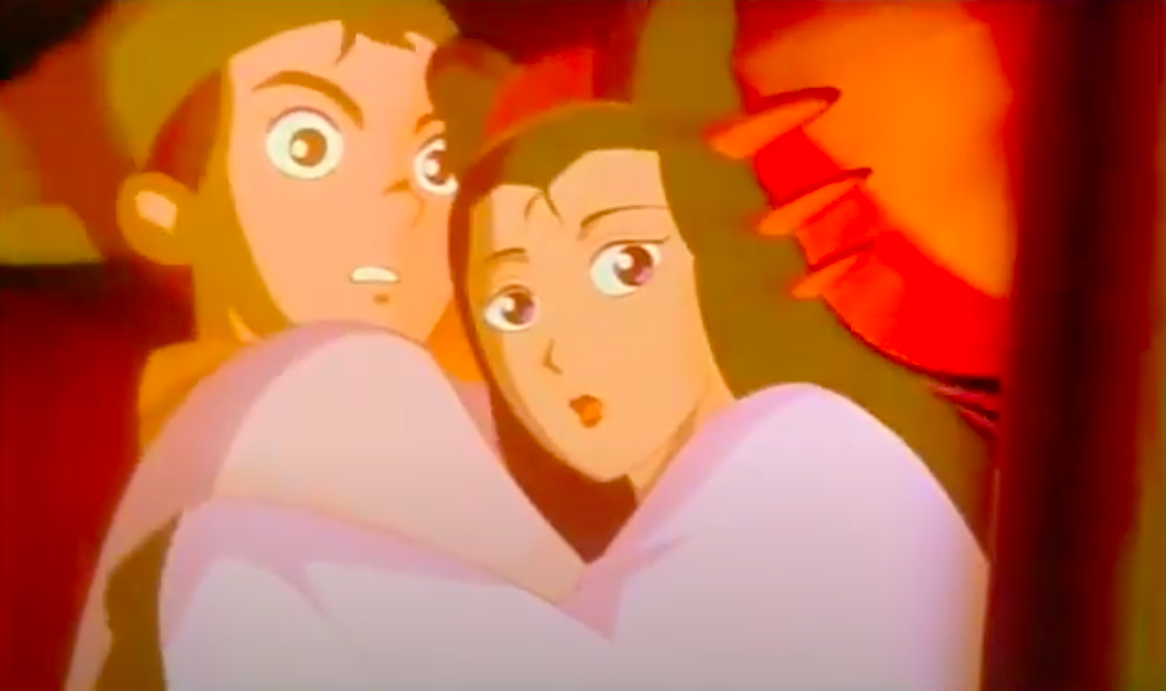
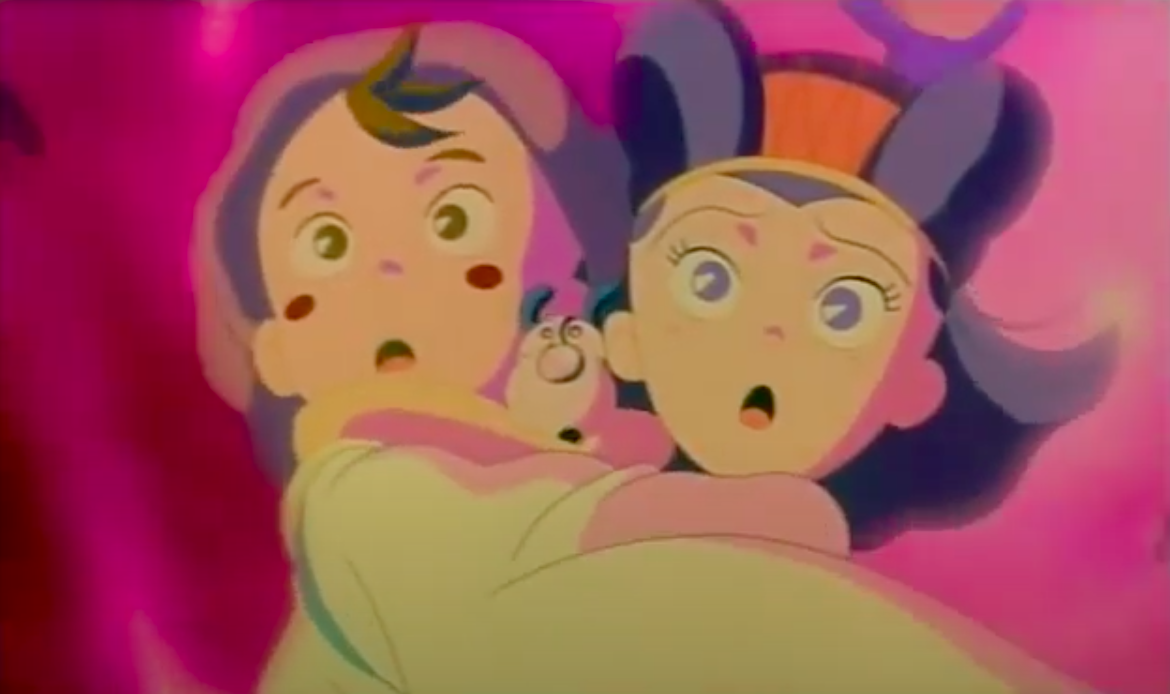
I really enjoyed my time with the film as it is an ambitious fusion of animation techniques. It is a testament to the artistry of fluid, hand-drawn animation. This traditional approach masterfully captures expressive character designs and creates dynamic action sequences, imbuing them with a timeless cel-animated charm. Characters move with a grace and exaggerated flair difficult to achieve in live-action, allowing for more fantastical and emotionally charged performances. Complementing this, meticulously detailed backgrounds depicting misty forests, ancient temples, and bustling marketplaces are rendered with impressive depth, often evoking the beauty of traditional Chinese painting. However, the film also serves as a fascinating snapshot of animation in the late 1990s, venturing into the then-nascent realm of GCI and live film, a real mixed media prodution of you will. The integration of CGI is arguably the most experimental aspect, and at times, the least seamless. While employed effectively to depict certain magical effects, spirits, and elaborate transformations, the early 3D animation occasionally contrasts sharply with the more organic hand-drawn elements. This visual disconnect can momentarily pull the viewer from the immersive experience, a common challenge for films of this era that pushed the boundaries of new technologies. While some CGI elements hold up better than others, they are undeniably a product of their time. However, despite these experimental quirks, the film largely succeeds in delivering a beautifully animated and engaging narrative.
The story admirably retains the melancholic romance and tragic undertones that defined the original live-action trilogy, while adapting the action for the animated medium, allowing for more exaggerated and visually creative battles against various demons and spirits. The voice acting, which I experienced as an English dub, breathes life into the characters, and the score effectively underscores the film's emotional beats and supernatural tension.
In conclusion, A Chinese Ghost Story: The Animated Film is a captivating curio in the history of animated cinema, especially for aficionados of Asian animation. Its unwavering commitment to traditional hand-drawn techniques remains its greatest strength, delivering vibrant characters and dynamic action sequences. While its pioneering use of CGI and live-action elements can at times feel dated or disruptive, they also serve as a valuable testament to the era's innovative and exploratory spirit.
So, for those keen to witness a beloved tale retold with creative ambition and a truly unique visual approach, this animated feature is well worth a watch.
LINK: A Chinese Ghost Story- Cult Film Review
LINK: Japan: My Journey to the East
LINK- Battle Angel Alita: And So It Ends
LINK- Fire Tripper: Cult Manga Review
LINK- Akira Soundtrack Vinyl Review
LINK- Manga Exhibition at the British Museum
LINK- The Transportive Nature of Objects (And the Power of Mini Consoles)


